Artwork
Gasparo Pachiarotti
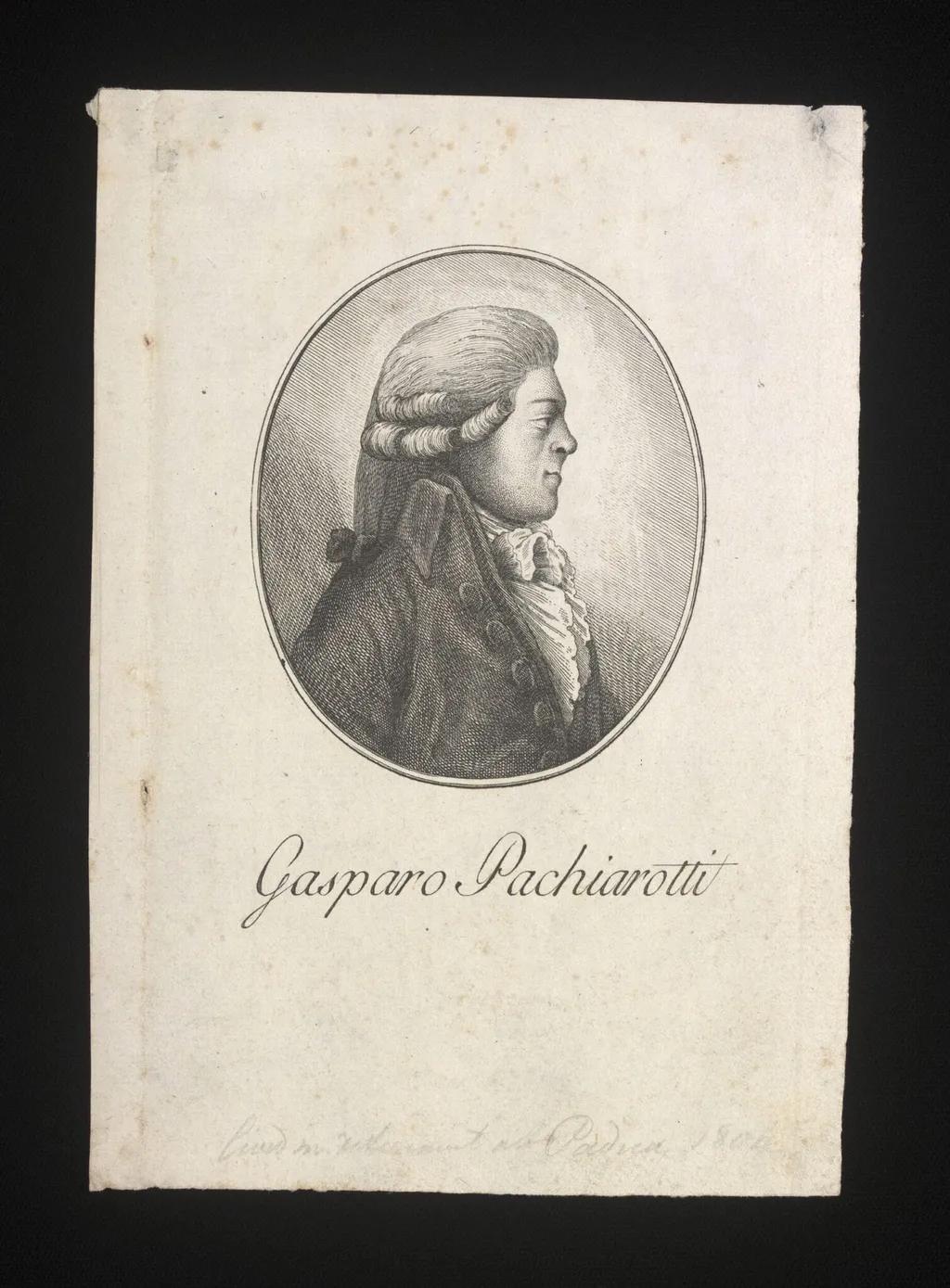
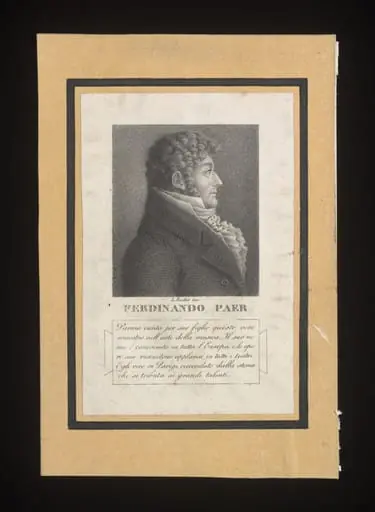
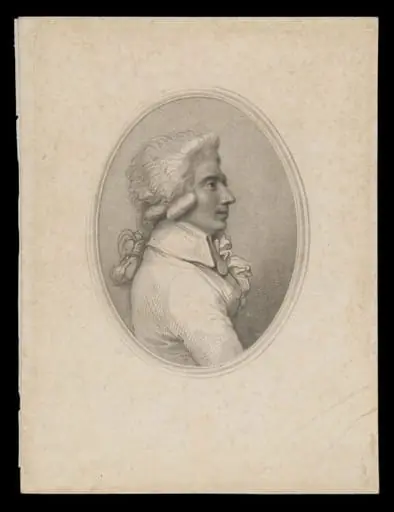
Gasparo Pachiarotti is a print by Unknown. It dates from 1750 and is held in the collection of the Victoria and Albert Museum.
About this work
This painting is a print of Gasparo Pachiarotti. It's interesting because it was published in the 18th century, which was a time when prints like this were used to share images of famous people. The print is also part of the Harry Beard Collection, which suggests it was collected for its historical or artistic value. You can learn more about this type of artwork at the Victoria and Albert Museum.
Overview
This 18th-century print portrays Gasparo Pachiarotti, an Italian figure of some regional note. Produced as a reproductive image, it reflects the period’s practice of circulating likenesses of notable individuals through printed media. The work belongs to the Harry Beard Collection, a grouping assembled for its documentary and cultural significance rather than artistic novelty.
Subject & Meaning
Gasparo Pachiarotti was likely a local personality, possibly a scholar, cleric, or civic figure, whose image was deemed worthy of preservation. The print’s purpose was not to idealize but to record, serving as a visual reference in an era before photography. Its existence suggests Pachiarotti held enough recognition to warrant dissemination among collectors and institutions.
Technique & Style
Executed in a standard print medium of the time, likely engraving or etching, the image employs fine linear detail to render facial features and attire. The style is restrained, prioritizing clarity over ornamentation, consistent with portraiture intended for reproduction and wide distribution rather than artistic experimentation.
History & Provenance
The print entered the Harry Beard Collection during the 19th or early 20th century, a period when such materials were systematically gathered by enthusiasts of historical portraiture. Its inclusion indicates recognition of its value as a historical artifact. The collection later became part of the Victoria and Albert Museum’s holdings, ensuring its preservation and scholarly access.
Context
In the 18th century, printed portraits were vital tools for disseminating images of public figures across Europe. Without photography, such prints functioned as both memorials and identifiers. This piece reflects a broader trend of collecting likenesses of lesser-known individuals, preserving their presence in the cultural record for future generations.
Legacy
Though not widely known today, the print endures as a fragment of early modern visual culture. Its survival in a major museum collection underscores its role in documenting the social fabric of its time. It remains a quiet testament to how ordinary figures were preserved through the mechanical reproduction of their image.
Artist & collection