Artwork
Guy Little Theatrical Photograph
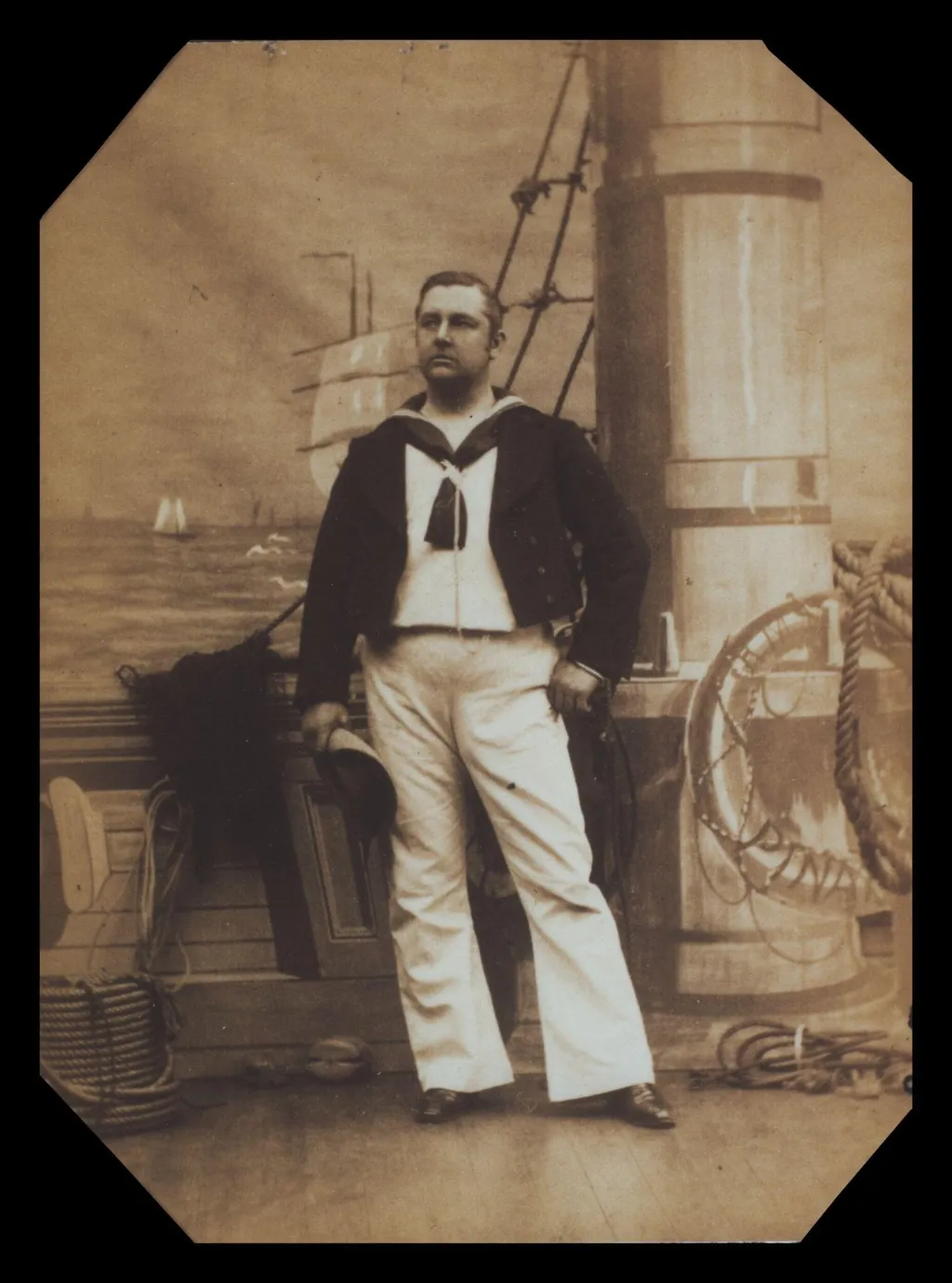
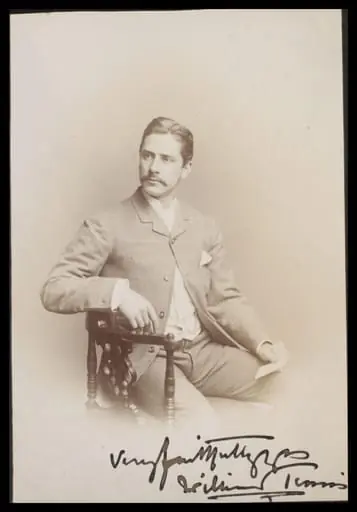
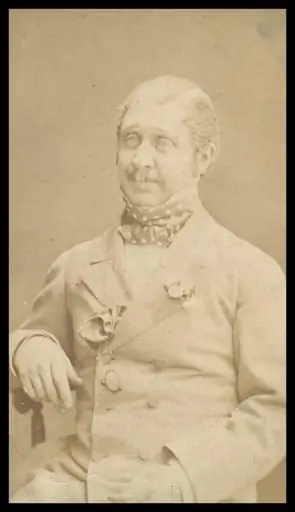
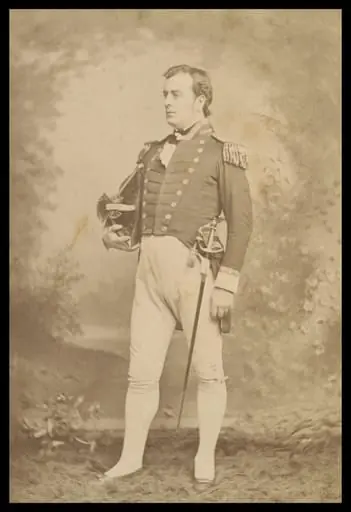
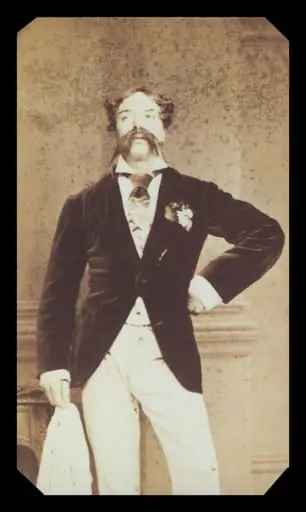
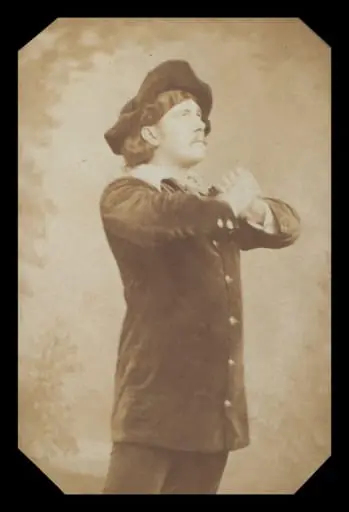
Guy Little Theatrical Photograph is a photographic photography by the Impressionist artist Unknown. It dates from 1878 and is held in the collection of the Victoria and Albert Museum. This photograph captures Rutland Barrington in character as Captain Corcoran from the Gilbert and Sullivan opera H.
About this work
Overview
Taken in a studio setting, it belongs to a collection assembled by Guy Tristram Little, a legal professional and avid collector of theatrical memorabilia.
This photograph captures Rutland Barrington in character as Captain Corcoran from the Gilbert and Sullivan opera H.M.S. Pinafore. Taken in a studio setting, it belongs to a collection assembled by Guy Tristram Little, a legal professional and avid collector of theatrical memorabilia. The image was originally produced as a cabinet card, a larger, more durable format than the earlier carte de visite, mounted on stiff cardstock with the photographer’s imprint.
Little later removed such images from their original backings and organized them into albums, preserving them for future study.
Subject & Meaning
Rutland Barrington, a prominent actor of the Victorian stage, portrayed Captain Corcoran, the dignified naval officer at the center of H.M.S. Pinafore. The photograph reflects the era’s practice of using portraiture to extend theatrical performances beyond the stage. By posing in full costume, Barrington offered fans a tangible connection to the character, reinforcing the opera’s popularity and the actor’s public persona. These images functioned as both promotional tools and personal mementos, bridging live performance and domestic culture.
Technique & Style
The photograph was made using the albumen printing process, common in the late 19th century, which involved coating paper with egg white and silver salts to produce a glossy, detailed image from a glass negative. The composition is formal and static, typical of studio portraiture, with Barrington posed against a plain backdrop to emphasize his uniform and expression. Lighting is even and controlled, minimizing shadows to ensure clarity. The card’s sturdy backing and printed lettering reflect the commercial production standards of the time.
History & Provenance
The photograph was part of Guy Tristram Little’s personal collection of theatrical photographs, which he meticulously mounted and preserved. After his death in 1953, the collection was bequeathed to the Victoria and Albert Museum. Little, a solicitor and executor of Gabrielle Enthoven’s estate, played a key role in transferring her extensive theatrical holdings to the museum.
His own acquisitions, including this image, enriched the V&A’s archive of performance-related materials, ensuring their survival for scholarly use.
Context
During the 1870s and 1880s, cabinet cards replaced cartes de visite as the preferred format for theatrical portraits, offering greater detail and durability. H.M.S. Pinafore, premiered in 1878, was one of the most successful operettas of its time, and its cast became widely recognized through such images. The practice of distributing actor portraits mirrored broader Victorian interests in collecting and displaying visual culture, from celebrity likenesses to travel scenes, reflecting photography’s growing role in shaping public identity and memory.
Legacy
Little’s collection, now held by the V&A, remains a vital resource for understanding Victorian theatre and photographic culture. This image, like others in the archive, documents how performance was mediated through new technologies and consumed by a public eager to engage with actors beyond the stage. The preservation of such materials has enabled ongoing research into the intersection of theatre, photography, and popular media in the 19th century.
Artist & collection