Artwork
星曼荼羅図 (Hoshi mandara zu)|Star Mandala
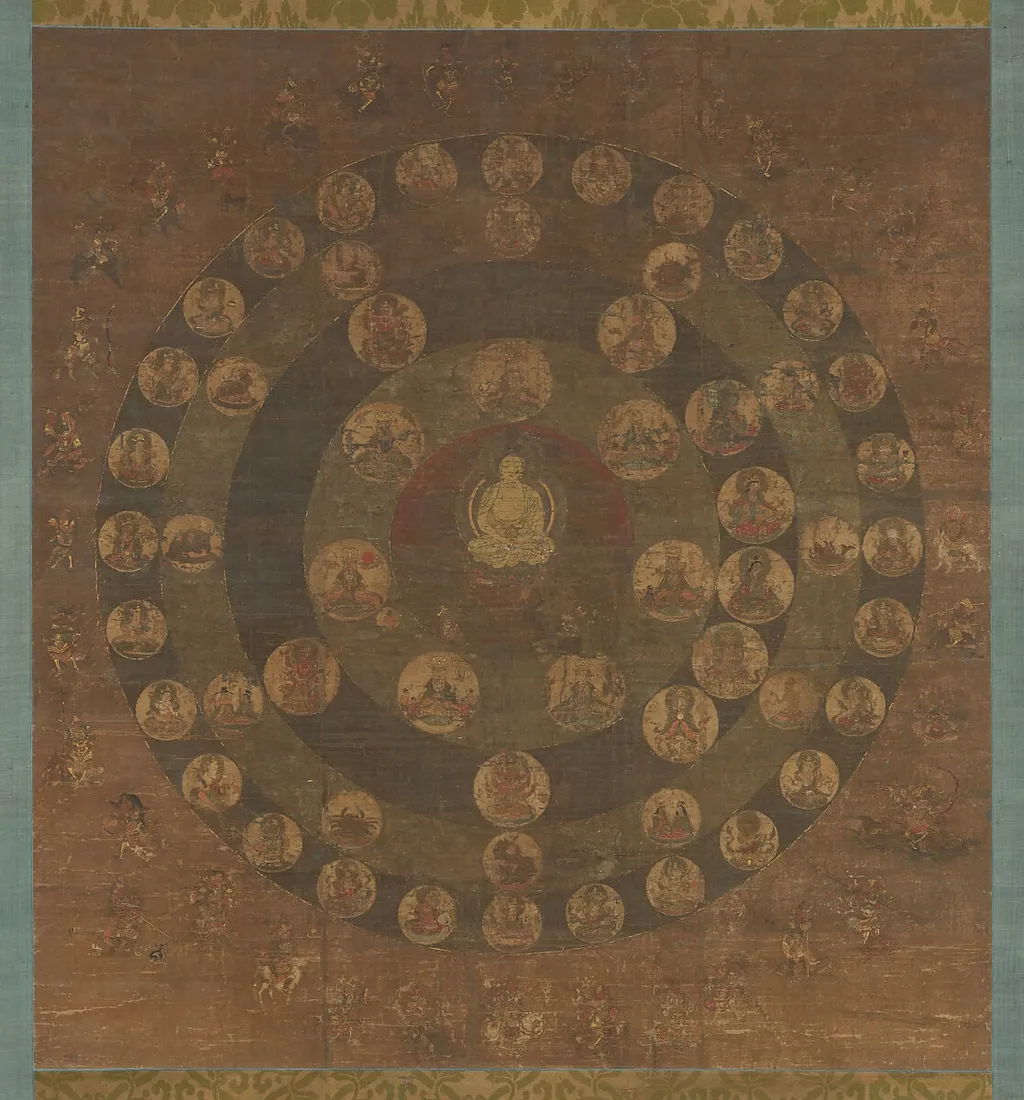
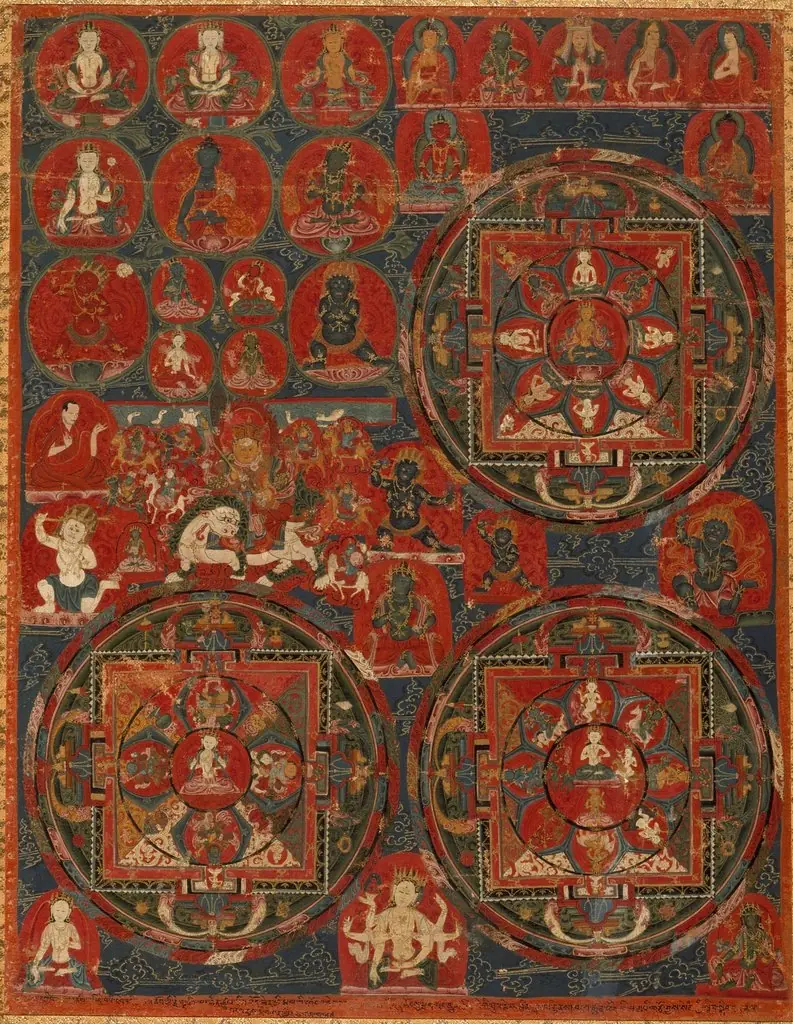
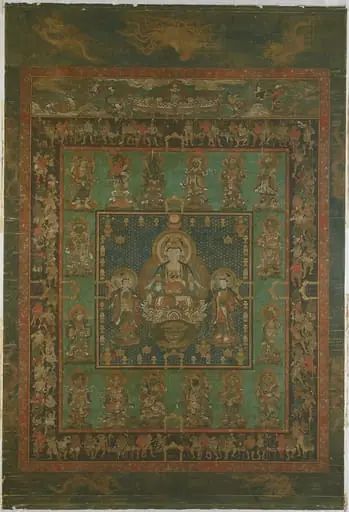
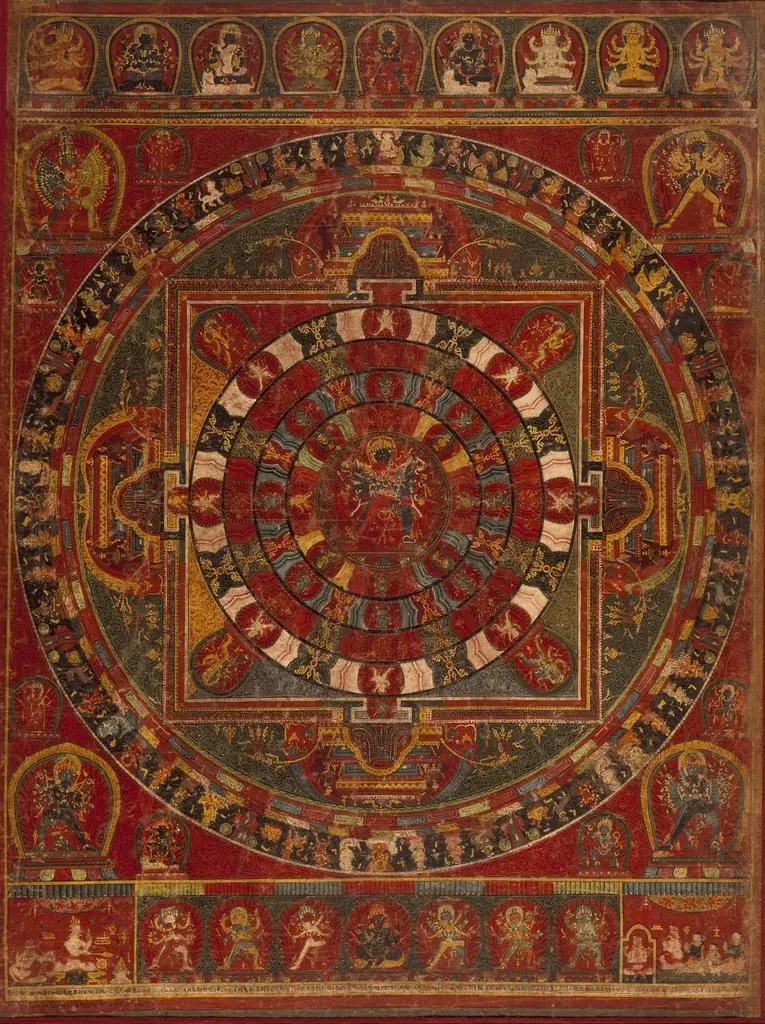
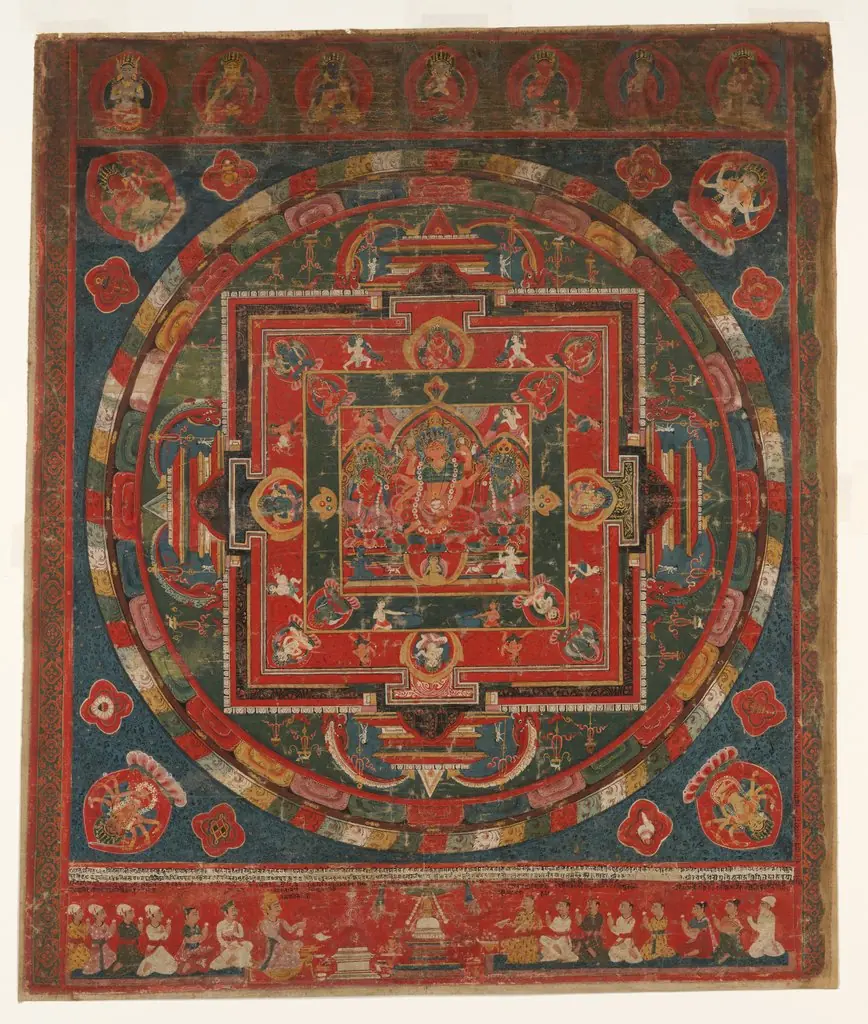
星曼荼羅図 (Hoshi mandara zu)|Star Mandala is an ink painting by the Joseon dynasty painting artist Unknown. It dates from 1300 and is held in the collection of the Metropolitan Museum of Art. This hanging scroll, titled 星曼荼羅図 (Hoshi mandara zu) or Star Mandala, is a silk painting adorned with ink, color, gold, and cut gold.
- Accession no.
- 2020.391
- Credit line
- Gift of Sue Cassidy Clark, in honor of Bernard Faure, 2020
About this work
Overview
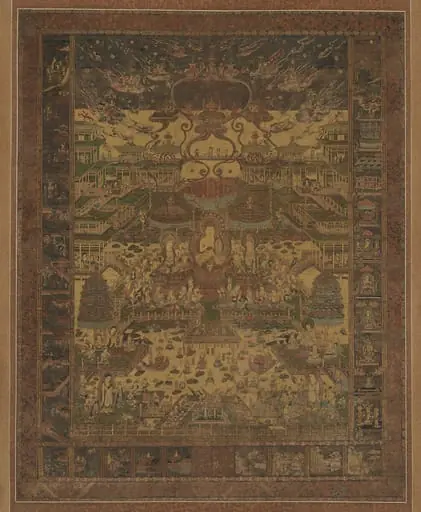
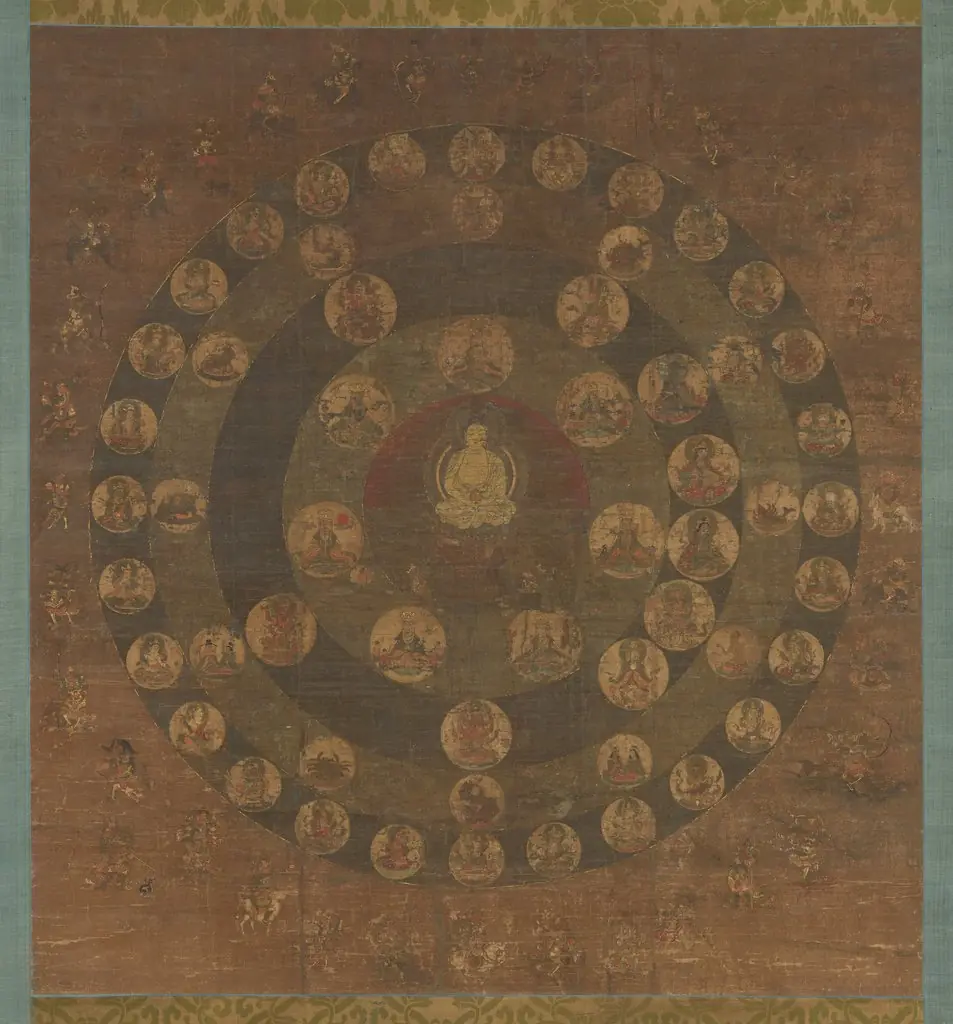
This hanging scroll, titled 星曼荼羅図 (Hoshi mandara zu) or Star Mandala, is a silk painting adorned with ink, color, gold, and cut gold. It depicts a circular arrangement of figures around a central being.
Subject & Meaning
The central figure is surrounded by smaller, glowing beings, with tiny narrative scenes in each surrounding circle. The image's symbolism and layered meaning are rooted in Buddhist traditions, where mandalas serve as sacred representations of the universe and spiritual realms.
Technique & Style
The painting features intricate gold lines and dots that create a star-like pattern, while the use of gold and precise lines conveys a sense of reverence and complexity. The dark background with a greenish halo adds depth to the composition.
Context
The Star Mandala is a representation of Buddhist cosmology, where the central figure is likely a deity or enlightened being, surrounded by attendant figures and narrative scenes that may illustrate a specific Buddhist teaching or myth.
Artist & collection