Artwork
Kakemono
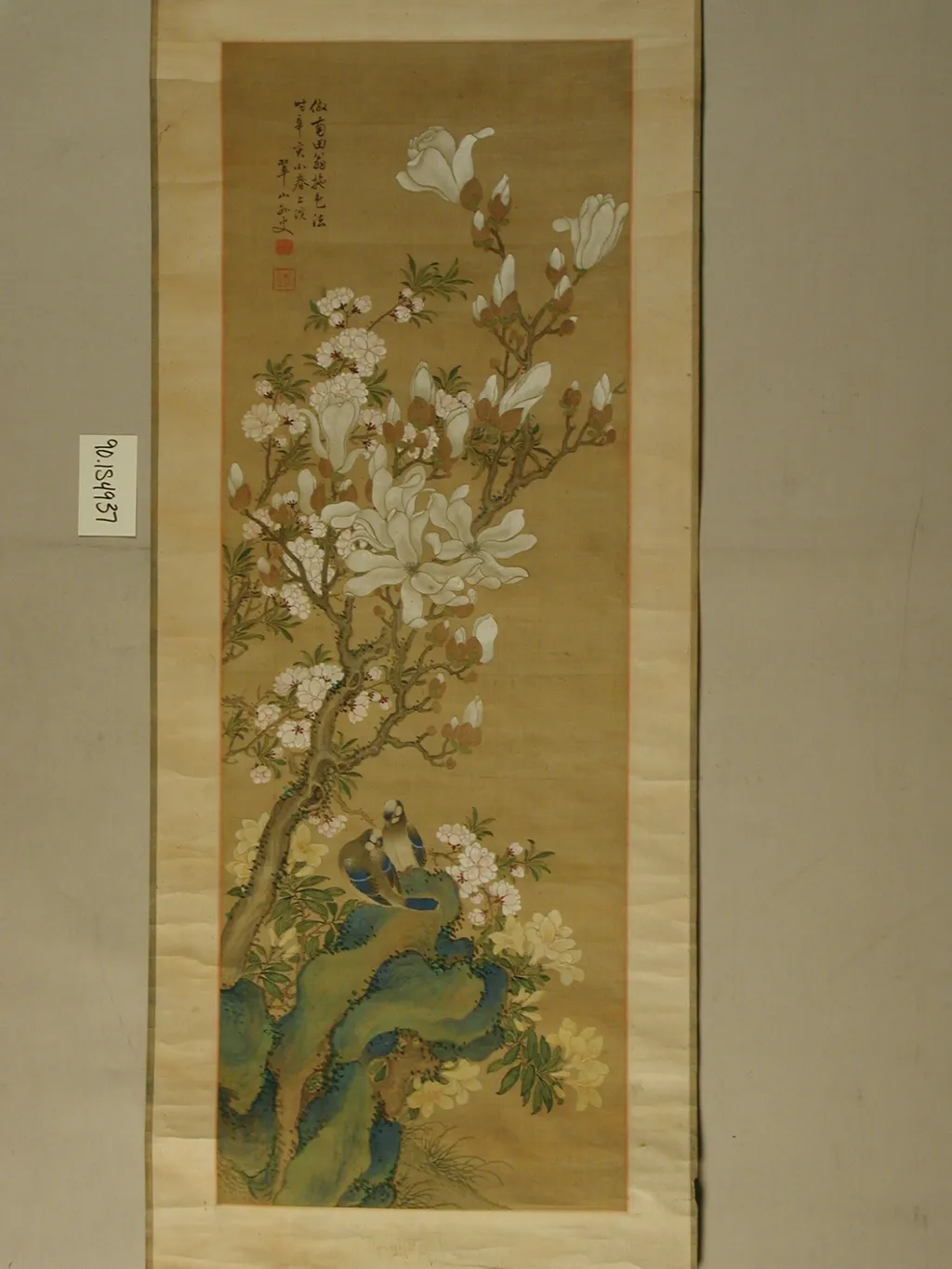
Kakemono is an unspecified painting by the Joseon dynasty painting artist Unknown. It dates from 1851 and is held in the collection of the Detroit Institute of Arts.
About this work
Overview
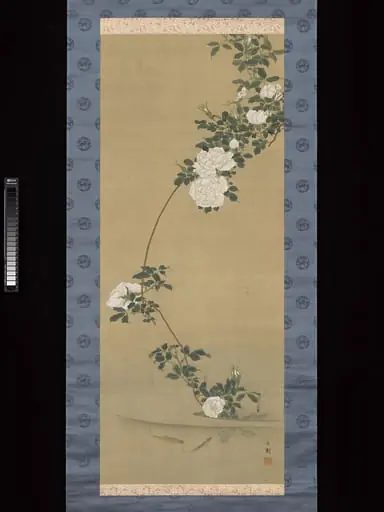
The restrained palette and soft brushwork evoke stillness, while the subtle curves of stems and petals imply a quiet motion, as if stirred by a passing breeze.
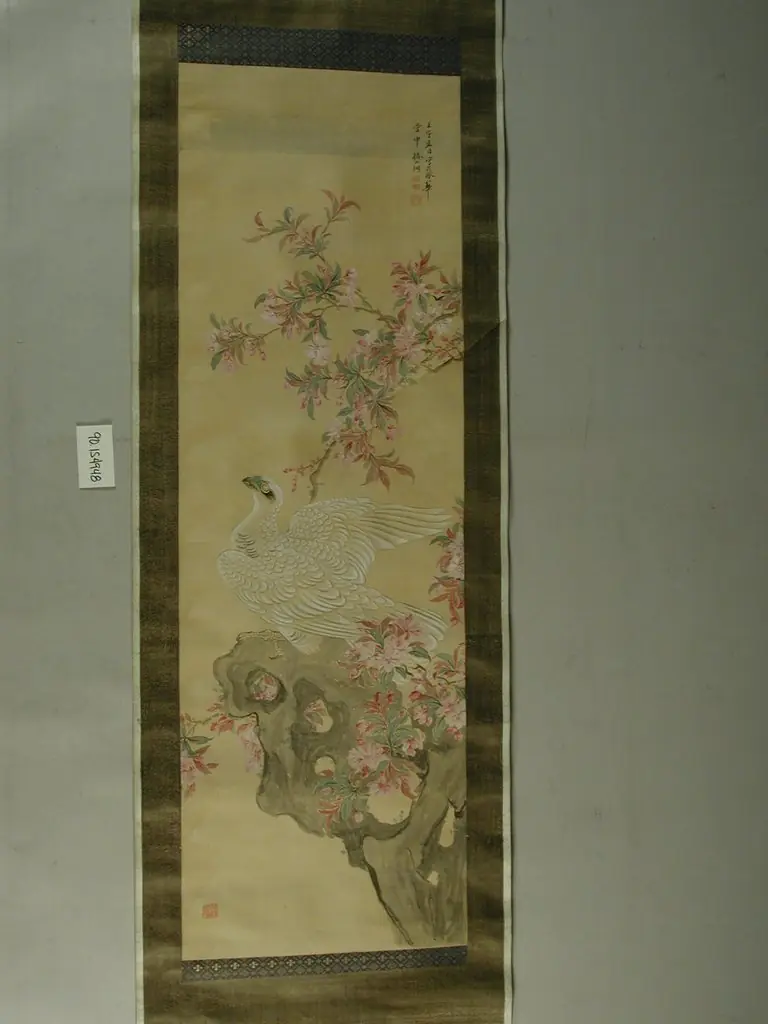
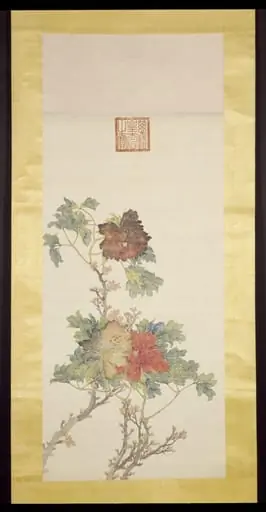
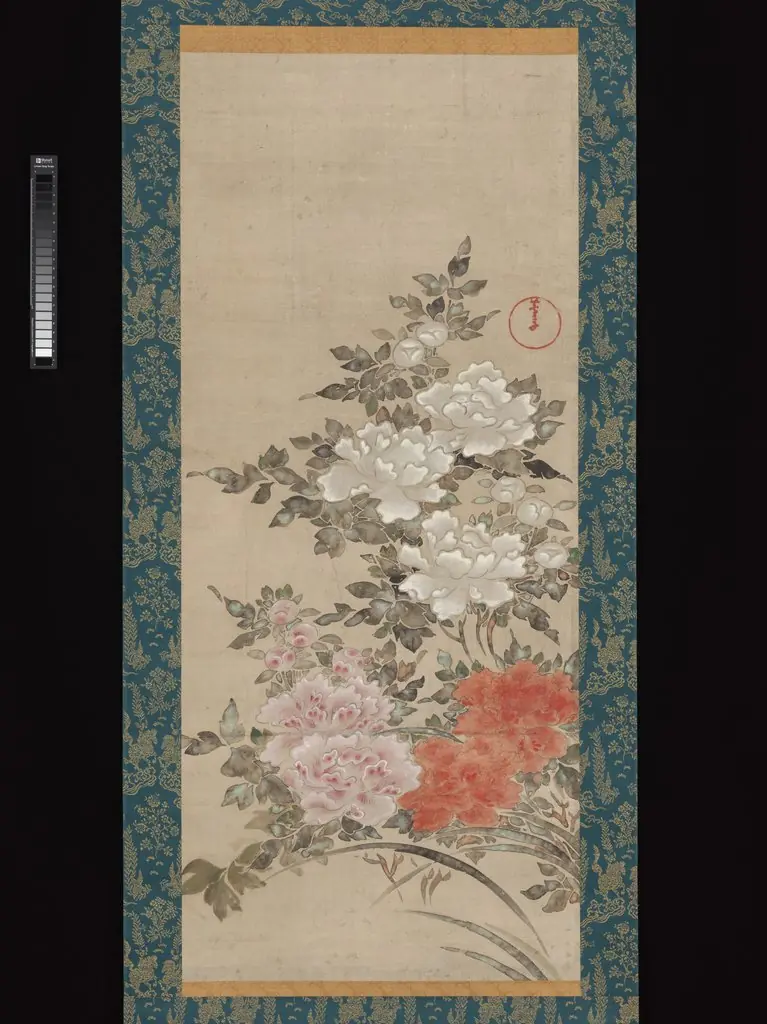
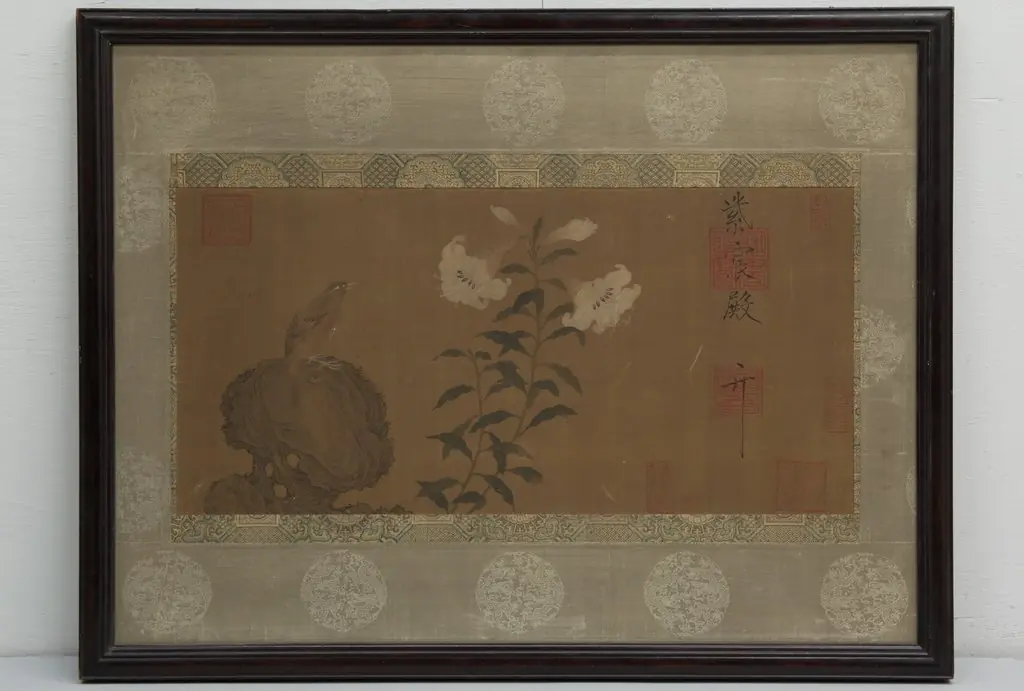
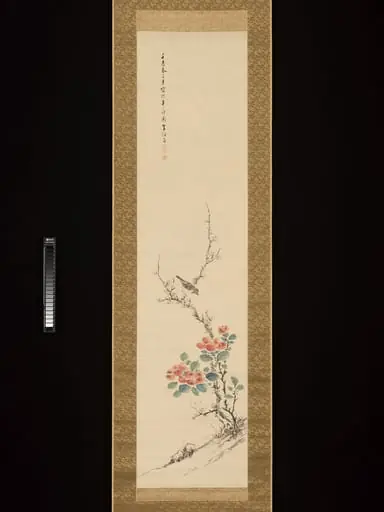
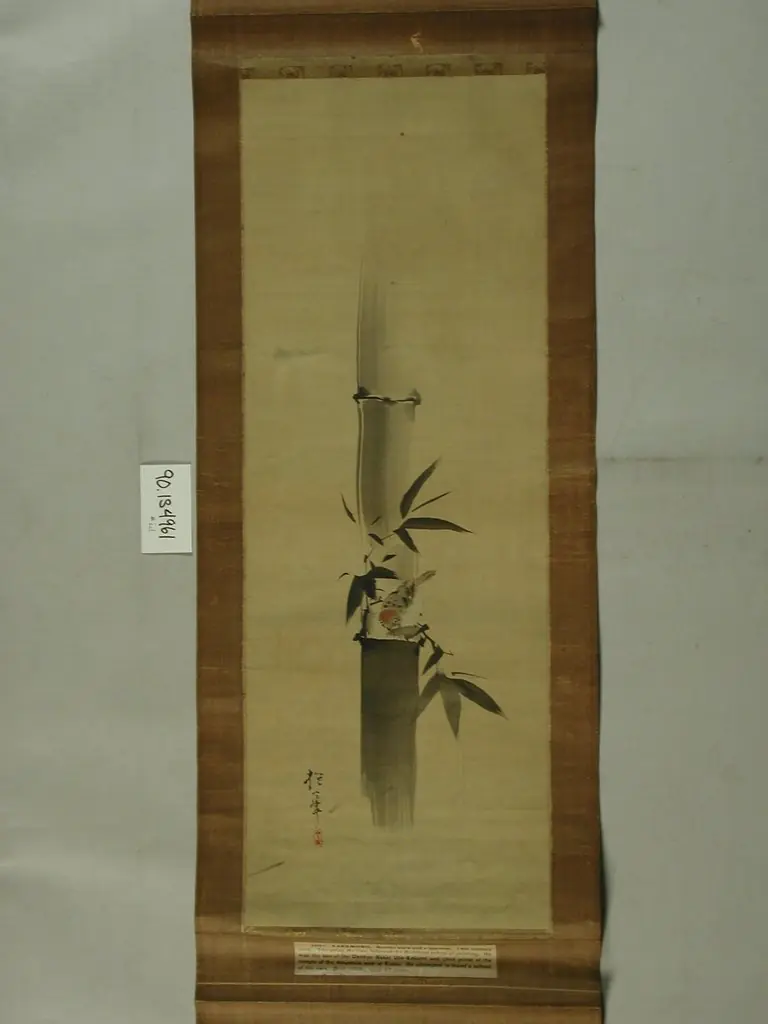
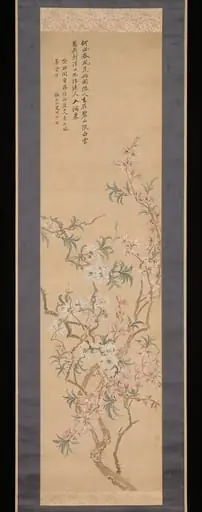
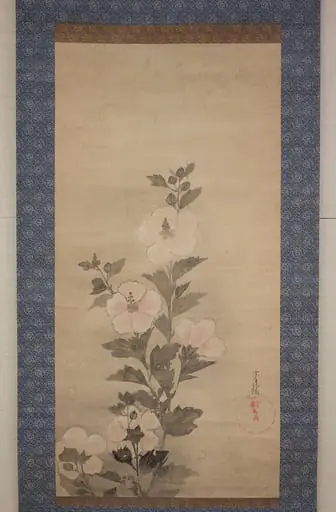
This kakemono is a vertical hanging scroll painted with delicate floral motifs on a muted brown ground. The composition features white blossoms and green foliage arranged in a loose, flowing pattern that suggests natural growth rather than rigid symmetry. The restrained palette and soft brushwork evoke stillness, while the subtle curves of stems and petals imply a quiet motion, as if stirred by a passing breeze.
Subject & Meaning
The painting depicts a seasonal arrangement of flowers in various stages of bloom, open petals, closed buds, and slender stems, reflecting the Japanese aesthetic of mono no aware, or the awareness of impermanence. The absence of human figures or symbolic animals directs focus to the quiet life cycle of plants, inviting contemplation of nature’s transient beauty without overt narrative or allegory.
Technique & Style
Executed in ink and light pigments on paper, the work employs fine, fluid brushstrokes to capture the delicate texture of petals and leaves. Washes of pale green and white suggest light filtering through foliage, while the brown background provides a grounding tone that enhances the flowers’ subtlety. The technique favors suggestion over detail, aligning with ink-wash traditions that value restraint and atmospheric effect.
History & Provenance
As a kakemono, this piece was likely created for display in a domestic or temple setting, hung temporarily during specific seasons or occasions. Its preservation suggests it was carefully stored when not in use, consistent with traditional Japanese scroll handling practices. Exact origins and artist remain undocumented, but its style aligns with late Edo or early Meiji period floral studies.
Context
This work emerges from a broader tradition of Japanese nature painting that emphasizes harmony between observer and environment. Unlike Western still lifes focused on abundance, such scrolls prioritize quiet observation and seasonal change. The format itself, vertical, portable, and meant for intimate viewing, reflects cultural values of mindfulness and the integration of art into daily ritual.
Legacy
Though unsigned and unattributed, the painting continues to exemplify the enduring appeal of understated floral expression in Japanese art. Its quiet composition has influenced later generations of artists who seek to convey emotion through minimal means. As a surviving example of everyday aesthetic practice, it offers insight into how nature was revered not as spectacle, but as a daily presence.
Artist & collection