Artwork
Legends of the Yūzū Nembutsu Sect
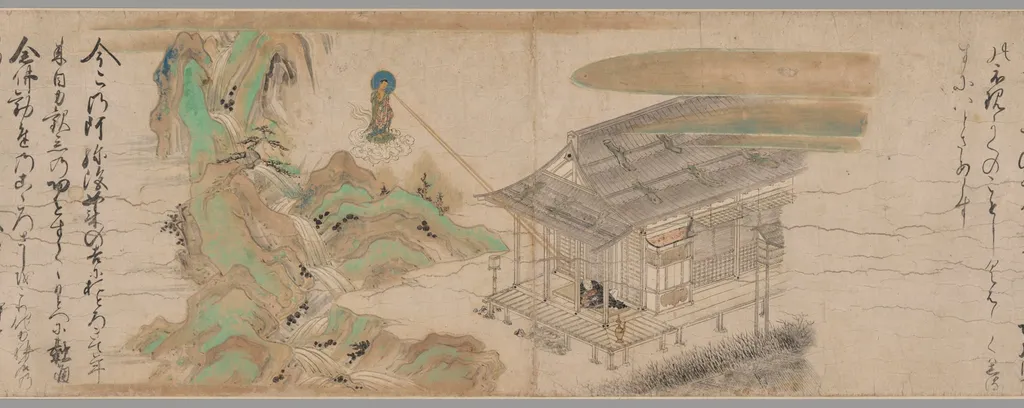
Legends of the Yūzū Nembutsu Sect is an ink painting by Unknown. It dates from 1259 and is held in the collection of the Art Institute of Chicago. The handscroll, executed in ink, color and gold on paper, narrates the life and teachings of the monk Ryōnin (1072–1132).
- Accession no.
- 56731
- Credit line
- Kate S. Buckingham Endowment
About this work
Overview
The handscroll, executed in ink, color and gold on paper, narrates the life and teachings of the monk Ryōnin (1072–1132). It unfolds as a continuous visual story, each scene revealed as the scroll is unrolled, allowing viewers to follow his spiritual journey from secluded meditation to public proclamation of a new Buddhist practice.
Subject & Meaning
The narrative begins with Ryōnin’s solitary retreat in Ōhara, where he spent twenty‑four years in prayer. A dream in which Amida Buddha appears on a cloud‑borne pedestal instructs him to abandon exclusive scriptural study in favor of chanting the nembutsu with sincere intent, emphasizing the doctrine of yūzū, interconnectedness that lets one person’s merit benefit many.
Technique & Style
Rendered with delicate brushwork, the scroll combines monochrome ink lines with vivid pigments and gold leaf, highlighting supernatural elements such as the luminous Buddha. The composition proceeds in a sequential, almost comic‑strip format, each vignette framed to be viewed at arm’s length, creating an intimate, immersive experience for the medieval audience.
History & Provenance
Created several centuries after Ryōnin’s death, the scroll was intended as a didactic tool to disseminate his teachings to a broader public. It survives as a rare visual record of this populist Buddhist movement, offering insight into how religious narratives were communicated in medieval Japan.
Context
Ryōnin’s reformist approach contrasted with the elite, ritual‑focused Buddhism of his time, promoting accessible salvation through simple chant. The scroll reflects this shift, portraying both human followers and deities responding to his message, thereby illustrating the expanding spiritual landscape of Heian‑period Japan.
Artist & collection









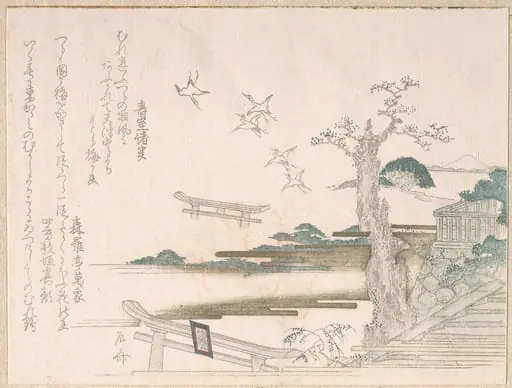 『春雨集』 摺物帖柳々居辰斎画 鎌倉の鶴岡八幡宮に鶴|Spring Rain Collection (Harusame shū), vol. 2: Cranes at Tsurugaoka Hachimangō Shrine in Kamakura
 The Shadow Dancers
 The Shadow Dancers
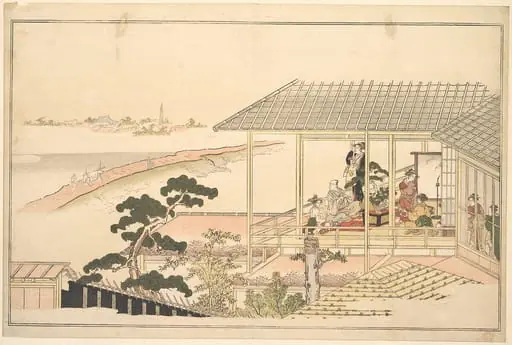 狂月坊|A Party of Merrymakers in a House in the Yoshiwara on a Moonlight Night
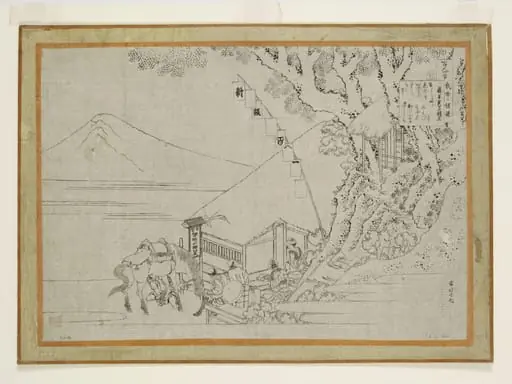 Fujiwara Sanekata no Ason
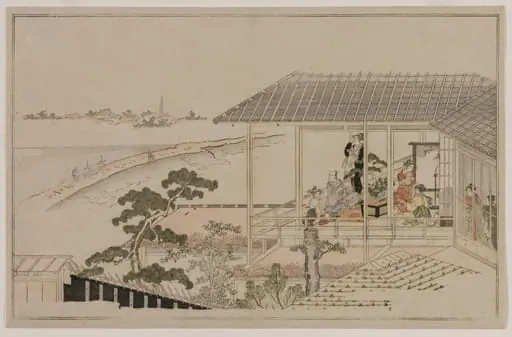 Moonrise Over the Nihon Embankment and the Yoshiwara
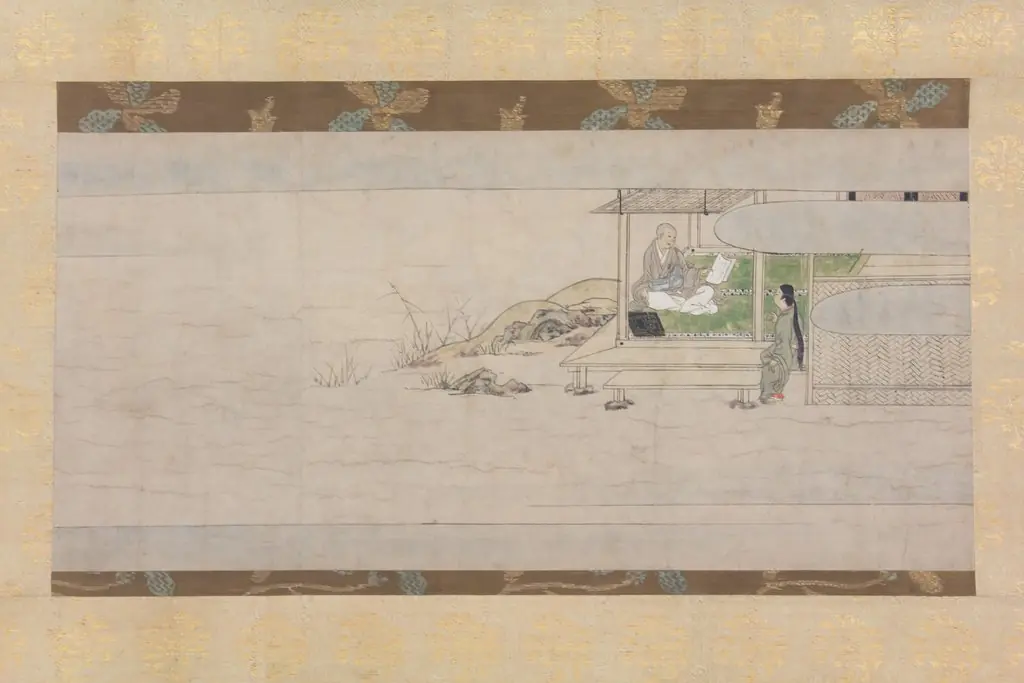 Scene from A Long Tale for an Autumn Night
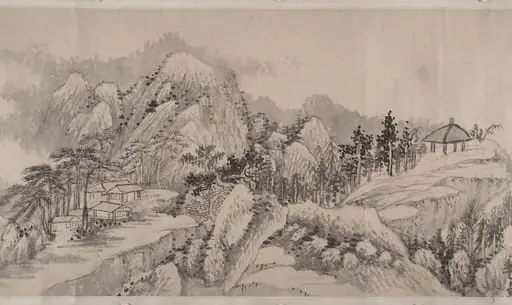 清 柳堉 幽谷深林圖 卷|Remote Valleys and Deep Forests
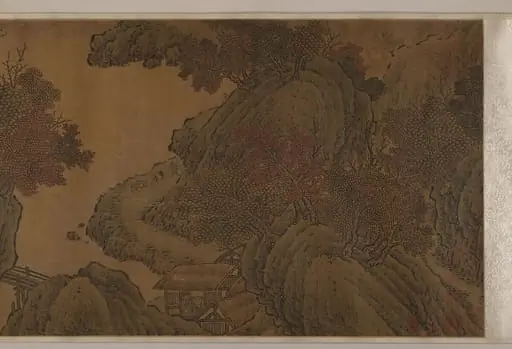 清 佚名 舊傳范寬 煙嵐秋曉圖 卷|Autumn Landscape
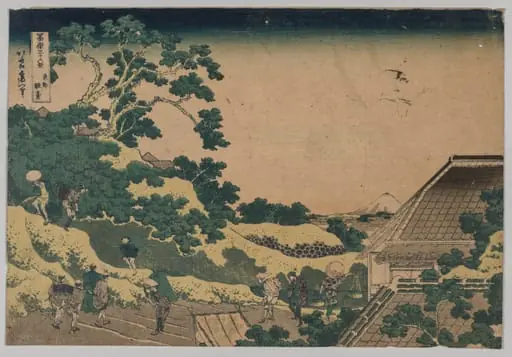 Fuji from Surugadai, in Yedo