Artwork
Madonna and Child
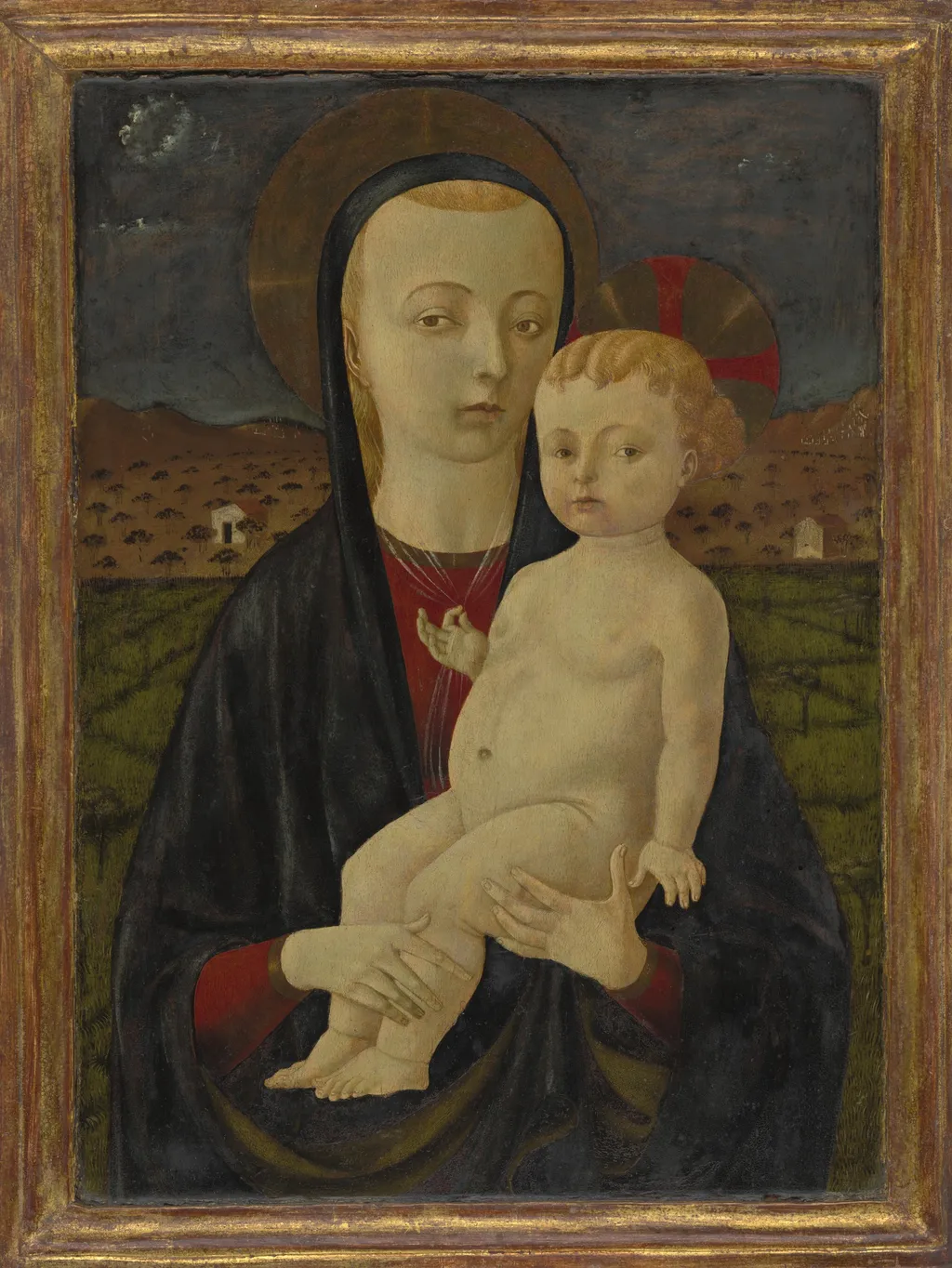
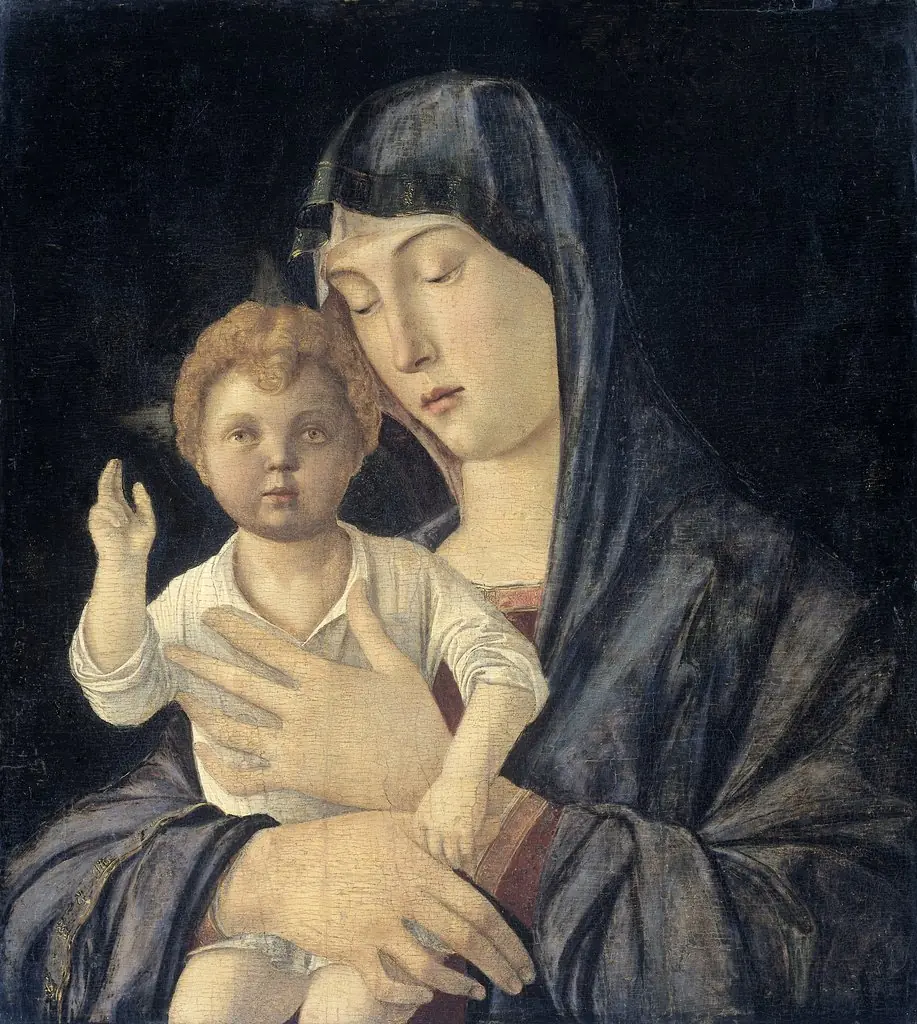
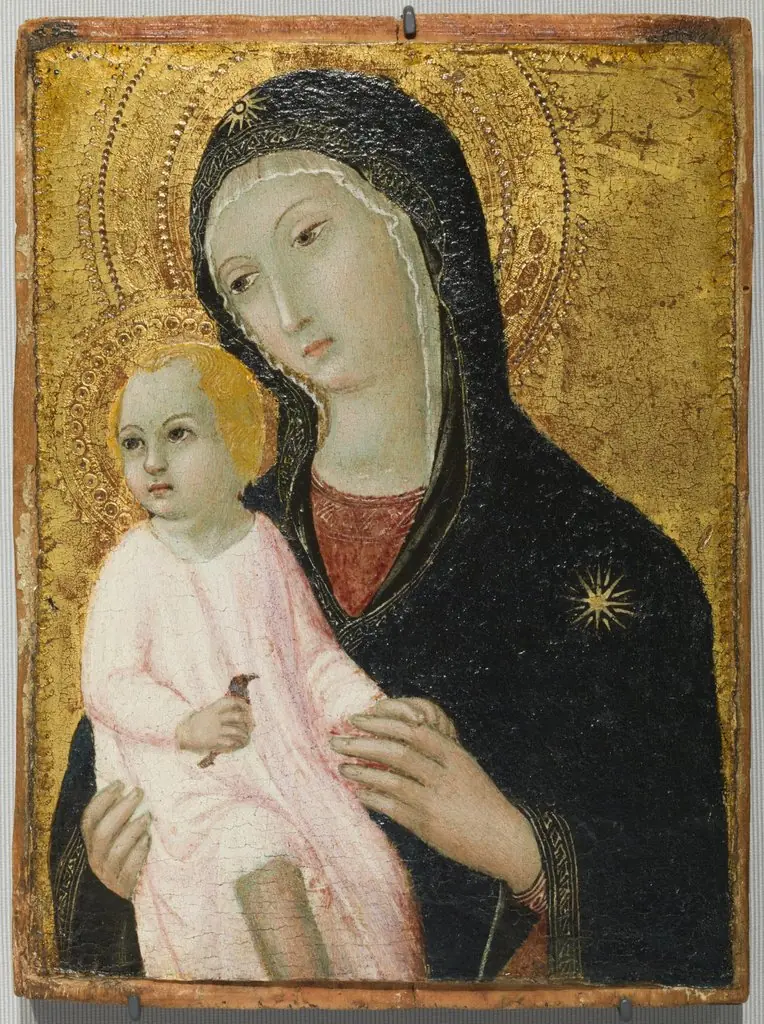
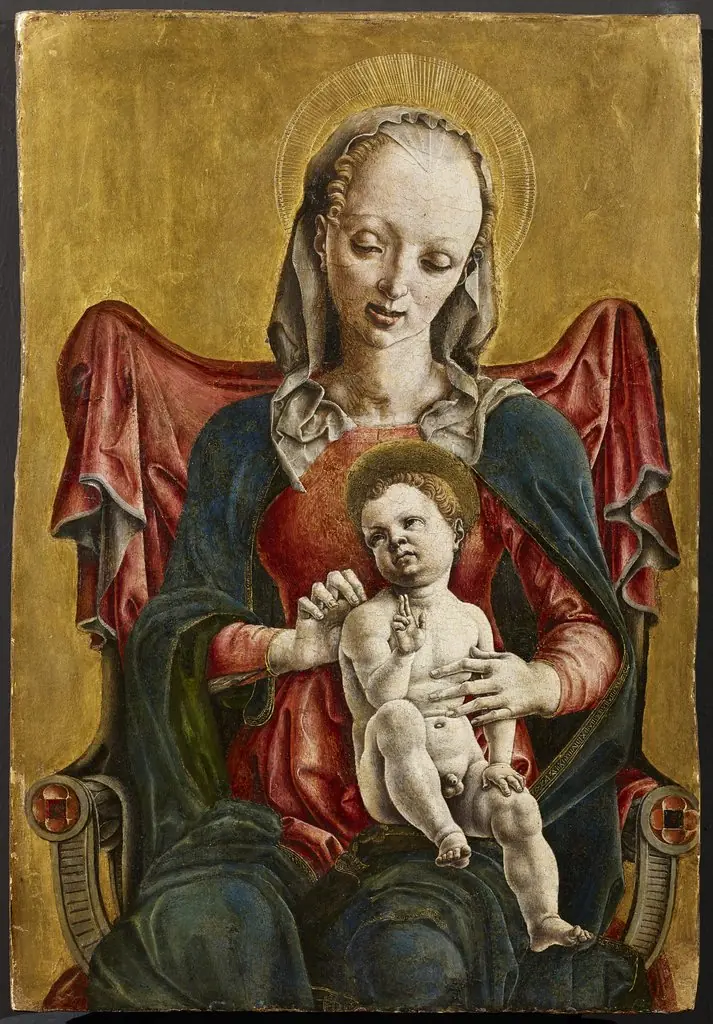
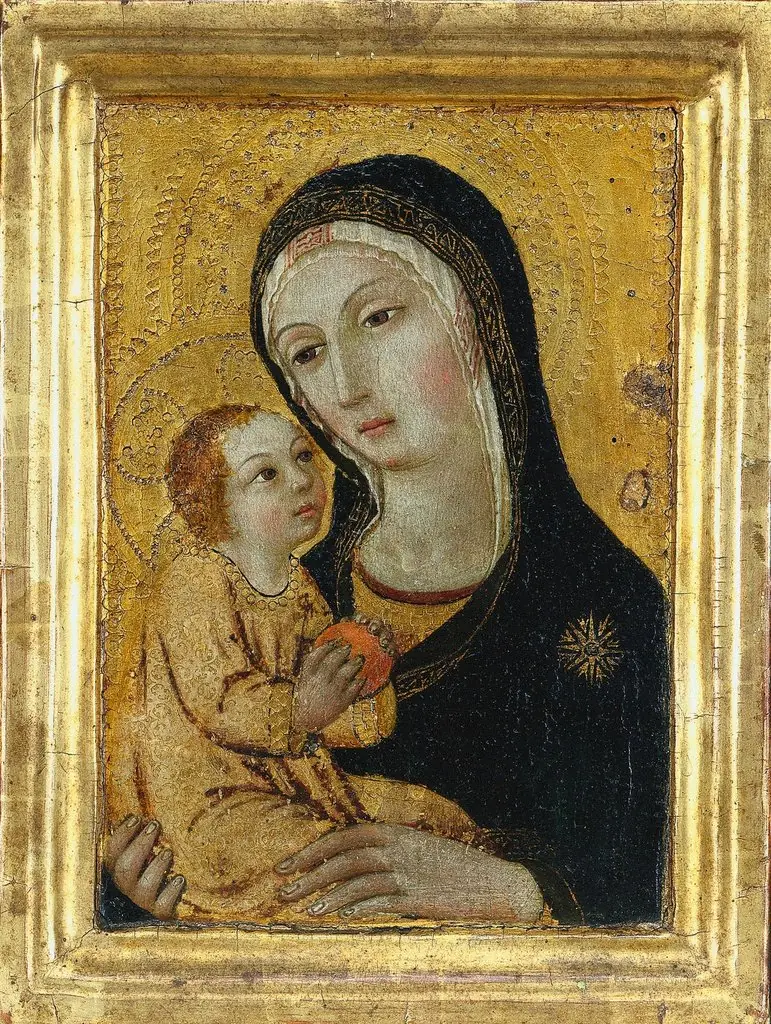
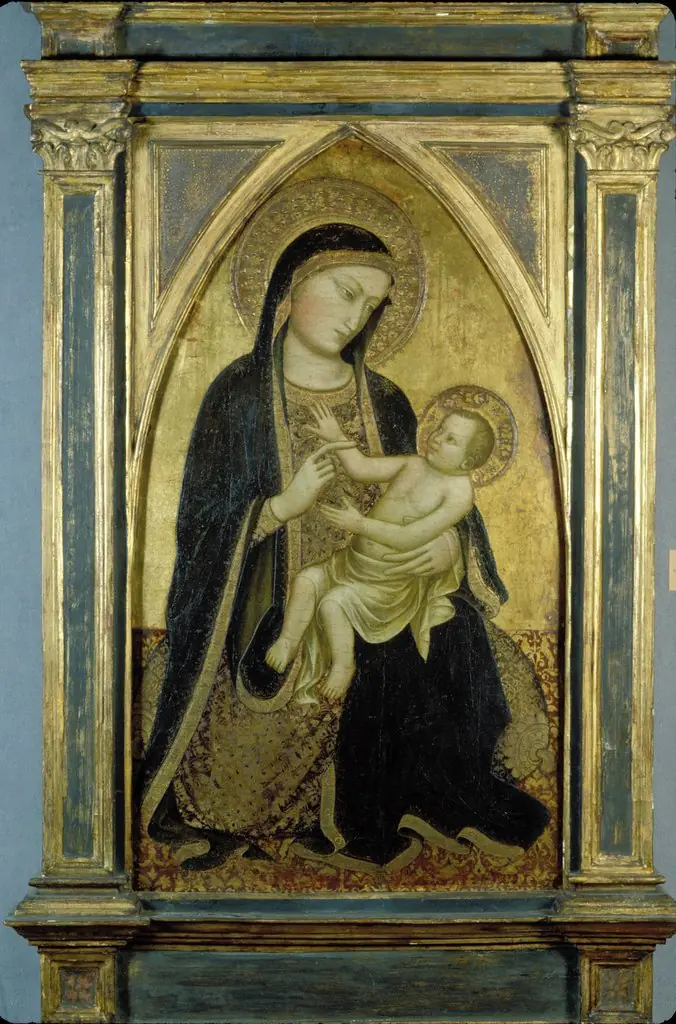
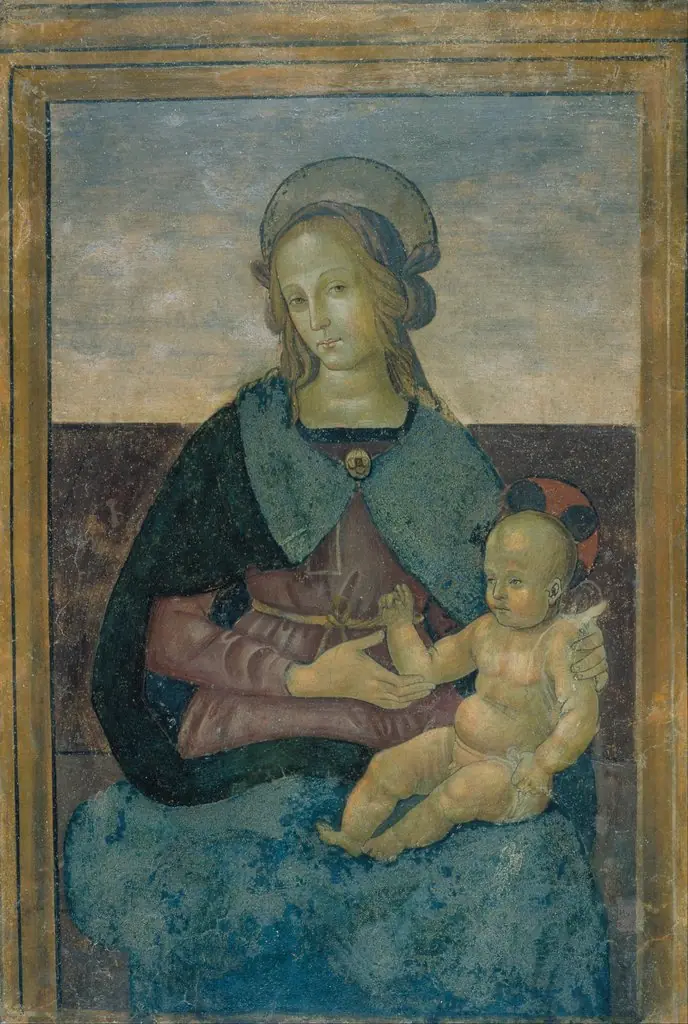
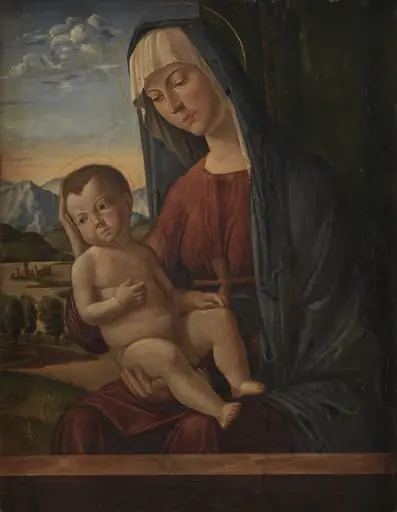
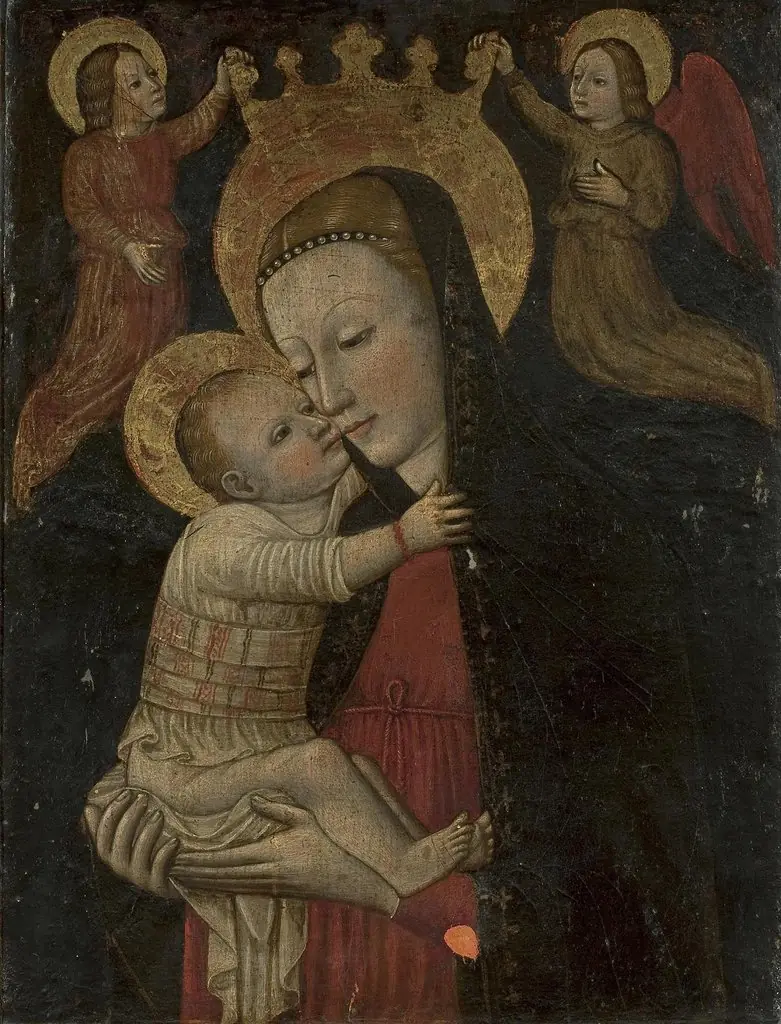
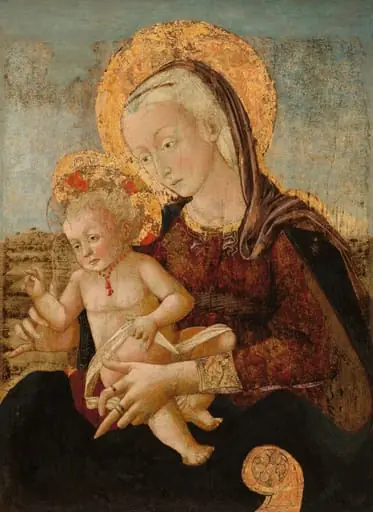
Madonna and Child is an unspecified painting by the Early Renaissance artist Unknown. It dates from 1470 and is held in the collection of the J. Paul Getty Museum. This painting depicts the Virgin Mary seated with the infant Jesus on her lap.
About this work
Overview
The use of chiaroscuro enhances the three-dimensionality of the forms and focuses attention on the intimate interaction between mother and child.
This painting depicts the Virgin Mary seated with the infant Jesus on her lap. Rendered in a nocturnal setting, the scene is defined by strong contrasts of light and shadow. The figures are set against a quiet landscape of rolling hills, trees, and distant structures, with a deep, dark sky overhead.
The use of chiaroscuro enhances the three-dimensionality of the forms and focuses attention on the intimate interaction between mother and child.
Subject & Meaning
The Virgin Mary, identified by her halo and solemn demeanor, holds the Christ Child, who raises one hand in a gesture that may suggest blessing or awareness of his divine role. Her dark outer robe and vivid red undergarment reflect traditional iconography, symbolizing humility and divine love. The nighttime setting may allude to spiritual illumination amid darkness, reinforcing themes of revelation and grace.
Technique & Style
The artist employs chiaroscuro to model the figures with dramatic lighting, giving them volume and presence against the dim landscape. The textures of fabric, skin, and foliage are rendered with careful attention to subtle gradations of tone. The composition is intimate and centered, with the figures occupying the foreground while the background recedes into atmospheric depth, creating a sense of quiet contemplation.
History & Provenance
The painting’s origins are not fully documented, but its style and technique align with late medieval or early Renaissance devotional works. It likely served a private or ecclesiastical function, intended for personal meditation. Its survival suggests it was valued and preserved, possibly within a religious household or chapel, though its early ownership remains uncertain.
Context
Created during a period when Marian devotion was central to Christian piety, this image reflects the growing emphasis on the humanity of sacred figures. The inclusion of a naturalistic landscape and nighttime atmosphere diverges from earlier gold-ground panels, showing a shift toward more immersive, emotionally resonant religious imagery in the transition to the Renaissance.
Legacy
Though not widely known today, the painting exemplifies the quiet evolution of religious art toward psychological depth and naturalism. Its use of light to convey spiritual meaning influenced later devotional works, particularly in regions where intimate, contemplative imagery remained central to worship practices beyond the major artistic centers.
Artist & collection