Artwork
春日若宮曼荼羅|Mandala of Wakamiya of Kasuga Shrine (Kasuga wakamiya mandara)
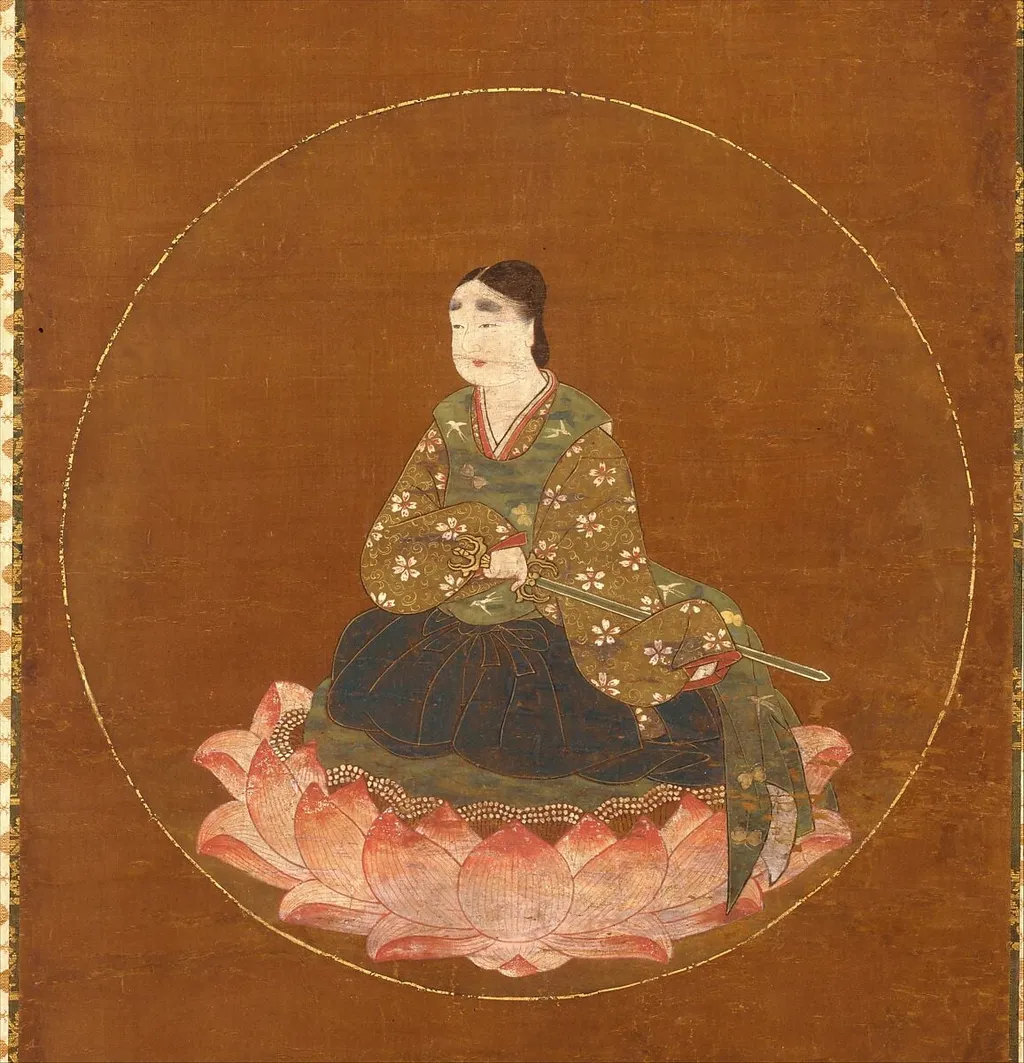
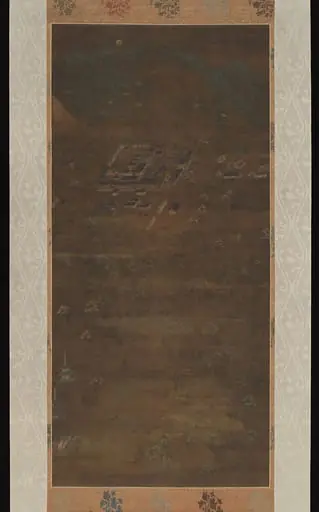
春日若宮曼荼羅|Mandala of Wakamiya of Kasuga Shrine (Kasuga wakamiya mandara) is an ink painting. It dates from 1316 and is held in the collection of the Metropolitan Museum of Art. The Mandala of Wakamiya of Kasuga Shrine, dated 1316, is a hanging scroll executed in ink, color, gold, and cut gold on silk.
About this work
Subject & Meaning
These iconographic features serve to identify the specific kami and represent the spiritual authority and purity associated with the Wakamiya shrine.
Created in 1316, the Mandala of Wakamiya of Kasuga Shrine functions as a religious painting that visually articulates the sacred geography and divine hierarchy of the Kasuga complex. The composition centers on the deity Ame-no-Oshikumone, who is depicted alongside key symbolic elements including the lotus flower and a sword. These iconographic features serve to identify the specific kami and represent the spiritual authority and purity associated with the Wakamiya shrine.
By integrating these figures into a structured mandala format, the work encapsulates the theological significance of the site, presenting a visual map of the divine realm rather than a literal landscape. The inclusion of gold and color further elevates the representation, emphasizing the sacred nature of the deities and the ritual importance of the shrine within the Japanese religious tradition.
Technique & Style
Created in 1316, the Mandala of Wakamiya of Kasuga Shrine is executed as a hanging scroll on a silk support. The artist employed a combination of ink and mineral colors, enhanced with the application of both solid gold and cut gold leaf to create luminous effects. This polychrome technique on silk is characteristic of Japanese religious painting from the early fourteenth century.
The work depicts various sacred elements, including deities, lotus flowers, and swords, rendered with the formal precision expected of shrine mandalas. As an anonymous work, the piece reflects the stylistic conventions of its era, utilizing the silk ground to support the intricate layering of pigments and metallic accents that define its visual impact.
History & Provenance
Created in 1316 in Japan, this hanging scroll depicts the Mandala of Wakamiya of Kasuga Shrine. The work was executed by an anonymous artist using ink, color, gold, and cut gold on silk. While the specific circumstances of its original commission and the identity of the patron remain unrecorded in the available documentation, the piece is firmly dated to the early fourteenth century.
The artwork currently resides in the collection of the Metropolitan Museum of Art, which serves as its known modern location. No further details regarding an intermediate ownership chain or provenance history prior to its acquisition by the museum are provided in the current records.
Legacy
Dated to 1316, the 春日若宮曼荼羅|Mandala of Wakamiya of Kasuga Shrine is recognized as a significant Kamakura-period religious painting. Its preservation in the Metropolitan Museum of Art has positioned it as a reference point for scholars studying mandala iconography, particularly the depiction of Ame-no-Oshikumone, the lotus, a deity, and a sword. The work’s classification as a religious hanging scroll and its sophisticated use of ink, color, gold, and cut‑gold on silk have contributed to its enduring reputation as a model for Kasuga mandala traditions in Japanese Buddhist and Shinto art.
Overview
The Mandala of Wakamiya of Kasuga Shrine, dated 1316, is a hanging scroll executed in ink, color, gold, and cut gold on silk. Created to commemorate a festival at the Kasuga Shrine in Nara, this work serves as a detailed visual record of the shrine's architecture and the deities associated with the site. The composition centers on a prominent shrine pavilion representing the Wakamiya (the young deity), which is surrounded by a dense arrangement of figures including kami, Buddhist monks, and warriors, all set within a landscape of trees and smaller structures.
The artist employs a vibrant palette of reds and greens contrasted against extensive use of gold leaf and cut gold to create a luminous, sacred atmosphere. This piece exemplifies the Japanese mandara tradition, which blends Shinto and Buddhist iconography to depict sacred sites as cosmic realms. As a work from the early fourteenth century, it reflects the syncretic religious practices of the Kamakura period and provides significant historical documentation of the Kasuga Shrine's layout and ritual life during that era.
Context
The creation of the Mandala of Wakamiya of Kasuga Shrine was directly linked to the celebration of a specific festival held at Kasuga Shrine. Such mandalas were integral to Japanese religious practices, offering visual aids for understanding complex spiritual geographies and rituals. They provided a tangible connection to the sacred events and locations they depicted, reinforcing the cultural and religious importance of the shrine within its community.
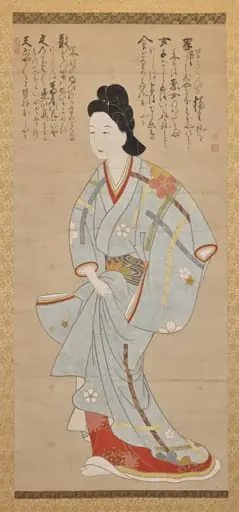
Artist & collection

- Figure of a Woman
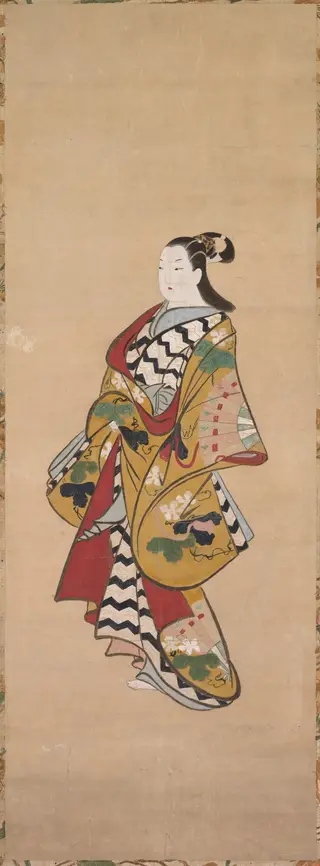 Courtesan
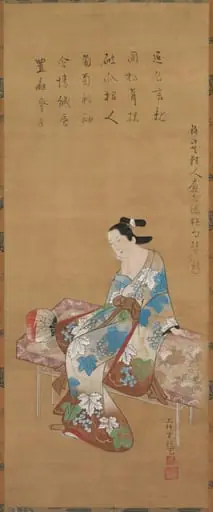 Courtesan Seated on a Bench Enjoying the Evening Cool in Summer
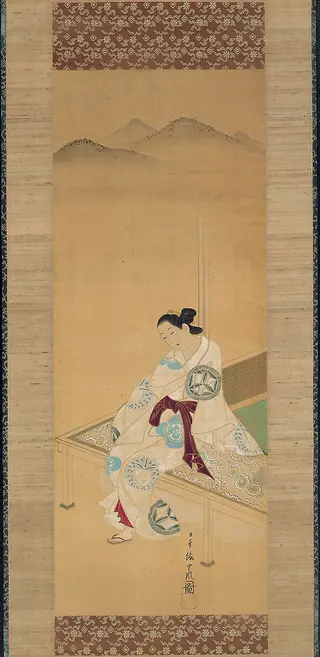 Seated Beauty
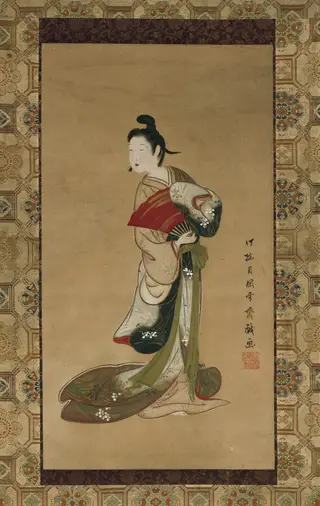 Courtesan
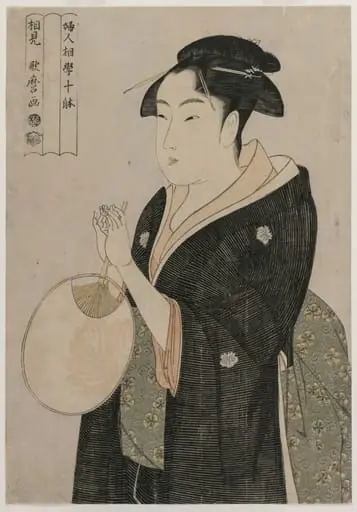 Woman Holding a Fan (from the series Ten Aspects of the Physiognomy of Women)
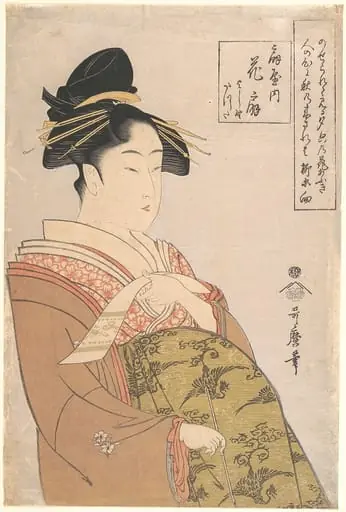 「扇屋内花扇図」|The Courtesan Hanaōgi of the Ōgiya Brothel in Yoshiwara (Ōgiya uchi Hanaōgi, Yoshino, Tatsuta)
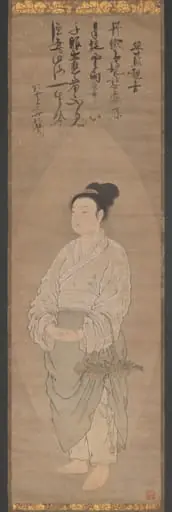 Fish Basket Kannon (Gyoran Kannon)
 Untitled
 丹生明神像|Niu Myōjin
 Beauty (Bijin)
 春日宮曼荼羅図|Kasuga Mandala