Artwork
Pluto in his Chariot
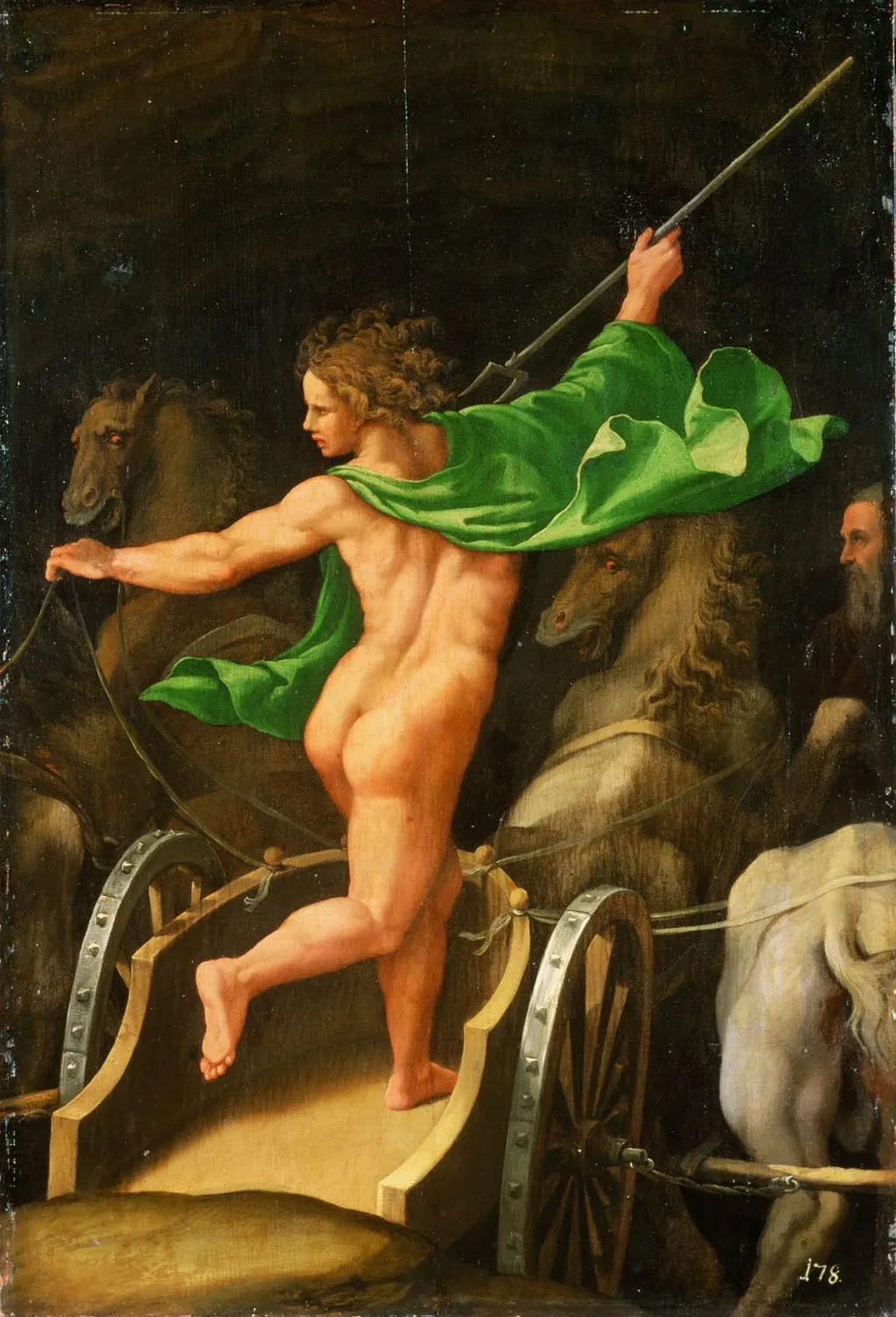
Pluto in his Chariot is an oil painting by the Mannerist artist Unknown. It dates from 1536 and is held in the collection of the Kunsthistorisches Museum. The canvas presents a half‑clothed figure, draped in a green mantle, seated in a wooden chariot drawn by two untamed, shaggy horses.
About this work
Subject & Meaning
The painting shows Pluto, the Roman god of the underworld, seated in his chariot. This mythological subject aligns with the work’s classification as a mythology painting and reflects Pluto’s dominion over the realm of the dead. The chariot conveys his authority and movement within his dark domain, while the depiction fits the broader tradition of representing divine narratives in Renaissance art.
Technique & Style
Attributed to the workshop of Giulio Romano, the composition depicts the figure of Pluto driving a chariot.
Executed in 1536, this mythological painting utilizes oil paint applied to a wooden panel support. The work measures 92 cm in height and 62 cm in width. Attributed to the workshop of Giulio Romano, the composition depicts the figure of Pluto driving a chariot.
The piece is classified as a panel painting within the Kunsthistorisches Museum collection, where it has been held since its earlier ownership by Archduke Leopold Wilhelm of Austria.
History & Provenance
The painting Pluto in his Chariot is attributed to the workshop of Giulio Romano and dated to 1536, as indicated by its inception year. Executed in oil on panel, the mythological work measures approximately 92 cm in height and 62 cm in width. It entered the Habsburg collections through Archduke Leopold Wilhelm of Austria, who owned it before it became part of the Kunsthistorisches Museum’s holdings in Vienna, where it remains today.
Overview
The canvas presents a half‑clothed figure, draped in a green mantle, seated in a wooden chariot drawn by two untamed, shaggy horses. The driver grips a long staff and gazes forward, while the vehicle’s large, spoked wheels dominate the lower register. A dark, undefined backdrop isolates the scene, allowing the illuminated forms to emerge with stark contrast.
Context
Created before the advent of electric lighting, the painting reflects a period when artists explored dramatic light‑and‑shadow effects to convey narrative intensity. The choice of a mythological subject aligns with the 19th‑century fascination with classical themes, while the vivid coloration of the green mantle and the red‑glowing eyes of the horses underscore the era’s interest in theatrical, emotionally charged imagery.
Artist & collection









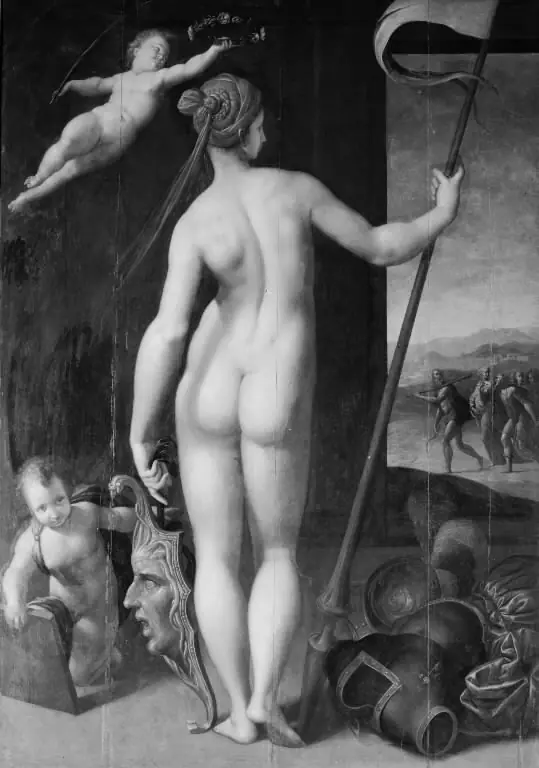
- Minerva as Bellone
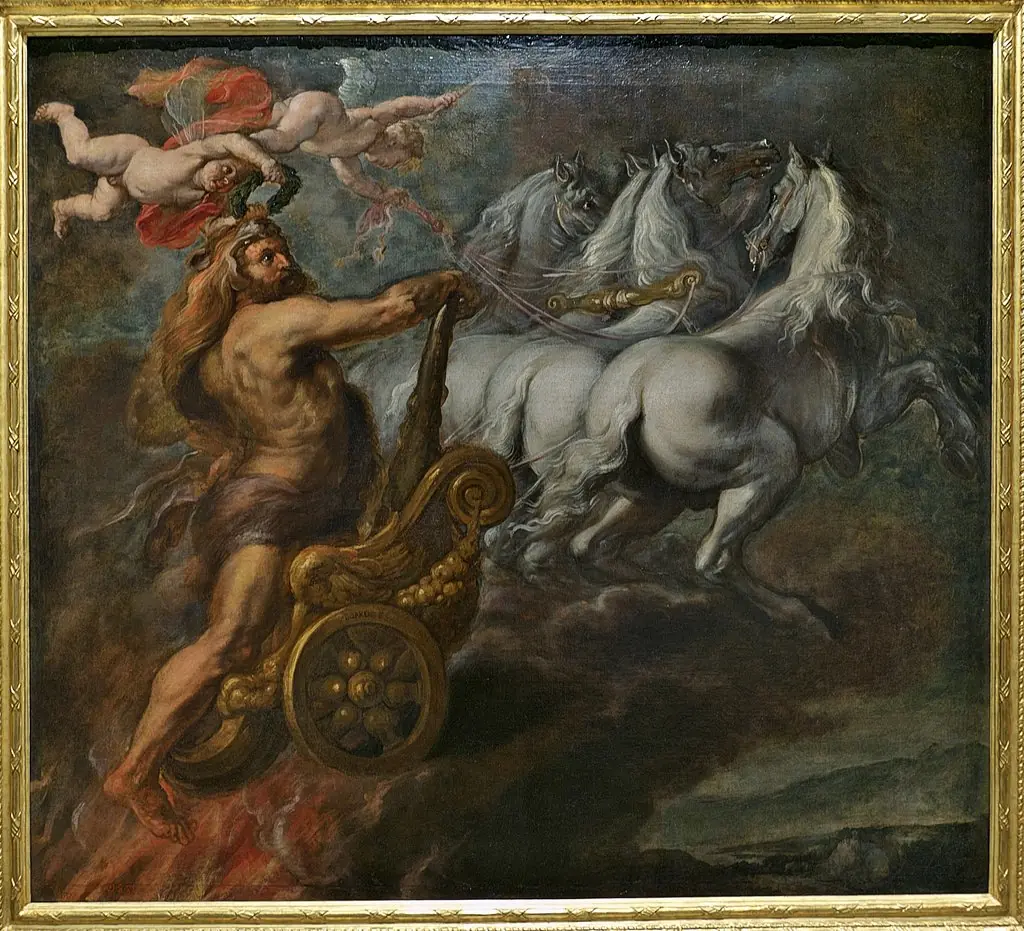 The Apotheosis of Hercules
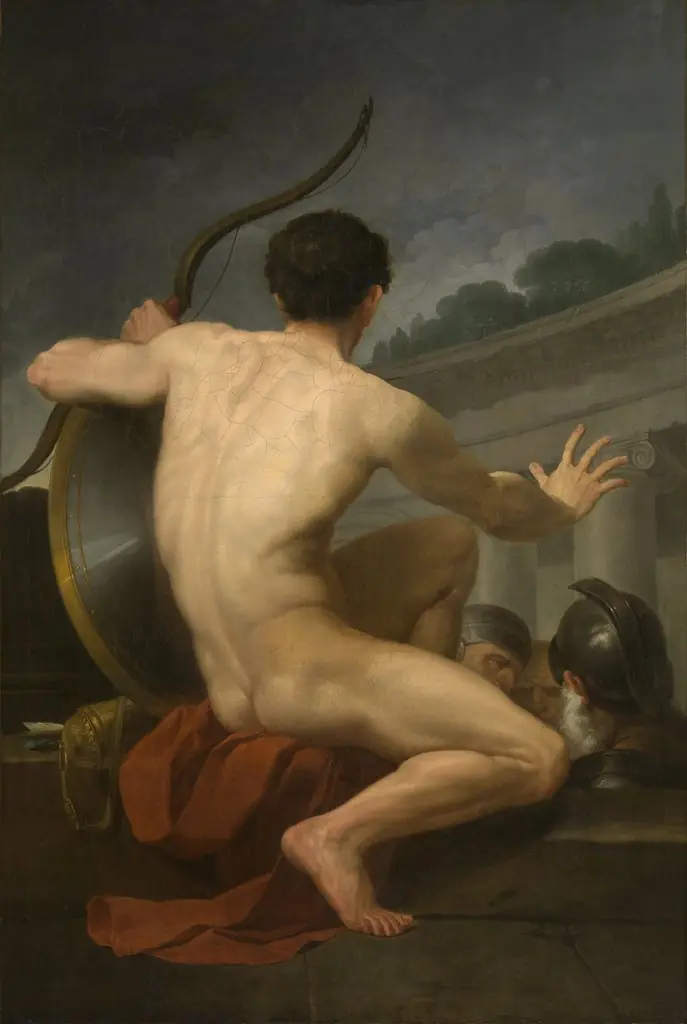 The naked warrior
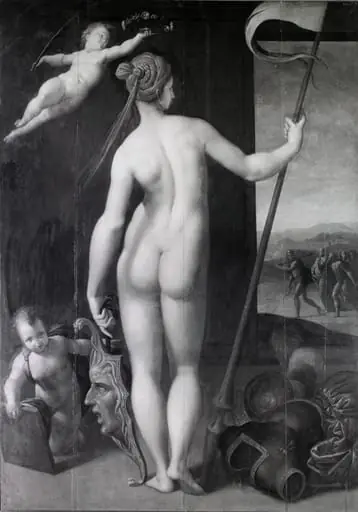 Minerva as Bellone
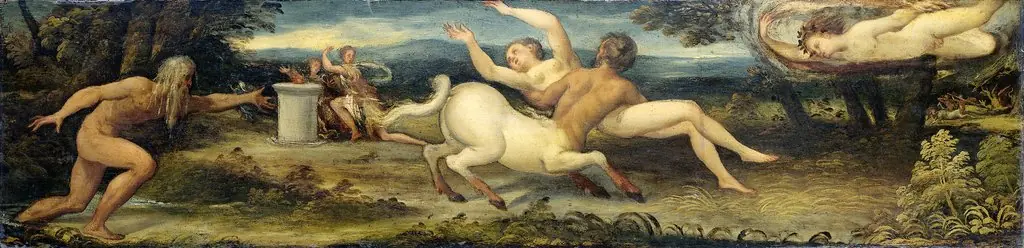 Nessus and Deianira
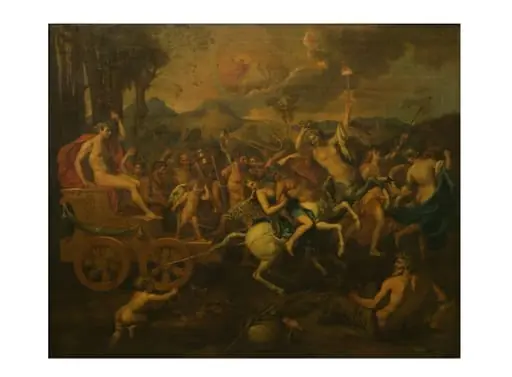 The Triumph of Bacchus
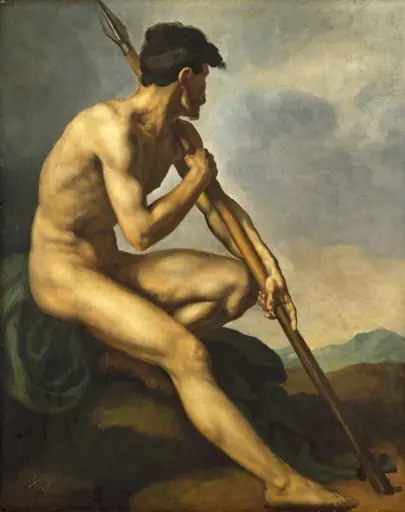 Nude Warrior with a Spear
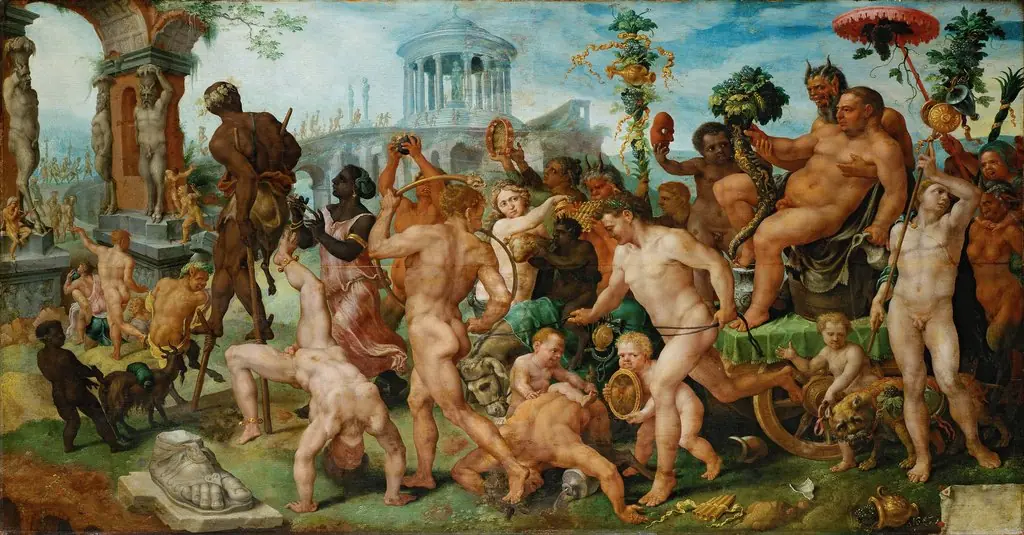 The Triumphal Procession of Bacchus
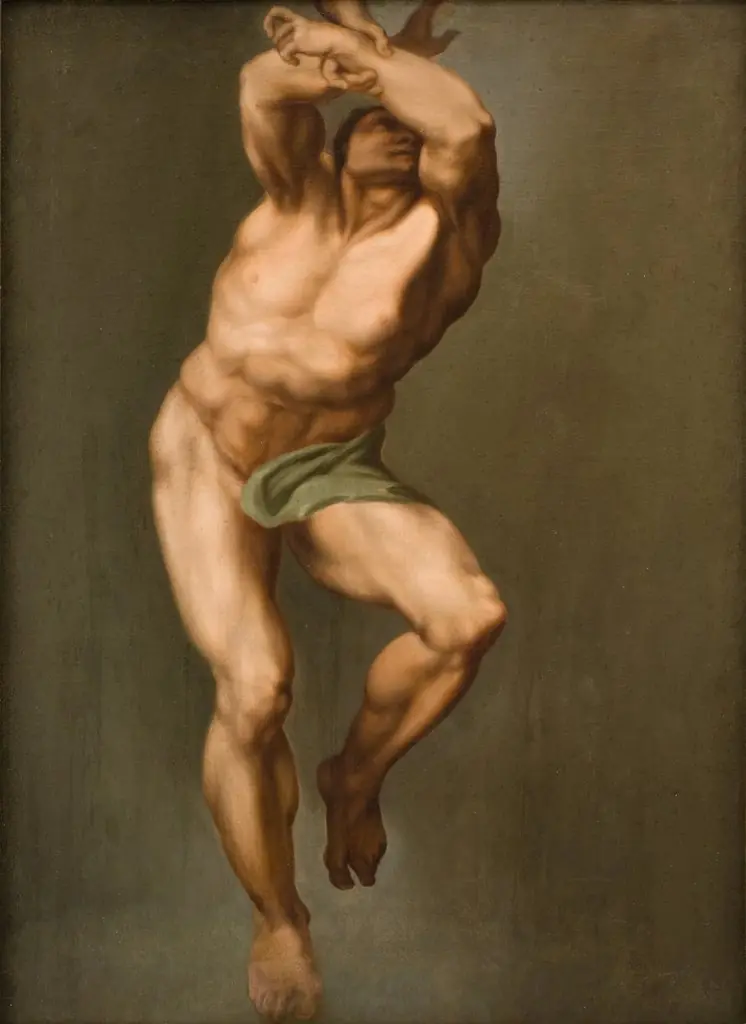 Male Figure. After Michelangelo's "Last Judgement" in the Sistine Chapel
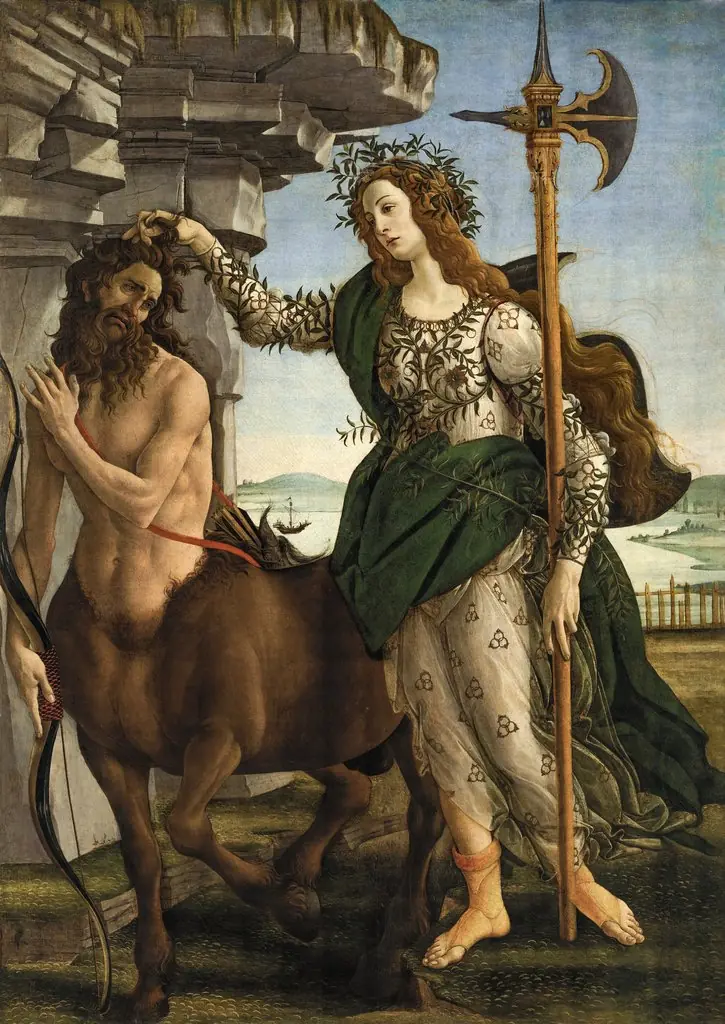 Pallas and the Centaur
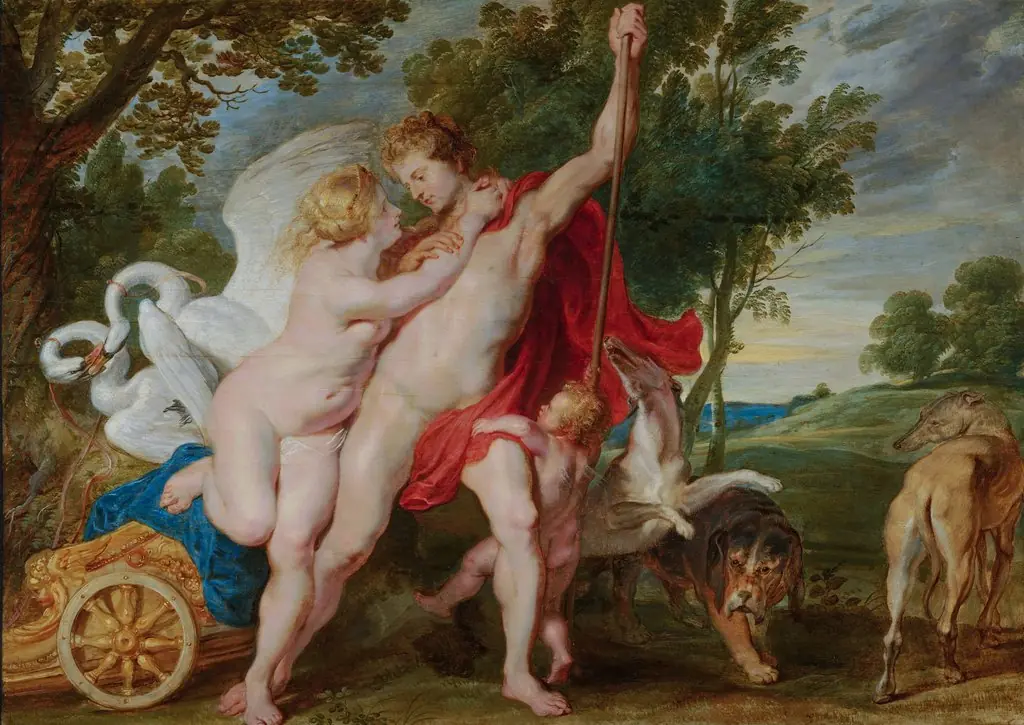 Venus trying to prevent Adonis from going hunting
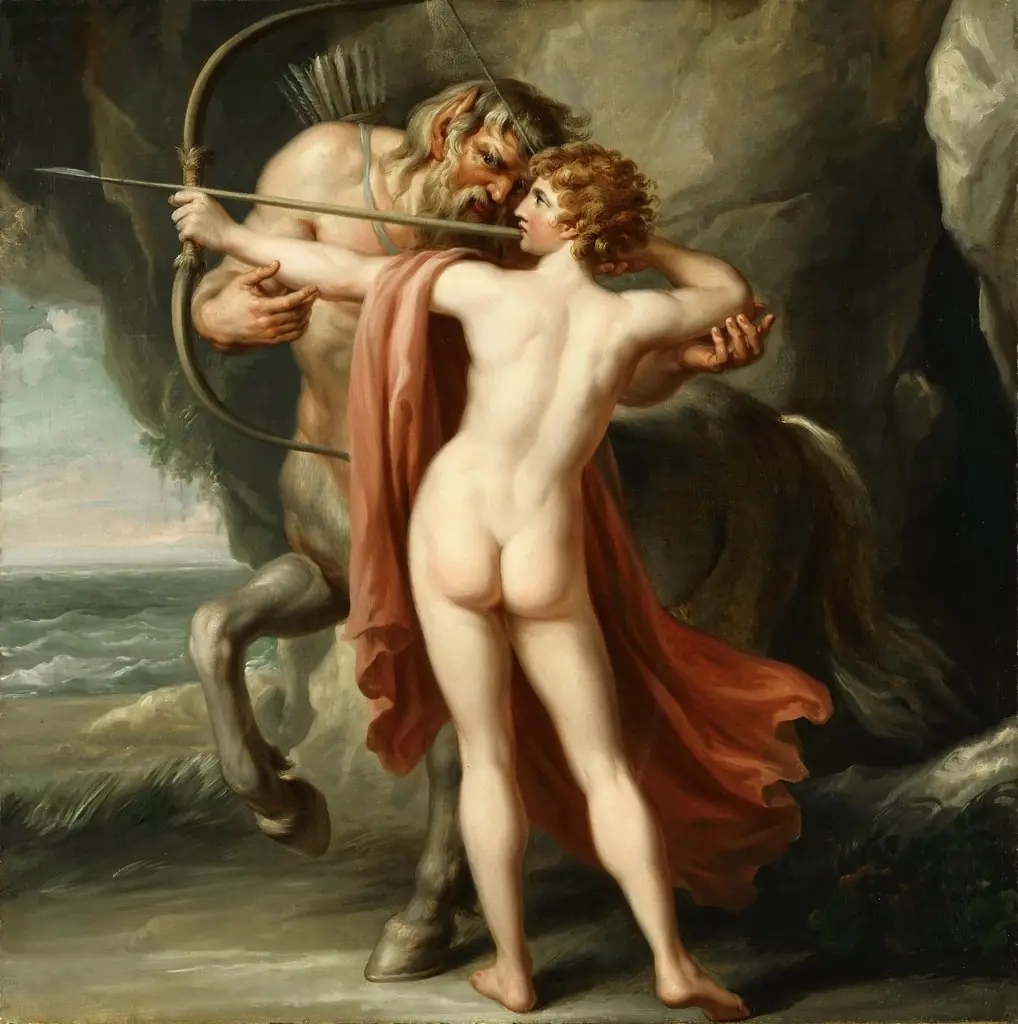 Chiron Instructing Achilles in the Bow