Artwork
The Apotheosis of Hercules
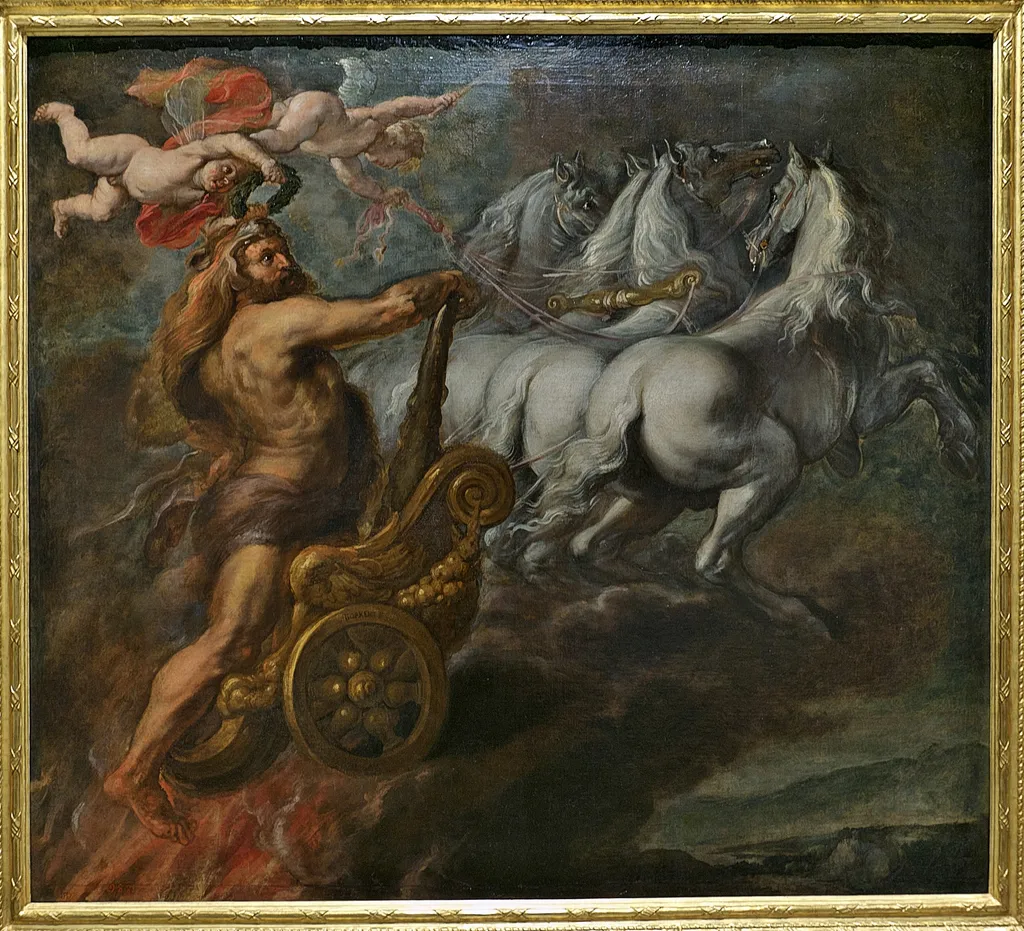
The Apotheosis of Hercules is an oil painting by the Flemish Baroque painting artist Peter Paul Rubens. It dates from 1636 and is held in the collection of the Museo del Prado.
About this work
Subject & Meaning
Rubens designed the painting as part of the decorative program for the Torre de la Parada, the hunting lodge near Madrid commissioned by Philip IV of Spain.
The work portrays Hercules ascending to divine status, surrounded by celestial figures and symbols of glory that underscore his apotheosis. The composition includes a horse, a chariot, and putti, drawn from classical mythology to celebrate heroic transcendence. Rubens designed the painting as part of the decorative program for the Torre de la Parada, the hunting lodge near Madrid commissioned by Philip IV of Spain. It is now housed in the Museo del Prado, having come from the Spanish royal collection.
The iconography combines traditional attributes of Hercules, such as the lion skin and club, with elevated imagery of light and heavenly beings, signifying his transformation from mortal hero to god. By integrating these elements, Rubens conveys themes of virtue, immortality, and the glorification of power, resonating with the political aspirations of his patrons.
Technique & Style
The Apotheosis of Hercules is an oil painting on canvas, measuring 189 cm in height and 212 cm in width. Produced in 1636, the work is classified as a mythological painting and is held in the Museo del Prado in Madrid. It belongs to the decorative cycle designed by Rubens for the Torre de la Parada.
History & Provenance
The Apotheosis of Hercules was created in 1636 as an oil painting on canvas by Peter Paul Rubens, as part of the Torre de la Parada decorations commissioned by Philip IV of Spain. The painting entered the Spanish royal collection and was later transferred to the Museo del Prado in Madrid from the Royal Palace, where it remains in the permanent collection. The canvas measures 189 cm in height and 212 cm in width.
Overview
Peter Paul Rubens painted The Apotheosis of Hercules in 1636, employing oil on canvas. Executed within the Flemish Baroque idiom, the work now resides in Madrid’s Museo del Prado. It presents the mythic hero elevated in a dynamic composition that foregrounds movement and dramatic lighting, hallmarks of Rubens’s mature style.
Context
Rubens frequently drew on classical mythology and Christian narratives, merging them with the exuberant dynamism of the Baroque. The Apotheosis of Hercules reflects his fascination with heroic archetypes and the visual language of triumph, aligning with contemporary courtly tastes for allegorical representations of power and virtue.
Own this work as a print
Artist & collection
Artist
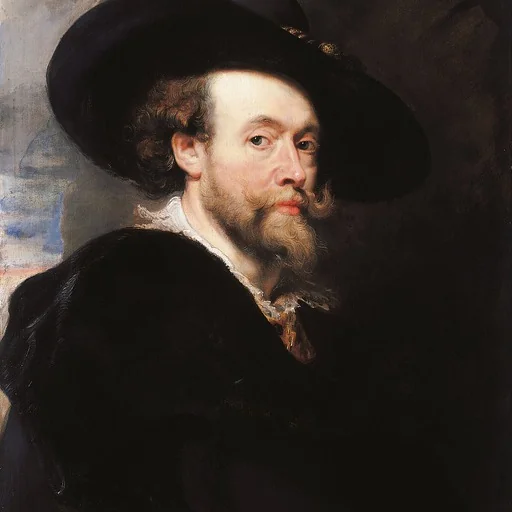
Sir Peter Paul Rubens ( ROO-bənz; Dutch:; 28 June 1577 – 30 May 1640) was a Flemish artist and diplomat.

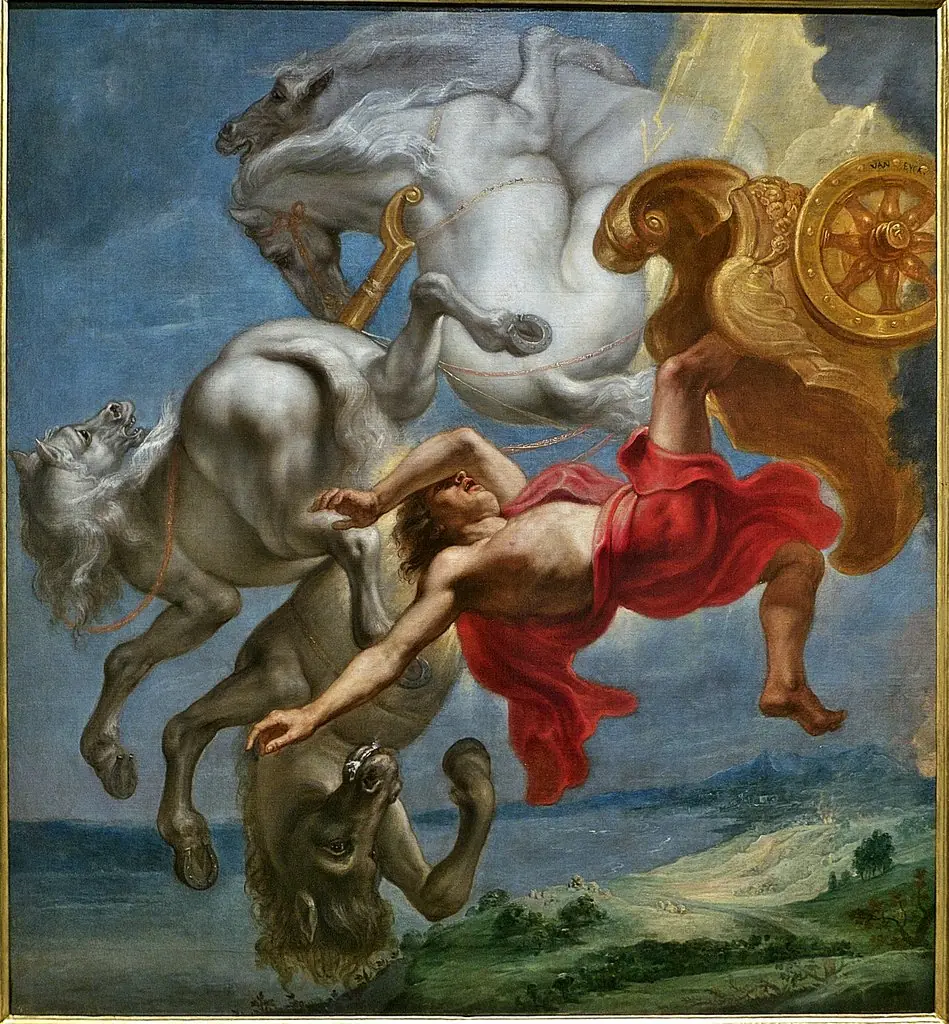 The Fall of Phaethon
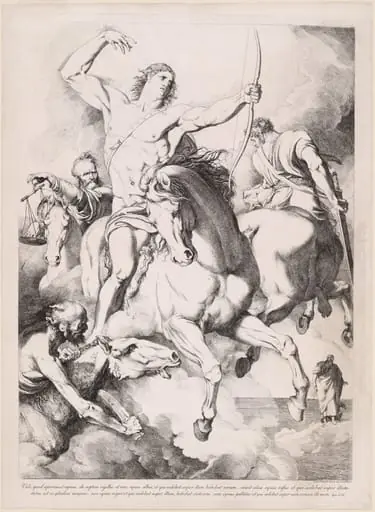 Vidi, quod aperuisset agnus... (The Four Horsemen of the Apocalypse)
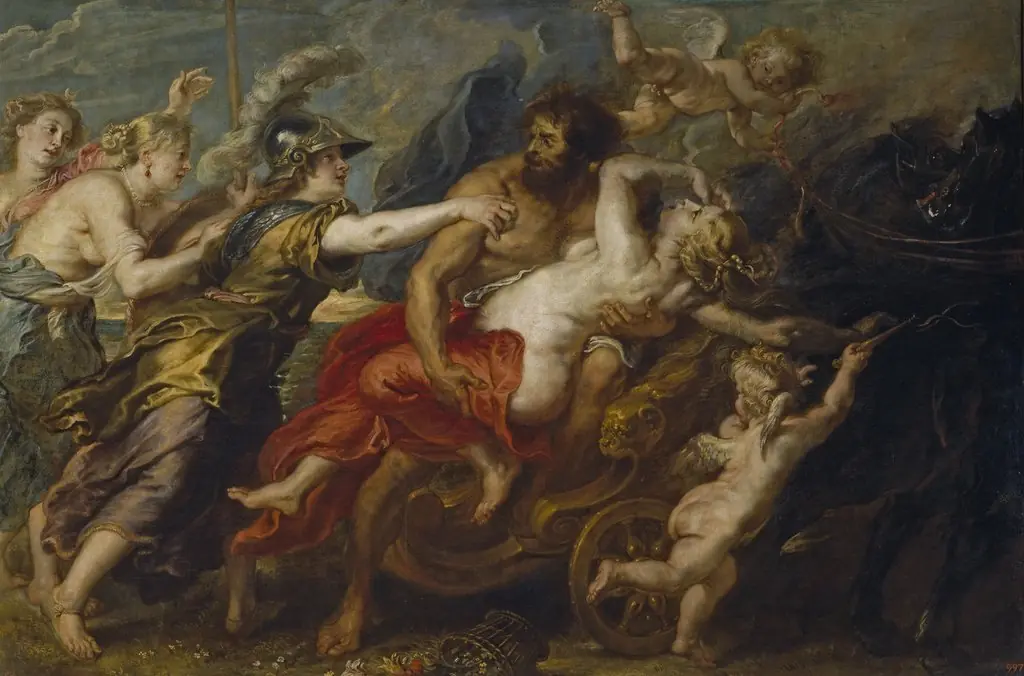 The Rape of Proserpine
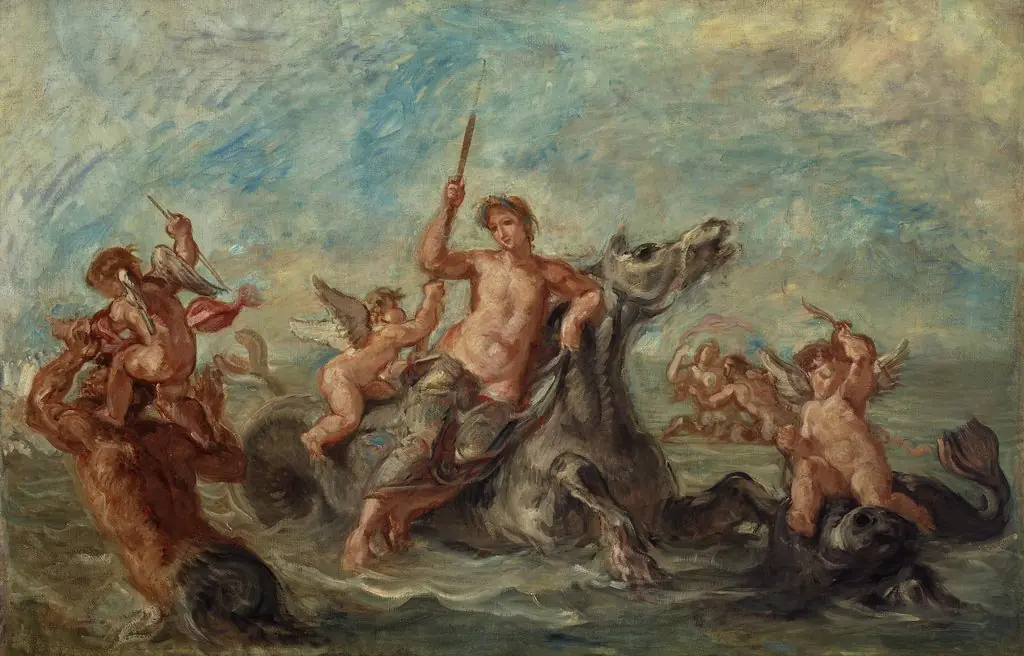 The Triumph of Amphitrite
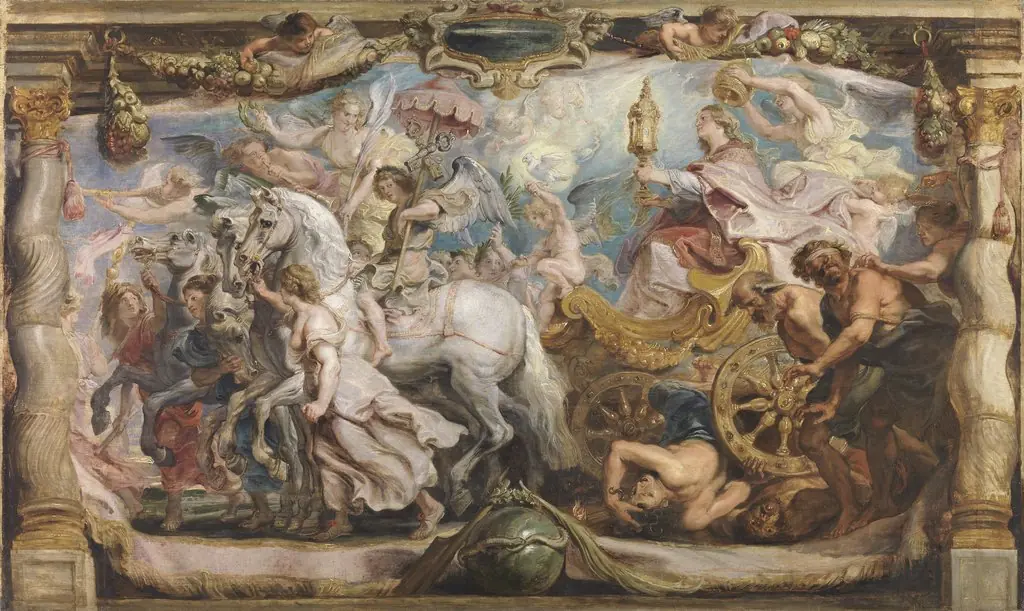 The Triumph of the Church
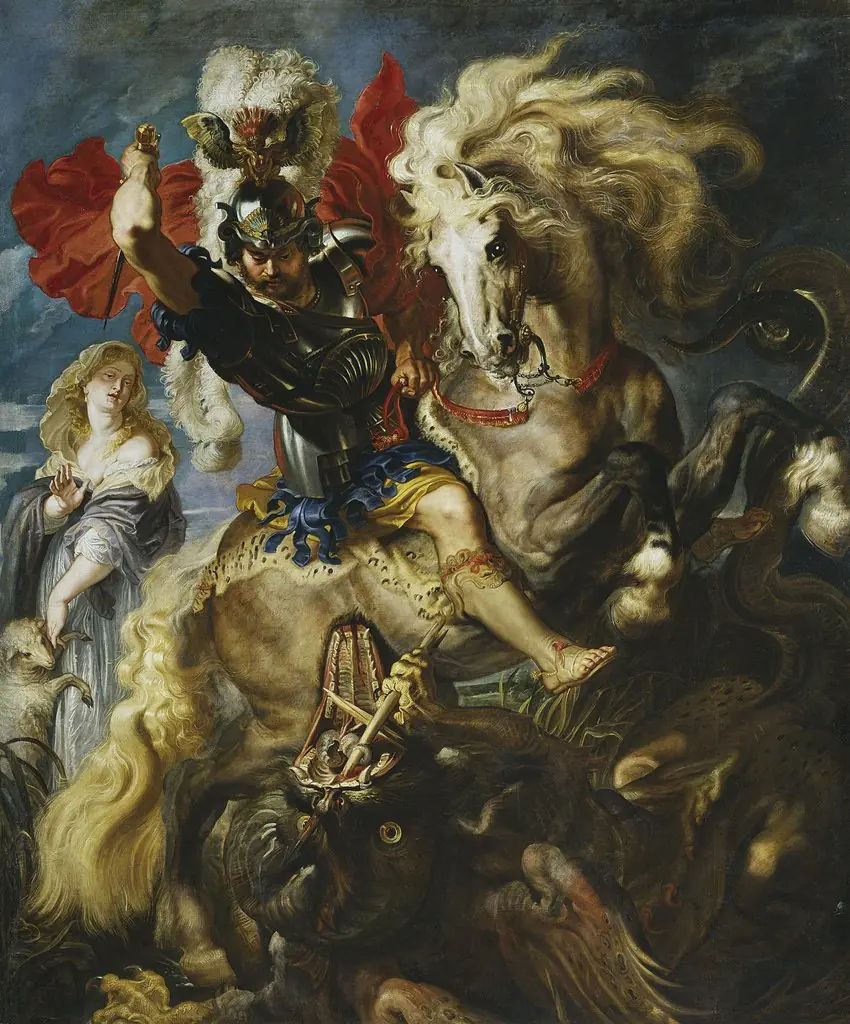 Saint George and the Dragon
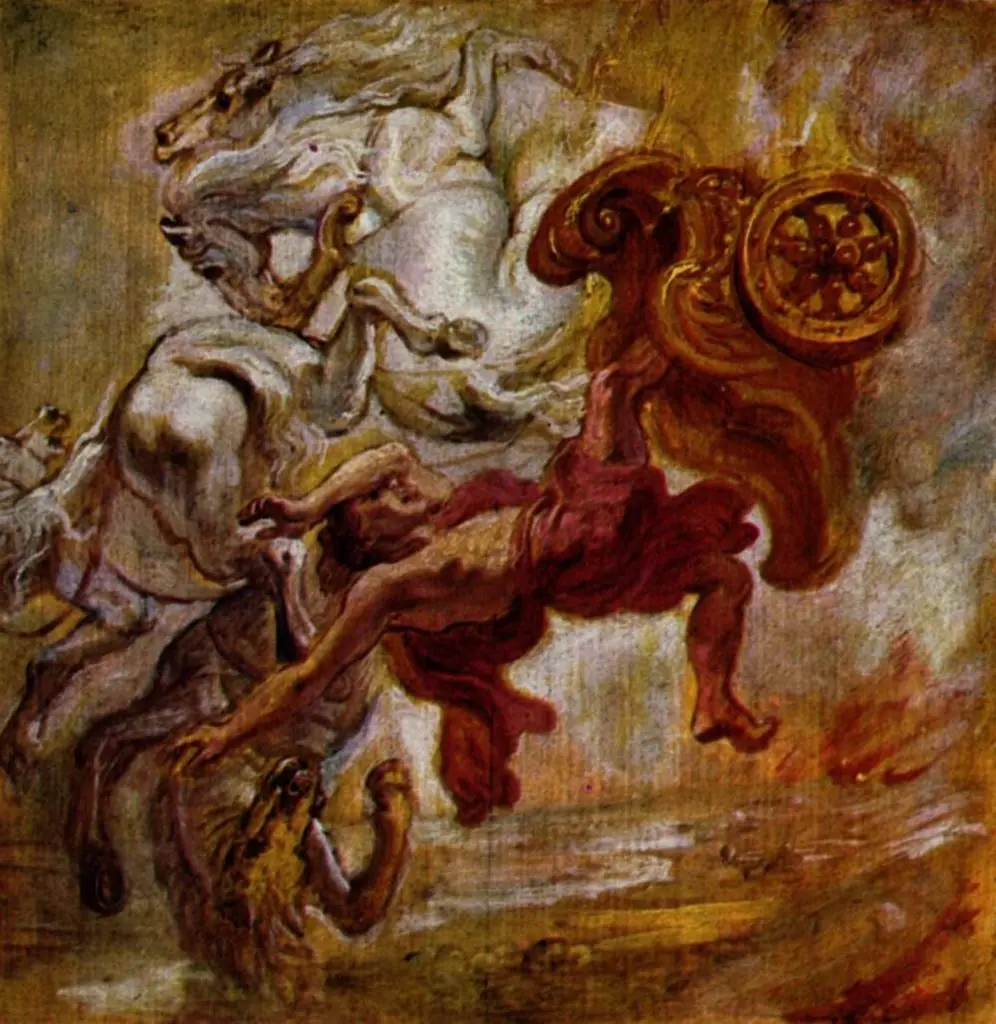 The Fall of Phaethon (sketch for the Torre de la Parada
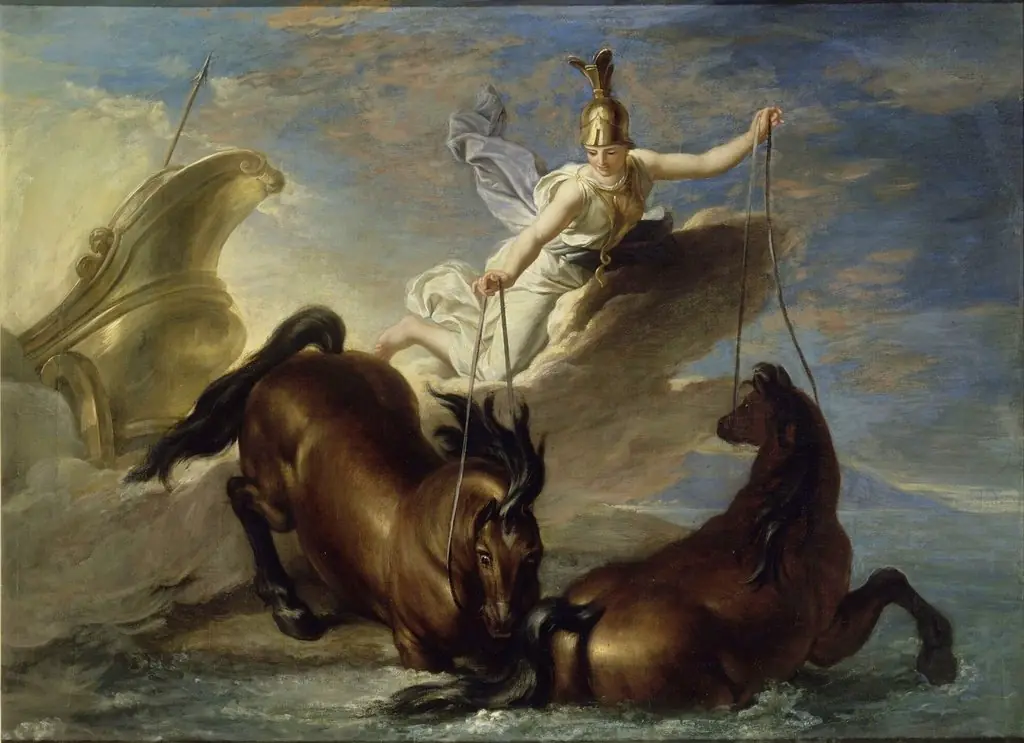 Story of Minerva - Minerva Watering her Horses into the Sea
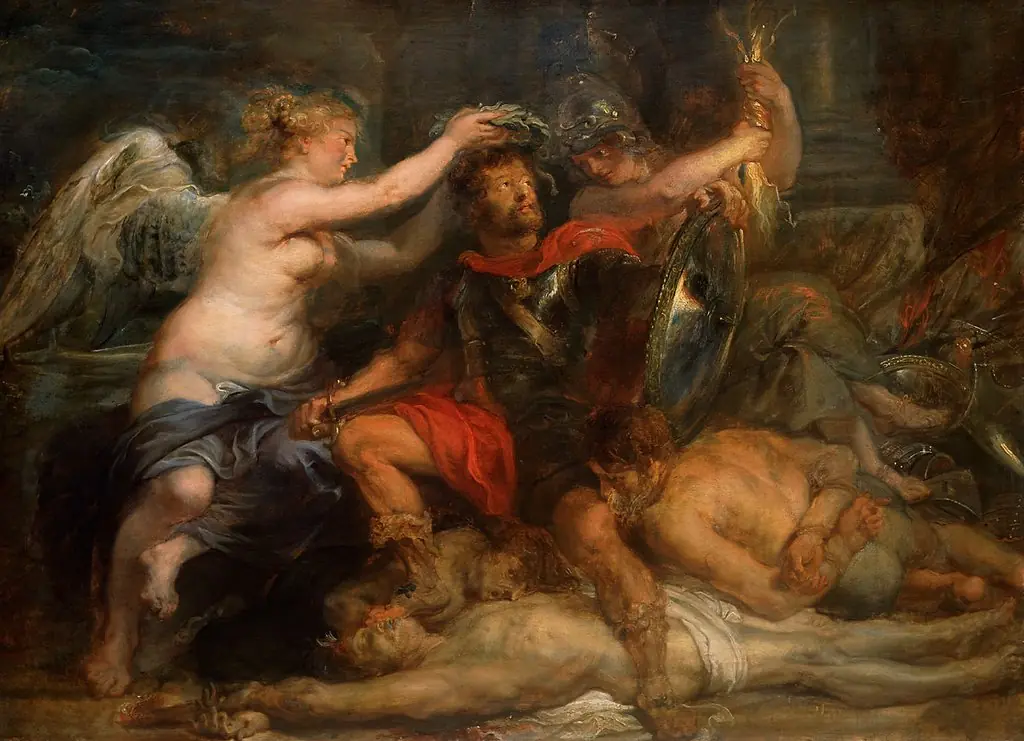 Victory crowns the Hero
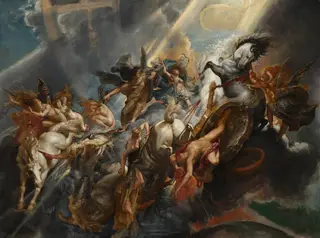 The Fall of Phaeton
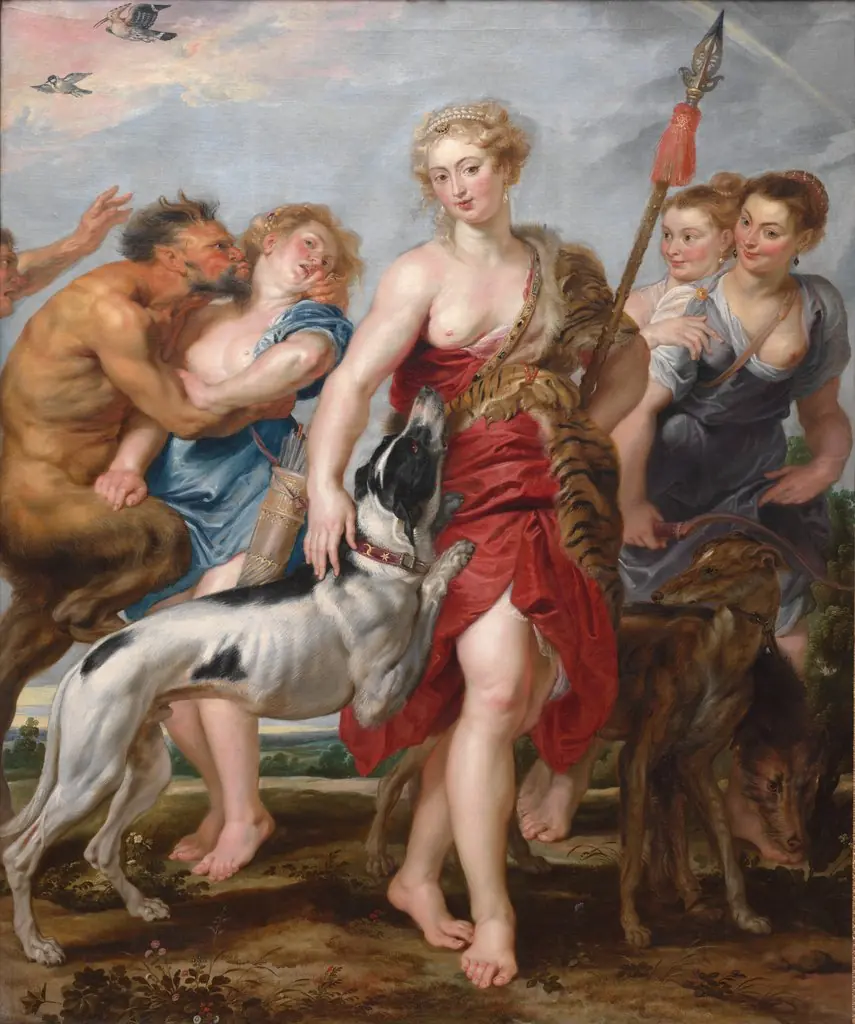
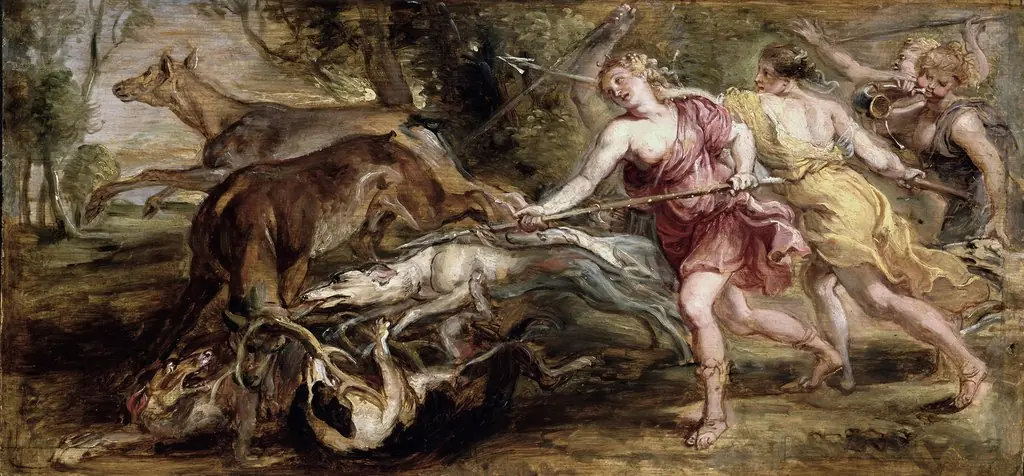 Diana and her Nymphs Hunting
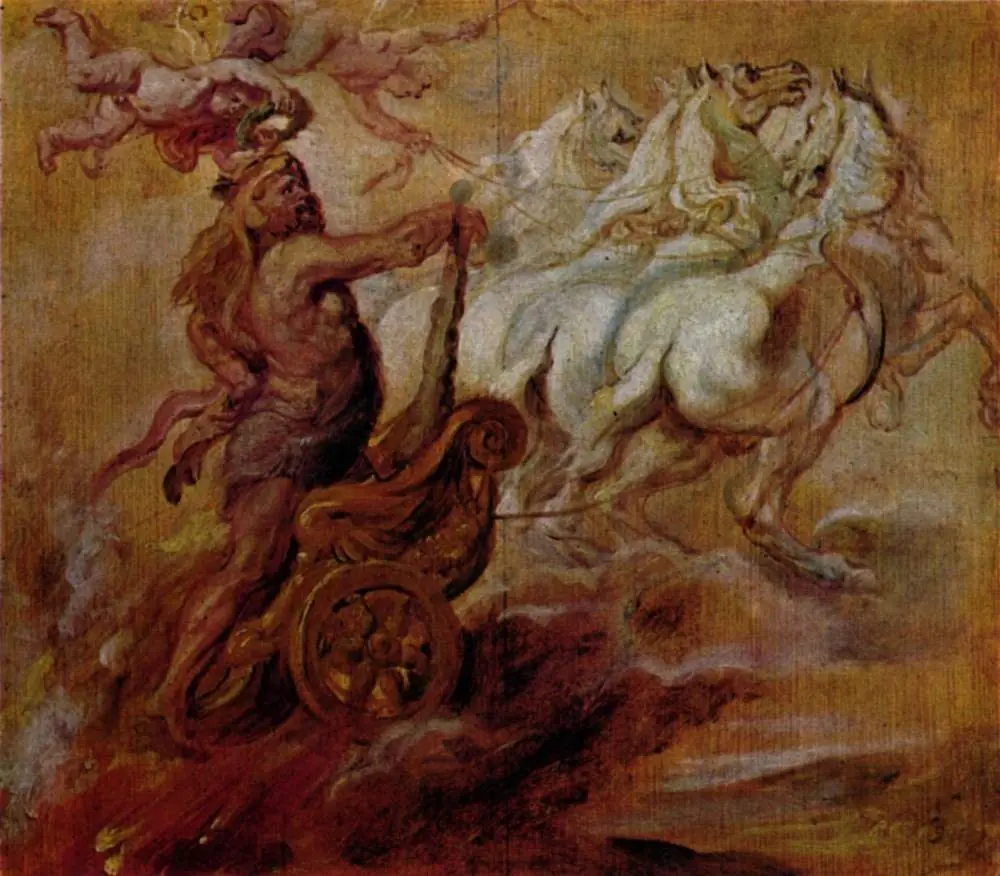
- The Apotheosis of Hercules (sketch for Torre de la Parada)