Artwork
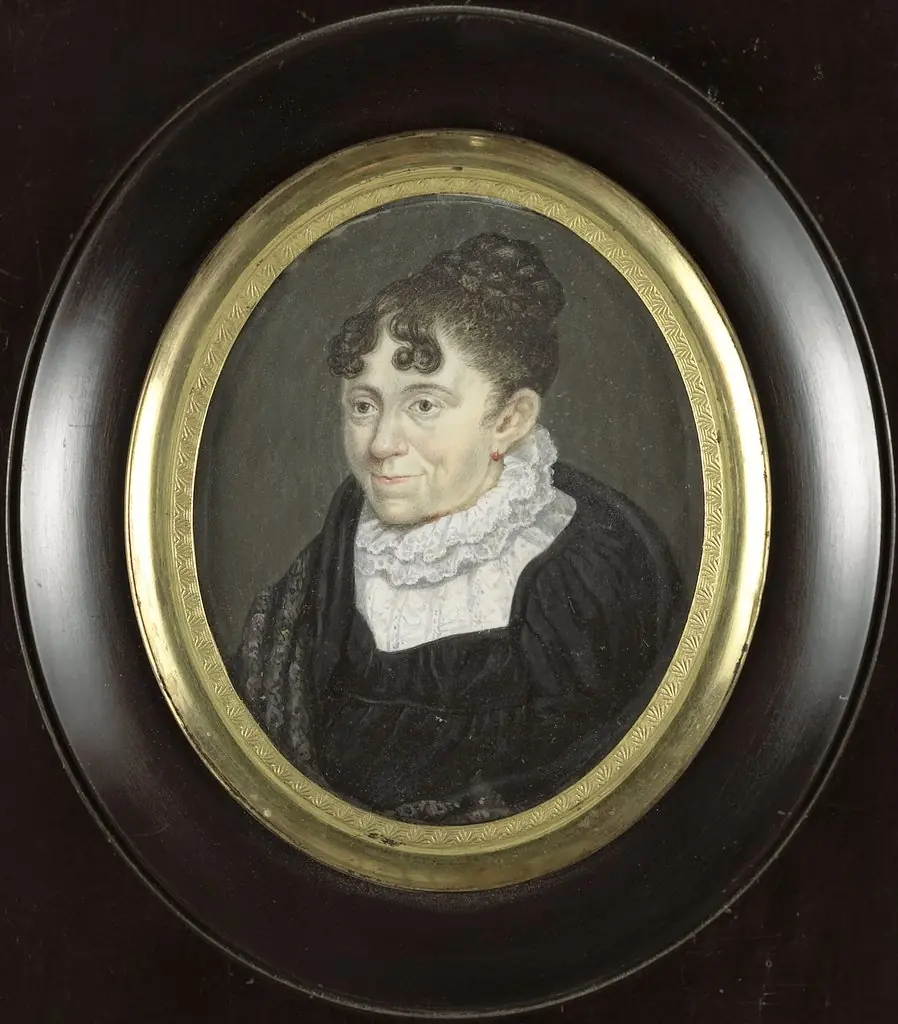
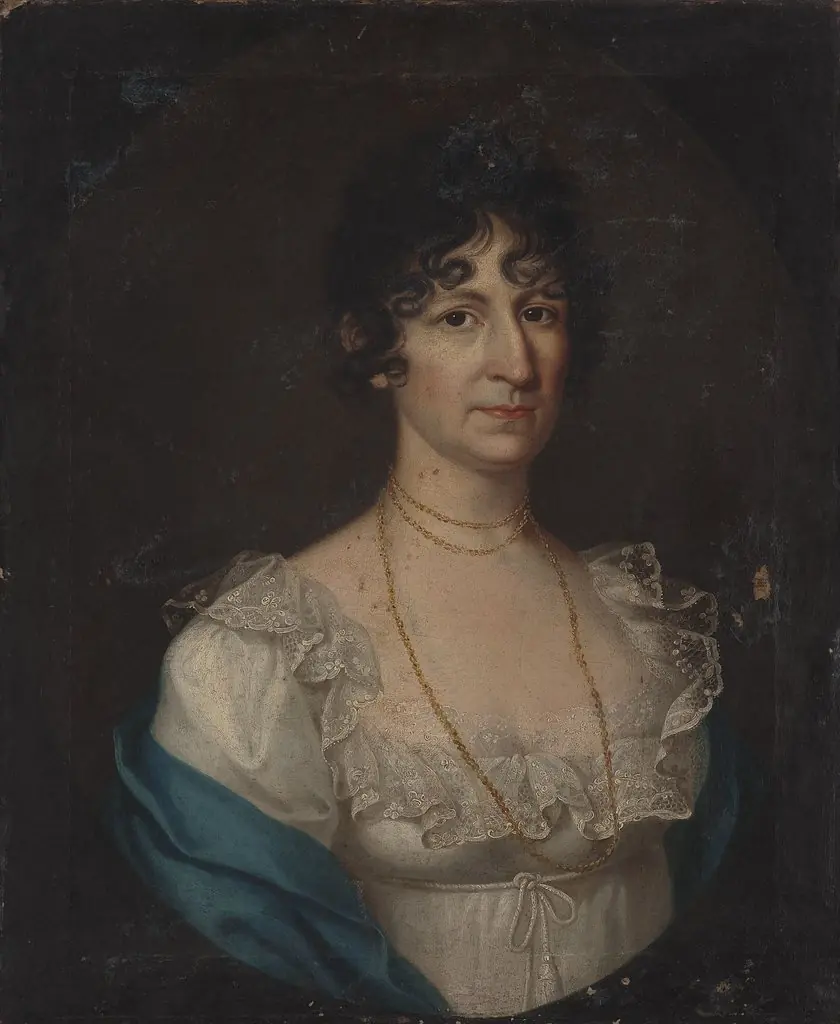
Portrait of Catharina Theresia Weber ( -1847)
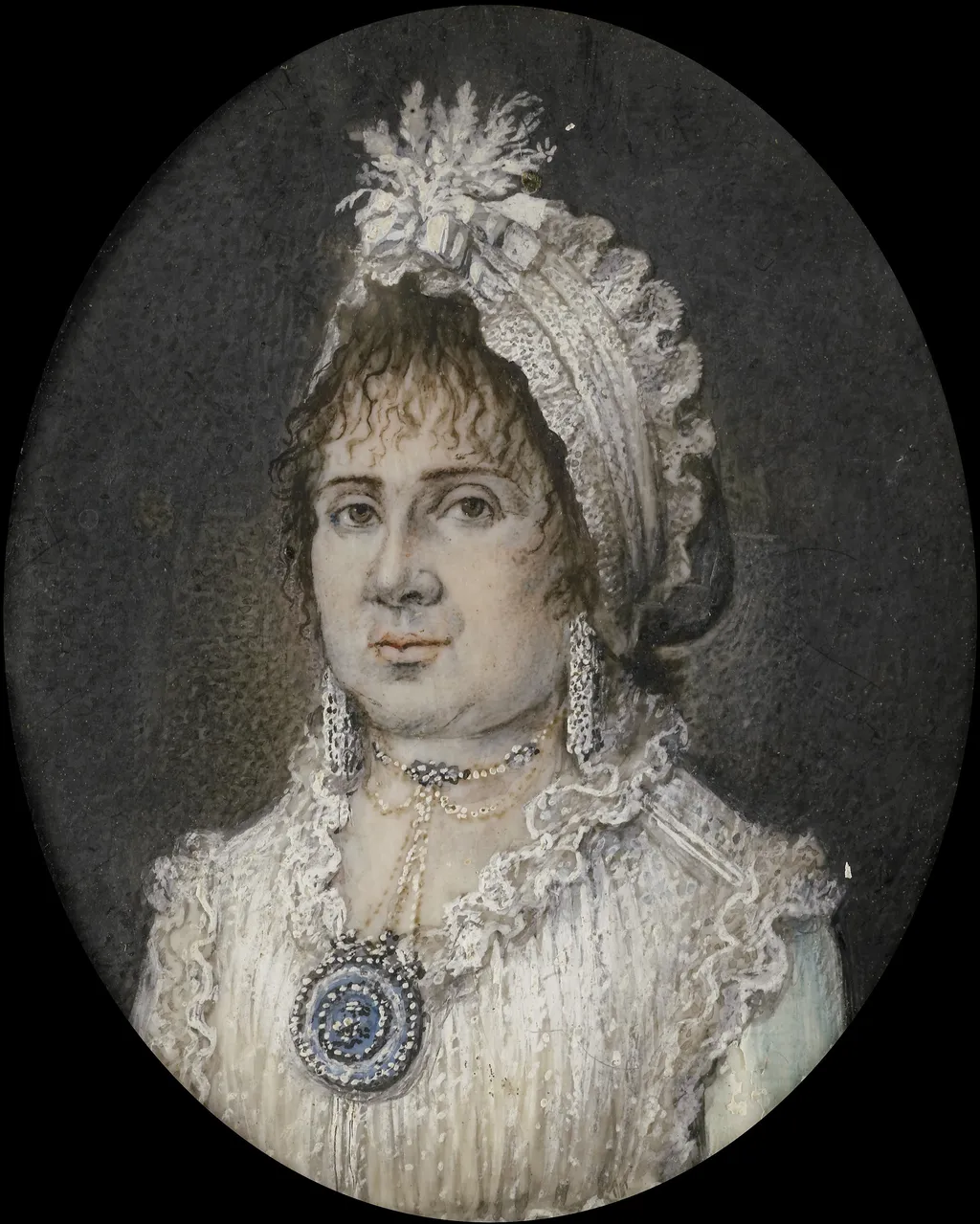
Portrait of Catharina Theresia Weber ( -1847) is an ivory painting by the Biedermeier artist Unknown. It dates from 1805 and is held in the collection of the Rijksmuseum.
About this work
Technique & Style
The classification as a painting confirms the application of pigments to the prepared ivory surface rather than engraving or other incised techniques.
Executed in 1805, this portrait is a miniature painting rendered on an ivory support. The work measures 5.5 cm in height and 4.5 cm in width, indicating a small-scale format typical of personal devotional or commemorative objects from the period. Created within the Northern Low Countries, the piece utilizes ivory as its primary material, a medium prized for its smooth surface and ability to capture fine detail in portraiture.
The classification as a painting confirms the application of pigments to the prepared ivory surface rather than engraving or other incised techniques. As a genre portrait, the composition focuses on the likeness of Catharina Theresia Weber, adhering to the formal conventions of early 19th-century miniature painting where delicate brushwork and precise rendering of facial features were paramount.
History & Provenance
The work Portrait of Catharina Theresia Weber was created in 1805 as a portrait on ivory, likely by Hendrik van Overklift, according to the cited records. It entered the collection of the Rijksmuseum, where it remains today. The piece measures 5.5 by 4.5 units, reflecting its dimensions as documented in the source data.
The painting's provenance indicates a single institutional ownership path, moving directly into the Rijksmuseum's holdings without recorded private sales or transfers.
The portrait is held by the Rijksmuseum, which is listed as both its collection and its location. No specific inventory or accession number is recorded in the available sources.
No exhibition history is documented for the work in the provided information.
Overview
This portrait depicts Catharina Theresia Weber, painted on a thin slab of ivory, a rare and costly support favored for its smooth, luminous surface. The small scale and fine detail suggest it was intended for private viewing, possibly as a keepsake or intimate memento. The medium’s natural translucency enhances the softness of the skin tones and fabric textures, distinguishing it from oil on canvas.
Subject & Meaning
Catharina Theresia Weber is portrayed in formal attire befitting her social standing, with a lace gown, pearl necklace, and ornate headpiece signaling wealth and refinement. Her composed expression, neither smiling nor stern, conveys dignity and restraint. The absence of symbolic objects or narrative context focuses attention on her presence, suggesting the portrait serves as a quiet assertion of identity rather than a statement of achievement.
Context
During the early 1800s, ivory miniatures were popular among the upper classes as portable, personal portraits, often exchanged as tokens of affection or remembrance. This work aligns with a broader trend of intimate portraiture that emphasized refinement and restraint, contrasting with the grandeur of larger oil paintings commissioned for public display.
Legacy
As a surviving example of ivory miniature portraiture, this work illustrates the technical skill and aesthetic values of early 19th-century private portraiture. Though not widely known today, it contributes to understanding how personal identity was visually constructed in an era before photography, where craftsmanship and material choice carried significant cultural weight.
Artist & collection









- Portrait of Maria Elisabeth Schreiber (1765-1822)
 Portret van een jonge vrouw
 Portret van een vrouw
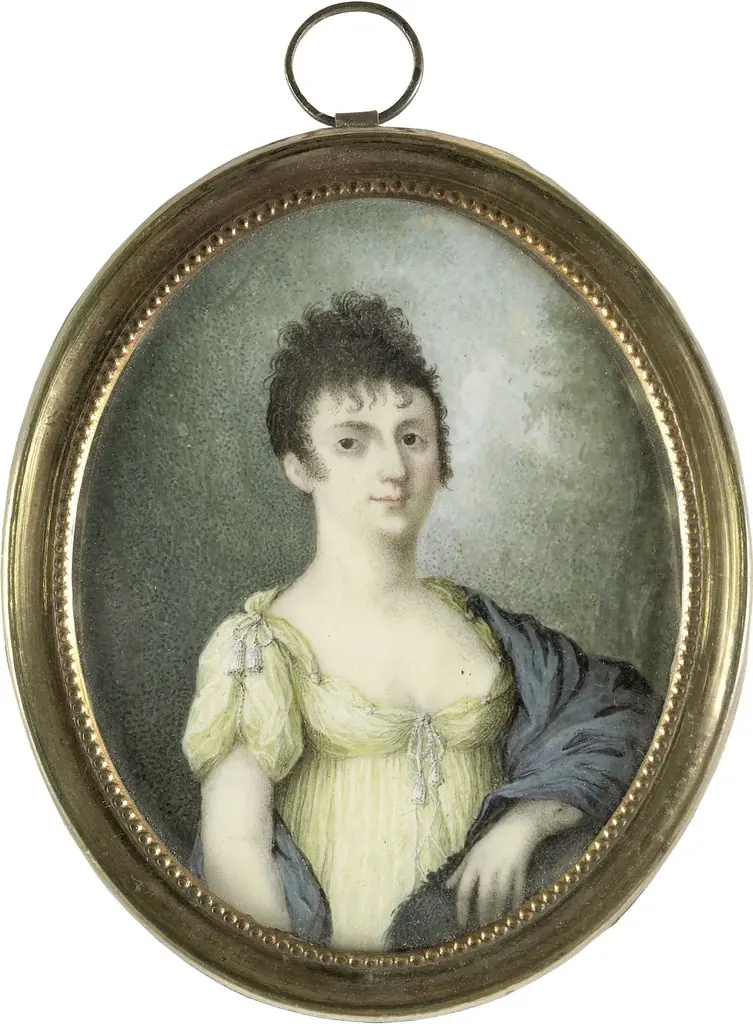 Portrait of a woman
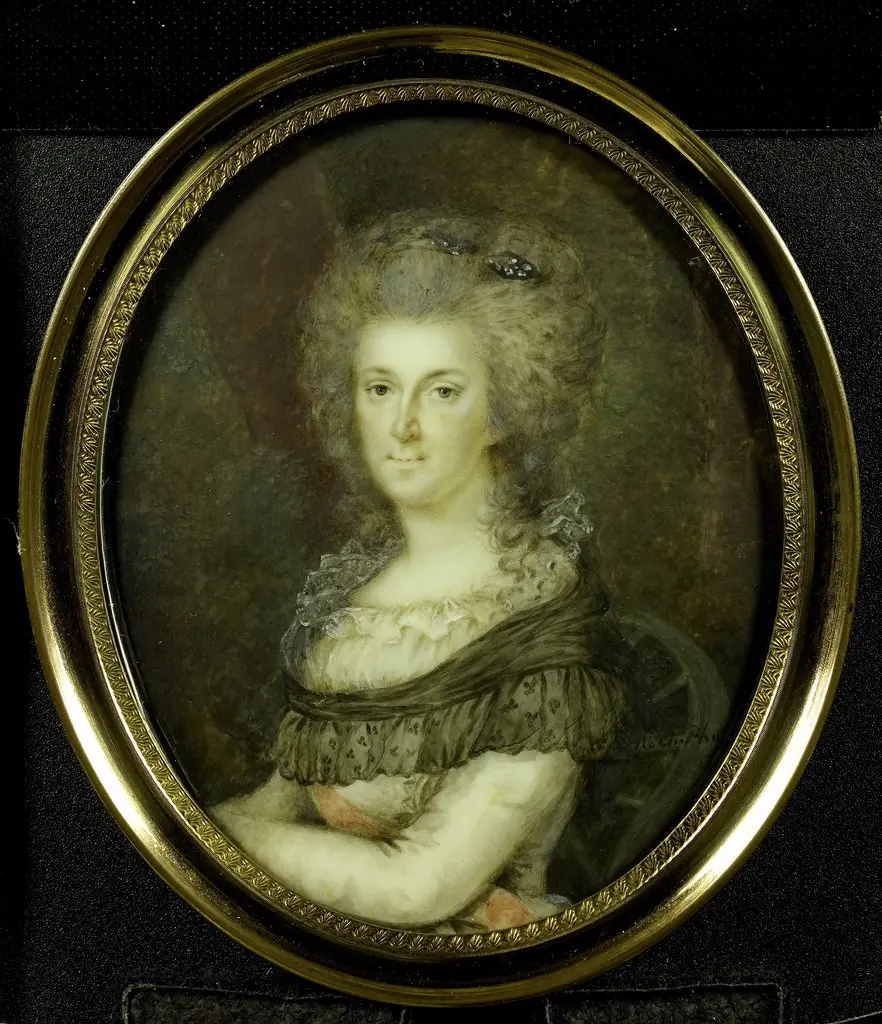 Portrait of Wilhelmina van Pruisen (1751-1820)
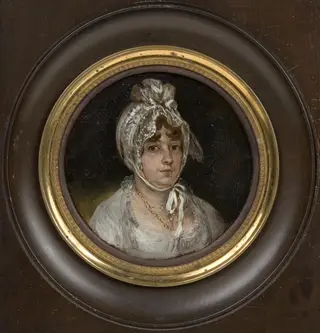 Juana Galarza de Goicoechea
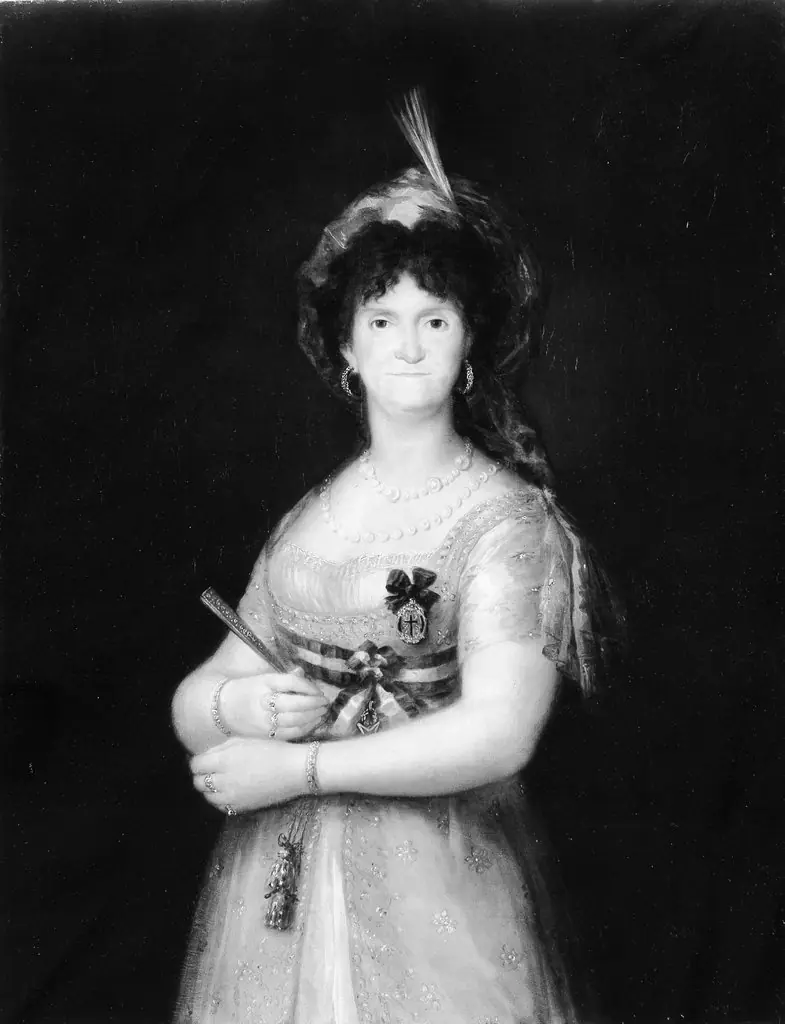 María Luisa of Parma (1751–1819), Queen of Spain
 Portret van een oude dame
 Hannah Breck
 Miss Burges
 Portrait of Countess Anna Bobrinskaya
 Portrait of a woman