Artwork
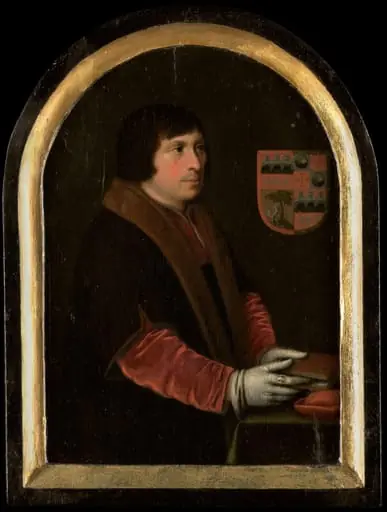
Portrait of Cornelis de Witt (1485-1537)
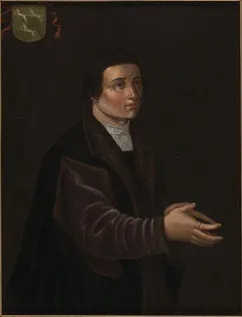
Portrait of Cornelis de Witt (1485-1537) is an oil painting by the Northern Renaissance artist Unknown. It dates from 1518 and is held in the collection of the Rijksmuseum.
About this work
Technique & Style
The artwork is currently held in the depot of the Cultural Heritage Agency of the Netherlands, managed in association with the Rijksmuseum.
Created in 1518 within the Northern Low Countries, this anonymous portrait utilizes oil paint applied to a wooden panel support. The work measures 42 cm in height and 32 cm in width. As a classified painting within the genre of portraiture, the piece combines traditional materials of the era with a formal approach characteristic of early sixteenth-century Netherlandish art.
The artwork is currently held in the depot of the Cultural Heritage Agency of the Netherlands, managed in association with the Rijksmuseum.
History & Provenance
The Portrait of Cornelis de Witt was created in 1518 in the Northern Low Countries. Executed in oil paint on panel, the work is attributed to an anonymous artist. The painting measures 42 cm in height and 32 cm in width.
It is currently held within the Cultural Heritage Agency of the Netherlands Art Collection, specifically stored in the depot of the Rijksmuseum.
The portrait is held within the collection of the Rijksmuseum and the Cultural Heritage Agency of the Netherlands Art Collection. Physically, the work is located in the Rijksmuseum depot managed by the Cultural Heritage Agency (RCE). The provided sources do not contain specific inventory numbers, accession codes, or a record of public exhibitions for this piece.
Context
The portrait of Cornelis de Witt painted in 1518 exemplifies early Netherlandish portraiture through its precise rendering of facial features and richly detailed clothing, reflecting contemporary bourgeois identity markers. Art historians note its significance within the Northern Low Countries' artistic tradition, where portraiture served both commemorative and status-display functions for merchant elites. The work's composition and use of oil on panel align with regional workshop practices of the period, while its presence in the Rijksmuseum collection underscores ongoing scholarly interest in early Dutch portraiture. Technical analysis confirms its 1518 execution date matches stylistic developments observed in regional portraiture of the decade.
Legacy
The portrait of Cornelis de Witt was created in 1518 in the Northern Low Countries using oil paint on panel, establishing a conventional likeness within the portrait genre. Its presence in the Rijksmuseum depot has preserved the work as a reference example of early Netherlandish portraiture, allowing later artists and scholars to study its compositional choices and treatment of likeness. Contemporary documentation of the painting's influence is limited, but its continued display in a national collection underscores its role in shaping historical perceptions of prominent civic figures from the period.
Overview
The work is an oil painting titled Portrait of Cornelis de Witt (1485-1537). It depicts a seated male figure dressed in a dark brown coat with a white collar, set against a plain dark background. The composition is simple, focusing on the sitter’s face and upper body.
Subject & Meaning
The portrait presents a man with a pale complexion, short dark hair, and a composed expression. One hand rests on his chest while the other hangs loosely, suggesting a calm, dignified demeanor typical of portraiture intended to convey status and character.
Artist & collection









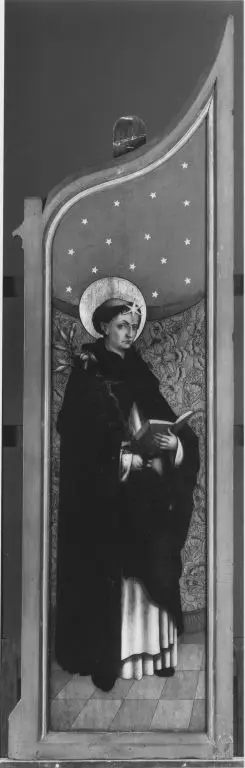
- Altarflügel: Hl. Dominikus (?)
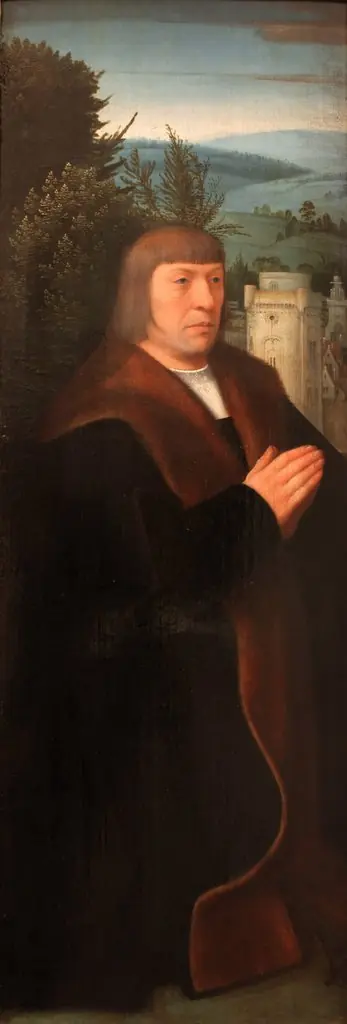 Portrait of a donor
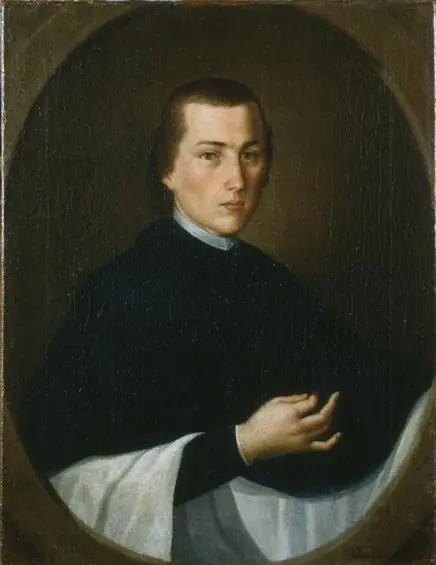 Retrato do Padre Guilherme Archer
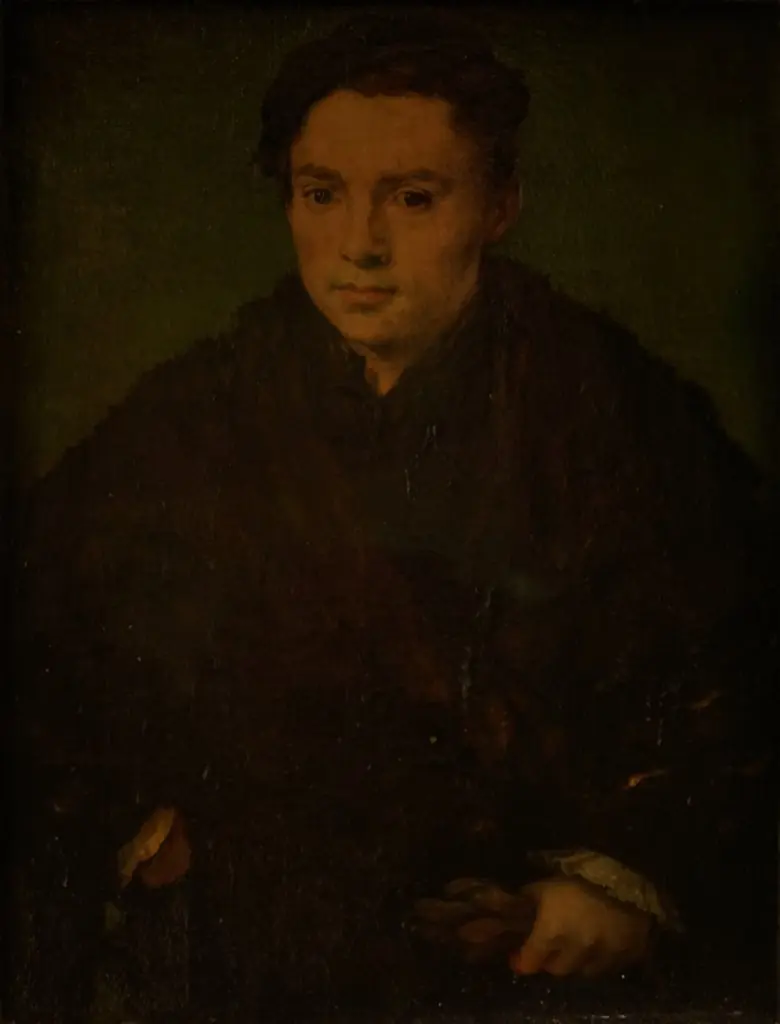 Portrait of a Man
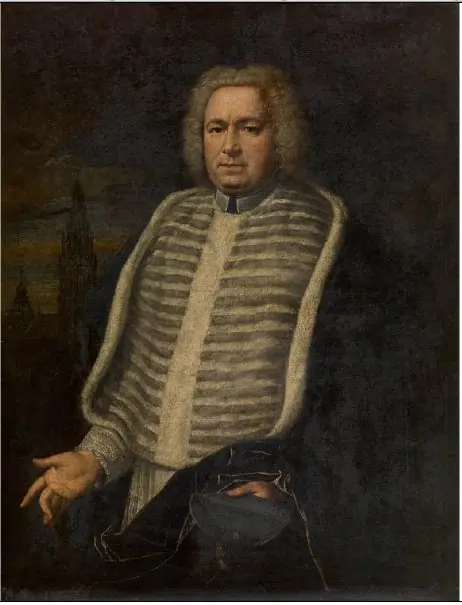 Kanoniker
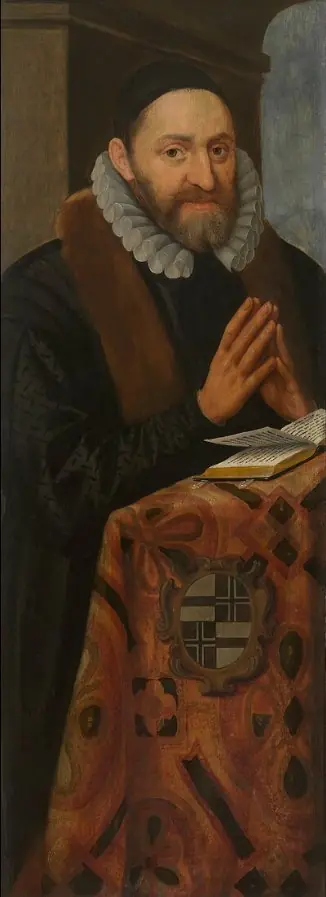 Portrait of Lodewijk Clarys
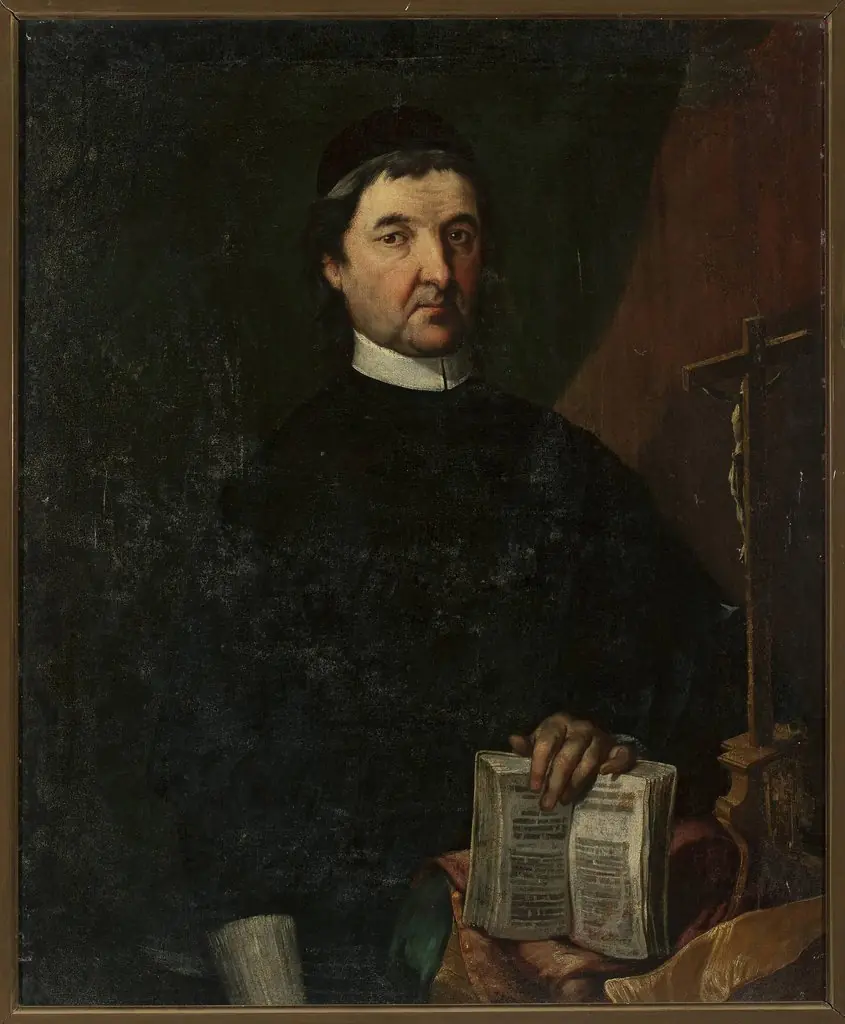 Portrait of a priest (Piarist?)
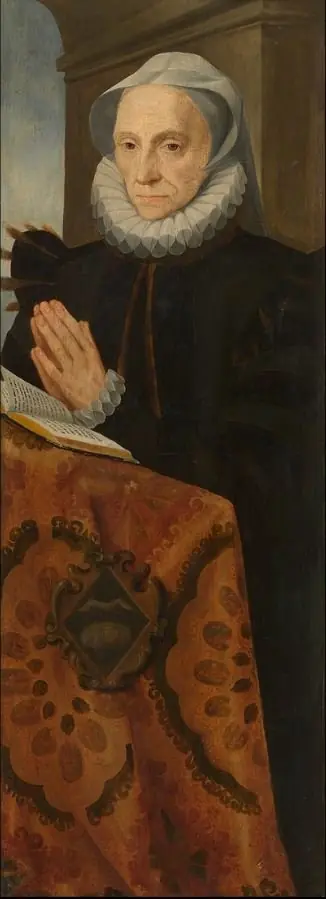 Portrait of Marie le Batteur praying
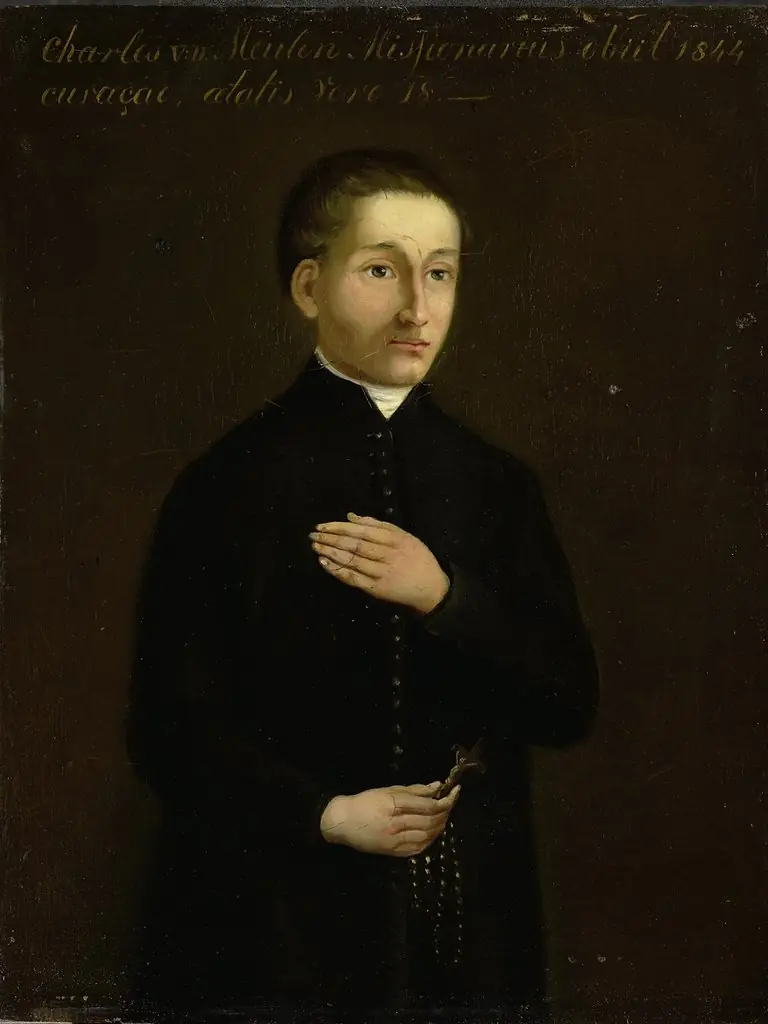 Portrait of Charles van der Meulen, Missionary to Curaçao
 Portrait of Pieter Salina
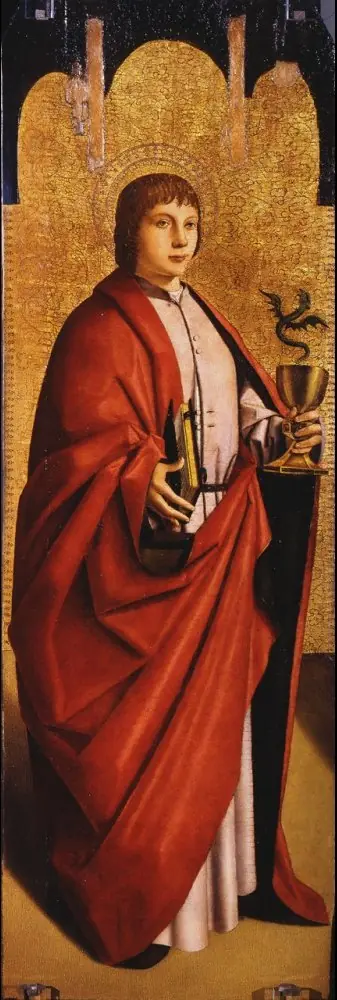 Saint John the Evangelist
 Saint Peter of Verona