Artwork
Portrait of a gentleman
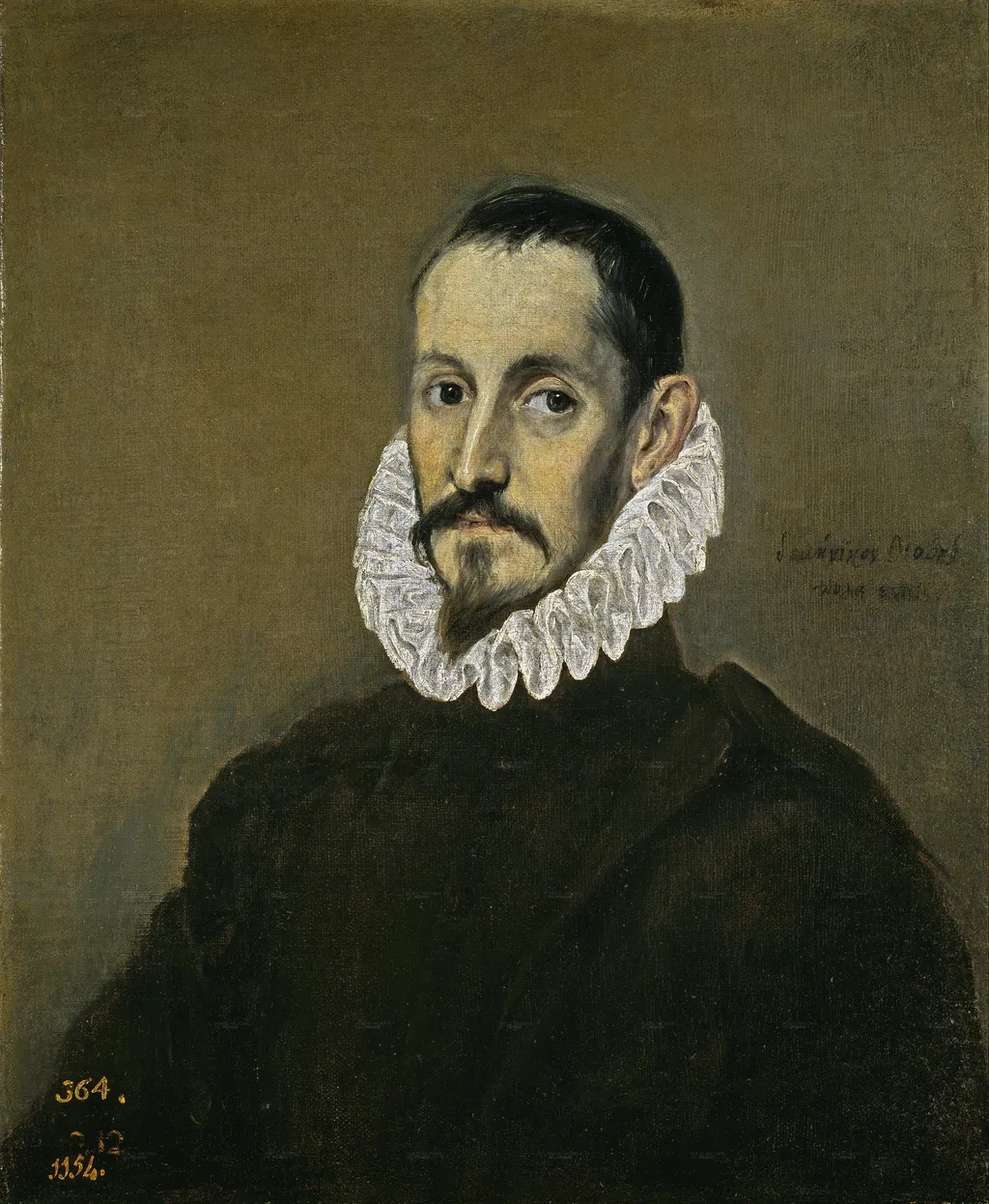
Portrait of a gentleman is an oil painting by the Mannerist artist El Greco. It dates from 1594 and is held in the collection of the Museo del Prado.
About this work
Subject & Meaning
El Greco's signature in cursive Greek letters appears at the center-right margin, asserting authorship on what is otherwise a deliberately anonymous portrait.
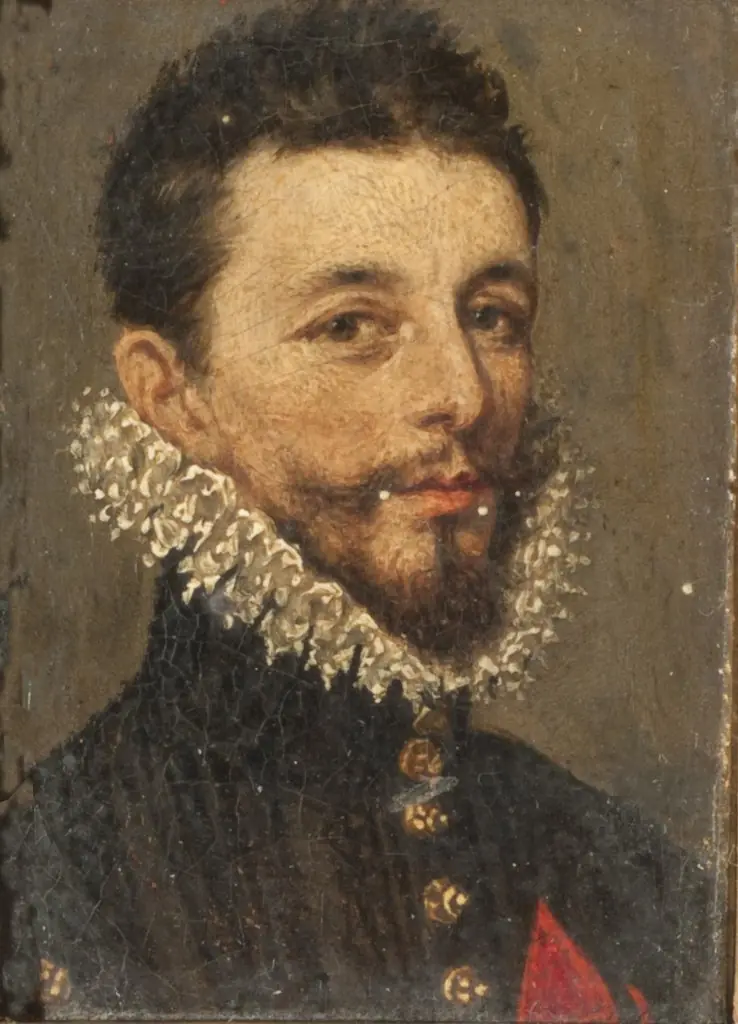
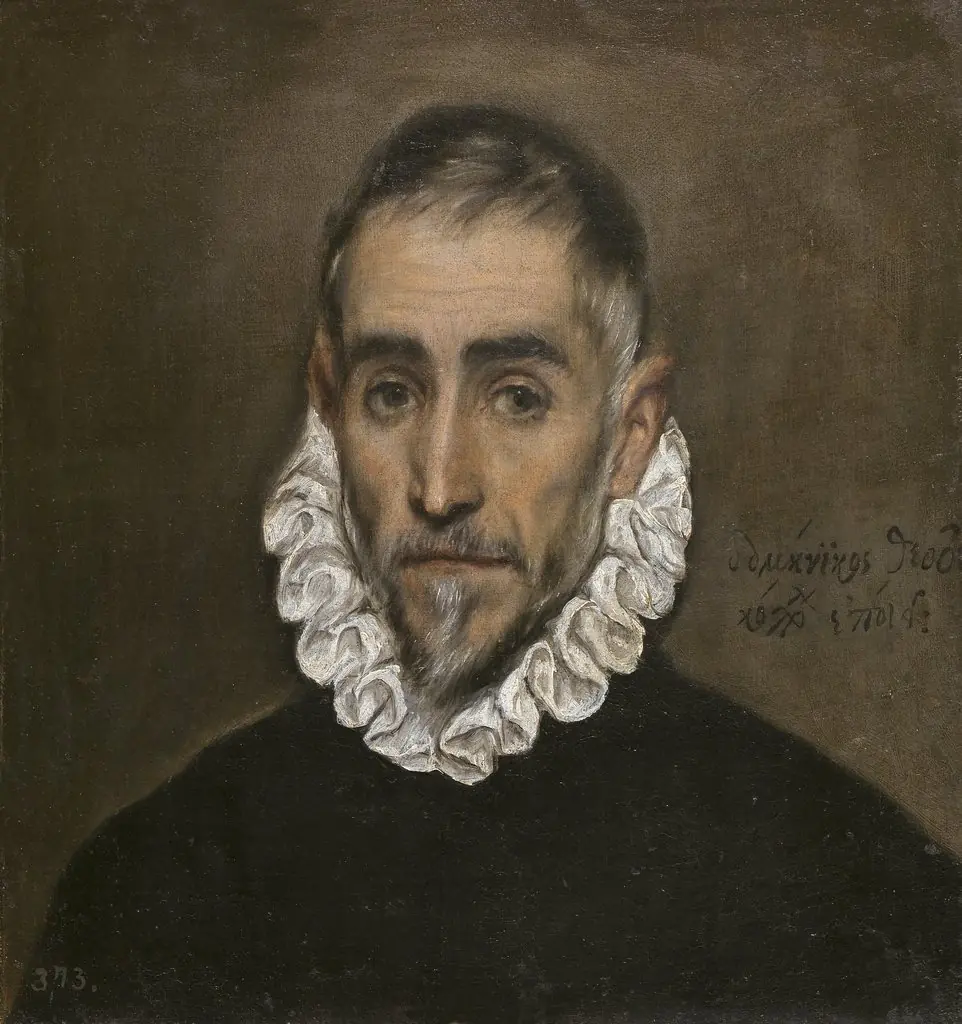
The painting portrays an unidentified gentleman, shown bust-length against a neutral, greenish-ochre background. He is dressed entirely in black, with the only chromatic contrast provided by a white ruff (lechuguilla) encircling his neck, reducing the figure's palette to black and white. The sitter's identity remains unknown, making the work a study of type rather than of a named individual. The somber attire and starched ruff are conventional markers of late-sixteenth-century Spanish gentlemanly status, signaling dignity and restraint rather than personal narrative. El Greco's signature in cursive Greek letters appears at the center-right margin, asserting authorship on what is otherwise a deliberately anonymous portrait. The neutral backdrop and restrained costume shift attention to the sitter's face and bearing, while the painting's darkened surface, caused by a bluish-black ground layer showing through the costume and flesh, lends the figure an austere, almost shadowy presence consistent with Spanish court portraiture of the period.
Technique & Style
Portrait of a Gentleman is executed in oil on canvas, a standard support for El Greco's portrait practice. The canvas measures approximately 67 × 55 cm according to the Museo del Prado's catalogue, though Harold Wethey records slightly different dimensions of 66 × 55 cm. The painting is signed in cursive Greek letters along the central right margin, reading δομήνικος Θεοτοκόπουλος ἐποίει, identifying the artist as Doménikos Theotokópoulos.
Stylistically, the sitter is placed against a neutral, greenish-ochre background, and his black attire together with a white ruff (lechuguilla) compresses the figure's palette to a stark black-and-white range. The execution is described as more mechanical than is typical of El Greco's portraits. The surface is darkened because the bluish-black ground layer has bled through both the costume and the face, a condition noted in the technical commentary on the work.
History & Provenance
Portrait of a Nobleman, painted by El Greco in 1586, was originally displayed in the Quinta del Duque del Arco within the Royal Palace of El Pardo before entering the Museo del Prado collection. The work remains in the Prado Museum in Madrid. Its provenance traces back to the Royal collection, specifically the Quinta del Duque del Arco, documented in 1745 as the thirteenth summer piece and later catalogued under inventory numbers linked to the Duke’s collection. The painting is signed with Greek letters in the lower right margin, and technical analysis notes its dimensions as approximately 66-67 cm in height and 55 cm in width. Portrait of a Gentleman is held in the Museo del Prado, where it is listed under inventory number P000813. The work entered the collection of the Spanish monarchy through the Quinta del Duque del Arco, forming part of the Royal collection (catalogue number P000813; accession recorded as pieza duodécima in 1794). It was first displayed in the Royal Palace of El Pardo before being moved to the Museo del Prado, and it has been exhibited there as part of the permanent collection. No further exhibition records outside the museum are documented in the provided sources.
Context
Scholarly analysis of the *Portrait of a Gentleman* often highlights its mechanical execution, which stands in contrast to the typical dynamism found in El Greco's other portraits. The work is cataloged as number 142 in Harold Wethey's raisonné and number 47 in Tiziana Frati's complete catalogue, securing its place within the artist's established oeuvre. Art historians note that the figure's palette is restricted to black and white against a neutral background, a stylistic choice that emphasizes the sitter's attire over individual facial expression. The painting's condition has been affected by a darkening blue-black ground that has permeated the paint layers, altering the original tonal balance. As part of the portraits originally displayed at the Quinta del Duque del Arco, the piece represents a specific phase of the artist's output in the 1580s, though the subject's identity remains unknown.
Legacy
The painting has shaped later portraiture through its stark realism and psychological intensity, influencing Baroque artists who adopted its direct gaze and limited palette. Its inclusion in the Museo del Prado’s collection cemented El Greco’s reputation as a master of courtly portraiture, a status reinforced by repeated scholarly citations in works by Cossío, Frati, Gudiol and Wethey. The attribution to an unidentified nobleman, noted for its restrained colour scheme and innovative rendering of fabric, remains a reference point in studies of 16th‑century Spanish portraiture.
Own this work as a print
Artist & collection
Artist
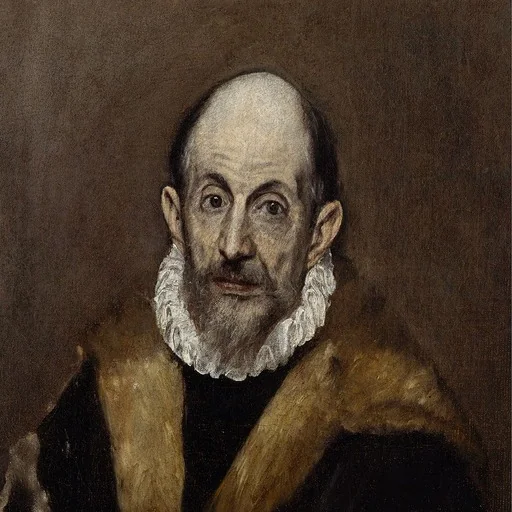
Doménikos Theotokópoulos was born in 1541 in Candia (modern Heraklion), the capital of Venetian-ruled Crete, where he was trained in the post-Byzantine tradition of icon painting.

- Portrait of a Gentleman
 Portrait of a gentleman
 Portrait of an Elderly Man
 Portrait of Diego Hurtado de Mendoza
 Retrato de un caballero desconocido
 Portrait of Rodrigo de la Fuente
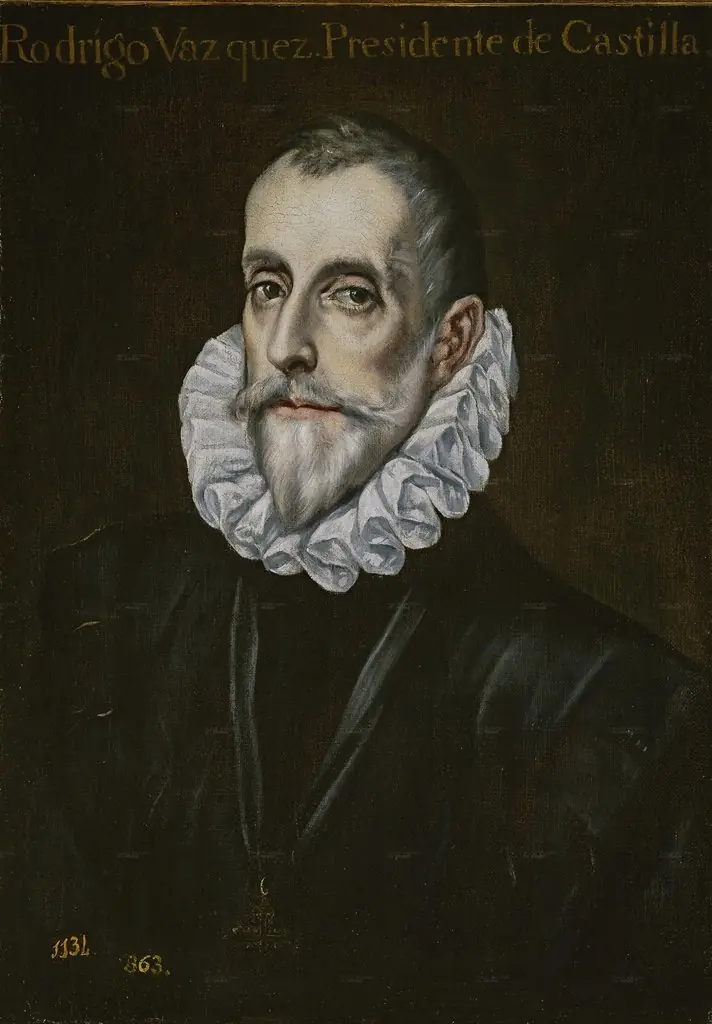 Portrait of Rodrigo Vázquez de Arce
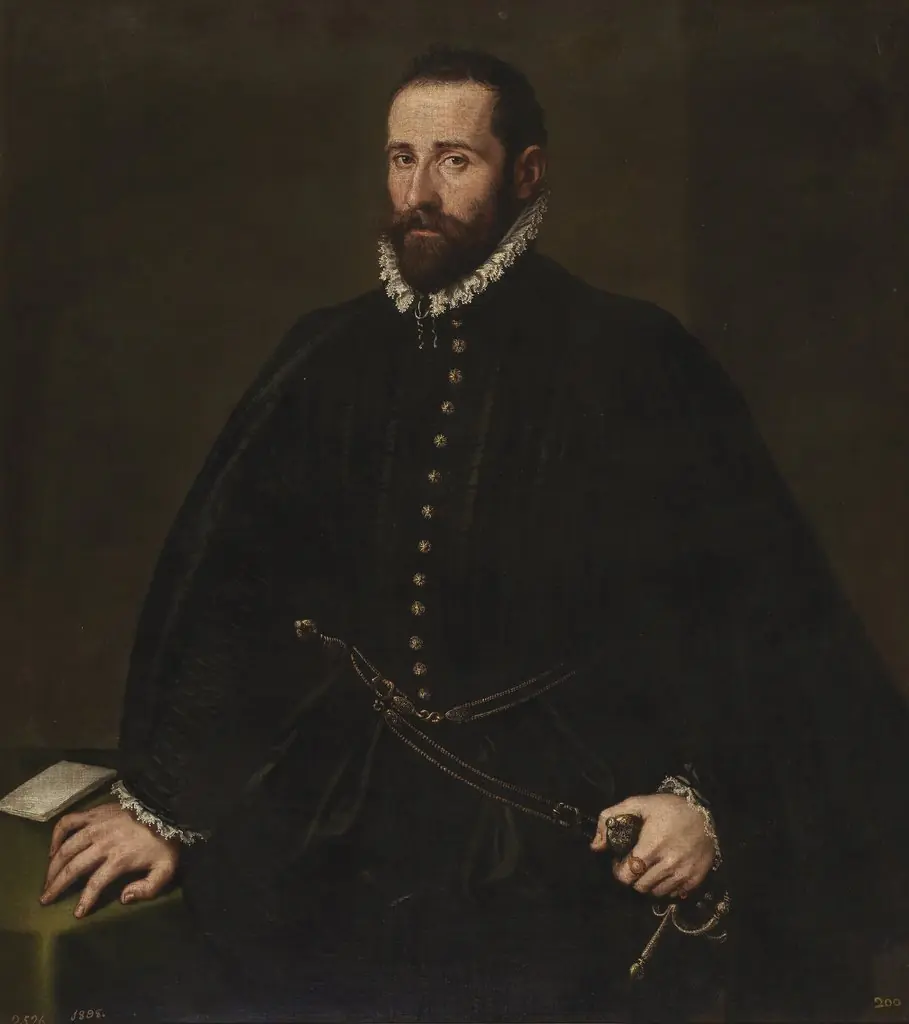 Portrait of a Gentleman
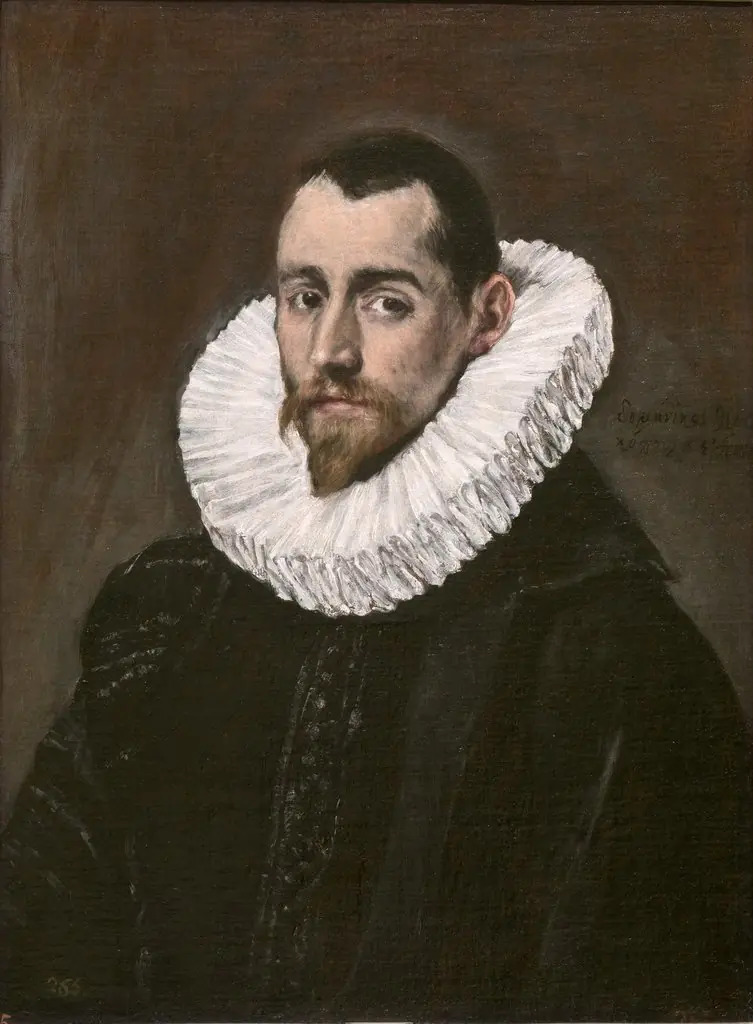 Portrait of a Young Gentleman
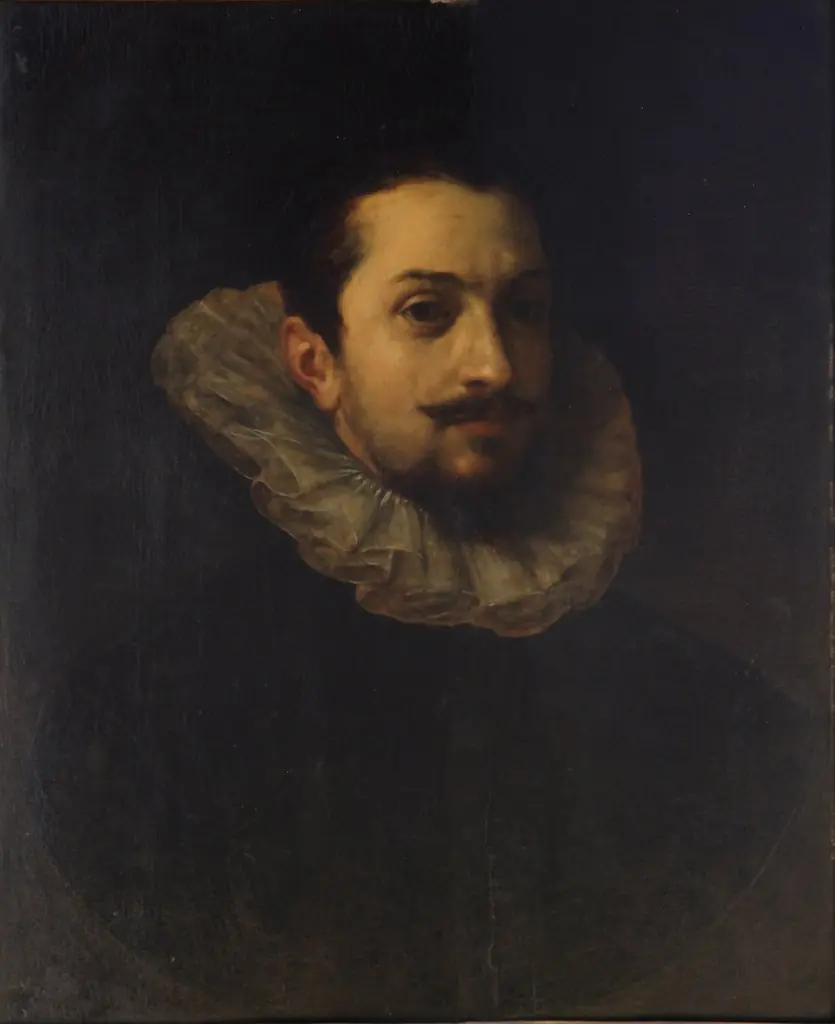 Portrait of a man
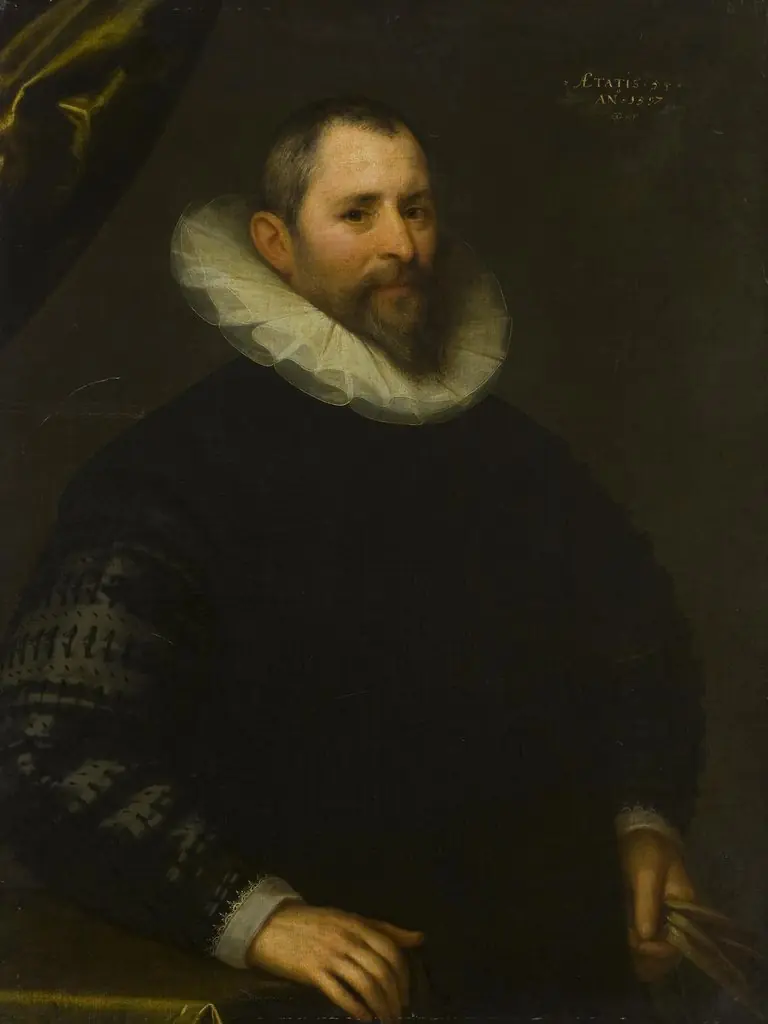 Portrait of Gottfried Hautappel
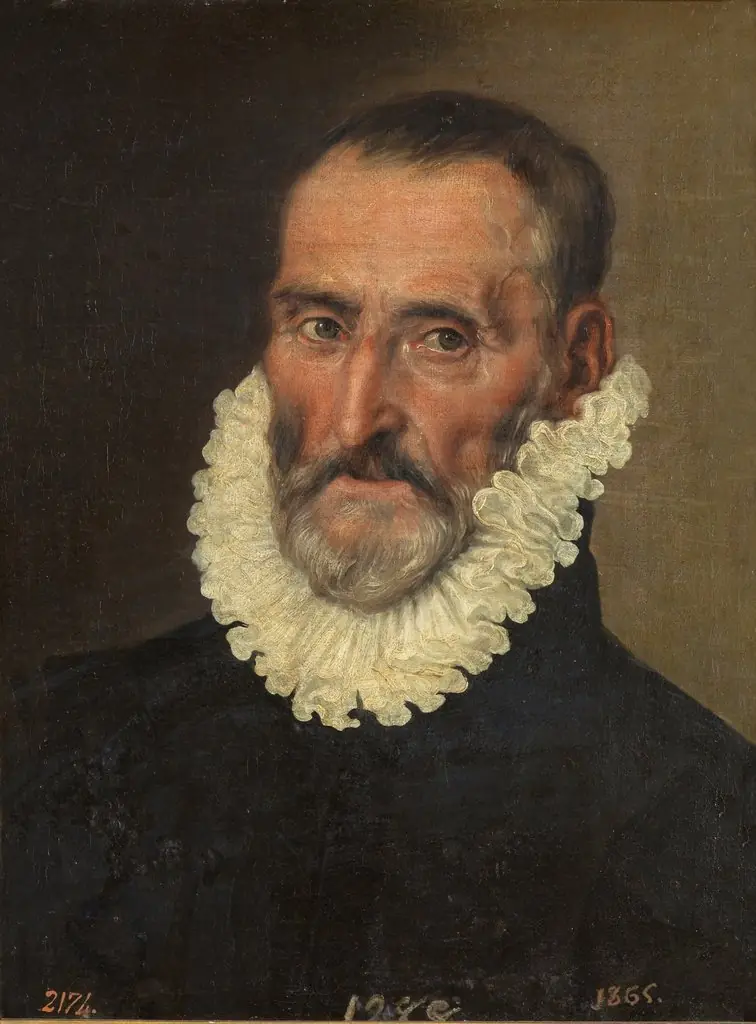 Portrait of an elderly Man