Artwork
Portrait of Rodrigo Vázquez de Arce
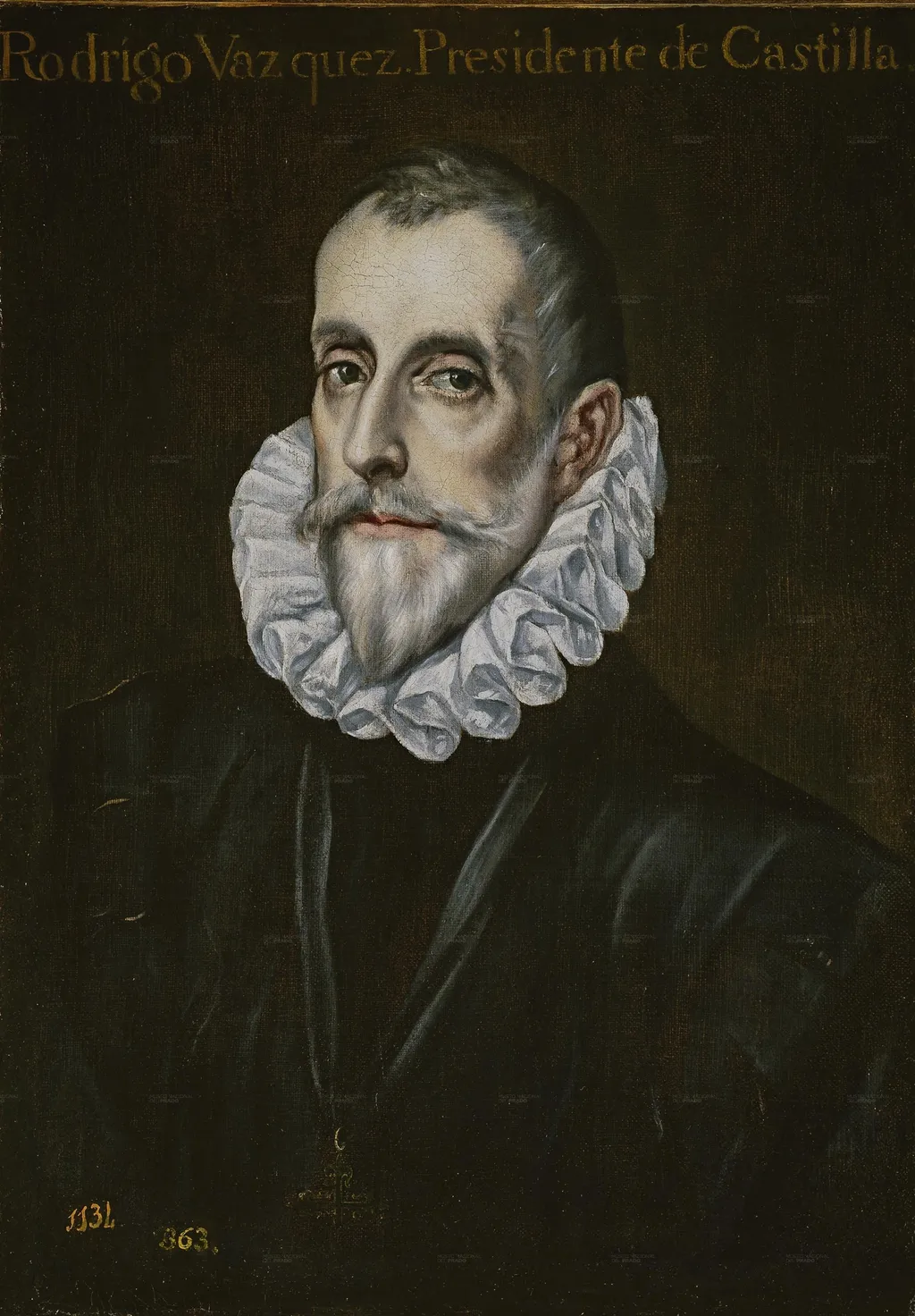
Portrait of Rodrigo Vázquez de Arce is an oil painting by the Mannerist artist El Greco. It dates from 1594 and is held in the collection of the Museo del Prado.
About this work
Technique & Style
He wears black clothing with a lechuguilla (ruff) around the neck and displays the insignia of the Order of Alcántara on his chest.
The work is an oil painting on canvas. The Museo del Prado records its dimensions as 62.5 × 42 cm, though other sources cite 59 × 42 cm. The sitter is portrayed bust-length against a dark, neutral background, facing the viewer with his head slightly turned. He wears black clothing with a lechuguilla (ruff) around the neck and displays the insignia of the Order of Alcántara on his chest.
The figure's expression is described as austere yet lively, with intense almond-shaped eyes. Scholarly opinion holds that the painting may be a workshop copy after a lost original by El Greco, and it was cleaned in 1962.
History & Provenance
The work entered the Spanish royal collection, likely at the Real Alcázar in Madrid (inventory 1666, items 409 or 410), and remained in royal holdings through Felipe V and later inventories of 1700. It was subsequently housed at the Quinta del Duque del Arco, recorded at El Pardo in 1745 as piece 408 and listed in 1794 as item 363. The painting is now in the Museo del Prado, where it is catalogued under number P000808.
Technical documentation attributes it to the workshop of El Greco, possibly a copy of a lost original, and places its execution around 1590. Another version, held by the Museo Pushkin in Moscow, measures 76 by 63 cm, is dated ca. 1600–1610, and is referenced in Harold Wethey’s catalogue raisonné as X-198.
The painting is held by the Museo Nacional del Prado in Madrid, catalogued as P000808. According to Spanish-language records, it is an oil on canvas measuring 59 × 42 cm per Wethey (62.5 × 42 cm per the museum), dated ca. 1590, and listed in Harold Wethey's catalogue raisonné as X-197 and cited by Tiziana Frati as no. 57-a. The work was cleaned in 1962.
Its documented provenance traces back to the Real Alcázar de Madrid (recorded in the 1666 inventory as no. 409 or 410), passing through the Felipe V collection, the Quinta del Duque del Arco, and El Pardo (1745, no. 408), before returning to the Quinta del Duque del Arco in 1794 (no. 363). No exhibition history beyond these provenance locations is recorded in the available sources.
Context
Scholars generally attribute the Museo del Prado version of this portrait to El Greco's workshop, considering it a copy of a lost original painted between 1587 and 1590. Harold Wethey and Tiziana Frati include the work in their respective catalogues raisonnés, though Wethey notes the canvas was cleaned in 1962. Art historical analysis highlights the subject's black attire and ruff as characteristic of El Greco's portraits from the Quinta del Duque del Arco, while also identifying a strong Venetian influence from Titian and Tintoretto in the composition.
A second version held in Moscow is dated later, circa 1600 to 1610, but is considered distinct due to significant repainting of the head and differences in the collar. The painting documents Rodrigo Vázquez de Arce, a prominent official who also appears in El Greco's famous The Burial of Count Orgaz.
Legacy
The portrait of Rodrigo Vázquez de Arce by El Greco has influenced later depictions of courtly figures in Spanish Baroque art, particularly through its representation of authority and lineage. The work's composition, especially the use of black clothing and the symbolic lechuguilla, became a model for court portraits in the 17th century. Its legacy is reinforced by scholarly attention to its stylistic connections with Titian and Tintoretto, as noted in contemporary analyses.
The painting's provenance, including its presence in the Royal Alcazar and subsequent transfers, contributed to its status as a representative example of El Greco's court portraiture. The existence of a later version in the Museo Pushkin further illustrates its enduring impact on European portrait traditions.
Scholars continue to study its technical execution and historical context, citing its role in understanding the artist's workshop practices and the cultural significance of portraiture in early modern Spain.
Overview
The work is an oil painting attributed to an unknown hand, reproducing a lost portrait by El Greco executed between 1587 and 1597. It is part of the Museo del Prado’s collection in Madrid and presents the figure of Rodrigo Vázquez de Arce, a high-ranking official of late‑sixteenth‑century Spain.
Subject & Meaning
Rodrigo Vázquez de Arce is identified by the inscription “Rodrigo Vázquez, Presidente de Castilla,” confirming his role as president of the Council of Castile. The portrait emphasizes his authority through a solemn expression, white beard, and formal ruff, while the subdued background directs attention to his face, suggesting a dignified, contemplative character.
Own this work as a print
Artist & collection
Artist
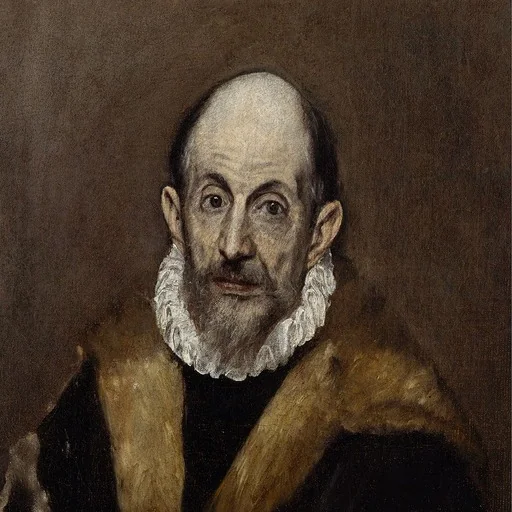
Doménikos Theotokópoulos was born in 1541 in Candia (modern Heraklion), the capital of Venetian-ruled Crete, where he was trained in the post-Byzantine tradition of icon painting.

 Erzherzog Ernst im Harnisch, Brustbild
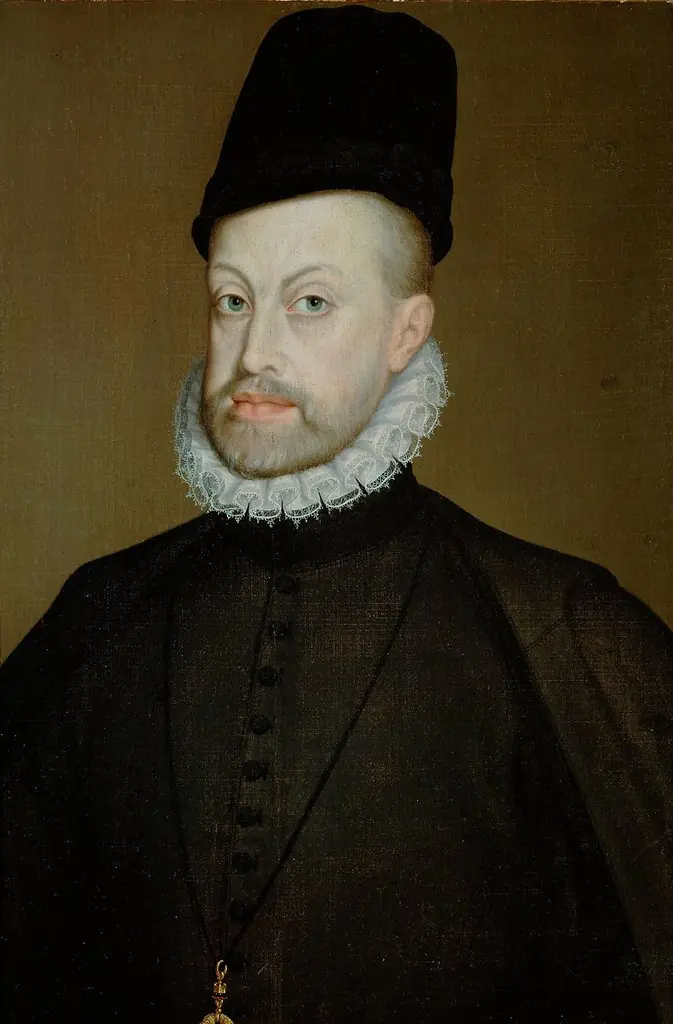 Portrait of Philip II of Spain
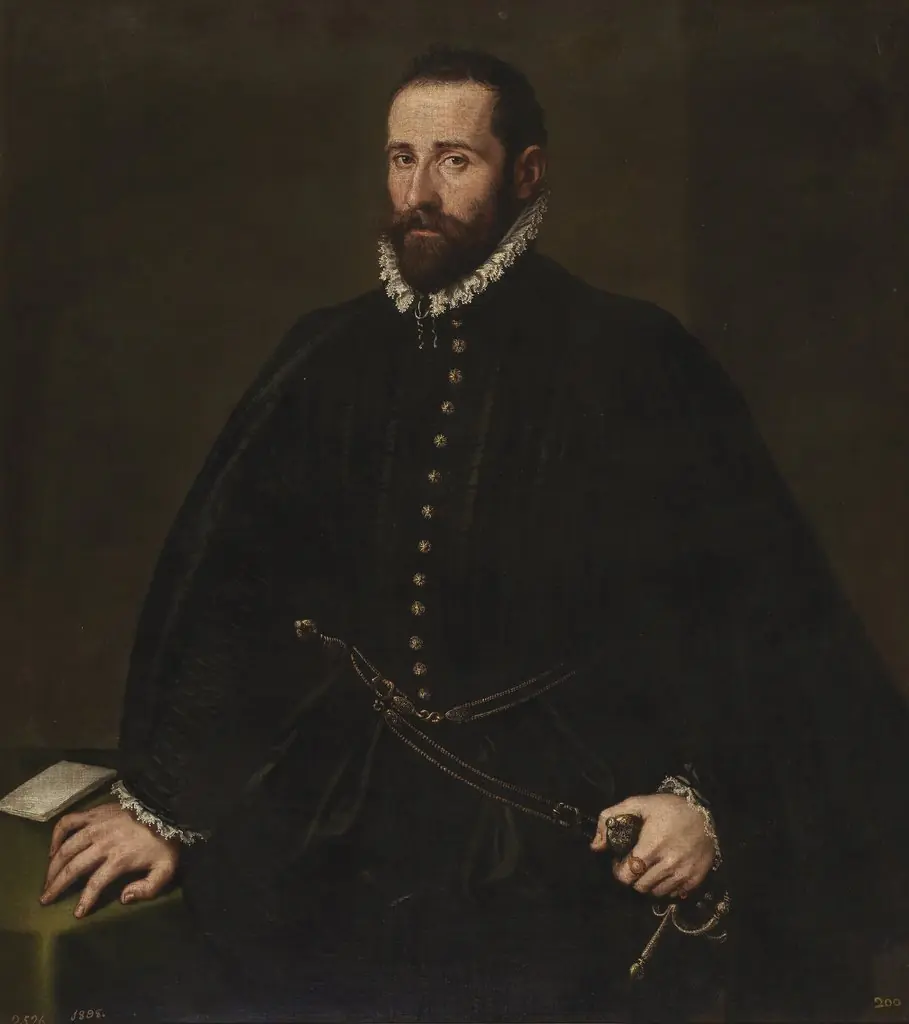
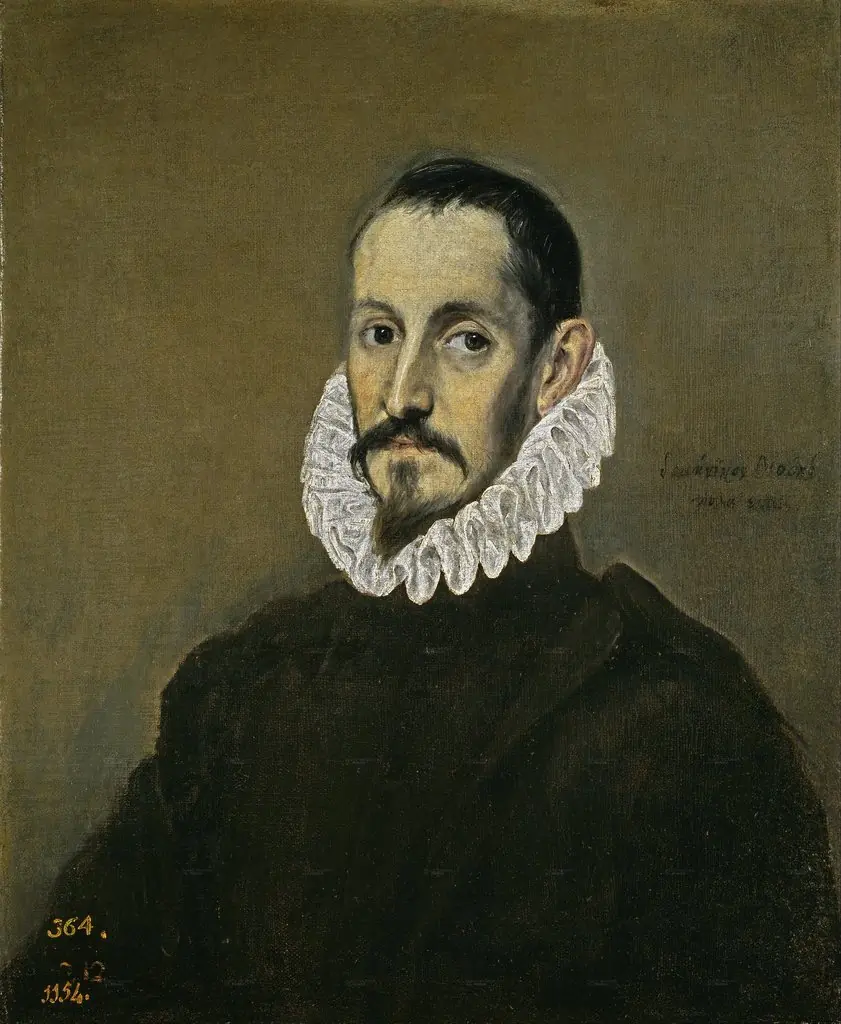 Portrait of a gentleman
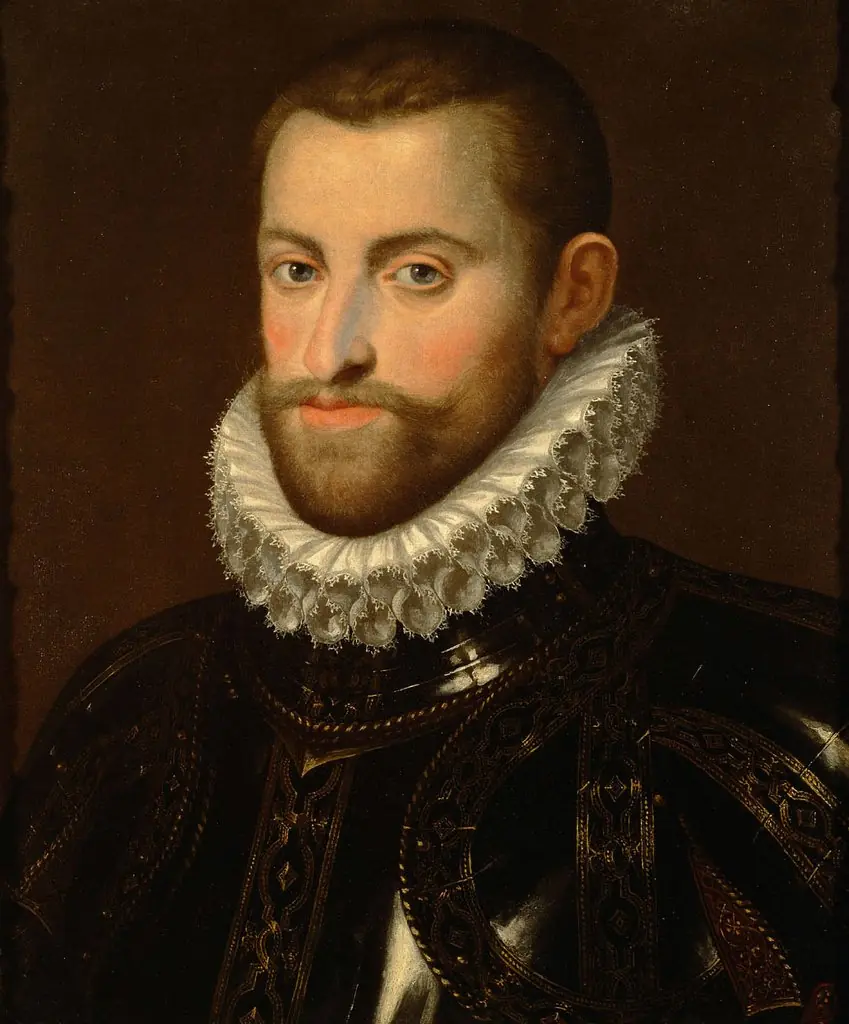
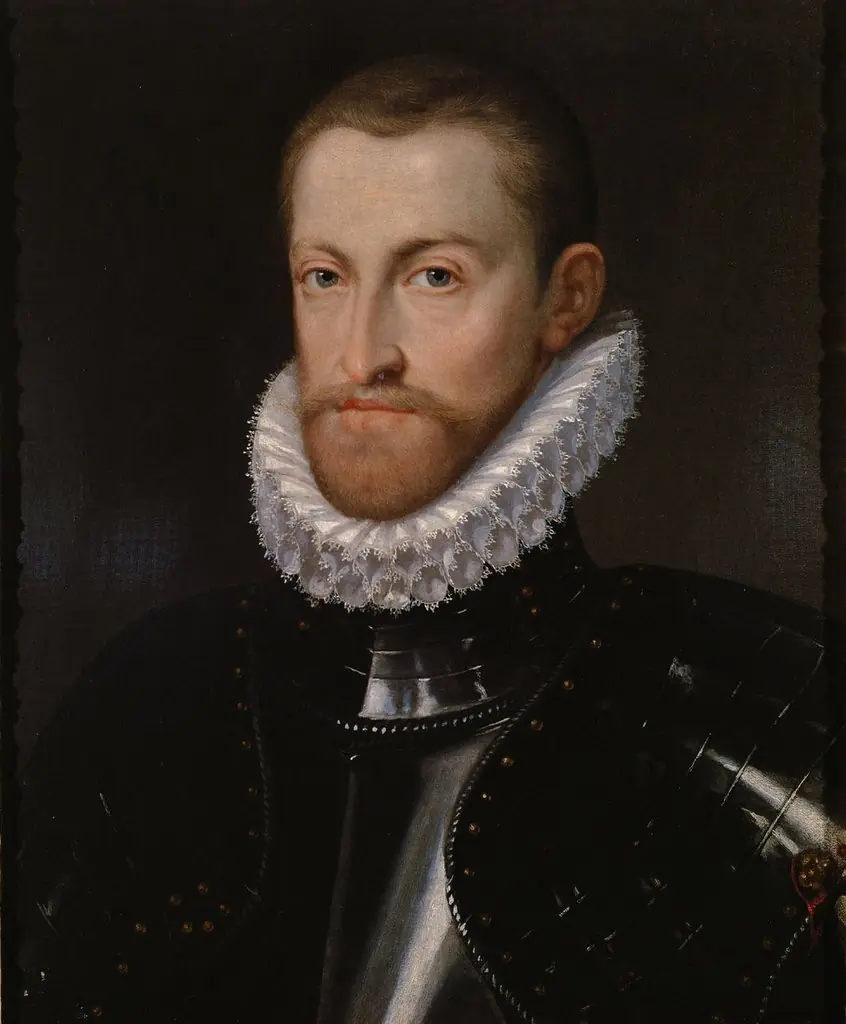 Emperor Rudolf II in Armour
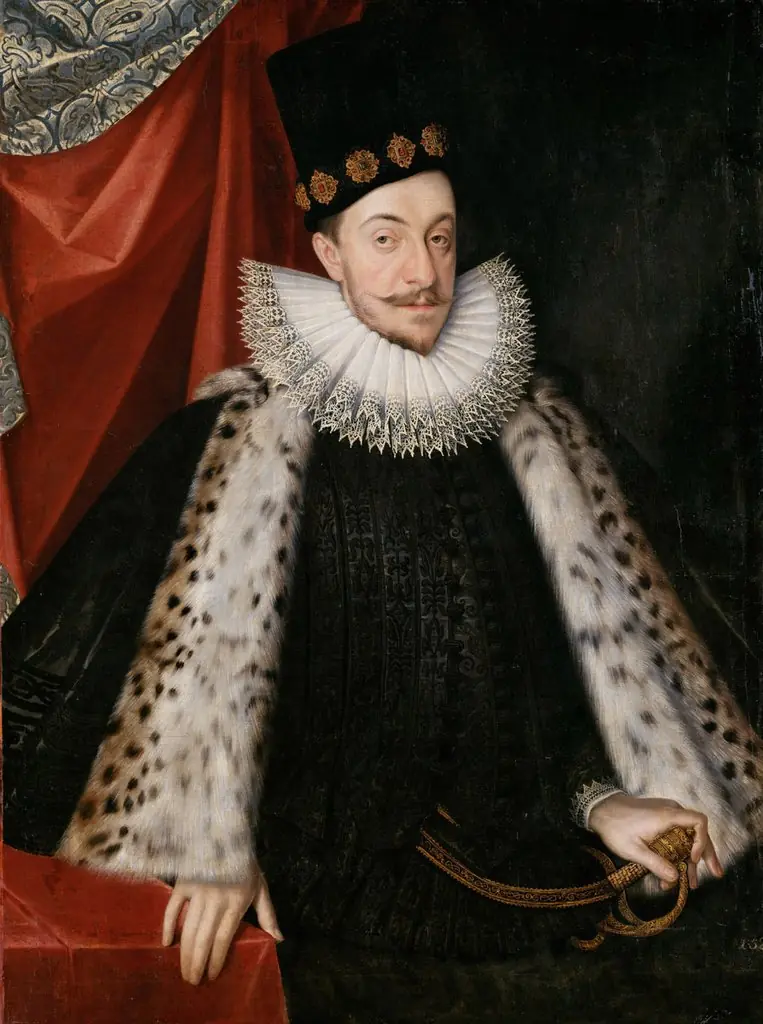 König Sigismund III. (1566-1632) von Polen, Kniestück
 Albert VII, Archduke of Austria
 Albert VII, Archduke of Austria
 Portrait of a Gentleman
 Untitled
 Portrait of Ferdinand II, Holy Roman Emperor (1578-1637)