Artwork
Portrait of Grand Duke Alexander Alexandrovich (1845-1894) (in future, Alexander III, Emperor of Russia)
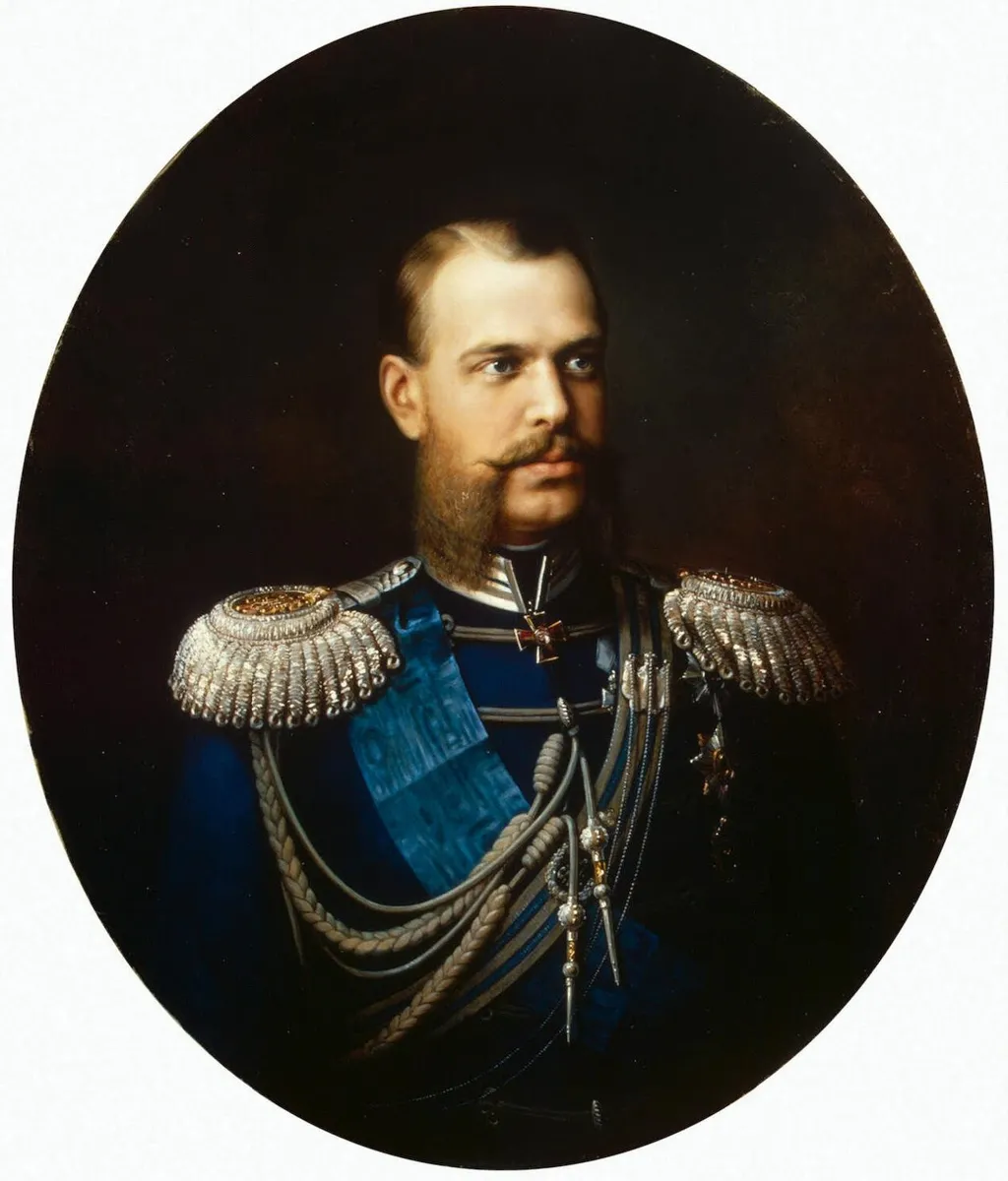
Portrait of Grand Duke Alexander Alexandrovich (1845-1894) (in future, Alexander III, Emperor of Russia) is an oil painting by the Realist artist Unknown. It dates from 1890 and is held in the collection of the Hermitage Museum. This oil painting depicts a man in a formal military uniform within a dark, round frame.
About this work
Overview
The Portrait of Grand Duke Alexander Alexandrovich (1845-1894), the future Emperor Alexander III of Russia, is an oil-on-canvas painting created in 1880 by an unknown artist. Measuring 88.2 by 75 centimetres, this oval-framed portrait depicts the Russian heir apparent in full military regalia and is now held in the collection of the Hermitage Museum in Saint Petersburg. The work matters as a significant official portrait from a pivotal moment in Russian imperial history, produced just one year before Alexander's unexpected accession to the throne following his father Alexander II's assassination in 1881. Its attribution to an anonymous painter, rather than a named court artist, raises important questions about the conventions and circulation of imperial portraiture in late nineteenth-century Russia.
Subject & Meaning
The portrait depicts Alexander Alexandrovich at approximately thirty-five years of age, during his period as tsesarevich (heir apparent) from 1865 to 1881.
The portrait depicts Alexander Alexandrovich at approximately thirty-five years of age, during his period as tsesarevich (heir apparent) from 1865 to 1881. He is shown from the chest up, turned slightly to his left with gaze directed off to the right, suggesting contemplation of future responsibility. The elaborate military uniform communicates his status and anticipated role: the deep blue coat with high collar, prominent silver epaulettes with fringed detailing, wide blue sash crossing diagonally from right shoulder to left hip, multiple braided cords and chains, visible medals, and cross-shaped insignia at the collar all signify his position within the imperial hierarchy and military establishment. The plain, dark brownish-black void background eliminates any distracting context, focusing attention entirely on the figure and his regalia. Strong lighting from the left illuminates the left side of his face, the silver epaulettes, and blue sash, while the right side recedes into shadow, creating a dramatic chiaroscuro effect that lends psychological weight to the portrayal. The closely cropped hair parted on the left and full beard and mustache correspond to Alexander's known appearance during this period.
Technique & Style
The painting is executed in oil on canvas with a smooth, highly finished surface characteristic of academic portraiture. The artist demonstrates meticulous attention to textural differentiation, rendering the metallic braid of the epaulettes, the weight and fold of the wool uniform, and the coarse texture of facial hair with precision. The palette is restrained and purposeful, dominated by deep blue, silver, black, and warm flesh tones. This limited chromatic range serves both to unify the composition and to emphasize the symbolic colours of imperial service. The oval format, a conventional choice for formal portraiture of the era, contains the figure in a classical, timeless manner. The handling of paint varies across the surface: tight and descriptive in the decorative elements of the uniform, somewhat more relaxed in the flesh tones, though never approaching the loose brushwork that would characterise avant-garde painting of the period. The overall effect is one of dignified stillness and calculated authority, appropriate to a portrait intended for official or ceremonial display.
History & Provenance
The portrait is dated to 1880, a year that placed Alexander on the threshold of unexpected rule; his father Alexander II was assassinated on 1 March 1881, making this one of the last images of Alexander as heir rather than emperor. The painting entered the Hermitage Museum collection from the State Museum of Ethnography of Peoples of the USSR in Leningrad in 1941. This transfer occurred during the Second World War, when Soviet institutions underwent massive reorganisation and many collections were consolidated or relocated for safekeeping. The work is catalogued under Hermitage Museum work ID 128363. No exhibition history is recorded in the available sources, though its presence in the Hermitage ensures public accessibility. The painting's provenance before its acquisition by the State Museum of Ethnography remains unestablished, a common situation for works that circulated within imperial or state collections before nationalisation.
Context
This portrait belongs to a broader tradition of Russian imperial portraiture that served to project power and legitimacy, yet its anonymous authourship distinguishes it from better-known works by named court painters such as Franz Xaver Winterhalter or Konstantin Makovsky. The late 1870s and early 1880s were a period of political tension in Russia, with Alexander increasingly at odds with his father Alexander II over the latter's liberal reforms and personal conduct. The portrait's creation in 1880 coincides with Alexander's deepening engagement with conservative ideology under the tutelage of Konstantin Pobedonostsev, who would become chief procurator of the Holy Synod in 1880 and exert enormous influence on the future emperor's reactionary policies. The work's attribution to an unknown artist, rather than a celebrated painter, may indicate production within the broader workshop system of imperial portraiture, where multiple hands could execute standardised portraits for distribution to government buildings, military installations, or provincial institutions. Critical scholarship on this specific work appears limited; it has not attracted the extensive analysis devoted to portraits of Alexander III by identified masters.
Legacy
The portrait's afterlife has been shaped more by its documentary value than by artistic reputation. As a likeness of Alexander III created on the eve of his reign, it preserves a transitional moment when the future emperor was still defined by his status as heir rather than by the autocratic identity he would construct during thirteen years of rule. The image's migration from the State Museum of Ethnography to the Hermitage in 1941 reflects the broader institutional fate of Russian imperial art during the Soviet period, when such works were variously suppressed, reinterpreted, or preserved as historical artefacts. Today it exists in the public domain, with digital reproductions circulating through Wikimedia Commons and other platforms常设展于俄罗斯最重要的博物馆之一。 The portrait's continuing presence in the Hermitage ensures its availability to researchers and visitors interested in the visual culture of the Romanov dynasty, even as its anonymous status keeps it at the margins of art-historical narratives focused on individual artistic achievement. Its value lies in what it reveals about the conventions and circulation of official portraiture in late imperial Russia, and in its function as a historical document of a ruler whose actual accession was, at the time of painting, still unanticipated.
Artist & collection









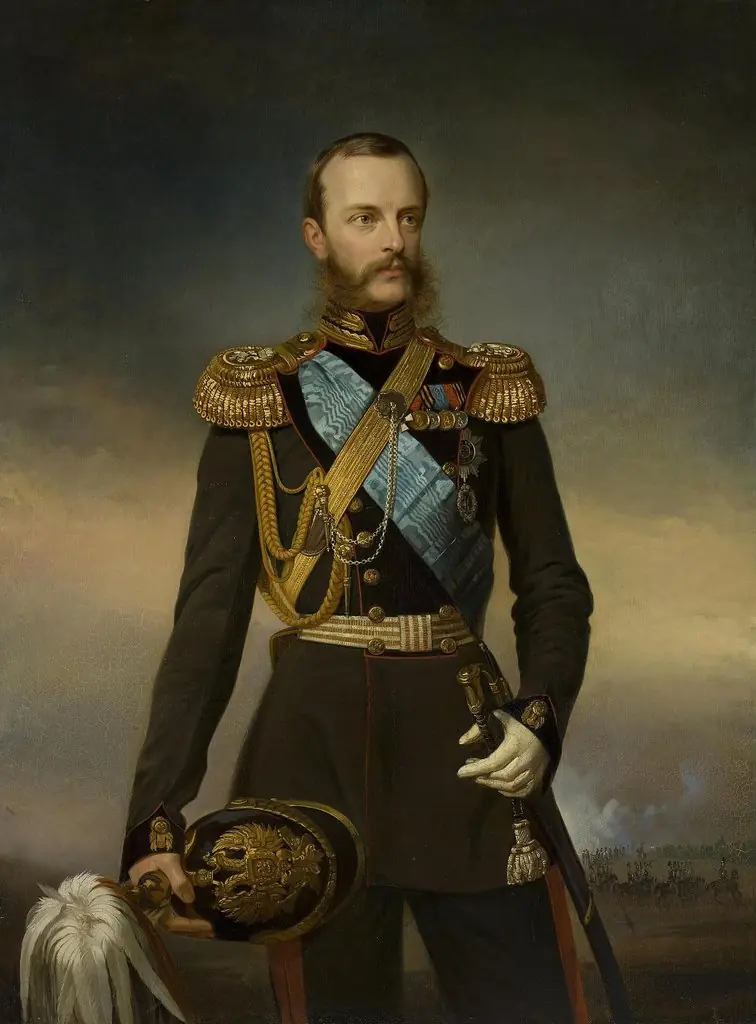
- Portrait of Grand Duke Mikhail Nikolaevich
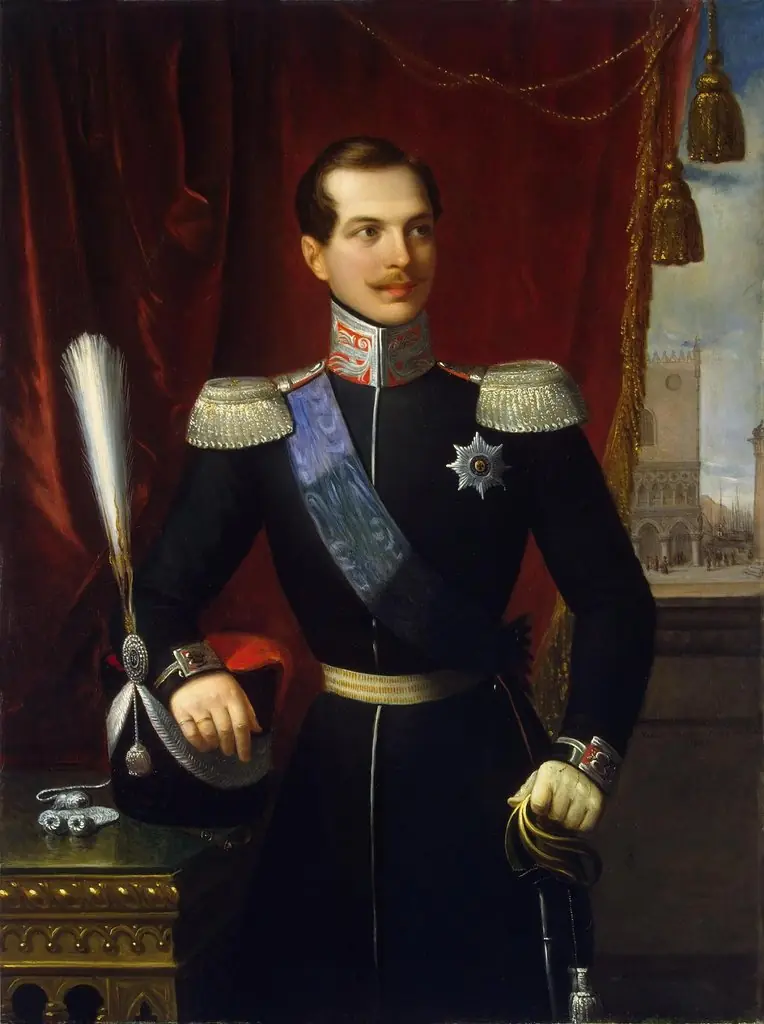 Portrait of Grand Duke Alexander Nikolayevich
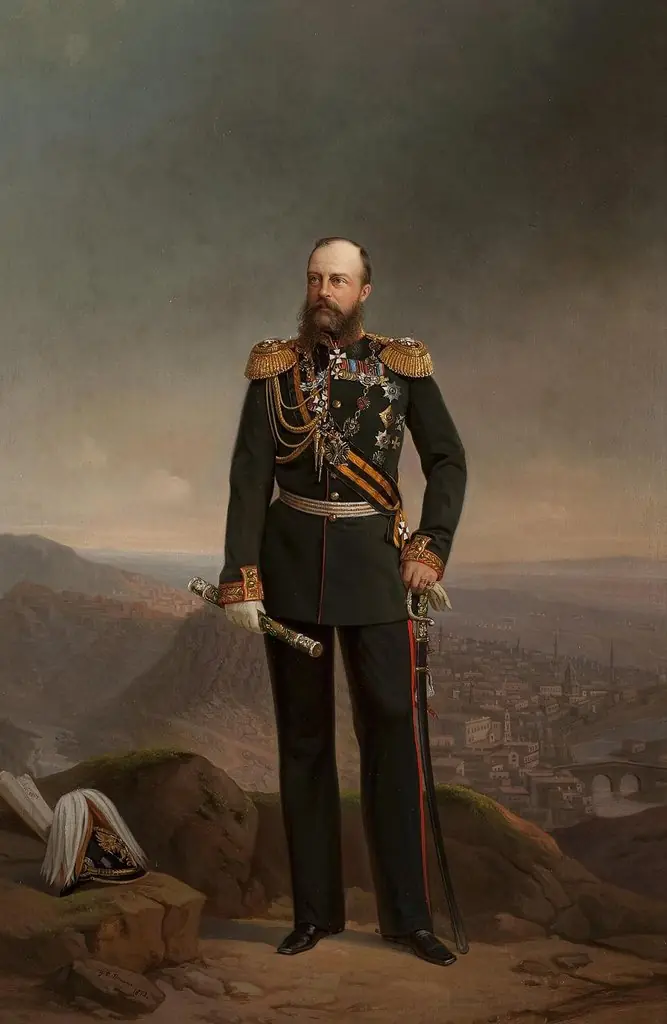 Portrait of Grand Duke Mikhail Nikolayevich
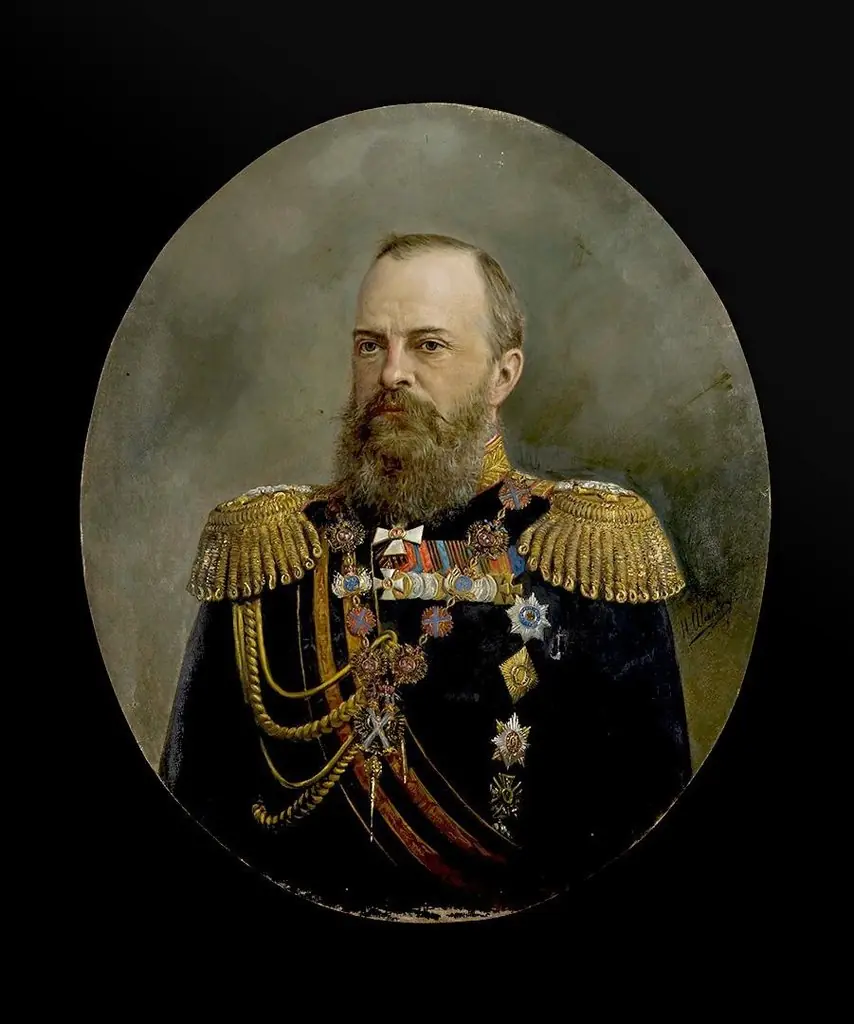 Portrait of Grand Duke Mikhail Nikolayevich
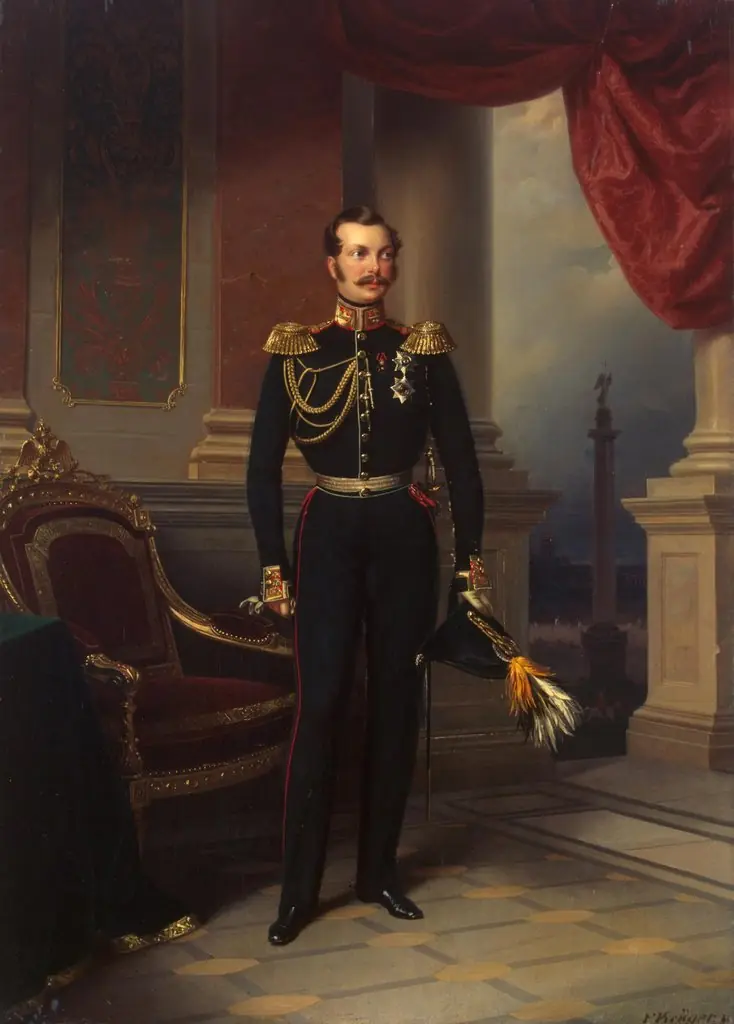 Portrait of Grand Prince Alexander Nikolayevich
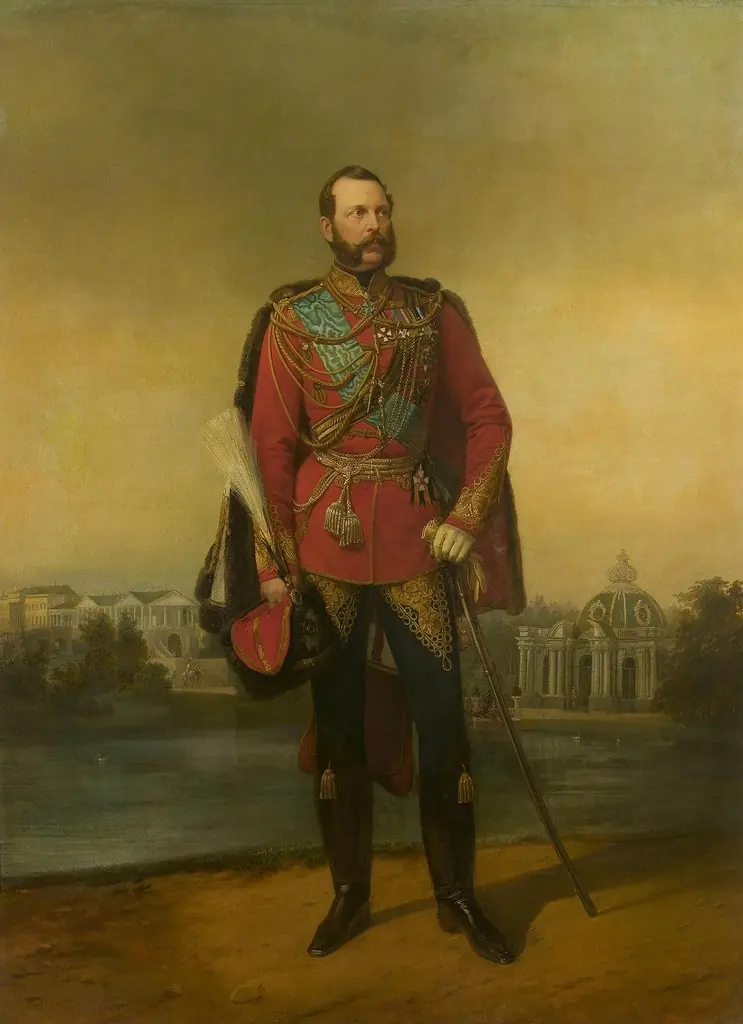 Portrait of Emperor Alexander II
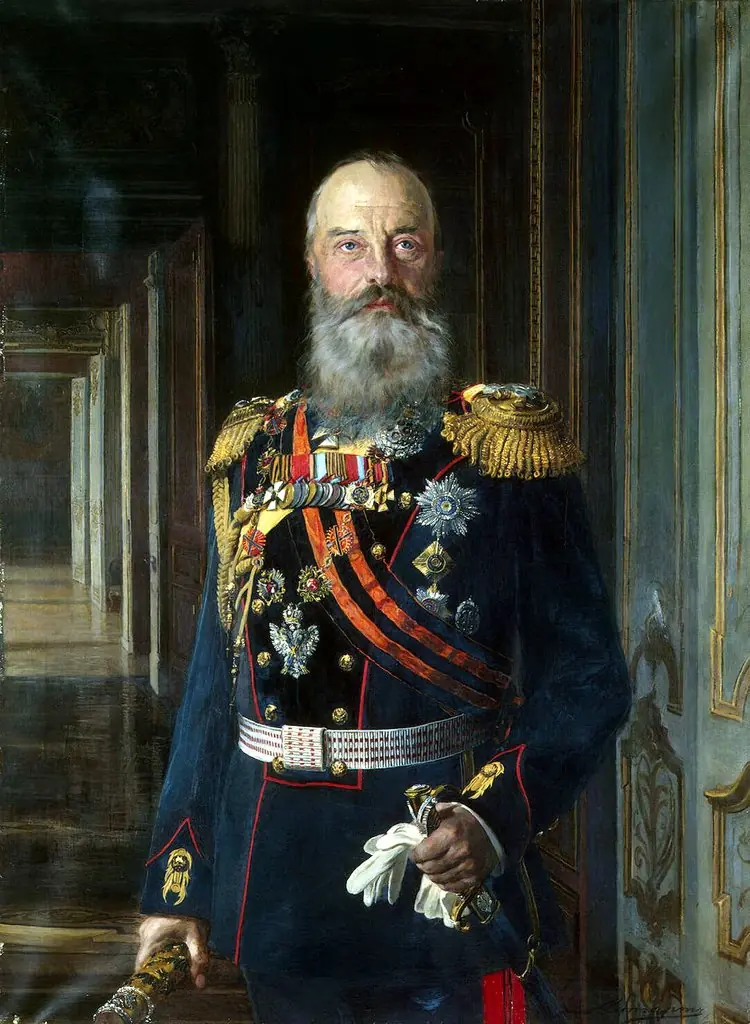 Portrait of Grand Duke Mikhail Nikolayevich
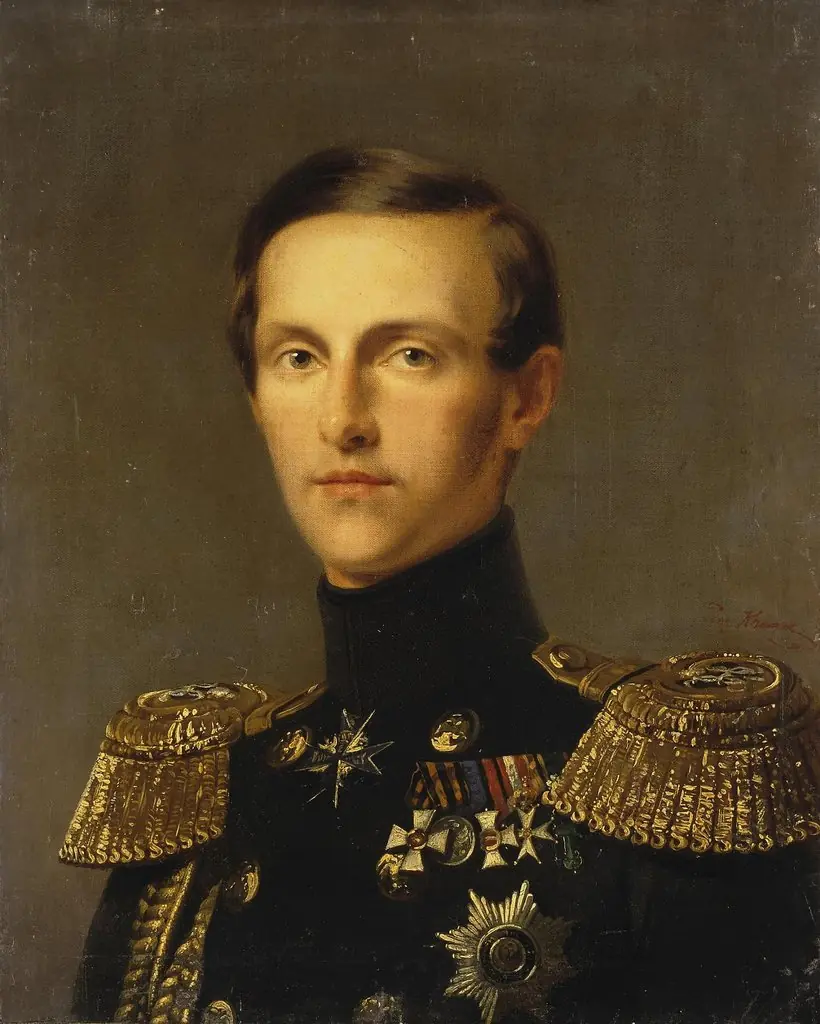 Portrait of Grand Duke Konstantin Nikolayevich
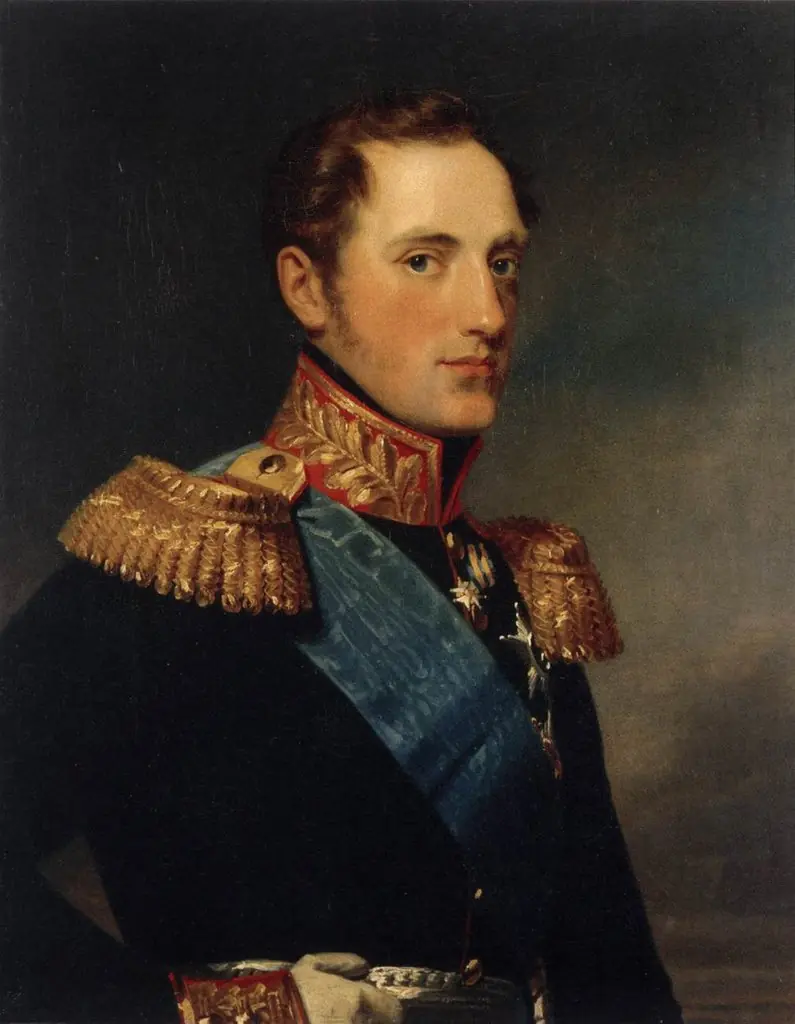 Portrait of Grand Duke Nikolay Pavlovich