Artwork
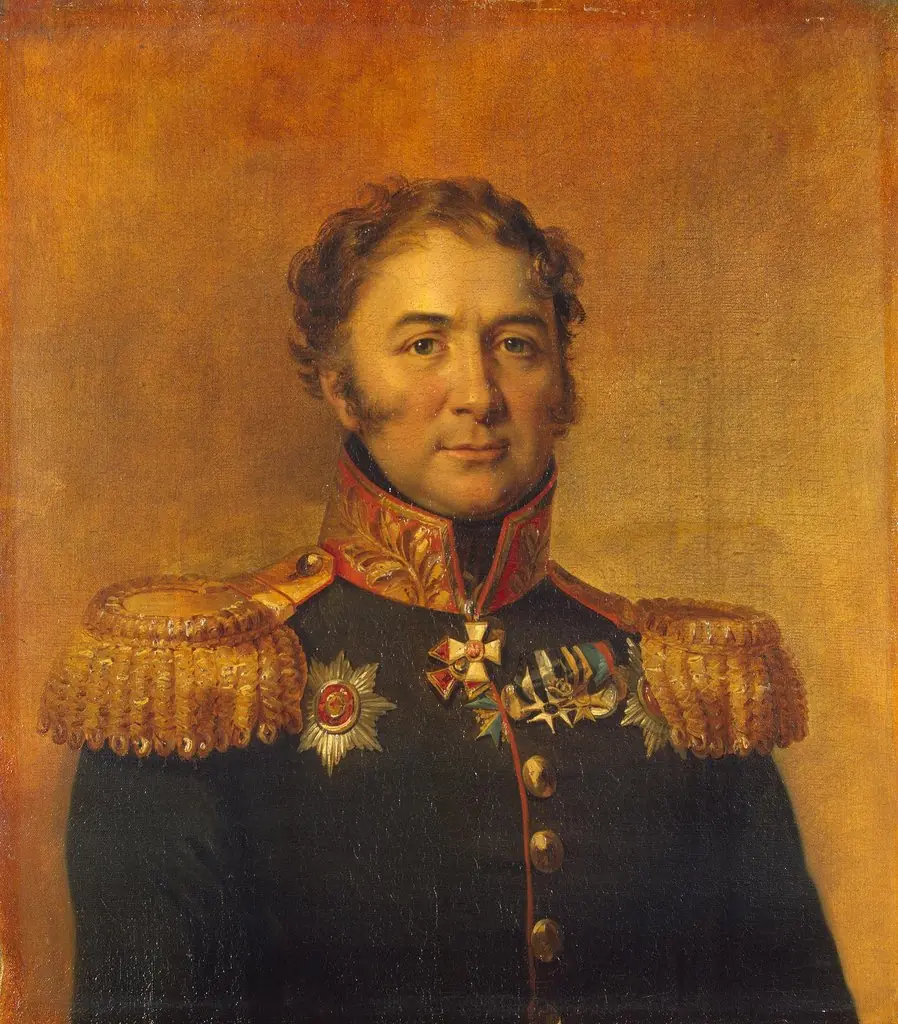
Portrait of Ivan A. Khrushchyov (1774-1824)
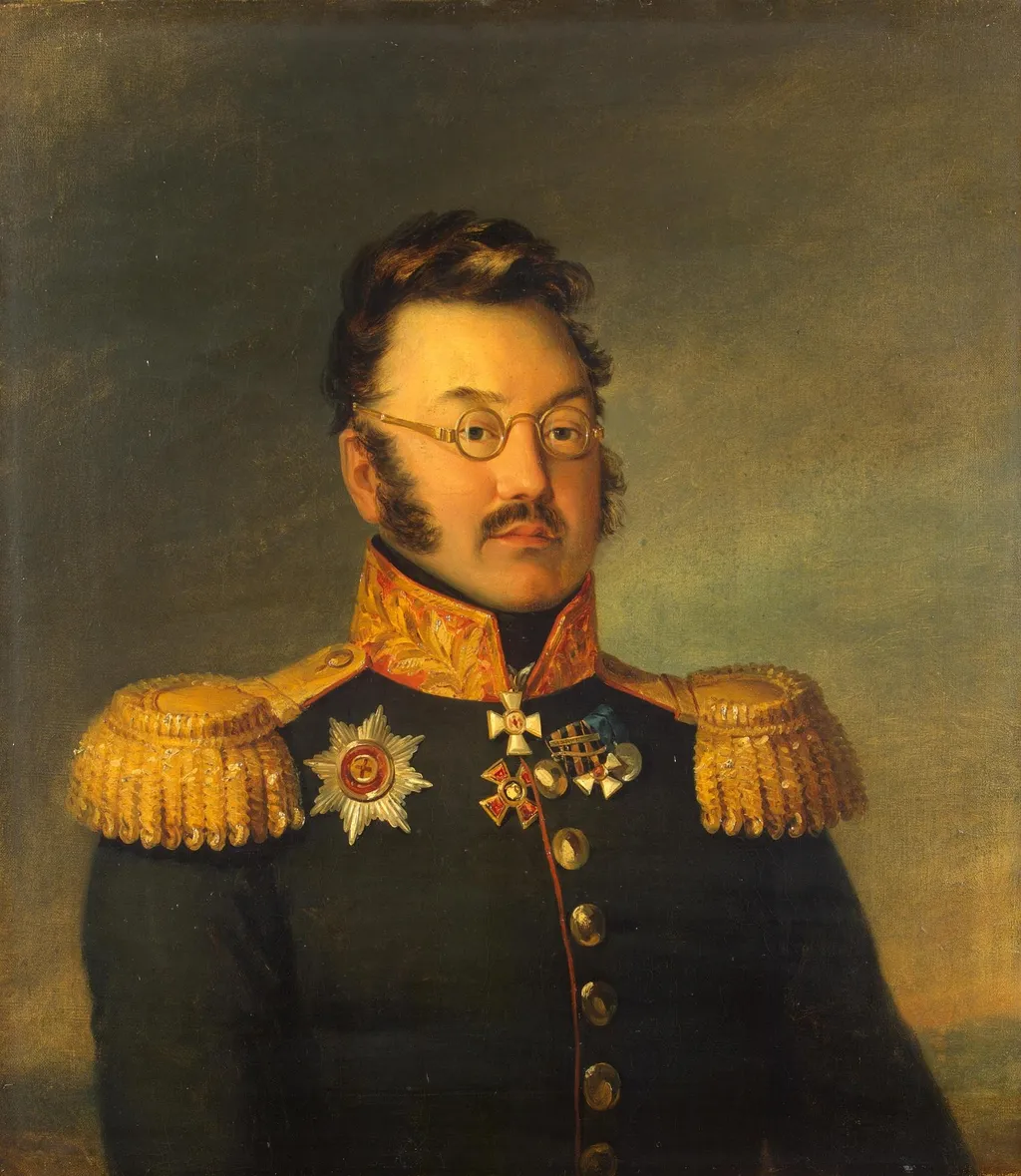
Portrait of Ivan A. Khrushchyov (1774-1824) is an oil painting by the Russian Icon artist Unknown. It dates from 1822 and is held in the collection of the Hermitage Museum. This oil painting from the early 19th century portrays Ivan A.
About this work
Overview
This oil painting from the early 19th century portrays Ivan A. Khrushchyov, a Russian military officer, in formal uniform. Rendered with careful attention to detail, the work emphasizes his rank and composure through precise rendering of fabric, metal, and skin. The muted background focuses attention on the figure, reinforcing the portrait’s formal and restrained character.
Subject & Meaning
Khrushchyov is depicted with military insignia, including gold epaulets, a cross on a ribbon, and several medals, signaling his service and honors. His direct gaze and serious expression convey authority and introspection, typical of official portraiture meant to affirm status and duty. The absence of symbolic props or landscape suggests an emphasis on personal presence over narrative context.
Technique & Style
Brushwork is controlled, particularly in the rendering of the curled hair and the reflective surfaces of the epaulets.
The artist employs subtle gradations of tone to render the textures of wool, metal, and skin with quiet realism. Brushwork is controlled, particularly in the rendering of the curled hair and the reflective surfaces of the epaulets. The dark, neutral background enhances the three-dimensionality of the figure, highlighting the painter’s skill in capturing light on varied materials without theatricality.
History & Provenance
The portrait was likely commissioned during Khrushchyov’s lifetime, possibly by family or state institutions to commemorate his military service. Its survival into the modern era suggests it remained within private or institutional collections in Russia. No documented exhibition history or major sale records are known, indicating a modest but enduring private legacy.
Context
Created in the post-Napoleonic era, this portrait reflects the Russian Empire’s emphasis on military honor and bureaucratic order. Portraits of officers like Khrushchyov were common among the nobility, serving both as personal mementos and public affirmations of loyalty. The restrained style aligns with late 18th-century academic traditions, prioritizing dignity over flamboyance.
Legacy
Though not widely exhibited or reproduced, the portrait remains a representative example of Russian official portraiture from the early 1800s. It contributes to the visual record of military elites during a period of imperial consolidation. Its quiet realism offers insight into how status was visually encoded outside of grand historical scenes or royal imagery.
Artist & collection









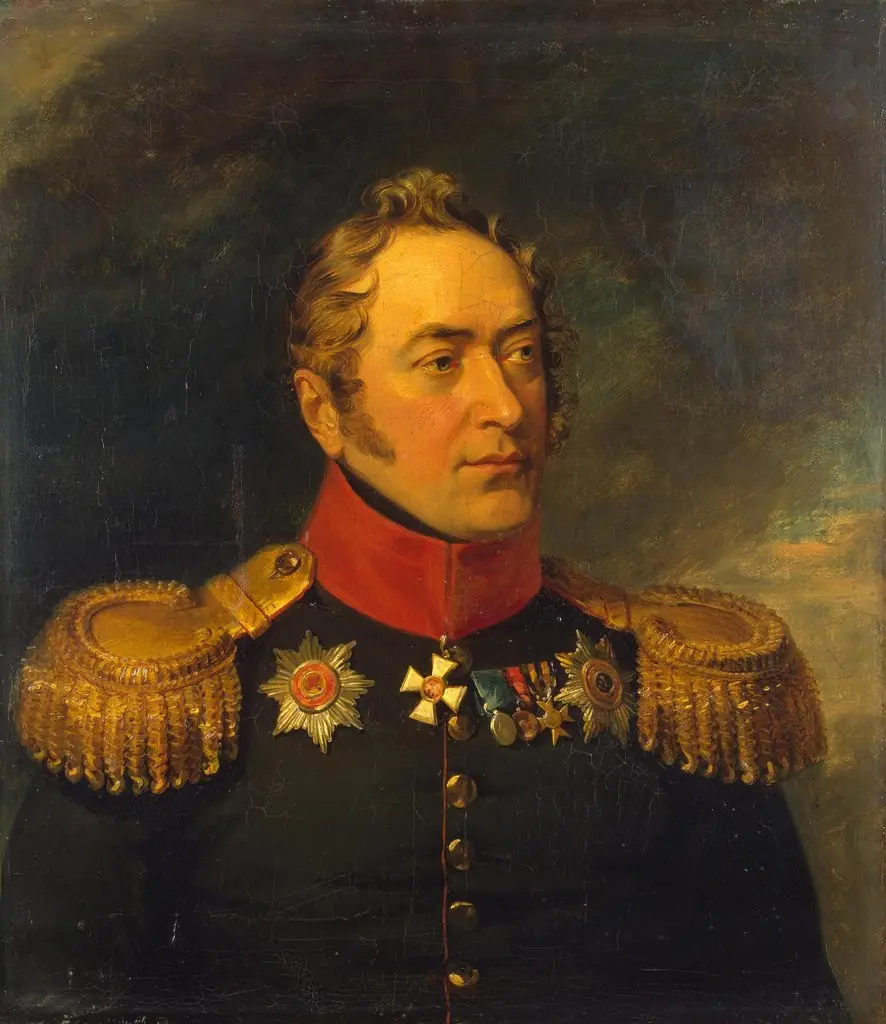
- Portrait of Nikolai N. Khovansky (1777-1837)
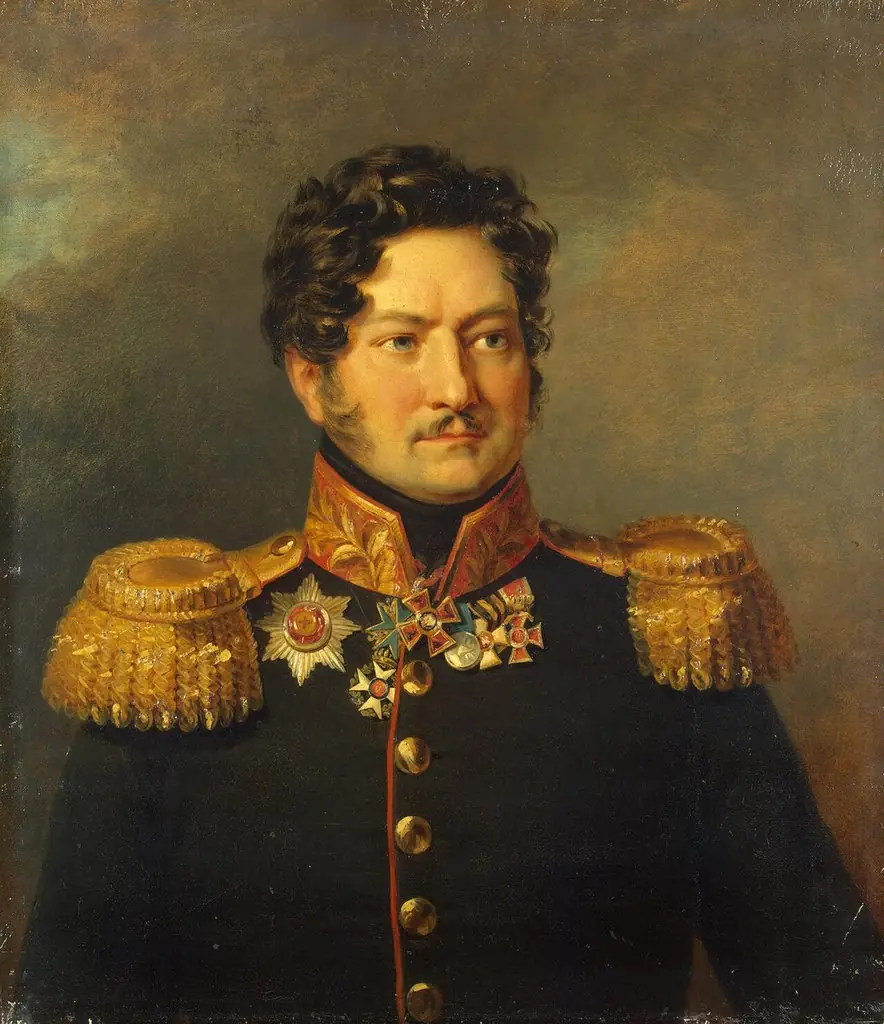 Portrait of Dmitry L. Ignatyev (1771-1833)
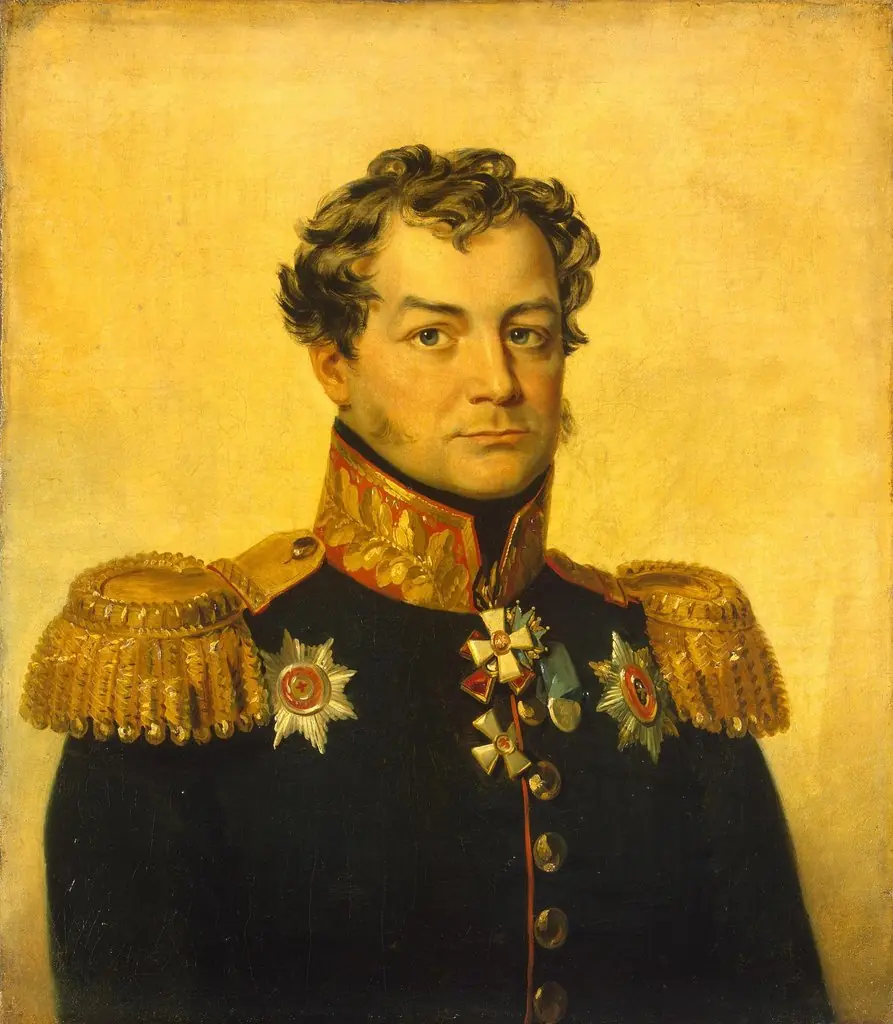 Portrait of Kirill F. Kazachkovsky (1760-1829)
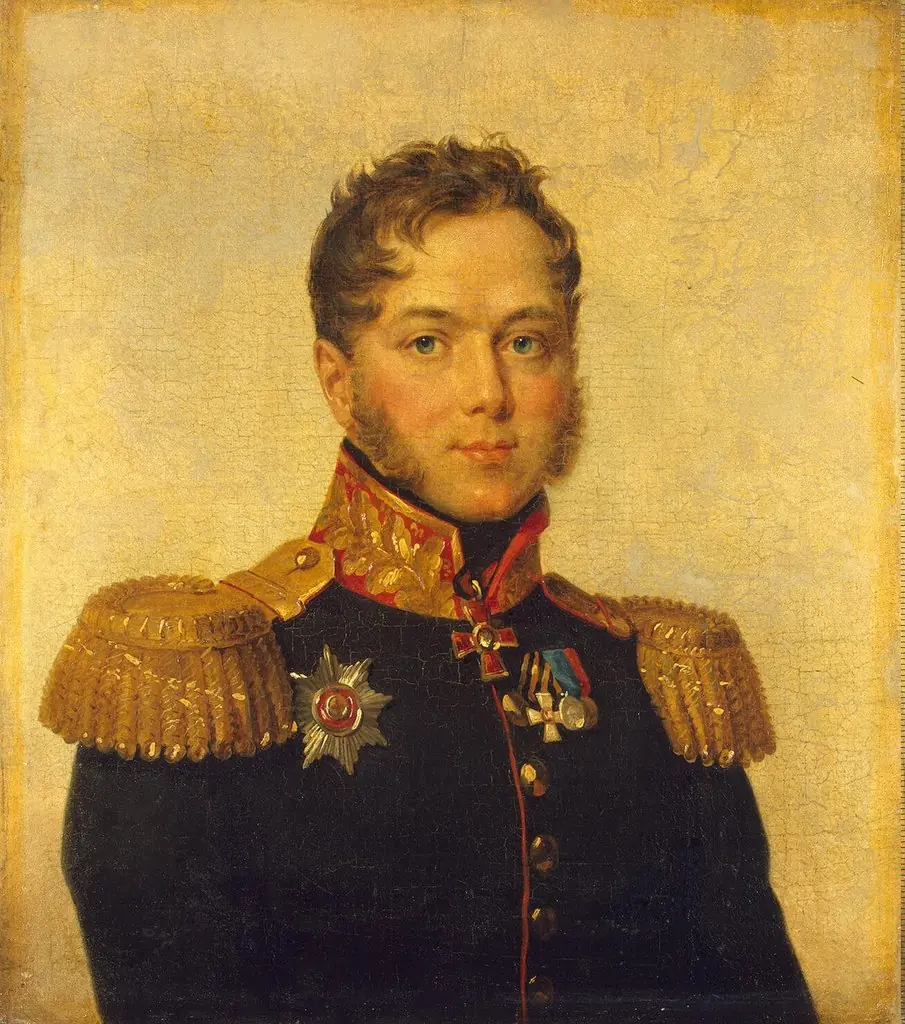 Portrait of Alexander N. Berdyayev (1778-1824)
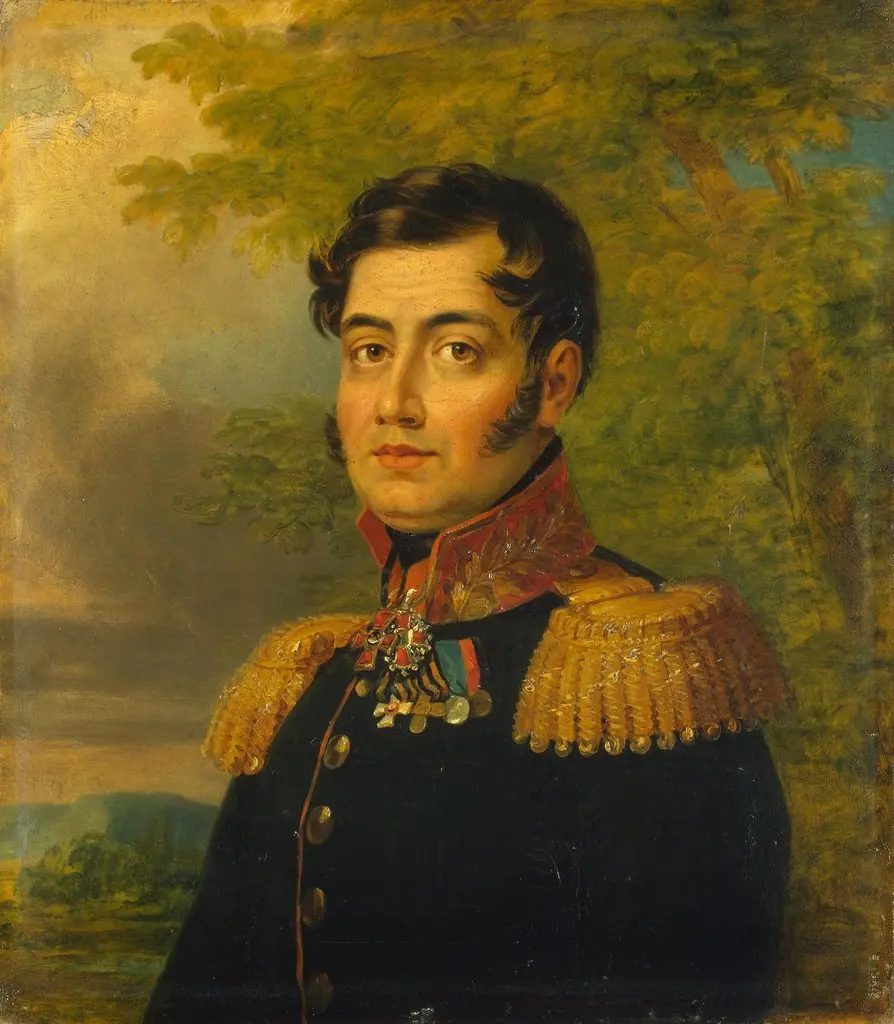 Portrait of Mikhail F. Naumov (1757-1823)
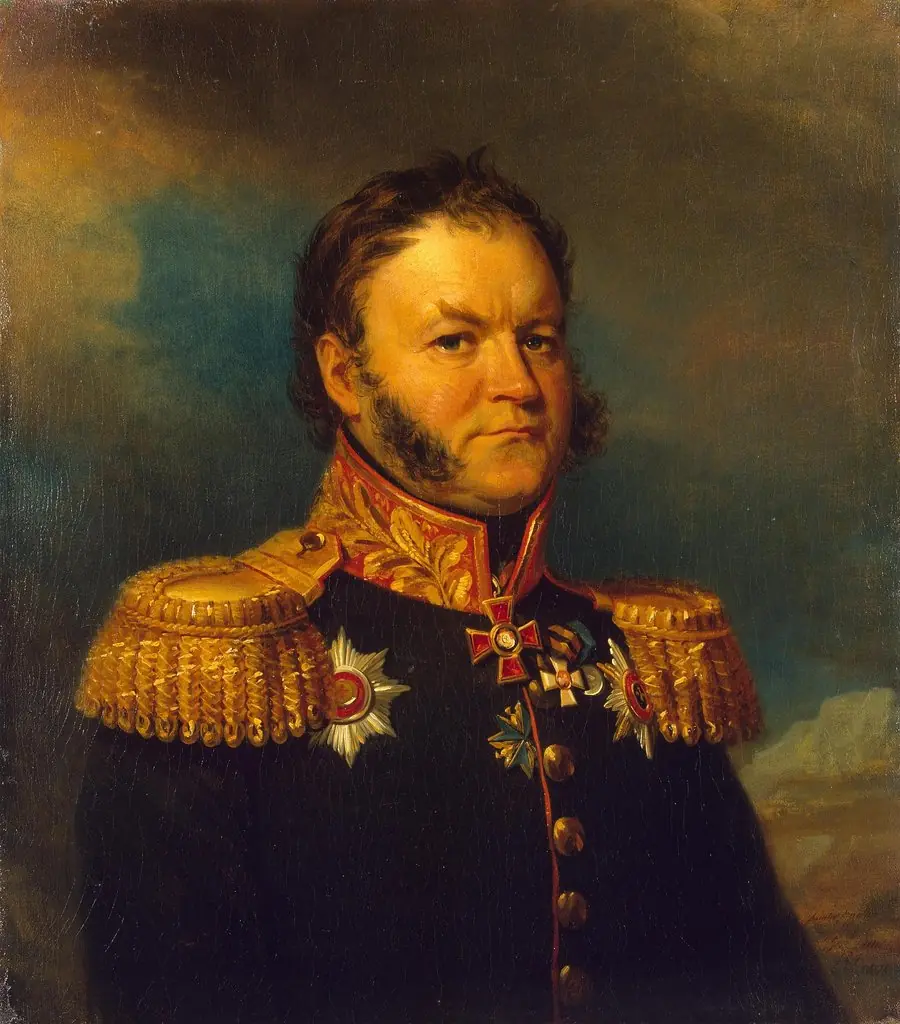 Portrait of Ivan A. Velyaminov (1771-1837)
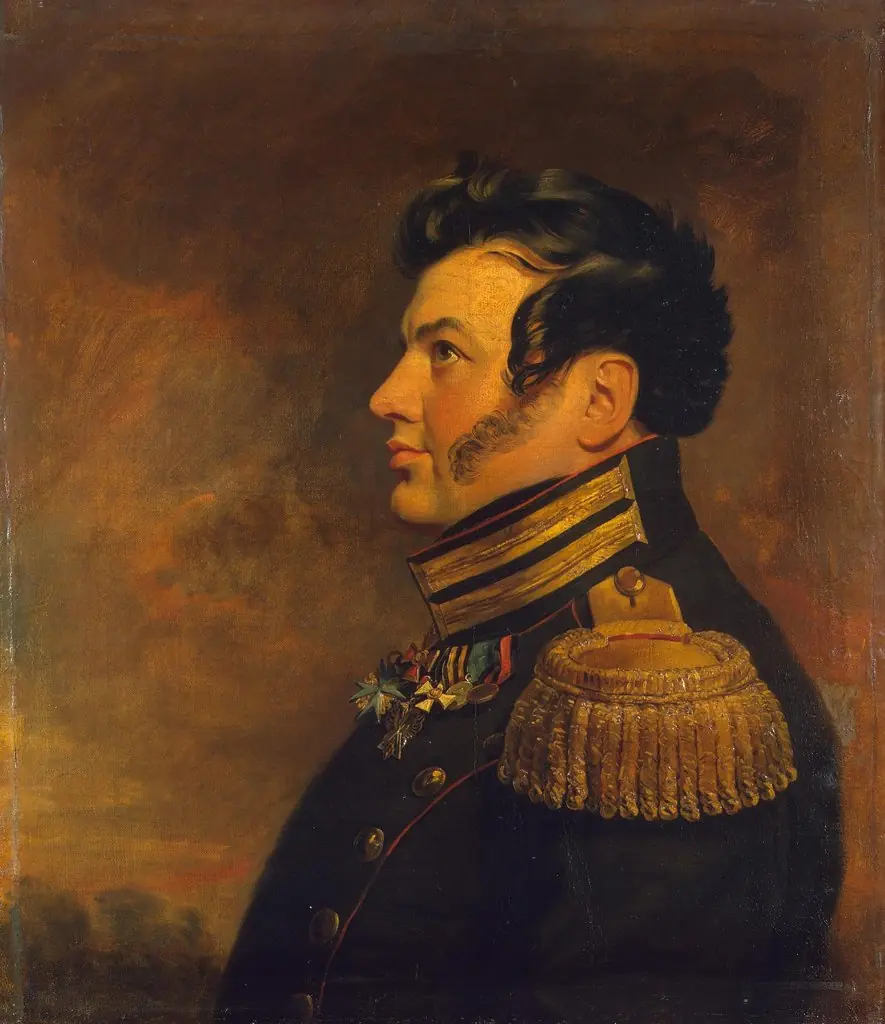 Portrait of Maxim K. Kryzhanovsky (1777-1839)
 Portrait of Nikolai V. Dekhteryov (1775-1831)