Artwork
Portrait of Louisa Frederica von Hohenzollern (1770–1836)
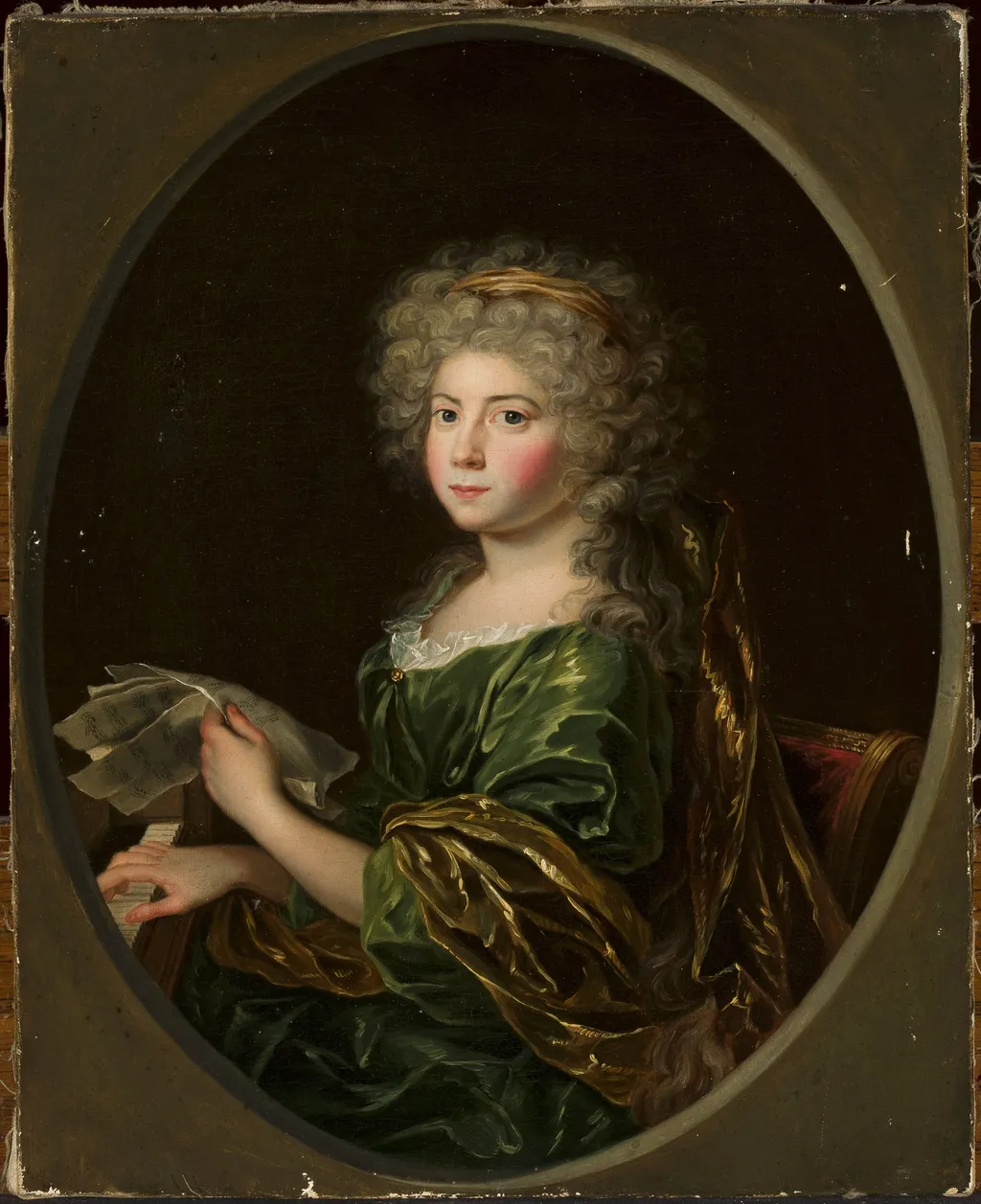
Portrait of Louisa Frederica von Hohenzollern (1770–1836) is an oil painting by the Rococo painting artist Unknown. It dates from 1750 and is held in the collection of the National Museum in Warsaw. The oil painting depicts Louisa Frederica von Hohenzollern, a woman of aristocratic bearing, seated in a darkened interior.
About this work
Overview
Measuring 45 by 36 centimetres, the work is held in the collection of the National Museum in Warsaw.
The Portrait of Louisa Frederica von Hohenzollern (1770-1836) is an oil-on-canvas painting attributed to the German portraitist Johann Heinrich Schröder (1757-1812), though some catalogues list the artist as unknown. Measuring 45 by 36 centimetres, the work is held in the collection of the National Museum in Warsaw. It depicts the Prussian princess in a half-length oval format, a compositional choice typical of late eighteenth- and early nineteenth-century aristocratic portraiture. The painting occupies a modest but notable place within the broader corpus of European royal portraiture, offering insight into the visual representation of a woman whose life bridged the Hohenzollern and Radziwiłł dynies, and whose cultural patronage left a mark on Berlin society.
Subject & Meaning
The sitter, Princess Frederica Dorothea Louise Philippine of Prussia, was born on 24 May 1770 in Berlin into the House of Hohenzollern. She was the second daughter of Prince Augustus Ferdinand of Prussia, the youngest brother of Frederick the Great, and Margravine Elisabeth Louise of Brandenburg-Schwedt. In 1796 she married Prince Antoni Henryk Radziwiłł, a Polish-Lithuanian magnate and musician, in a union that was morganatic due to inequality of rank. The couple had eight children, including Elisabeth Radziwiłł, who became the childhood love of the future German Emperor Wilhelm I. In the portrait, the princess is shown holding a sheet of music in her right hand, with her left resting upon further musical papers or a book. This iconography directly references the couple's celebrated patronage of music and their prominent position in Berlin cultural life. The musical attributes also allude to her husband's accomplishments as a composer and performer, suggesting that the portrait may have been intended to commemorate their shared artistic identity.
Technique & Style
The painting is executed in oil on canvas and presented within a painted oval frame, a device that lends the composition a formal, medallion-like quality. The artist employs a smooth, refined handling in the facial features, where light falling from the left models the princess's countenance with subtle shadows. More visible, fluid brushwork characterises the drapery and costume, creating textural contrast between the static precision of the face and the dynamic movement of the fabrics. The palette is dominated by deep greens, warm golds, and browns set against a dark, undefined background. The sitter wears a green satin dress with a white ruffled neckline and a golden-yellow sash; powdered, elaborately curled hair is secured with a golden band. A golden-brown fabric cascades over her left shoulder, while a glimpse of red upholstered furniture appears at the right edge. The paint surface exhibits fine craquelure throughout, consistent with its age and medium.
History & Provenance
The date of execution remains contested among sources. The corpus record gives a date of 1750, which is chronologically impossible given the sitter's birth in 1770; this appears to be a systematic error. Wikidata records an inception of 1750, while one Alamy caption specifies "after 1822," a more plausible timeframe given that the princess would have been in her fifties. The painting is currently located in the National Museum in Warsaw, though the precise accession details are not specified in the available sources. One source describes the work as "German painting from Jelenia Góra, Silesia," suggesting a possible regional provenance or previous attribution. Exhibition history is not documented in the provided materials.
Context
Johann Heinrich Schröder, to whom the work is attributed, was active in the late eighteenth and early nineteenth centuries and is known to have produced female portrait paintings, with fifty-seven such works catalogued on Wikimedia Commons. The attribution to Schröder appears in multiple sources, though the corpus record lists the artist as unknown and one commercial platform attributes the work to "Anonim." This uncertainty reflects broader challenges in attributing minor court portraiture of the period. The princess herself was a niece of Frederick the Great and maintained connections to the Prussian court despite her morganatic marriage. She and her husband established a celebrated salon at the Palais Radziwiłł on Wilhelmstraße in Berlin from 1796 to 1815, hosting intellectuals, musicians, and nobility. Their patronage occurred during a period of cultural openness in Prussia following the reign of Frederick the Great.
Legacy
The portrait's afterlife is modestly documented. It serves as one visual record among several of a princess whose personal history intersected with significant dynastic and cultural narratives, including the thwarted romance between her daughter Elisabeth and Wilhelm I, which influenced Prussian succession history. The work's presence in the National Museum in Warsaw rather than a German institution may reflect the complex territorial and cultural displacements of the twentieth century, though the specific circumstances of its transfer are not recorded in the available sources. The painting exists within a broader visual tradition of Radziwiłł family portraiture that includes more celebrated works, such as the 1802 oil portrait of the princess by Élisabeth Vigée Le Brun, which was sold at Christie's in 1978. The Schröder attribution, if accepted, places the work within a conventional German portrait tradition distinct from the more psychologically penetrating style of Vigée Le Brun's depiction.
Artist & collection









 Portrait of an Unknown Woman with a Rose
 Portrait of La Duchessa Mancini Colonna (1646-1699)
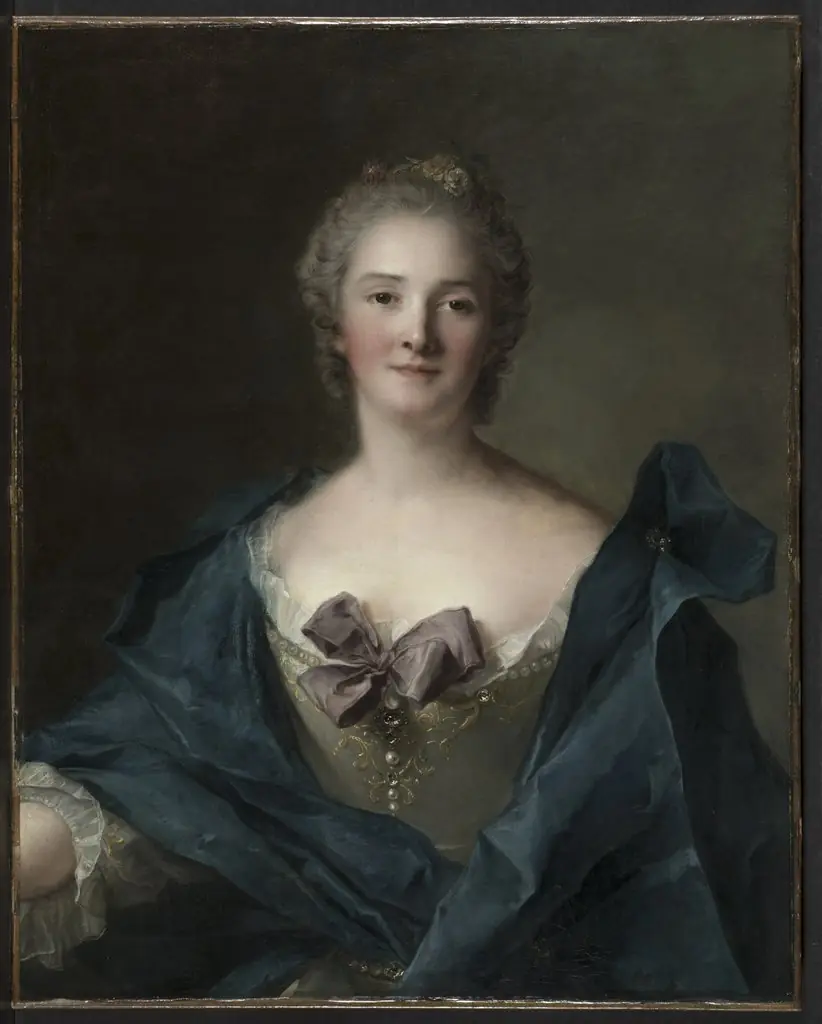 Portrait of a Woman
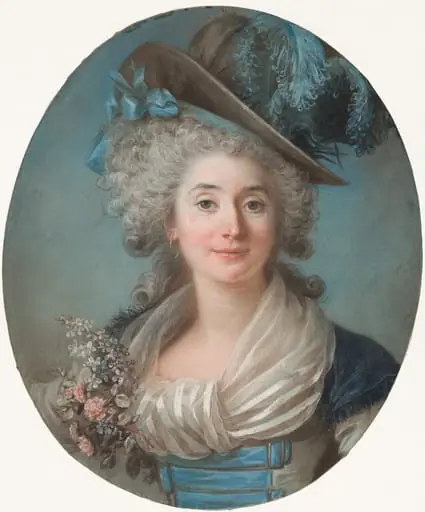 A Fashionable Noblewoman Wearing a Plumed Hat
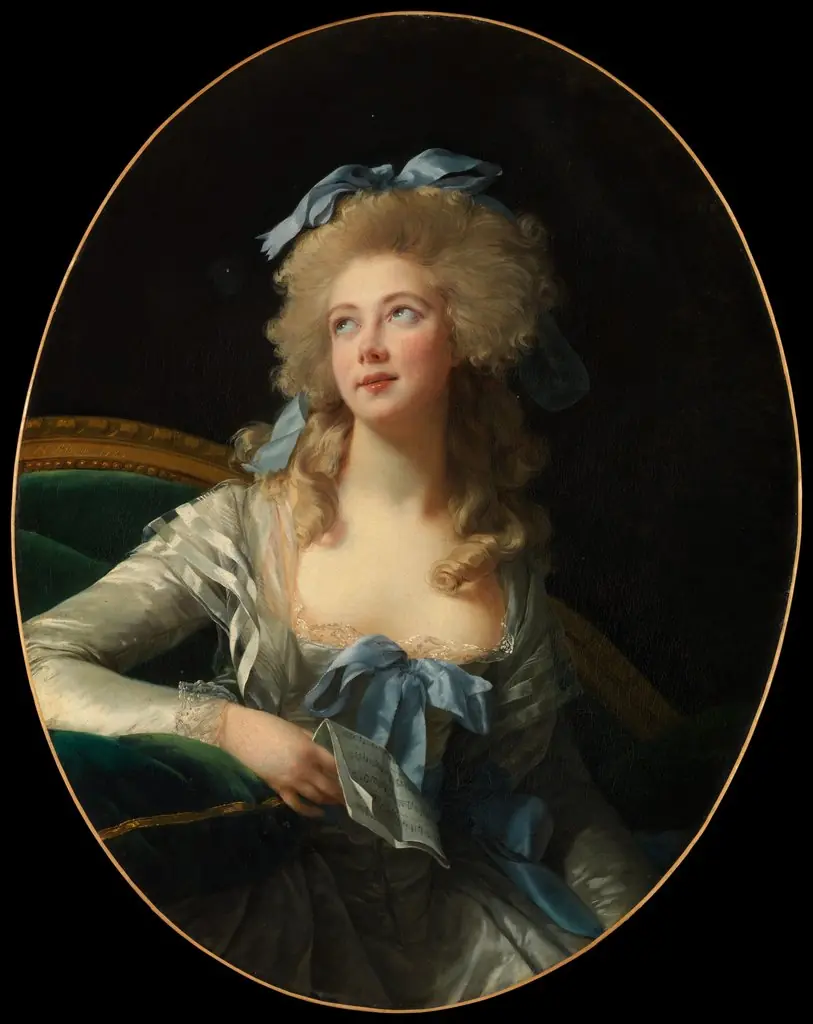 Madame Grand (Noël Catherine Verlée, 1761–1835)
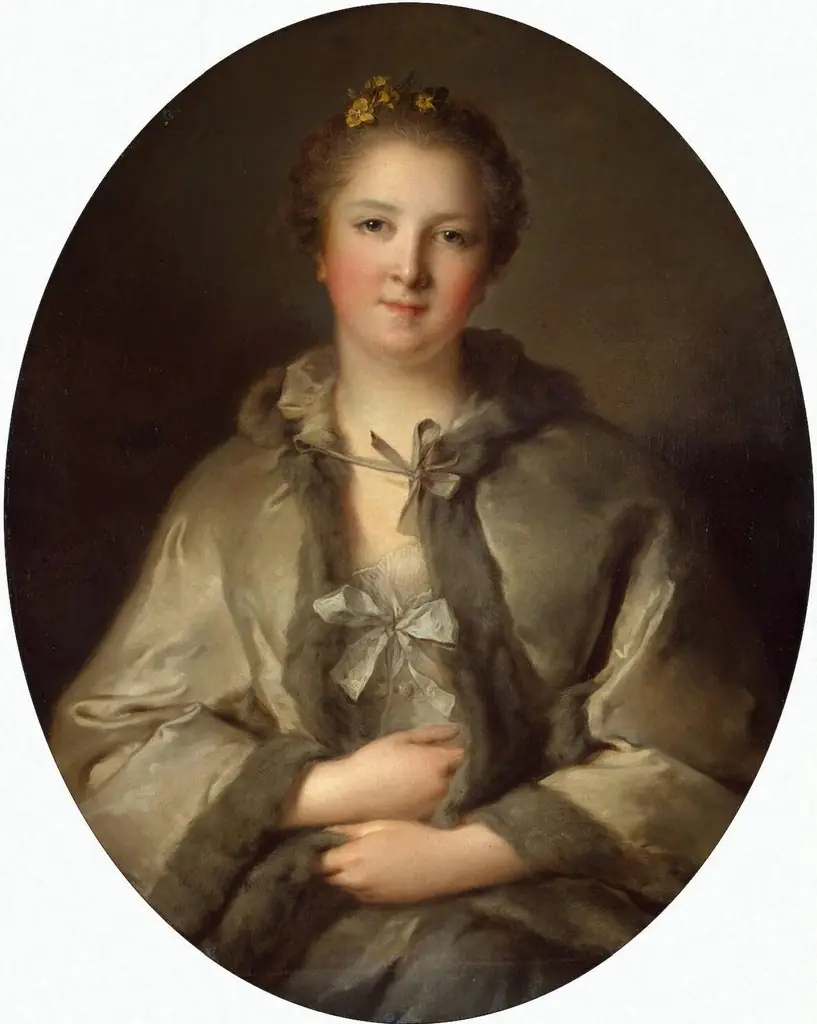 Portrait of a Woman in Grey
 Portrait of a Lady
 Mme Dugazon Babet'n roolissa
 Young Woman with Flowers in Her Hair
 Portrait of a Young Woman