Artwork
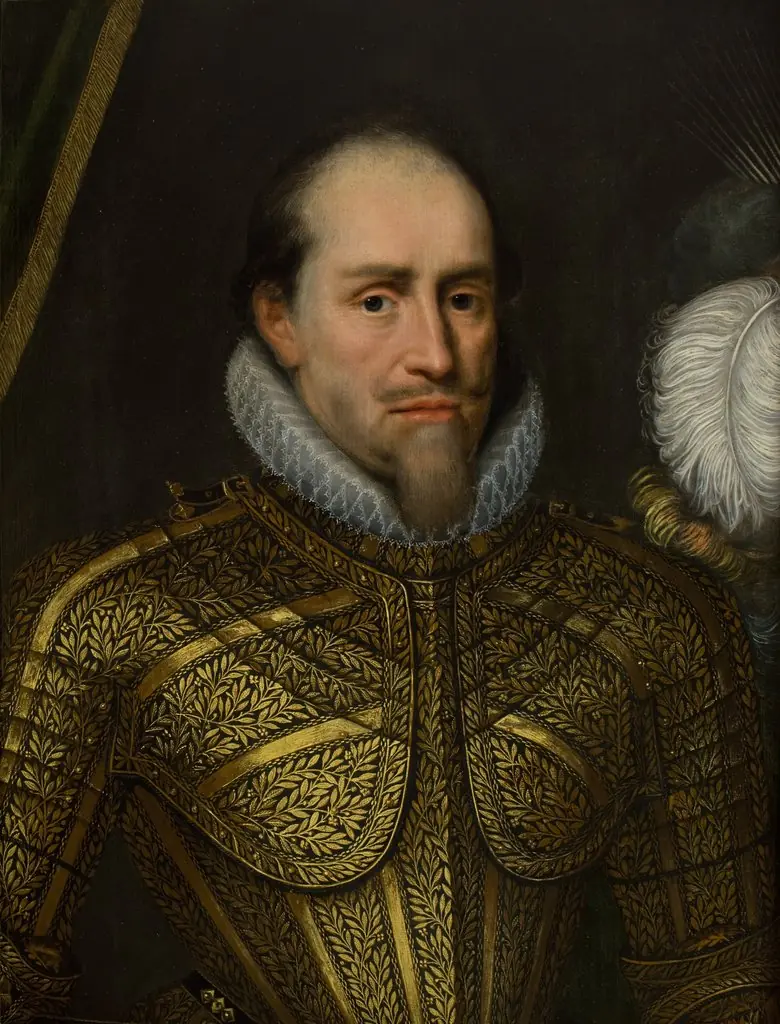
Portrait of Otto Brahe (1578-1652)
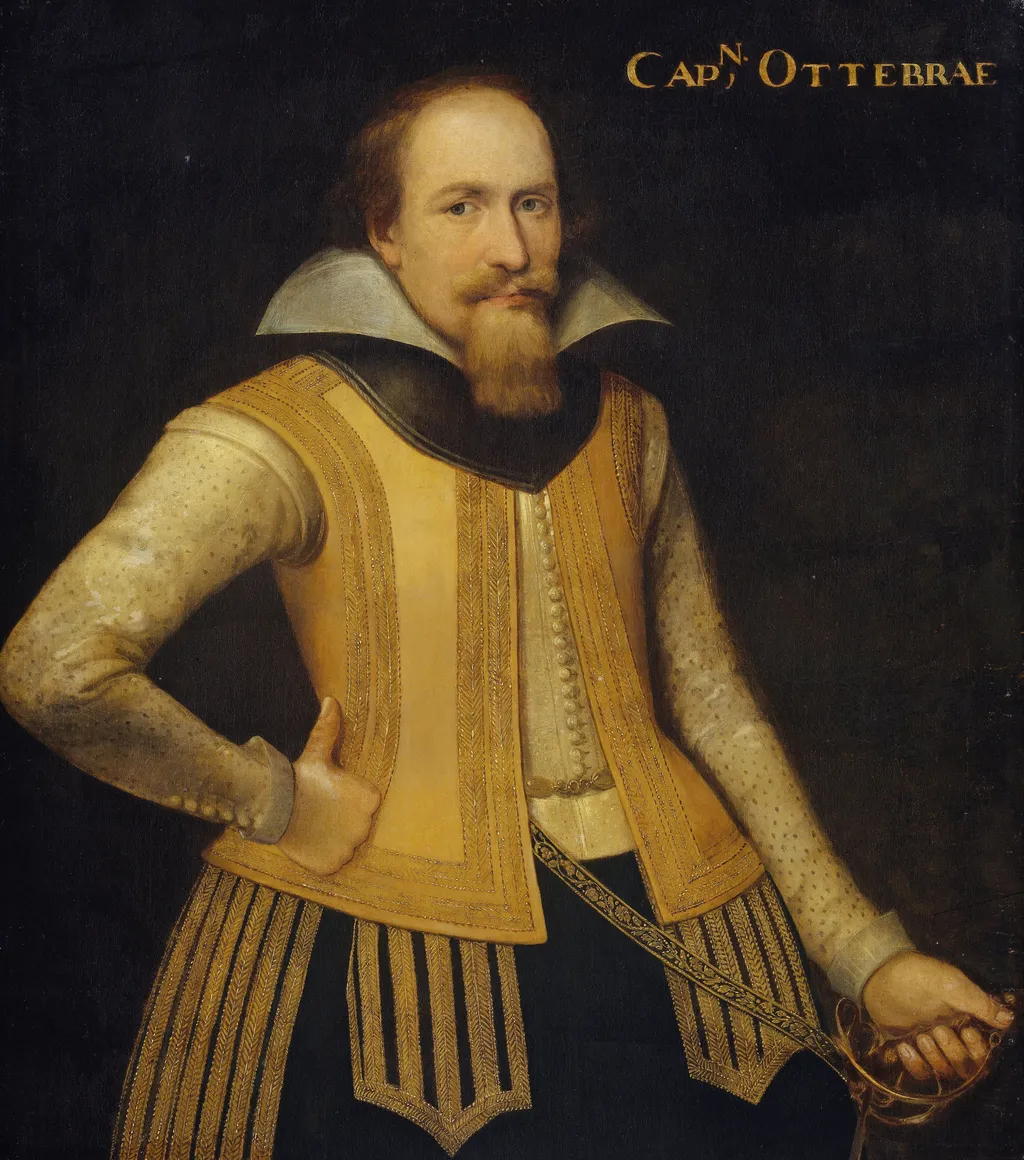
Portrait of Otto Brahe (1578-1652) is an oil painting. It dates from 1607 and is held in the collection of the Rijksmuseum.
About this work
Subject & Meaning
The composition focuses entirely on the sitter without explicit narrative elements or additional symbolic attributes described in the available records.
The painting depicts Otte Steensen Brahe (1578–1652), identified as the main subject of this anonymous portrait created in 1607. The work functions as a formal representation of the individual, capturing his likeness during the early seventeenth century. As a genre portrait, the piece serves to document the appearance and presence of Brahe, a figure associated with the Northern Low Countries.
The composition focuses entirely on the sitter without explicit narrative elements or additional symbolic attributes described in the available records.
Technique & Style
The work is an oil painting executed on canvas, reflecting the portrait genre prevalent in the Northern Low Countries around 1607. It depicts Otte Steensen Brahe and was created using oil paint on canvas, a medium and support typical of Dutch portraiture of the period. The formal qualities align with contemporary portrait conventions, emphasizing accurate representation of the sitter within a structured compositional framework.
The painting measures 95.6 cm in height and 84.2 cm in width, confirming its scale as a standard portrait from the early 17th century.
History & Provenance
The work was created in the Northern Low Countries in 1607 as an oil on canvas portrait of Otte Steensen Brahe. It entered the collection of the Rijksmuseum and the National Art Gallery of the Netherlands and remains part of the Rijksmuseum's holdings today.
Overview
The portrait depicts a male figure dressed in elaborate 17th‑century attire, set against an unadorned black background that isolates the subject. He wears a fur‑trimmed collar, a vivid yellow doublet over a white shirt, and heavily padded sleeves studded with metal. In his right hand he grasps a small object, and a caption above reads “CAPT. OTTEBRAE,” indicating his rank as captain.
Context
Brahe’s portrait belongs to a broader tradition of courtly portraiture that combined realistic detail with symbolic elements, such as the military title and the object in his hand, to assert social standing. The use of a dark background aligns with contemporary Dutch and Flemish practices that emphasized the sitter’s presence.
Legacy
While not widely reproduced, the portrait serves as a visual record of Danish military attire and noble fashion in the early modern era, offering scholars material evidence for studies of dress, rank, and portrait conventions of the period.
Artist & collection

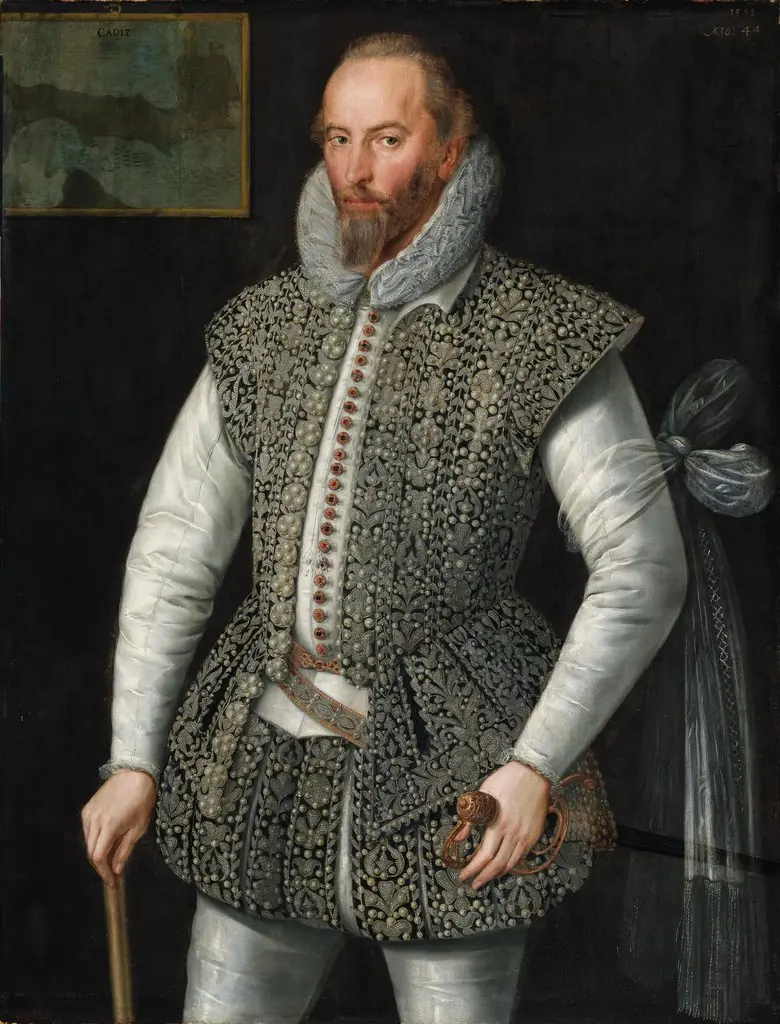 Portrait of Sir Walter Raleigh (1522-1618), Soldier and Historian
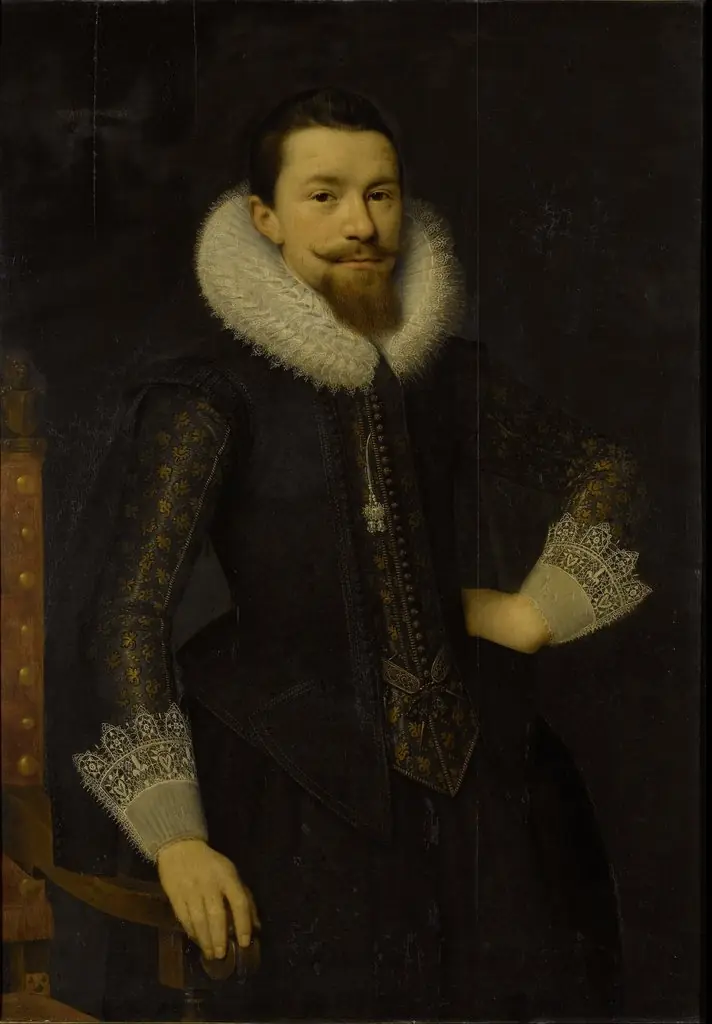 Portrait of Pieter Boudaen Courten (1594-1668)
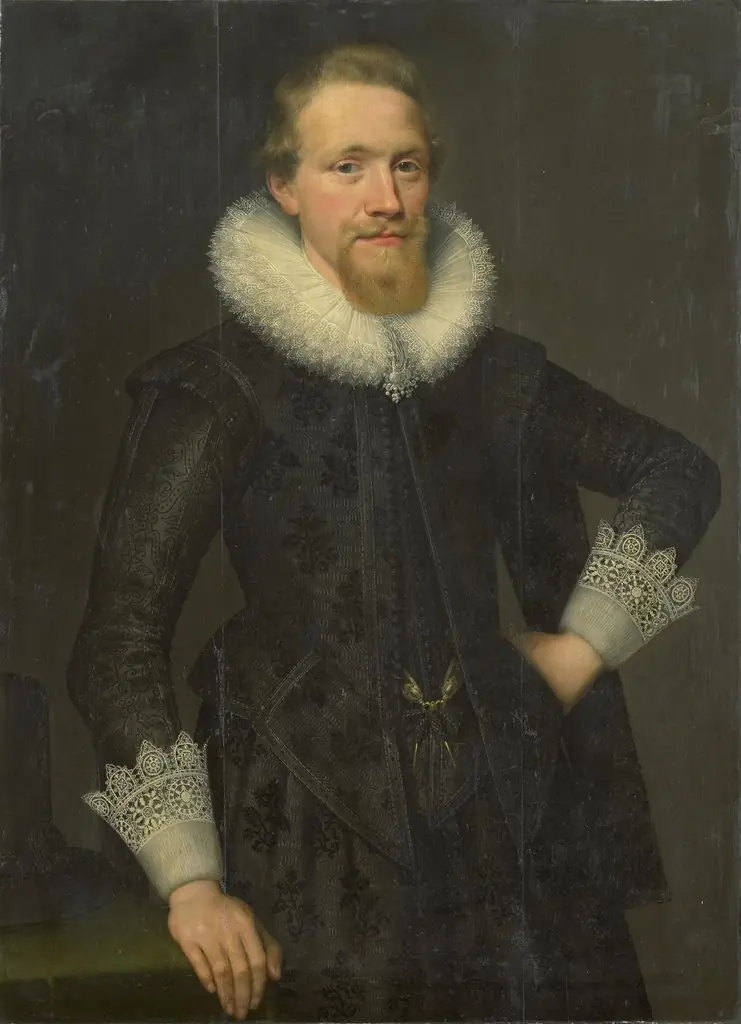 Portrait of Jacob Pergens (?-1681)
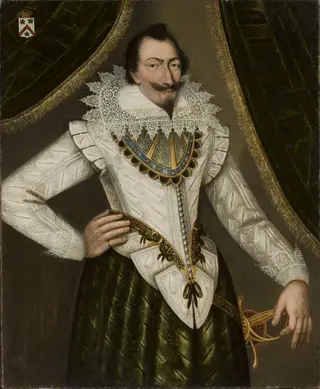 Portrait of Nicolas de Droullin
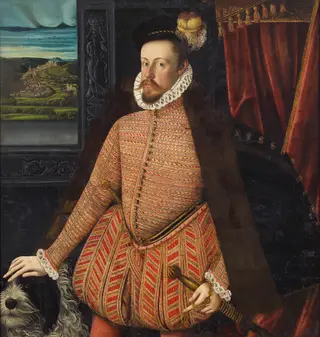 Erzherzog Karl II. (1540-1590) mit dem Blick auf Graz, Kniestück
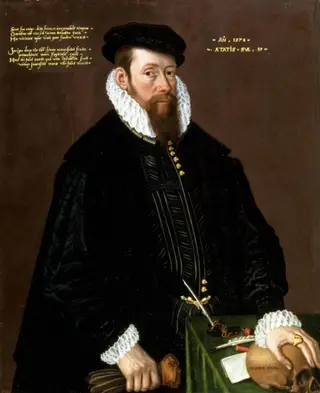 Portrait of Thomas Pead (1539-1614)
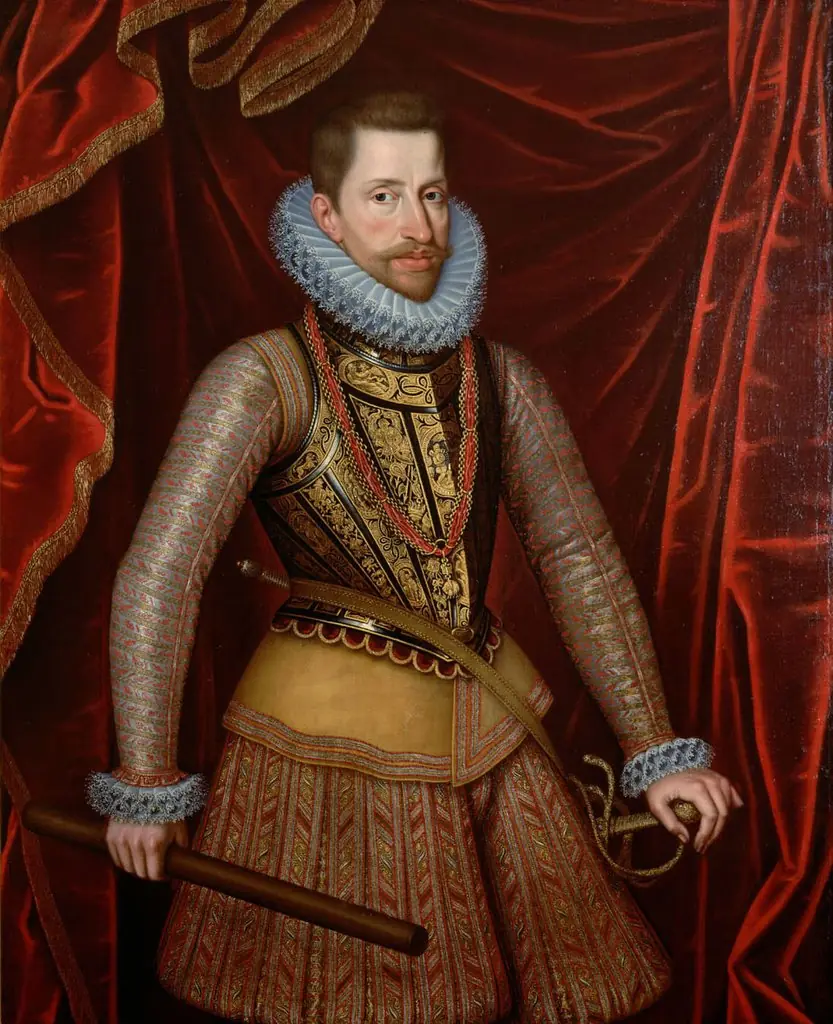 Portrait of Albrecht VII, Archduke of Austria (1559-1621)
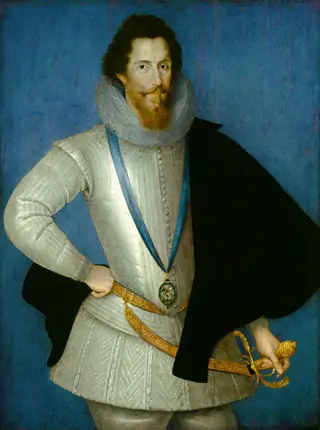 Robert Devereux, 2nd Earl of Essex
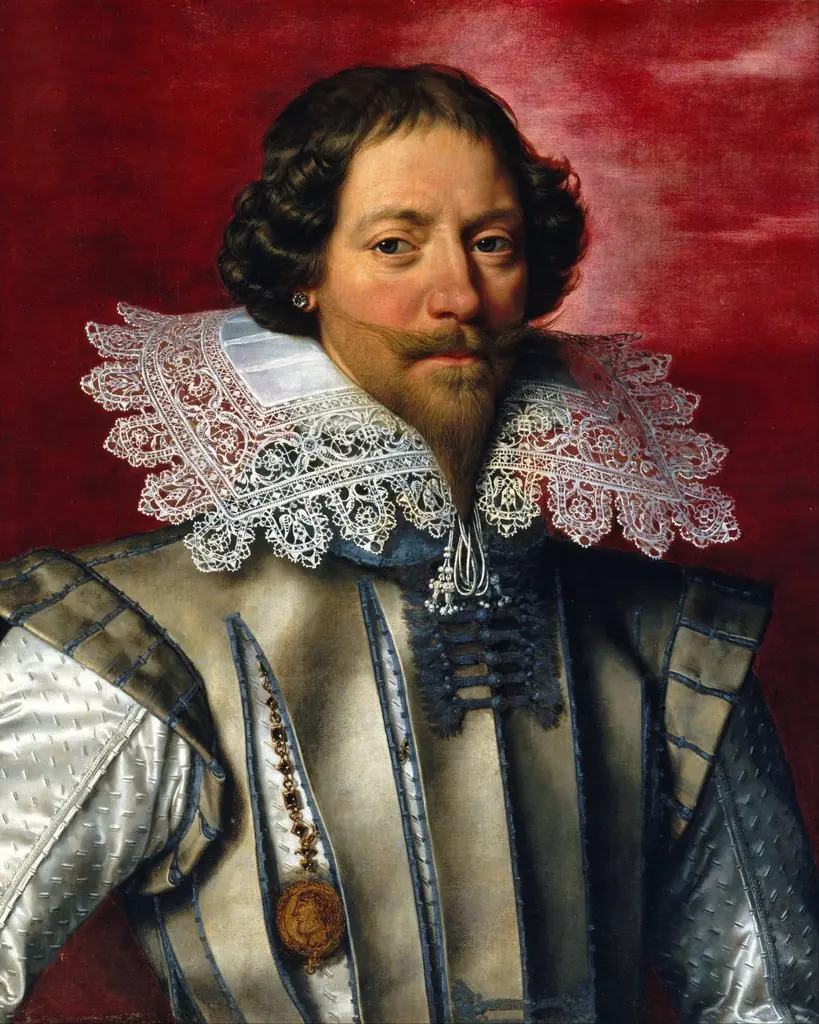 Portrait of a man
 Sir William Brereton, 1579
 Portrait of a Man in Armour
- Portrait of Pieter van Son (c. 1590-1654)