Artwork
Portrait of Peter Talbot, RC Archbishop of Dublin (1620-1680)
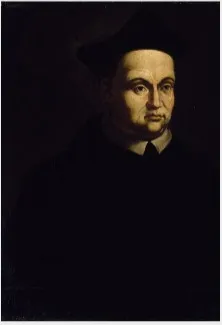
Portrait of Peter Talbot, RC Archbishop of Dublin (1620-1680) is an oil painting by the Flemish Baroque painting artist Unknown. It dates from 1660 and is held in the collection of the National Gallery of Ireland. The work is an oil portrait depicting Peter Talbot, who served as Roman Catholic Archbishop of Dublin in the seventeenth century.
About this work
Overview
The work is an oil portrait depicting Peter Talbot, who served as Roman Catholic Archbishop of Dublin in the seventeenth century. Rendered in a restrained palette, the figure is shown in formal dress against a dark, unadorned backdrop. The composition emphasizes the sitter’s dignified bearing and contemplative demeanor, presenting him as a solemn ecclesiastical authority.
Subject & Meaning
Talbot is presented wearing a black hat and a matching black jacket over a white, collared shirt, attire appropriate to his clerical rank. His gaze is directed slightly downward, suggesting introspection or prayerful focus. The overall tone conveys the gravity of his office and the personal piety expected of a high‑ranking prelate in post‑Reformation Ireland.
Technique & Style
The painter employs chiaroscuro, contrasting illuminated facial features and hands with a deep, uniform background. This handling of light creates a three‑dimensional sense of form, modeling the flesh and fabric through subtle gradations. The brushwork remains smooth and controlled, reinforcing the portrait’s formal character and the sitter’s status.
Context
Created in the mid‑1600s, the portrait reflects the visual conventions of Catholic hierarchy during a period of religious tension in Ireland. Portraits of bishops and archbishops often highlighted solemnity and authority, using restrained color schemes and dramatic lighting to underscore spiritual seriousness amid political uncertainty.
Legacy
While the artist remains unidentified, the painting serves as a visual document of Archbishop Talbot’s appearance and the ecclesiastical fashion of his era. It contributes to the corpus of seventeenth‑century Irish religious portraiture, offering scholars material evidence of clerical representation and the aesthetic preferences of the time.
Artist & collection









 Friar Diego de Deza
 Jan Miraeus, Bishop of Antwerp
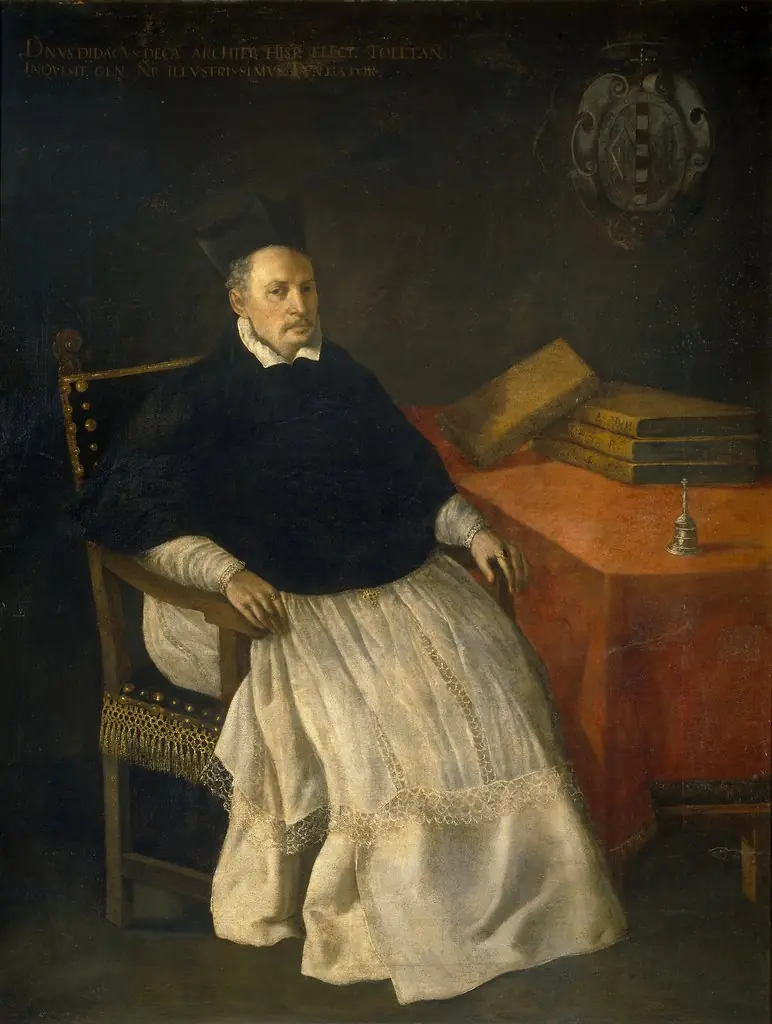 Fray Diego de Deza y Tavera arzobispo de Sevilla
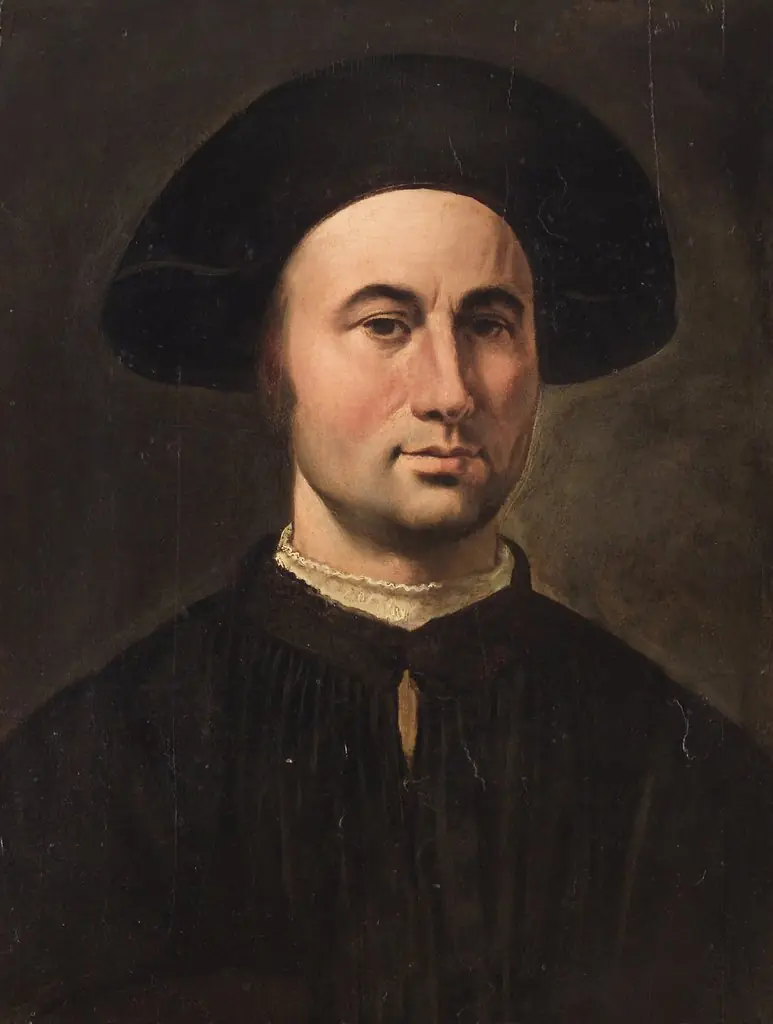 Männliches Bildnis
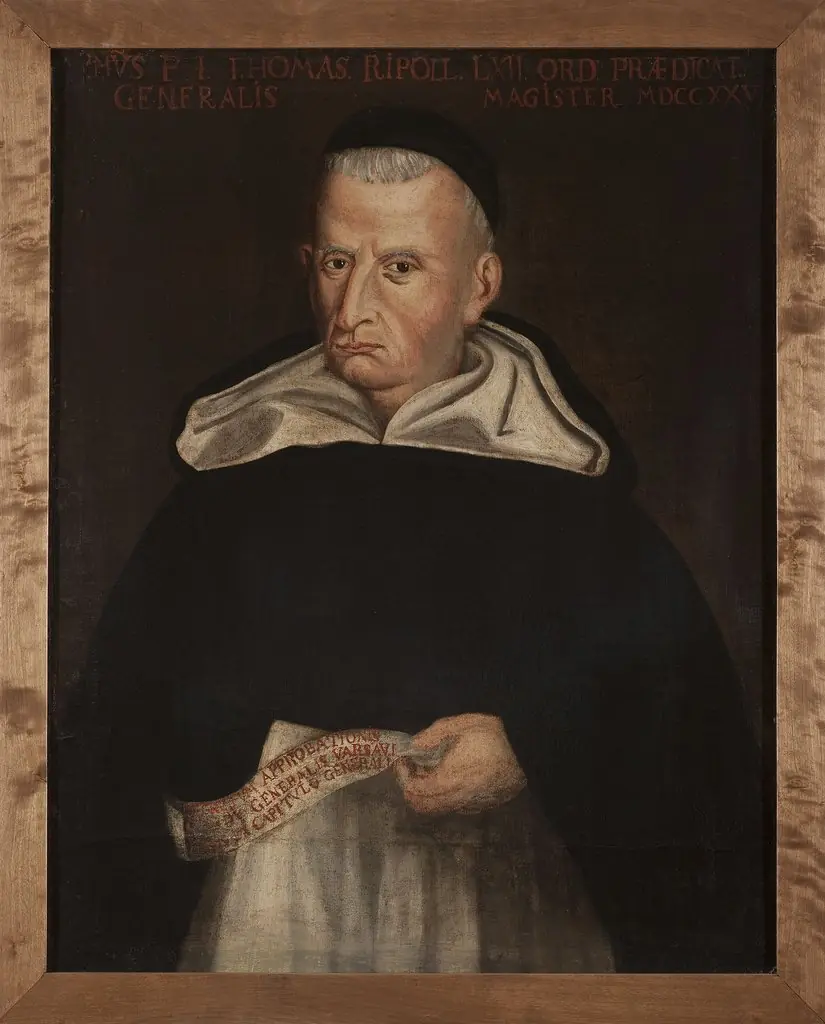 Portrait of Tomasz Rippol, Dominican friar
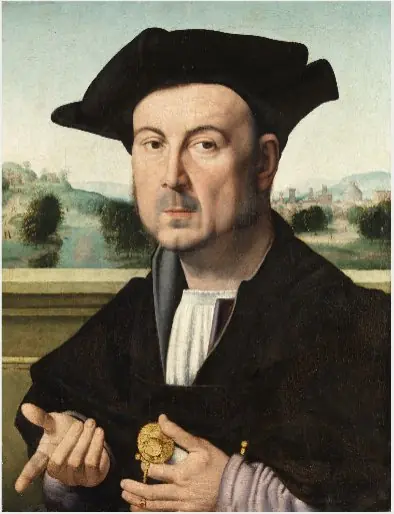 Portrait of a Gentleman
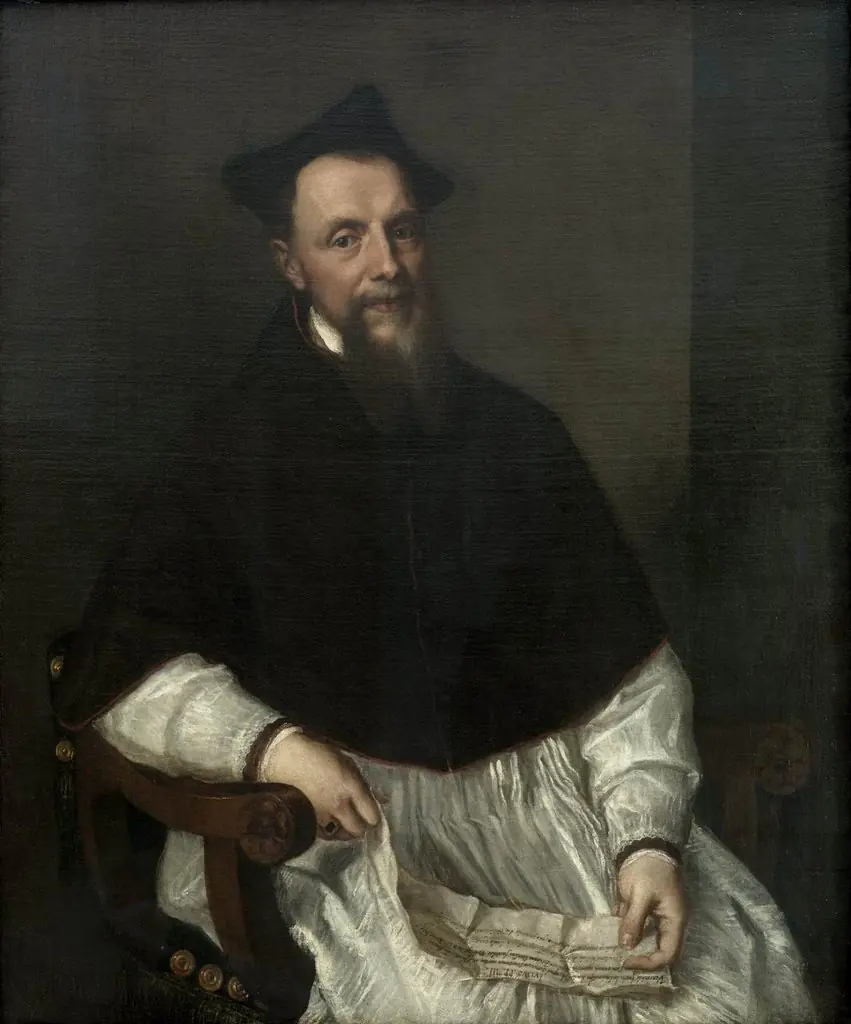 Portrait of Bishop Ludovico Beccadelli
 Retrato de un magistrado
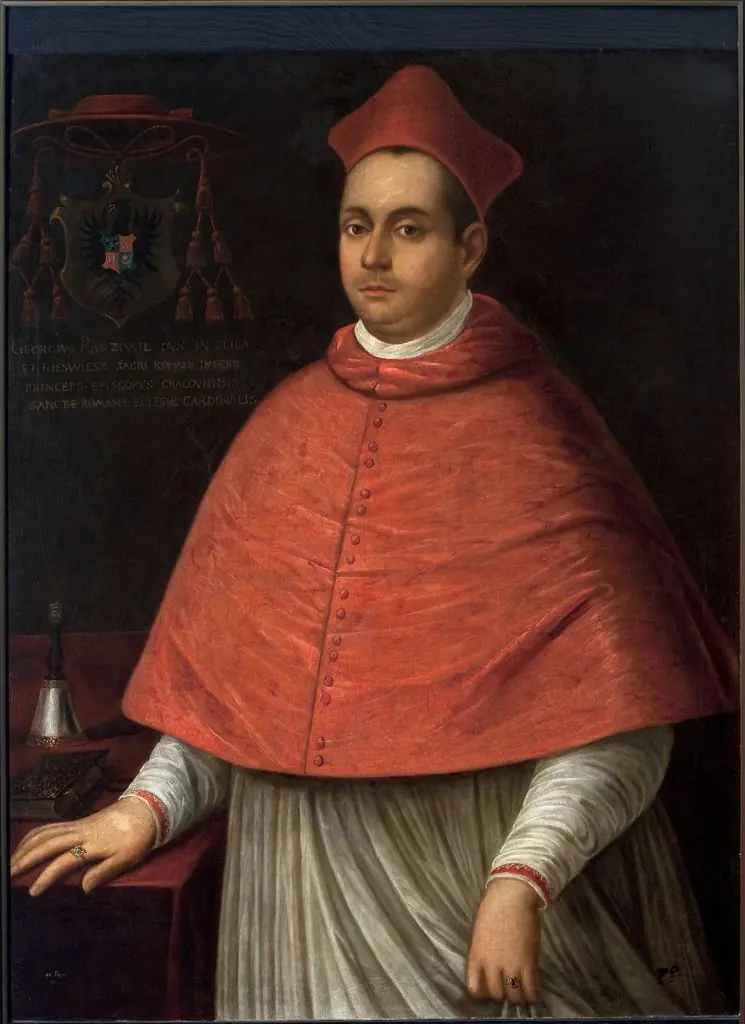 Portrait of Jerzy Radziwiłł (1556–1600), cardinal
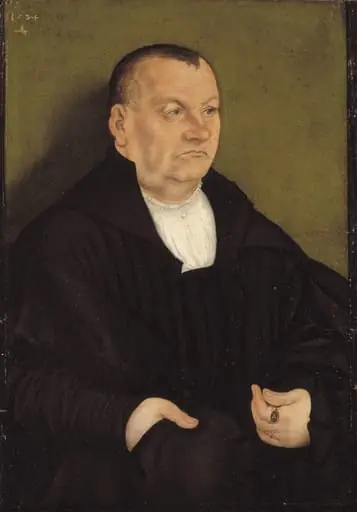 Portrait of a Man