Artwork
Portrait of Xawera Zboińska née Podoska, chatelaine of Raciąż
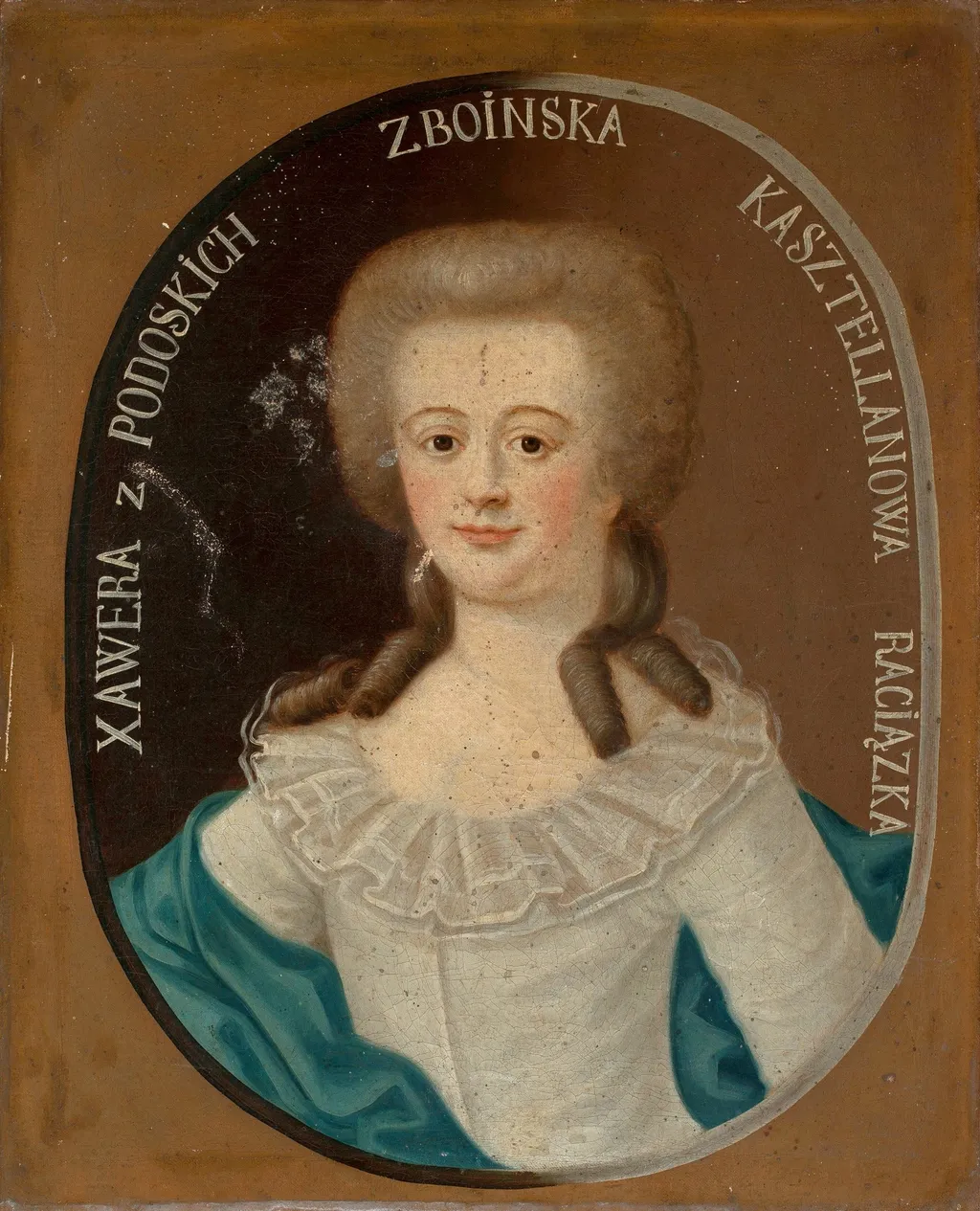
Portrait of Xawera Zboińska née Podoska, chatelaine of Raciąż is an oil painting by the Realist artist Unknown. It dates from 1800 and is held in the collection of the National Museum in Warsaw. The oil painting depicts Xawera Zboińska, née Podoska, identified as the chatelaine of Raciąż.
About this work
Overview
Her expression is composed, lips tinted a gentle pink, set against an unadorned background that bears her name in gold lettering around the oval frame.
The oil painting depicts Xawera Zboińska, née Podoska, identified as the chatelaine of Raciąż. She is presented with a light complexion and pale blond hair arranged in soft curls, wearing a high‑necked white dress with puffed sleeves and a teal underskirt. Her expression is composed, lips tinted a gentle pink, set against an unadorned background that bears her name in gold lettering around the oval frame.
Subject & Meaning
The portrait serves as a formal representation of a noblewoman, emphasizing status through attire and composure. The restrained pose and calm gaze convey dignity and the responsibilities associated with managing a household. The inclusion of her name in gold lettering reinforces identity and lineage, typical of aristocratic portraiture intended for private or familial display.
Technique & Style
Executed in oil, the work relies on subtle gradations of light and shadow to model the sitter’s facial features, achieving a three‑dimensional effect reminiscent of chiaroscuro. Brushwork is smooth and refined, particularly on the skin and fabric, allowing the white dress and teal underskirt to appear luminous against the plain backdrop. The overall palette is restrained, focusing attention on the figure.
History & Provenance
The painting is attributed to the period when Xawera Zboińska held the title of chatelaine of Raciąż, though specific dates and artist remain undocumented. The work has remained within the family collection, as indicated by the personalized gold inscription, suggesting it was intended for private remembrance rather than public exhibition.
Context
Portraits of noblewomen in this region often combined realistic likeness with symbolic elements that signaled wealth and virtue. The high‑necked white garment and teal underskirt align with contemporary fashion among the Polish‑Lithuanian aristocracy, while the plain background reflects a shift toward focusing on the individual rather than elaborate settings.
Artist & collection









 Portrait of Françoise-Marie de Bourbon
![Portrait of a young woman [Sophie Markgräfin von Brandenburg-Bayreuth, née Duchess Sachsen-Weißenfels (1684–1752)?], by Unknown](https://artifactworldgallery.com/img/unknown--portrait-of-a-young-woman-sophie-markgrafin-von-brandenburg--2d73c9561763e528-w320.webp) Portrait of a young woman [Sophie Markgräfin von Brandenburg-Bayreuth, née Duchess Sachsen-Weißenfels (1684–1752)?]
Portrait of a young woman [Sophie Markgräfin von Brandenburg-Bayreuth, née Duchess Sachsen-Weißenfels (1684–1752)?] Portrait of Princess Anastasia Dolgorukaya, née Lodyzhenskaya (1736-1828)
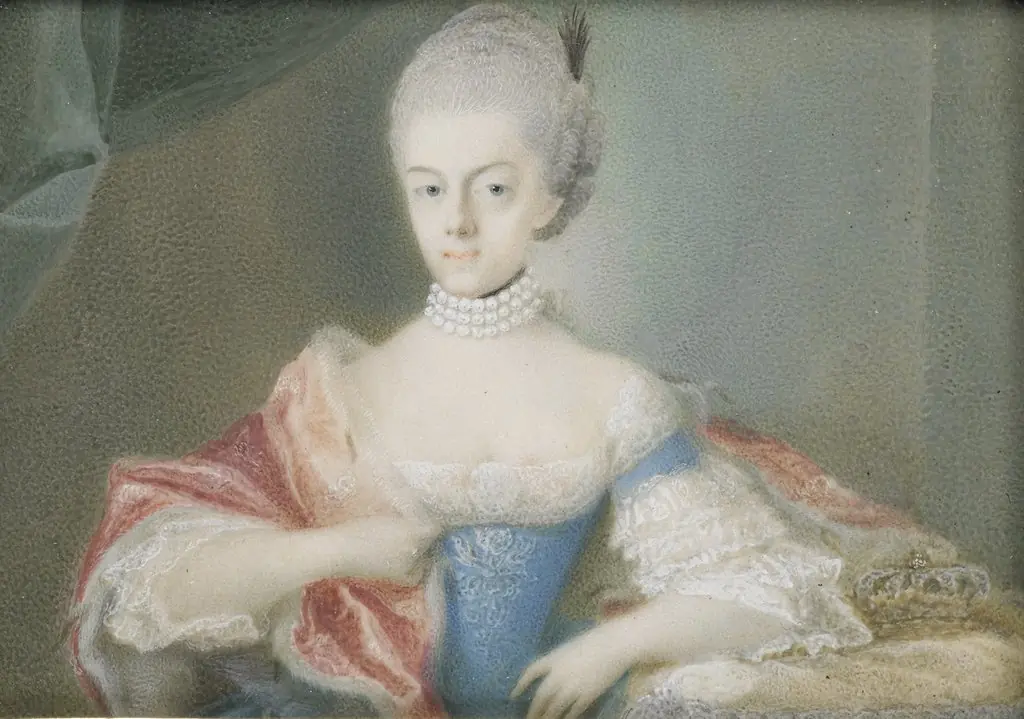 Portrait of waarschijnlijk Wilhelmina van Pruisen (1751-1820)
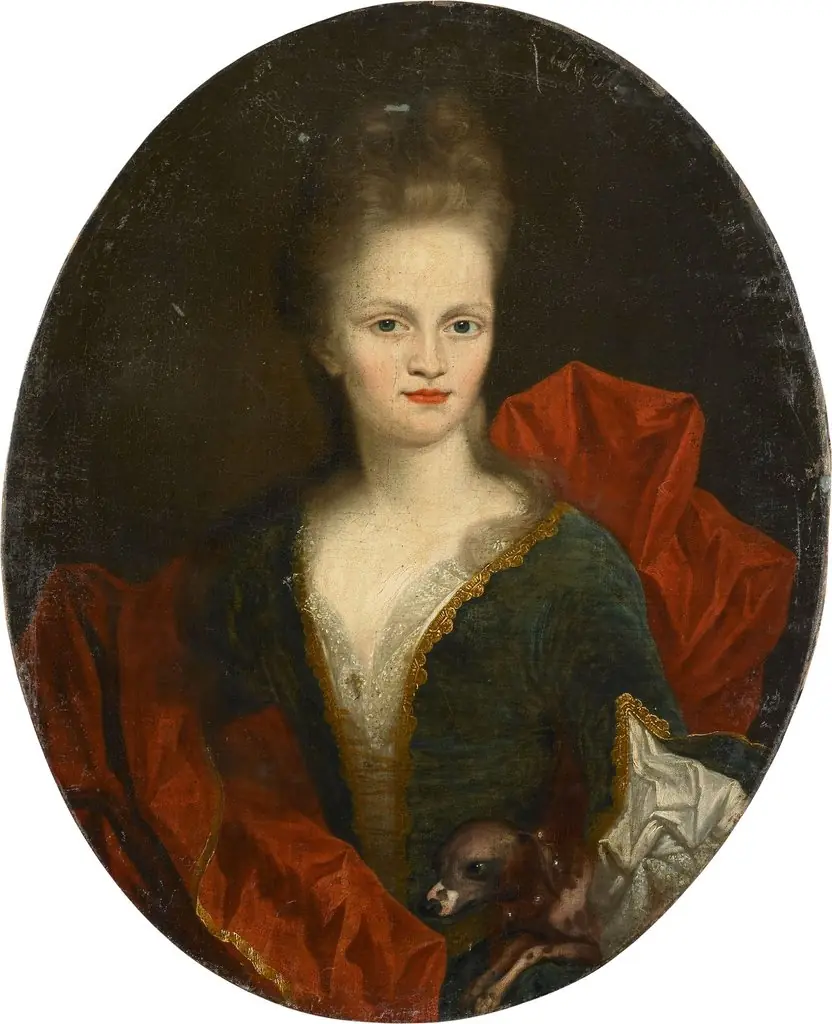 Anna Margaretha van Petcum (1676-1745). Wife of Johan Arnold Zoutman
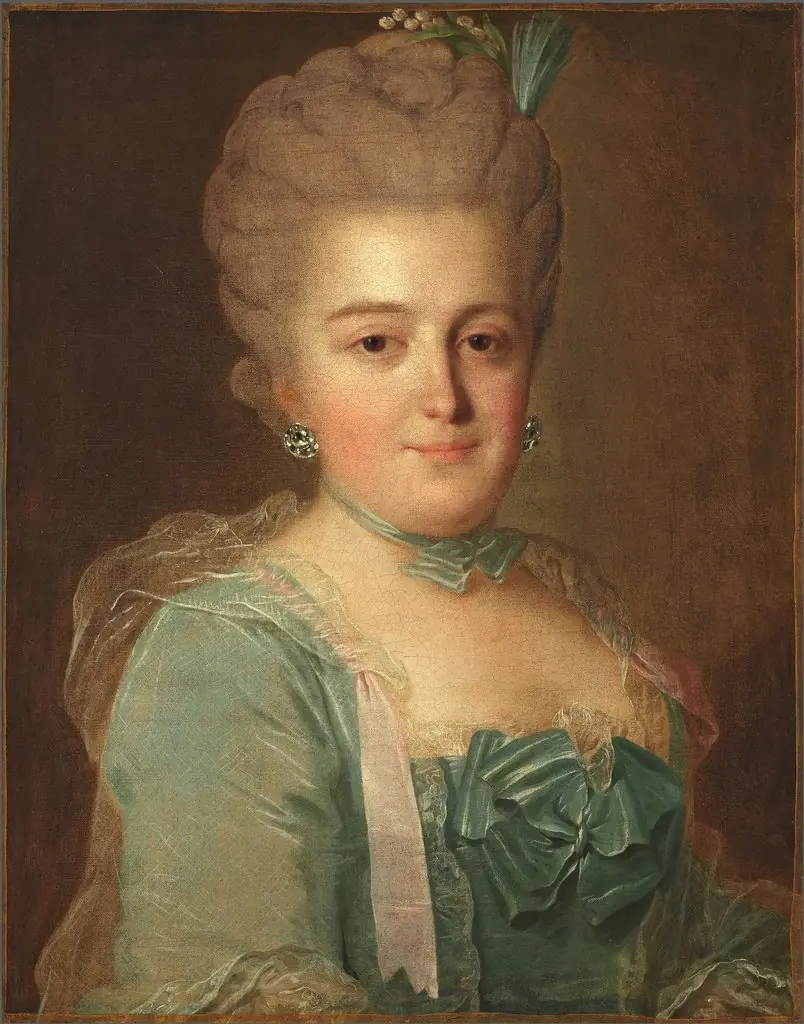 Portrait of Anna S. Tulinova
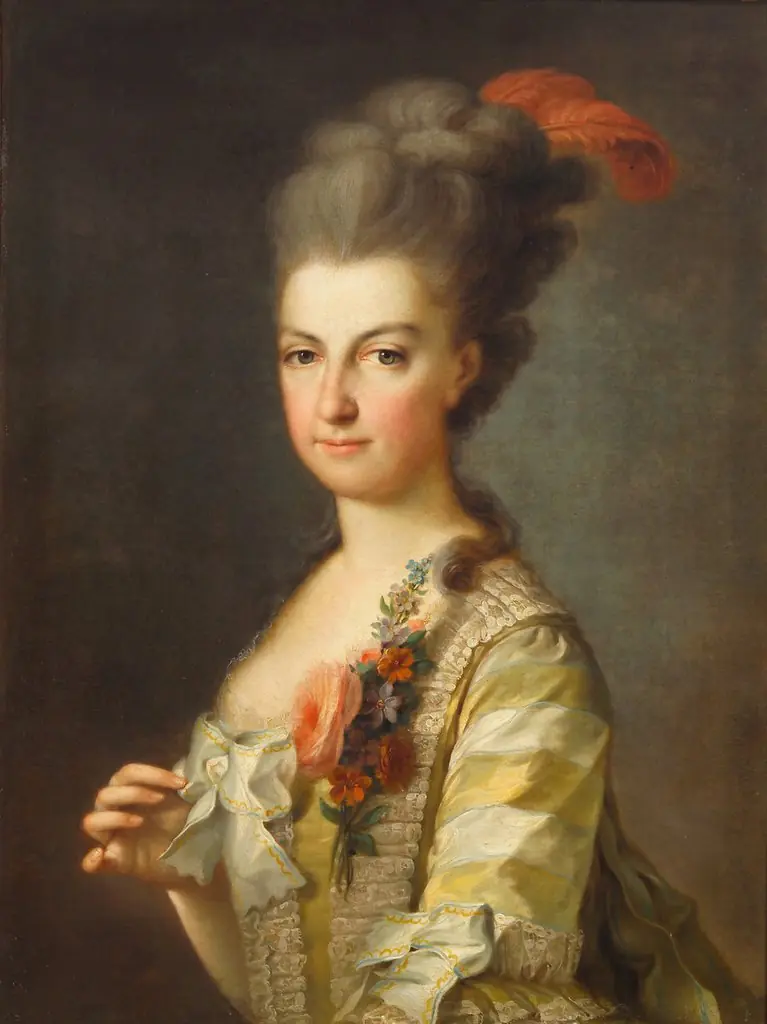 Erzherzogin Maria Christine (1742-1798), Herzogin von Sachsen - Teschen, in gestreiftem Seidenkleid, Halbfigur
 Pfalzgräfin Hedwig Elisabeth Amalie, Gemahlin des Prinzen Jacob Ludwig
 Portrait of a Woman
 Naisen muotokuva
 Portrait of Grand Duchess Natalya Alexeyevna
- Portrait of Elżbieta Potocka née Wielopolska