Artwork
Portret van een vrouw
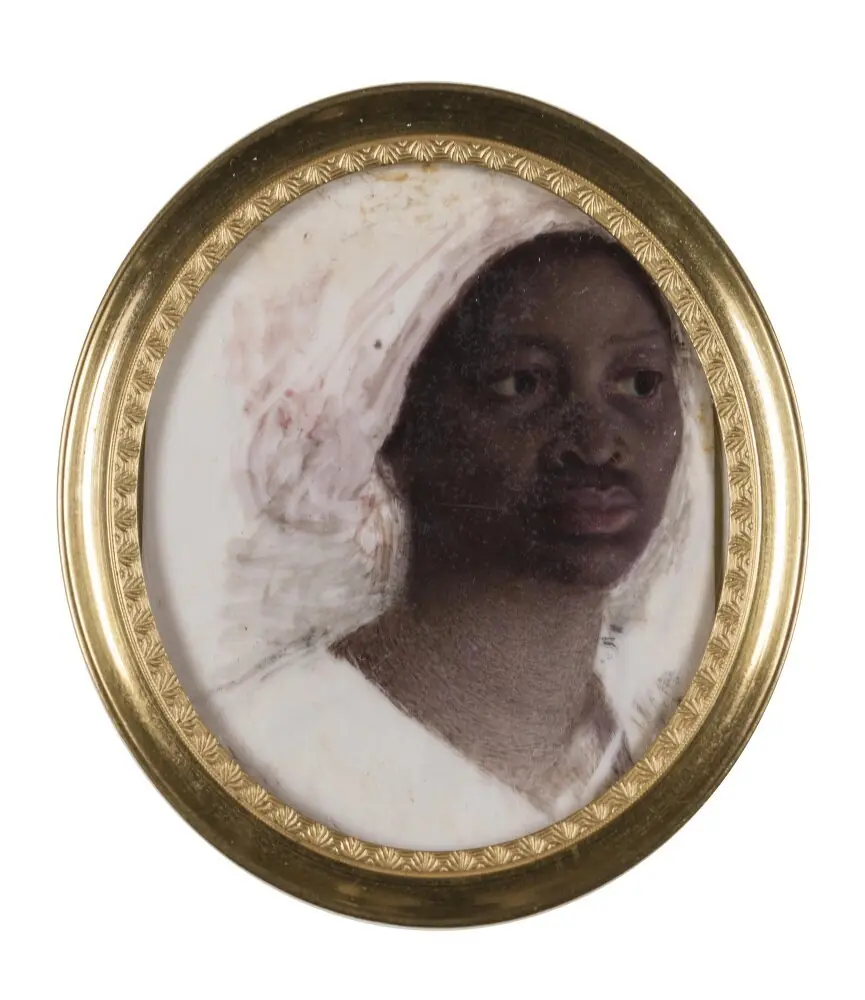
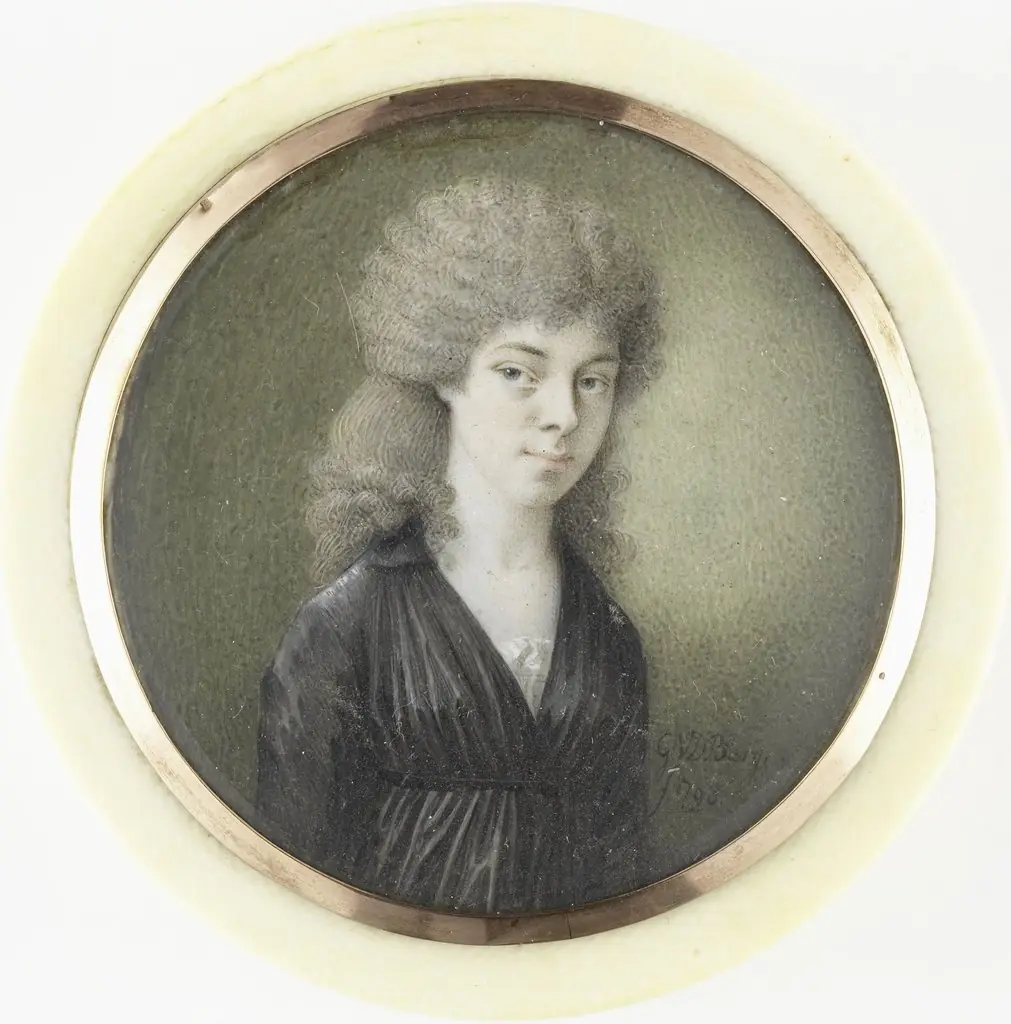
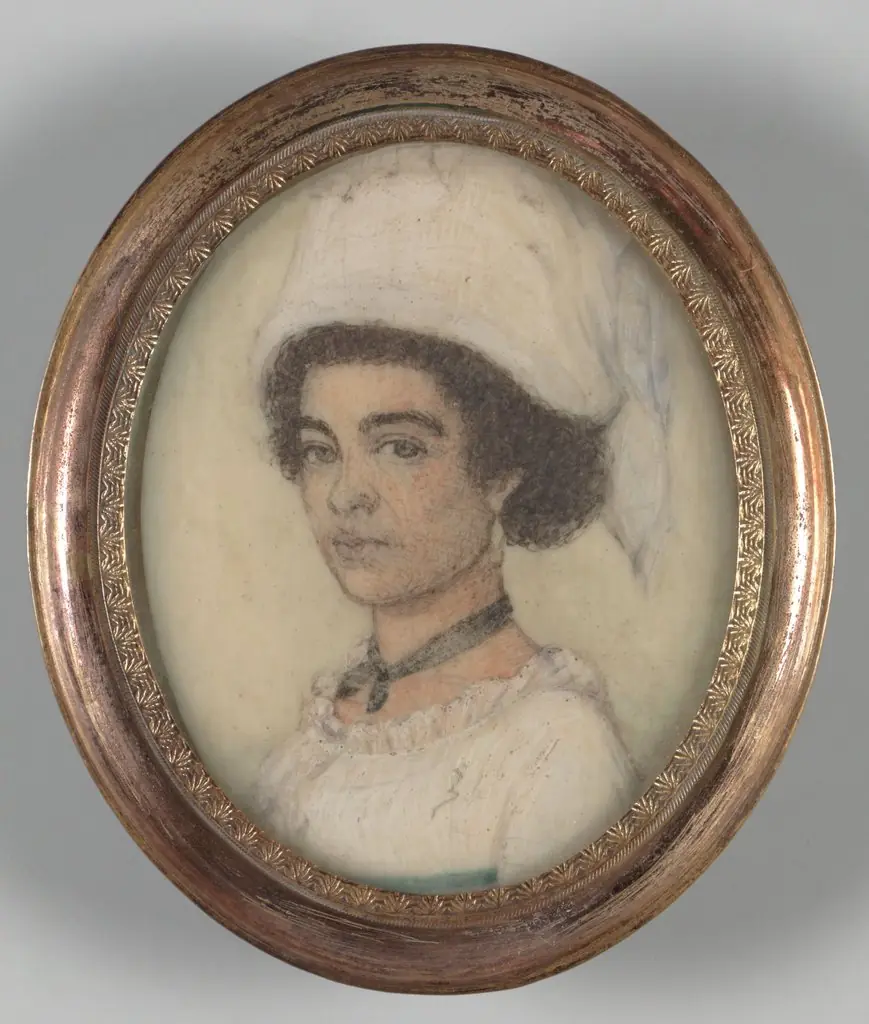
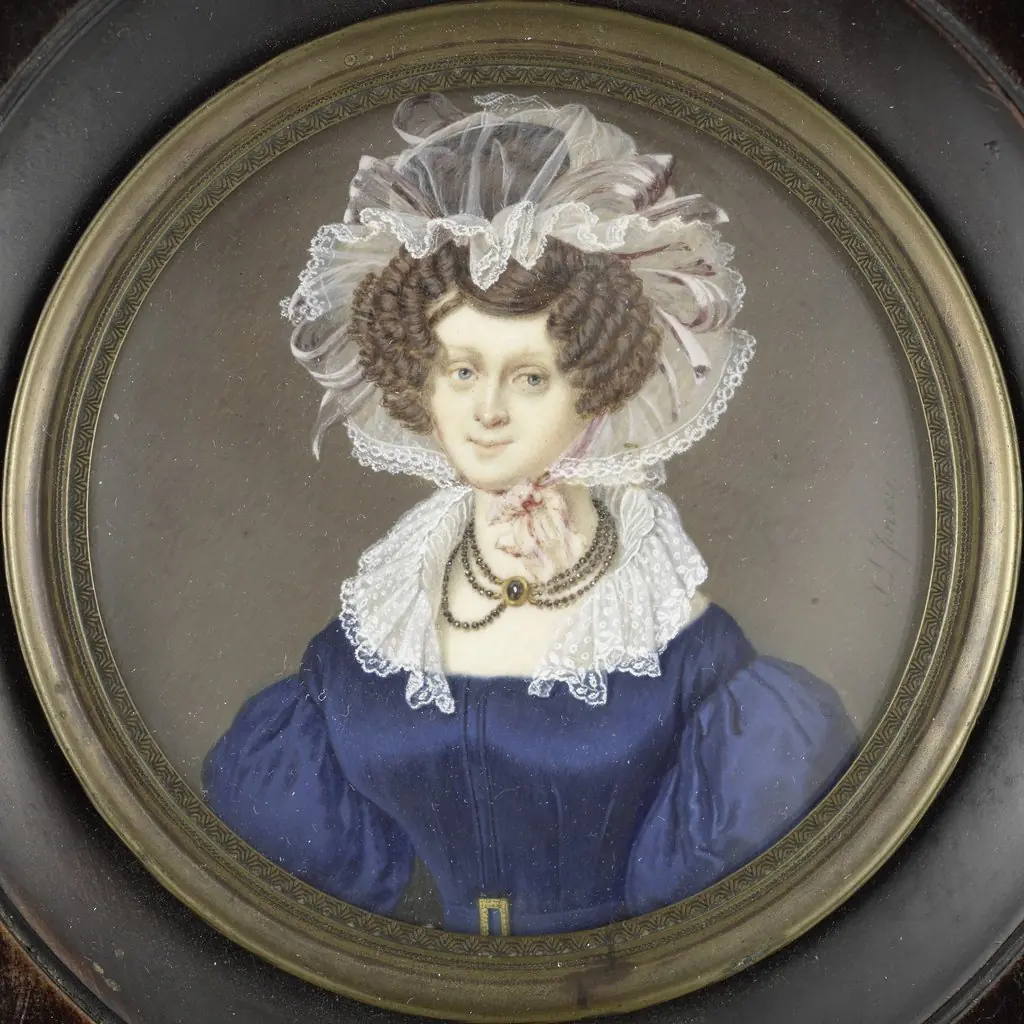
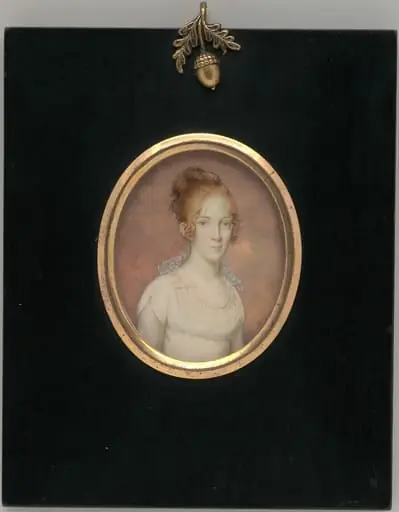
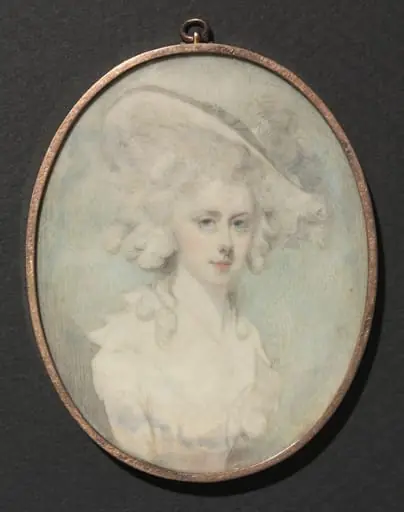
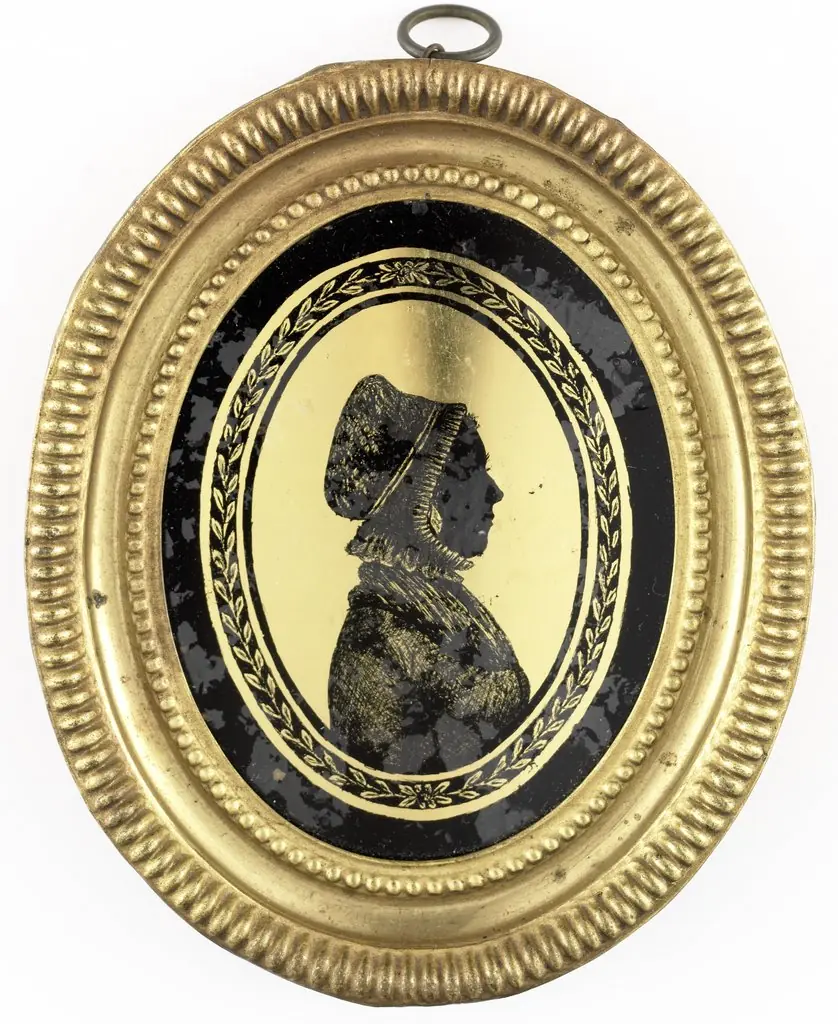
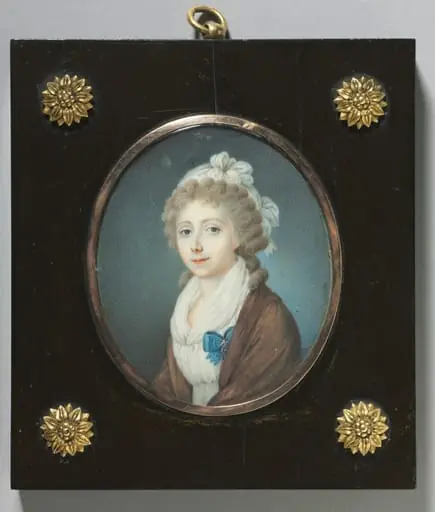
Portret van een vrouw is an unspecified painting by the Neoclassicist artist Unknown. It dates from 1796 and is held in the collection of the Rijksmuseum.
About this work
Technique & Style
Classified as a painting, the piece utilizes parchment as its primary material rather than traditional canvas or wood panel.
Created in 1790 within the Northern Low Countries, this anonymous miniature portrait is executed on a support of parchment. The work measures 5 cm in height and 4.5 cm in width, reflecting the intimate scale characteristic of the genre. Classified as a painting, the piece utilizes parchment as its primary material rather than traditional canvas or wood panel.
The small dimensions and specific choice of medium indicate a technique suited for detailed, close-range viewing typical of late eighteenth-century miniatures from the region.
History & Provenance
The miniature painting Portret van een vrouw, created in 1790 on parchment, is held in the collection of the Rijksmuseum. While the work is attributed to an anonymous artist, it is cataloged within the museum's holdings of Northern Low Countries art. The piece measures 5 cm in height and 4.5 cm in width.
The provided sources do not contain specific inventory or accession numbers, nor do they list any exhibition history for this work.
Context
The work is cataloged as a miniature painting created on parchment in 1790 within the Northern Low Countries, reflecting the period's emphasis on intimate portraiture.
It resides in the Rijksmuseum collection, indicating its recognized significance within Dutch cultural heritage.
Scholarly attention focuses on its attribution to an anonymous master, situating it within broader discussions of 18th-century Dutch portraiture and the evolution of miniature formats.
Overview
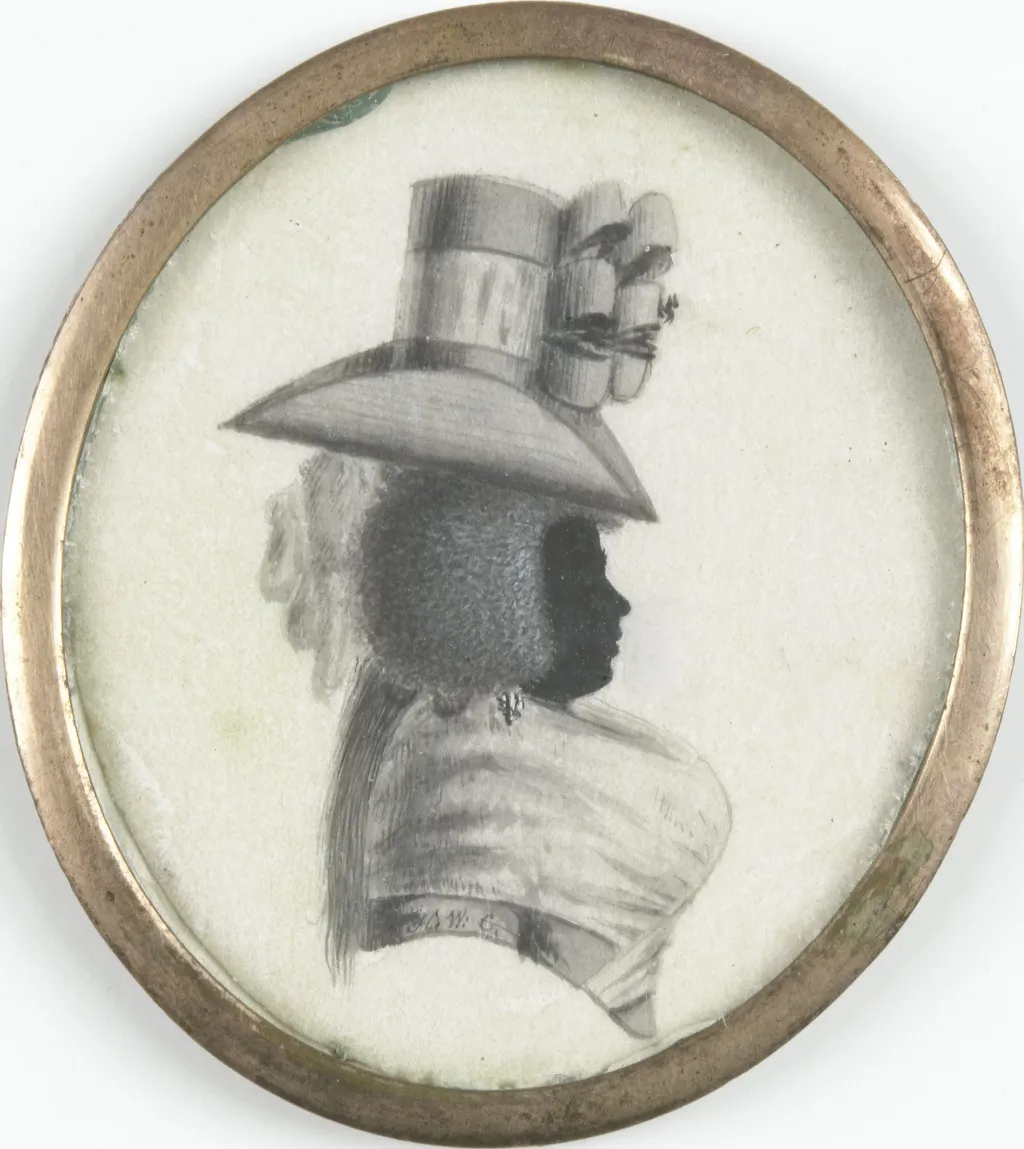
Portret van een vrouw is a painting on parchment depicting a woman viewed from behind, distinguished by a wide-brimmed hat, dark coat, and partially visible white collar against a subtle architectural background.
Subject & Meaning
The subject, a woman, is portrayed in a modest, everyday attire, suggesting a focus on the ordinary or the private individual rather than a public figure. The rear view may imply introspection or anonymity.
Artist & collection