Artwork
Prinzessin Hedwig Elisabeth Amalie
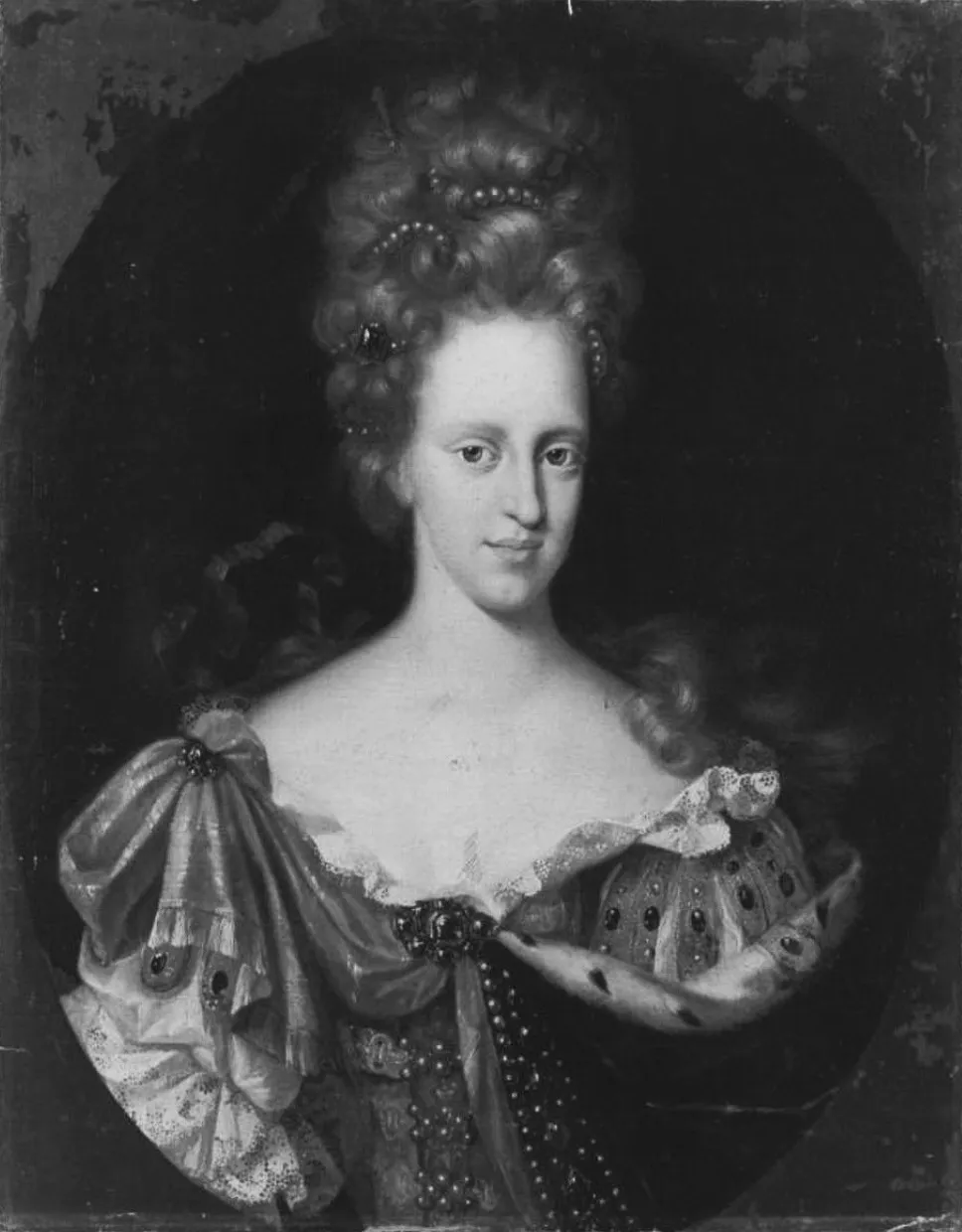
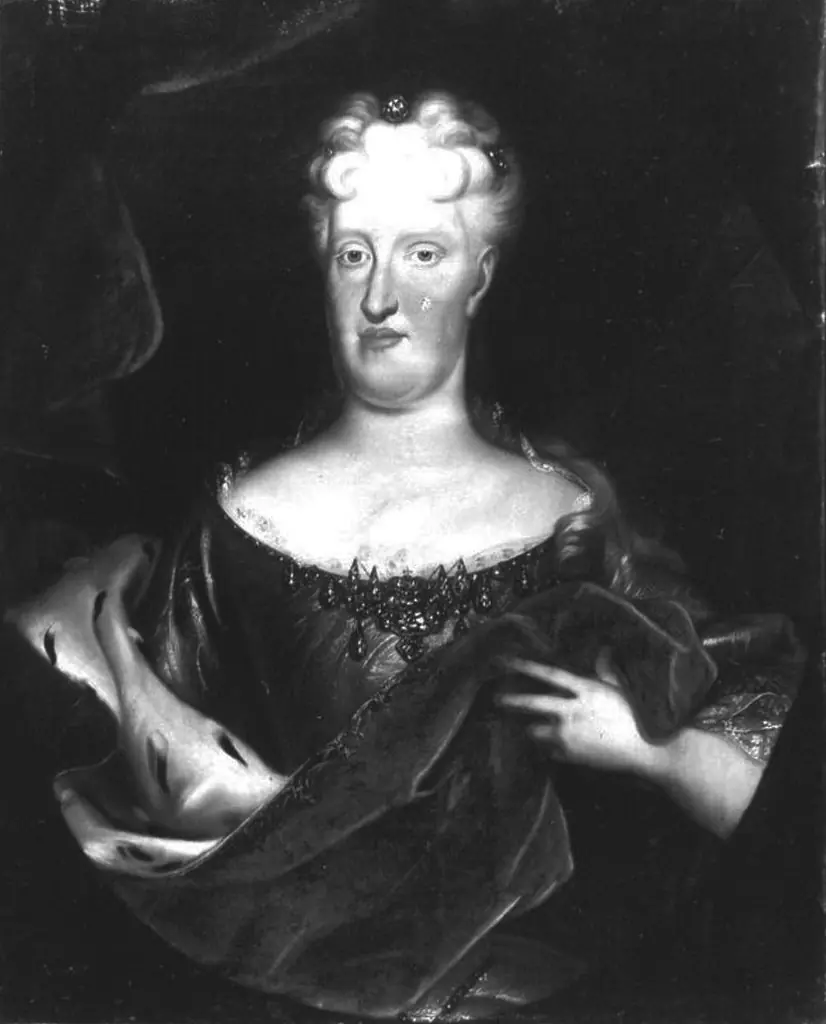
Prinzessin Hedwig Elisabeth Amalie is an oil painting by the Rococo painting artist Unknown. It dates from 1696 and is held in the collection of the Bavarian State Painting Collections. This oil painting portrays Hedwig Elisabeth Amalie, a member of European nobility, rendered in formal portraiture style.
About this work
Subject & Meaning
The painting portrays Countess Palatine Hedwig Elisabeth of Neuburg, a member of the Wittelsbach dynasty, rendered in oil on canvas.
The painting portrays Countess Palatine Hedwig Elisabeth of Neuburg, a member of the Wittelsbach dynasty, rendered in oil on canvas. Her status as a high‑ranking noblewoman is emphasized through attire and posture, symbolizing both familial prestige and the political alliances of the Bavarian court in the late 17th century. The work functions as a visual record of aristocratic identity and the cultural patronage of the Bavarian Electors.
Technique & Style
Created in 1691, the portrait of Countess Palatine Hedwig Elisabeth of Neuburg is executed in oil paint on a canvas support. The work measures 79 cm in height and 63 cm in width, presenting a standard format for court portraiture of the era. As a genre portrait, the painting focuses on the depiction of the subject with the formal qualities characteristic of late 17th-century German court art. It is currently held within the collection of the Bavarian State Painting Collections at the Alte Pinakothek.
History & Provenance
The portrait of Countess Palatine Hedwig Elisabeth of Neuburg was executed in oil on canvas in 1691. The work is attributed to the artist Deutsch. Currently, the painting belongs to the collection of the Bavarian State Painting Collections and is housed at the Alte Pinakothek.
Context
The portrait depicts Countess Palatine Hedwig Elisabeth of Neuburg and was painted in 1691, reflecting the Baroque portraiture traditions of the late 17th century. It resides in the Bavarian State Painting Collections at the Alte Pinakothek, establishing its significance within the institutional art historical narrative of Bavaria. This work is part of the oeuvre of the artist known as Deutsch, situating it within the broader context of German portrait painting during the Baroque period.
Overview
This oil painting portrays Hedwig Elisabeth Amalie, a member of European nobility, rendered in formal portraiture style. The composition focuses on her upper body, with careful attention to her attire and coiffure. Her left arm is cropped from view, directing focus to the ornate details of her dress and hair. The work is held in the collection of the Alte Pinakothek in Munich.
Legacy
The portrait remains a representative example of aristocratic portraiture in Southern Germany. It contributes to the Alte Pinakothek’s documentation of courtly visual culture, offering insight into how nobility presented themselves through dress and demeanor. While not widely known outside academic circles, it holds value as a material record of social hierarchy in pre-revolutionary Europe.
Artist & collection









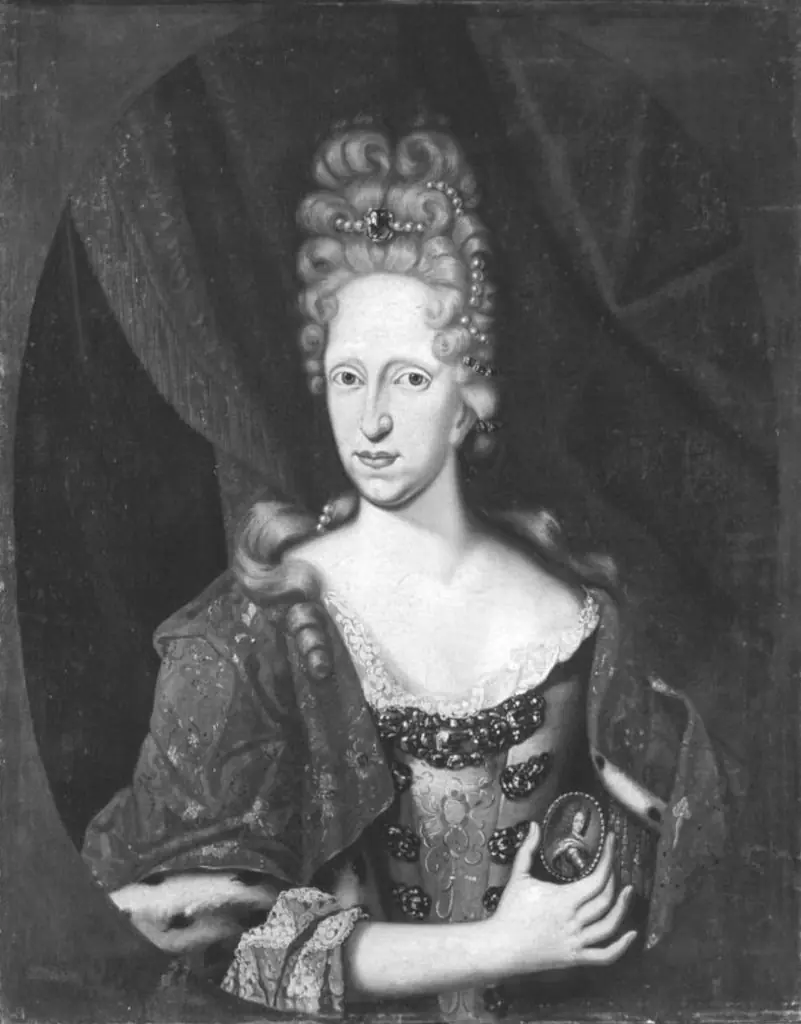
- Pfalzgräfin Hedwig Elisabeth Amalie, Gemahlin des Prinzen Jacob Ludwig
 Anna Cathrine Hauch, født von der Maase
 Anna Cathrine Hauch, født von der Maase
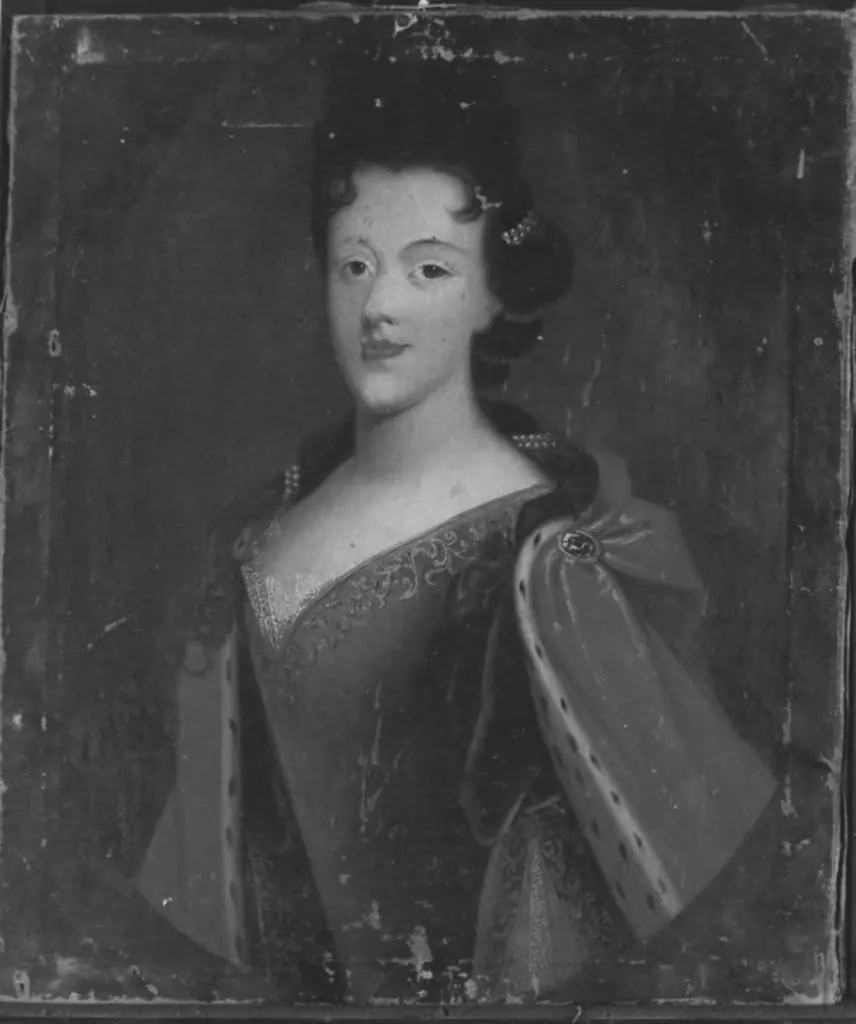 Bildnis einer Fürstin
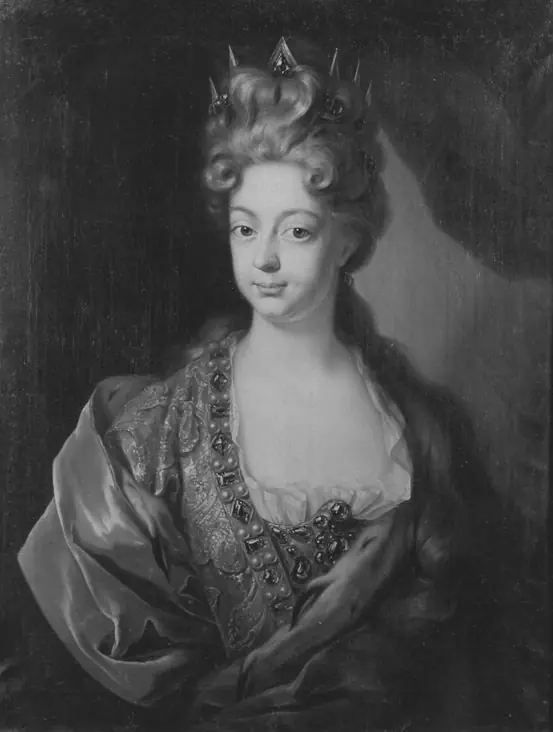 Portrait of Wilhelmine Amalie of Braunschweig-Lüneburg
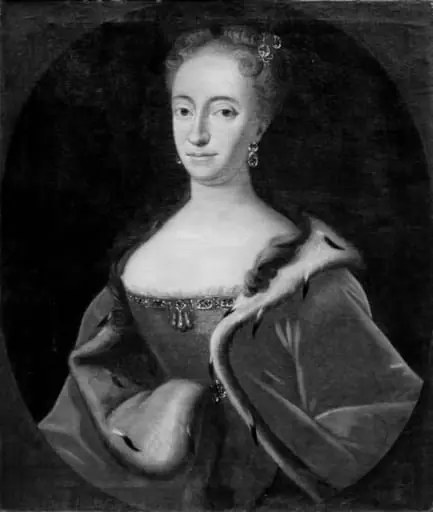 Prinsesse Sofie Hedevig ?
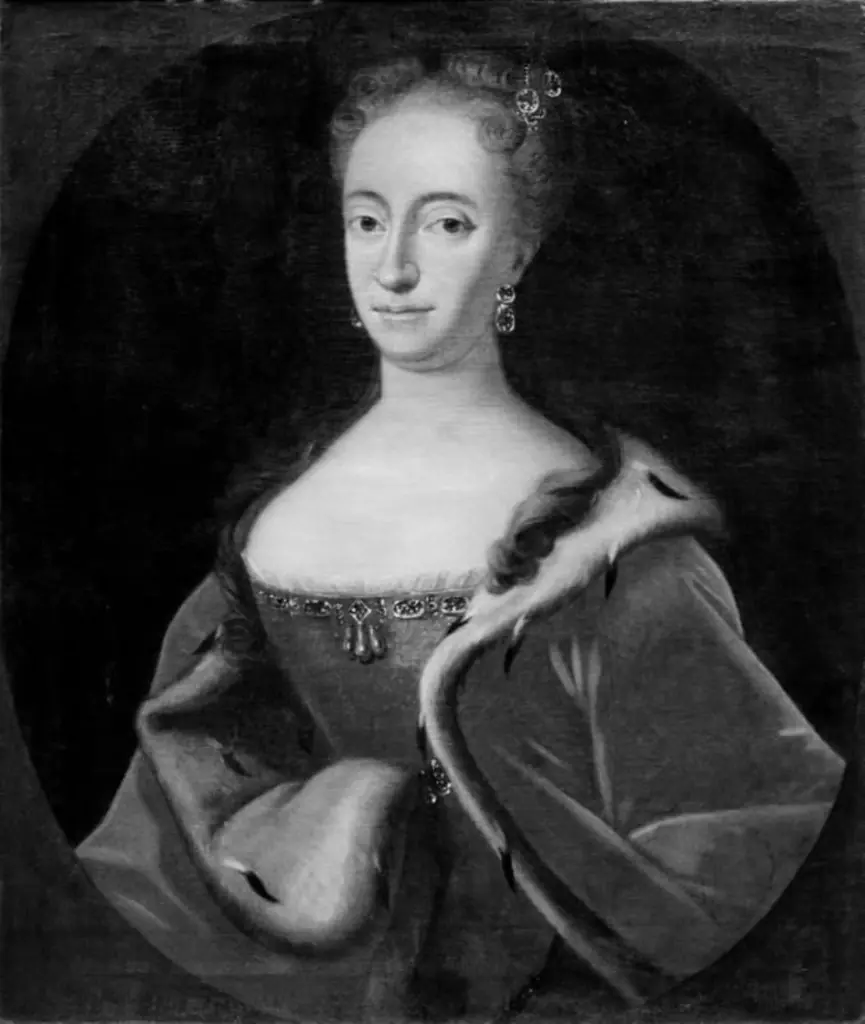 Prinsesse Sofie Hedevig ?
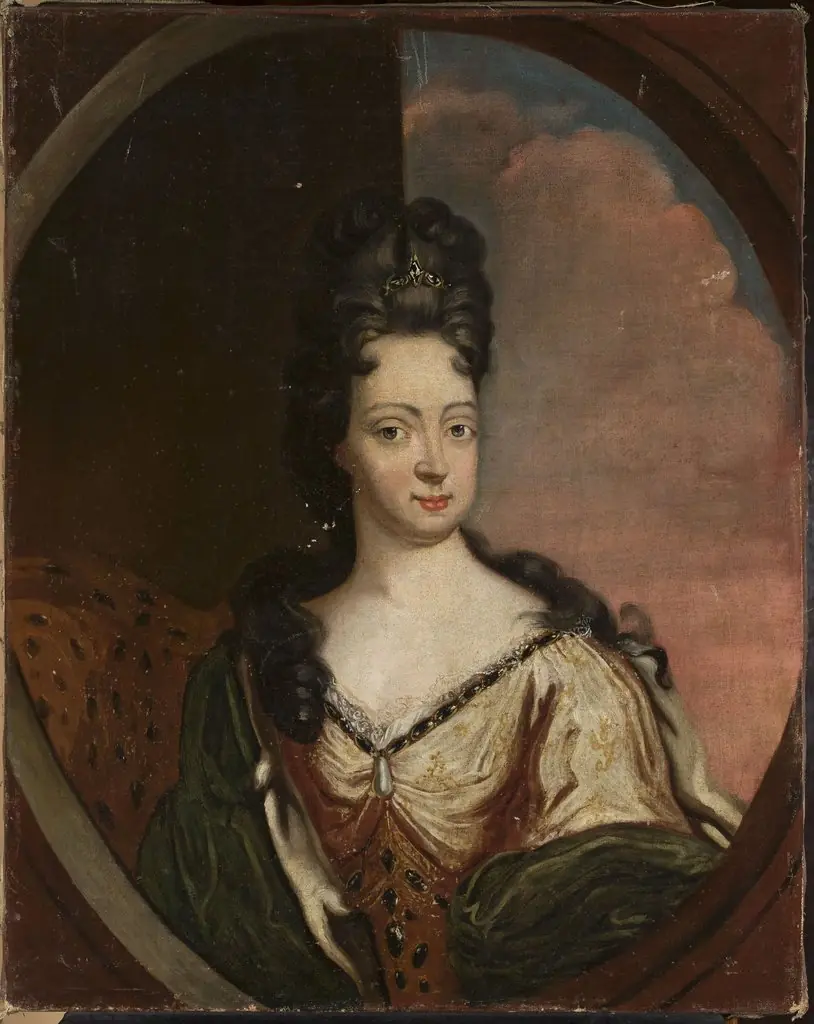 Elisabeth Christine of Brunswick-Wolfenbüttel (1691–1750), wife of emperor Charles VI, against clouds
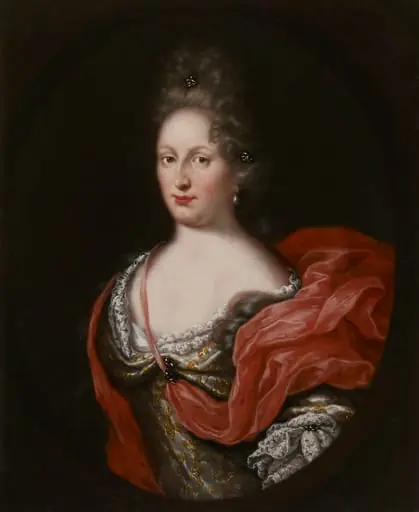 Kreivitär Ingeborg Posse
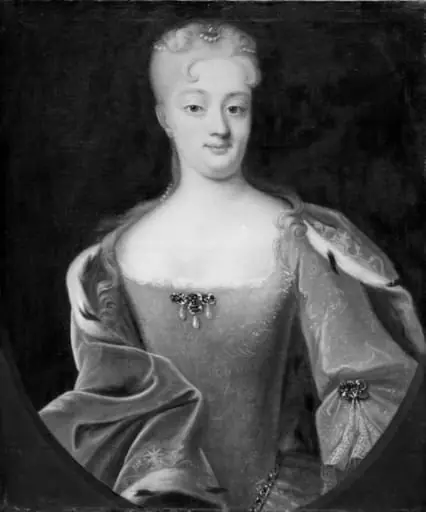 Dronning Sophie Magdalene
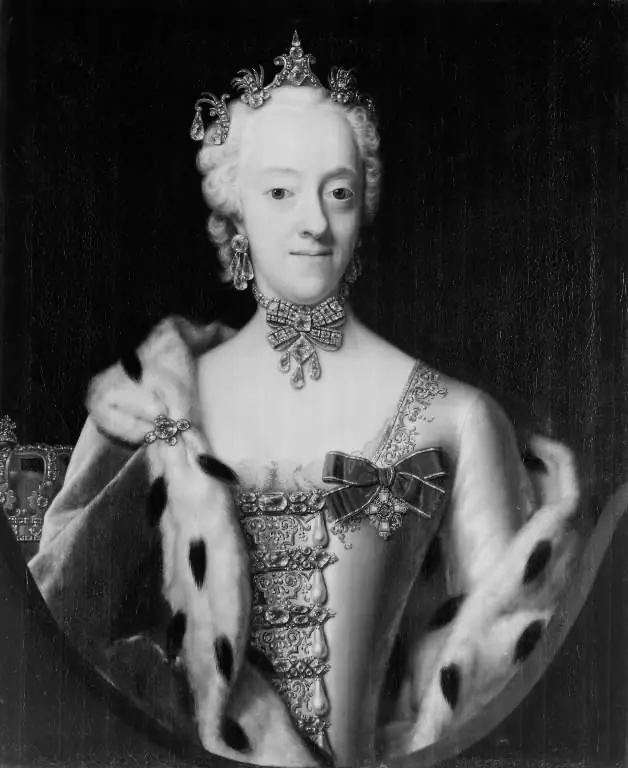 Princess Charlotte Amalie, Daughter of Frederik IV
 Bildnis einer Fürstin