Artwork
Prophet from a Throne of Solomon
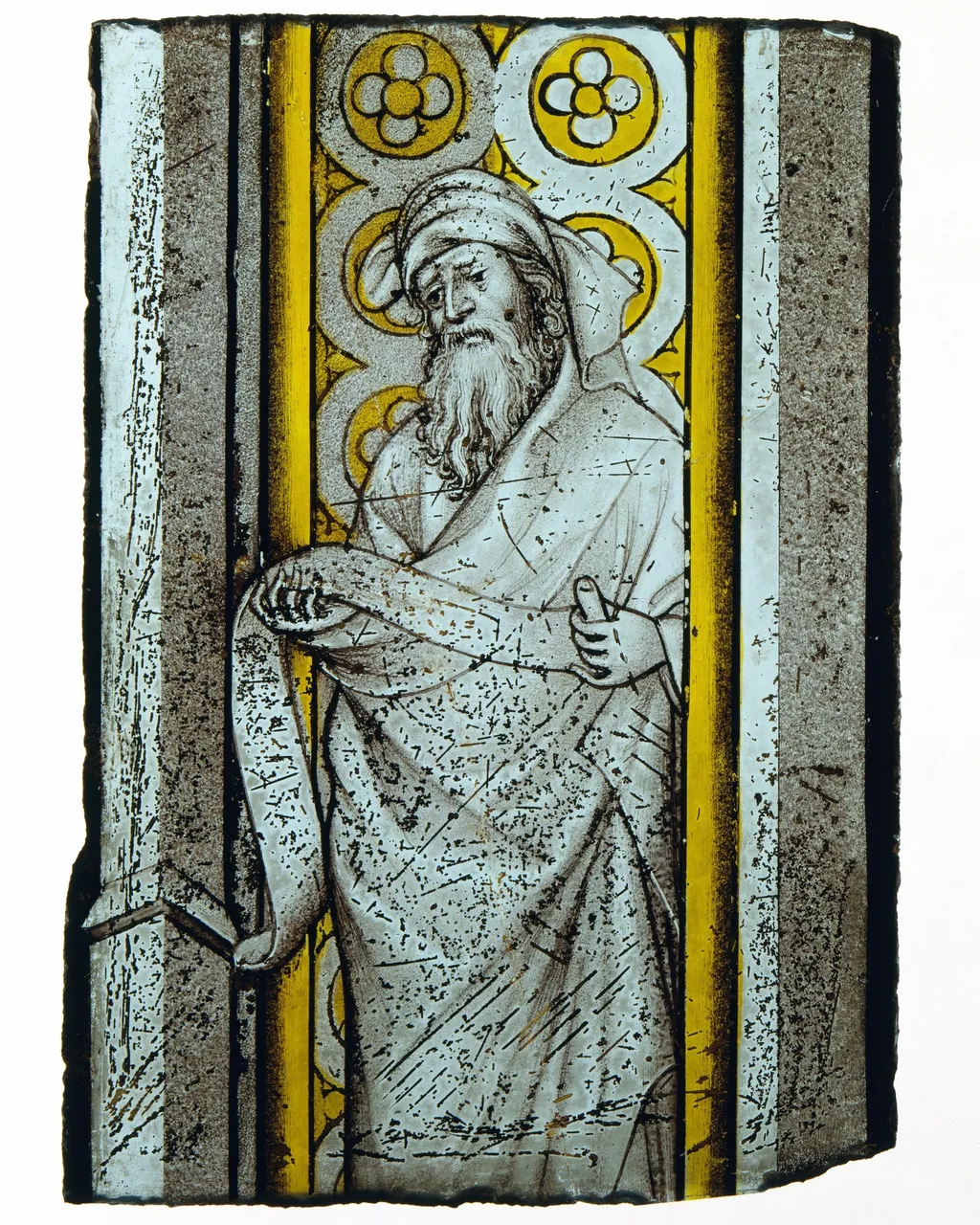
Prophet from a Throne of Solomon is an unspecified painting. It dates from 1396 and is held in the collection of the Metropolitan Museum of Art.
About this work
Subject & Meaning
The anonymous painter rendered the man in a religious genre, emphasizing his spiritual role rather than specific narrative action.
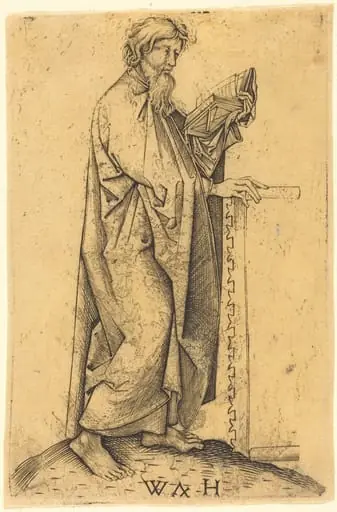
The work depicts a single male figure identified as a prophet, created within the context of religious art around 1390. As part of a larger composition titled 'Prophet from a Throne of Solomon,' the subject represents a biblical figure associated with the legendary throne of King Solomon. The anonymous painter rendered the man in a religious genre, emphasizing his spiritual role rather than specific narrative action.
The figure's inclusion in this series suggests a symbolic function within the broader iconographic program of the Solomon cycle, likely illustrating themes of wisdom, prophecy, or divine authority.
History & Provenance
Prophet from a Throne of Solomon is an anonymous religious painting created in 1390. The work, classified as a painting, measures 22.9 cm in height by 11.4 cm in width. It depicts a man in a prophetic pose upon a throne associated with Solomon and belongs to the religious art genre.
The painting is part of the Metropolitan Museum of Art's collection and is displayed at the museum in New York. Its creation date derives from catalog records that assign the year 1390 to the work.
Overview
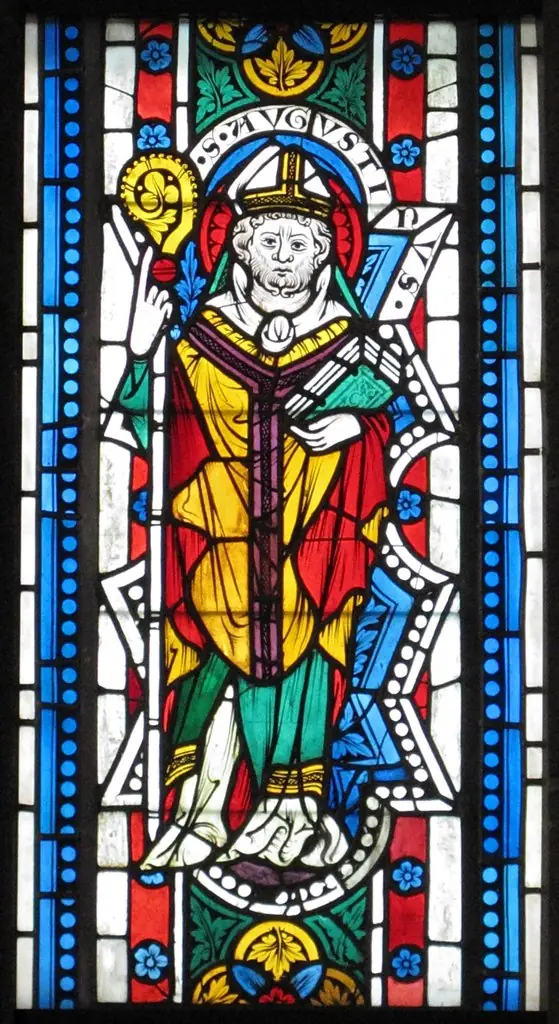
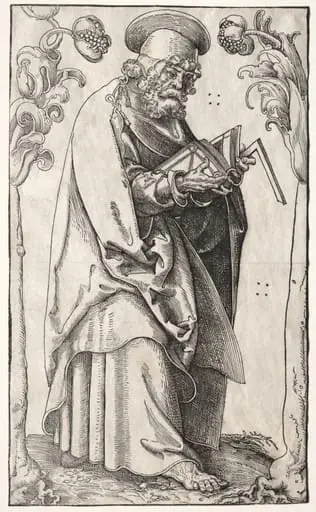
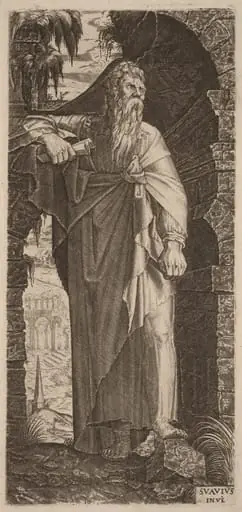
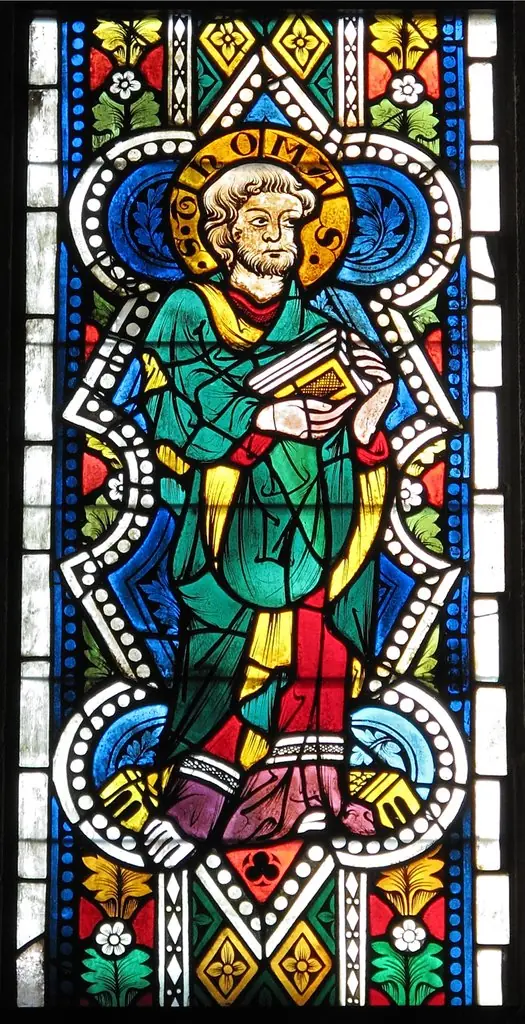
This painting, titled Prophet from a Throne of Solomon, depicts a solitary male figure. He is shown with a beard and long hair, dressed in a plain robe. His right hand grasps a scroll, while his left hand rests against his chest.
The figure is set against a flat gold background, which is subtly framed by dark lines, drawing focus to the central subject.
Technique & Style
The artwork exhibits a distinctive surface quality, characterized by a rough and aged texture. The paint appears worn, suggesting the passage of time or deliberate artistic choices that evoke a sense of antiquity. Gilded elements, such as the two prominent circles behind the figure and the edges of his form, provide a striking contrast against the muted, faded gray tones of his simple garment and the flat gold ground.
Artist & collection