Artwork
Roundel with Saint Peter
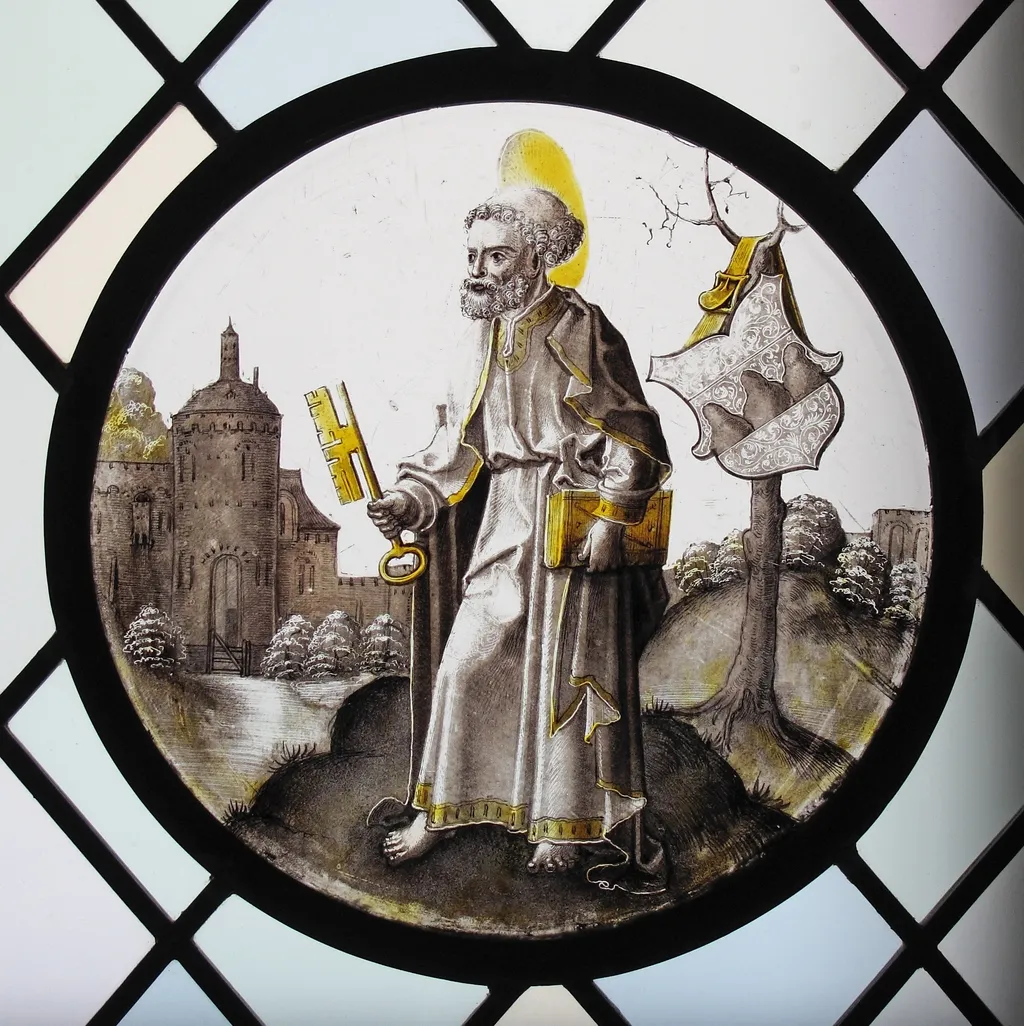
Roundel with Saint Peter is an unspecified painting. It dates from 1520 and is held in the collection of the Metropolitan Museum of Art.
About this work
History & Provenance
The dating of 1520 is documented both in the artwork’s metadata and in its inception record, establishing the year of creation.
The roundel depicting Saint Peter was produced in 1520 as an anonymous religious painting. Its creation is recorded under the classification of a painting within the religious genre. The work entered the collection of the Metropolitan Museum of Art, where it remains on display.
The dating of 1520 is documented both in the artwork’s metadata and in its inception record, establishing the year of creation. The piece is attributed to an unknown artist, reflecting the anonymous nature of many devotional works from this period.
Context
The roundel, dated 1520 and classified as a religious painting, exemplifies early sixteenth‑century devotional art produced in an anonymous workshop. Its iconography of Saint Peter aligns with the period’s emphasis on apostolic imagery, and the work’s presence in the Metropolitan Museum of Art’s collection underscores its significance as a representative piece of the era’s artistic output. Scholarship situates the roundel within the broader context of anonymous religious painting, highlighting its role in illustrating the stylistic conventions and patronage patterns of the time.
Overview
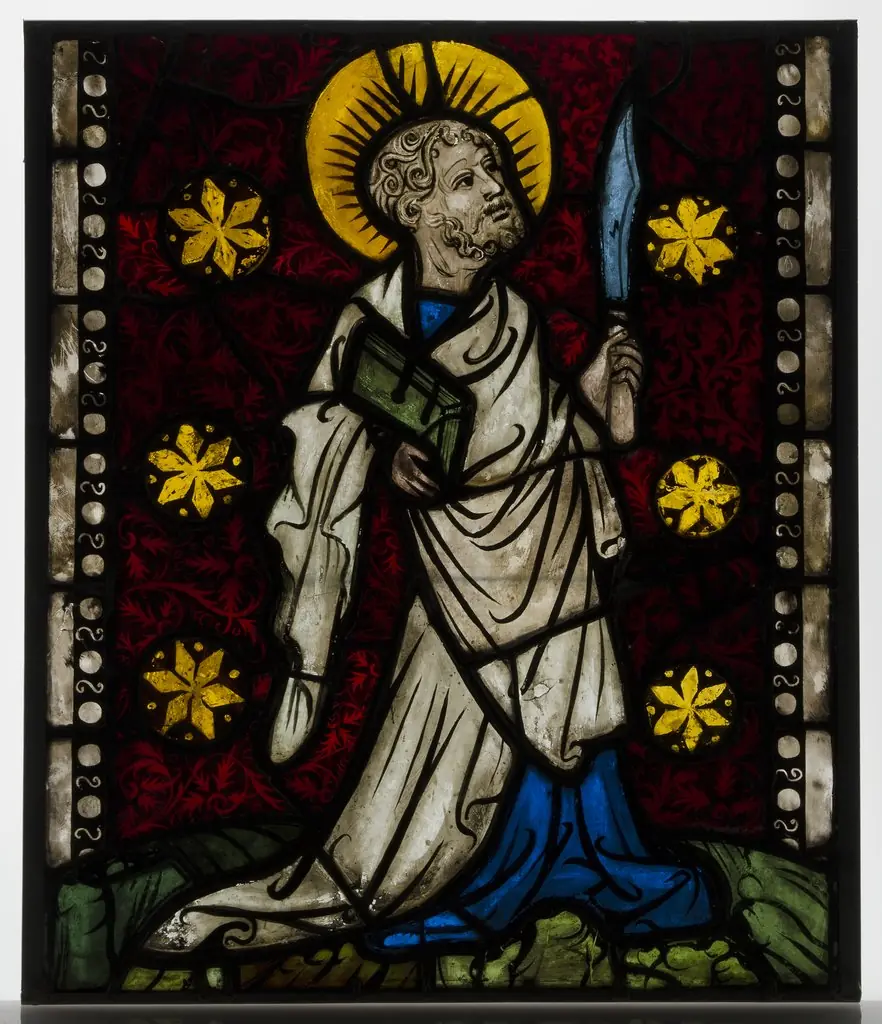
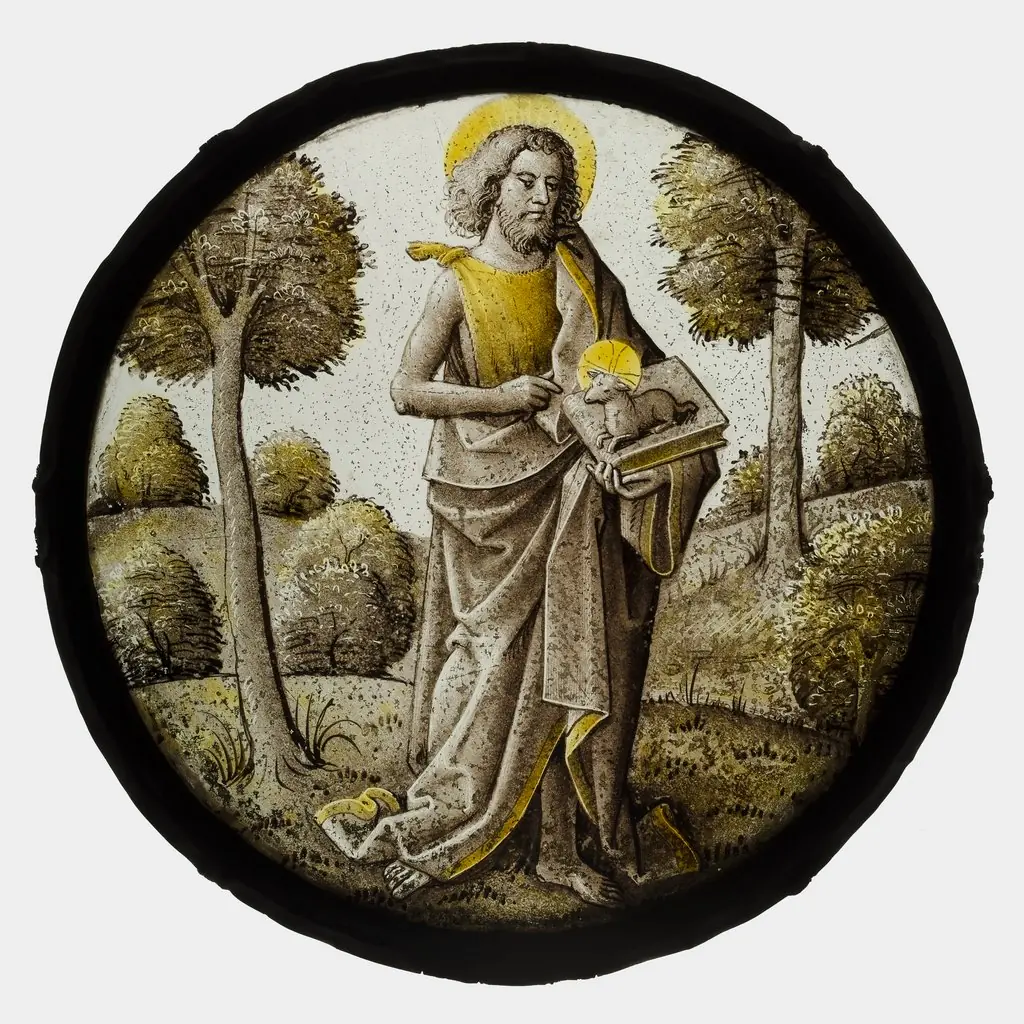
This circular painting portrays a bearded male figure, dressed in a long robe, holding a set of golden keys in one hand and a substantial book in the other. The artwork employs a palette dominated by earthy browns and grays, with vibrant gold accents highlighting the figure's garments and the symbolic keys. The painting shows visible signs of age and wear, particularly along its edges.
Subject & Meaning
The figure is identified as Saint Peter through traditional Christian iconography. His prominent halo signifies his sacred status, while the golden keys directly reference the biblical 'keys of the kingdom of heaven,' an attribute specifically given to Peter. These symbols collectively establish him as a foundational apostle and a pivotal figure within Christian theology.
Technique & Style
Behind the central figure, the composition includes a small townscape nestled beside a river. This background features a church and a tall tower, providing a contextual environment. The golden keys, held in one hand, contrast with the large, closed book in the other, underscoring Peter's dual role as both a spiritual gatekeeper and a guardian of sacred teachings.
Artist & collection

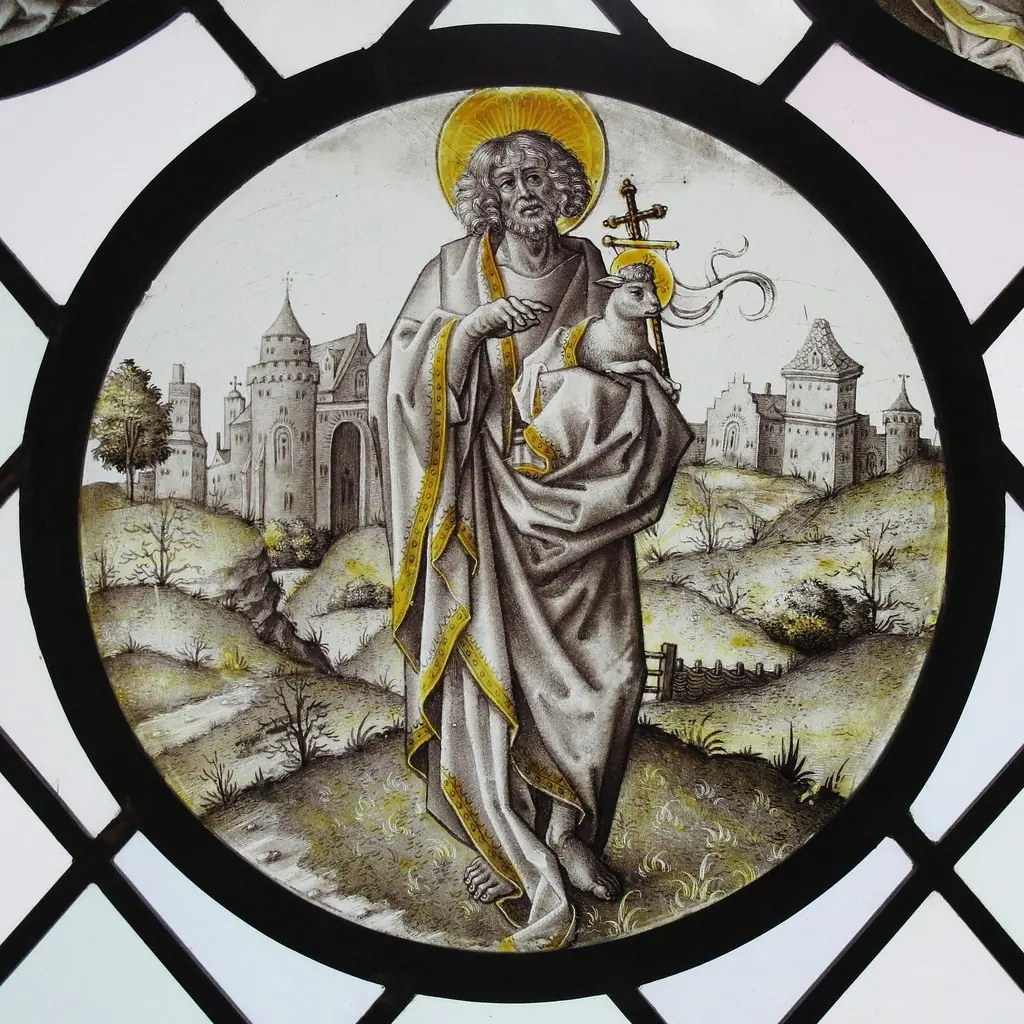
- Roundel with Saint John The Baptist
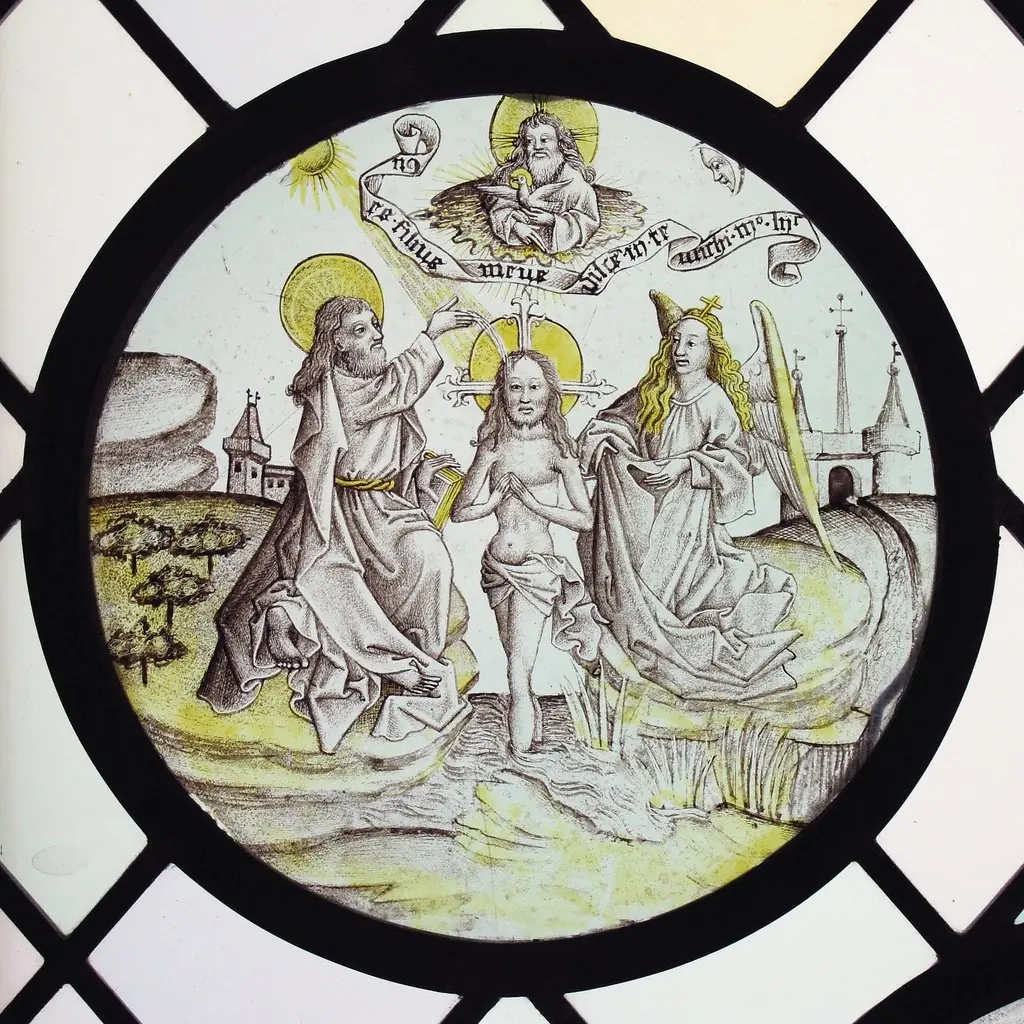 Roundel with the Baptism of Christ
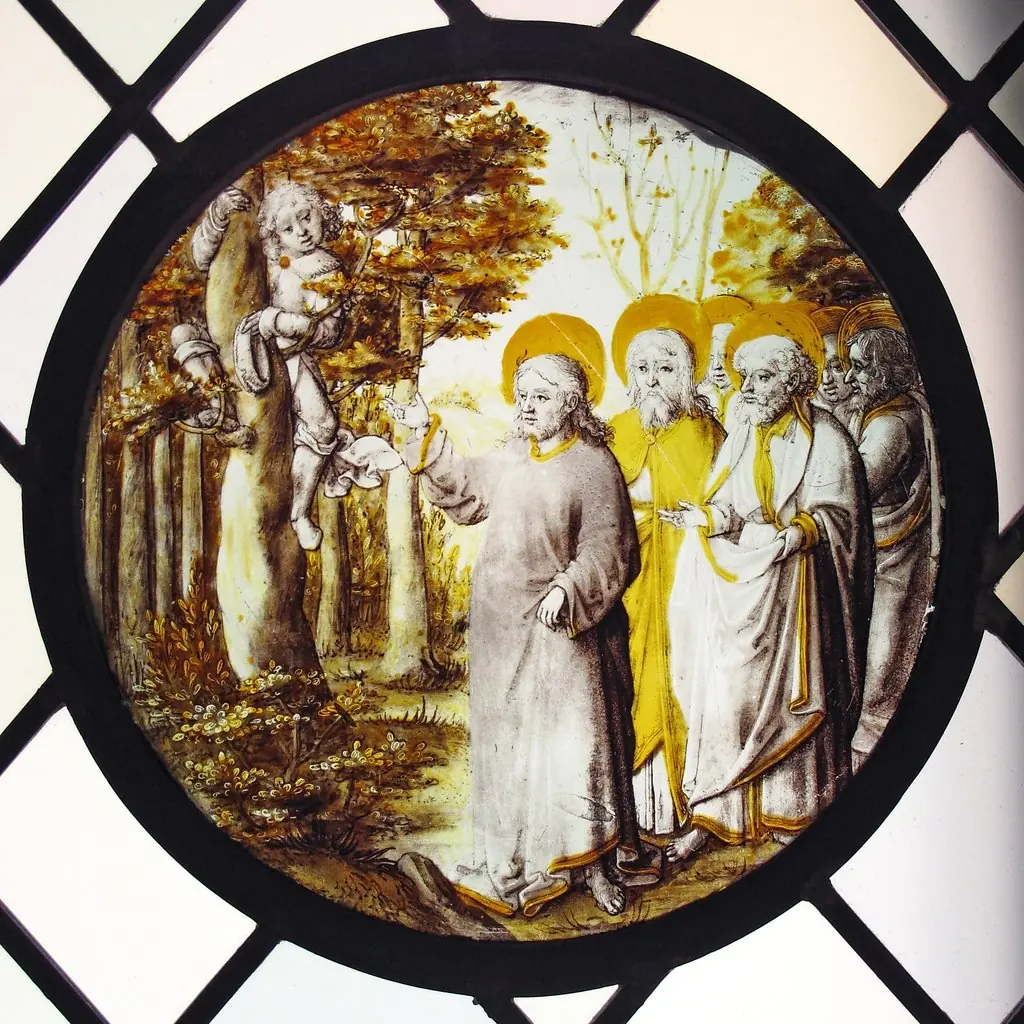 Roundel with Christ and Zacchaeus
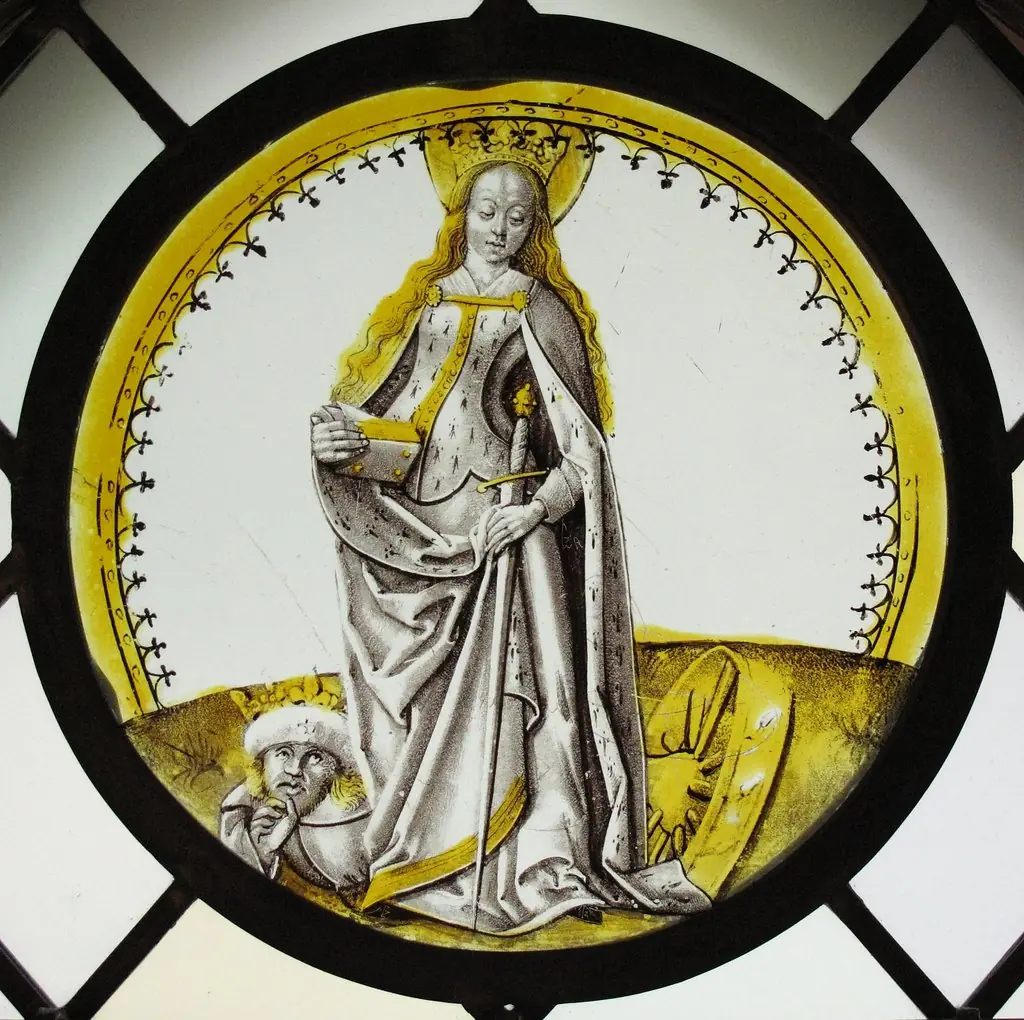 Roundel with Saint Catherine of Alexandria
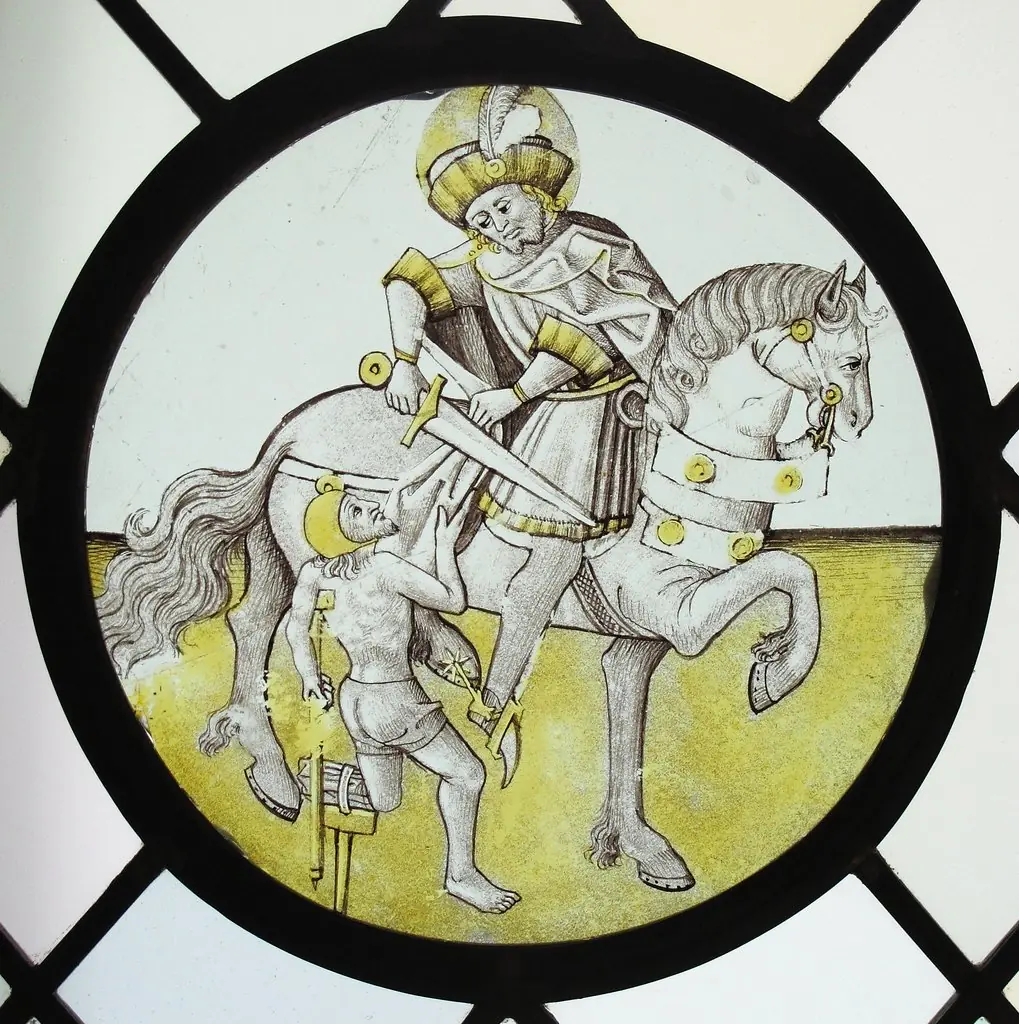 Roundel with Saint Martin and the Beggar
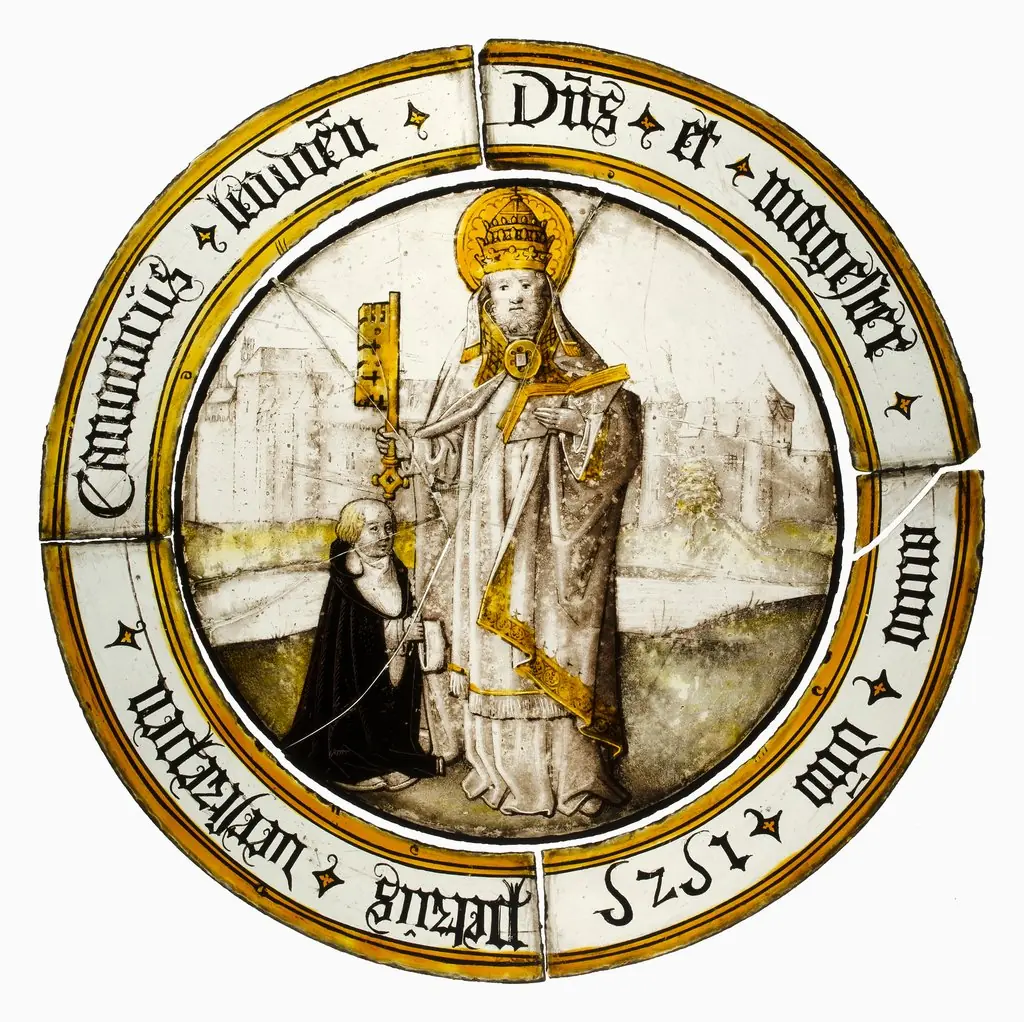 Roundel with Saint Peter as Pope
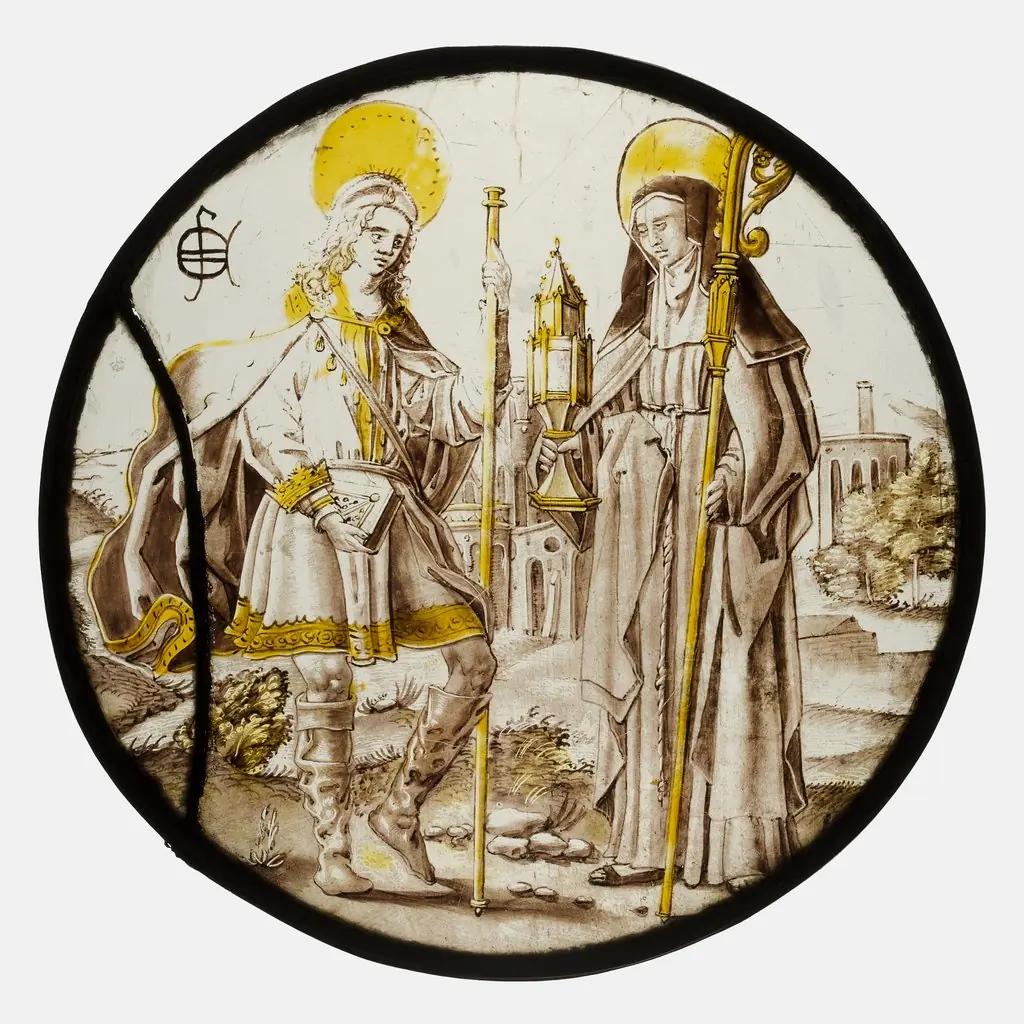 Roundel with Saint Jodocus and St. Clare of Assisi
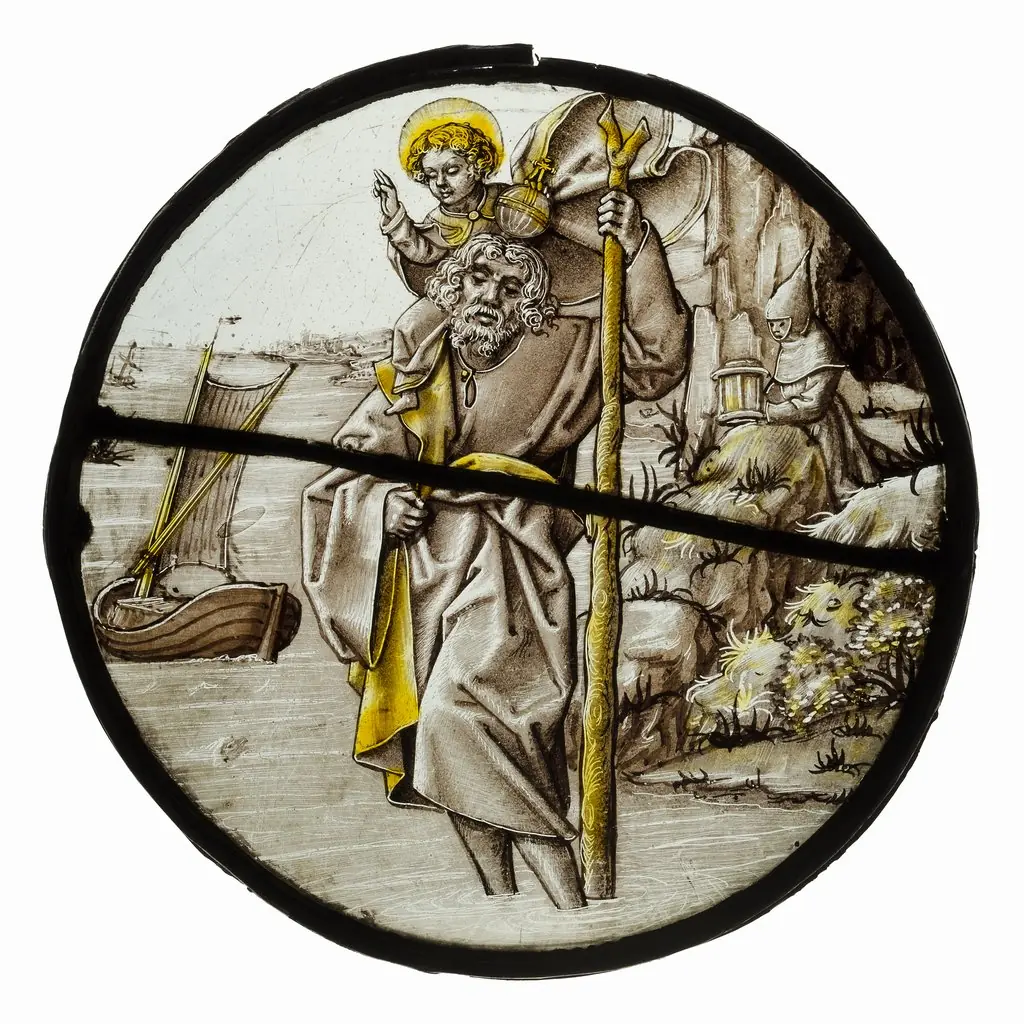 Roundel with Saint Christopher
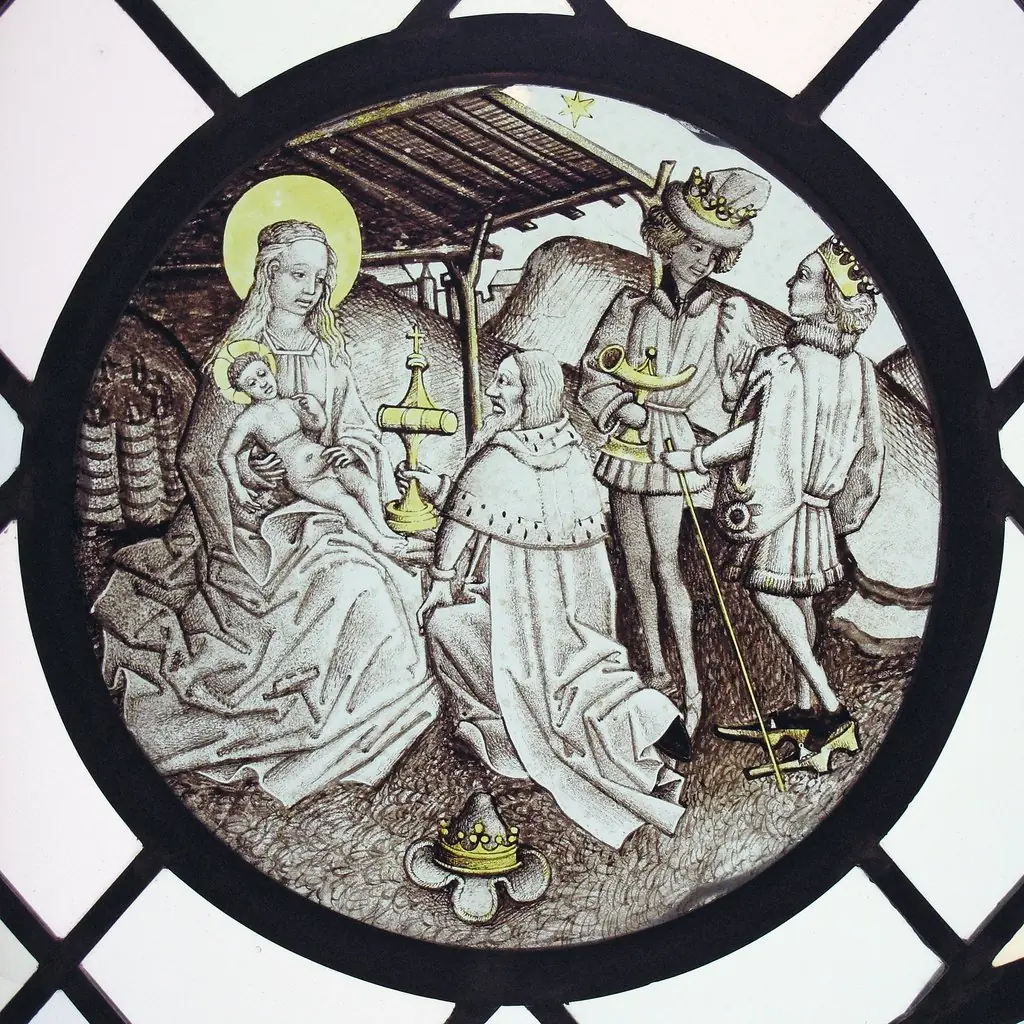 Roundel with Adoration of the Magi
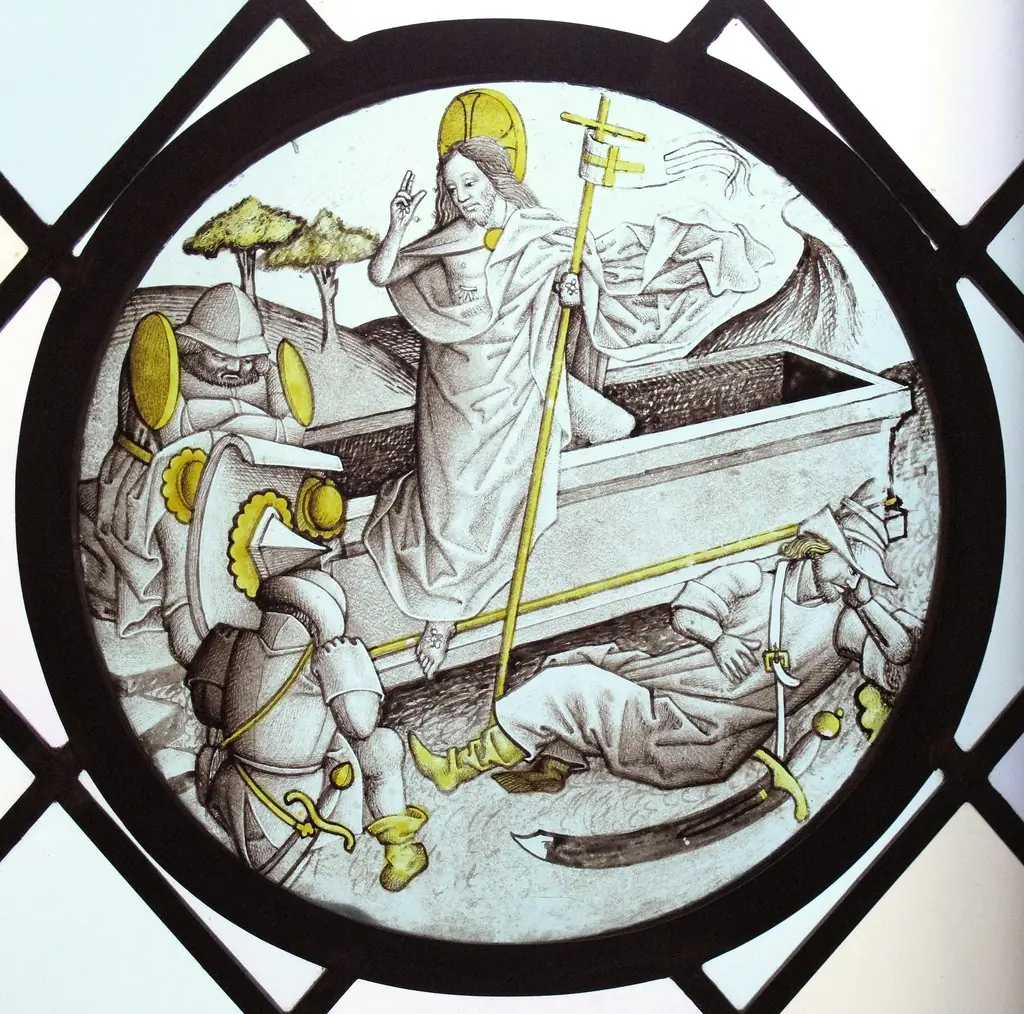 Roundel with the Resurrection
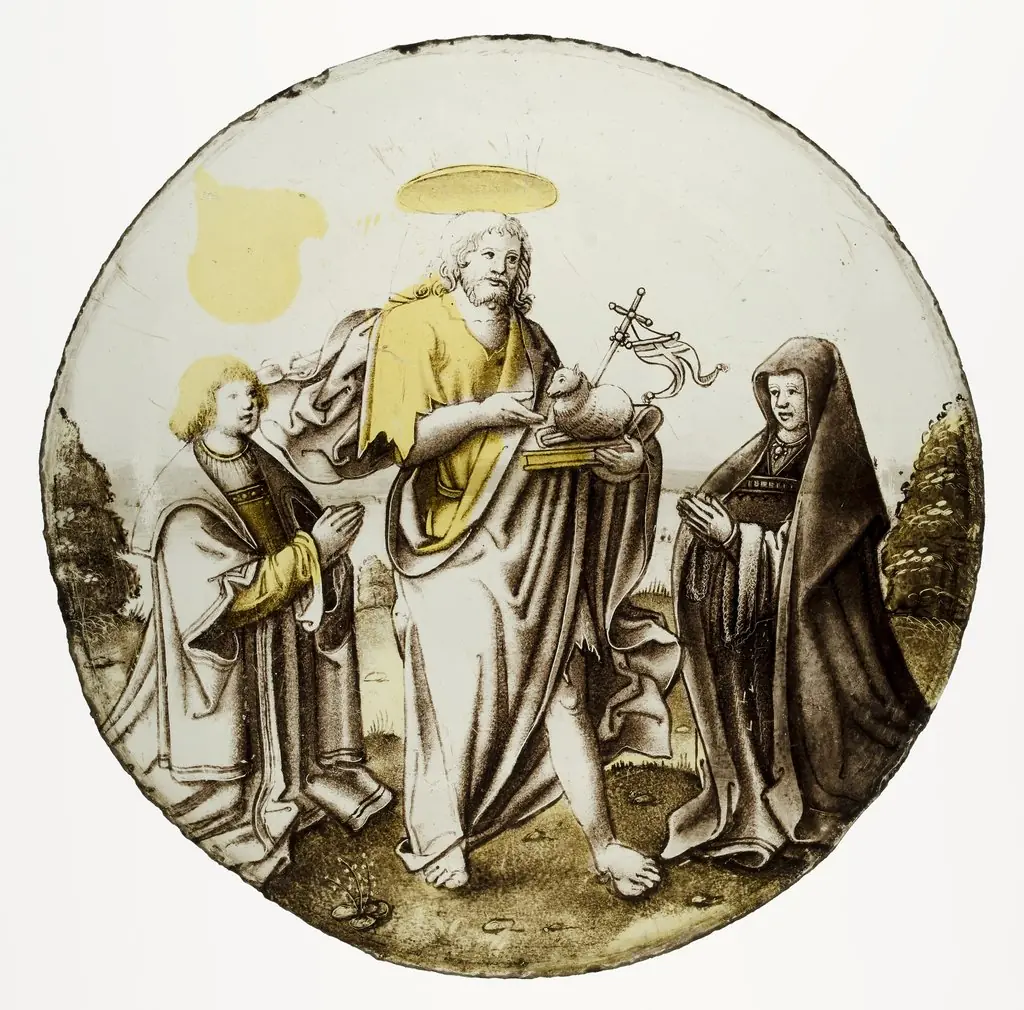 Roundel with Saint John the Baptist and Donors
 Roundel with Saint John the Baptist