Artwork
The Burial of the Count of Orgaz
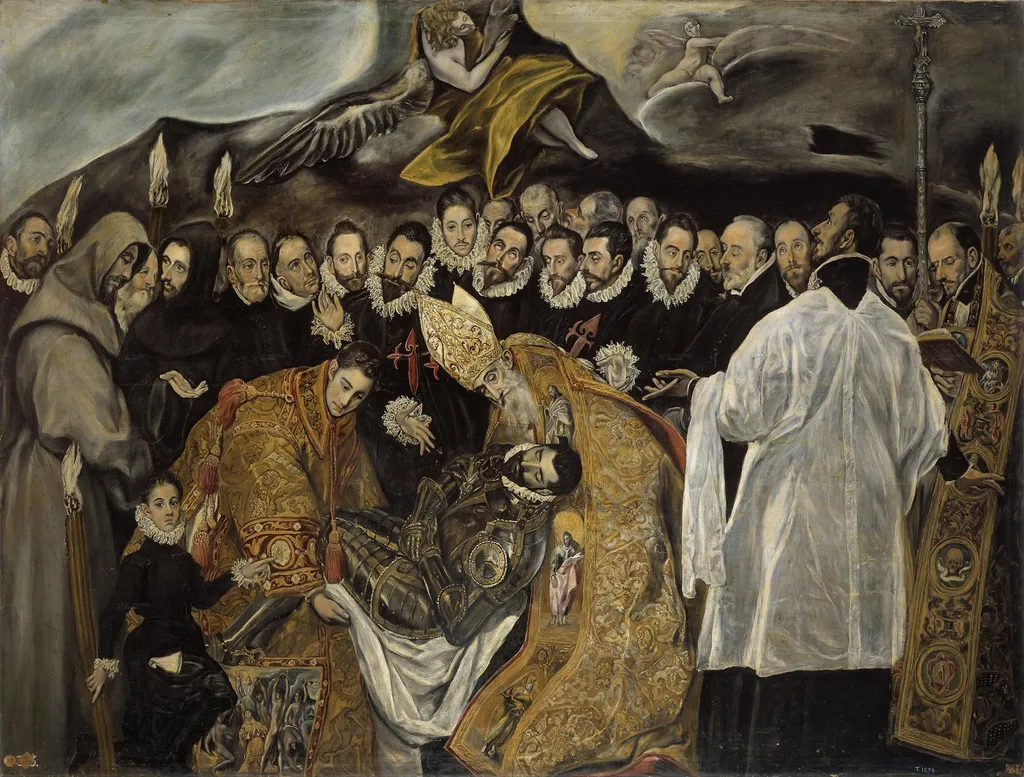
The Burial of the Count of Orgaz is an oil painting. It dates from 1618 and is held in the collection of the Museo del Prado.
About this work
Subject & Meaning
The composition combines earthly mourners with heavenly intercessors, symbolizing divine mercy and the saintly patronage of the count.
The painting depicts the legendary burial of Don Gonzalo Ruíz de Toledo, the Count of Orgaz, a fourteenth-century Castilian nobleman, surrounded by celestial figures bestowing honors. The composition combines earthly mourners with heavenly intercessors, symbolizing divine mercy and the saintly patronage of the count. The presence of armor, a crucifix, and a mitre underscores his rank, Christian faith, and aristocratic identity, while the surrounding saints and angels convey a theological narrative of salvation and heavenly reward.
Technique & Style
The work is executed in oil on canvas, a standard support for Spanish Baroque painting. The layered application of oil paint produces a rich, luminous surface with fine brushwork that defines the figures and drapery. The composition employs chiaroscuro to separate the heavenly from the earthly realm, while the figures are rendered with elongated proportions and stark contrasts of light and shadow, characteristic of El Greco's stylized realism that this version reproduces. These formal qualities contribute to the painting's dramatic impact and its classification as a group portrait.
History & Provenance
The Burial of the Count of Orgaz reproduces El Greco's celebrated altarpiece painted for the parish church of Santo Tomé in Toledo. This version is a copy after El Greco, painted in 1618 in oil on canvas and measuring 188 cm in height by 248 cm in width.
The painting depicts an event set in 1323, when Saints Stephen and Augustine are said to have descended to inter the Count of Orgaz. It is held in the collection of the Museo del Prado in Madrid. While no specific inventory or accession number is provided in the available records, the piece is catalogued as a group portrait depicting elements such as body armour, a crucifix, and a mitre. No specific exhibition history or loan records are detailed in the provided sources.
Overview
El Greco’s The Burial of the Count of Orgaz (1586‑1588) is an oil painting that occupies the high altar of the Cathedral of Toledo. The composition is divided between a terrestrial scene of mourners and a celestial realm of angels, linked by a dramatic contrast of light and shadow that guides the viewer’s eye from the earthly funeral to the heavenly witnesses.
Context
Created during the Spanish Counter‑Reformation, the painting reflects the era’s emphasis on didactic religious imagery. El Greco, a Greek-born artist active in Spain, merged Byzantine iconography with Mannerist tendencies, producing a work that aligns with the Catholic Church’s call for emotionally resonant, visually compelling art to inspire devotion.
Legacy
The composition has influenced successive generations of Spanish painters, serving as a reference point for integrating narrative depth with dramatic lighting. Art historians cite the work as a pinnacle of El Greco’s mature style, illustrating his ability to fuse narrative clarity with a transcendent visual language.
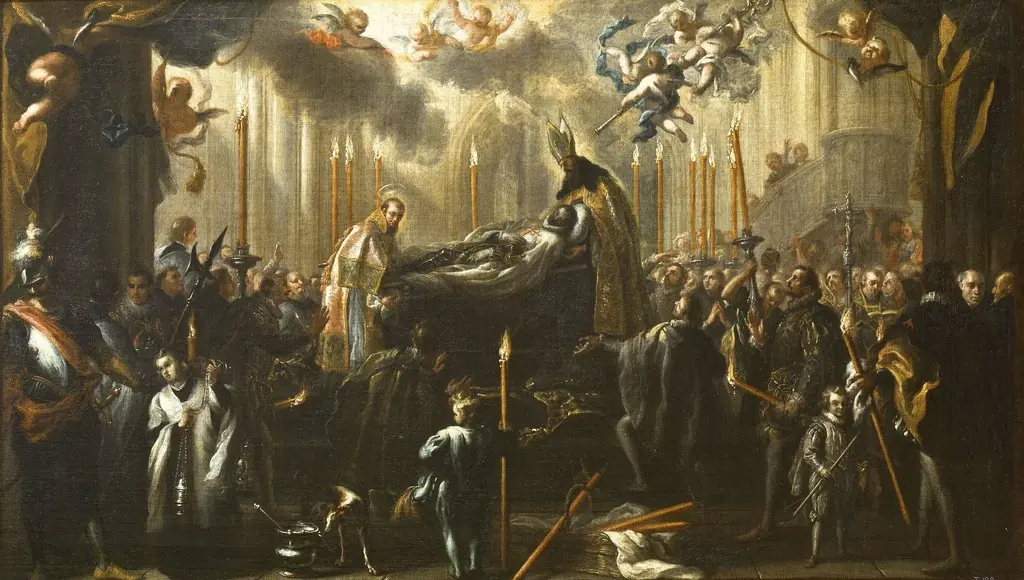
Artist & collection

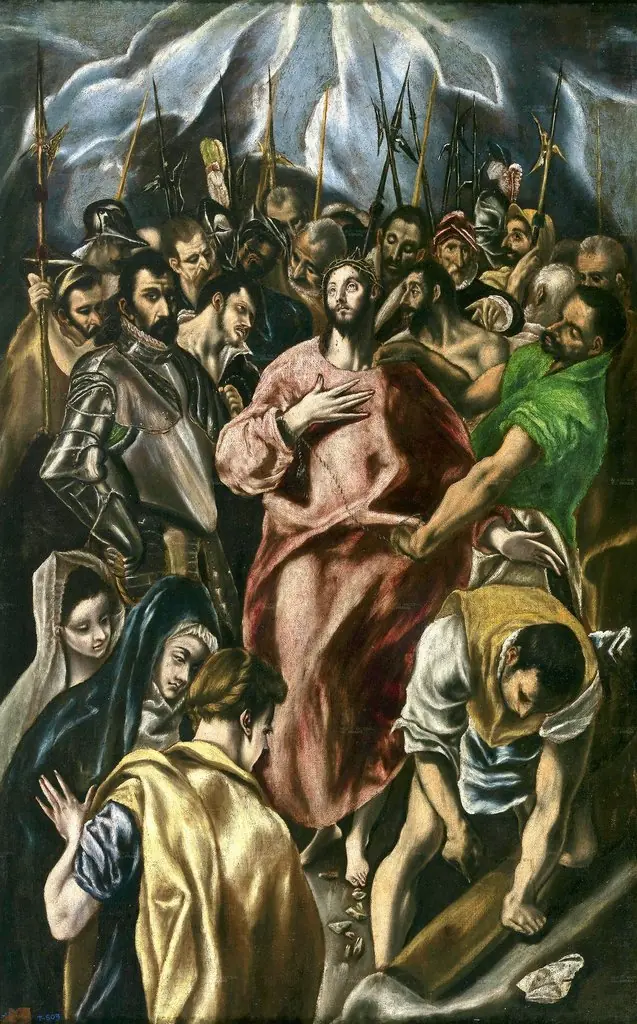 Disrobing of Christ (by J.M.Theotocópuli)
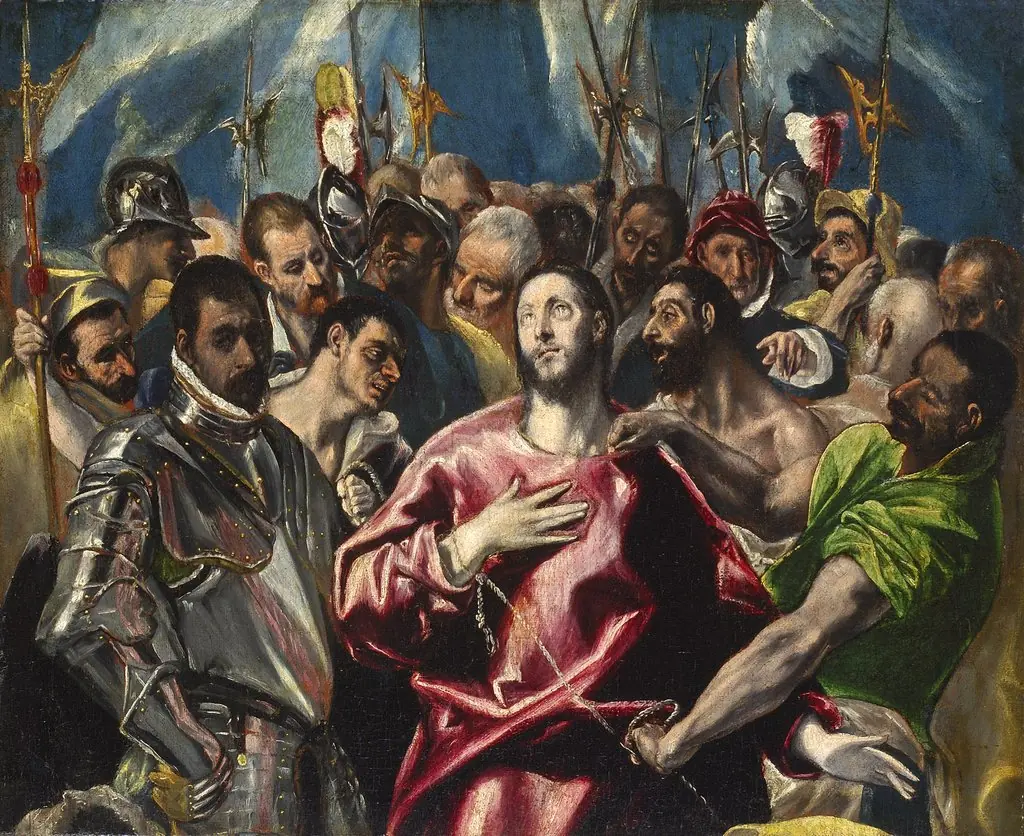 The Disrobing of Christ. Lyon half painting version
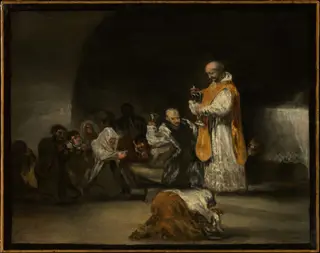 The Communion (A Mass)
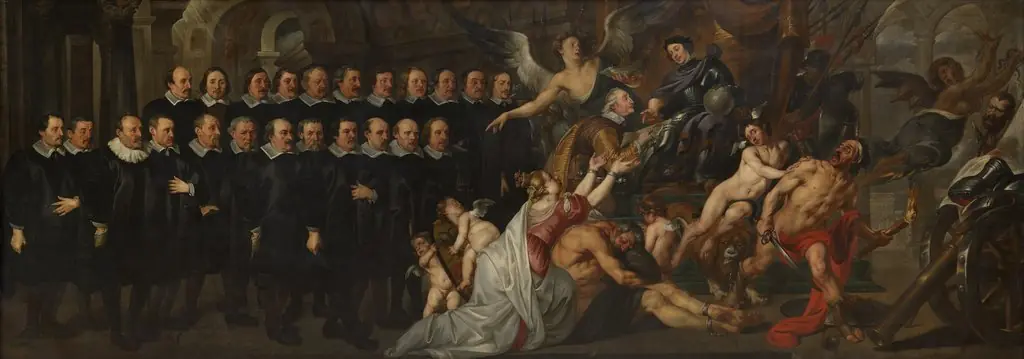 The city of Antwerp begs Emperor Ferdinand to open the Scheldt again
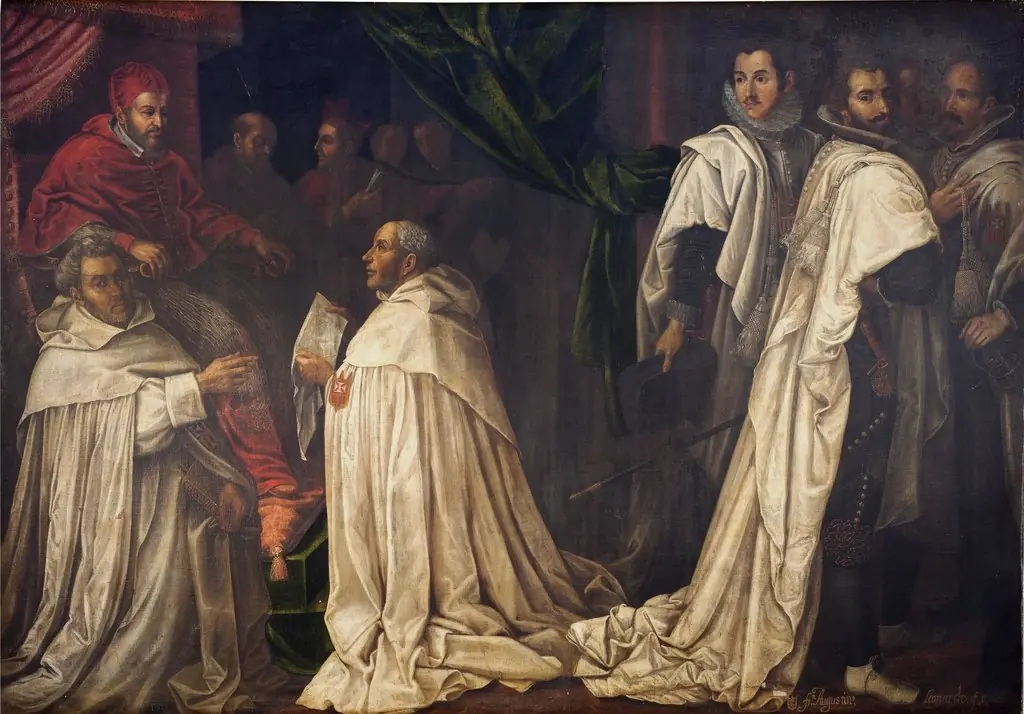 Decisión del pleito entre religiosos y caballeros
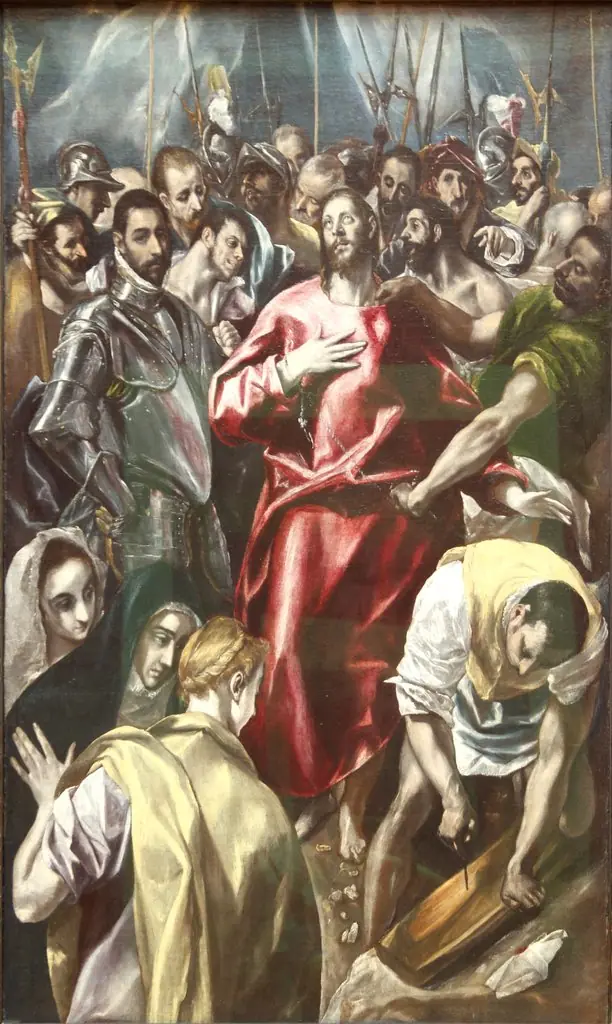 The Disrobing of Christ
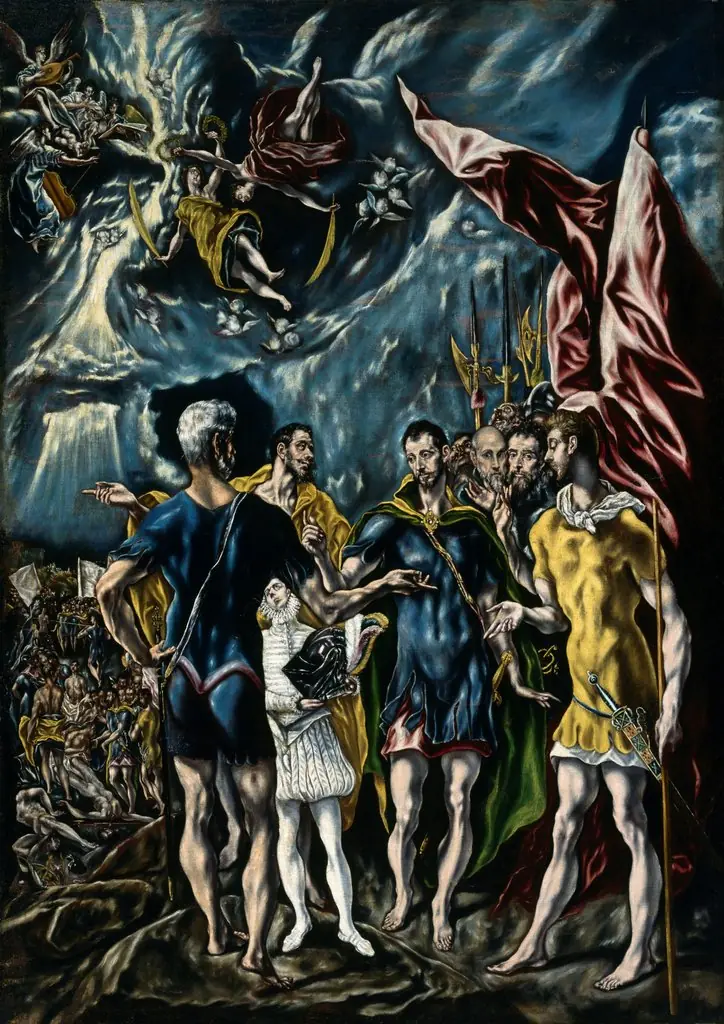 The Martyrdom of Saint Maurice
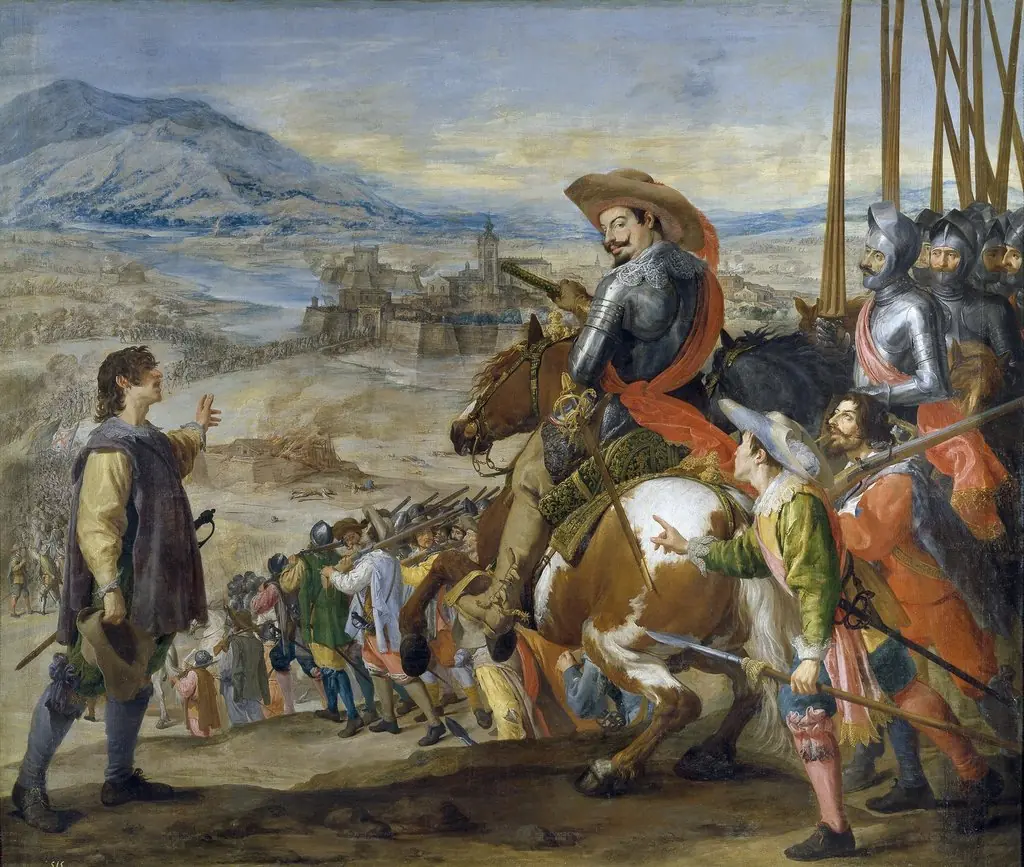 The Liberation of Brisach
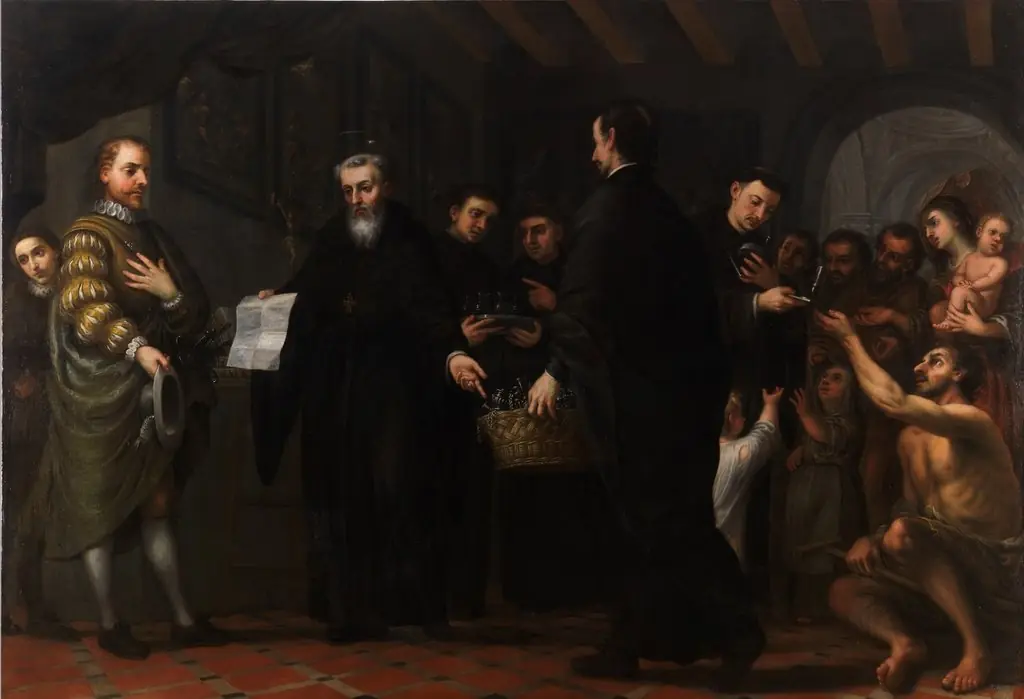 San Agustín repartiendo los bienes de los ricos entre los pobres
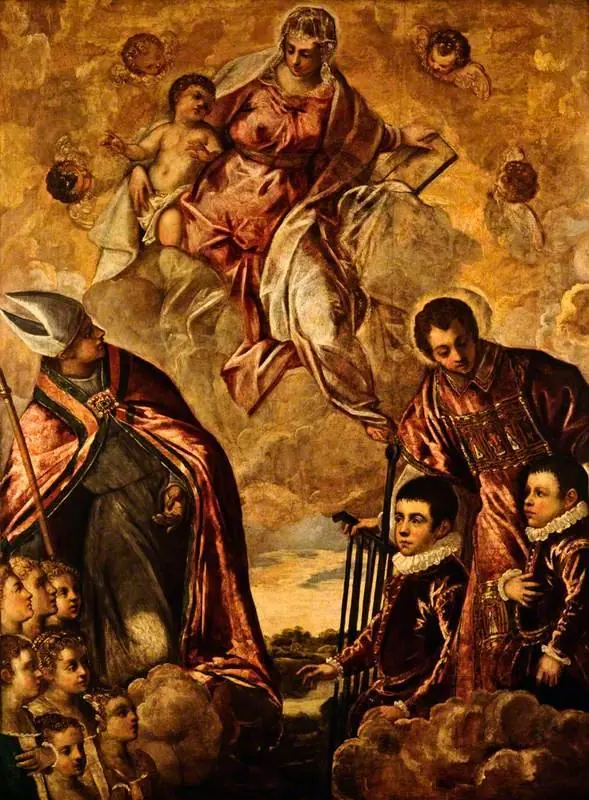 A Venetian Family Presented to the Virgin by Saint Lawrence and a Bishop Saint
 The Crucifixion
- The Burial of the Count of Orgaz