Artwork
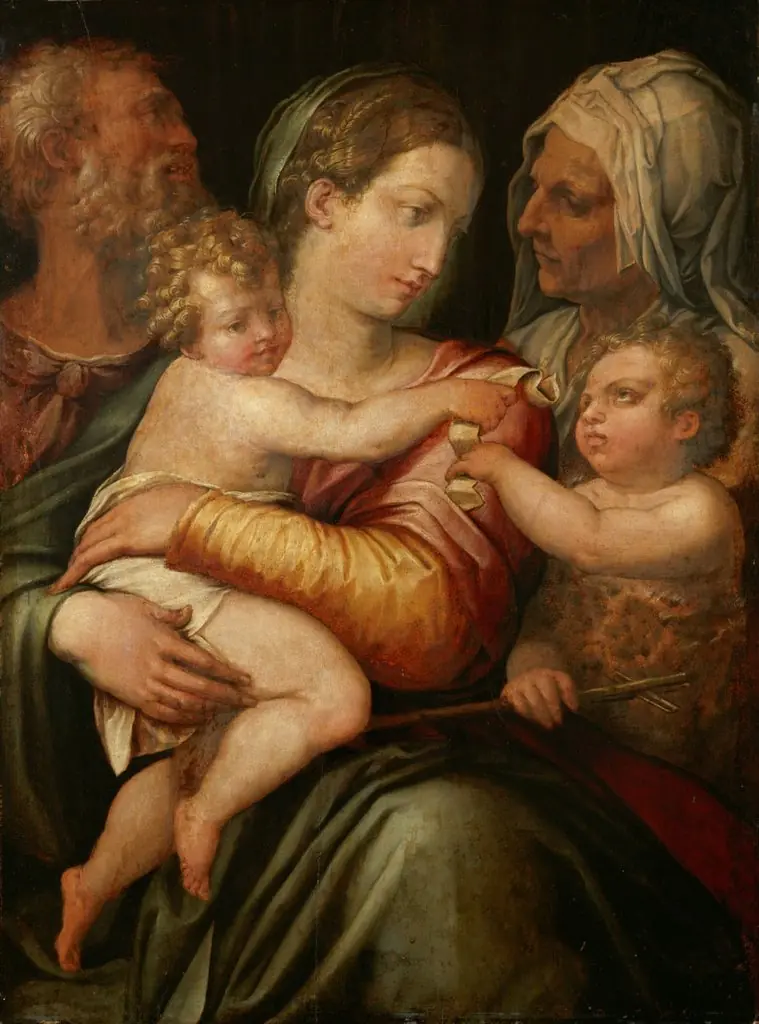
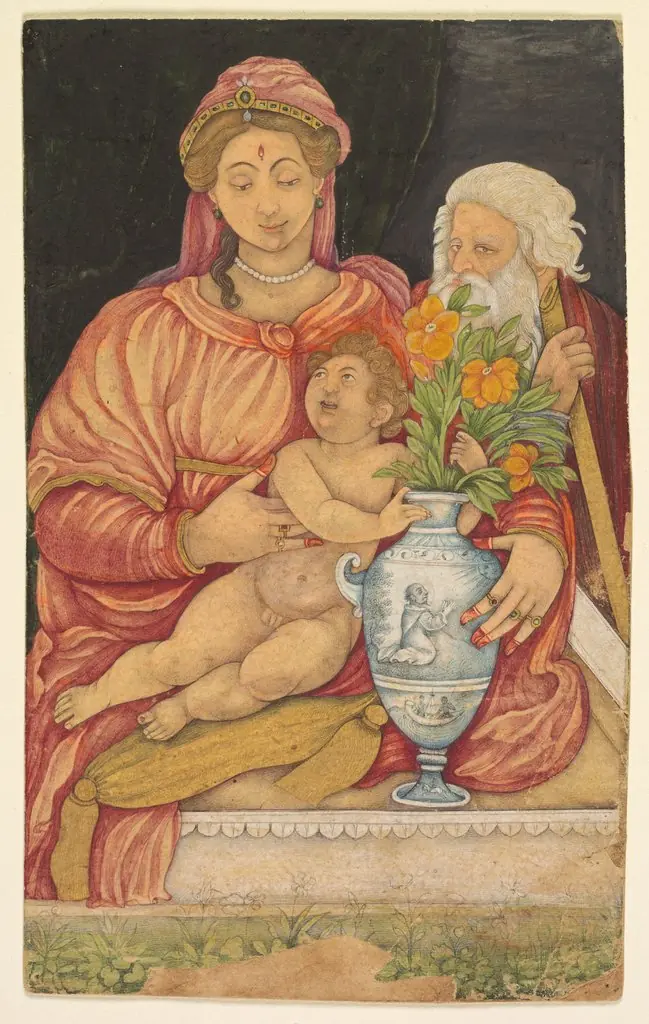
The Holy Family
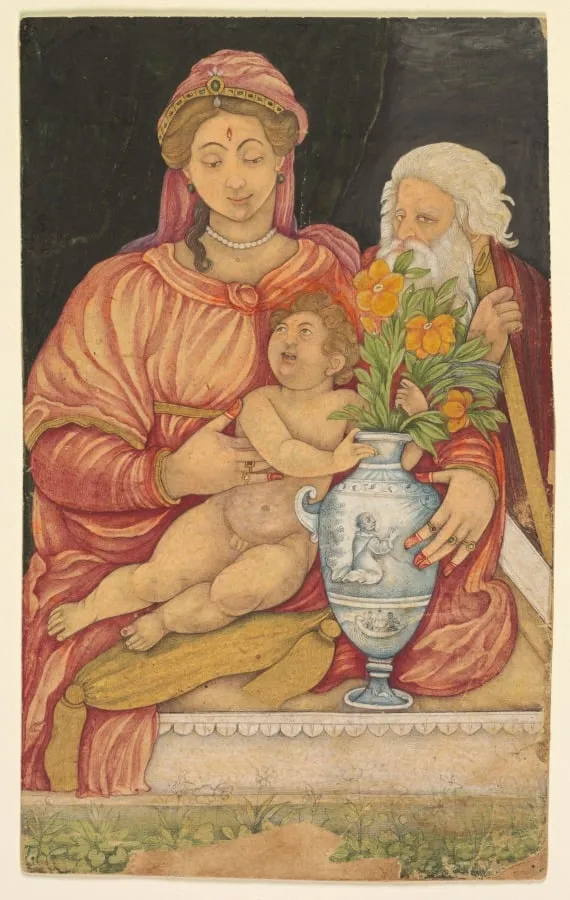
The Holy Family is an unspecified painting by the Baroque artist Unknown. It dates from 1624 and is held in the collection of the Cleveland Museum of Art.
- Accession no.
- 2013.312
- Credit line
- Gift in honor of Madeline Neves Clapp; Gift of Mrs. Henry White Cannon by exchange; Bequest of Louise T. Cooper; Leonard C. Hanna Jr. Fund; From the Catherine and Ralph Benkaim Collection
About this work
Overview
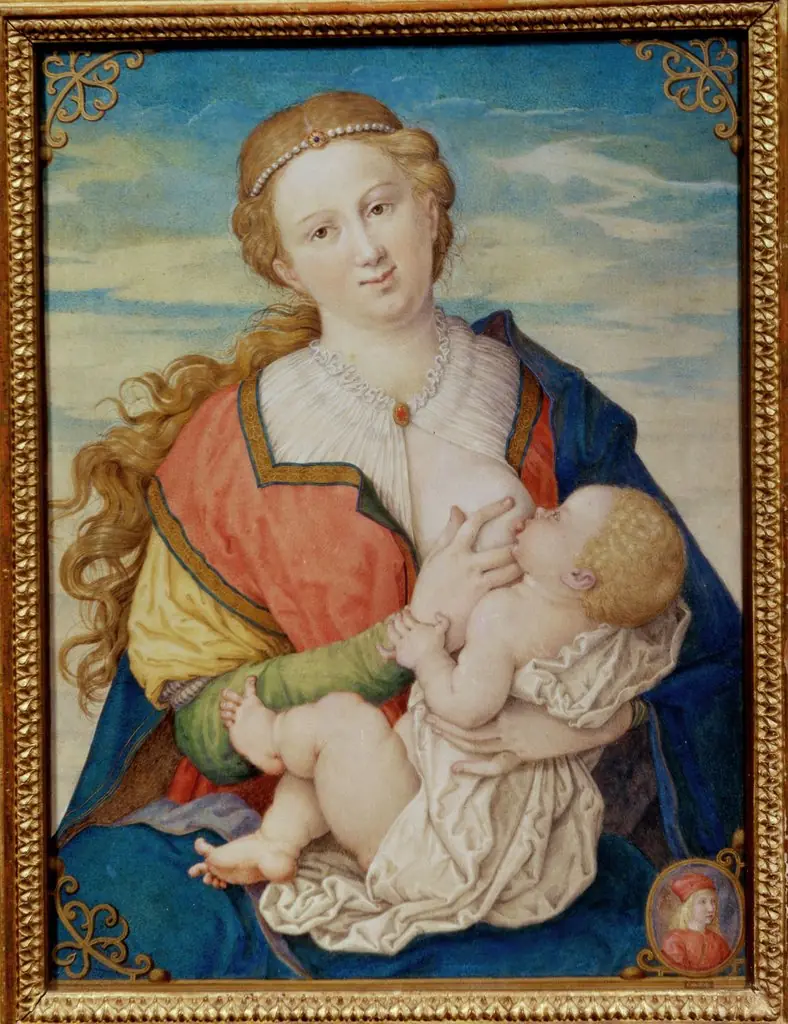
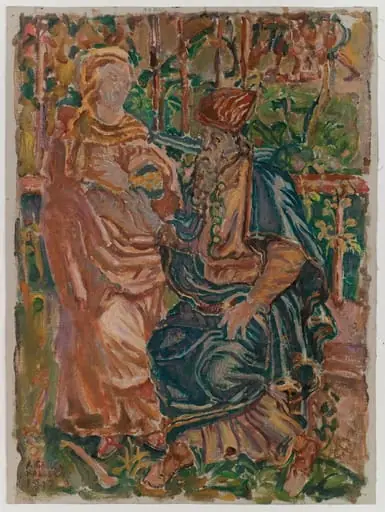
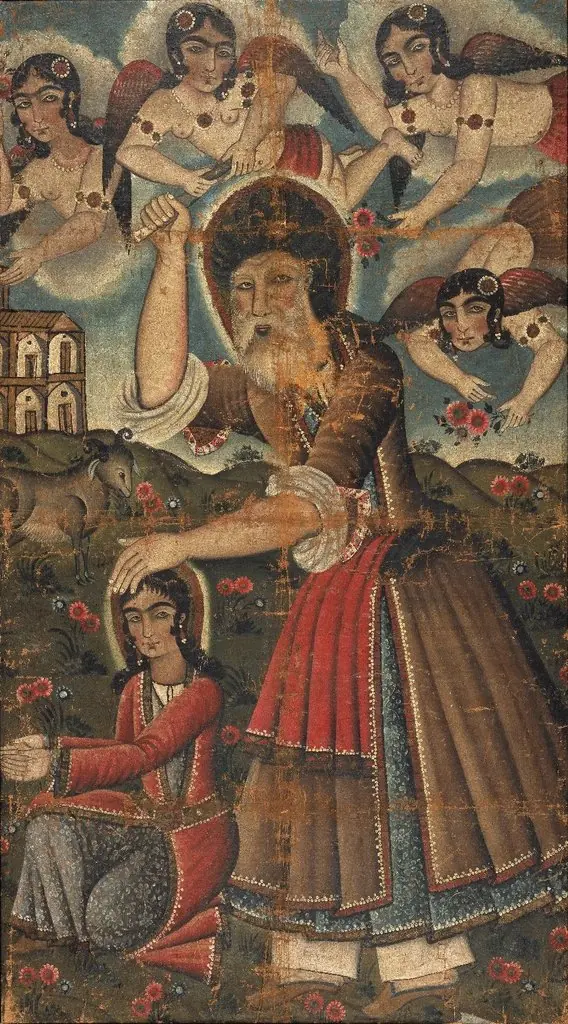
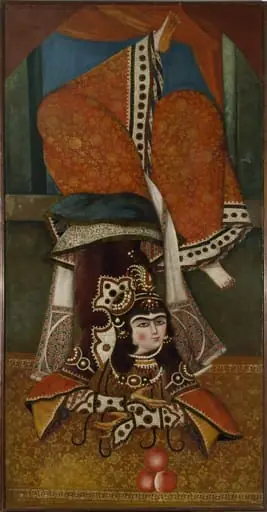
The work depicts the Holy Family, Joseph, the Virgin Mary, and the infant Jesus, arranged within an intimate interior space. While the composition follows European Christian iconography, the painting was produced in northern India during the 1620s, reflecting a synthesis of artistic traditions that characterized the Mughal court.
Subject & Meaning
Mary is shown in a red and blue robe, her hands stained with henna and a ruby bindi placed on her forehead, elements drawn from Indian ritual practice. These details signal the integration of local devotional symbols into a Christian narrative, suggesting a cultural dialogue between the two faiths.
Technique & Style
The artist renders the figures with a European sense of volume and perspective, yet incorporates Mughal decorative motifs such as intricate jewelry of rubies and emeralds. The vase beside Mary combines the form of a Catholic St. Francis vessel with ornamental references to Indian sun worship, while its glaze evokes the blue‑and‑white porcelain imported from Ming‑dynasty kilns.
History & Provenance
Created in the early seventeenth‑century Mughal Empire, the painting reflects the court’s openness to European artistic models during the reign of Jahangir (1605–1627). Its provenance traces back to Mughal patronage, where such hybrid works were commissioned for both devotional and decorative purposes.
Context
The piece belongs to a broader corpus of Mughal court paintings that blended Persian, Indian, and European visual languages. The inclusion of Mughal court jewelry and henna aligns it with contemporary portraiture of the imperial family, while the Christian subject matter points to the presence of Jesuit missionaries and their artistic exchanges with the empire.
Legacy
This painting exemplifies the cross‑cultural fertilization that defined Mughal art, influencing later Indian painters who continued to merge foreign iconography with indigenous aesthetics. It remains a key example of how global artistic currents intersected in early modern South Asia.
Artist & collection