Artwork
Untitled
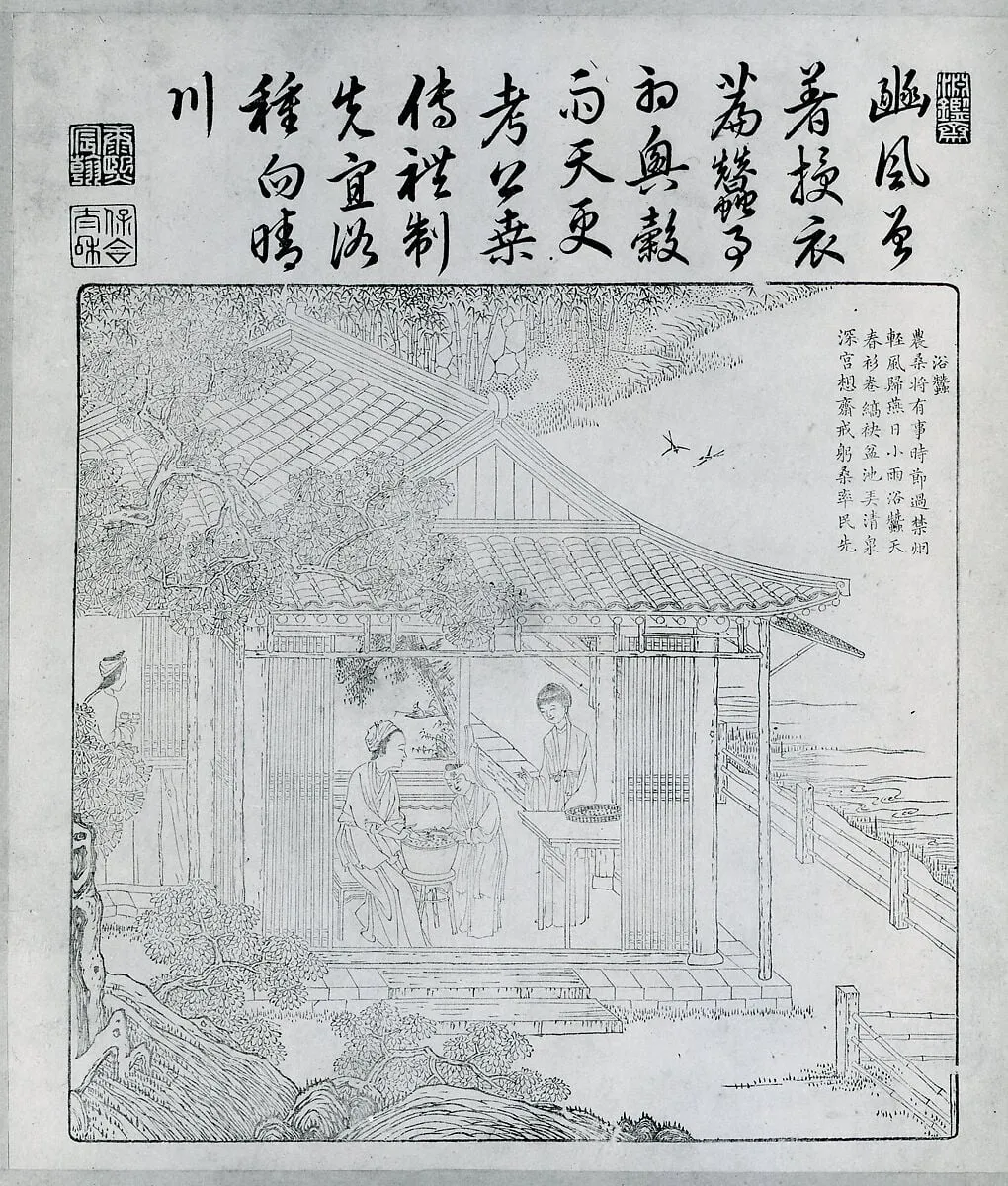
Untitled is a copper print by the Baroque artist Unknown. It dates from 1696 and is held in the collection of the Metropolitan Museum of Art. This black-and-white print, produced using engraved copper plates, is bound within an 18th-century brocade cover.
About this work
Overview
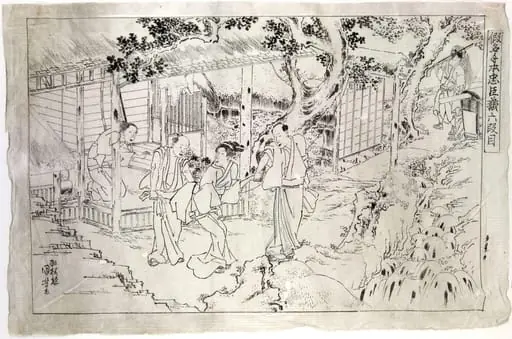
The composition depicts an intimate interior scene with two figures engaged in quiet activity, one holding a scroll, the other leaning over a table.
This black-and-white print, produced using engraved copper plates, is bound within an 18th-century brocade cover. The composition depicts an intimate interior scene with two figures engaged in quiet activity, one holding a scroll, the other leaning over a table. Outside, a garden is suggested through minimal yet precise elements: a winding path, stone wall, and a perched bird. The heavy tiled roof and finely rendered wooden beams reflect careful attention to architectural detail.
Subject & Meaning
The figures appear absorbed in a private moment, possibly reading or studying, suggesting themes of contemplation or scholarly pursuit. The bird outside, still and observant, may symbolize vigilance or the passage of time. The enclosed garden and modest dwelling evoke a sense of seclusion, reinforcing a quiet, introspective mood.
The obscured text at the top hints at a literary or philosophical source, though its content remains inaccessible without translation.
Technique & Style
The image is rendered through fine-line copper engraving, allowing for crisp, delicate details such as the bird’s eye and the grain of the wooden beams. Shading is subtle, relying on line density rather than tone to suggest form and depth. The composition balances interior stillness with the implied movement of the garden path, creating a harmonious tension between confinement and openness characteristic of East Asian print traditions.
History & Provenance
The print originates from a series produced using metal blocks, likely in the 18th century, and was originally bound in a decorative brocade cover, indicating it was valued as a curated object. Its preservation suggests it was owned by someone with access to refined materials and literary culture. The binding and printing method point to a production context tied to scholarly or elite circles, though its exact origin remains undocumented.
Context
This work aligns with East Asian print traditions that emphasized quietude, natural harmony, and textual engagement. The integration of architecture, flora, and human activity reflects a worldview in which domestic life and the natural world are interwoven. Though stylistically restrained, the precision of detail echoes broader artistic values of the period, where subtlety and suggestion held greater weight than overt drama.
Legacy
As a preserved example of 18th-century engraved printmaking, it contributes to the understanding of how literary and domestic themes were visually encoded in printed media. Its survival in original binding offers insight into the material culture of book ownership during a time when such objects were treasured as both aesthetic and intellectual artifacts. The work remains a quiet testament to craftsmanship and contemplative aesthetics.
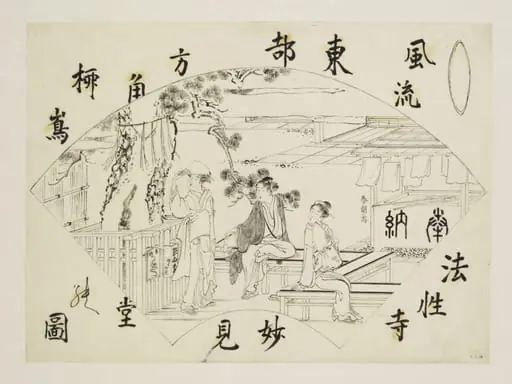
Artist & collection









- The Myoken Hall of the Hosshoji Temple at Yanagishima
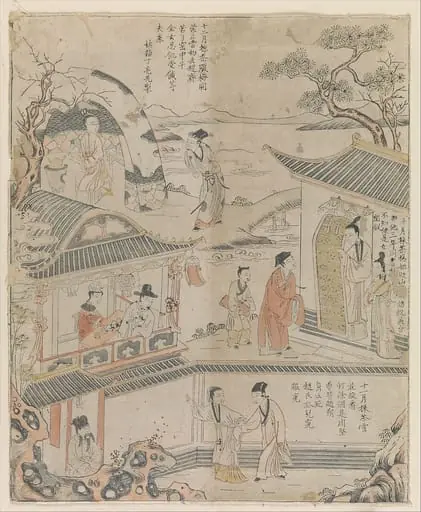 Untitled
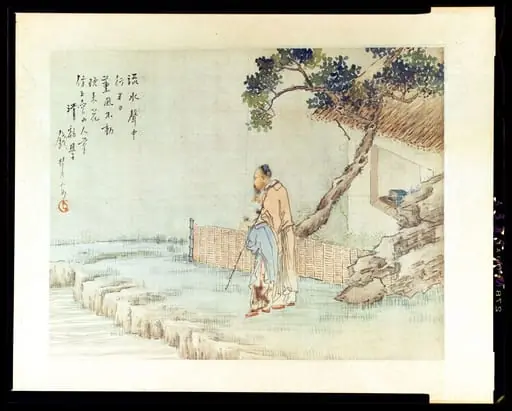 Two people walking
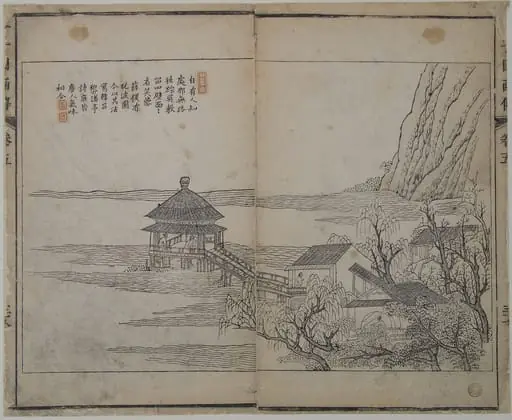 Untitled
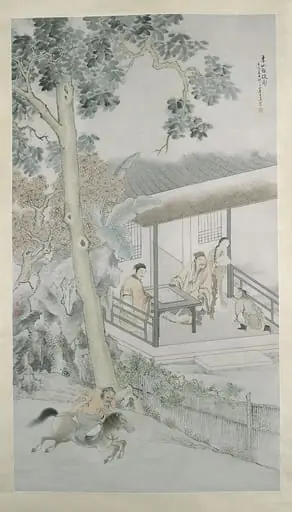 清 王素 東山報捷圖 軸|Bringing the Message of Victory to Dongshan
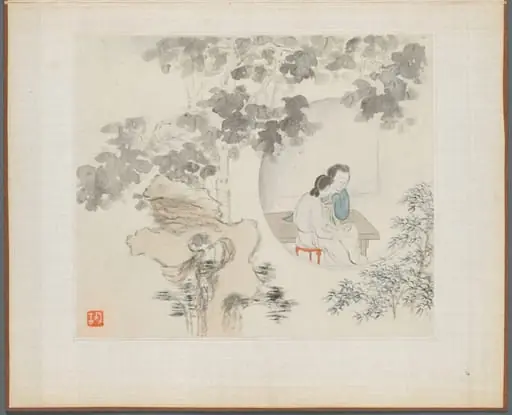 Album of Landscape Paintings Illustrating Old Poems: Two Women with Needlework in a Garden
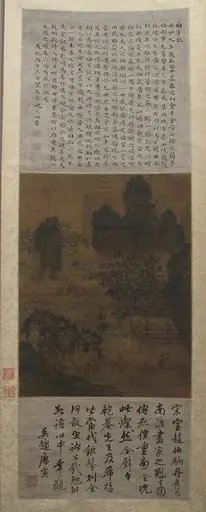 明/清 佚名(舊傳趙伯駒) 蘭亭圖 軸|Orchid Pavilion or Lanting
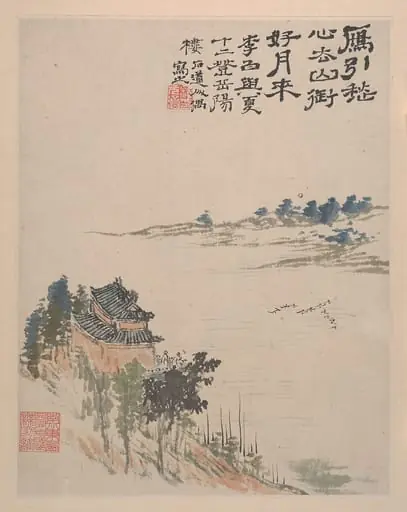 清 石濤 (朱若極) 野色圖 冊|Wilderness Colors
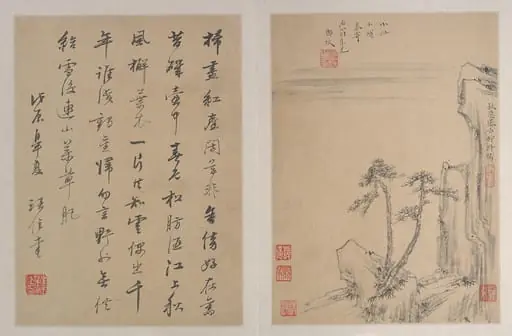 Untitled
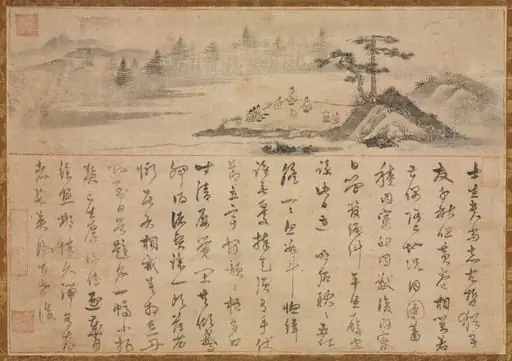 Gathering among the Members of Office Censor-General
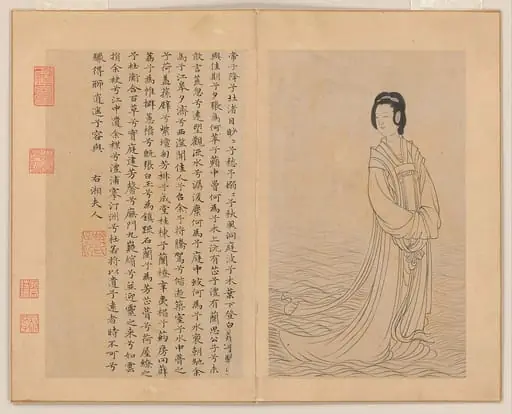 元 佚名 倣趙孟頫 九歌圖 冊|Nine Songs
 Treasury of the Forty-seven Loyal Retainers