Artwork
Shimosuwa, from Sixty-Nine Stations of the Kisokaidō
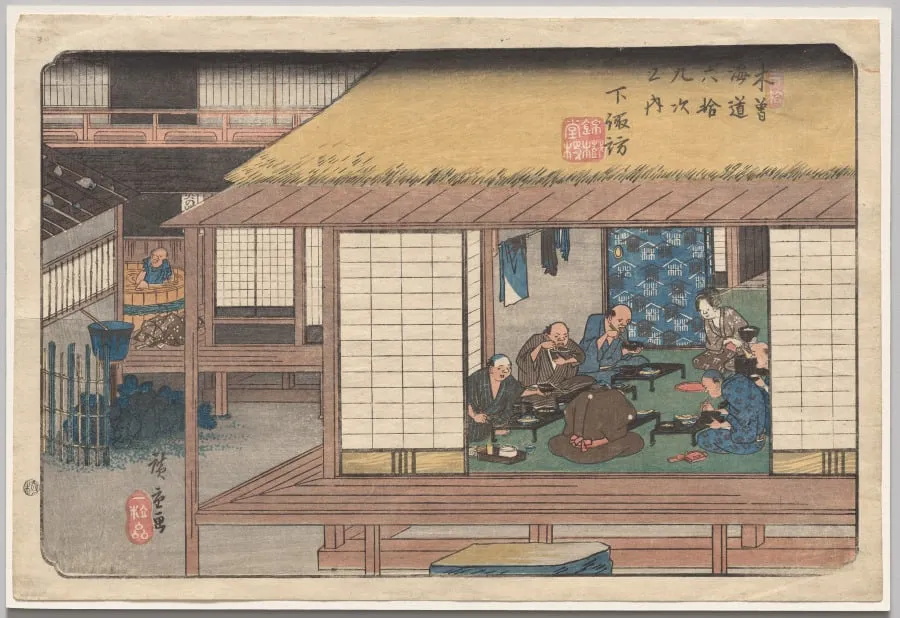
Shimosuwa, from Sixty-Nine Stations of the Kisokaidō is a print by the Romanticist artist Utagawa Hiroshige. It dates from 1836 and is held in the collection of the Cleveland Museum of Art.
- Accession no.
- 1985.322
- Credit line
- The Kelvin Smith Collection, given by Mrs. Kelvin Smith
About this work
Look up more prints in the series Sixty-Nine Stations of the Kisokaidō by Utagawa Hiroshige (Japanese, 1797–1858).
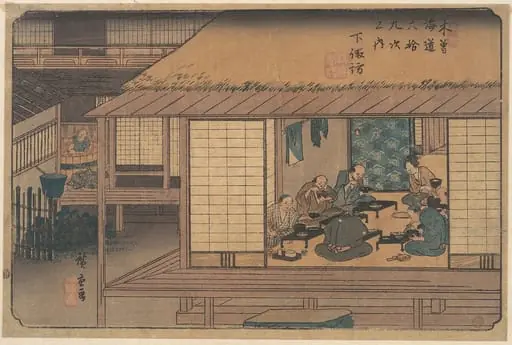
You see travelers eating at an inn while another man soaks in a wooden hot-spring tub outside.
This print is from a series showing rest stops along a long road between Tokyo and Kyoto. Shimosuwa was the only stop with natural hot springs, so Hiroshige made the steamy bath the star. The innkeeper’s smile and the bather’s relief tell you how good the water felt after a day of walking.
Look up more prints in the series Sixty-Nine Stations of the Kisokaidō by Utagawa Hiroshige (Japanese, 1797–1858).
Overview
This woodblock print, 'Shimosuwa', depicts a scene of travelers resting at an inn along the Kisokaidō road, highlighting the unique attraction of the location: a natural hot spring.
Subject & Meaning
The print contrasts the enjoyment of travelers eating at the inn with another figure relaxing in a hot spring bath outside, conveying the comfort and relief offered by this stop.
Technique & Style
As part of the Sixty-Nine Stations of the Kisokaidō series, this print exemplifies the collaborative ukiyo-e style of Utagawa Hiroshige and Keisai Eisen, though specific techniques used in 'Shimosuwa' are not detailed here.
History & Provenance
Created as part of a series illustrating stops along the 534 km Kisokaidō road, 'Shimosuwa' stands out for featuring the only natural hot spring along the route, a detail emphasized in the print.
Context
Part of a larger series documenting travel stations between Edo (Tokyo) and Kyoto, 'Shimosuwa' reflects the importance of rest stops and natural attractions for travelers in 19th-century Japan.
Legacy
As a piece of the renowned Sixty-Nine Stations of the Kisokaidō series, 'Shimosuwa' contributes to the enduring popularity of ukiyo-e prints in Japanese art history, though its individual impact is not specifically highlighted.
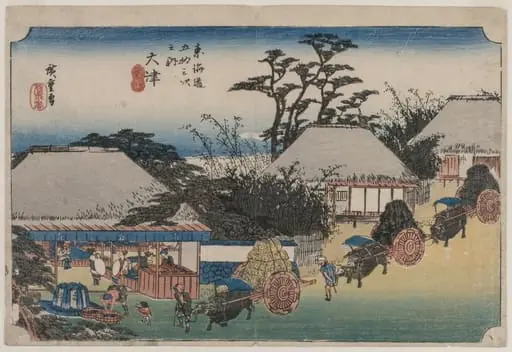
Artist & collection
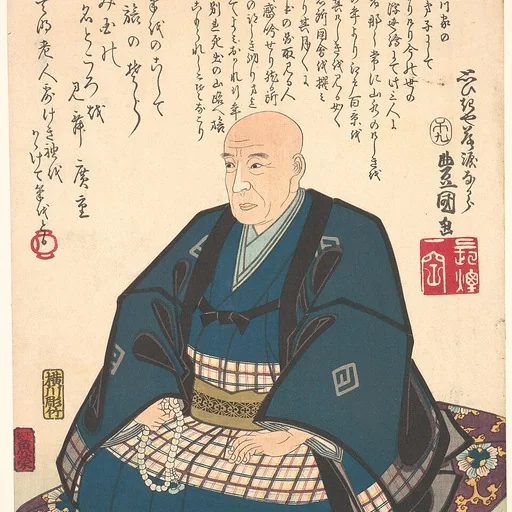
Artist
Utagawa Hiroshige (歌川 広重) or Andō Hiroshige (安藤 広重), born Andō Tokutarō (安藤 徳太郎; 1797 – 12 October 1858), was a Japanese ukiyo-e artist, considered the last great master of that tradition.

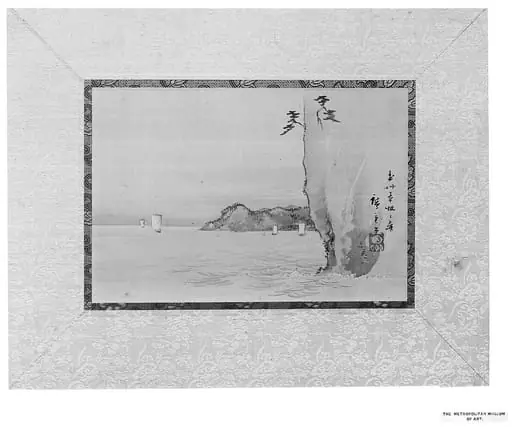
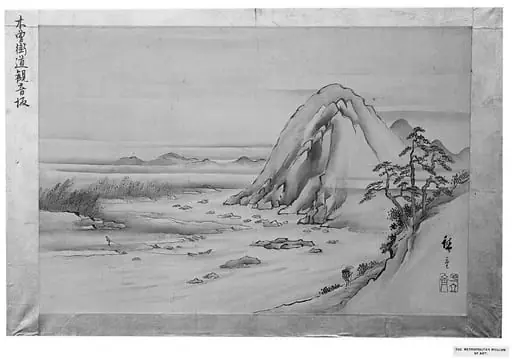
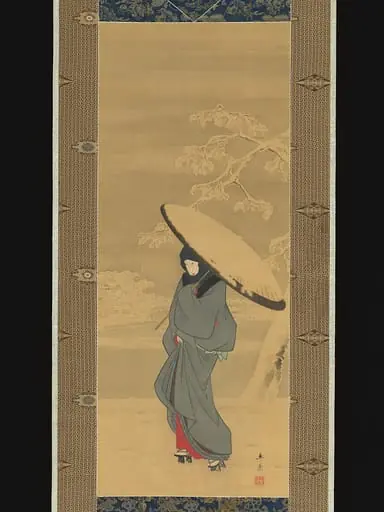
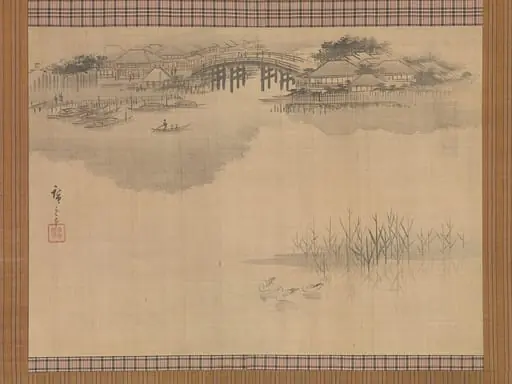
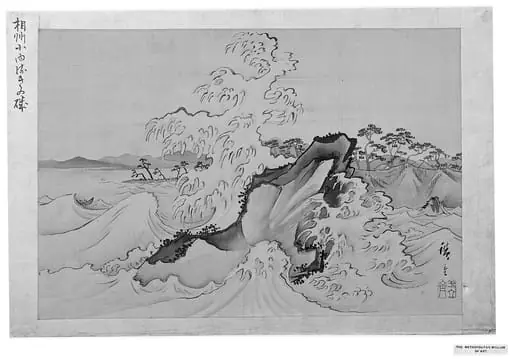
 木曽海道六拾九次之内 下諏訪|Shimono Suwa Station
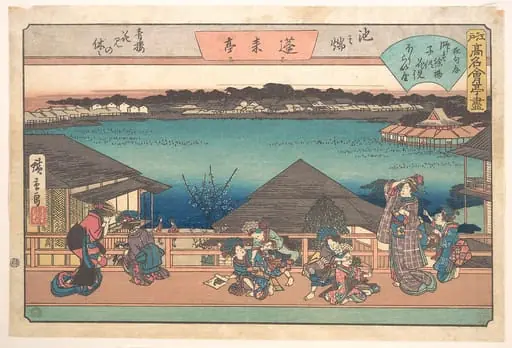 江戸高名会亭尽 池之端 蓬莱亭 青楼花見の休み|Ikeno Mata (Horai-ya)
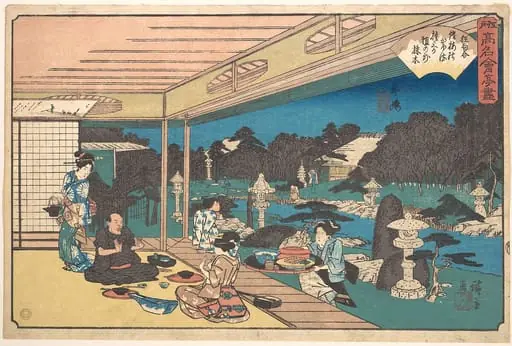 江戸高名会亭尽 牛嶋 武蔵屋|Ushijima (Musashi-ya)
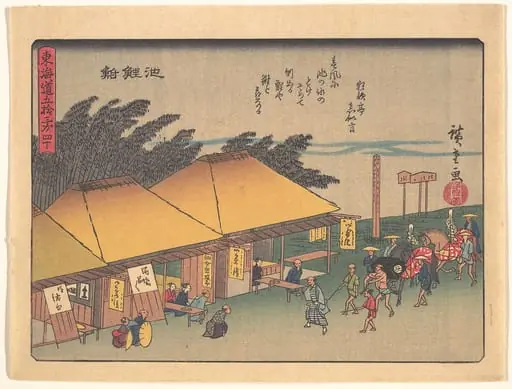 東海道五十三次 池鯉鮒|Chiryūshuku, from the series The Fifty-three Stations of the Tōkaidō Road
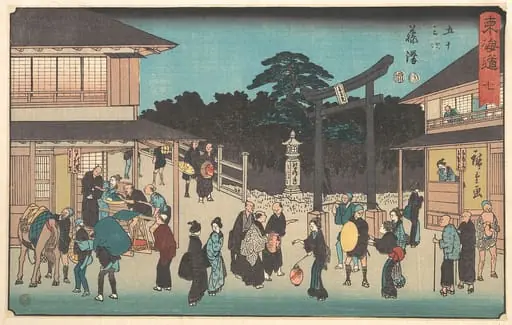 東海道五十三次 藤澤|Fujisawa
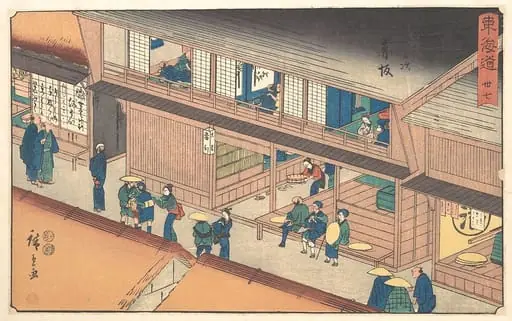 東海道五十三次 赤阪|Akasaka
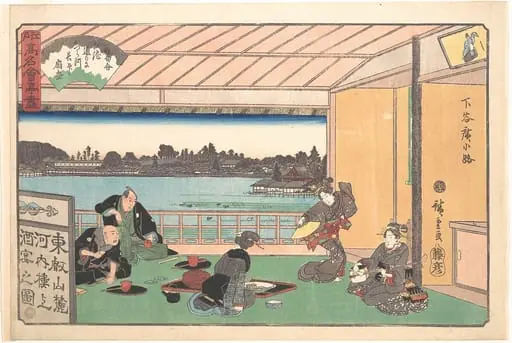 Shitaya Hirokōji (Oike)|江戸高名会亭尽 下谷広小路 河内楼|Teahouse at Hirokōji
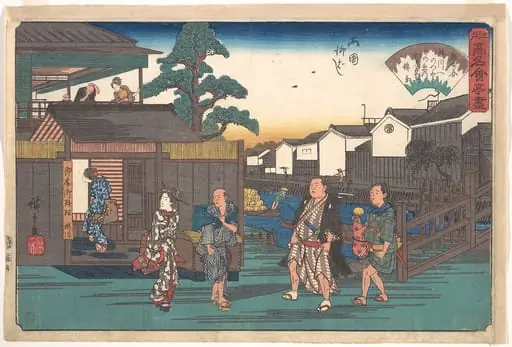 Ryogoku Yanagibashi (Umegawa)|江戸高名会亭尽 柳ばし|The Umegawa at Ryogoku Yanagibashi
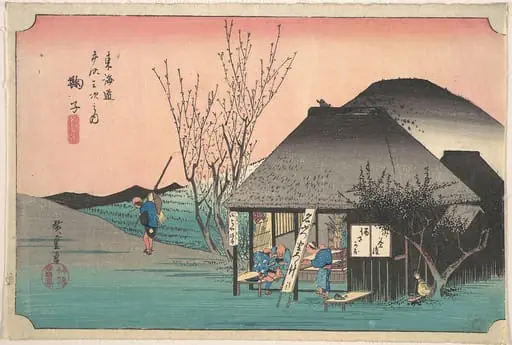 東海道五十三次之内 鞠子 名物茶店|Mariko; Meibutsu Chaya