Artwork
Bandō Mitsugorō II as Shinbei in the Kabuki Play "Sukeroku"
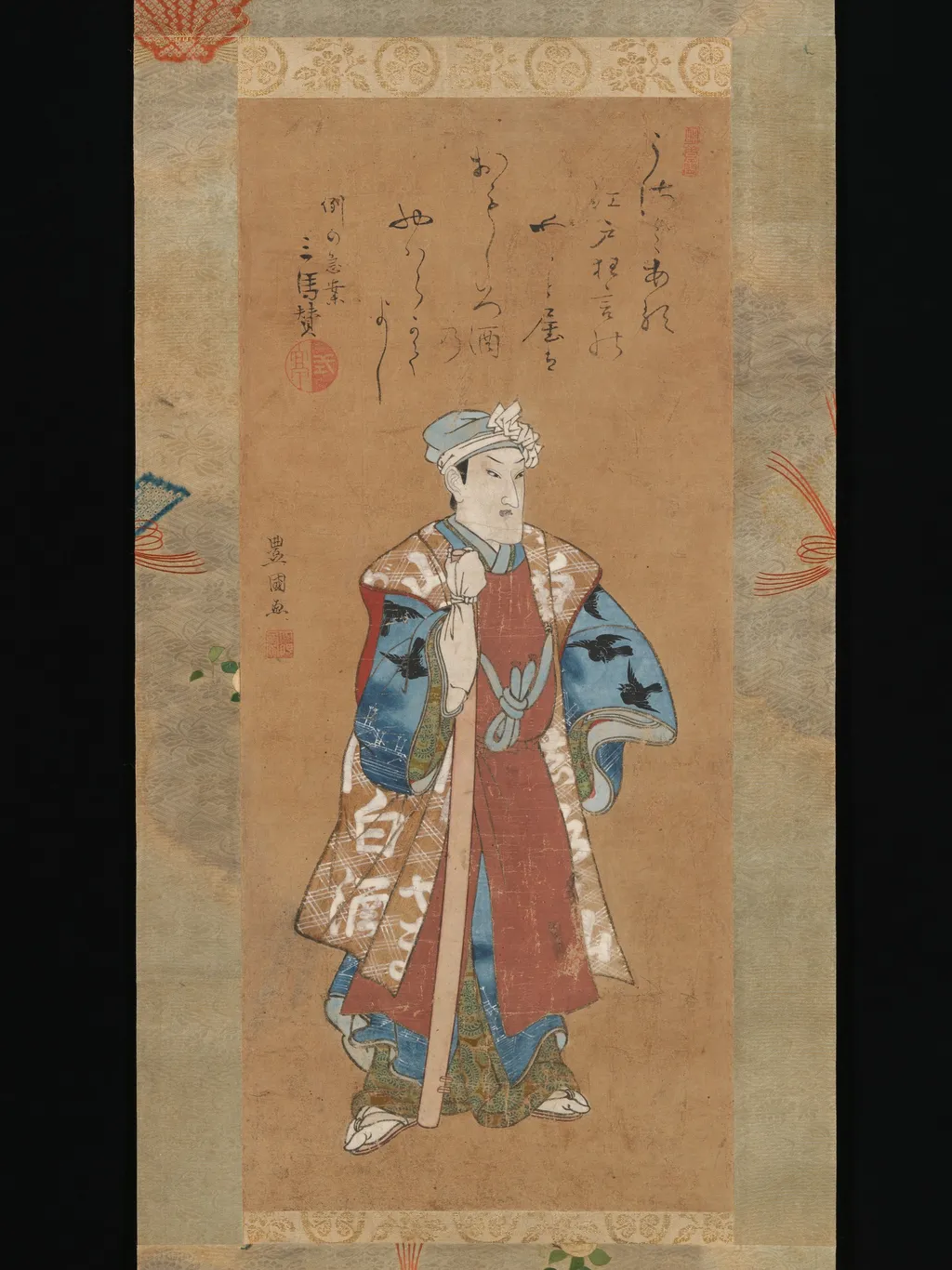
Bandō Mitsugorō II as Shinbei in the Kabuki Play "Sukeroku" is an unspecified painting by the Ukiyo-e artist Utagawa Toyokuni I. It dates from 1799 and is held in the collection of the Metropolitan Museum of Art.
About this work
Overview
Created in 1799 by Utagawa Toyokuni I, this woodblock print depicts the kabuki actor Bandō Mitsugorō II in the role of Shinbei from the play 'Sukeroku'.
Created in 1799 by Utagawa Toyokuni I, this woodblock print depicts the kabuki actor Bandō Mitsugorō II in the role of Shinbei from the play 'Sukeroku'. The composition presents the actor in a dynamic three-quarter view, capturing a moment of theatrical intensity characteristic of the Utagawa school's actor prints. Mitsugorō is shown wearing elaborate robes featuring a striking combination of red, blue, and white, with intricate patterns adorning the sleeves and lower garments.
His posture is assertive, with his left hand resting on his hip and his right hand holding a prop essential to the character's performance. The background remains largely plain, directing full attention to the figure, while faint decorative elements and Japanese text frame the scene, providing context for the specific play and role. This work exemplifies Toyokuni I's mastery in capturing the expressive energy of kabuki actors during the late Edo period, contributing significantly to the development of the yakusha-e genre.
The print reflects the artist's ability to convey both the physical presence and the dramatic persona of the performer, solidifying his reputation as a leading figure in Japanese ukiyo-e art.
Subject & Meaning
The artwork focuses on Bandō Mitsugorō II, a prominent Kabuki performer, embodying the character Shinbei. He is depicted in a dynamic, sideways pose, dressed in elaborate, brightly colored robes featuring red, blue, and white patterns. The actor's costume and posture convey the theatricality of his role, suggesting a moment from the stage production.
His left hand rests on his hip, while his right holds an unseen object, further emphasizing his dramatic presence.
Context
During the late 18th century, actor portraits were a popular genre in Japanese art, reflecting the widespread appeal of Kabuki theater. Artists like Utagawa Toyokuni I specialized in capturing the likenesses and stage personas of renowned actors, often depicting them in their most famous roles. These works served as both artistic expressions and a form of celebrity endorsement, allowing audiences to admire their favorite performers beyond the stage.
Own this work as a print
Artist & collection

Artist
Toyokuni was a born showman who made sure the energy of Edo’s kabuki stage never faded on paper.

- Standing Beauty with Two Swords 若衆立姿図 (Wakashū tachisugata zu)
 An Actor on Stage
 花魁図|Parading Courtesan
 Standing Woman
 Untitled
 Portrait
 Ichikawa Yaozo II as an Itinerant Peddler
 Ariwara Narihira (825–880), from the Fujifusa version of Thirty-six Immortal Poets
 Ichikawa Danjuro II as a Young Samurai
 Woman of the Yoshiwara and Attendants (from the series Brocades of the East in Fashion)
 Sawamura Sojuro III as Enya Hangan in Kanadehon Chushingura
 Figure of a Woman
 A Dance in the Country
 初代嵐橘三郎 (二代目嵐吉三郎) の惟高親王|The Actor Arashi Kitsusaburō I (Kichisaburō II) as Prince Koretaka
 Arrangement in Black, No. 3: Sir Henry Irving as Philip II of Spain
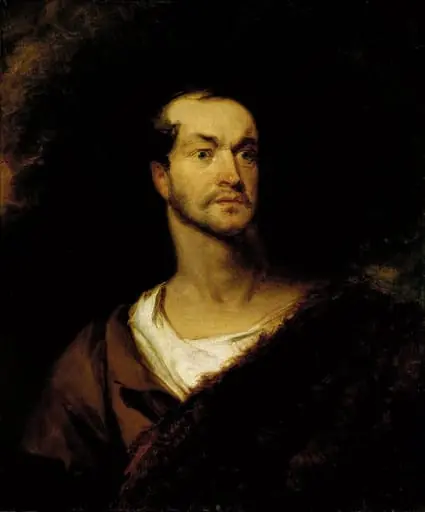 William Charles Macready as William Tell
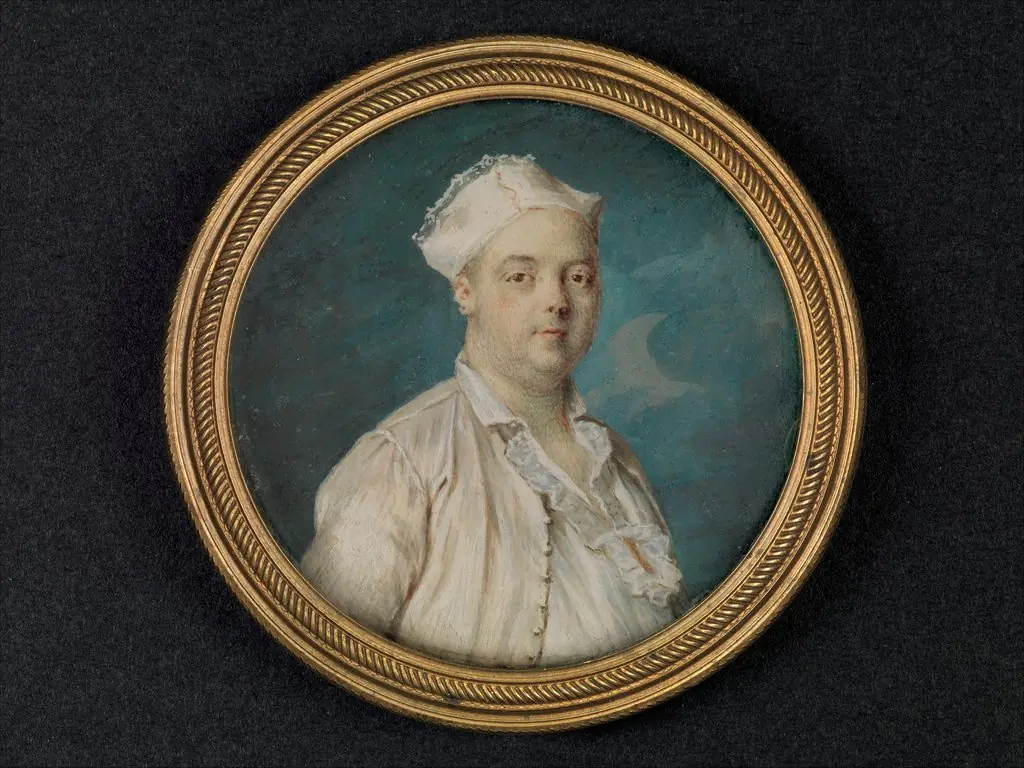 Pierre Louis Dubus (1721–1799), Called Préville, of the Comédie-Française
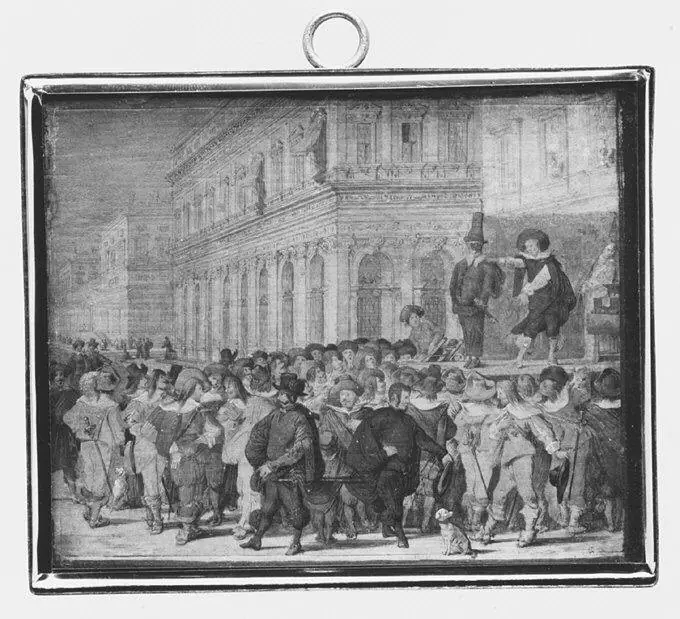 Traveling Players
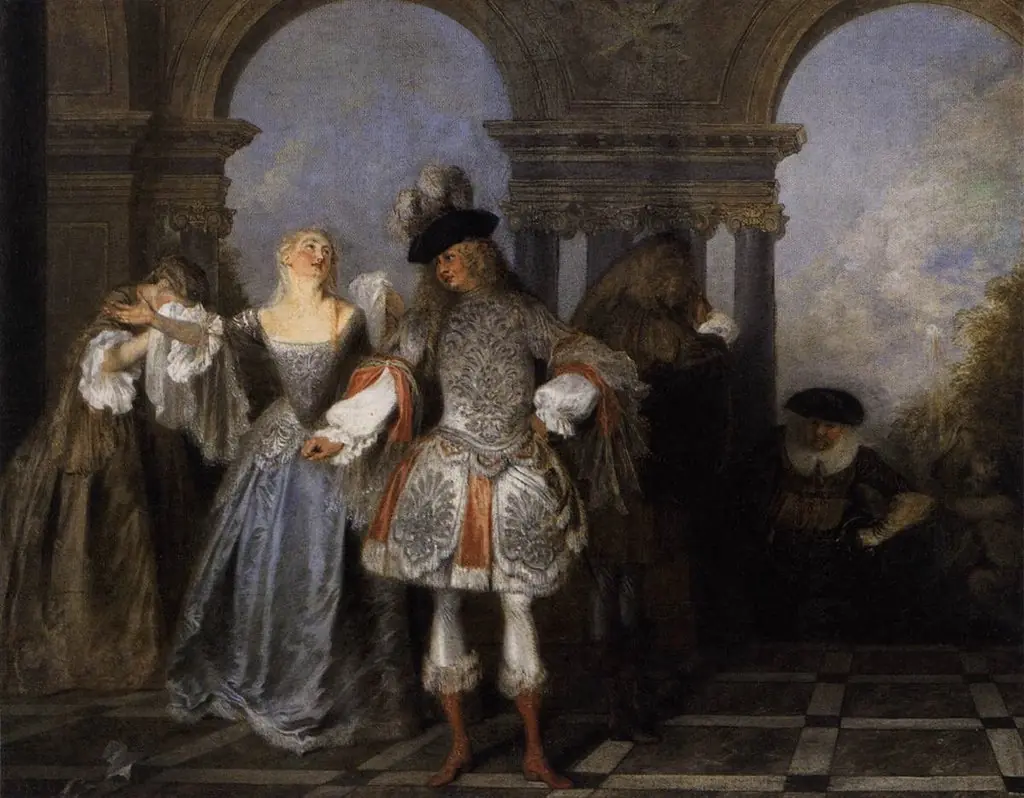 The French Comedians
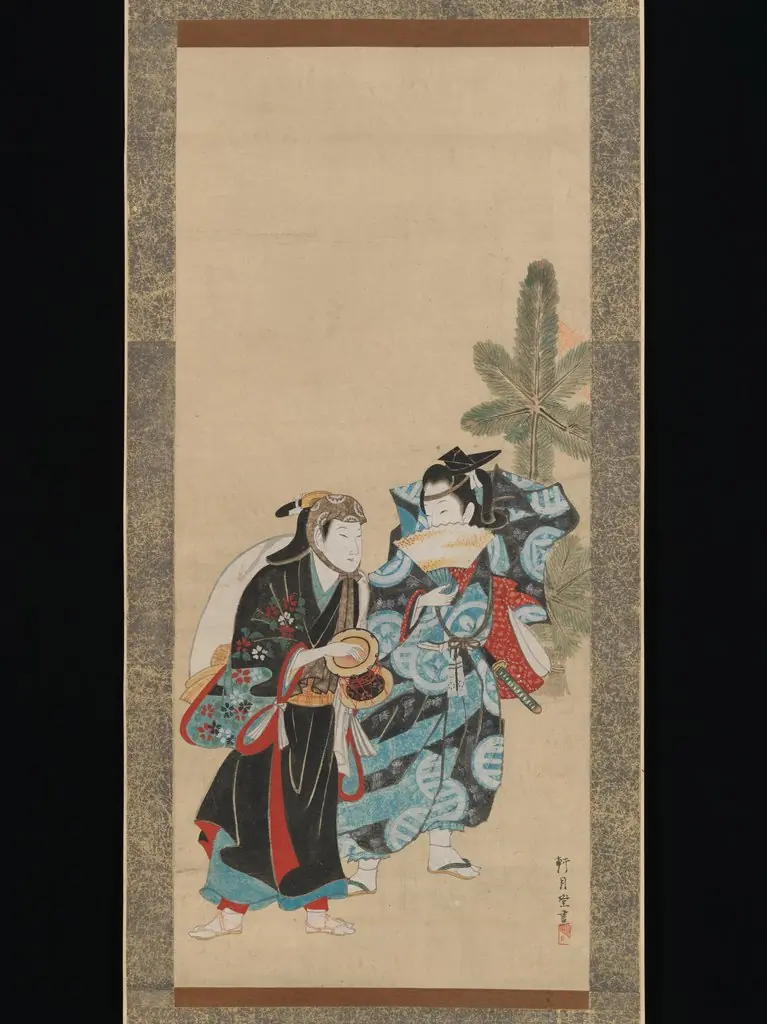 Itinerant Actors