Artwork
Five Heads
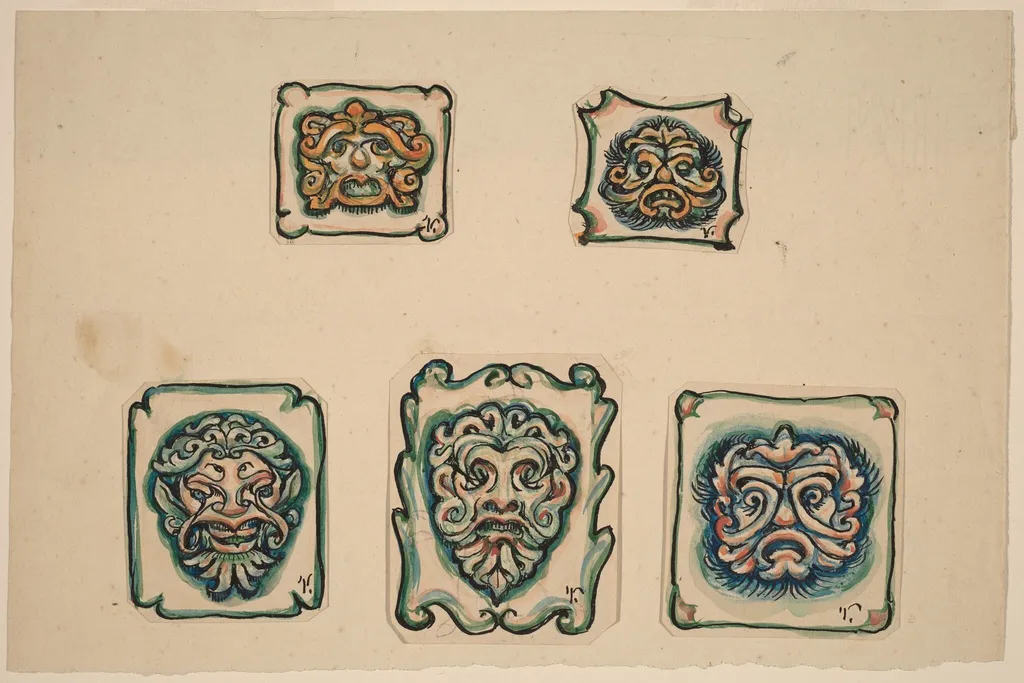
Five Heads is an ink drawing by Elihu Vedder. It dates from 1918 and is held in the collection of the National Gallery of Art.
- Inscription
- Inscribed:on each sheet, lower right in pen and black ink: V.; upper right verso in graphite: 22,23,24
About this work
Overview
Executed in pen and ink with watercolor, the work reflects Vedder’s sustained interest in the human form as a vessel for introspective expression.
Created around 1918, Five Heads is a drawing by American artist Elihu Vedder, composed of five separate studies on wove paper, mounted together on a folded sheet. Executed in pen and ink with watercolor, the work reflects Vedder’s sustained interest in the human form as a vessel for introspective expression. Though less known than his illustrated editions, this piece exemplifies his late-career focus on intimate, symbolic portraiture.
Subject & Meaning
The five heads are individualized yet anonymous, lacking specific identifiers or narrative context. Their varied expressions, contemplative, stern, withdrawn, suggest internal states rather than external identities. Vedder, influenced by symbolist ideals, uses these faces to evoke universal themes of solitude, memory, and the ineffable nature of consciousness, avoiding literal representation in favor of emotional resonance.
Technique & Style
Vedder employed fine pen lines to define contours and subtle washes of watercolor to suggest volume and shadow. The restrained palette and delicate handling reflect a deliberate economy of means. Each head is rendered with careful attention to texture and tone, yet the overall composition remains uncluttered, emphasizing the quiet intensity of the faces over decorative detail.
History & Provenance
The work emerged during Vedder’s later years, after his most celebrated illustrations for The Rubaiyat of Omar Khayyam. It likely originated as preparatory studies or personal exercises, kept within his private collection. No public exhibition record exists prior to its acquisition by a major institution, suggesting it was never intended for public display during the artist’s lifetime.
Context
In the early 20th century, Vedder distanced himself from commercial illustration to pursue more personal, introspective work. Five Heads aligns with broader Symbolist trends in Europe and America that favored psychological depth over realism. Though American art was shifting toward modernism, Vedder retained a lyrical, mystical approach rooted in 19th-century aesthetics.
Legacy
While not widely exhibited, Five Heads remains a quiet testament to Vedder’s enduring fascination with the inner life. It illustrates his transition from illustrator to contemplative artist, offering insight into his private visual language. The work contributes to understanding the quieter, non-commercial strands of American Symbolism that persisted beyond the Gilded Age.
Own this work as a print
Artist & collection
Artist
Elihu Vedder (26 February 1836 – 29 January 1923) was an American symbolist painter, book illustrator and poet from New York City.

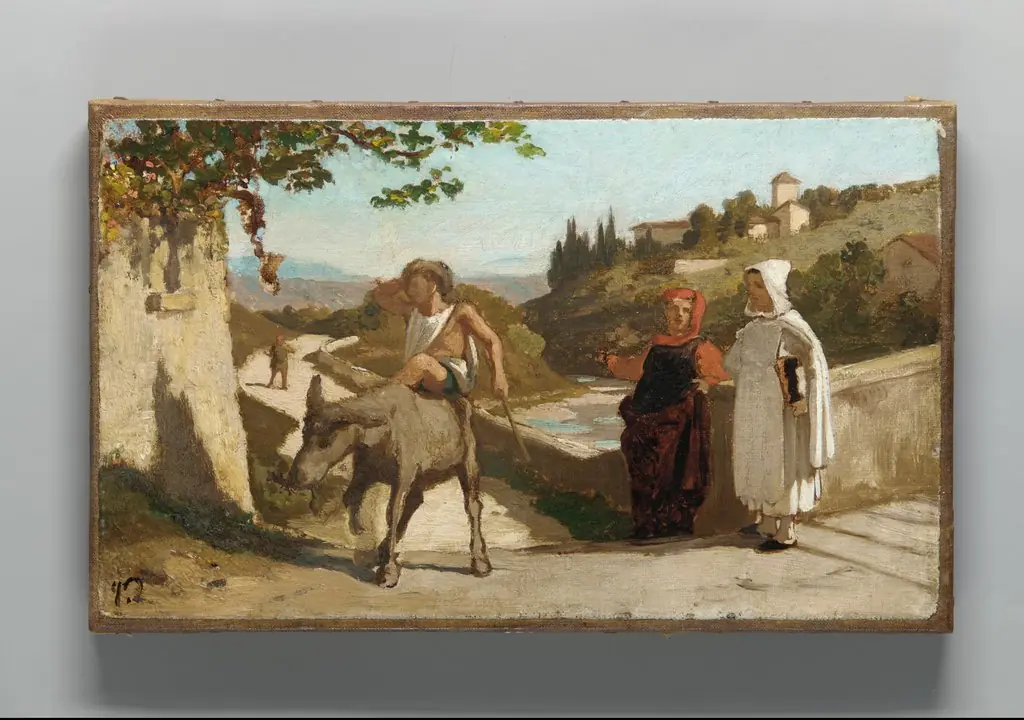 The Fable of the Miller, His Son, and the Donkey
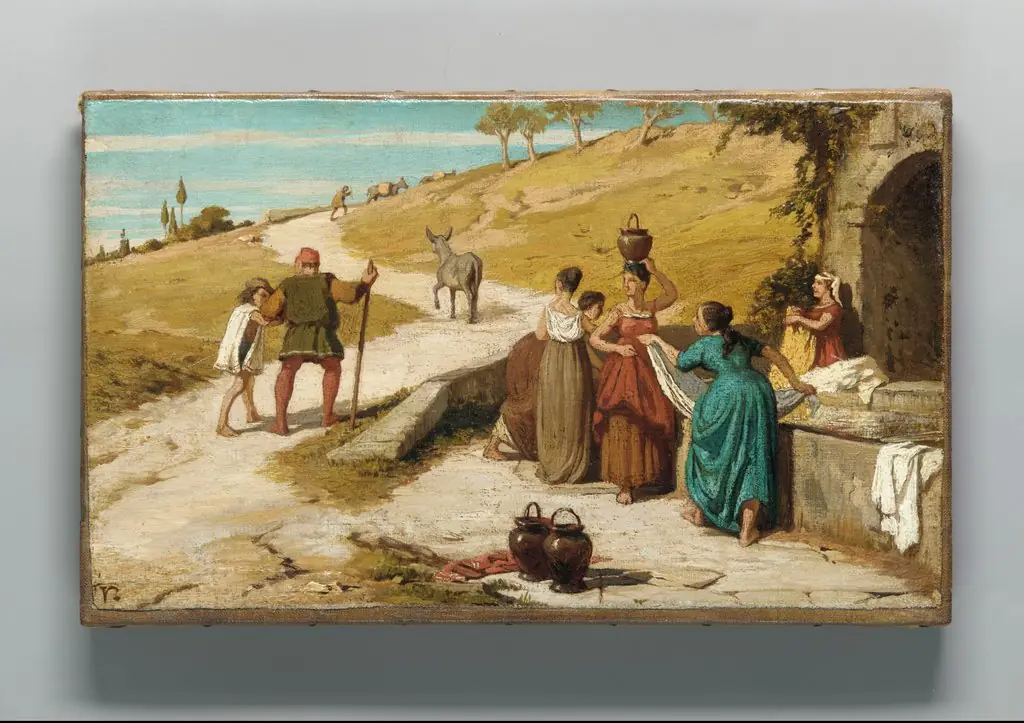 The Fable of the Miller, His Son, and the Donkey
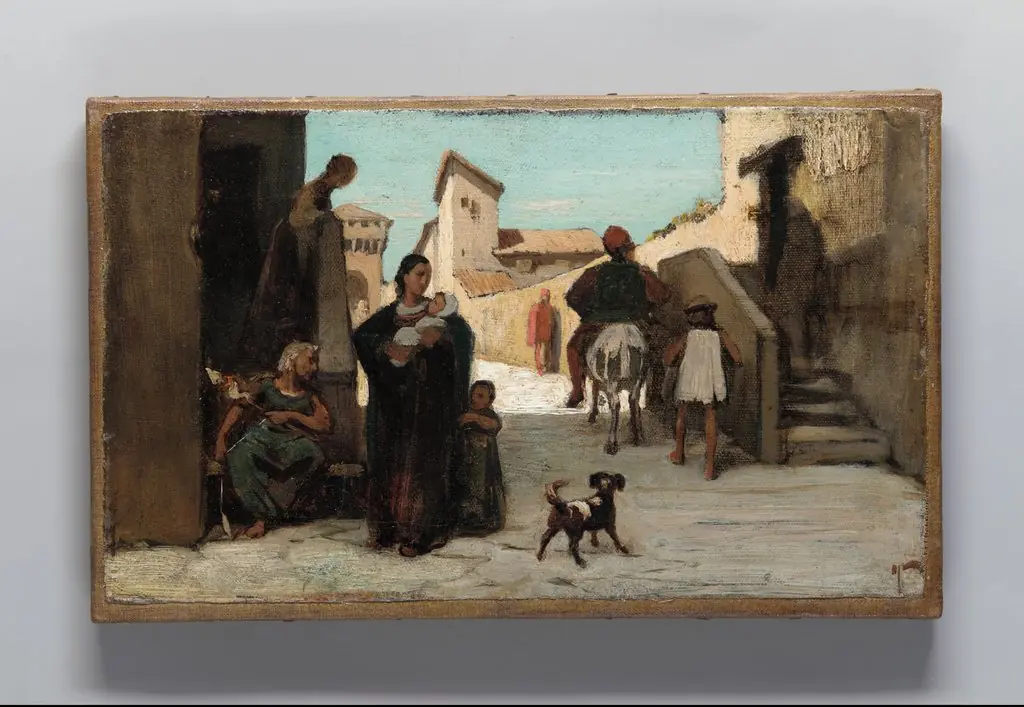 The Fable of the Miller, His Son, and the Donkey
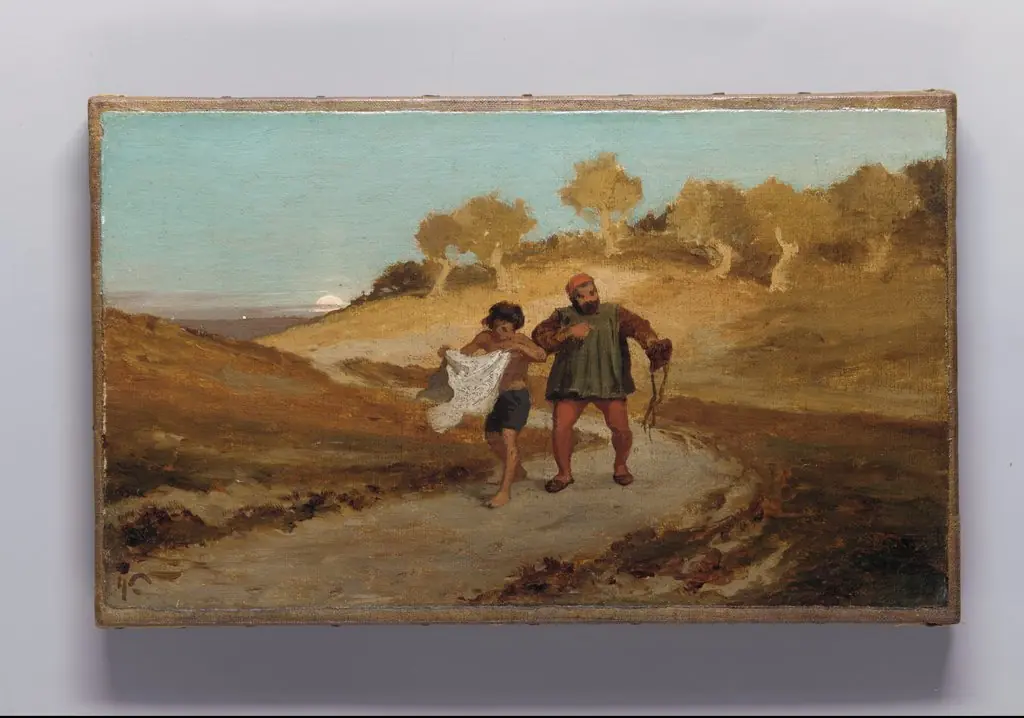 The Fable of the Miller, His Son, and the Donkey
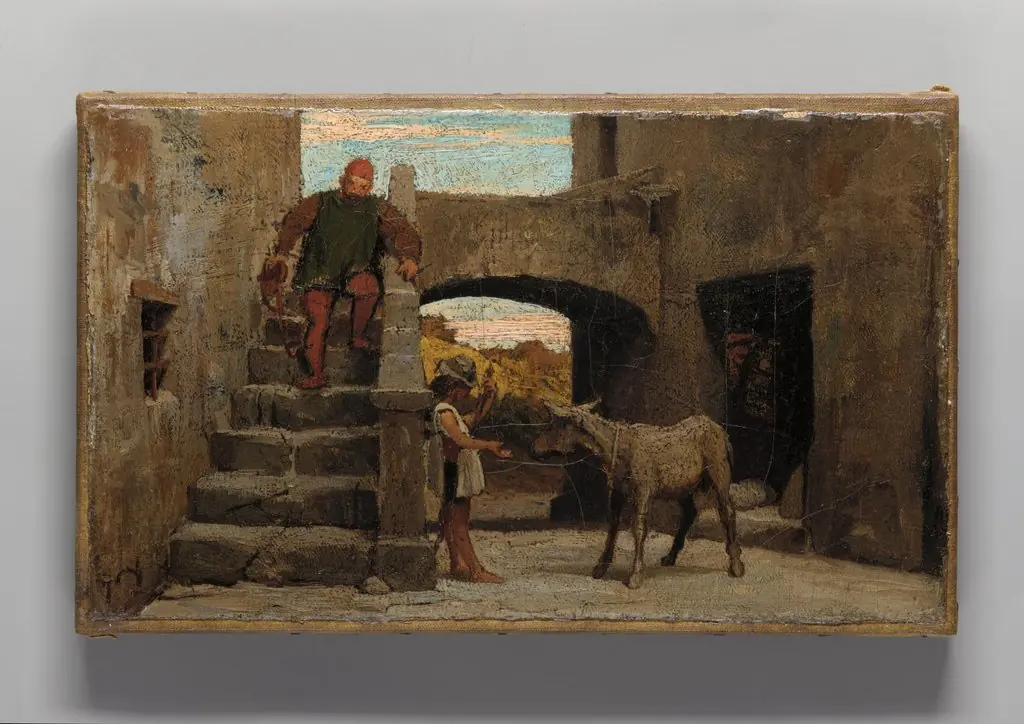 The Fable of the Miller, His Son, and the Donkey
 The African Sentinel
 Cypress and Poppies
 The Fable of the Miller, His Son, and the Donkey
- Eight Ceiling Patterns, Tomb of Nebamun and Ipuky
 Bas-relief scroll with four masques in terra cotta
 Four Emblems for the Funeral of Prince Francesco de Medici
 Ornament Panel: Two Sphinxes Supporting Shields
 Untitled
 Untitled
 untitled
 Untitled
 Ornamental design
 Paradigmata Graphics Variorum Artificum
 Goblet with base decorated with two large scallops
 Bas-relief depicting a Gorgon Head in terra cotta