Artist
Subject
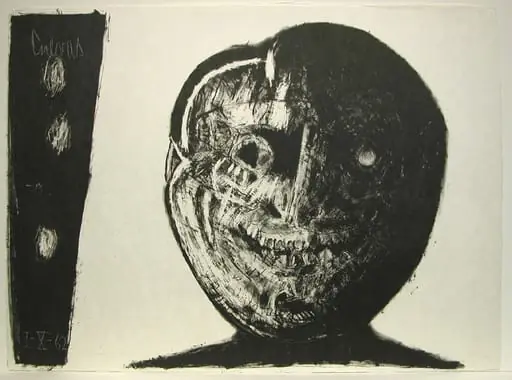
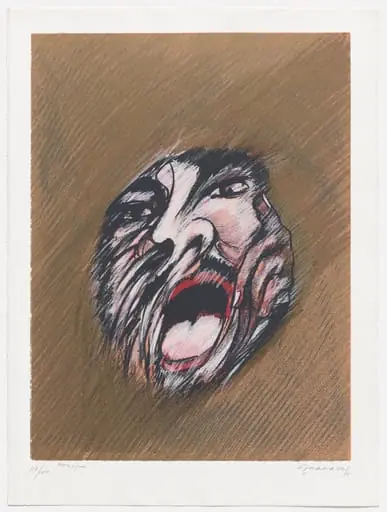
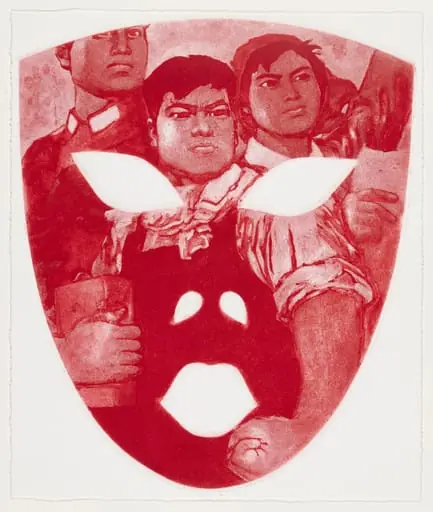
Mask is a subject in art. The gallery holds 32 works in this subject in art, including works by Édouard Manet, Jean Léon Gérôme and Pietro Longhi.
A mask is an object normally worn on the face, typically for protection, disguise, performance, or entertainment, and often employed for rituals and rites. Masks have been used since antiquity for both ceremonial and practical purposes, as well as in the performing arts and for entertainment.
Artist


Artist
A mask is an object normally worn on the face, typically for protection, disguise, performance, or entertainment, and is often employed for rituals and rites. Functioning as any full or partial face covering, masks have been used since antiquity for both ceremonial and practical purposes, as well as in the performing arts. The use of masks dates back several millennia, with the earliest evidence demonstrated graphically in Paleolithic cave drawings. While the religious use of masks has waned in some contexts, they remain crucial in understanding human culture, as they permit the imaginative experience of transformed identity or the affirmation of an existing social and spiritual identity. In art history, the term specifically denotes a face without a body that is not modelled in the round, such as one appearing in low relief.
Masks carry diverse iconographic meanings depending on their context, broadly functioning to conceal, represent, or transform. In ritual settings, masks do not merely hide the wearer but represent ancestors, legendary heroes, animals, supernatural beings, or mythic events. Within social groups, this use is highly ritualized, combining with dance, song, and gesture to give the mask its specific identity. In classical antiquity, the Greek and Latin words for mask, prósopon and persona, simultaneously referred to the theatrical role, establishing the mask as an identifier of character. In Christian Europe, the emphasis shifted toward the concealment of the true face, with the Church condemning mask usage as falsehood and idolatry, save for periods like Carnival when social norms were temporarily inverted. Later, in modern Western theater and art, the mask took on psychological and philosophical dimensions, representing dream images, social roles, or subconscious aspects of the self rather than metaphysical beings.
The treatment and function of the mask have shifted considerably across different periods and cultures. In the ancient Greek bacchanalia and the Dionysus cult, masks suspended ordinary behavioral controls, allowing revelers to cavort outside their ordinary rank. Roman aristocrats used wax death masks of ancestors, or imagines, for funerary rites, where actors would wear them to perform deeds of the ancestors' lives. With the rise of Christianity, mask usage was suppressed as pagan, surviving primarily in the inverted social order of Carnival, such as the Venice masked celebrations dating back to 1268 AD. In the early modern period, the commedia dell'arte solidified fixed leather masks into stereotypical characters like the Harlequin. Around 1900, as a reaction against increasing naturalism and realism, playwrights and artists revived mask usage, incorporating elements from folklore and puppetry. During this modern turn, masks were embraced within Symbolism, Surrealism, and Expressionism to express psychological states and dream imagery, heavily influenced by emerging psychoanalytic thought.
Notable artistic engagements with masks span from ancient architecture to modern painting. In medieval architecture, demonic or grimacing faces, such as leaf masks and the Green Man, were carved into churches as apotropaic images intended to ward off evil. In the early twentieth century, African masks, particularly those from Côte d'Ivoire, Gabon, and Mali, profoundly inspired modernist painters. Artists like Pablo Picasso and Georges Braque incorporated the aesthetic of these originally mystical objects into their work, most famously in Picasso's Les Demoiselles d'Avignon. Sculptors like Auguste Rodin and Jean Carriès also created masks as independent formal artworks, divorced from their original ritual or theatrical functions. In the German-speaking world, the term mask expanded to denote the combination of half-mask, costume, and role for specific character types, such as the Doctor or Hans Wurst, and the national masks representing the French or the Spaniard.
The legacy of the mask extends beyond its original ritual and theatrical functions into modern psychology, art, and popular culture. The concept of the mask permitted the imaginative experience of what it means to be transformed into a different identity, a notion that deeply influenced the philosophy and psychology of the nineteenth and twentieth centuries, particularly following Sigmund Freud's publication of The Interpretation of Dreams in 1899. In the visual arts, the mask transitioned from a sacred mediator of supernatural forces to a tool for exploring the subconscious and the fragmented self. Today, the juxtaposed comedy and tragedy masks remain a universal symbol representing the performing arts and drama. Furthermore, the aesthetic of the mask persists in global popular culture, most visibly in the tradition of the Mexican luchadores, for whom the mask is a vital symbol of identity and tradition, demonstrating the enduring human fascination with face coverings as a means of role-playing and identity transformation.
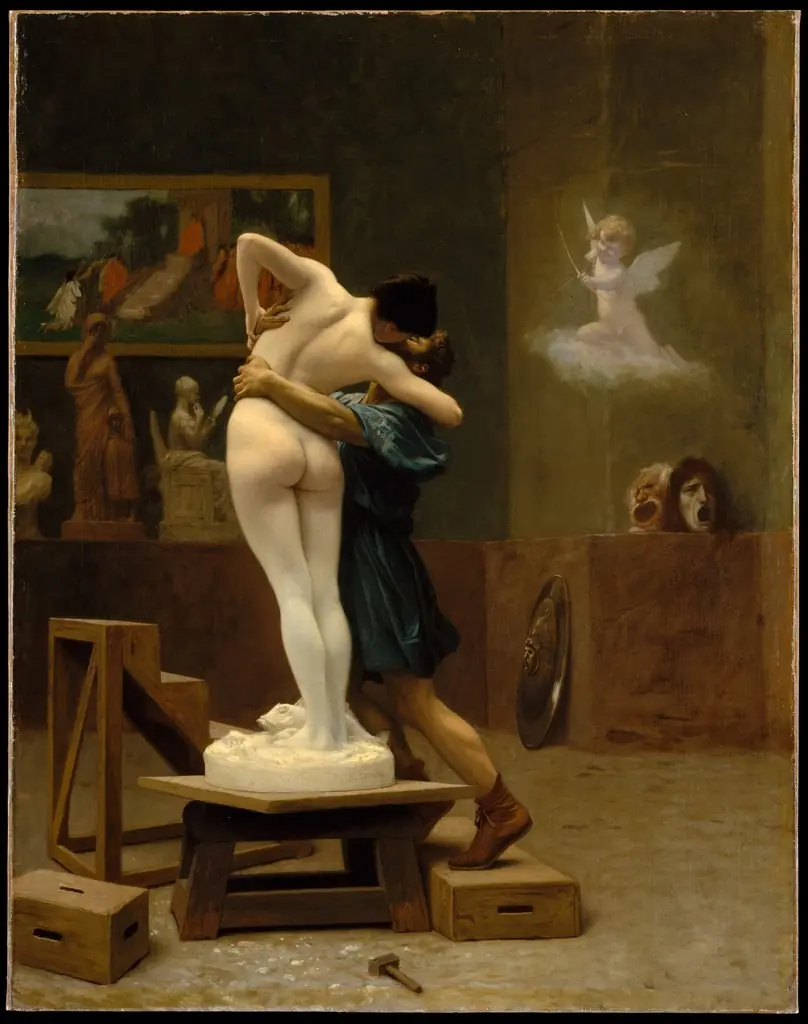 Pygmalion and Galatea
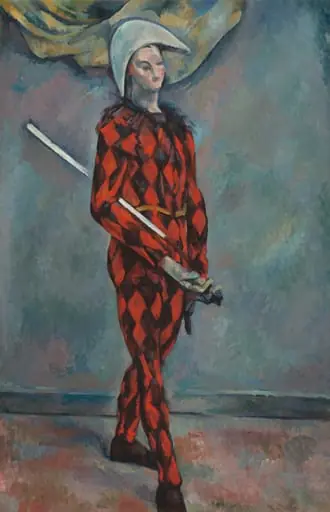 Harlequin
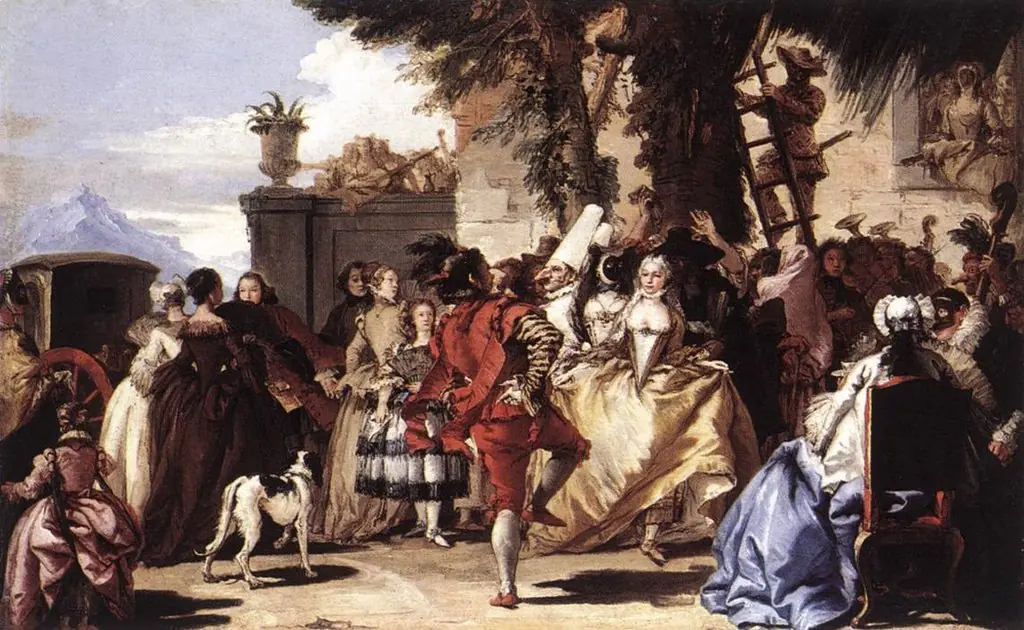 A Dance in the Country
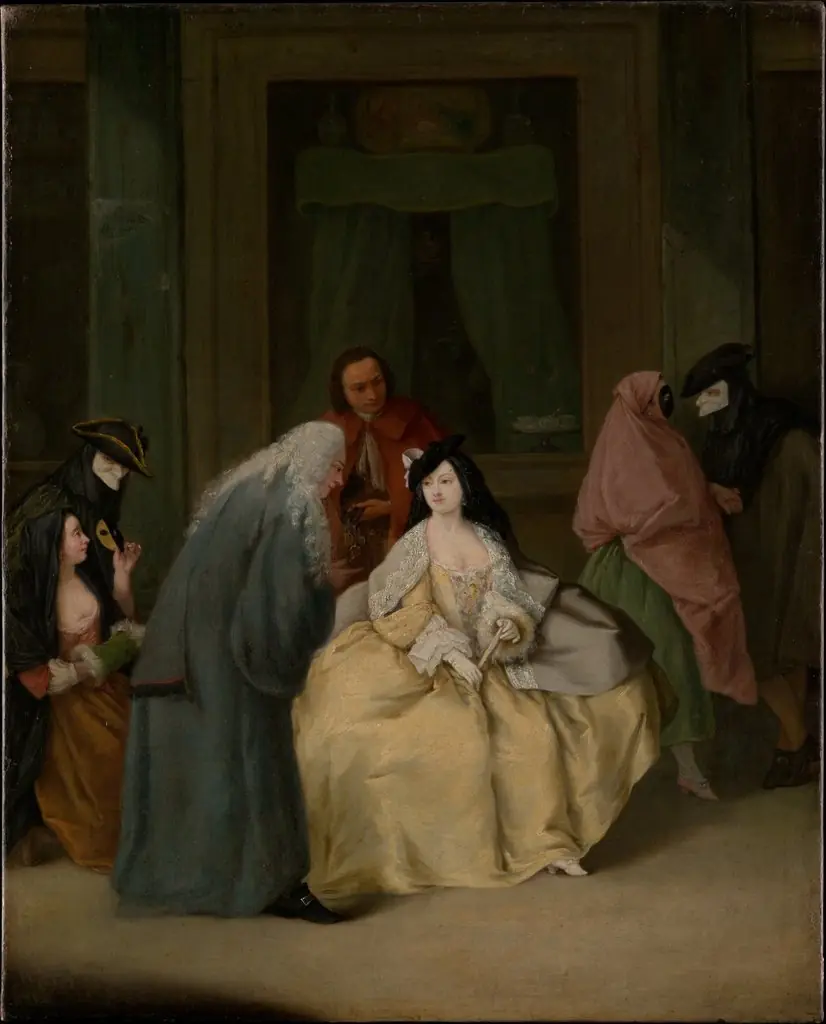 The Meeting
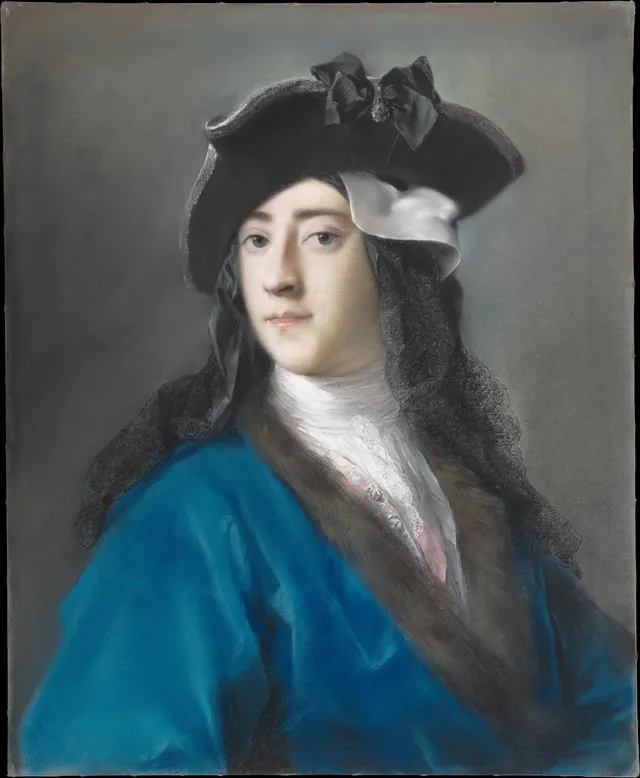
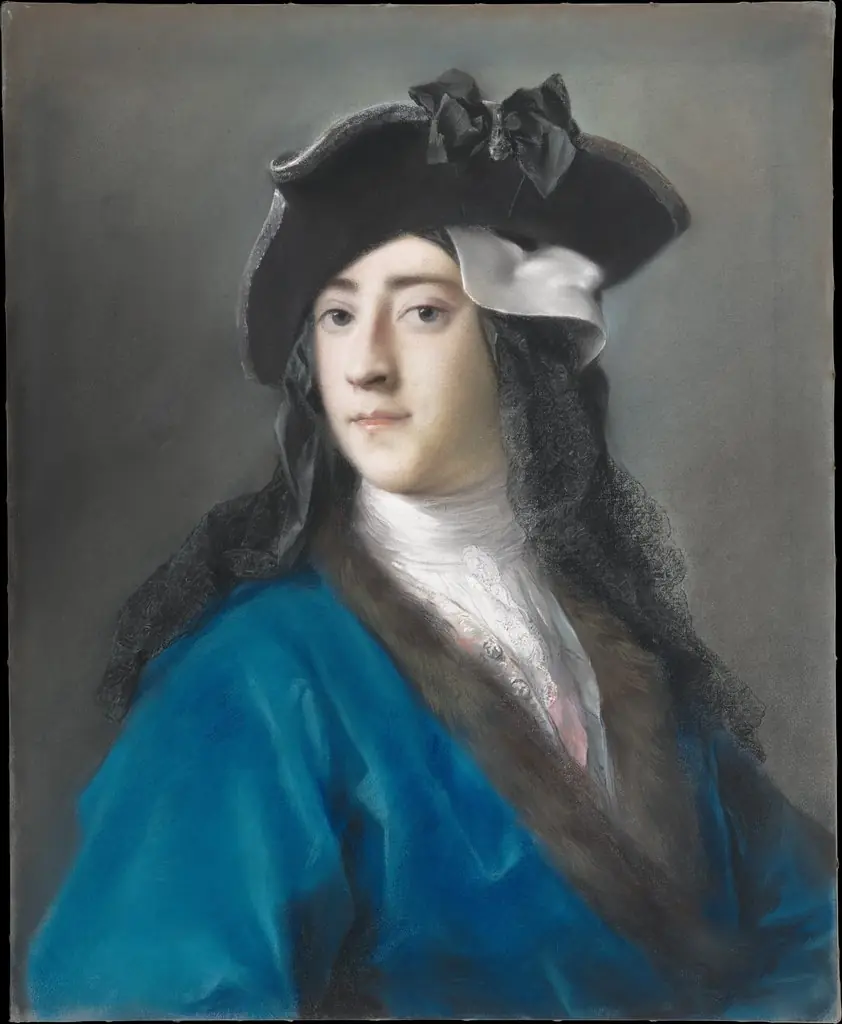 Gustavus Hamilton (1710–1746), Second Viscount Boyne, in Masquerade Costume
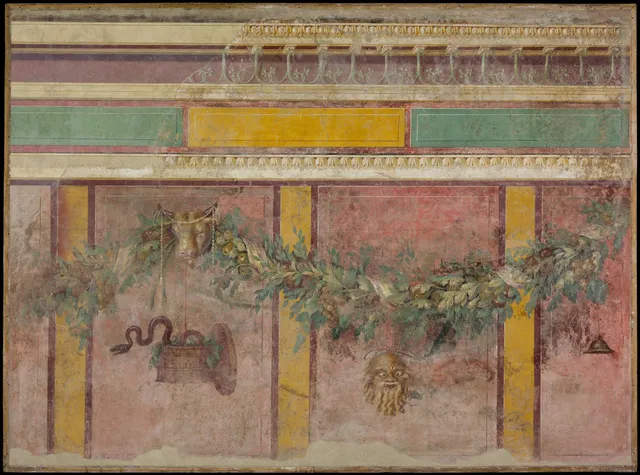
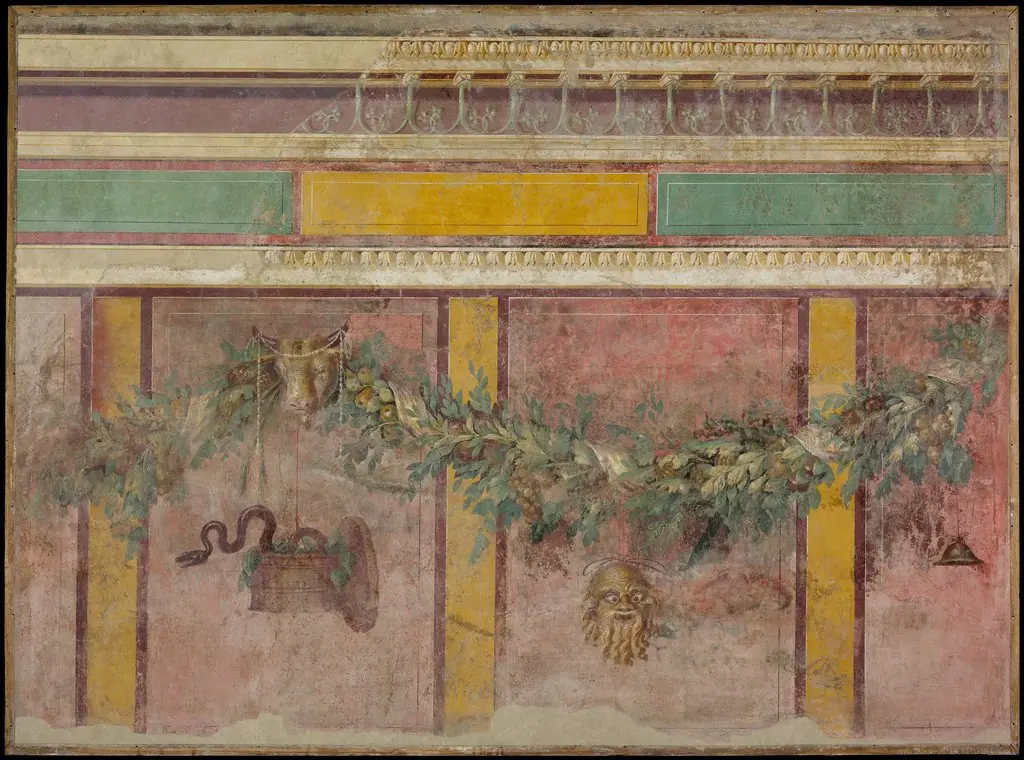 Wall painting from the west wall of Room L of the Villa of P. Fannius Synistor at Boscoreale
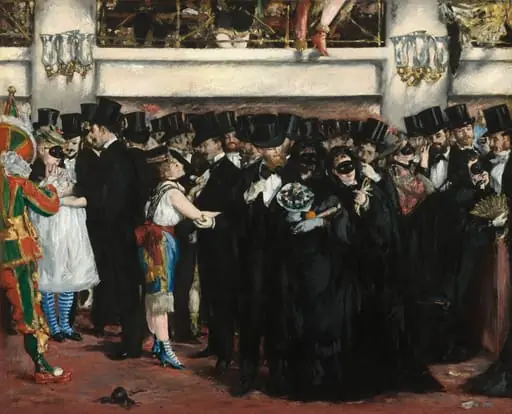 Masked Ball at the Opera
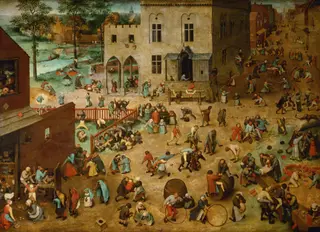 Children's Games
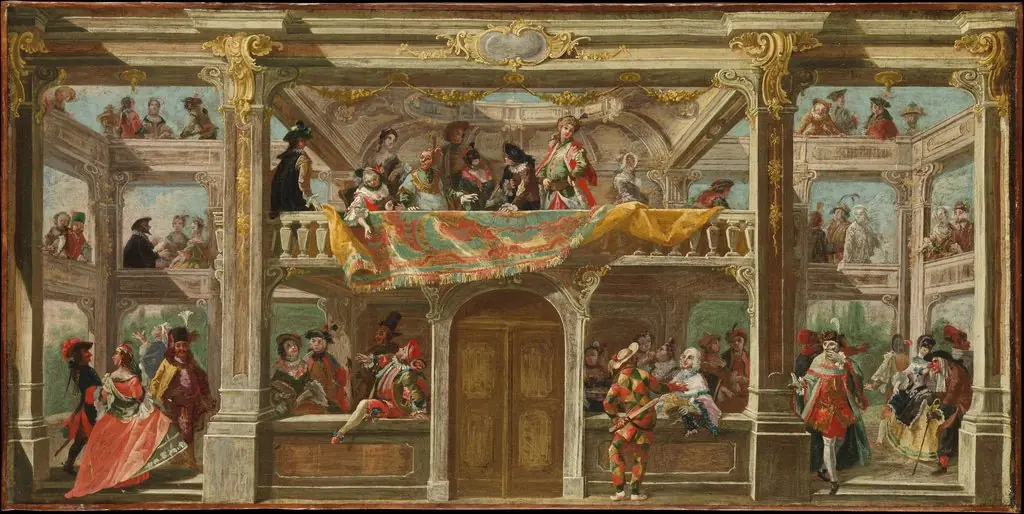 A Masked Ball in Bohemia
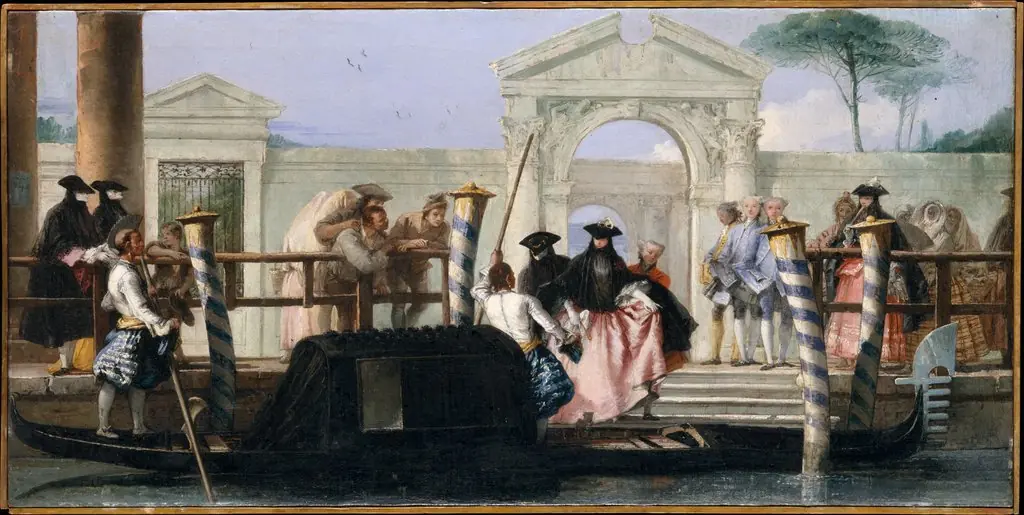 The Departure of the Gondola
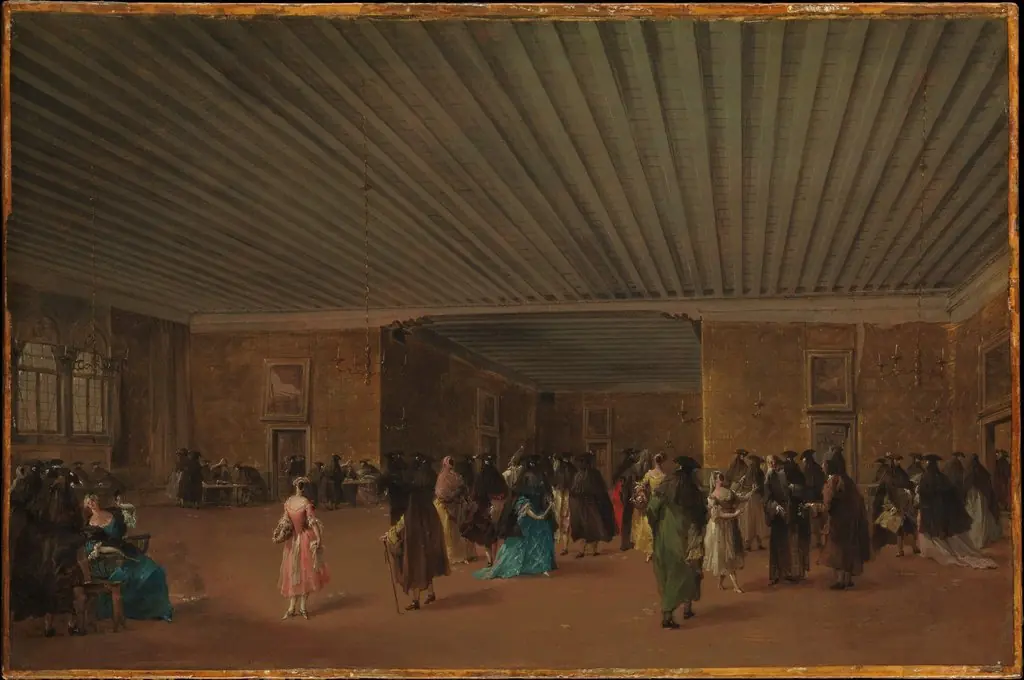 The Ridotto Pubblico at Palazzo Dandolo
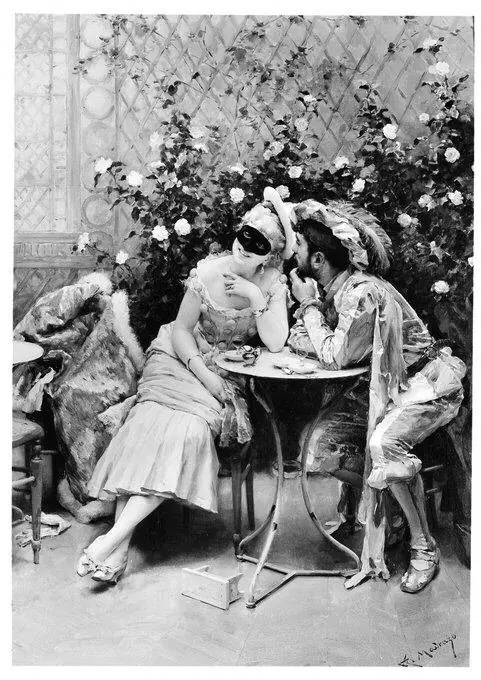 Masqueraders
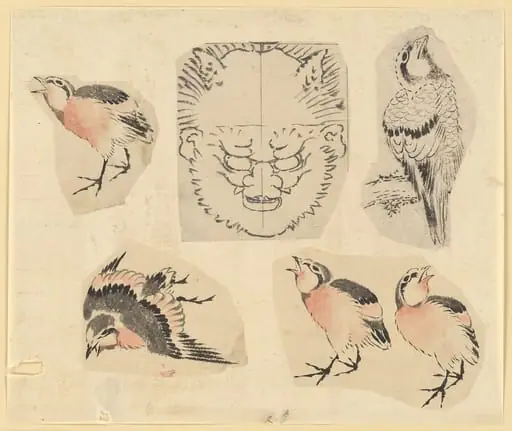 Untitled
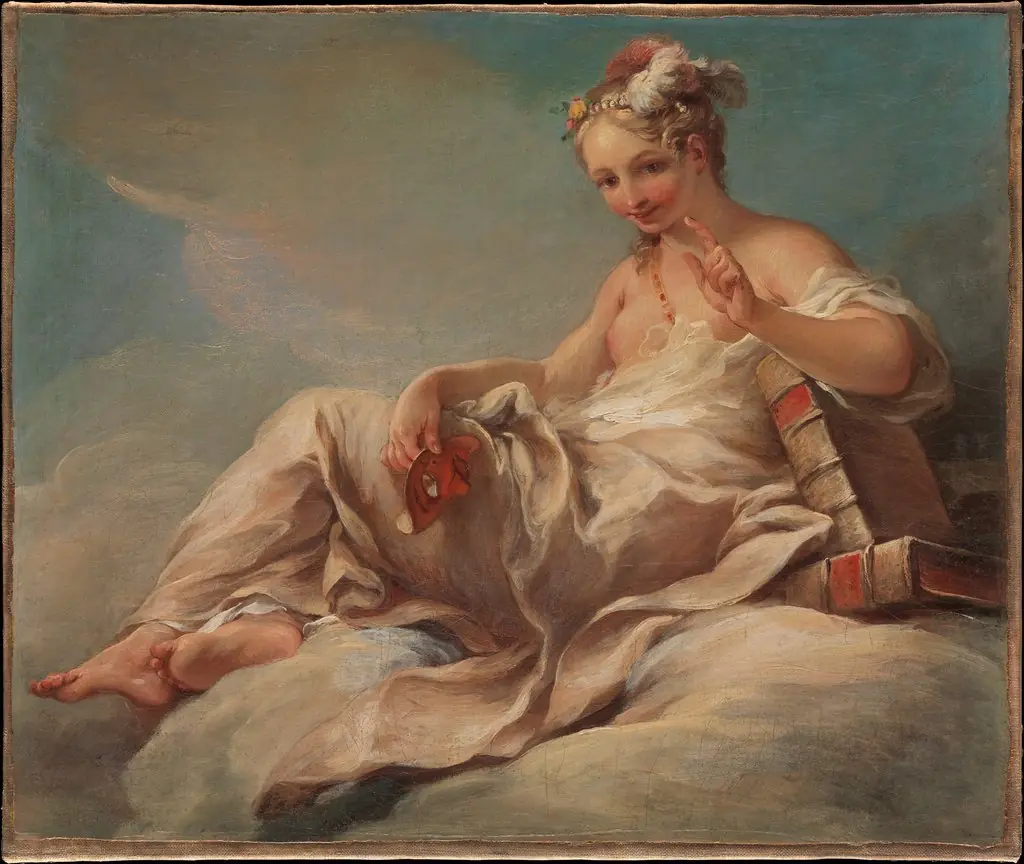 Comedy
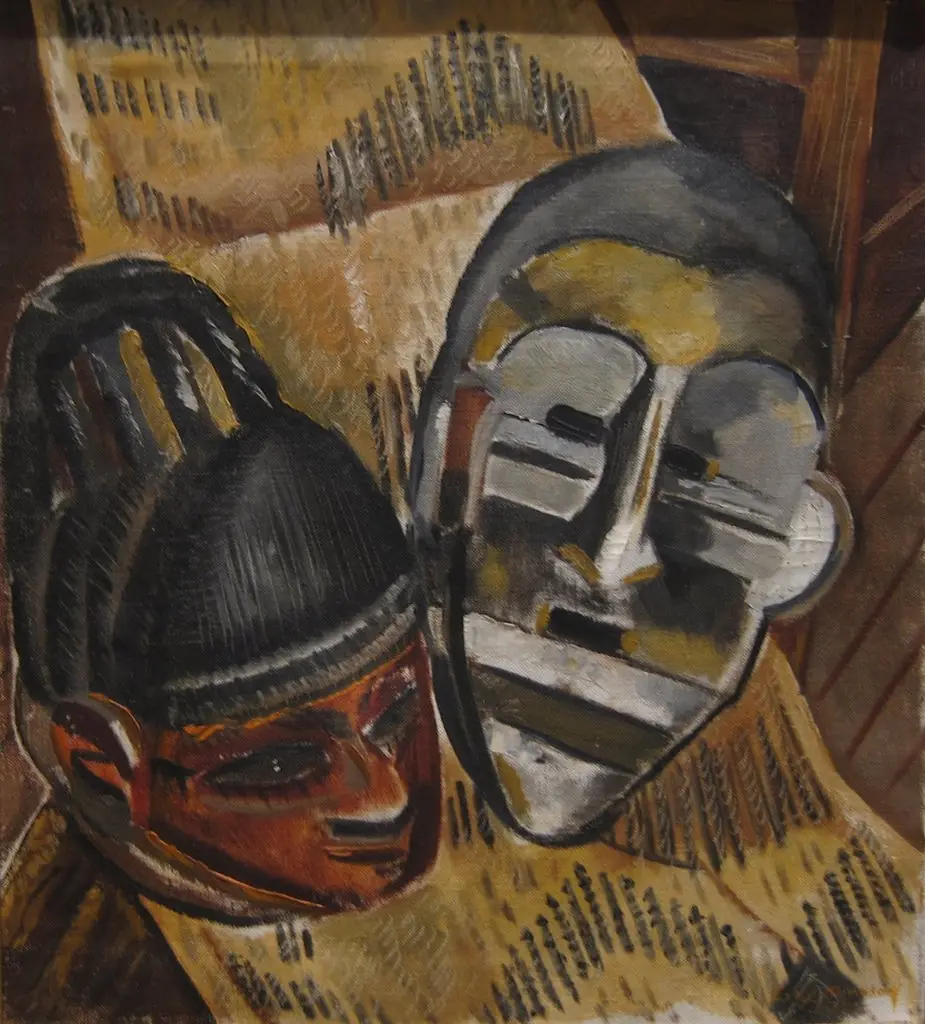 Negro Masks
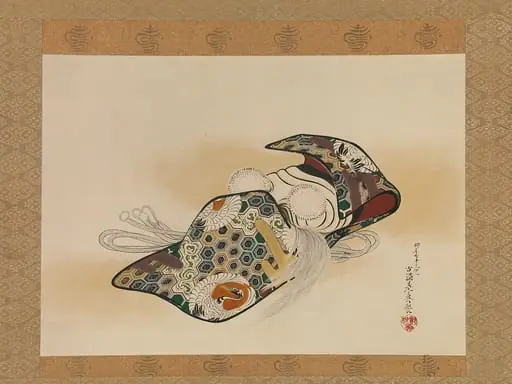 柴田是真作 翁面図|Mask for the Noh Play Okina
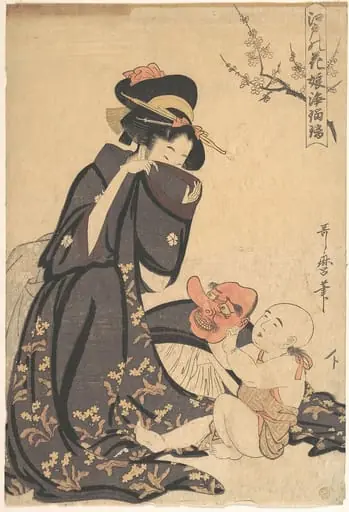 江戸の花 娘浄瑠璃|A Woman Playing with a Young Boy
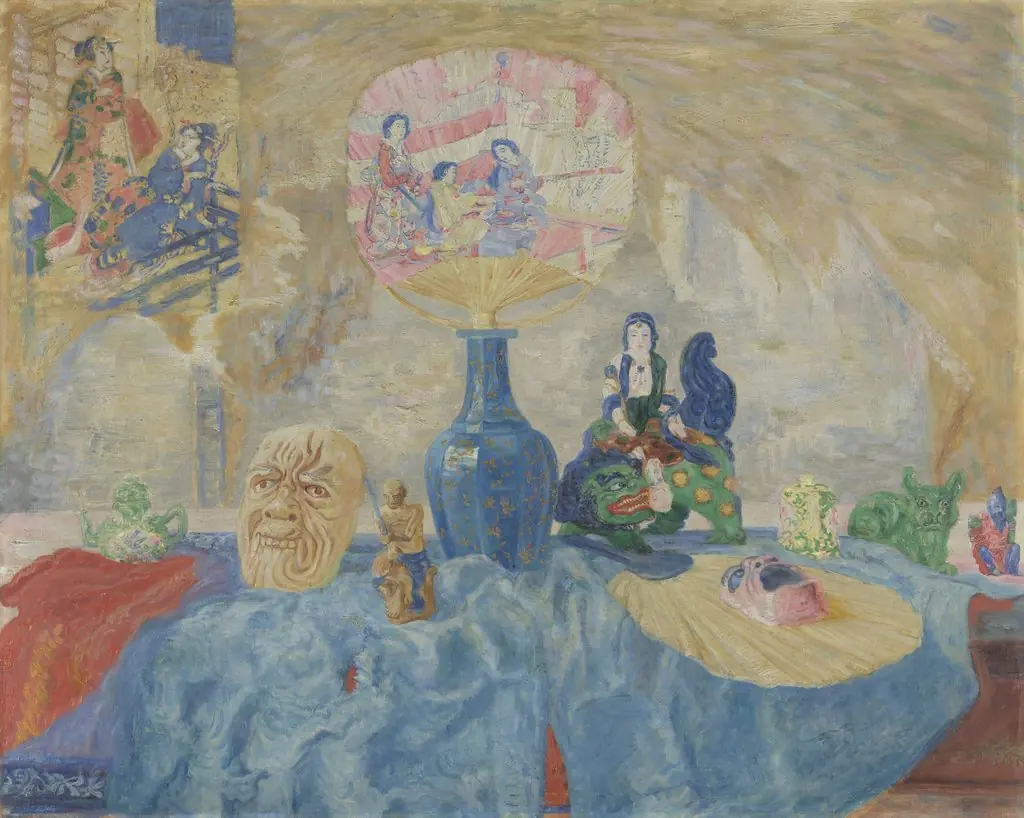 Still Life with Chinoiseries
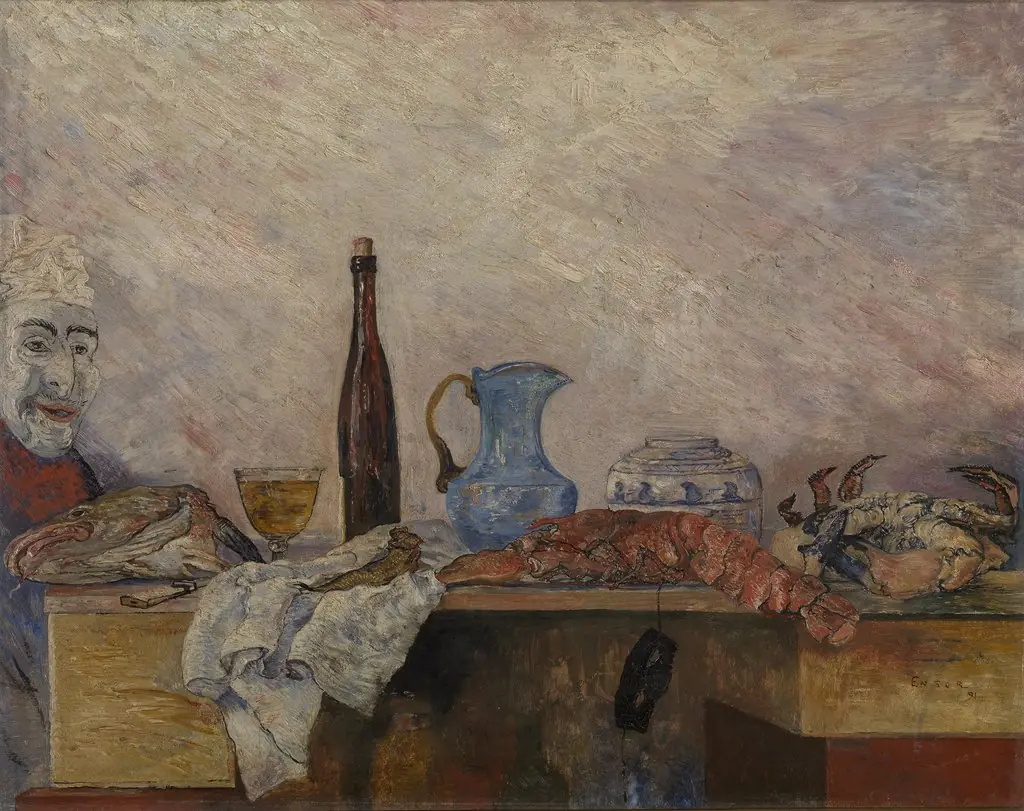 Mask and Crustaceans
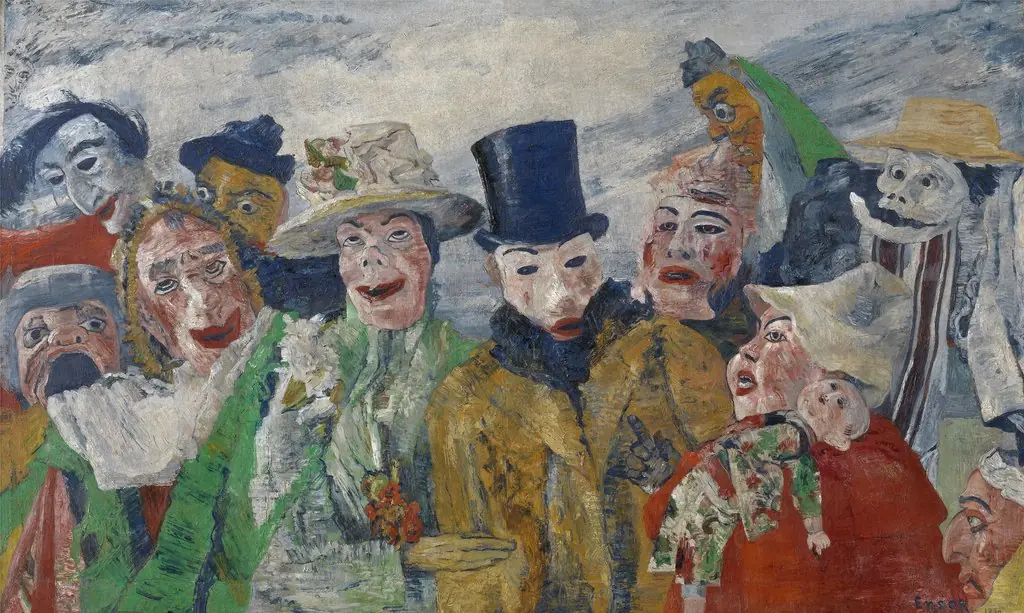 The Intrigue (Ensor)
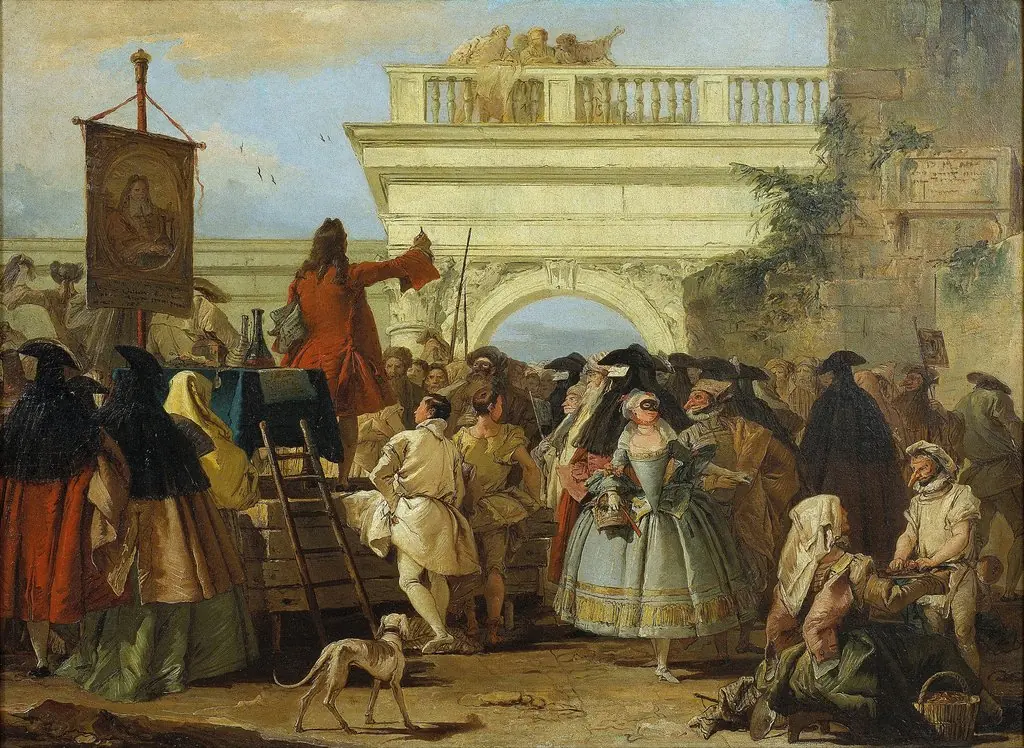 El xarlatà
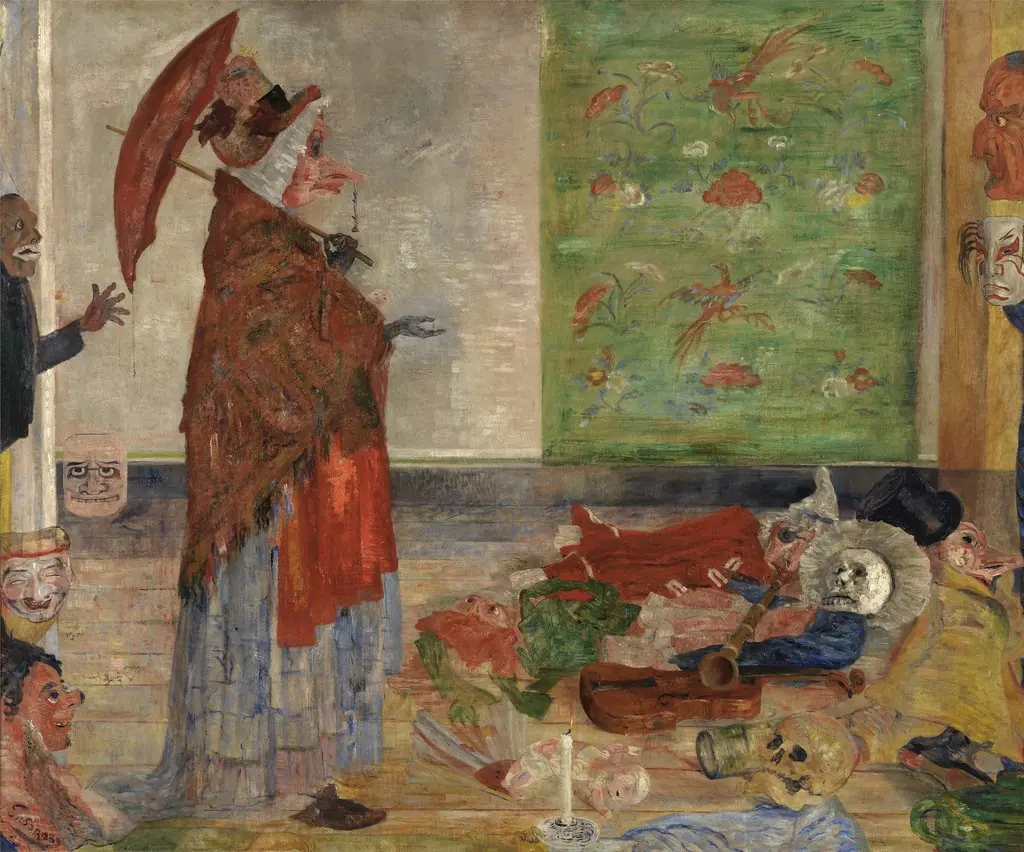 Astonishment of the Mask Wouse
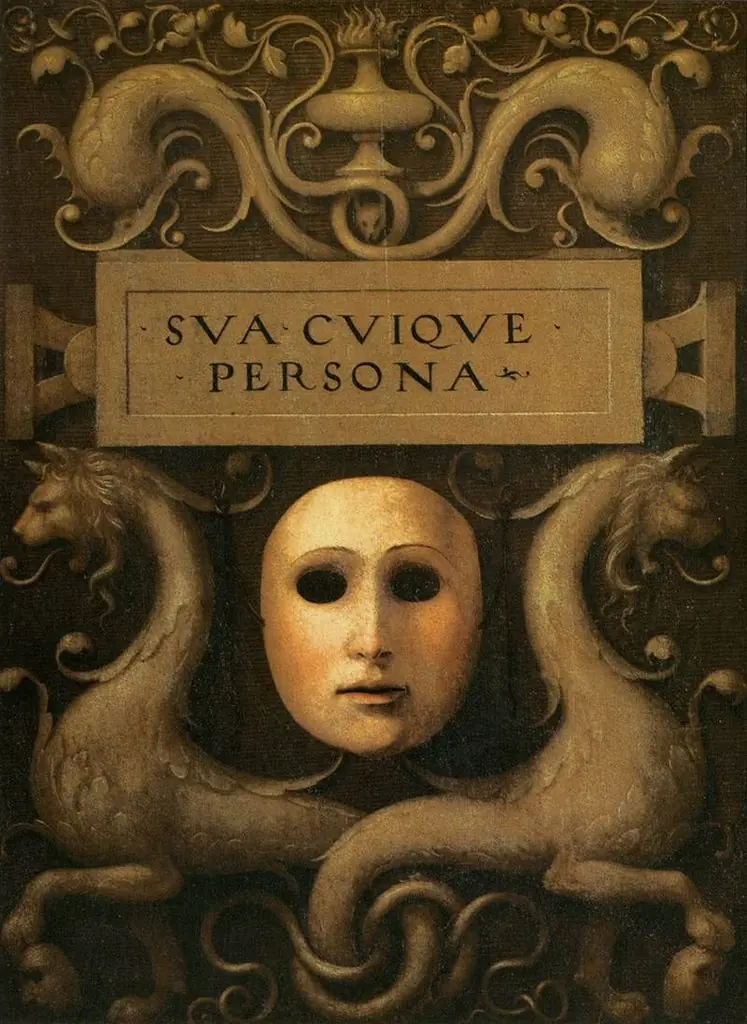 Coperta di ritratto con grottesche
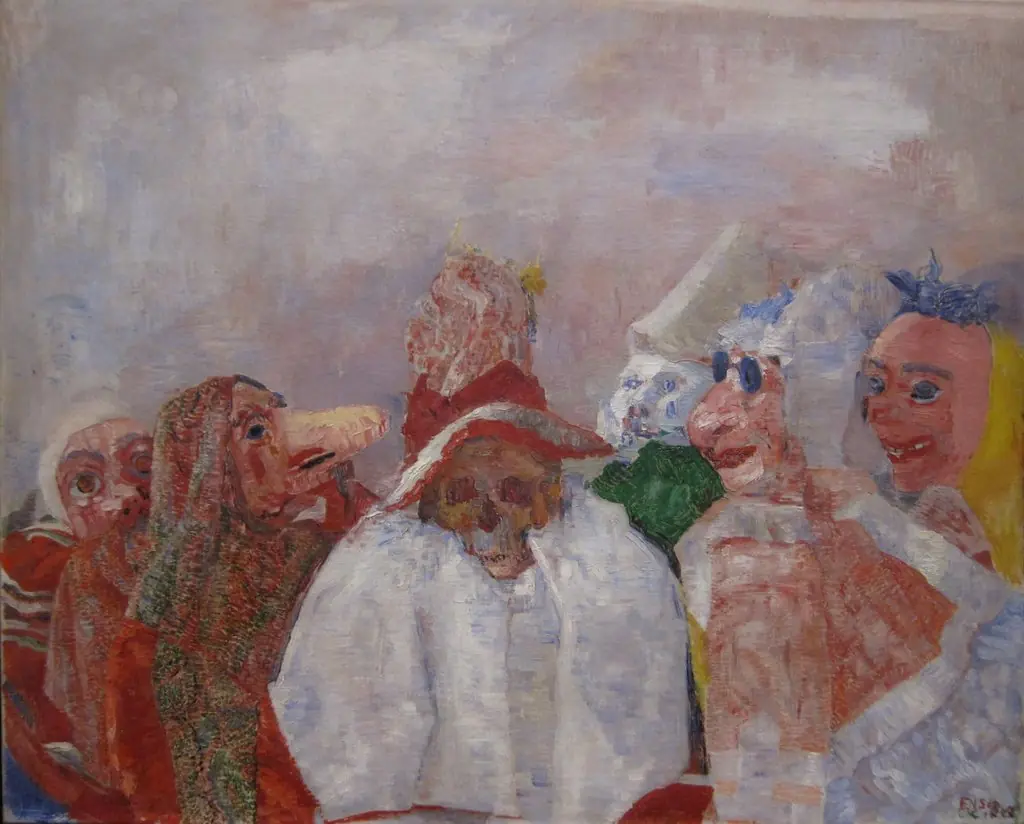 Masks Confronting Death
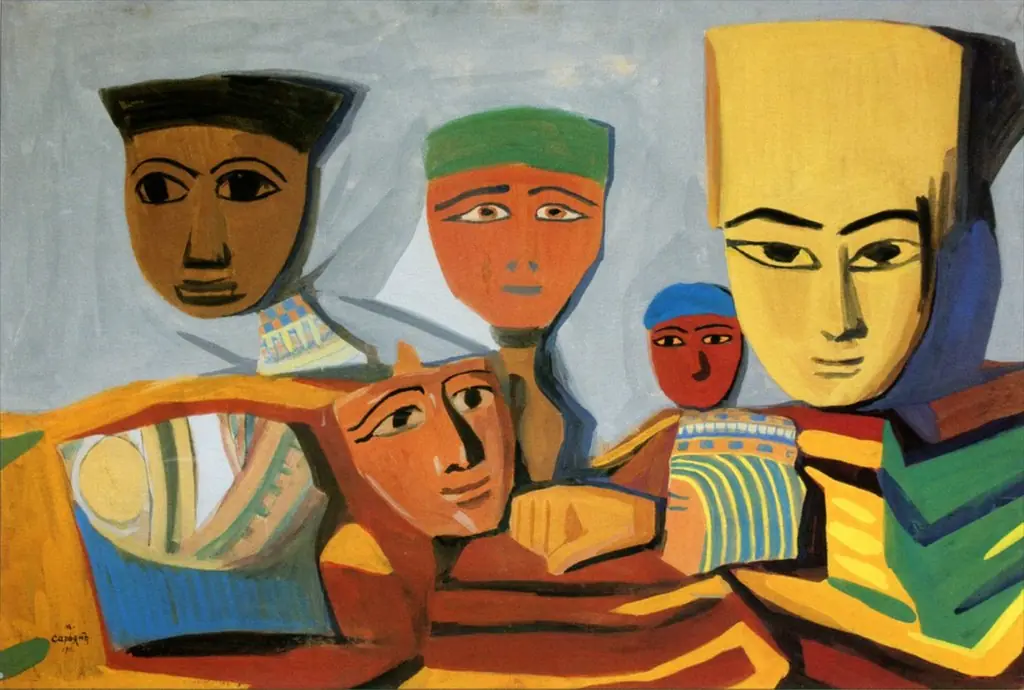 Egyptian masks
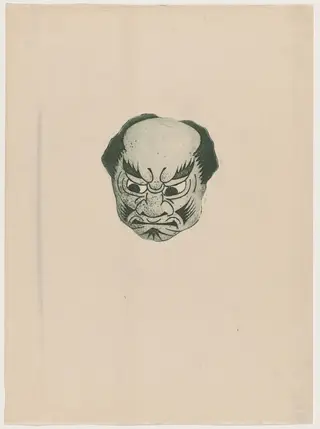 Masque
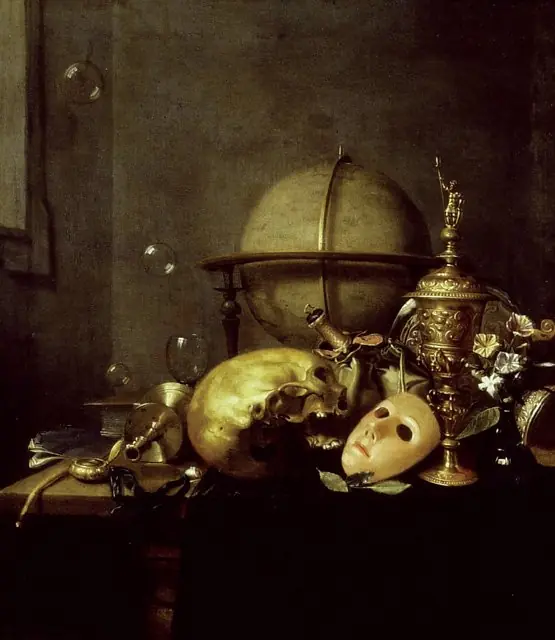 Vanitas still life with a mask
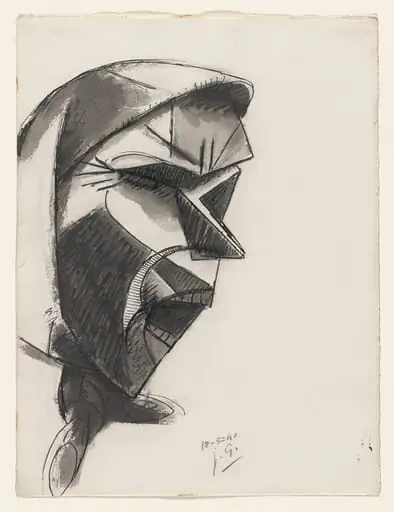 Untitled
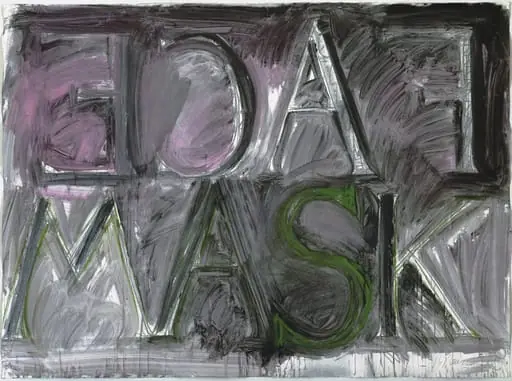 Untitled
 Untitled
 Untitled
 Untitled
Mask is a subject in art. A mask is an object normally worn on the face, typically for protection, disguise, performance, or entertainment, and often employed for rituals and rites.
Artifact World Gallery holds 32 public-domain Mask works, all free to view and download.
Key Mask artists in the collection include Édouard Manet, Jean Léon Gérôme and Pietro Longhi.
Mask works in the collection are held by Metropolitan Museum of Art, Museum of Modern Art and Royal Museum of Fine Arts Antwerp.
Your cart is empty
Browse artworks →