Artwork
The Martyrdom of Father Andrés Prior of the Seiz Charterhouse
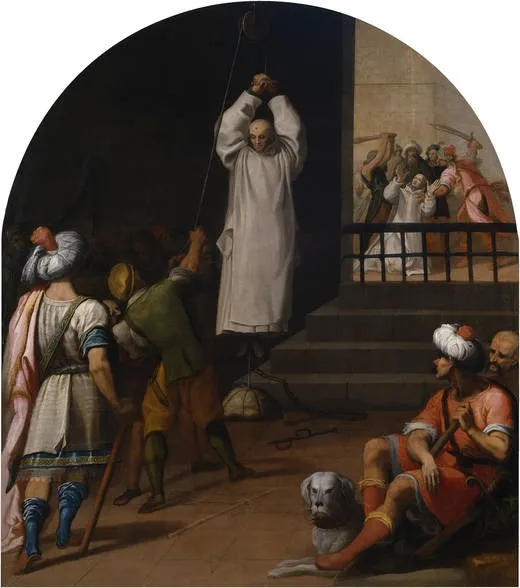
The Martyrdom of Father Andrés Prior of the Seiz Charterhouse is an oil painting by the Early Baroque Italian artist Vincenzo Carducci. It dates from 1626 and is held in the collection of the Museo del Prado.
About this work
Subject & Meaning
The scene represents the violent death of the clergyman, serving as a visual account of his sacrifice within the context of his monastic life.
The painting depicts the martyrdom of Father Andrés, the prior of the Seiz Charterhouse, portraying a specific moment of religious violence. As a work of religious art created in 1626, the composition centers on the figure of the prior and explicitly includes a weapon as a key element of the narrative. The scene represents the violent death of the clergyman, serving as a visual account of his sacrifice within the context of his monastic life.
Technique & Style
Executed in 1626, this religious painting by Vincenzo Carducci utilizes oil paint applied to a canvas support. The work is characterized by its monumental scale, measuring 336.5 cm in height and 297 cm in width. Visually, the composition incorporates the depiction of a weapon, aligning with the narrative of martyrdom.
The handling of the medium and the expansive dimensions suggest a formal approach designed for significant public or monastic display within the Carthusian context.
History & Provenance
The Martyrdom of Father Andrés Prior of the Seiz Charterhouse was created in 1626 by Vincenzo Carducci as an oil painting on canvas. It entered the collection of the Museo del Prado and was later associated with the Museo de la Trinidad, remaining on display there as part of its religious art holdings. The work depicts a martyrdom scene and measures 336.5 cm in height by 297 cm in width.
Overview
Created in 1626, this oil painting by Vincenzo Carducci, an Italian artist active in Spain, captures a dramatic episode from a religious narrative. The work is part of the early Baroque movement and is currently displayed in the Museo del Prado.
Context
The work reflects the Counter‑Reformation’s emphasis on vivid, emotionally charged depictions of saints and martyrs. By portraying a specific Carthusian figure, Carducci aligns with contemporary devotional practices that sought to inspire piety through graphic representation of suffering.
Artist & collection
Artist
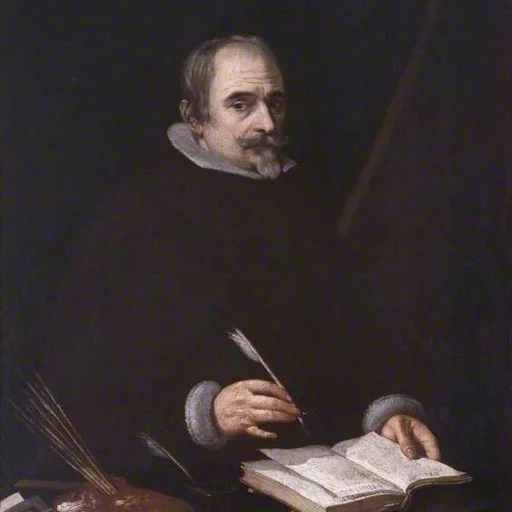
Vincenzio Carduccio (in Spanish, sometimes Vicencio or Vicente Carducho; 1576 or 1578–1638) was an Italian painter who spent his career in Spain.

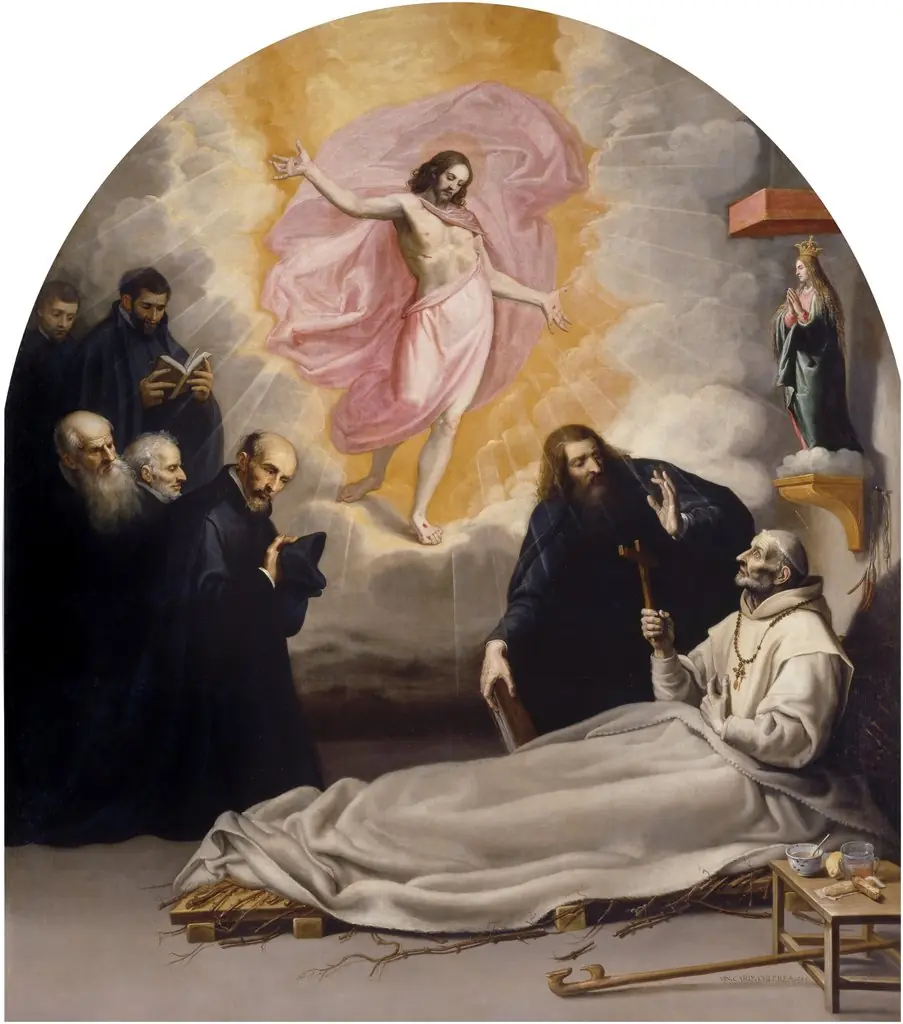
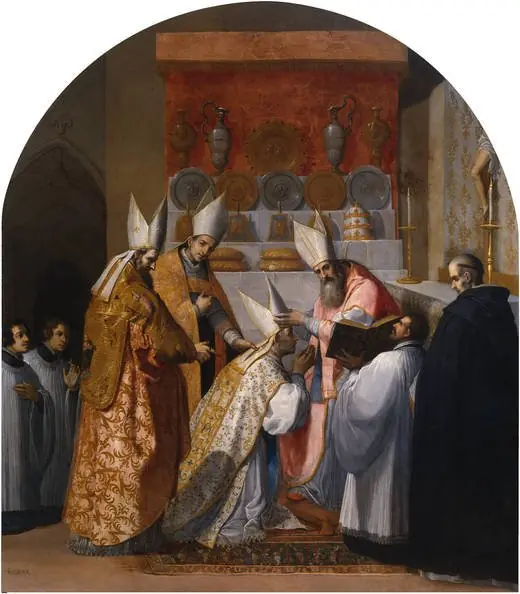
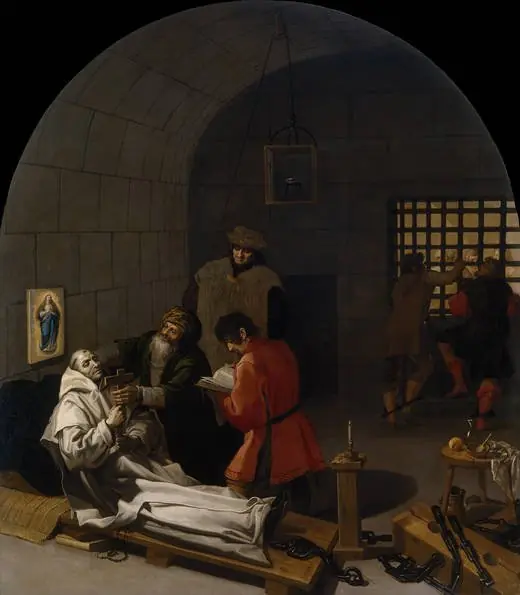
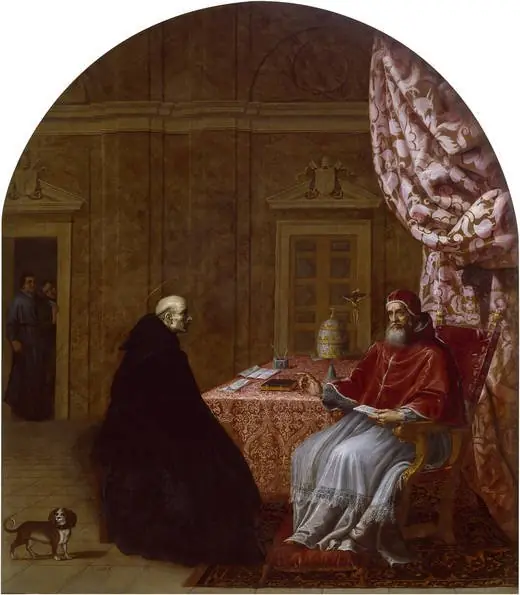
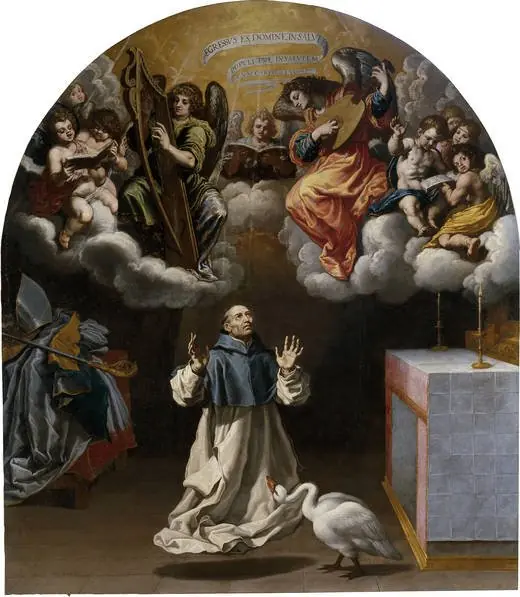
- The Martyrdom of the Priors of the English Charterhouses of London Nottingham and Axholme
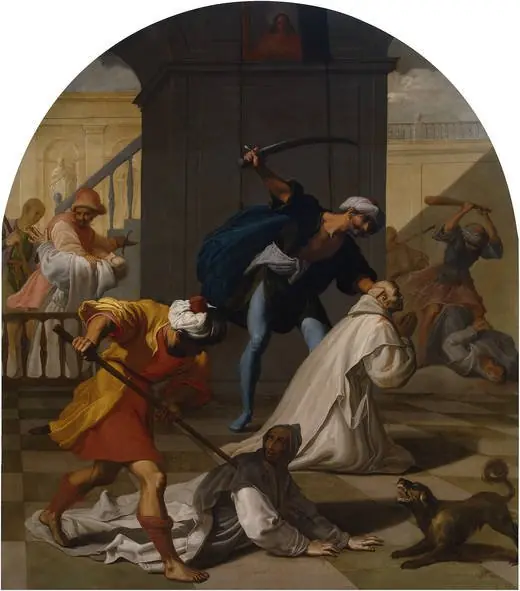 The Martyrdom of the Mauerbach Carthusians
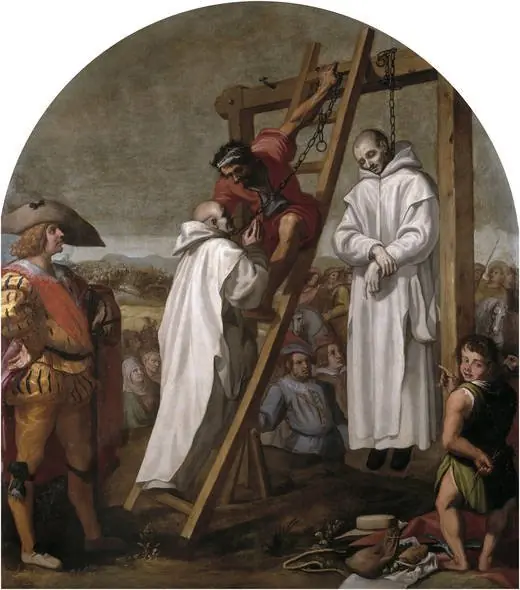 The Martyrdom of Fathers John Rochester and James Walworth
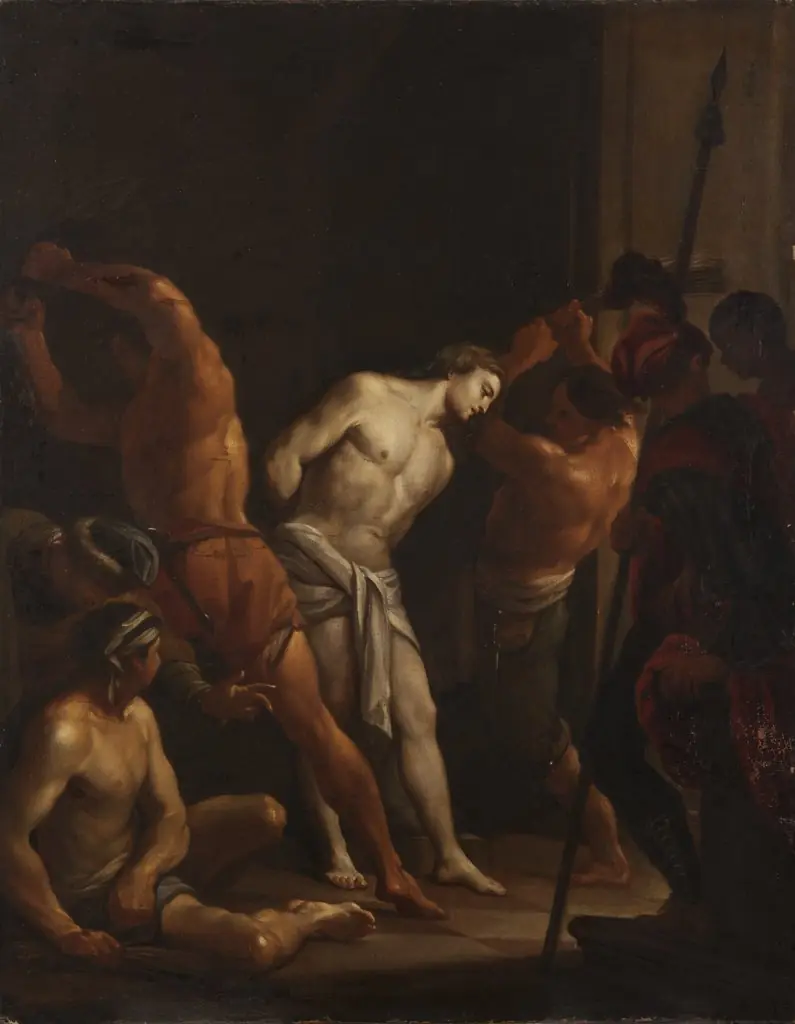 The Flagellation of Christ
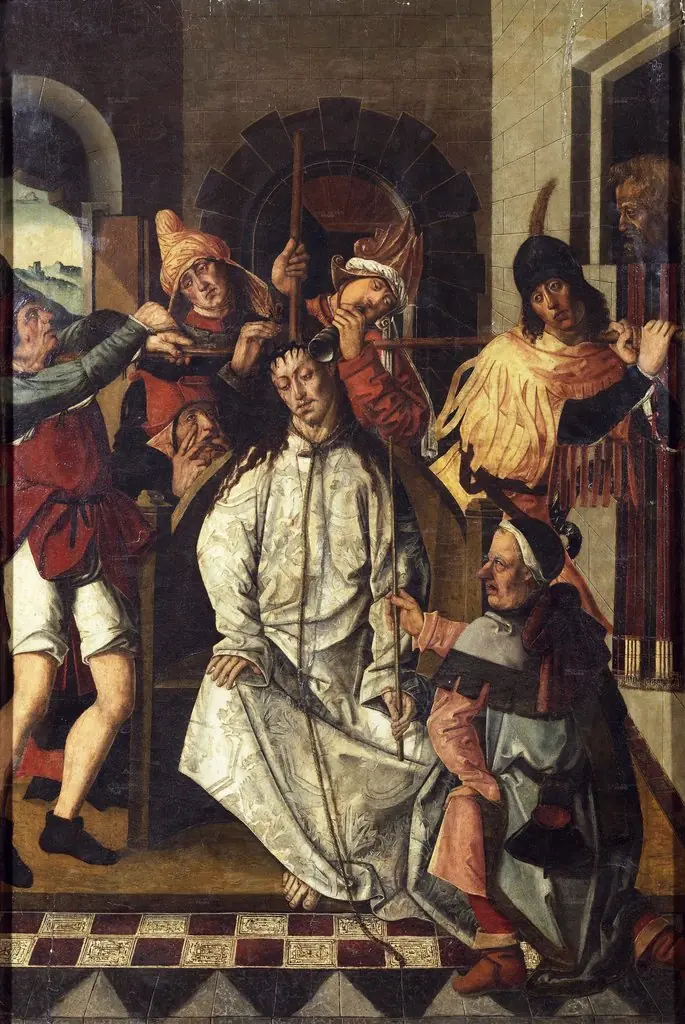 The Crown of Thorns
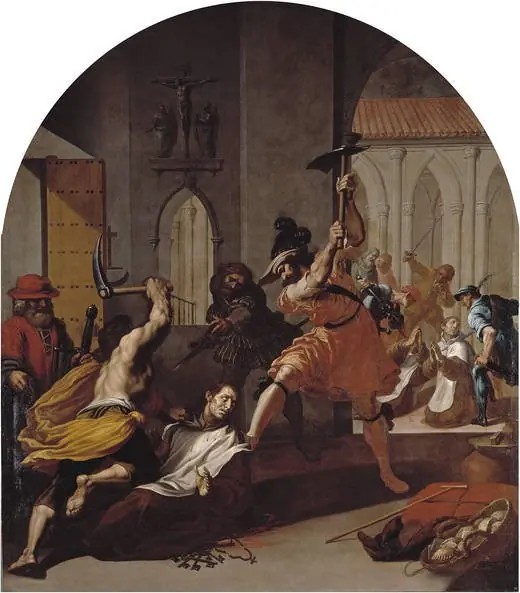 The Martyrdom of the Roermond Carthusians
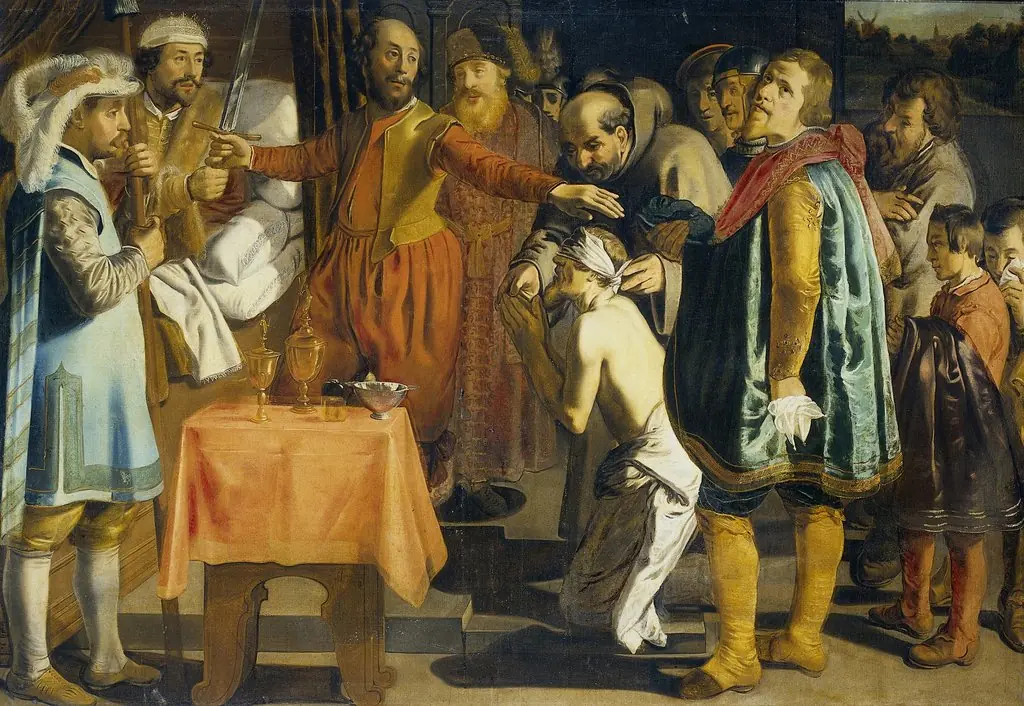 Willem III, Count of Holland, Ordering the Beheadal of the Bailiff of Zuid Holland, 1336
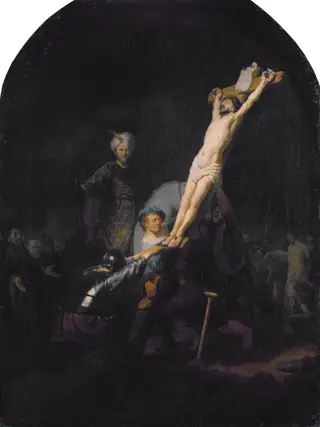 Raising of the Cross
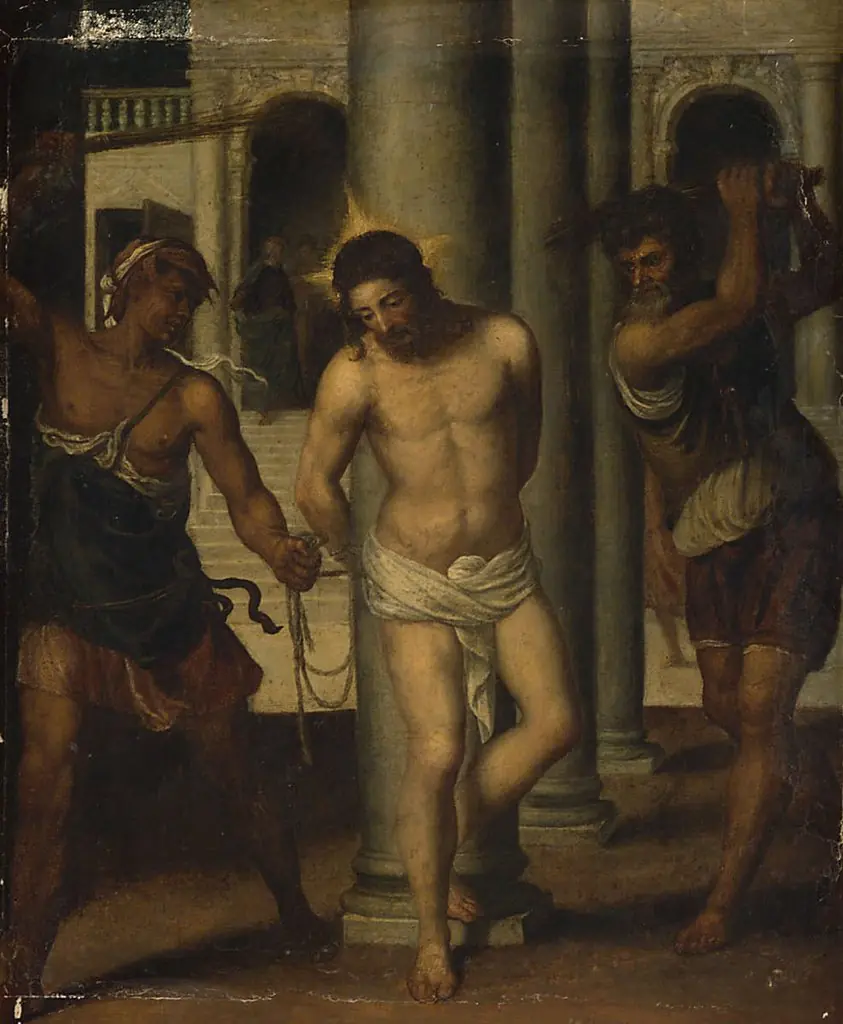 Flagellation of Christ