Artwork
清 王翬 雨後晴巒圖 扇頁|Mountains after Rain
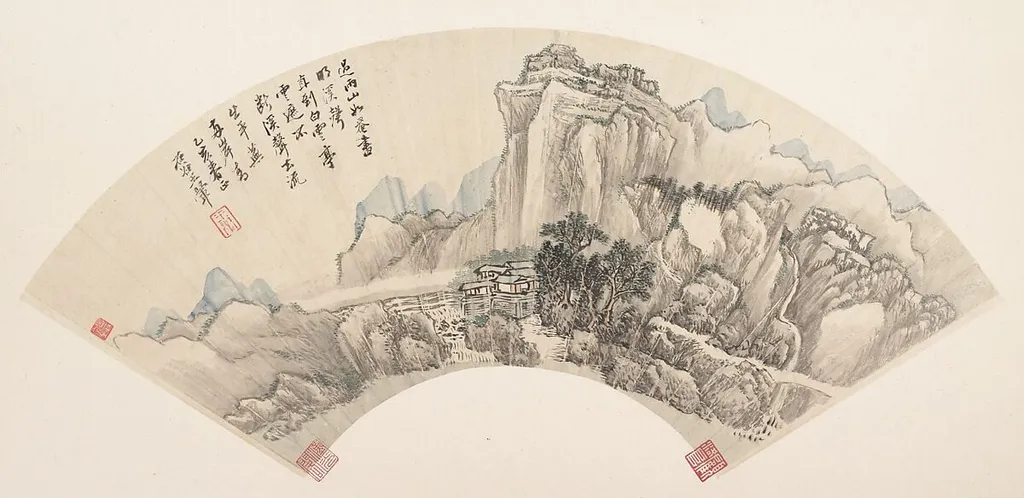
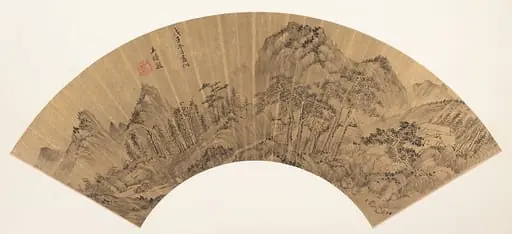
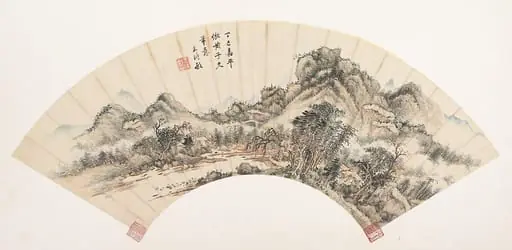
清 王翬 雨後晴巒圖 扇頁|Mountains after Rain is an ink painting by the Baroque artist Wang Hui. It dates from 1695 and is held in the collection of the Metropolitan Museum of Art.
About this work
You see a small fan-shaped painting of misty blue mountains, tiny houses tucked into slopes, and trees dripping after rain.
You see a small fan-shaped painting of misty blue mountains, tiny houses tucked into slopes, and trees dripping after rain.
Wang Hui painted this in 1695 as a folding fan, later flattened into an album page. The ink washes are so thin you can almost feel the damp air. Every brushstroke is deliberate, no smudges, no second tries.
If you like this quiet mountain scene, look up the subject of mountains.
Subject & Meaning
Executed in 1695, this work by Wang Hui is a landscape painting rendered in ink and color on paper. The composition depicts a natural scene of mountains and trees, capturing the atmosphere implied by its title, 'Mountains after Rain.' As a folding fan mounted as an album leaf, the piece focuses on the representation of these geological and botanical elements within the Chinese landscape tradition.
The available records identify the subject strictly as these features of terrain and flora, without documenting further iconographic programs beyond the depiction of the post-rain environment.
Technique & Style
Executed in 1695, this landscape by Wang Hui uses ink and color applied to paper. Originally constructed as a folding fan, the work has been remounted as an album leaf, altering its physical handling from a functional object to a flat presentation format. The composition depicts mountains and trees, adhering to traditional landscape genres.
The surviving sheet measures 16.4 cm in height and 49.2 cm in width. While the specific condition of the pigment or paper surface is not detailed in available records, the medium remains consistent with Qing dynasty fan paintings often preserved in albums after their initial use.
History & Provenance
Wang Hui painted Mountains after Rain in 1695 in China, producing a folding fan mounted as an album leaf in ink and color on paper; the work depicts a mountainous landscape with trees. It later entered the collection of the Metropolitan Museum of Art, where it has been housed since its acquisition. Its creation date of 1695 corresponds to the artist's activity during the early Qing period, and it is catalogued as a landscape painting within the museum's Asian art holdings.
Context
The folding-fan leaf Mountains after Rain, painted by Wang Hui in 1695, exemplifies early Qing landscape art through its ink-and-color technique and composition of mountain and tree motifs. Its inclusion in the Metropolitan Museum of Art's collection reflects interest in preserving representative works of the period and highlights the artist's contribution to the evolution of Chinese landscape painting. Its classification as a landscape and its documented dimensions and materials provide concrete data for art-historical study.
Legacy
The folding fan Mountains after Rain, painted by Wang Hui in 1695, is recognized as a representative example of Qing-era literati landscape. Held in the Metropolitan Museum of Art's collection, it illustrates the artist's synthesis of classical brushwork with personal expression, a hallmark of his landscape style. Its depiction of mountains and trees reflects the symbolic use of nature characteristic of the period.
Overview
“Mountains after Rain” is a landscape painting by Wang Hui, created in 1695. Executed with ink and color on paper, this work originally served as a folding fan. It has since been transformed and mounted as an album leaf, presenting a serene depiction of nature. The artwork is a notable example of the artist's approach to traditional Chinese landscape themes.
Artist & collection


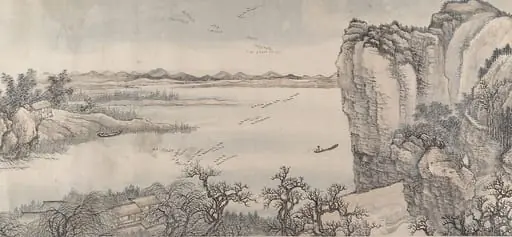 清 王翬 倣巨然燕文貴山水圖 卷|Landscape in the Style of Juran and Yan Wengui
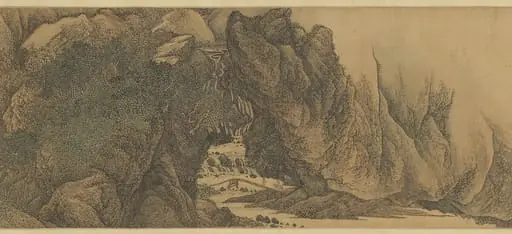 清 王翬 太行山色圖 卷|The Colors of Mount Taihang
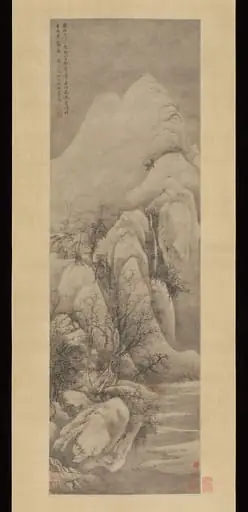 清 王翬 倣李成雪霽圖 軸|Snow Clearing: Landscape after Li Cheng
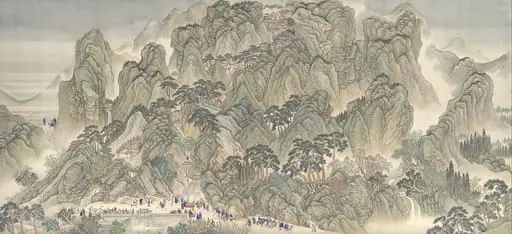 清 王翬等 康熙南巡圖 (卷三: 濟南至泰山) 卷|The Kangxi Emperor's Southern Inspection Tour, Scroll Three: Ji'nan to Mount Tai
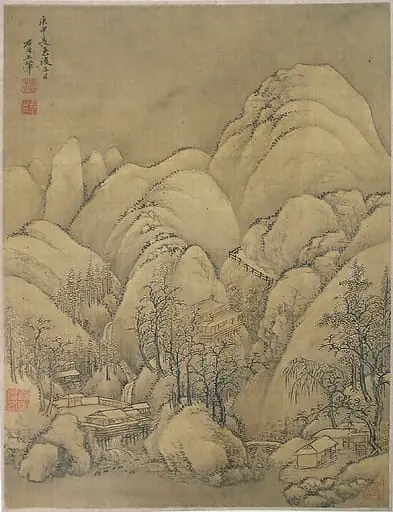 清 佚名 倣王翬 倣李成山水圖 軸|Landscape after Li Cheng
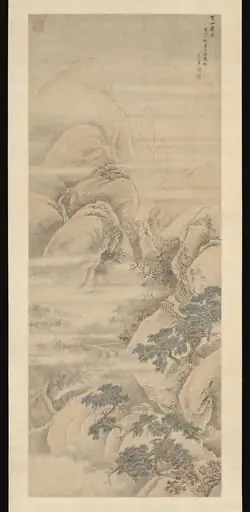 清 (傳)王翬 雪景山水圖 軸|Snowscape
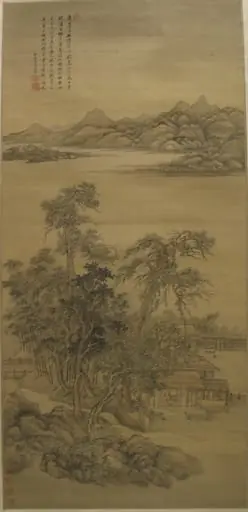 清 佚名 倣王翬 倣李公麟草堂圖 軸|Landscape in the Style of Li Gonglin
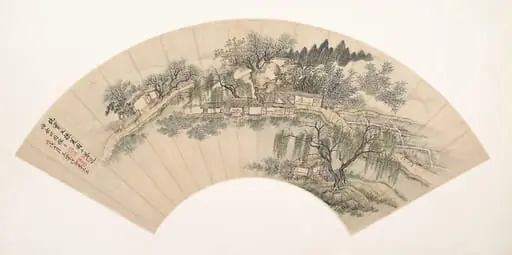 清 佚名 倣王翬 倣仇實父採菱圖 扇|Gathering Water Chestnuts