Artwork
Sign
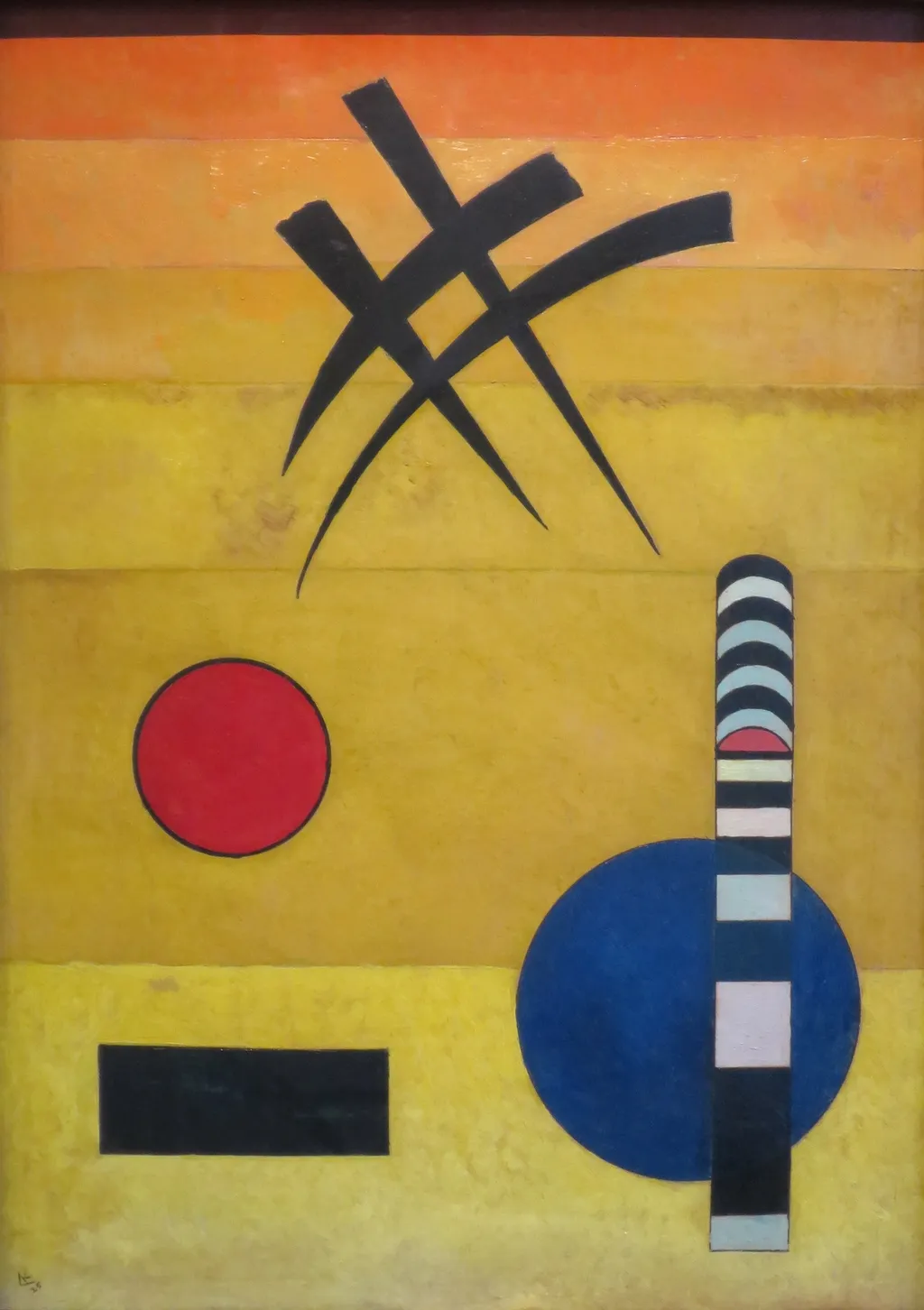
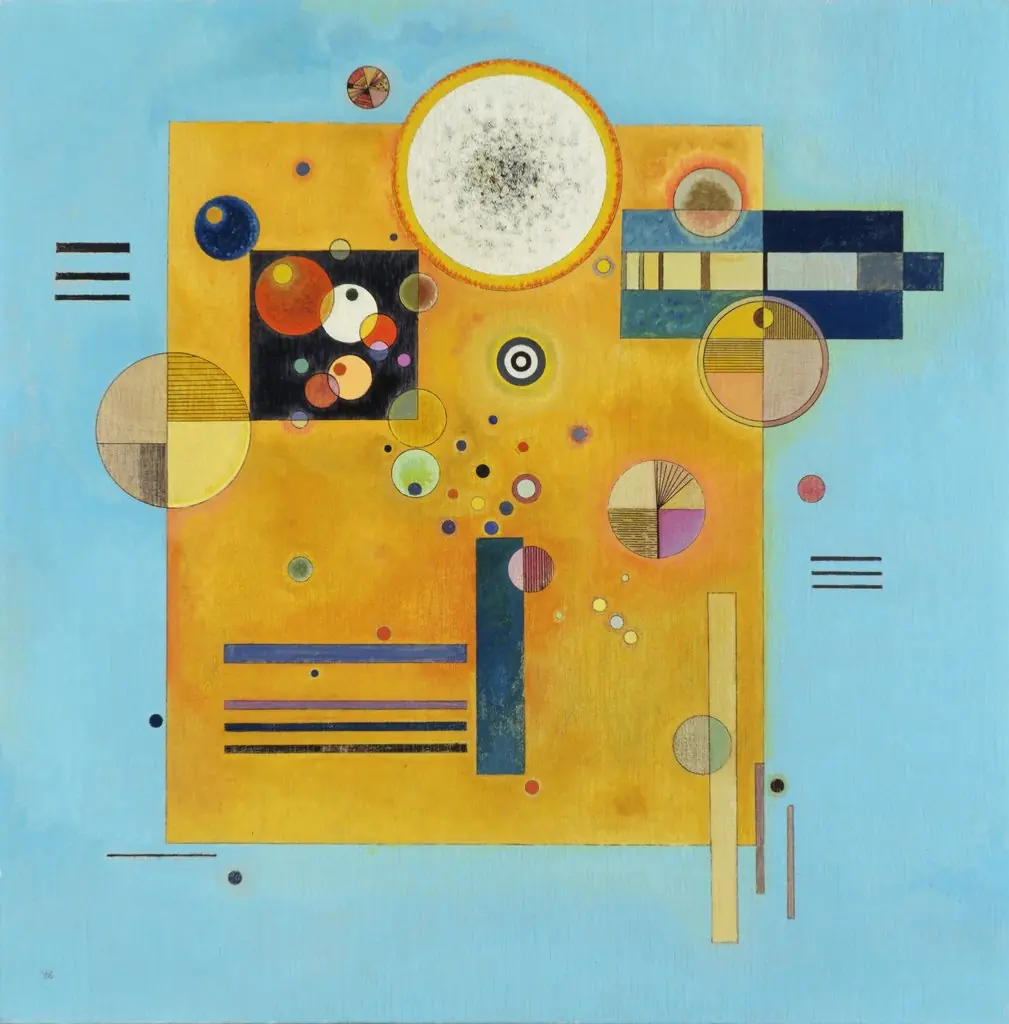
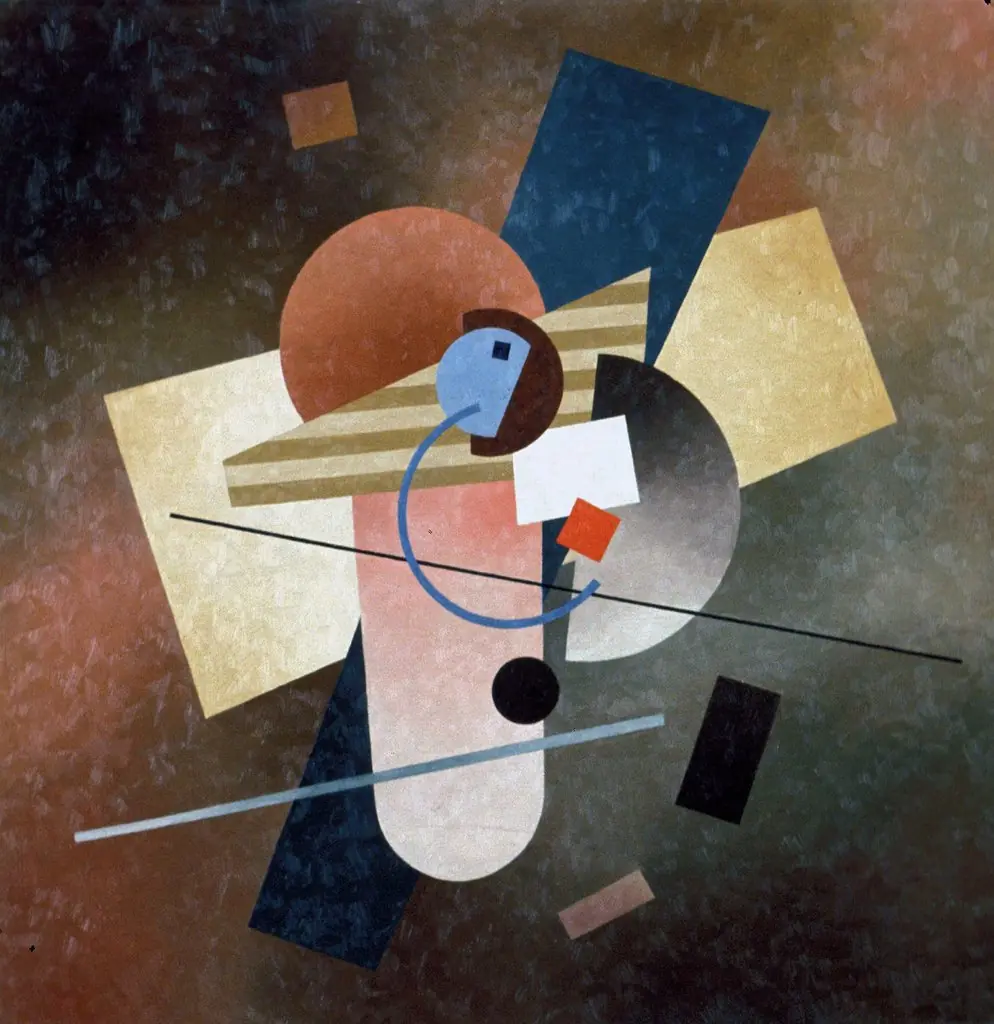
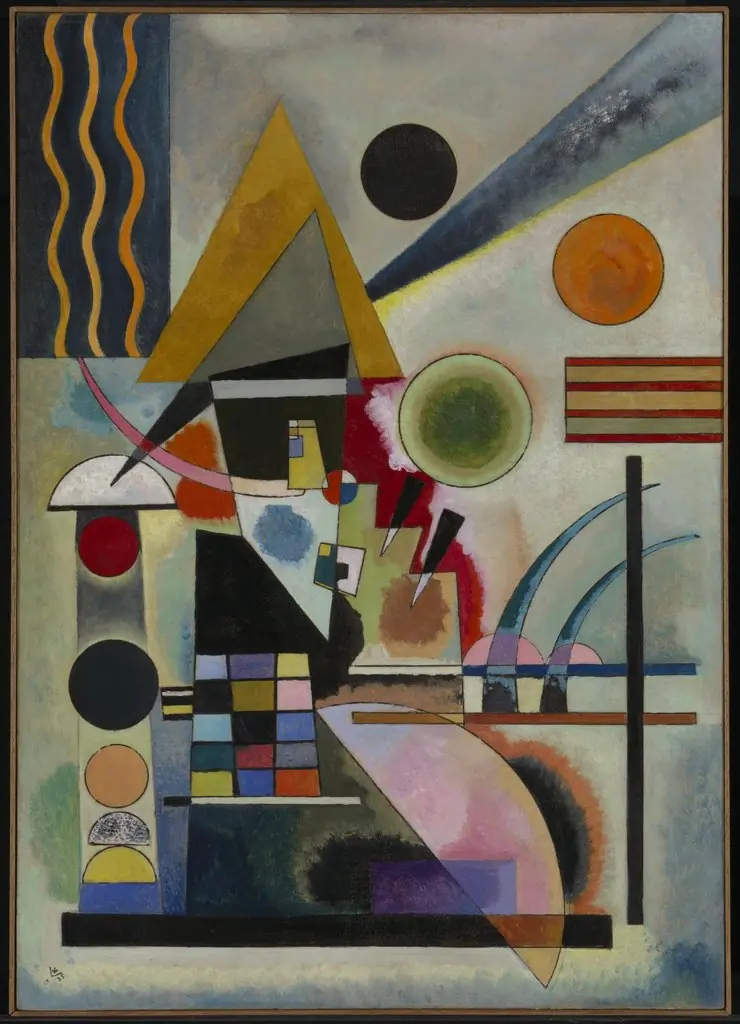
Sign is an oil painting by Wassily Kandinsky. It dates from 1925 and is held in the collection of the Los Angeles County Museum of Art.
About this work
Overview
Painted in 1925, Sign is an oil on canvas work by Wassily Kandinsky, currently in the collection of the Los Angeles County Museum of Art.
Painted in 1925, Sign is an oil on canvas work by Wassily Kandinsky, currently in the collection of the Los Angeles County Museum of Art. It belongs to a period when Kandinsky was deeply engaged with non-representational composition, refining his visual language after years of theoretical development and teaching. The painting reflects his commitment to abstraction as a means of expressing inner experience rather than external reality.
Subject & Meaning
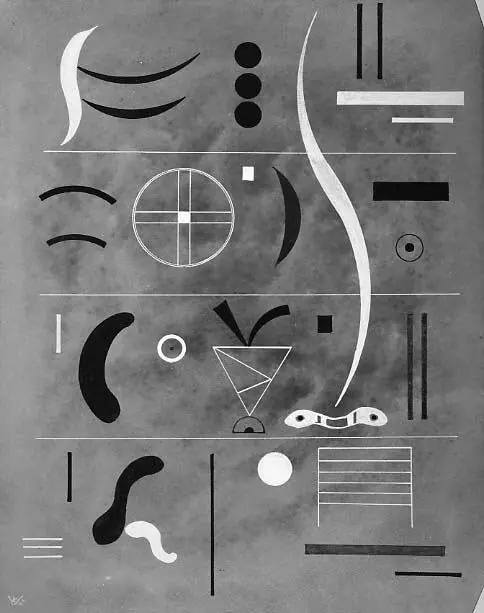
The painting avoids figurative representation, instead presenting a structured arrangement of geometric forms, circles, rectangles, and intersecting lines, as autonomous elements. These shapes do not depict recognizable objects but function as visual symbols, suggesting rhythm, tension, and balance. Kandinsky viewed such forms as carriers of spiritual and emotional resonance, inviting viewers to respond intuitively rather than analytically.
Technique & Style
Kandinsky employed bold, unmixed pigments to create strong chromatic contrasts, particularly between the red and blue circles and the warm yellow-orange background. The black lines and striped bar introduce rhythmic disruption, while the horizontal bands of the background establish a stable ground. Forms are cleanly outlined and precisely placed, reflecting his interest in mathematical harmony and dynamic equilibrium within abstraction.
History & Provenance
Created during Kandinsky’s tenure at the Bauhaus in Dessau, Sign emerged from a period of intense pedagogical and artistic experimentation. It was acquired by LACMA in the mid-20th century as part of a broader effort to document the evolution of modernist abstraction. The work has remained in the museum’s collection since, consistently included in surveys of early 20th-century abstract painting.
Context
In the mid-1920s, Kandinsky was synthesizing ideas from Constructivism, Suprematism, and his own earlier spiritual theories of art. Sign reflects the influence of Bauhaus principles, clarity, structure, and the integration of art with design, while retaining his personal focus on color’s psychological impact. The work stands alongside contemporaneous pieces by Mondrian and Malevich, though it retains a more organic sense of motion.
Legacy
Kandinsky’s Sign contributed to the legitimization of abstraction as a serious artistic language in Western modernism. Its disciplined composition and emotional intensity influenced later generations of abstract painters, particularly those exploring formal relationships over narrative content. The painting remains a touchstone in discussions of how visual elements can convey meaning without reference to the visible world.
Own this work as a print
Artist & collection
Artist
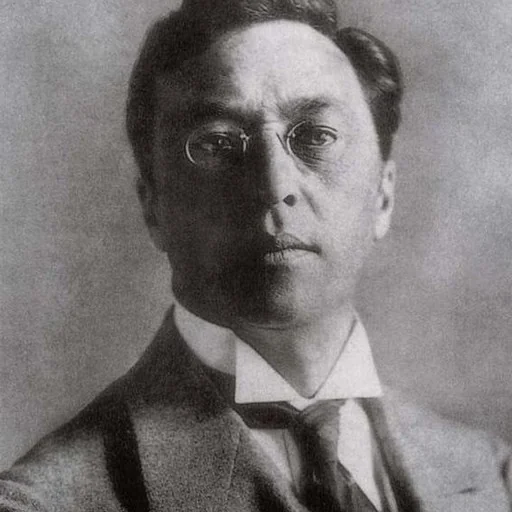
Wassily Wassilyevich Kandinsky (16 December 1866 – 13 December 1944) was a Russian painter and art theorist active in Germany during the late Belle Époque and Interwar eras.