Artwork
Composition
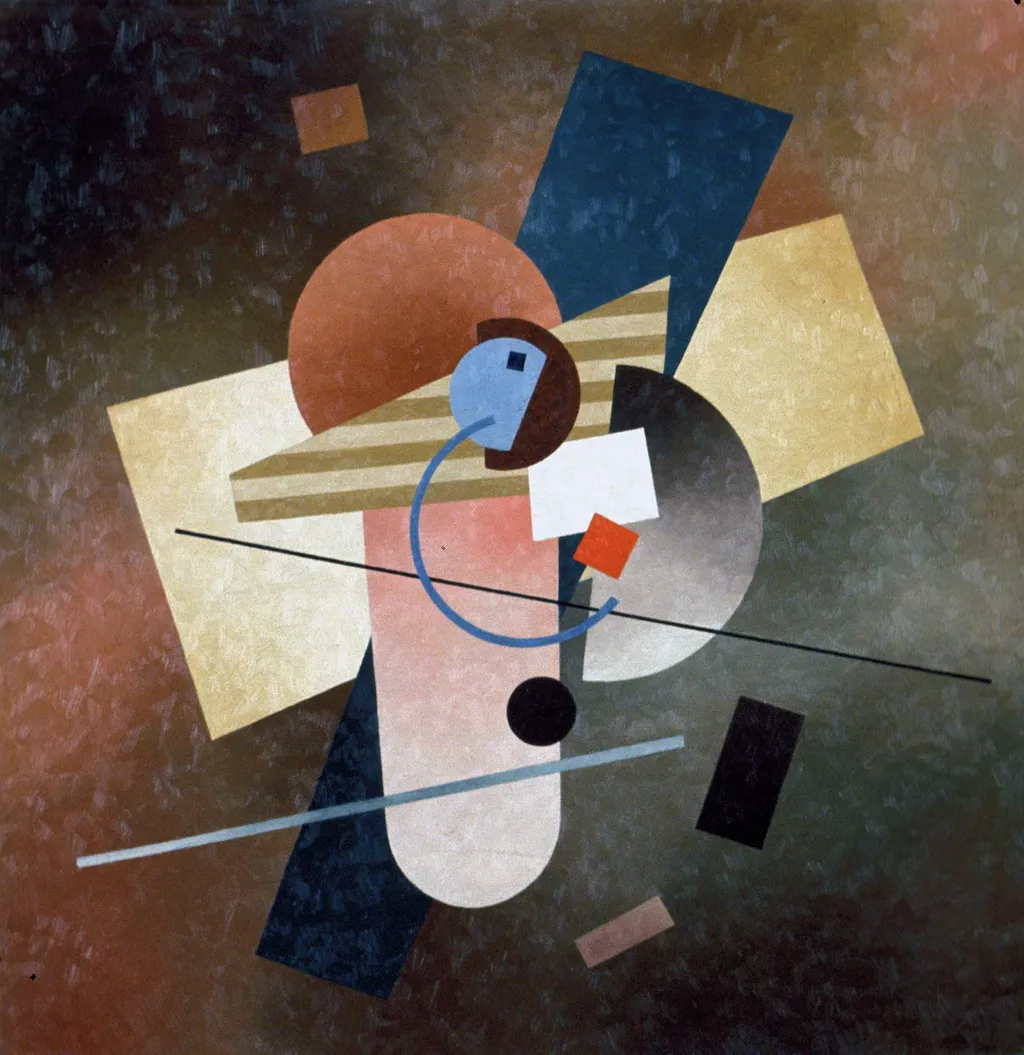
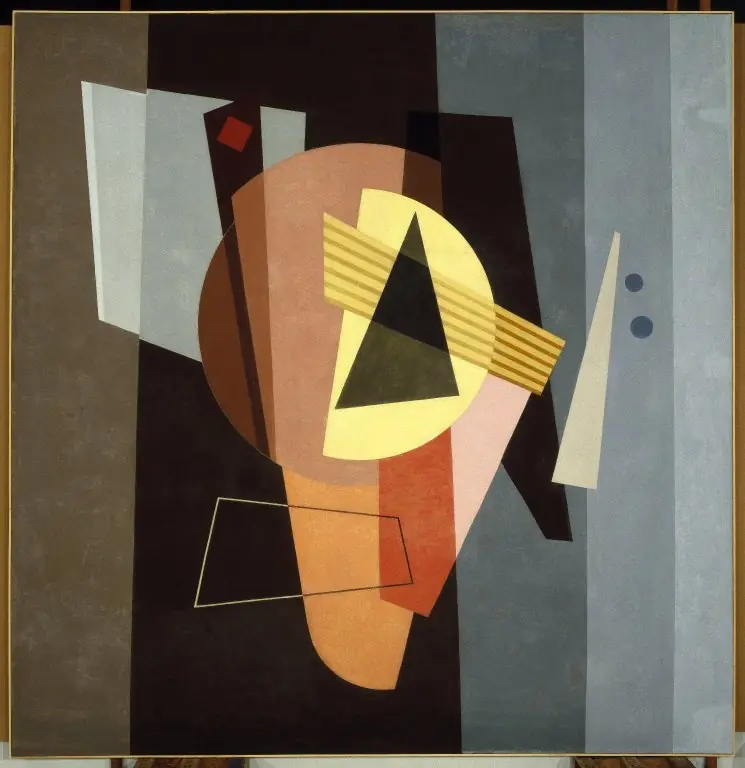
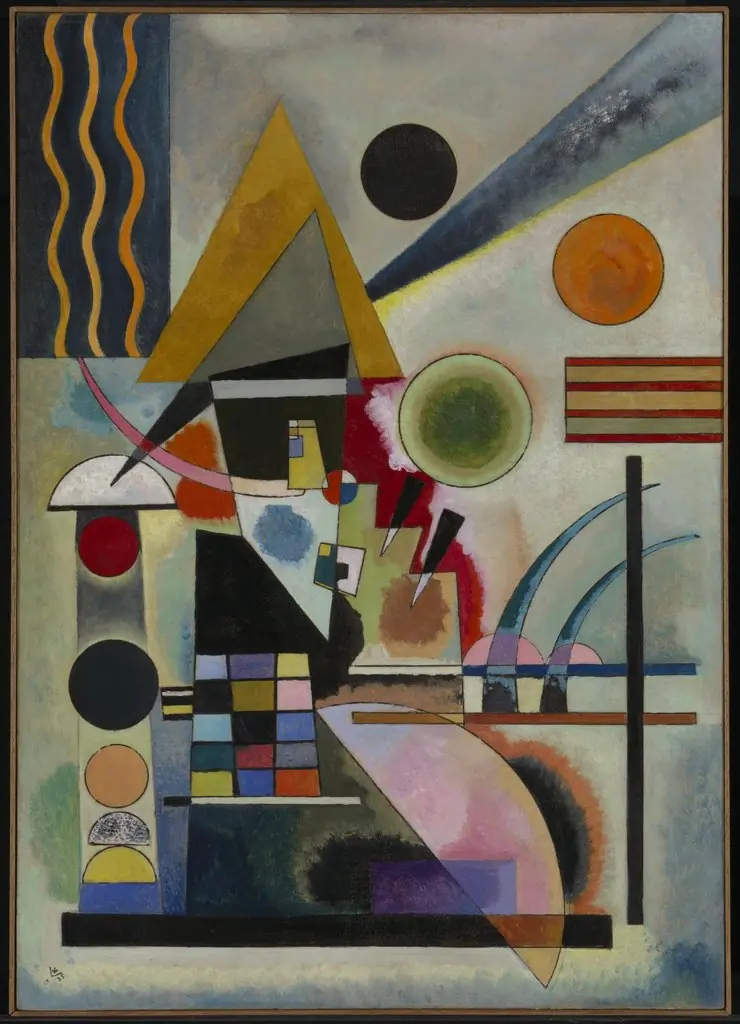
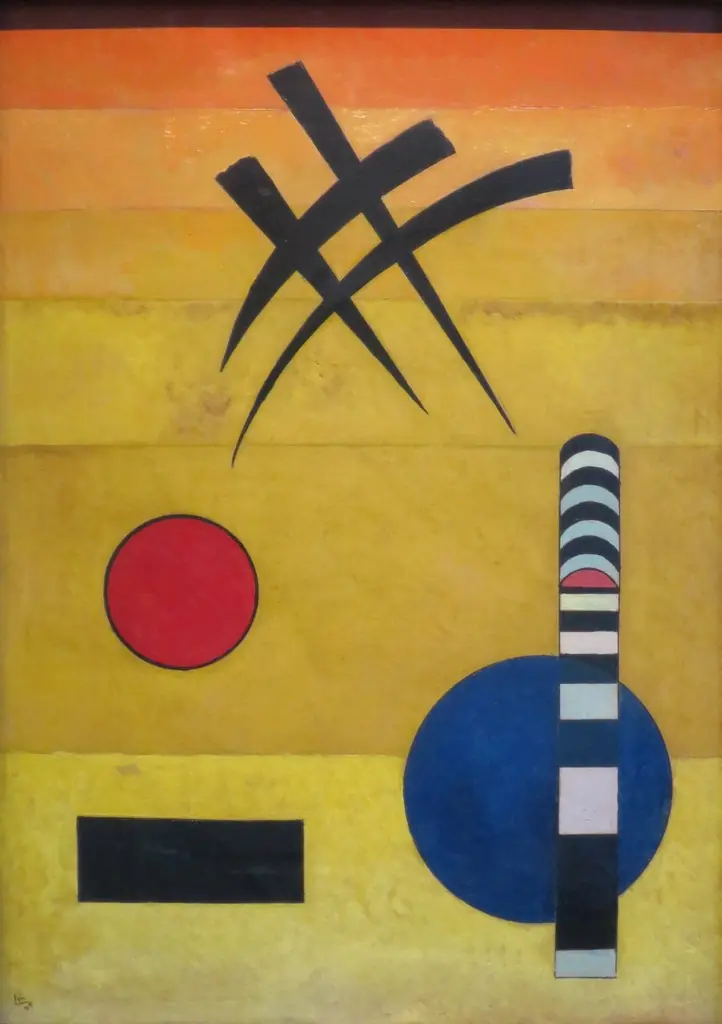
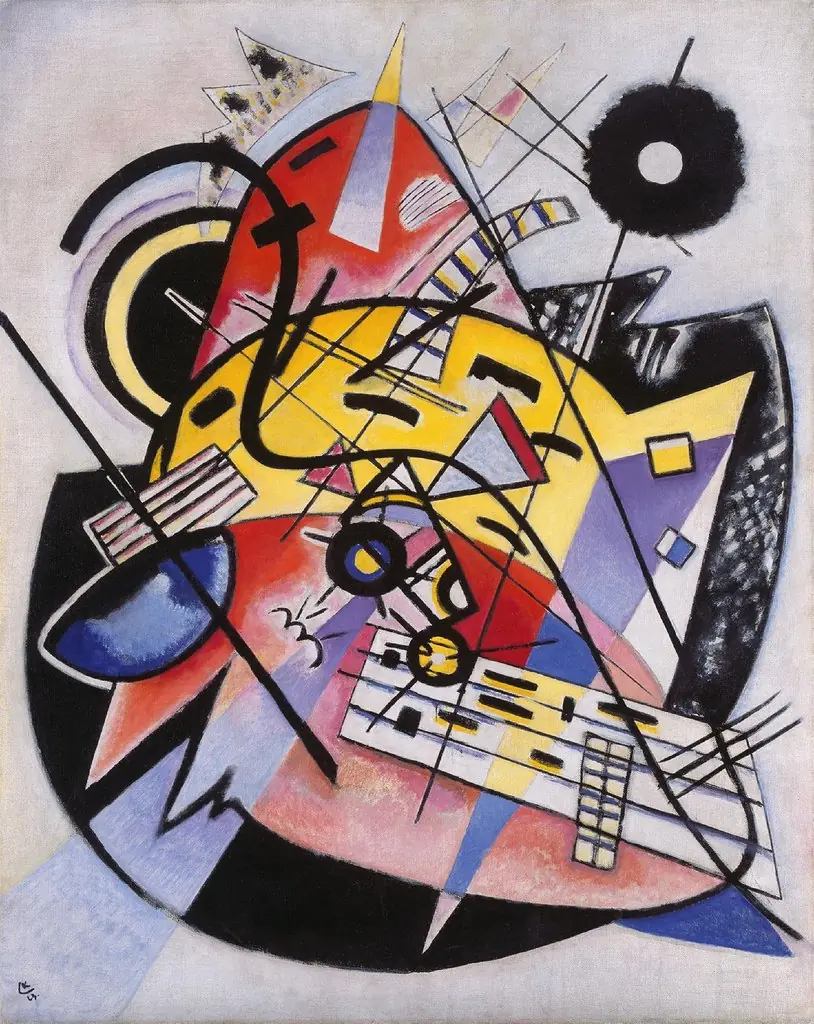
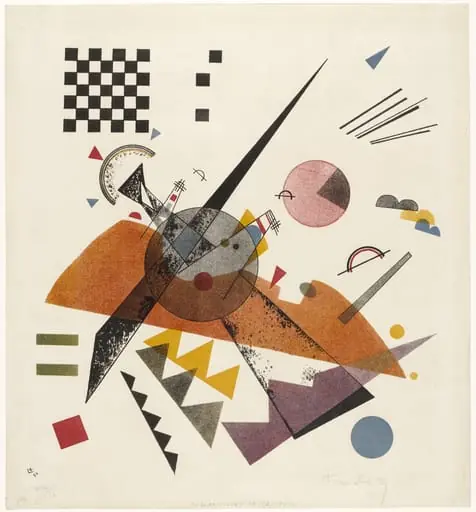
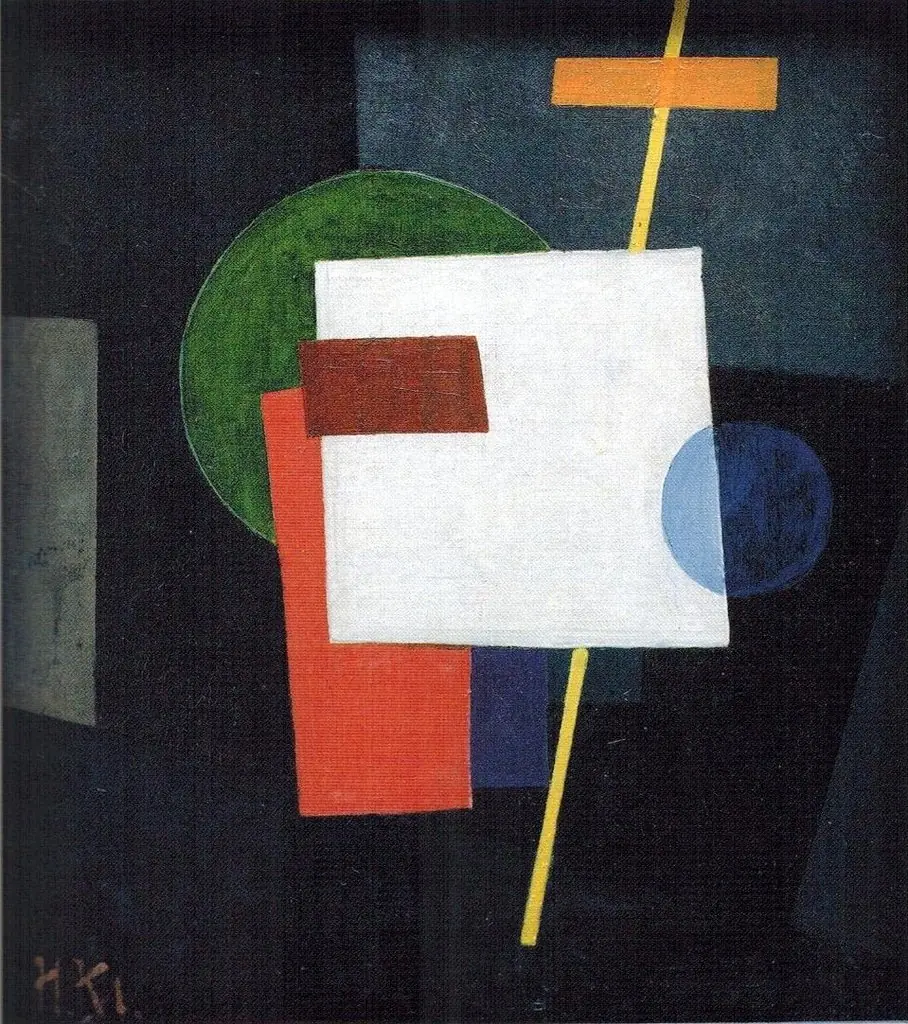
Composition is an oil painting by the Abstract Expressionist artist Paul Kelpe. It dates from 1936 and is held in the collection of the Detroit Institute of Arts.
About this work
Overview
Paul Kelpe completed Composition in 1936 using oil paint on canvas. The work is part of the permanent collection at the Detroit Institute of Arts, where it has been held since its acquisition. As an abstract piece, it reflects Kelpe’s engagement with geometric forms and non-representational structure during the mid-1930s.
Subject & Meaning
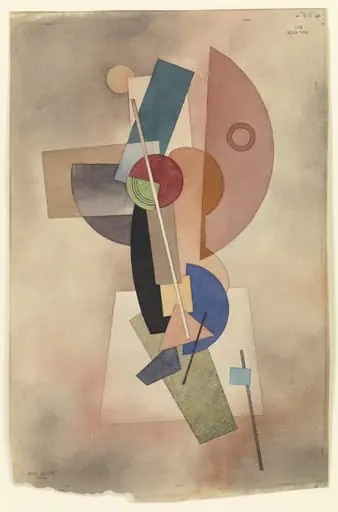
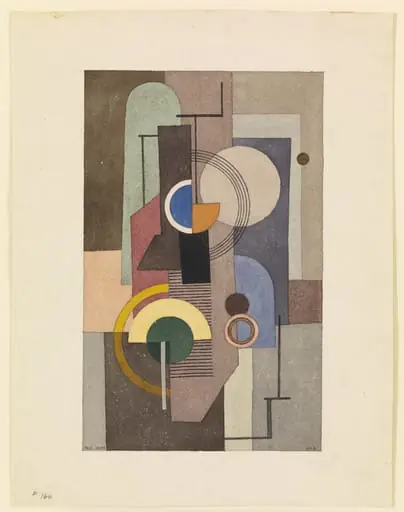
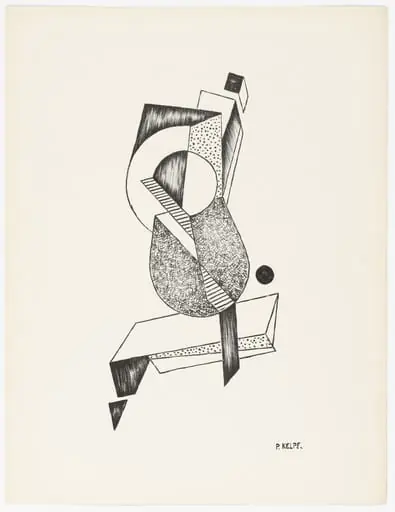
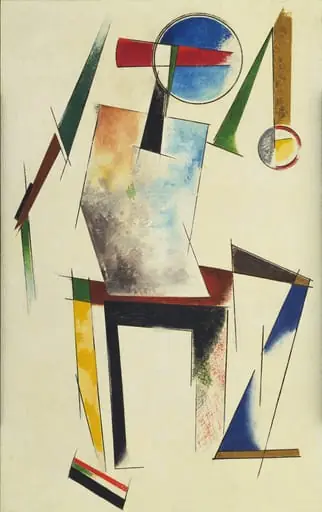
The painting does not depict recognizable figures or scenes. Instead, it presents interlocking planes, lines, and muted color fields that suggest spatial relationships without narrative intent. Kelpe’s focus was on formal balance and the dynamic interaction of shapes, aligning with broader modernist interests in abstraction as an autonomous visual language.
Technique & Style
Kelpe applied oil paint with precision, favoring flat, hard-edged forms over brushy textures. The composition relies on asymmetrical arrangements and subtle tonal contrasts to create depth. His approach shows influence from European Constructivism and American Precisionism, merging structural clarity with restrained chromatic variation.
History & Provenance
Created during Kelpe’s time in the United States after emigrating from Germany, Composition was acquired by the Detroit Institute of Arts shortly after its completion. It remained in private hands briefly before entering the museum’s collection, where it has been consistently exhibited as an example of early American abstraction.
Context
In 1936, American artists were exploring abstraction amid economic hardship and rising interest in modern European movements. Kelpe, part of a small circle of non-objective painters, contributed to a growing but marginalized current in U.S. art that prioritized form over social realism, distinguishing his work from dominant regionalist trends.
Legacy
Composition stands as one of Kelpe’s most recognized works, representing a quiet but significant thread in the development of American abstract art. Though not widely known during his lifetime, his geometric abstractions have since been reassessed as important precursors to postwar movements like Color Field and Minimalism.
Artist & collection

Artist
Paul Kelpe was a German-born American abstract painter. His constructions integrating found objects into paintings were the first such works created in the United States and he painted two of the five Williamsburg…