Artwork
Soft Pressure

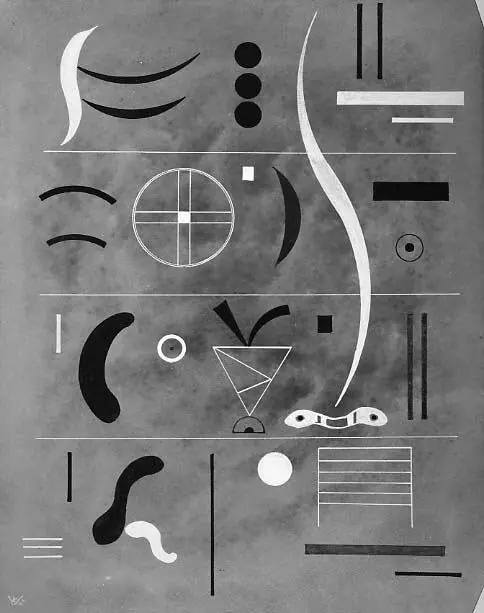
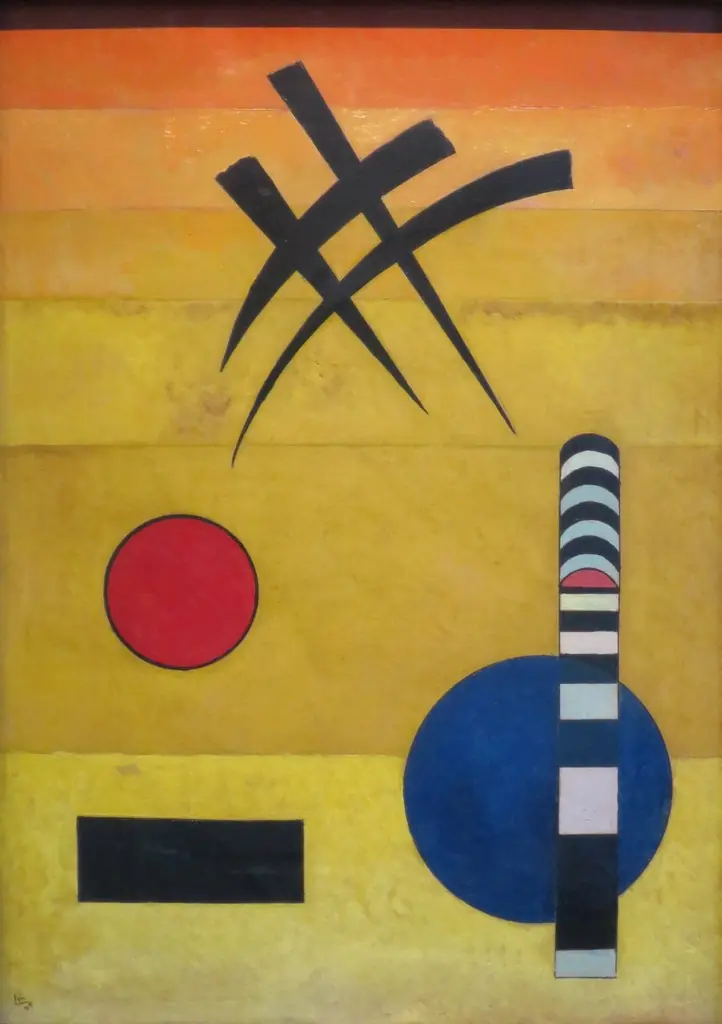
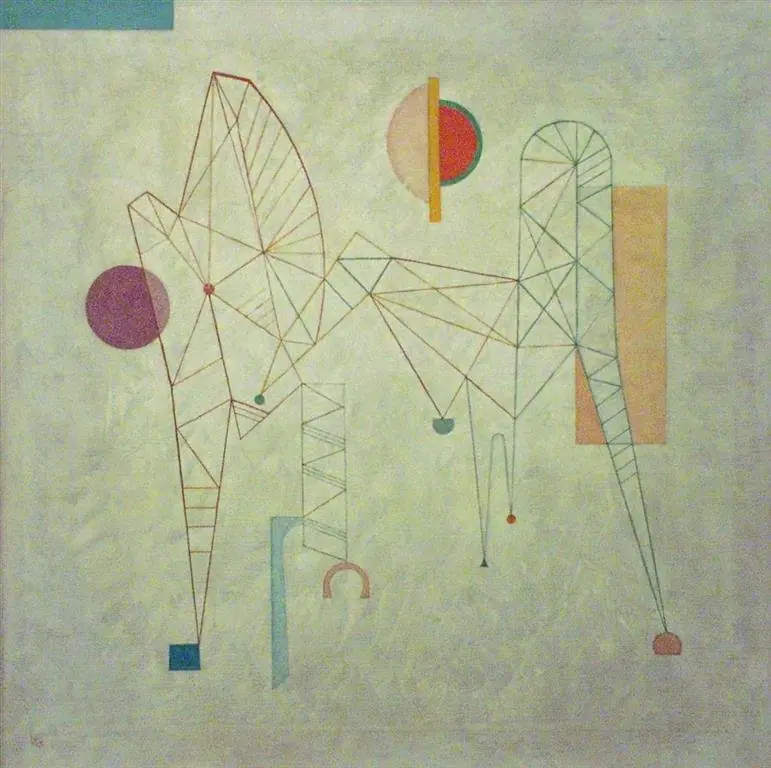
Soft Pressure is an oil painting by the Abstract Expressionist artist Wassily Kandinsky. It dates from 1931 and is held in the collection of the Museum of Modern Art.
About this work
Overview
Kandinsky, who began painting in his thirties after studying law, developed a visual language rooted in spiritual and formal inquiry.
Created in 1931, Soft Pressure is an abstract composition by Wassily Kandinsky, executed on plywood. Though often associated with early abstract expressionism, the work aligns more closely with his later Bauhaus-influenced period. Kandinsky, who began painting in his thirties after studying law, developed a visual language rooted in spiritual and formal inquiry.
The piece is part of the Museum of Modern Art’s collection, reflecting his enduring impact on modern art.
Subject & Meaning
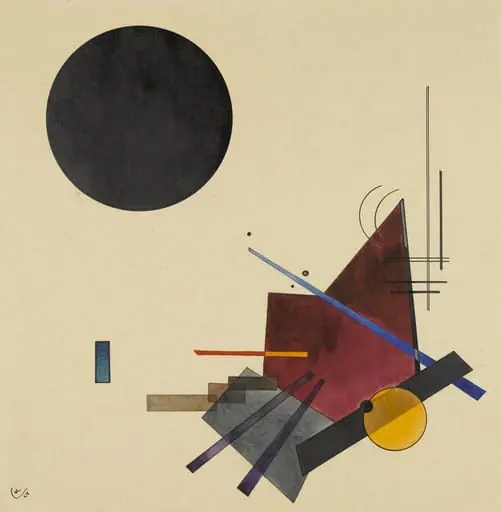
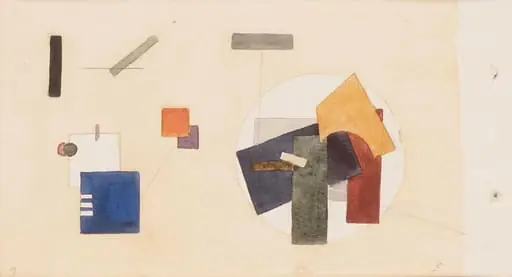
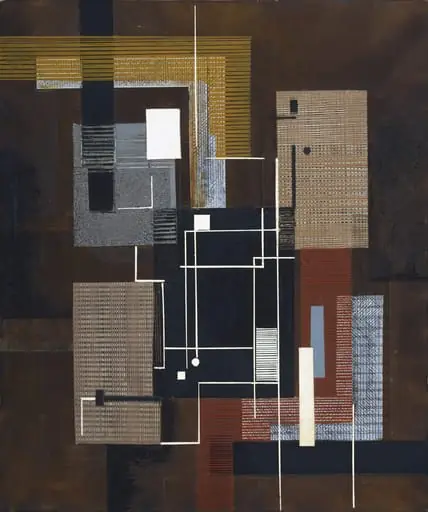
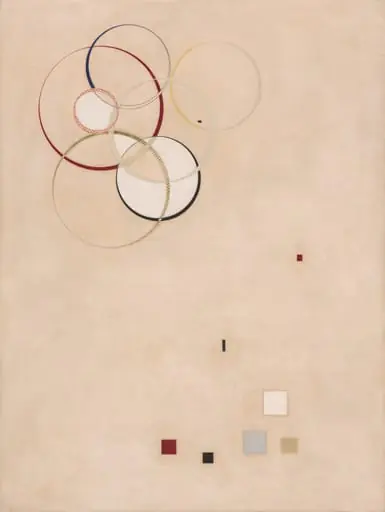
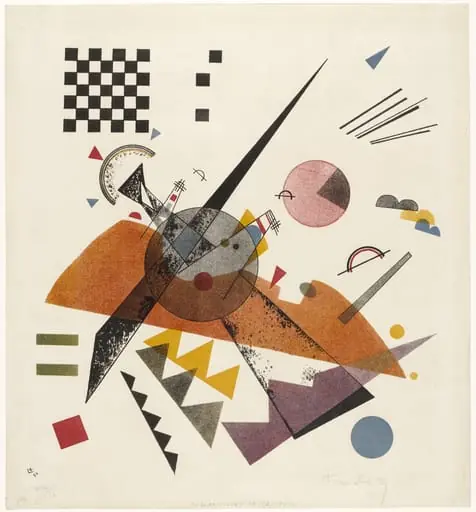
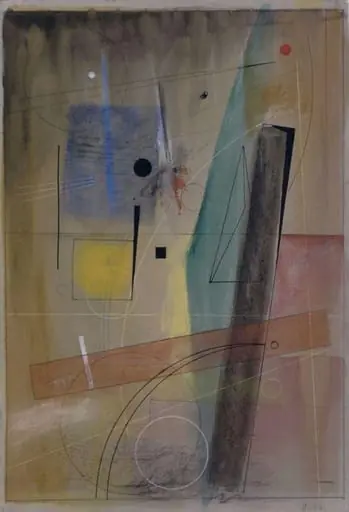
The painting resists literal interpretation, instead proposing a visual rhythm of geometric forms. Circles, rectangles, and arcs interact without narrative, suggesting cosmic or musical harmonies. Kandinsky viewed abstraction as a conduit for inner experience, where color and shape evoke emotional and spiritual states. The arrangement implies dynamic equilibrium, forms hover, overlap, and balance as if in silent motion.
Technique & Style
Kandinsky applied oil paint to plywood, exploiting the wood’s grain to add subtle texture beneath layers of color. Bright yellow dominates the background, contrasting with bold blues, reds, and blacks. Shapes are precisely rendered but appear to float, creating a sense of depth through layering rather than perspective. The edges of forms are clean, emphasizing geometric clarity while maintaining visual tension.
History & Provenance
Painted during Kandinsky’s tenure at the Bauhaus, Soft Pressure emerged from a period of intense theoretical development. After leaving Germany in 1933 due to rising political pressure, he moved to France, where he continued working in relative isolation. The painting entered MoMA’s collection in the mid-20th century, recognized as a key example of his mature abstract style and the evolution of non-representational art.
Context
In the early 1930s, Kandinsky’s work reflected the influence of constructivism and geometric abstraction, moving away from earlier expressive forms. His theories on color and form, developed through teaching and writing, informed this piece’s structured yet dynamic composition. The use of plywood, a utilitarian material, signals a shift toward industrial aesthetics and a rejection of traditional canvas in favor of modern surfaces.
Legacy
Soft Pressure exemplifies Kandinsky’s lifelong pursuit of visual harmony as a parallel to music and spiritual resonance. His integration of geometry and color influenced generations of abstract artists, particularly in postwar American painting. The work remains a touchstone in discussions of abstraction’s capacity to convey emotion without representation, anchoring his legacy in the foundations of modern art.
Own this work as a print
Artist & collection
Artist
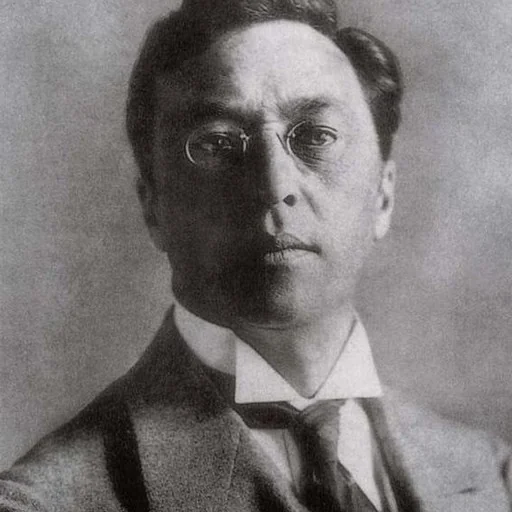
Wassily Wassilyevich Kandinsky (16 December 1866 – 13 December 1944) was a Russian painter and art theorist active in Germany during the late Belle Époque and Interwar eras.