Artwork
Speke Shore
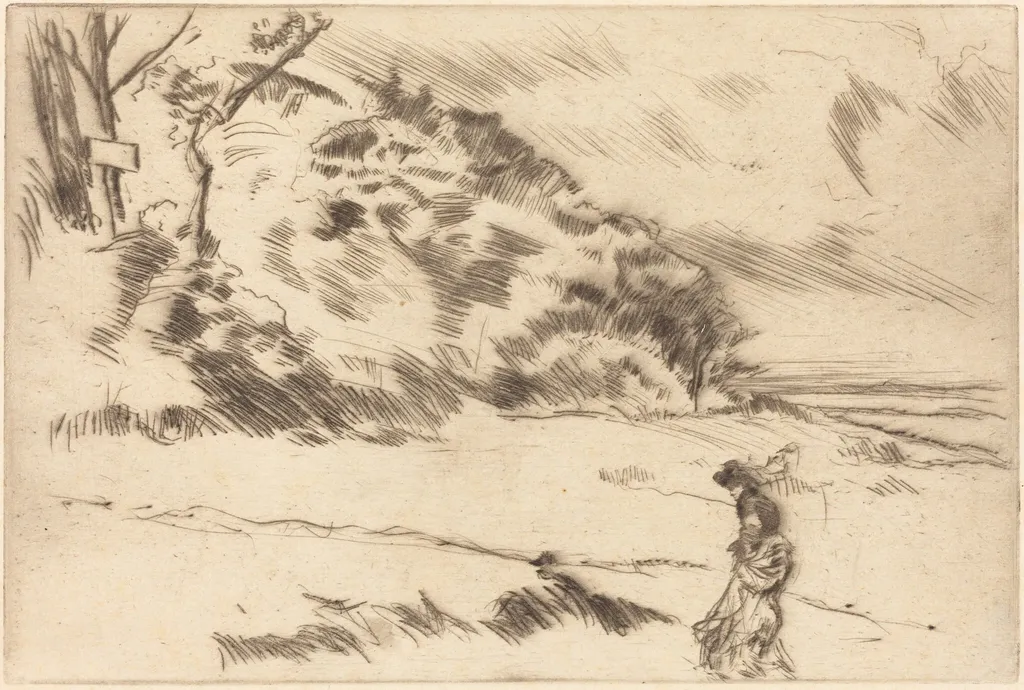
Speke Shore is an ink print by the Impressionist artist James McNeill Whistler. It dates from 1875 and is held in the collection of the National Gallery of Art.
- Inscription
- Inscribed:Not signed. Not dated. "c7495" lower left sheet, graphite, unknown hand. "DH/15/- 4684" verso, lower left sheet, graphite, unknown hand.
- Markings
- Marked:"LRJ" verso, black stamped ink, stamped twice. "National Gallery of Art" verso, black stamped ink. (Henry Harper Benedict collector's stamp) verso, black stamped ink (Lugt 2936).
About this work
Overview
Created around 1875, Speke Shore is a drypoint print by James Abbott McNeill Whistler, an American artist based in Britain.
Created around 1875, Speke Shore is a drypoint print by James Abbott McNeill Whistler, an American artist based in Britain. Executed on laid paper, the work belongs to a series of intimate landscape studies Whistler produced during this period. Unlike traditional narrative prints, it prioritizes mood over story, capturing a fleeting moment along the River Mersey with minimal detail and a restrained tonal range.
Subject & Meaning
The scene portrays a solitary figure standing near a misty riverbank, their form suggested with just a few gestural lines. Trees on the left are rendered in loose, rapid strokes, emphasizing atmosphere over definition. The figure’s anonymity and the hazy environment invite contemplation rather than interpretation, reflecting Whistler’s interest in quiet, transient moments and the emotional resonance of subtle visual cues.
Technique & Style
Whistler employed drypoint, scratching directly into the paper’s surface with a sharp needle to create fine, burr-lined grooves. These grooves hold ink, producing soft, blurred edges and a rich, grainy texture when printed. The technique’s immediacy suits the sketch-like quality of the image, reinforcing its sense of spontaneity and direct observation, while the limited tonal palette enhances the subdued, atmospheric effect.
History & Provenance
The print was made during Whistler’s time in Liverpool, where he was commissioned to document the city’s industrial waterfront. Though the subject appears tranquil, it was drawn from a location shaped by commerce and transport. The work remained in Whistler’s personal collection until his death, later entering institutional holdings through estate distribution and private acquisitions.
Context
In the 1870s, Whistler distanced himself from academic conventions, aligning with emerging ideas of art for art’s sake. Speke Shore reflects his engagement with Japanese prints and the French etching revival, both of which valued simplicity and tonal harmony. His focus on quiet, everyday scenes contrasted with the grand historical themes favored by contemporaries, positioning him as a pioneer of modernist aesthetics.
Legacy
The print exemplifies Whistler’s influence on the revival of etching as a fine art medium in the late 19th century. Its emphasis on atmosphere, economy of line, and technical experimentation inspired later printmakers to prioritize expressive gesture over detail. Though modest in scale, Speke Shore remains a key example of how quiet observation could redefine the possibilities of graphic art.
Own this work as a print
Artist & collection
Artist
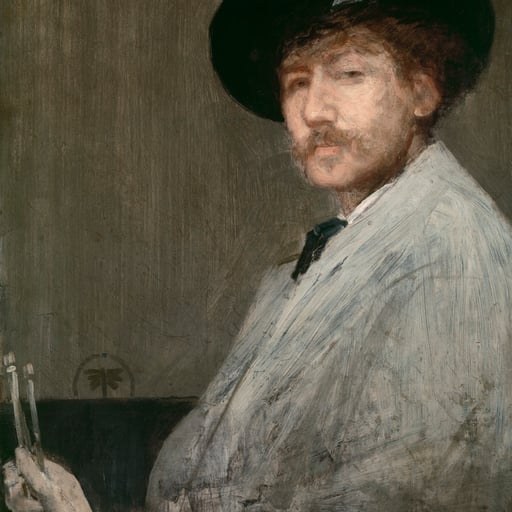
James Abbott McNeill Whistler (; July 10, 1834 – July 17, 1903) was an American painter in oils and watercolor, and printmaker, active during the American Gilded Age and based primarily in the United Kingdom.

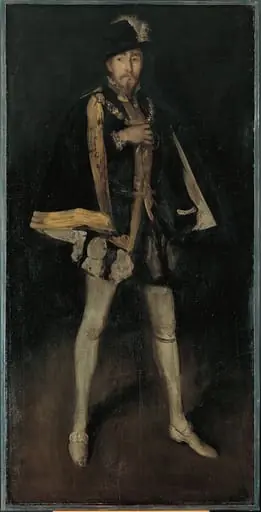 Arrangement in Black, No. 3: Sir Henry Irving as Philip II of Spain
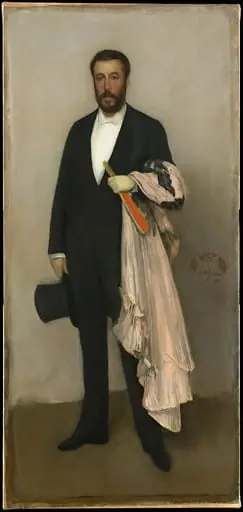 Arrangement in Flesh Colour and Black: Portrait of Theodore Duret
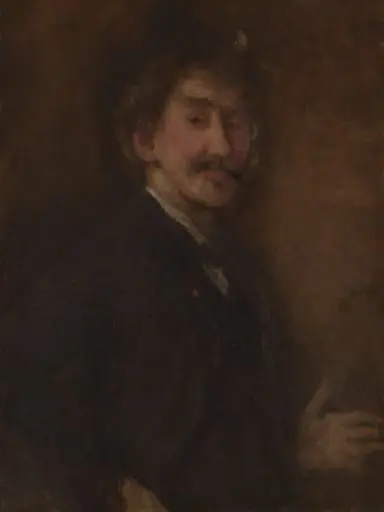 Gold and Brown: Self-Portrait
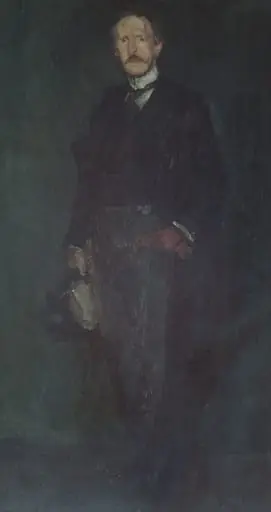 Edward Guthrie Kennedy
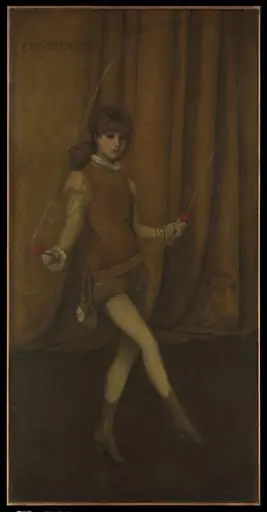 Harmony in Yellow and Gold: The Gold Girl—Connie Gilchrist
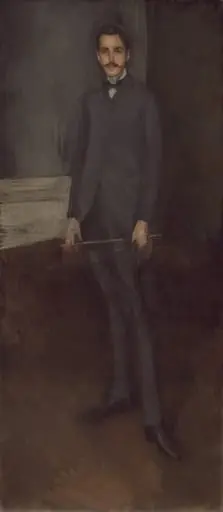 George W. Vanderbilt
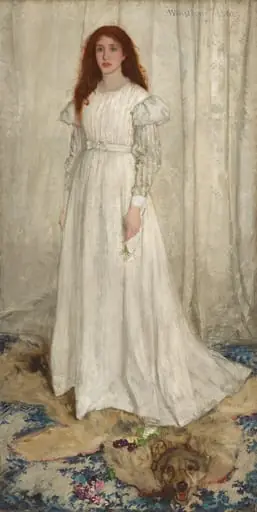 Symphony in White, No. 1: The White Girl
 Henry Irving as Philip II of Spain
- In the Dunes: Souvenir of The Hague (Dans les dunes: Souvenir du bois de La Haye)
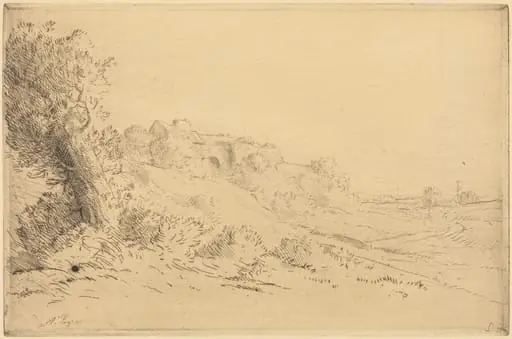 My Farm (Ma ferme)
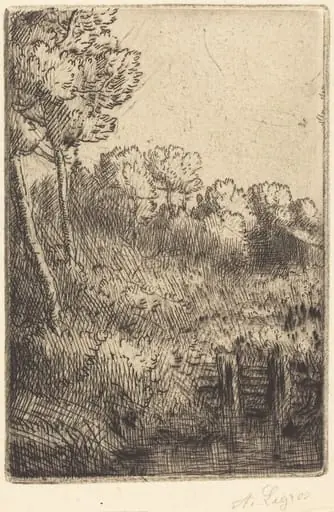 Along the Marne (Sur la Marne)
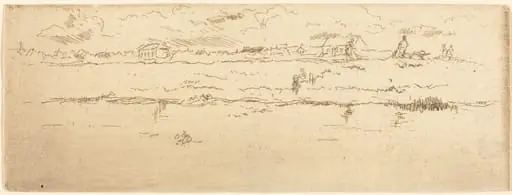 Canal, Ostend
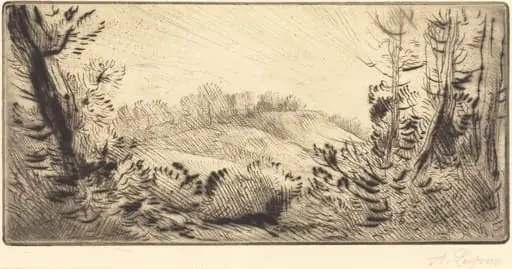 Small Hill (Le coteau)
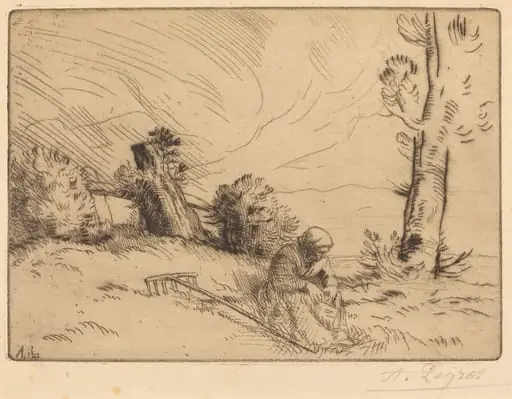 Peasant Woman Seated near a Hedge (Paysanne assise pres d'une haie)
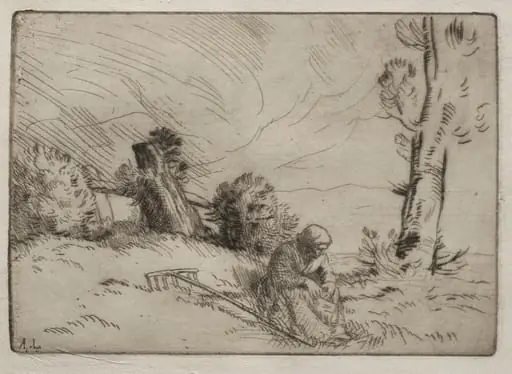 Peasant Woman Seated near a Hedge
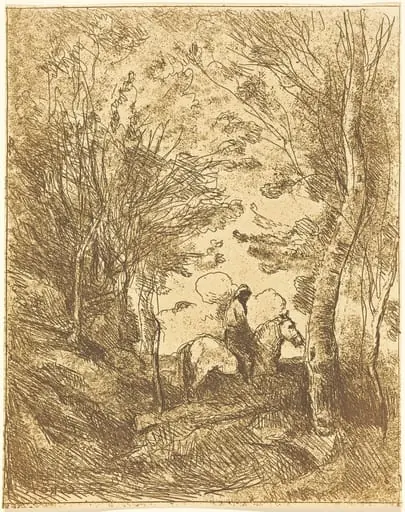 Horseman in the Woods, Large Plate (Le Grand Cavalier sous bois)
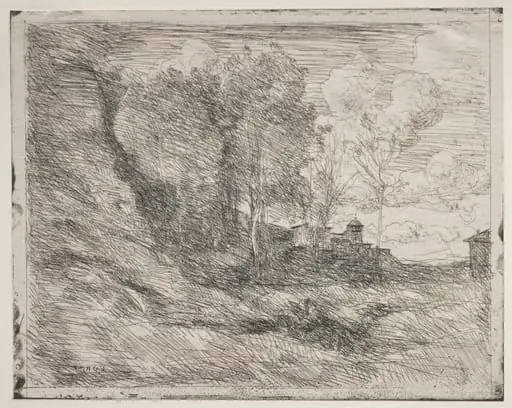 A Souvenir of Ostia
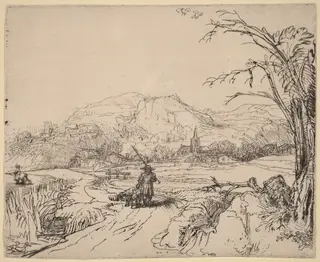 Landscape with Sportsman and Dog
 Tower (La tour)
 Old Chateau (Un vieux chateau)