Artwork
The Forge
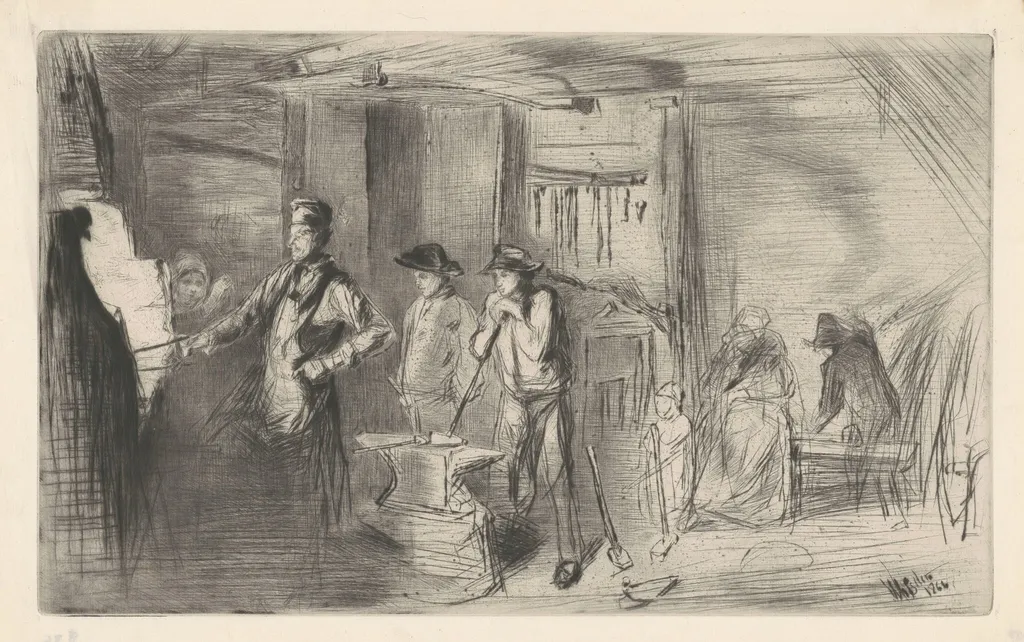
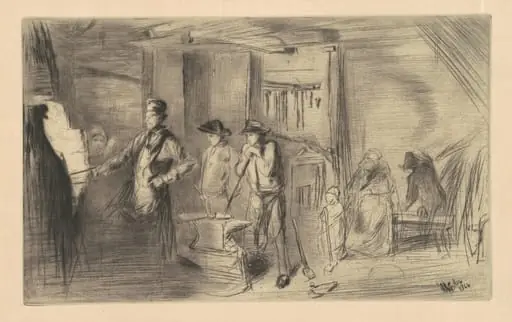
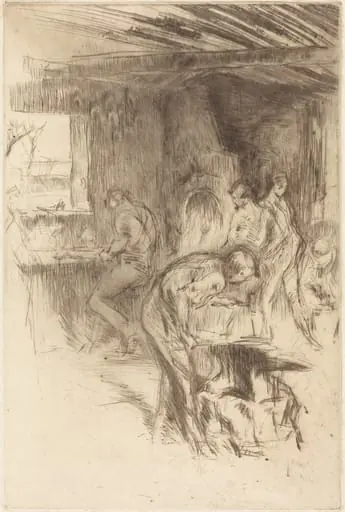
The Forge is an ink print by the Impressionist artist James McNeill Whistler. It dates from 1861 and is held in the collection of the National Gallery of Art.
- Inscription
- Inscribed:lower right in plate: Whistler. / 1861.; lower right edge in graphite by unknown hand: 635; lower left verso in graphite by unknown hand: C1433 / axxB[crossed out] 6177 K10 / 55-; lower right verso in graphite by unknown hand: $36
- Markings
- Marked:stamped lower right verso in black ink: F.B.B. [circled]
About this work
Overview
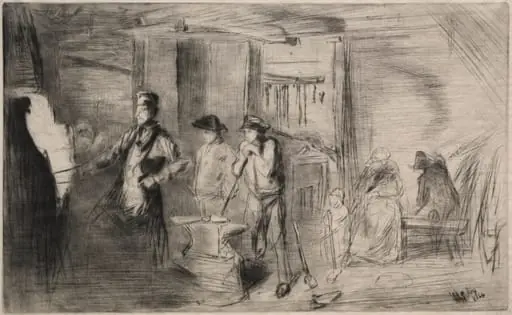
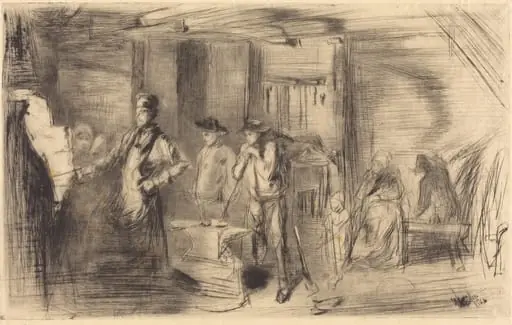
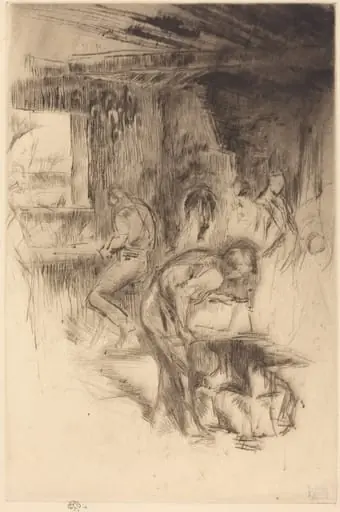
Created in 1861, The Forge is a drypoint print by James McNeill Whistler, executed in black ink on laid paper. It captures a dimly lit blacksmith’s workshop, where figures are engaged in labor around a central anvil and workbench. The composition avoids theatricality, focusing instead on quiet, unidealized activity, rendered entirely in tonal gradations without color.
Subject & Meaning
The scene portrays ordinary laborers in a working forge, their postures and interactions suggesting routine rather than drama. No single figure dominates; instead, the group forms a quiet ensemble, emphasizing collective effort. The absence of narrative climax invites contemplation of daily toil, grounding the image in the dignity of mundane existence.
Technique & Style
Whistler employed drypoint to incise fine, burr-rich lines into a metal plate, producing soft, velvety blacks when printed. Cross-hatching builds depth and texture, while subtle shifts in tone create chiaroscuro effects, light emerging from shadow without harsh edges. The technique favors atmosphere over detail, aligning with Whistler’s interest in tonal harmony over literal representation.
History & Provenance
Executed during Whistler’s time in Europe, The Forge reflects his engagement with working-class subjects after his early exposure to French Realism. It was likely made in Paris or London, where he was experimenting with printmaking as a means of artistic expression beyond portraiture. The print was not widely circulated in his lifetime, remaining a private exploration of light and labor.
Context
In the 1860s, European artists increasingly turned to scenes of labor, influenced by social changes and the rise of realism. Whistler’s approach diverged from overt political messaging; instead, he focused on mood and composition. The Forge aligns with contemporaneous interest in interior light and artisanal life, yet resists sentimentality, favoring quiet observation.
Legacy
The Forge stands as an early example of Whistler’s mastery of tonal printmaking, influencing later artists interested in atmospheric effects over narrative. Though not widely exhibited in his era, it contributed to the redefinition of printmaking as a medium for artistic expression rather than reproduction. Its restrained aesthetic continues to inform discussions on the poetry of everyday work.
Own this work as a print
Artist & collection
Artist
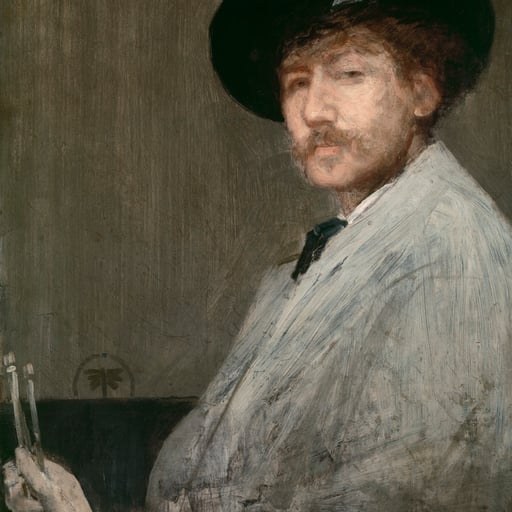
James Abbott McNeill Whistler (; July 10, 1834 – July 17, 1903) was an American painter in oils and watercolor, and printmaker, active during the American Gilded Age and based primarily in the United Kingdom.

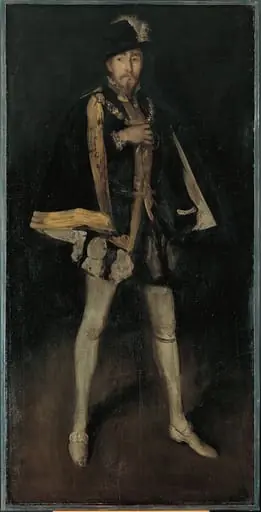 Arrangement in Black, No. 3: Sir Henry Irving as Philip II of Spain
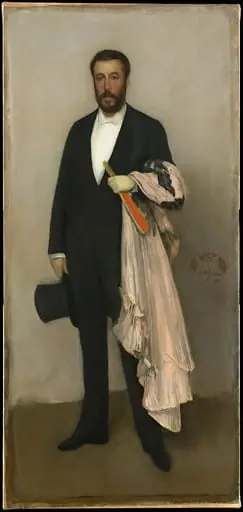 Arrangement in Flesh Colour and Black: Portrait of Theodore Duret
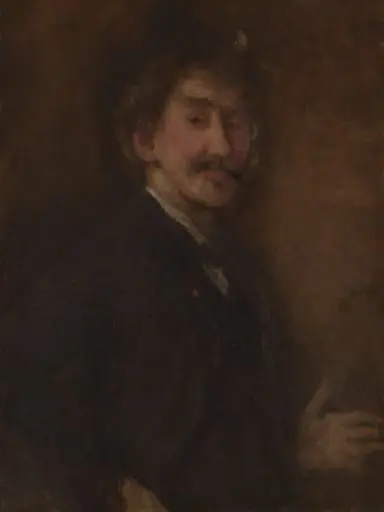 Gold and Brown: Self-Portrait
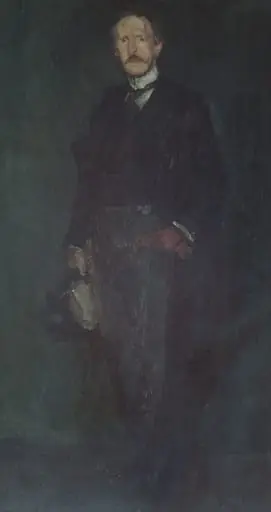 Edward Guthrie Kennedy
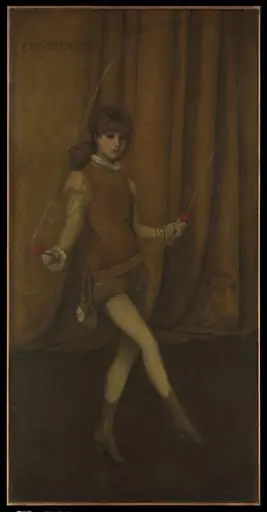 Harmony in Yellow and Gold: The Gold Girl—Connie Gilchrist
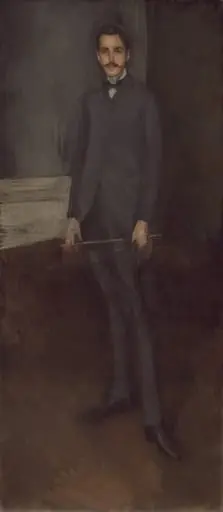 George W. Vanderbilt
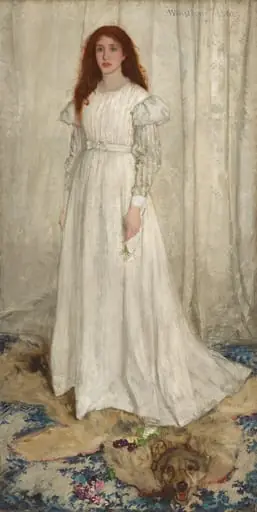 Symphony in White, No. 1: The White Girl
 Henry Irving as Philip II of Spain