Artwork
Raufbold (Zorn)
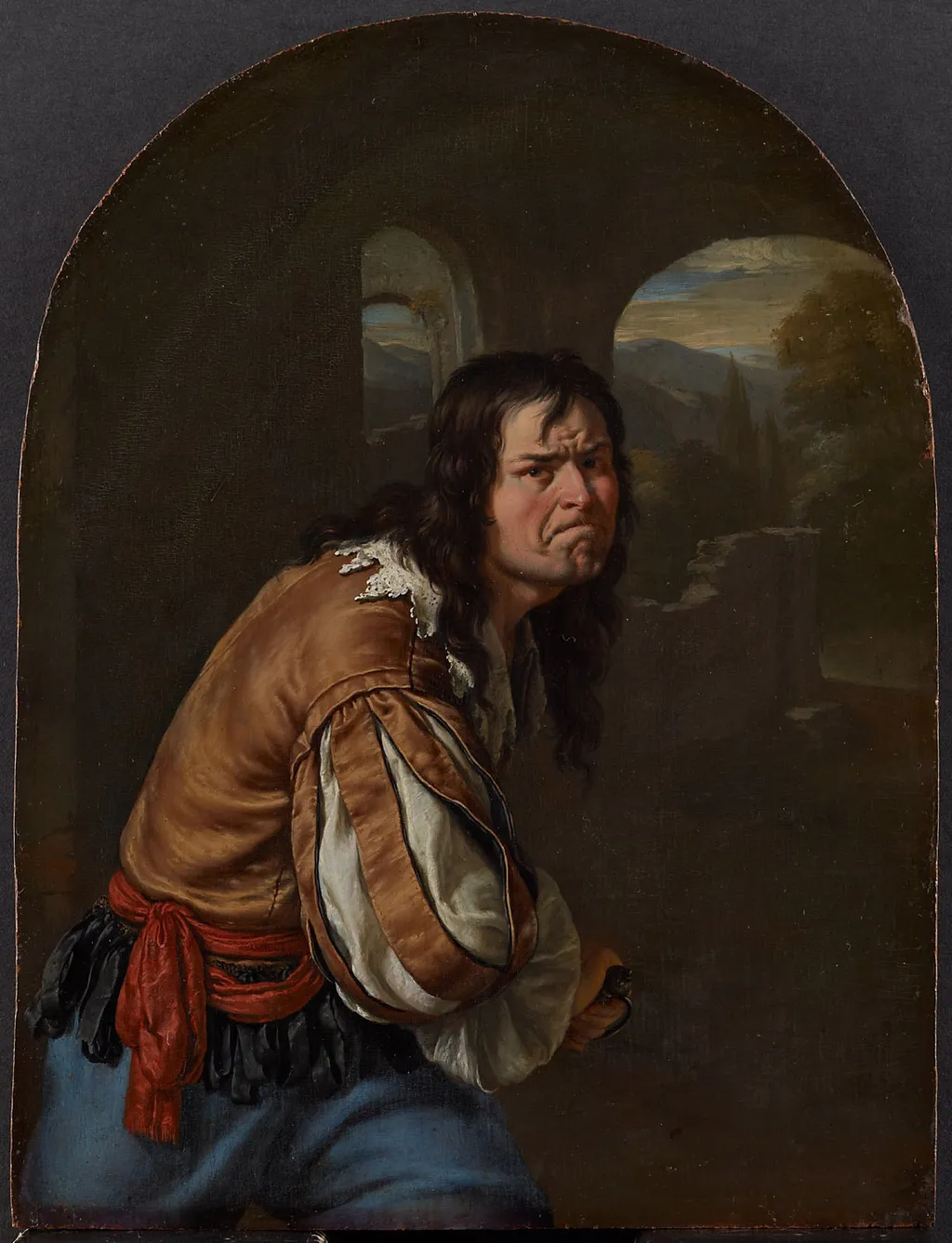
Raufbold (Zorn) is an unspecified painting by the Dutch Golden Age artist Willem van Mieris. It dates from 1692 and is held in the collection of the Kunsthistorisches Museum.
About this work
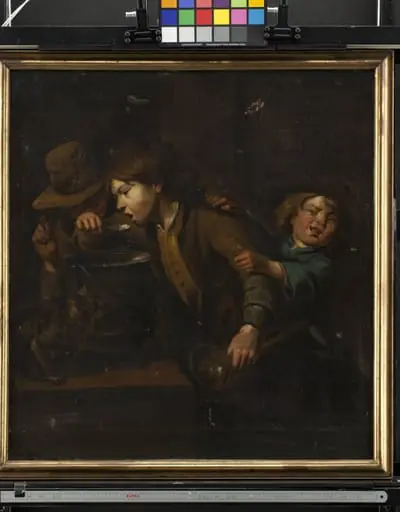
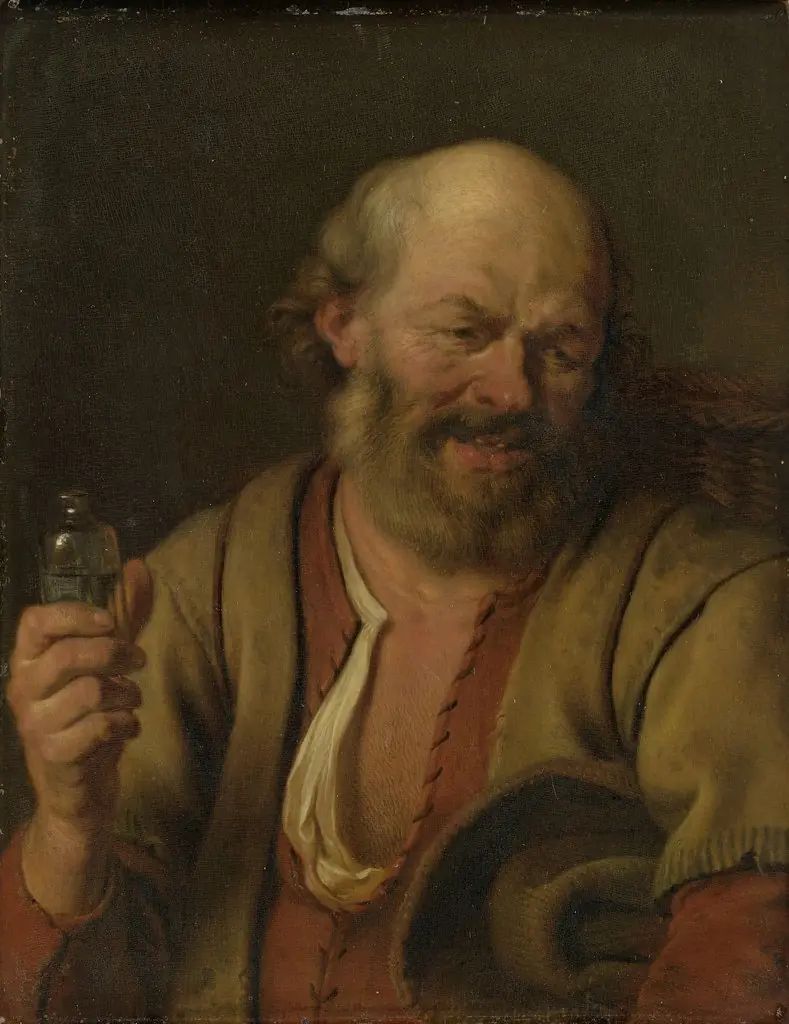
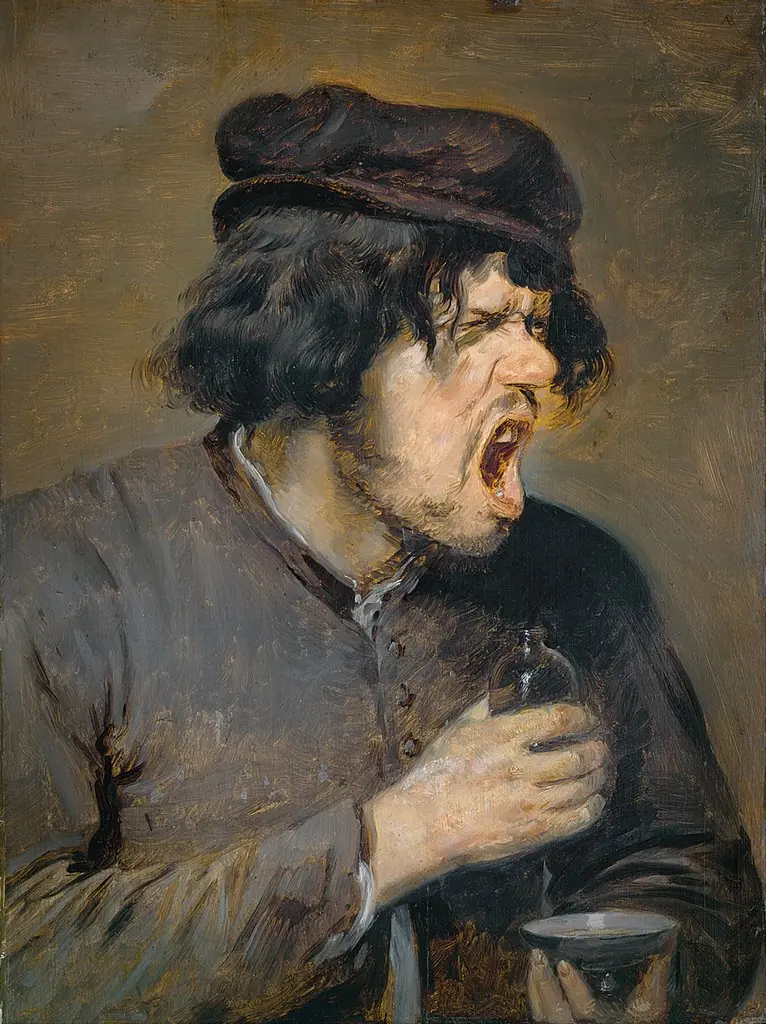
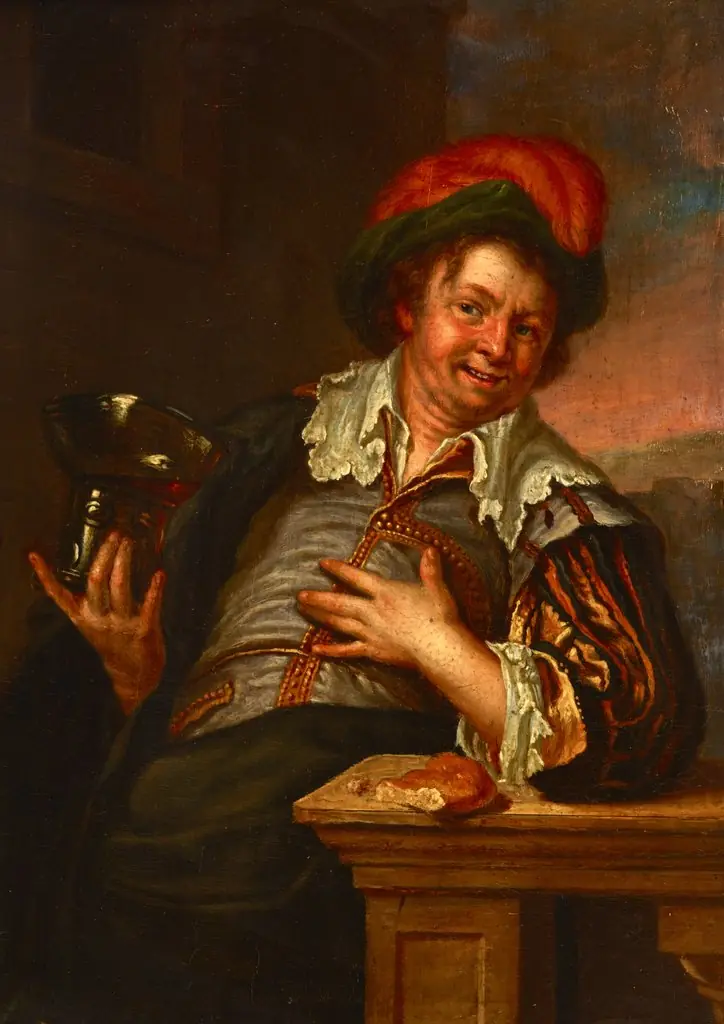
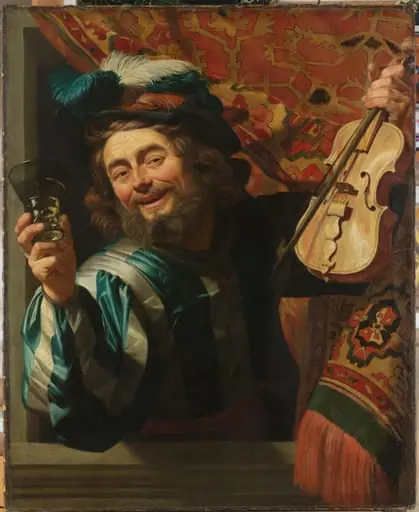
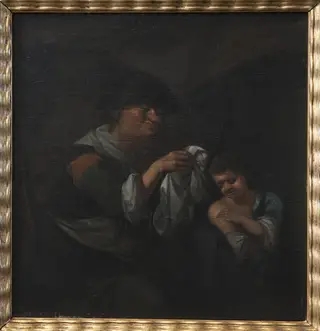
This painting depicts a man with long, dark hair, dressed in a brown jacket with white and gold accents, a red sash around his waist, and a blue skirt.
This painting depicts a man with long, dark hair, dressed in a brown jacket with white and gold accents, a red sash around his waist, and a blue skirt. He appears to be in a state of distress, with his face contorted in a scowl and his arms crossed. The background of the painting is dark, with a faint image of a landscape visible behind the man.
The man's clothing and hairstyle suggest that he may be from the 17th or 18th century. The painting's style and technique are also consistent with this time period.
To learn more about the artist who created this work, look up Willem van Mieris.
Overview
Willem van Mieris’s 1692 canvas, titled Raufbold (Zorn), is part of the collection of Vienna’s Kunsthistorisches Museum. The work presents a solitary male figure rendered against a dimly lit backdrop, his posture and expression conveying a moment of agitation.
Subject & Meaning
The central figure is a man with long dark hair, clad in a brown coat accented with white and gold trim, a red sash at his waist, and a blue skirt. His scowling face and crossed arms suggest a state of anger or distress, inviting viewers to contemplate the emotional narrative behind his pose.
Technique & Style
Executed in the late‑Baroque idiom, the painting showcases van Mieris’s precise brushwork and subtle chiaroscuro. The darkened background recedes to a barely discernible landscape, allowing the illuminated figure to dominate the composition while retaining a sense of depth.
History & Provenance
Created in 1692, the canvas entered the Kunsthistorisches Museum’s holdings, where it remains on display. Its provenance prior to acquisition by the museum is not extensively documented, but the work reflects van Mieris’s mature period within the Dutch Golden Age tradition.
Own this work as a print
Artist & collection