Artwork
Venus in Atrium
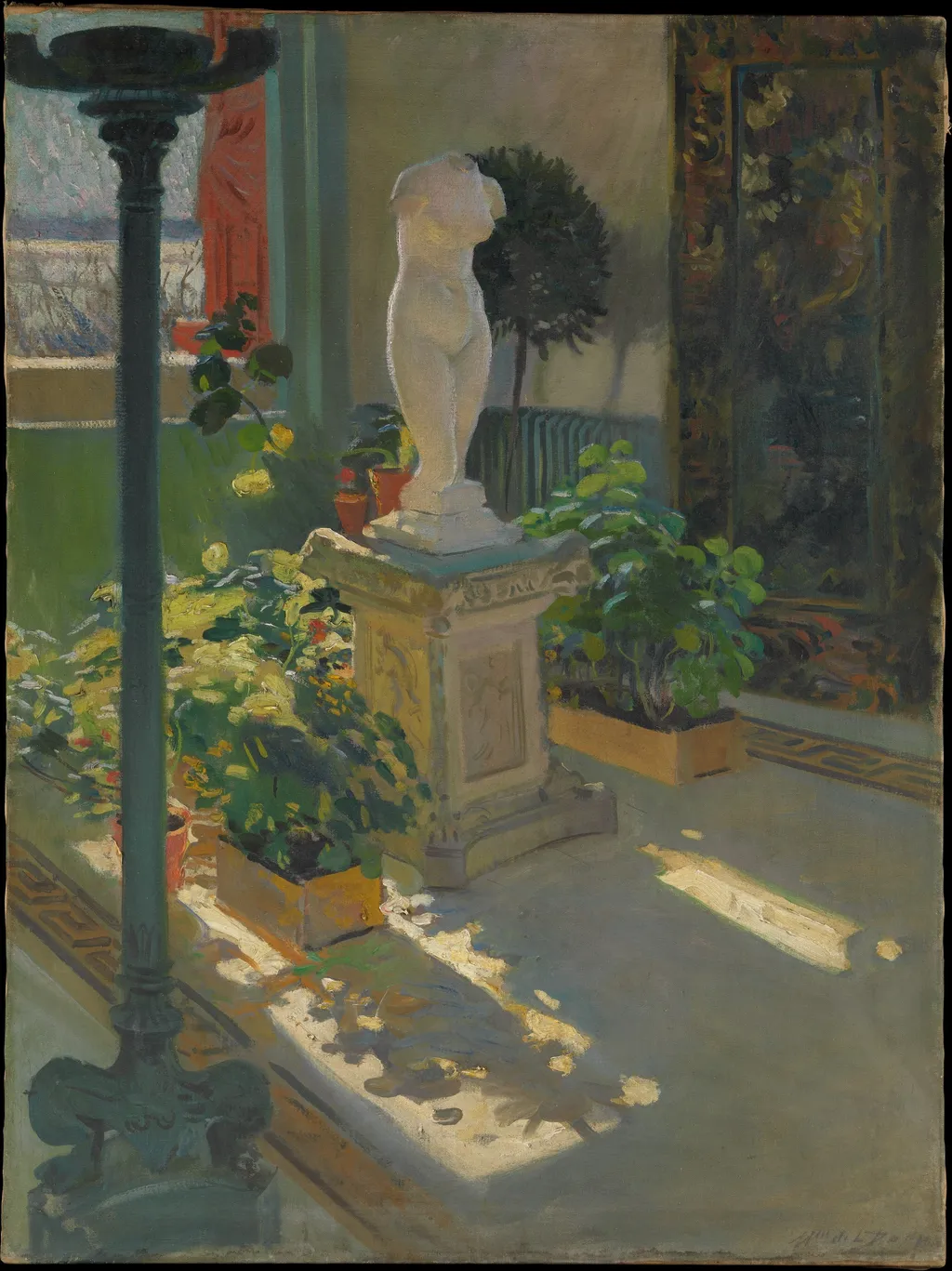
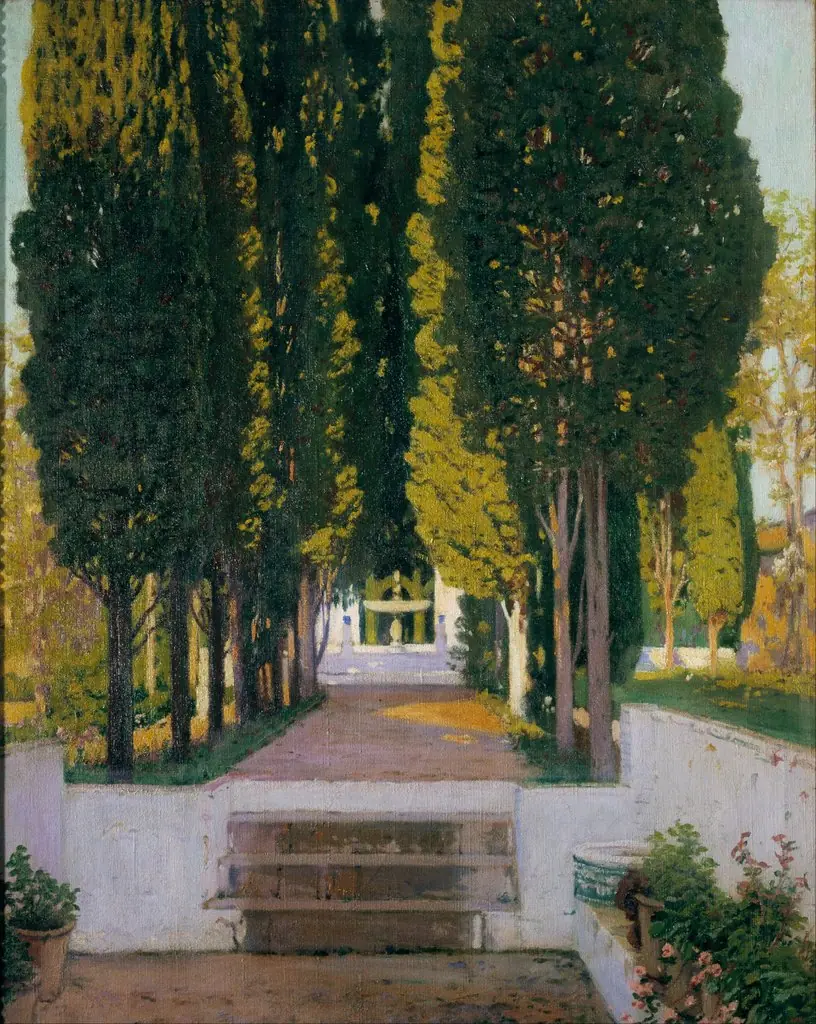
Venus in Atrium is an oil painting by the American Impressionist artist William de Leftwich Dodge. It dates from 1909 and is held in the collection of the Metropolitan Museum of Art.
About this work
Subject & Meaning
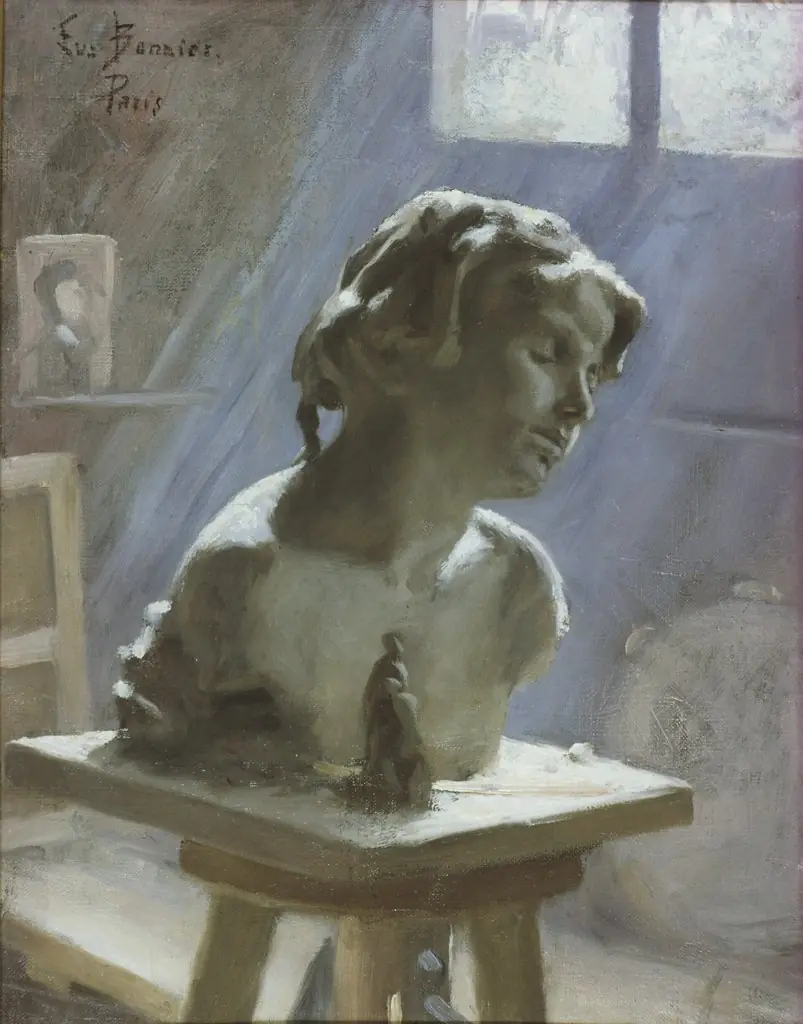
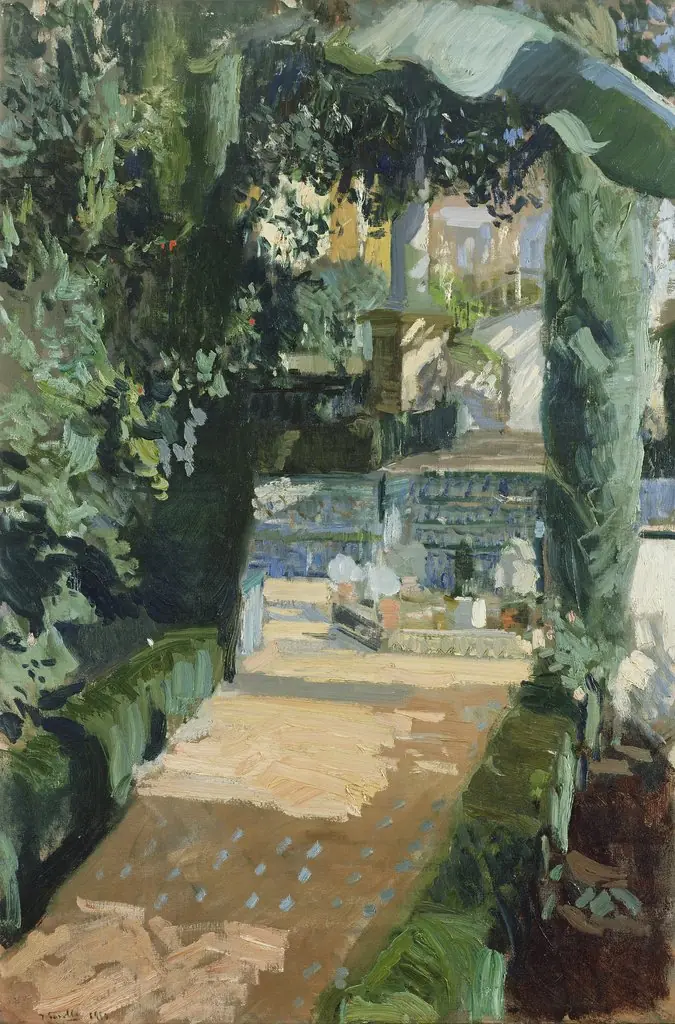
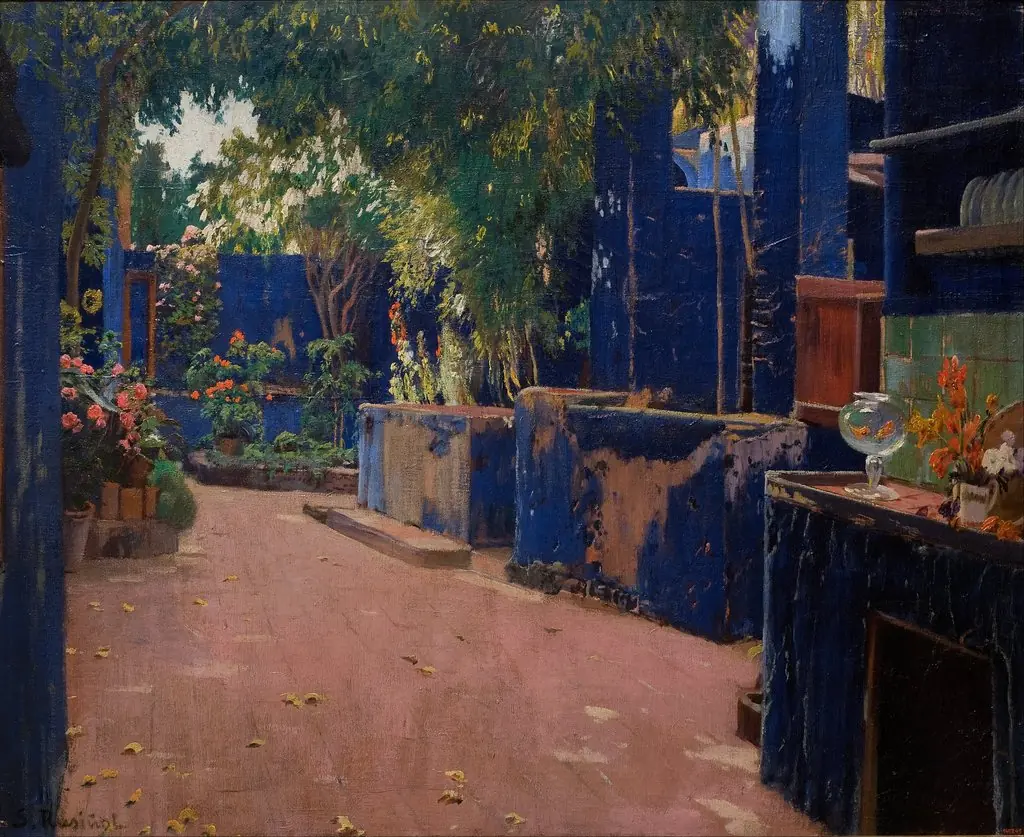
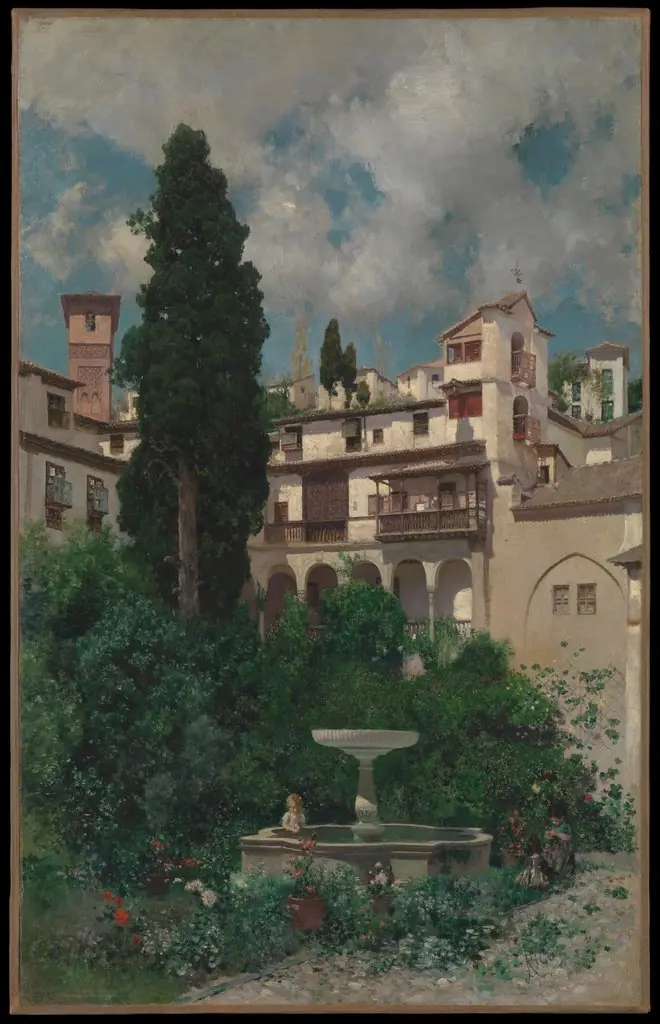
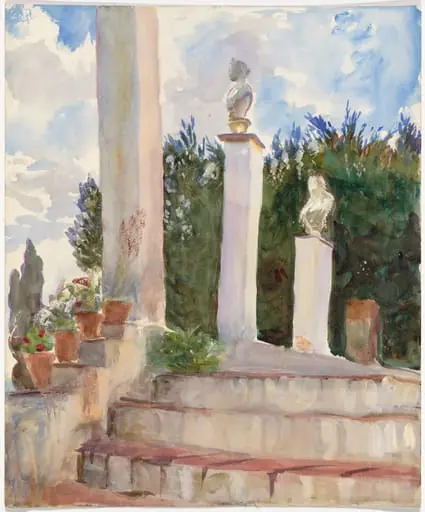
Executed in 1909, William de Leftwich Dodge's Venus in Atrium is a mythological painting that depicts the Roman goddess Venus situated within an interior space.
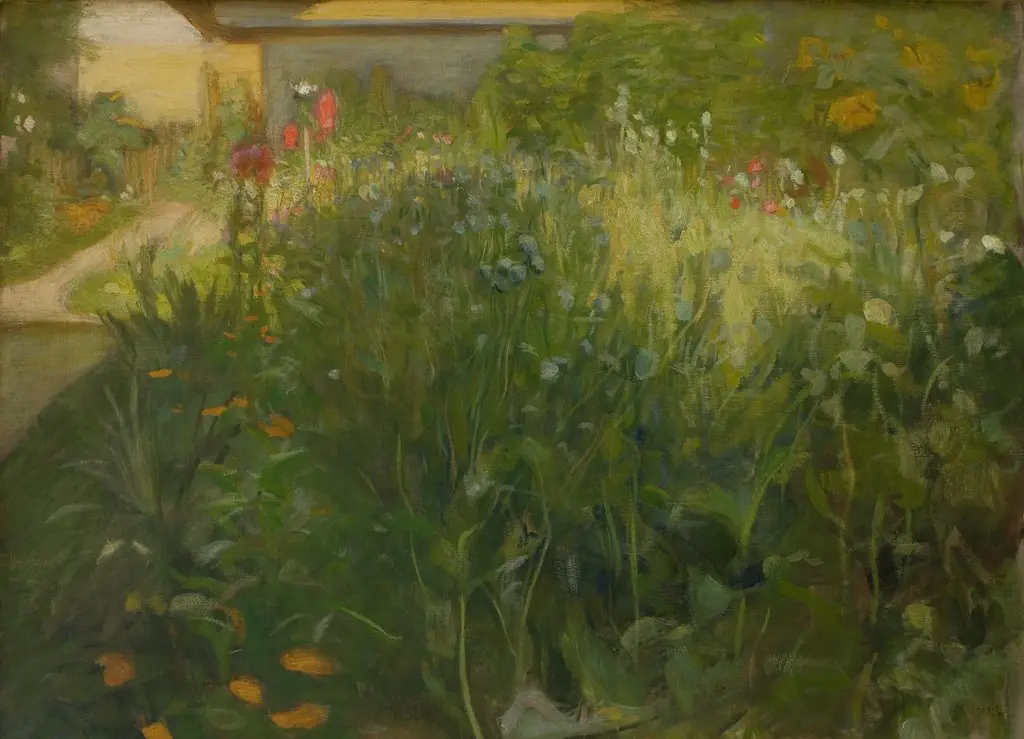
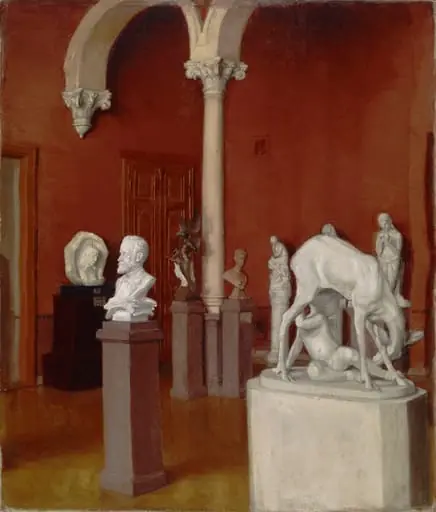
Executed in 1909, William de Leftwich Dodge's Venus in Atrium is a mythological painting that depicts the Roman goddess Venus situated within an interior space. The composition integrates the divine figure with elements of the natural world, specifically featuring flowers and plants alongside a sculpture. By placing Venus, the classical embodiment of love and beauty, in an atrium surrounded by flora and artistic statuary, the work creates a synthesis of mythology and domestic decoration.
The presence of these specific objects suggests a representation of idealized beauty permeating a cultivated, indoor environment, aligning with the traditions of mythological genre painting where ancient deities are recontextualized within refined settings.
Technique & Style
Venus in Atrium is an oil‑on‑canvas painting executed in 1909 by William de Leftwich Dodge. The work measures roughly 99.9 cm in height by 76.2 cm in width and is classified as a mythological painting. Its support consists of a canvas substrate, with the image rendered in oil paint, a medium typical of early‑20th‑century academic practice.
The composition portrays the goddess Venus within an architectural atrium, surrounded by floral motifs and references to classical sculpture, as indicated by the depicted flower, Venus, sculpture and plant elements. The painting is housed in the Metropolitan Museum of Art, where it remains part of the institution’s collection.
History & Provenance
William de Leftwich Dodge created the oil painting Venus in Atrium in 1909. The work, which depicts the mythological figure Venus alongside flowers, plants, and sculpture, was executed on canvas. Upon its completion, the painting entered the collection of the Metropolitan Museum of Art, where it remains housed.
The museum lists the work's inception date specifically as January 1, 1909. No further details regarding a specific commission or intermediate ownership transfers prior to the museum's acquisition are provided in the available records.
Overview
William de Leftwich Dodge, an American painter known for his large-scale public murals, created Venus in Atrium in 1909. This oil painting captures a sunlit interior, featuring a classical statue of Venus amidst lush potted plants. The work exemplifies characteristics of American Impressionism and is part of The Metropolitan Museum of Art's collection.
Context
Although William de Leftwich Dodge is primarily recognized for his extensive mural commissions in public buildings and private residences, Venus in Atrium demonstrates his engagement with easel painting and mythological subjects. Created in 1909, the work reflects the enduring appeal of classical themes within American art of the early 20th century, interpreted through a contemporary Impressionist lens.
Own this work as a print
Artist & collection
Artist
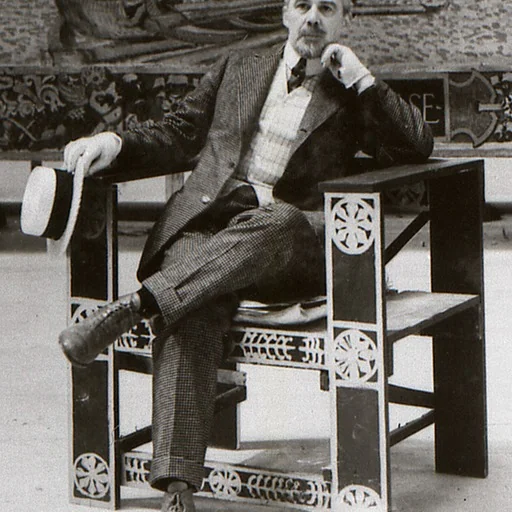
William de Leftwich Dodge (March 8, 1867 – March 25, 1935) was an American artist best known for his murals, which were commissioned for both public and private buildings.