Artwork
The Bather
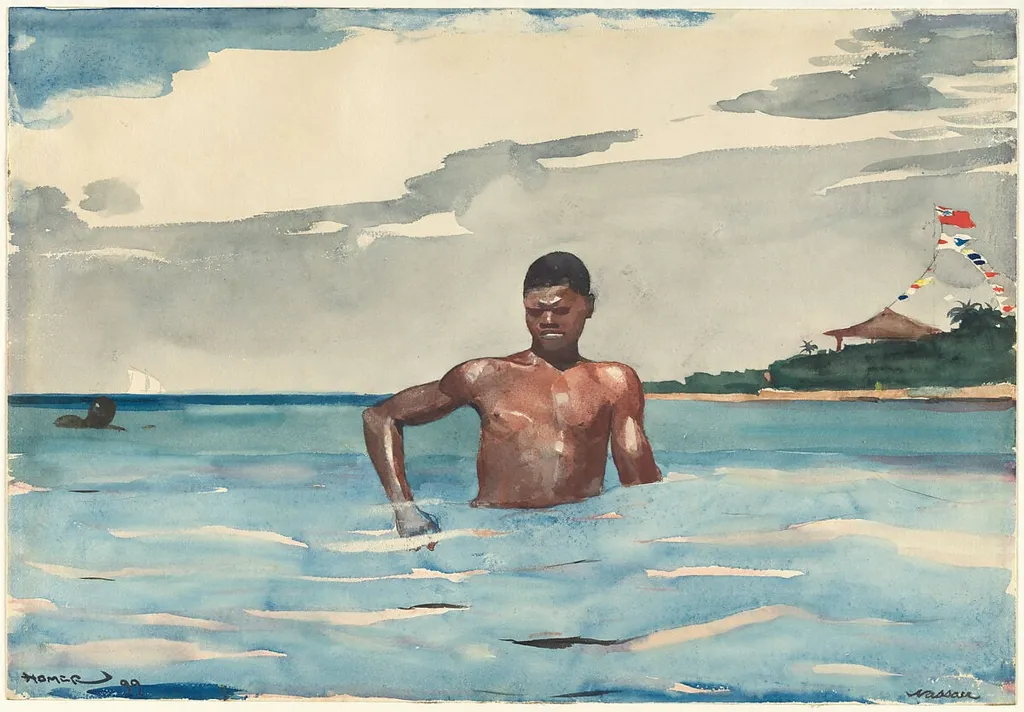
The Bather is a watercolor work on paper by the American Impressionist artist Winslow Homer. It dates from 1899 and is held in the collection of the Metropolitan Museum of Art.
About this work
Subject & Meaning
The nude form underscores vulnerability and a direct connection to the environment, reflecting late‑19th‑century American interests in nature and masculinity.
The watercolor shows a solitary man immersed in a natural setting, a motif that symbolizes contemplation and the restorative power of water. The nude form underscores vulnerability and a direct connection to the environment, reflecting late‑19th‑century American interests in nature and masculinity. The composition emphasizes the act of bathing as both physical cleansing and spiritual renewal, aligning with contemporary artistic explorations of the male figure in repose.
Technique & Style
Winslow Homer executed The Bather in 1899 using watercolor and graphite on an off-white wove paper support. The artwork measures 36.7 by 53.5 cm and falls within the nude genre, depicting a bathing man. Homer's application of watercolor, combined with underlying graphite, establishes the formal and stylistic qualities of the piece, defining the figure and its bathing setting through the fluid handling of the medium on textured wove paper.
History & Provenance
Winslow Homer created The Bather in 1899. Executed in watercolor and graphite on off-white wove paper, the artwork measures 36.7 by 53.5 cm. The piece depicts a bathing man and belongs to the genre of nude painting.
The work is currently held in the Metropolitan Museum of Art as part of its American Wing collection, where it is cataloged under the accession number 10.228.8.
The Bather is held by the Metropolitan Museum of Art, where it is catalogued under accession number 10.228.8. The work belongs to the museum's American Wing classification and forms part of its permanent collection.
No exhibition history is documented in the available sources.
Context
Winslow Homer's watercolor The Bather, created in 1899, presents a male figure immersed in water, reflecting the artist's focus on naturalistic human forms and engagement with themes of bathing and solitude. The work is housed in The American Wing at the Metropolitan Museum of Art, where it is recognized as part of the museum's collection of American art. Scholarship emphasizes its significance within Homer's exploration of everyday subjects and the male body, situating it within late 19th-century American artistic practices that balanced realism with impressionistic treatment of light and atmosphere.
Overview
Winslow Homer’s The Bather (1899) is a watercolor and graphite work on off‑white wove paper. The composition shows a nude male figure standing waist‑deep in turbulent water, his back turned toward the viewer, clutching a towel as light reflects off his damp skin. The piece exemplifies Homer’s late‑career focus on water‑based media and everyday subjects.
Artist & collection
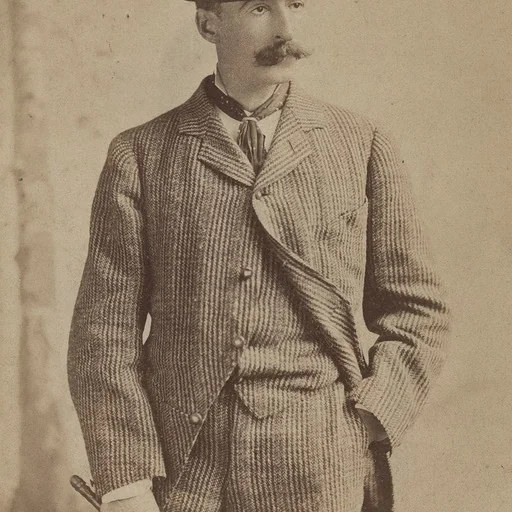
Artist
Winslow Homer (February 24, 1836 – September 29, 1910) was an American landscape painter and illustrator, best known for his marine subjects.

![Studies of Peasants with Wheelbarrows [verso], by John Singer Sargent](https://artifactworldgallery.com/img/john-singer-sargent--studies-of-peasants-with-wheelbarrows-verso--e2fa4fe25f355cd8-w320.webp)