Artwork
The Studio
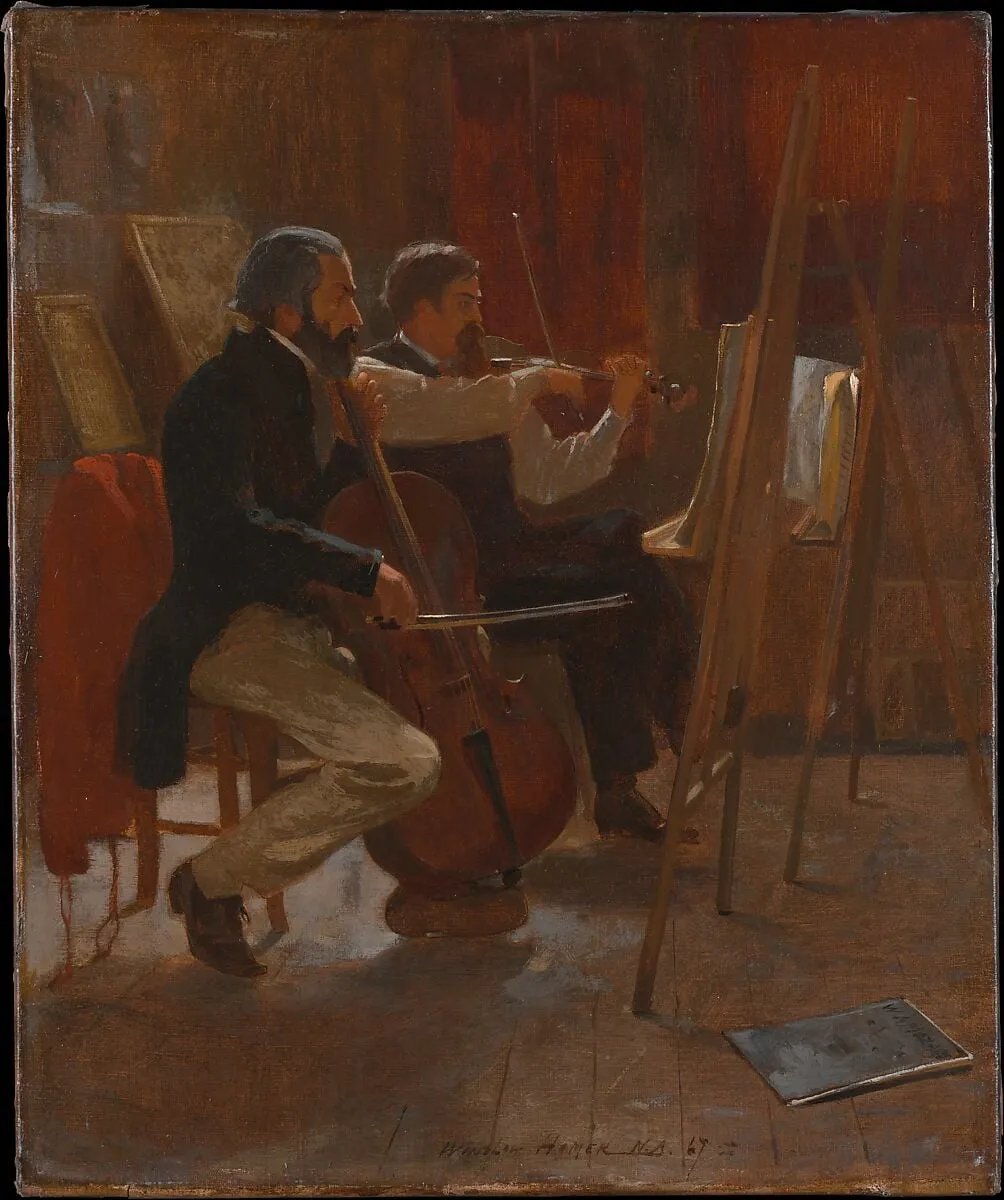
The Studio is an oil painting by the American Folk Art artist Winslow Homer. It dates from 1867 and is held in the collection of the Metropolitan Museum of Art.
About this work
Subject & Meaning
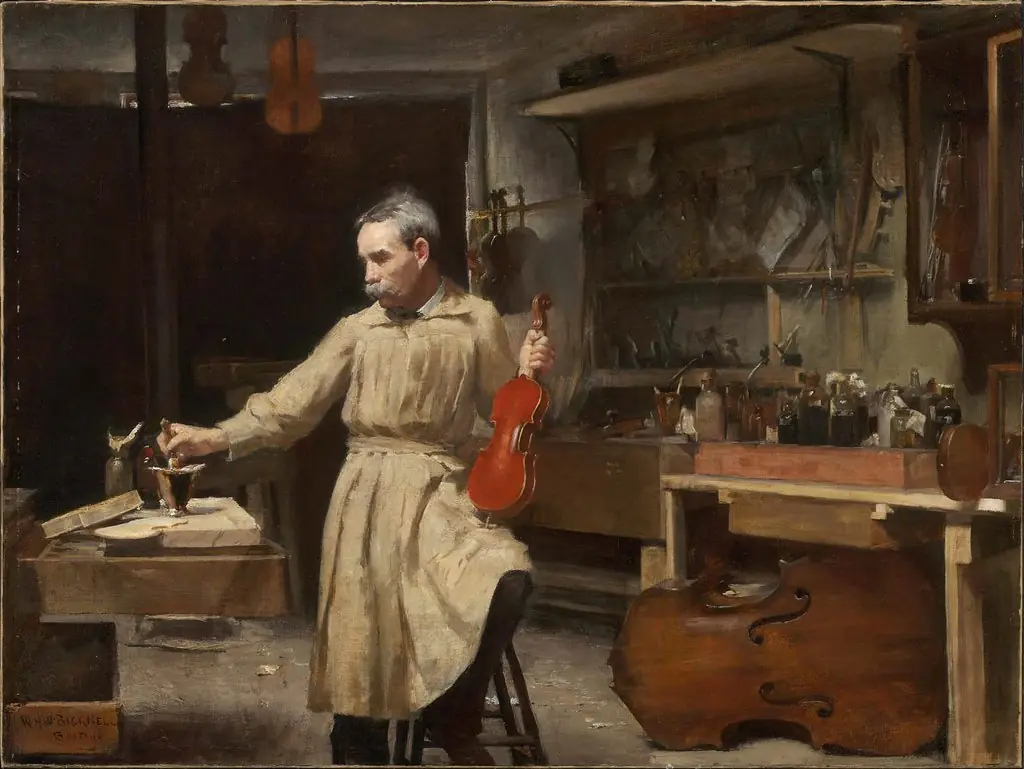
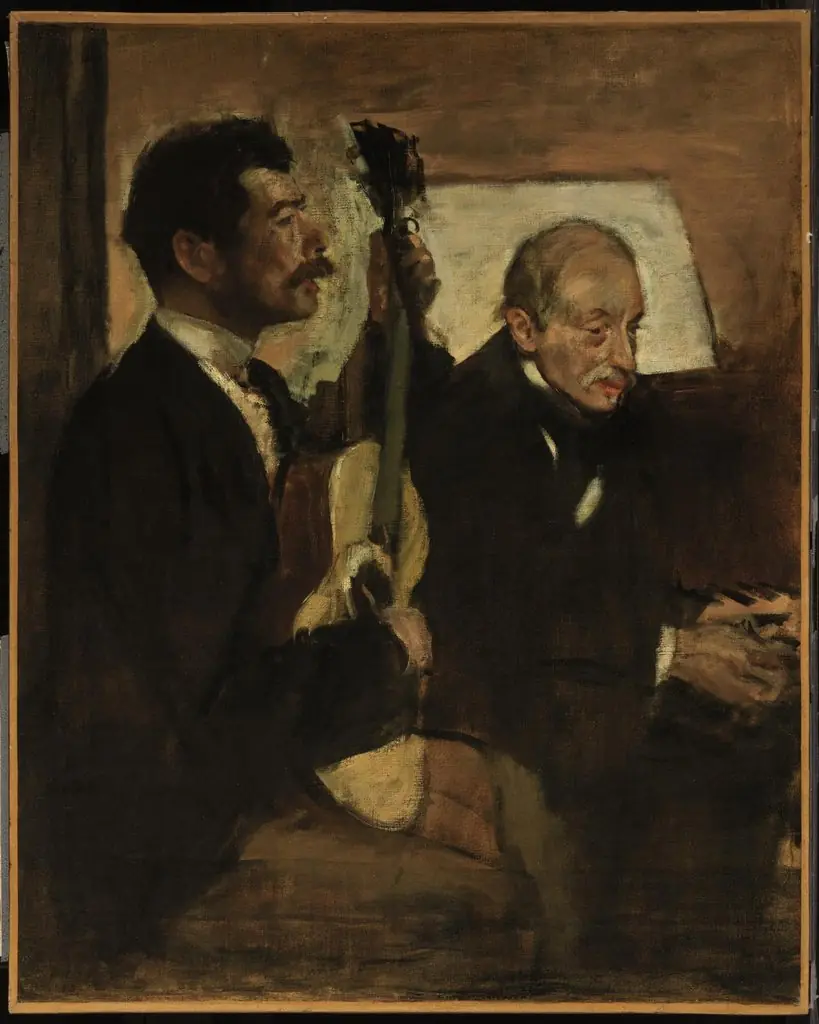
The composition identifies the subject specifically as a man holding both a violin and a cello, instruments that define his role as a performer.
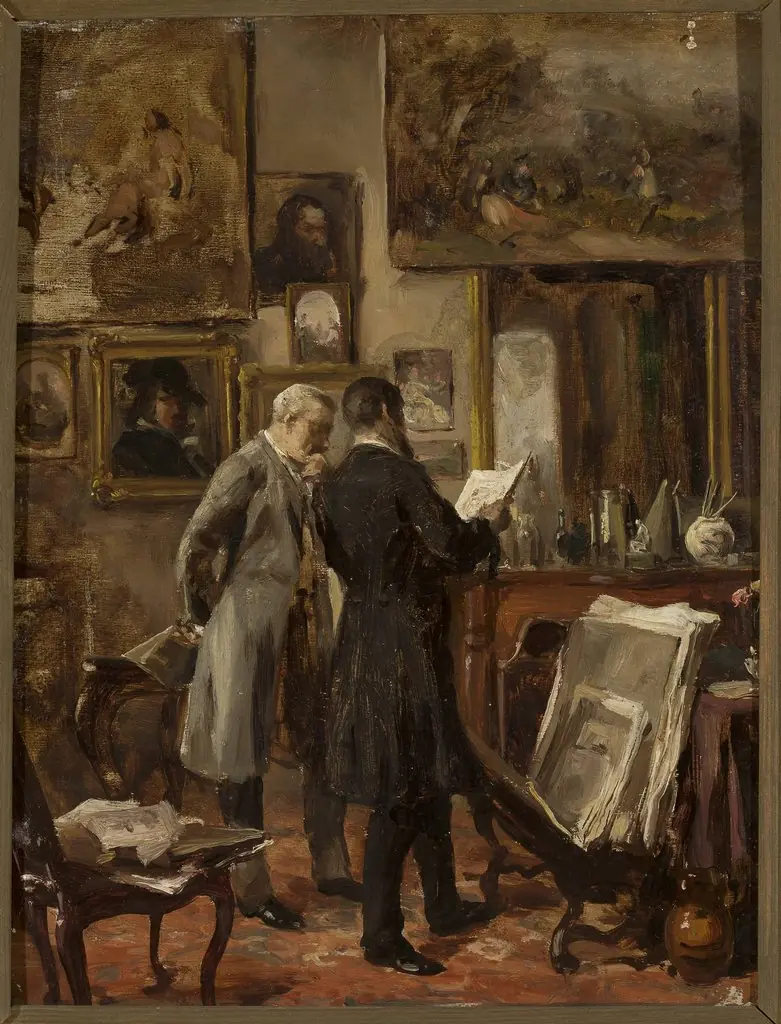
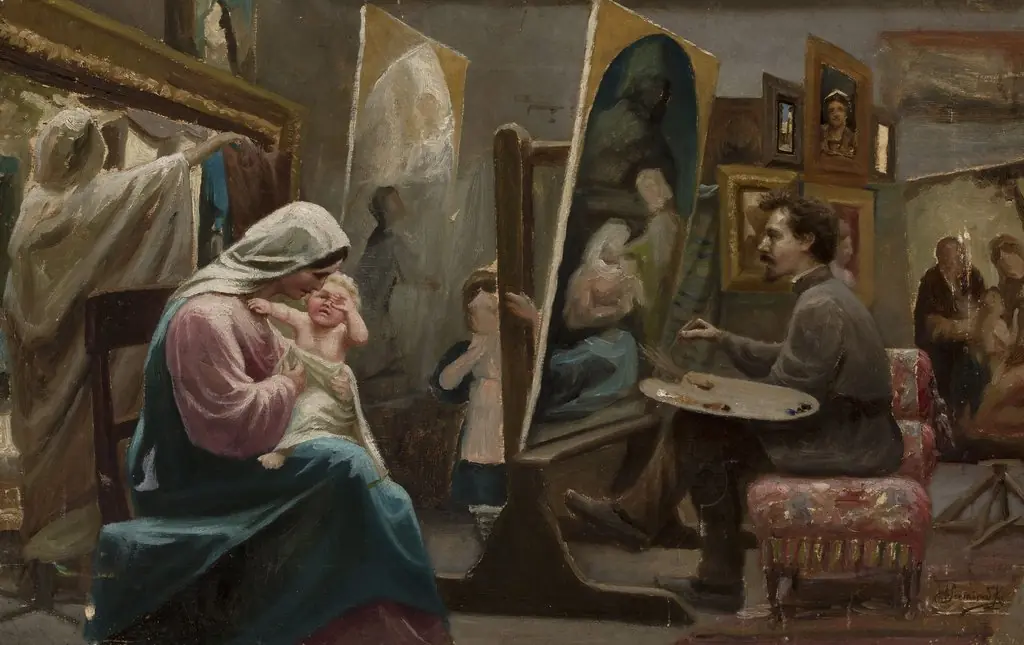
Winslow Homer's 1867 oil painting, The Studio, presents a genre scene centered on a solitary male musician within an interior setting. The composition identifies the subject specifically as a man holding both a violin and a cello, instruments that define his role as a performer. As a work classified within the genre scene tradition, the painting focuses on the depiction of everyday life and the quiet moment of musical practice or preparation.
The visual narrative relies on the presence of the artist and his tools to convey the subject matter, offering a straightforward representation of a musician in his workspace. The Metropolitan Museum of Art, which houses the work, describes the imagery simply through these key figures and objects, emphasizing the human element engaged with musical instruments rather than an elaborate allegorical context.
Technique & Style
The Studio is an oil on canvas work executed in 1867, with canvas serving as the painting's support. Its modest dimensions, 45.7 cm in height by 38.1 cm in width, place it within the scale of an intimate genre scene rather than a large-scale exhibition piece. The subject matter, depicting a man and musician with a cello and violin, is rendered through the painterly handling characteristic of mid-nineteenth-century American genre painting.
The work is classified within The American Wing's holdings, reflecting its stylistic alignment with American realist traditions of the period. No specific information regarding the work's current condition or detailed stylistic analysis is available in the provided sources.
History & Provenance
The Studio is an 1867 oil on canvas work by Winslow Homer, measuring 45.7 × 38.1 cm and classified as a genre scene within The American Wing collection at the Metropolitan Museum of Art. The painting depicts a musician with a cello and violin. According to the museum’s catalog, the work entered the Met’s holdings as part of its permanent collection, indicating that the museum acquired it directly from the artist’s estate or through a documented sale; no earlier private owners are recorded.
Its creation history is confined to the year 1867, when Homer completed the piece using oil paint on canvas, a fact corroborated by both the museum’s internal record and the Wikidata entry.
The Studio (1867) by Winslow Homer is held by the Metropolitan Museum of Art, where it belongs to the institution's American Wing. The painting entered the Metropolitan's collection and is catalogued as a genre scene depicting a man with a cello and violin. No inventory or accession number is recorded in the available sources, and no exhibition history beyond its placement within the American Wing is documented.
Overview
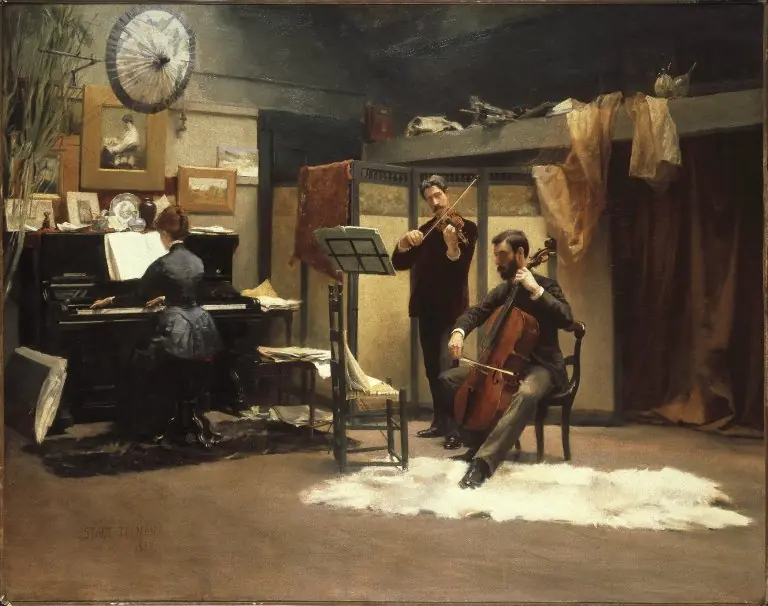
Winslow Homer's 1867 oil on canvas, The Studio, captures a domestic scene of men engaged in musical performance. This genre painting offers a window into the social pastimes of the era, depicting several figures gathered in an interior space, playing string instruments. The work exemplifies Homer's early exploration of everyday life before he became widely recognized for his marine subjects and landscapes.
Context
Created early in Winslow Homer's career as a painter, The Studio predates his later renown for marine and landscape subjects. As an artist who largely learned independently, Homer transitioned from commercial illustration to fine art, developing a robust painterly style. This work reflects his interest in depicting contemporary American life, a popular theme in 19th-century genre painting.
Artist & collection
Artist
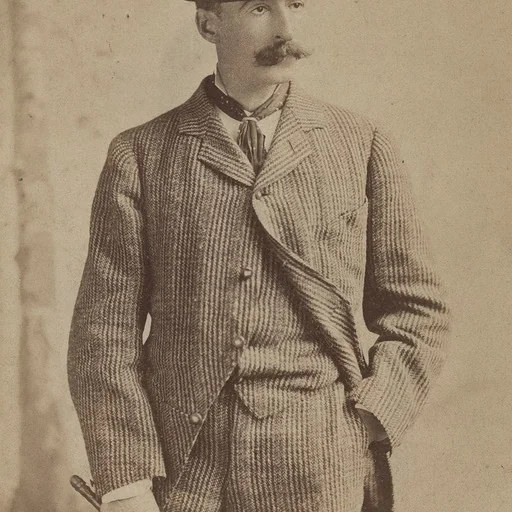
Winslow Homer (February 24, 1836 – September 29, 1910) was an American landscape painter and illustrator, best known for his marine subjects.