Artwork
清 楊天壁 敬芝軒第貳圖 卷|Second View of the Studio for Respecting the Fungus of Longevity
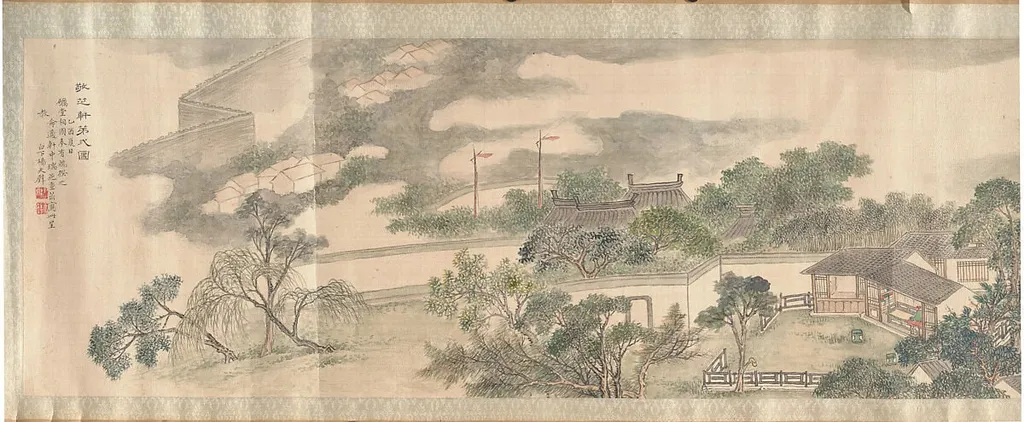
清 楊天壁 敬芝軒第貳圖 卷|Second View of the Studio for Respecting the Fungus of Longevity is an ink painting by the Qing dynasty painting artist Yang Tianbi. It dates from 1825 and is held in the collection of the Metropolitan Museum of Art.
About this work
A long, narrow handscroll in ink and pale color on silk: misty mountains, a tiny pavilion, and gnarled pines clinging to rocks. Yang Tianbi painted it in 1825 as part of a set showing his own studio. Each branch comes from a few quick strokes, yet the whole scene feels deep and quiet.
Overview
The work exemplifies traditional Chinese landscape painting, inviting contemplation through its quiet depiction of nature and its refined aesthetic.
Yang Tianbi created this handscroll, titled Second View of the Studio for Respecting the Fungus of Longevity, in 1825. Rendered with ink and subtle colors on silk, the painting presents a serene landscape. It features misty mountains, ancient pine trees clinging to rocky outcrops, and a small, secluded pavilion.
The work exemplifies traditional Chinese landscape painting, inviting contemplation through its quiet depiction of nature and its refined aesthetic.
Subject & Meaning
This painting is one of a series illustrating Yang Tianbi's personal studio, suggesting a deep connection between his artistic practice and his environment. The title itself incorporates a subtle pun: the phrase "fungus of longevity" (lingzhi) phonetically resembles "respecting the fungus," hinting at the artist's profound appreciation for the natural world and its symbolic elements. The work thus offers a glimpse into the artist's private world and his philosophical outlook.
Technique & Style
Tianbi employed ink and delicate washes of color on silk to achieve the scroll's atmospheric quality. The artist rendered elements like tree branches with economical, swift brushstrokes, yet these gestures contribute to an overall impression of depth and tranquility. The composition balances detailed natural forms with expansive, misty voids, creating a contemplative scene that exemplifies the refined aesthetic of Chinese landscape traditions, where brushwork conveys both form and spirit.
Context
Created in 1825, this handscroll belongs to a larger series conceived by Yang Tianbi to depict his own studio space. Such personal commissions often served as reflections of an artist's identity and intellectual pursuits, offering an intimate view into their world. The work aligns with a long tradition of Chinese literati painting, where artists often depicted their retreats as symbols of their inner life and their connection to nature.
Artist & collection

 Cloudy Mountains
 明 魏之克(魏克) 四時倣古山水圖 卷|Landscape of the four seasons in the styles of old masters
 The Peach Blossom Spring
 Untitled
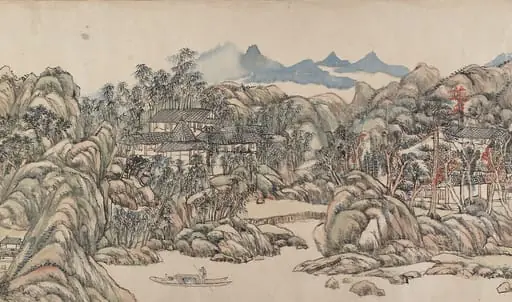 清 王原祁 輞川圖 卷|Wangchuan Villa
 Autumn Mist in the Countryside
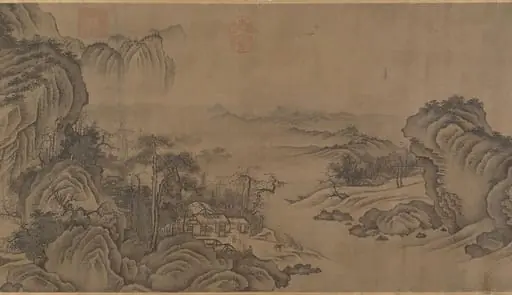 元/明 佚名 舊傳 燕文貴 秋山蕭寺圖 軸|Buddhist Temples amid Autumn Mountains
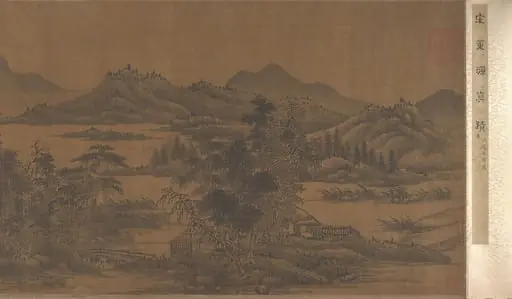 明/清 佚名 舊傳董源 山水圖 卷|Landscape
 Watching Geese at Lan-t'ing Pavilion
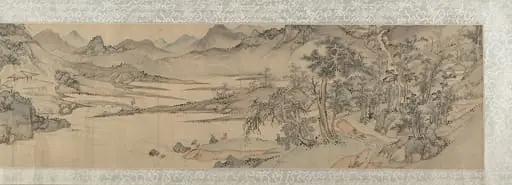 明 佚名 傳文伯仁 山水圖 卷|Landscape