Artwork
"Pejzaż w stylu Ni Zana"
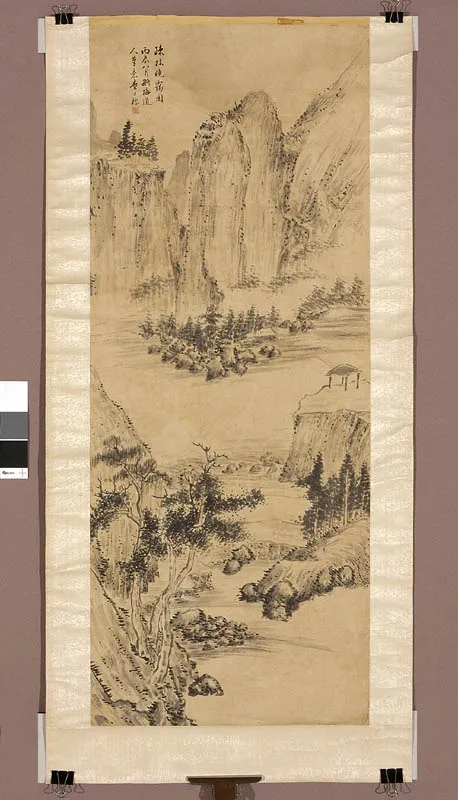
"Pejzaż w stylu Ni Zana" is an unspecified painting by Zha Shibiao. It dates from 1665 and is held in the collection of the National Museum in Warsaw.
About this work
Overview
Executed in ink and light washes on paper, the composition avoids dramatic contrasts in favor of quiet harmony.
Painted around 1665 by Zha Shibiao, this landscape work reflects a deliberate engagement with the aesthetic traditions of Ni Zan, a 14th-century Yuan dynasty painter. Executed in ink and light washes on paper, the composition avoids dramatic contrasts in favor of quiet harmony. The piece resides in the National Museum in Warsaw, where it stands as one of the few surviving examples of early Qing dynasty literati landscape painting outside China.
Subject & Meaning
The scene presents a tranquil rural setting: distant mountains recede into mist, a narrow river winds through the foreground, and a modest structure with a tiled roof rests among clustered trees and weathered rocks. These elements evoke the idealized solitude valued by scholar-officials, suggesting retreat from worldly affairs. The absence of human figures reinforces a contemplative mood, aligning with Daoist and Chan Buddhist ideals of stillness and natural order.
Technique & Style
Zha Shibiao employs a restrained palette of monochrome ink tones, using subtle gradations from pale gray to deep charcoal to suggest form and depth. Dry brushwork defines rock textures, while wet washes soften distant peaks and atmospheric space. The sparse arrangement of trees and minimal detailing reflect Ni Zan’s influence, emphasizing economy of line and deliberate emptiness as expressive tools rather than omissions.
History & Provenance
The painting entered the National Museum in Warsaw’s collection in the 20th century, likely through European diplomatic or scholarly channels during the late Qing or early Republican period. Its journey from China to Poland remains undocumented, but its preservation in a European institution highlights the growing Western interest in Chinese literati art during the colonial era, despite limited understanding of its cultural context.
Context
Created during the early Qing dynasty, this work emerged as Han Chinese artists navigated political subjugation under Manchu rule. Many turned to landscape painting as a means of preserving cultural identity and expressing inner resolve. Zha Shibiao, a former Ming loyalist, channeled this sentiment into stylized, introspective compositions that honored earlier masters like Ni Zan while subtly asserting cultural continuity.
Legacy
Zha Shibiao’s reinterpretation of Ni Zan’s aesthetic contributed to the persistence of literati ideals in Qing painting, influencing later regional schools. Though not widely known outside specialist circles, this painting exemplifies how Chinese artists adapted historical styles to convey personal and political resilience. Its presence in Warsaw underscores the global, if fragmented, circulation of East Asian art beyond its origins.
Artist & collection


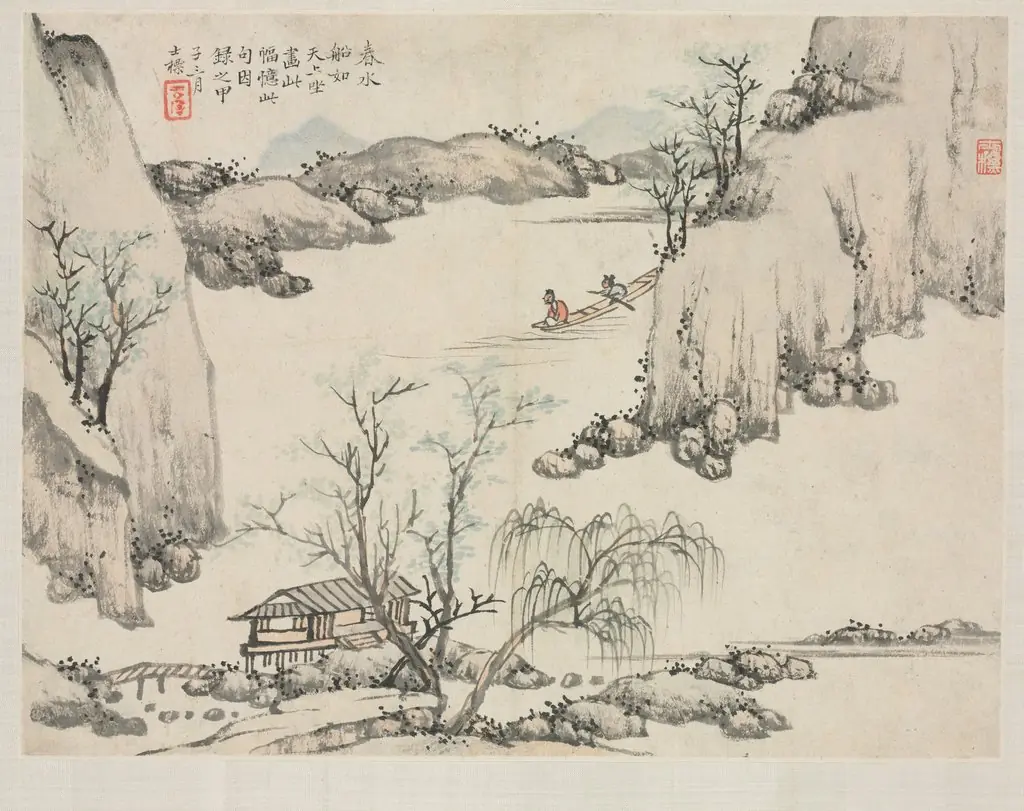 Landscape Album in Various Styles: Boating in Spring Water
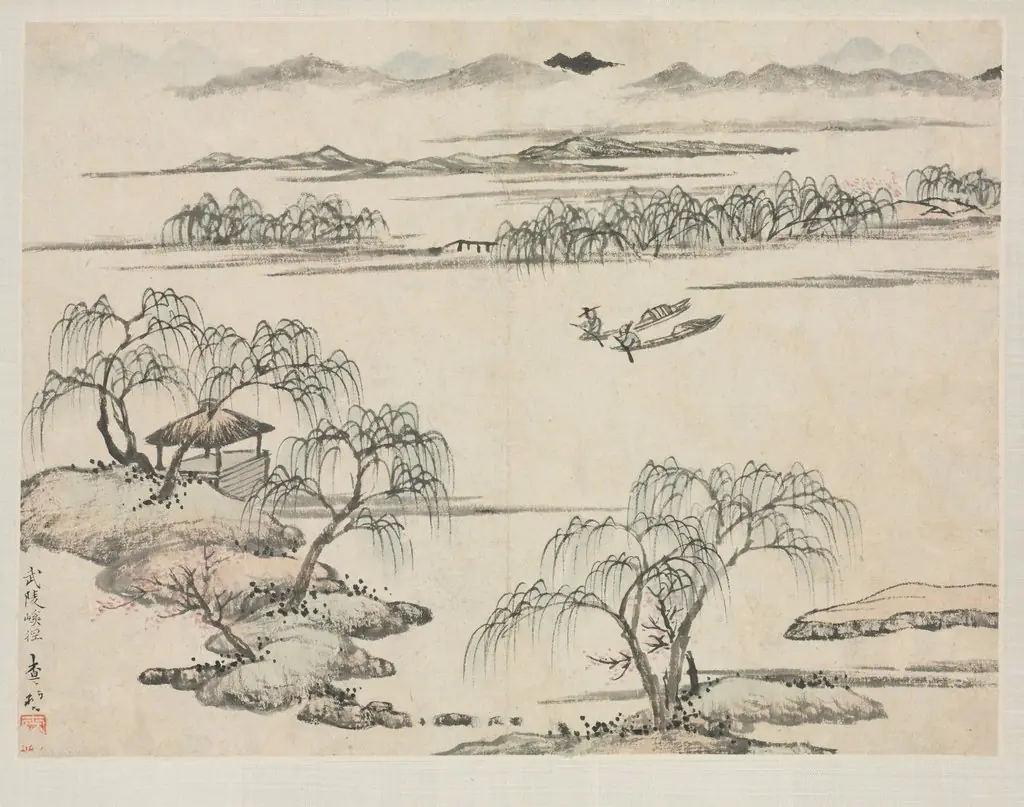 Landscape Album in Various Styles: The Stream of Wuling
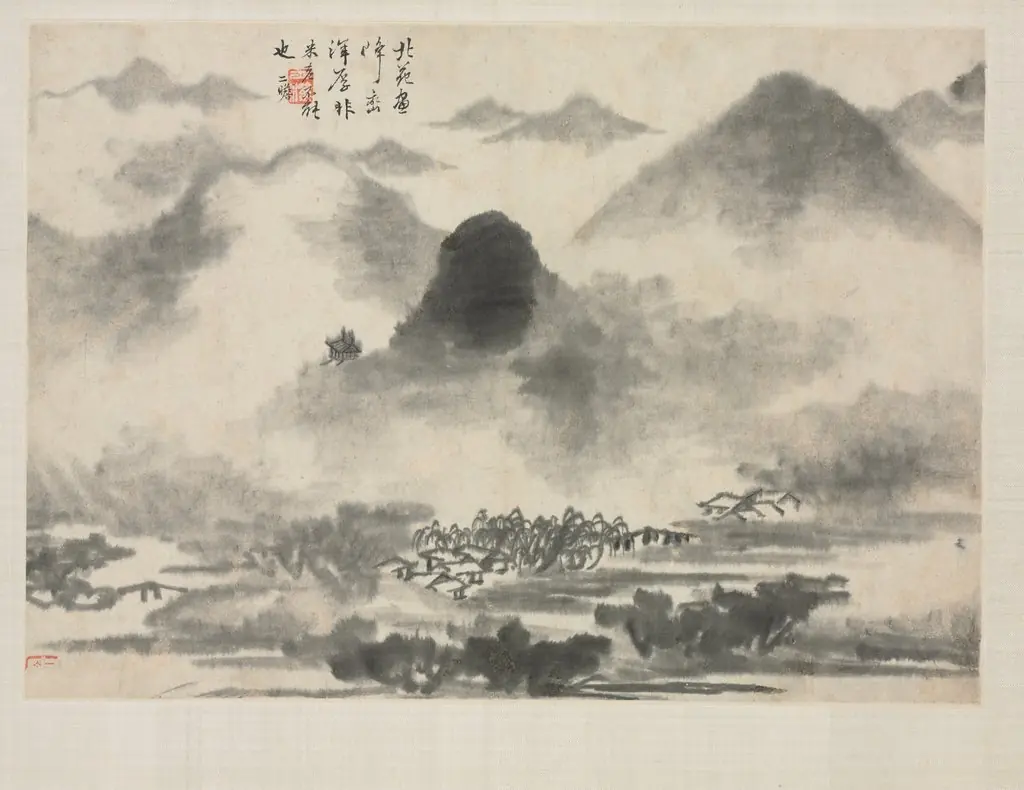 Landscape Album in Various Styles: Landscape after Mi Fei
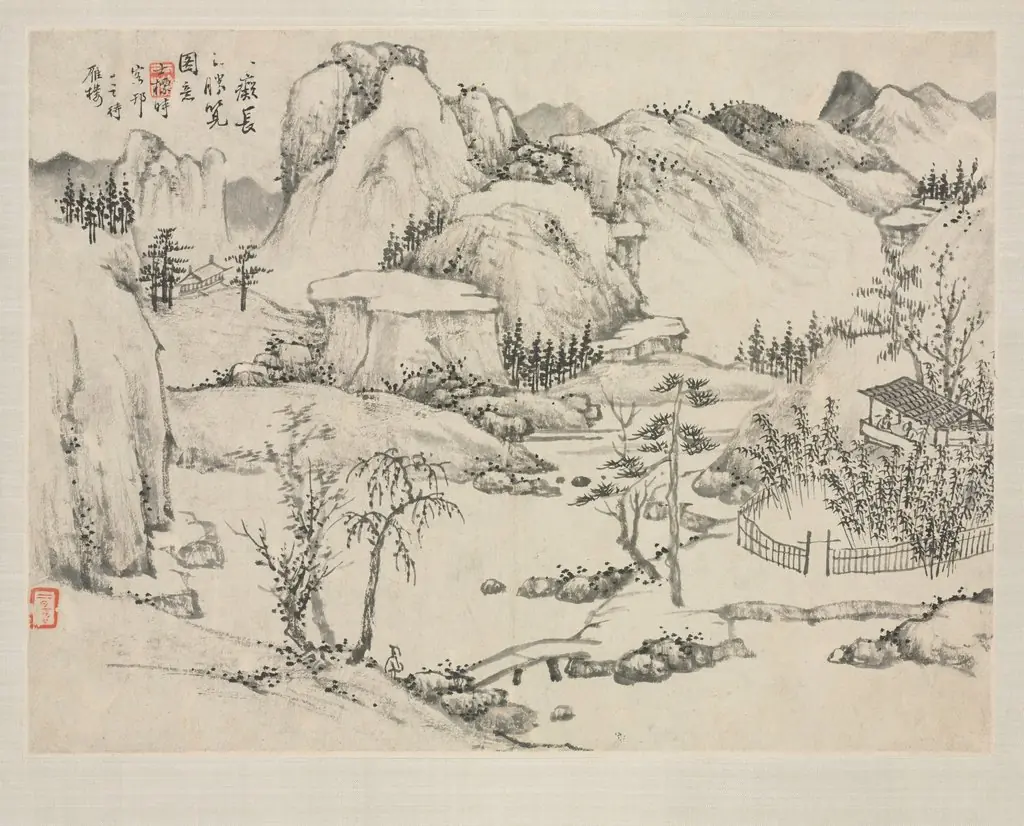 Landscape Album in Various Styles: Scenery of Mt. Changbai after Huang Gongwang
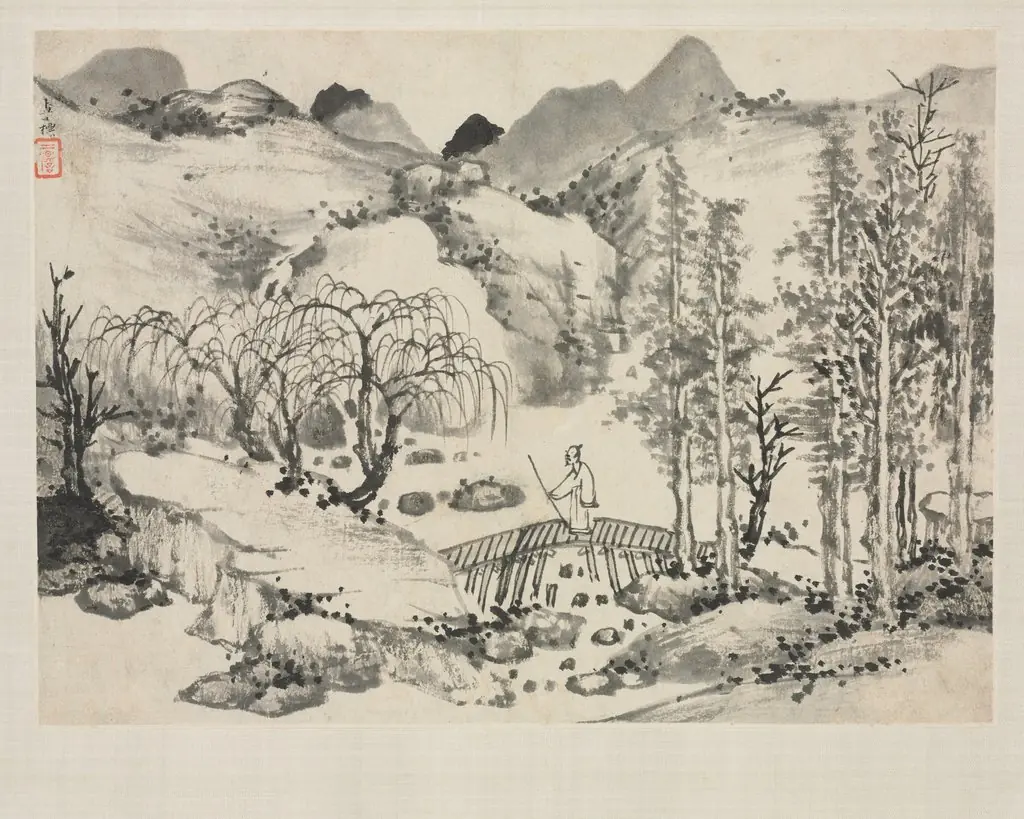 Landscape Album in Various Styles: Landscape with Artist on a Bridge
 Untitled
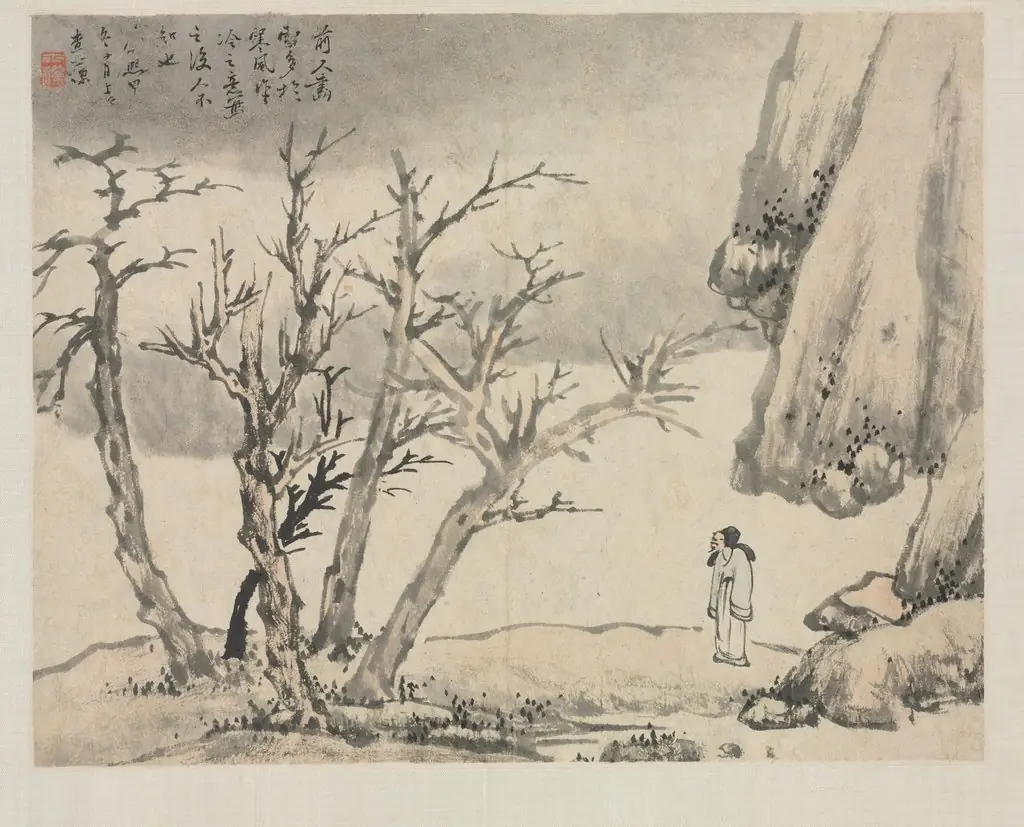 Landscape Album in Various Styles: Snowy Landscape
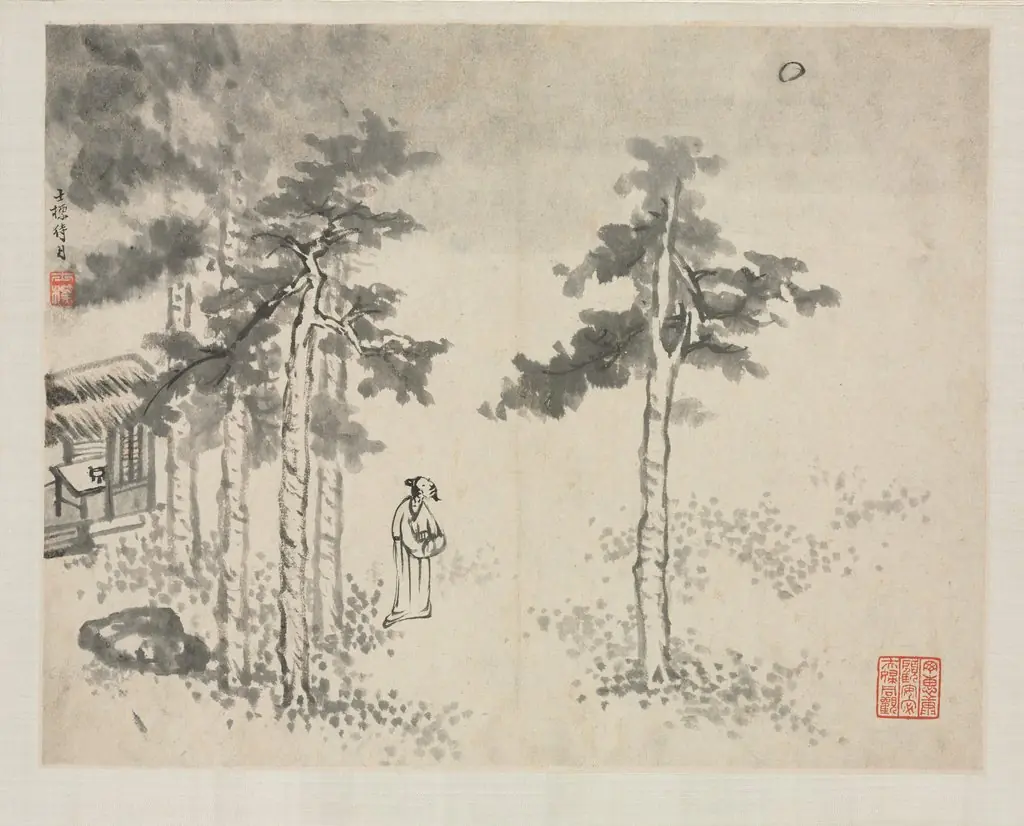 Landscape Album in Various Styles: Shibiao Waiting for the Moon
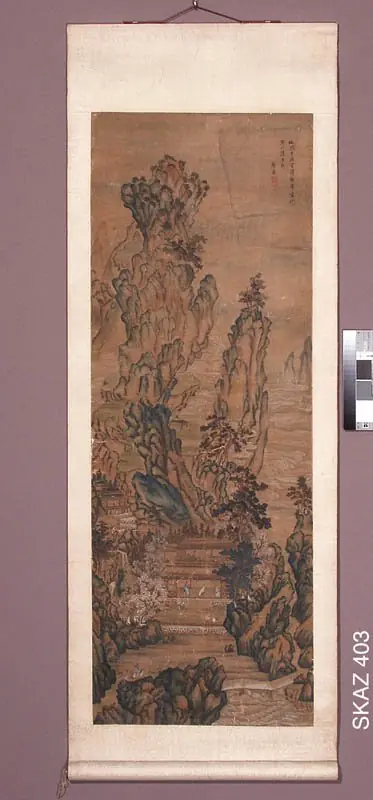 "Rozmawiający mężowie, tańczące żurawie" - pejzaż górski
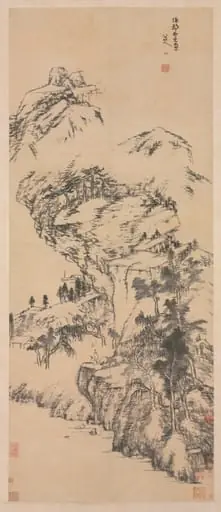 Landscape after Guo Zhongshu
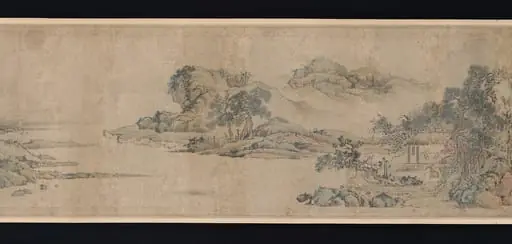 明 佚名 朱德潤 怡樂堂圖 卷|Hall of Harmony and Joy
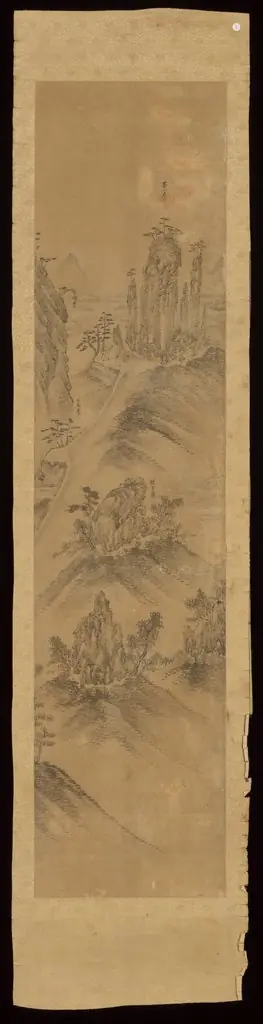 Chilbosan (Seven Jeweled Mountain)
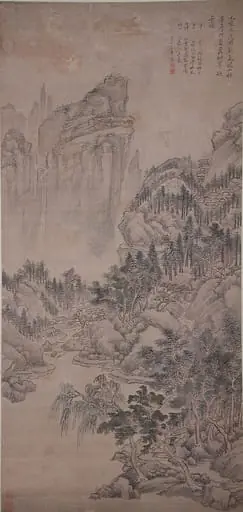 清 惲壽平 山水 軸|Landscape
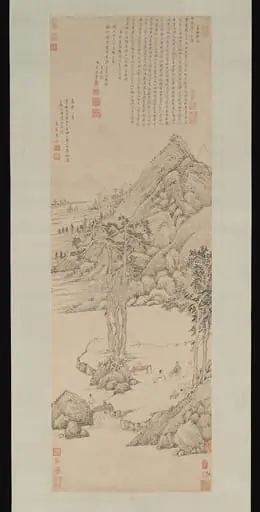 明 文嘉 為項元汴作山水圖 軸|Landscape dedicated to Xiang Yuanbian
 明文徵明古木寒泉 軸
 清 惲壽平 倣宋元山水圖 冊|Landscapes in the manner of Song and Yuan masters
![Daoist Retreat in Mountain and Stream (Landscape after Ni Zan [1301–1374]), by Lu Zhi](https://artifactworldgallery.com/img/lu-zhi--daoist-retreat-in-mountain-and-stream-landscape-after-ni-zan--a798050b065ab200-w320.webp) Daoist Retreat in Mountain and Stream (Landscape after Ni Zan [1301–1374])
Daoist Retreat in Mountain and Stream (Landscape after Ni Zan [1301–1374]) 明 杜堇 陶淵明賞菊圖 軸|Tao Yuanming enjoying chrysanthemums