Movement
Costumbrismo
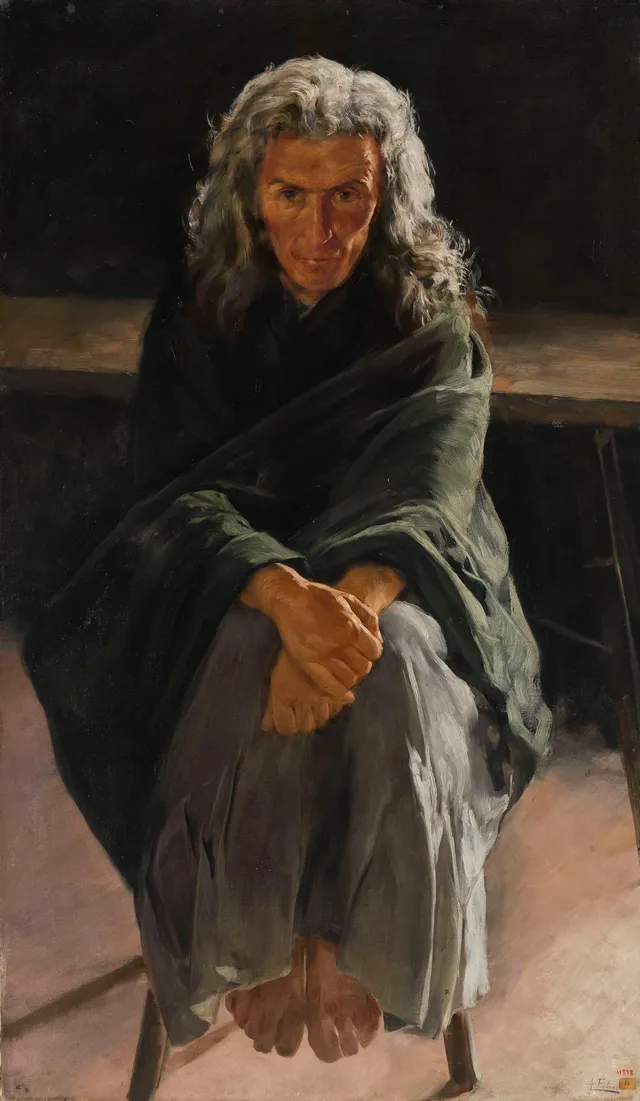
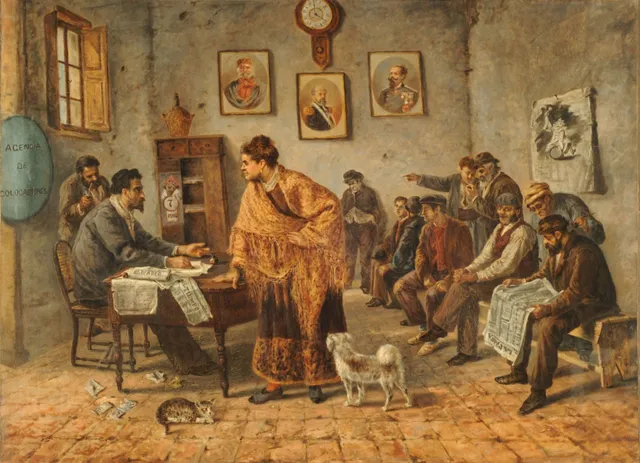
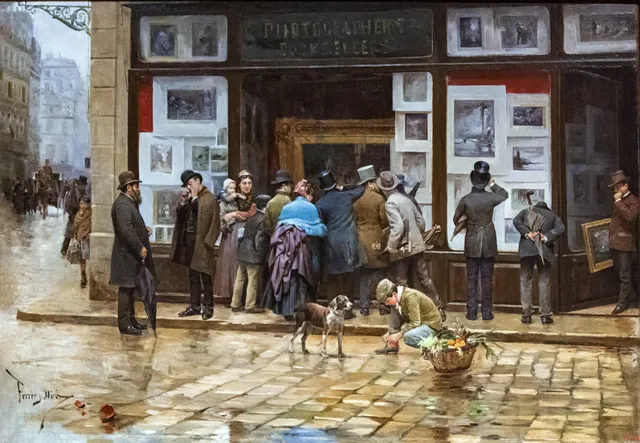
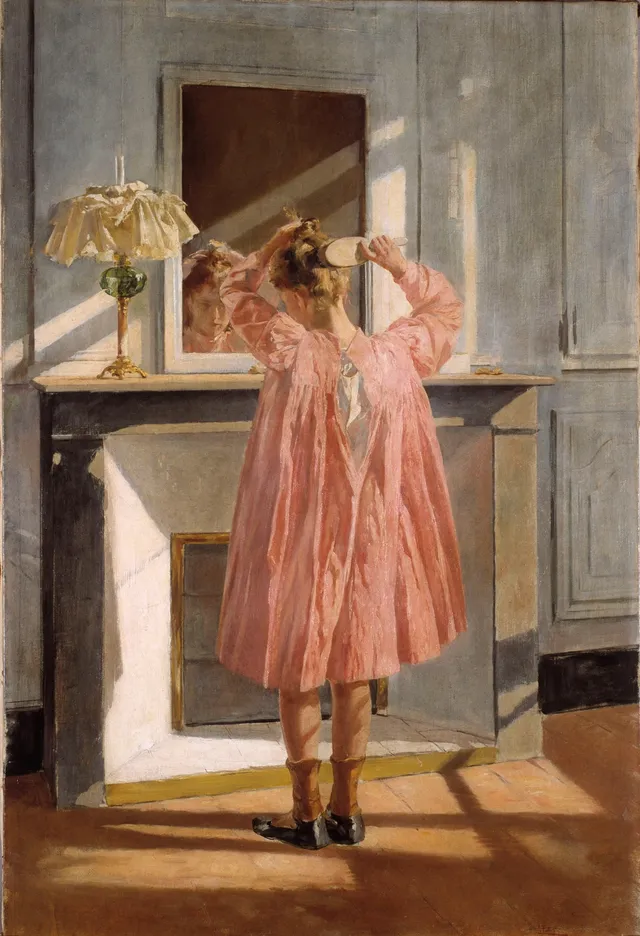
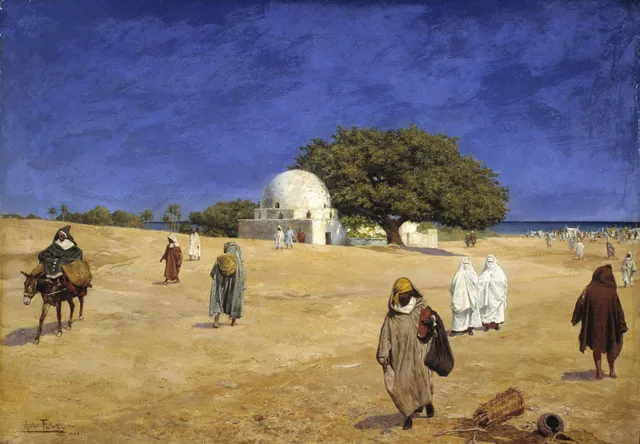
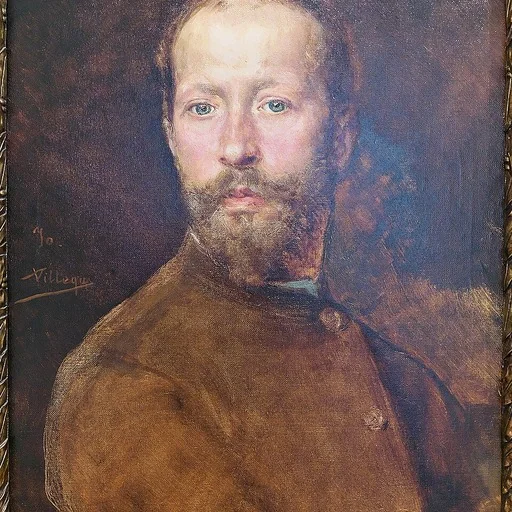
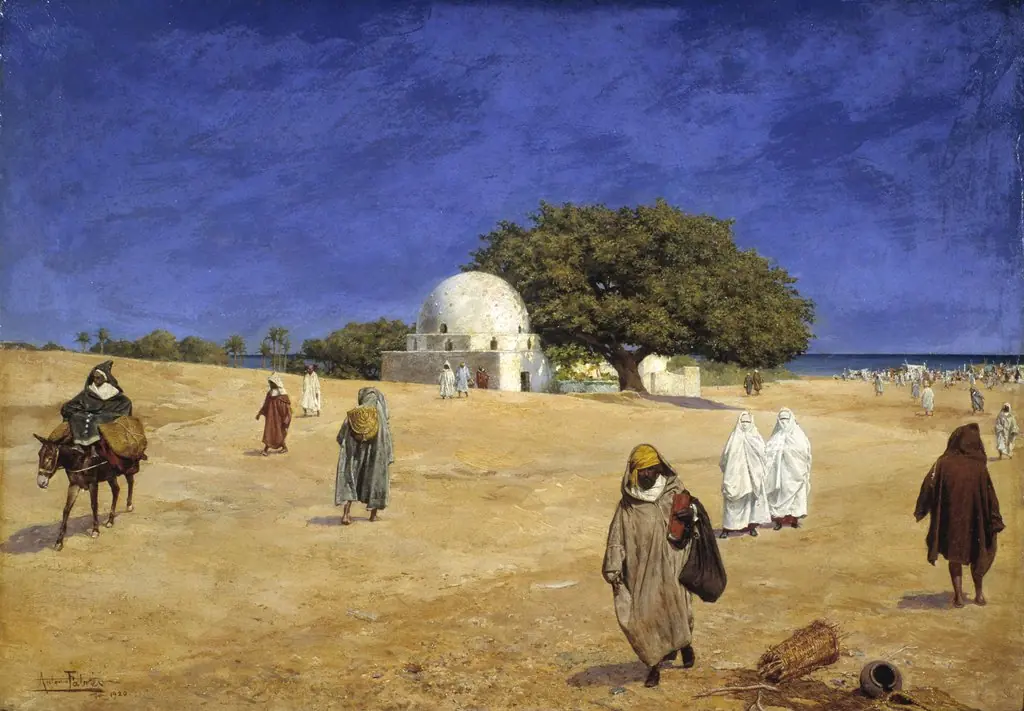
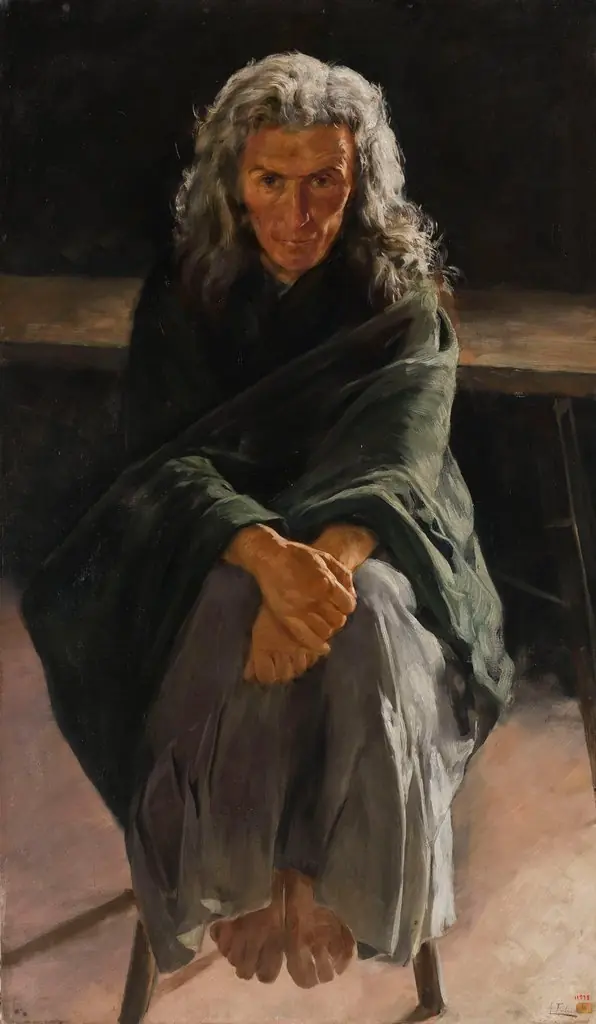
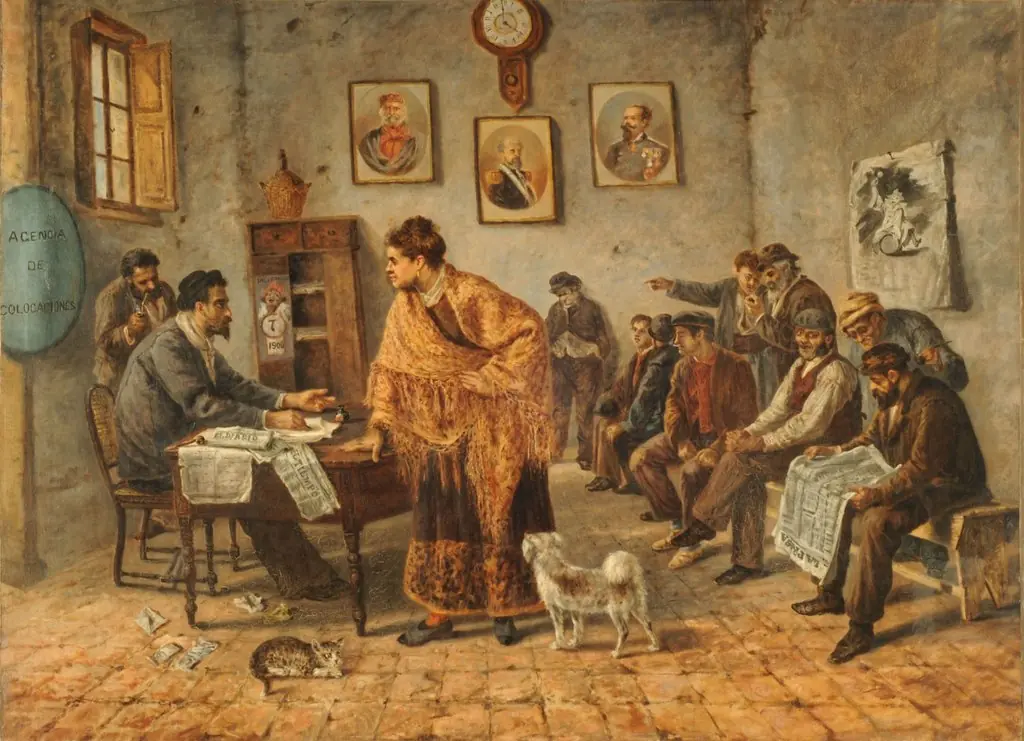
Costumbrismo is an art movement of the 1830–1880 period. The gallery holds 5 works in this movement, including works by José Villegas Cordero, Antonio Fabrés and Felipe Checa. Browse Costumbrismo paintings, portraits, pictures and artworks from the world's public-domain museum collections.
Costumbrismo is the pictorial and literary interpretation of everyday local life, manners, and customs in the nineteenth-century Hispanic world—a regionally inflected branch of genre painting that flourished above all in Spain. Although its roots reach back to the Spanish Golden Age and to Francisco de Goya, whose more than sixty tapestry cartoons for the Royal Tapestry Factory of Santa Bárbara (begun in 1775) depicted majos, picnics, and popular pastimes, the movement coalesced as a self-conscious force in the 1830s and 1840s. It arose partly from Romantic nostalgia and partly from a documentary impulse to preserve national and regional identity against the disruptions of modernization. Its literary counterpart—Mariano José de Larra and Ramón de Mesonero Romanos writing on Madrid, Serafín Estébanez Calderón on Andalusia—ran in close parallel.
Visually, Costumbrismo favored anecdotal genre scenes: village festivals, markets and fairs, bullfights, flamenco dancers, religious processions, courtship, and the colorful traditional dress of regional 'types.' Painters worked in bright, sunlit color, with crisp detail and lively crowds of small, sharply observed figures. The movement straddles Romanticism and Realism—sharing the Romantic taste for local color and emotional warmth while insisting on the precise depiction of particular places and people.
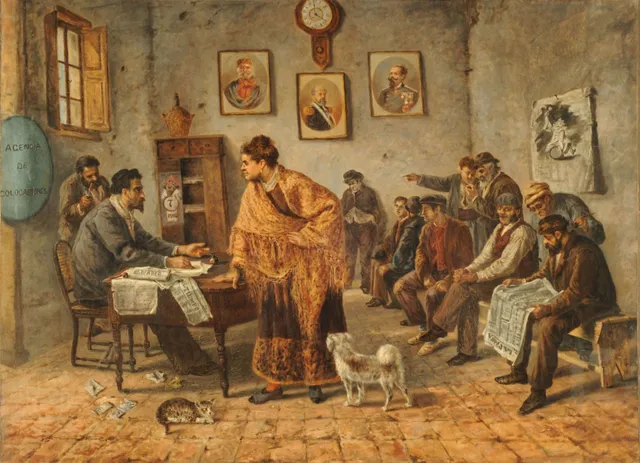
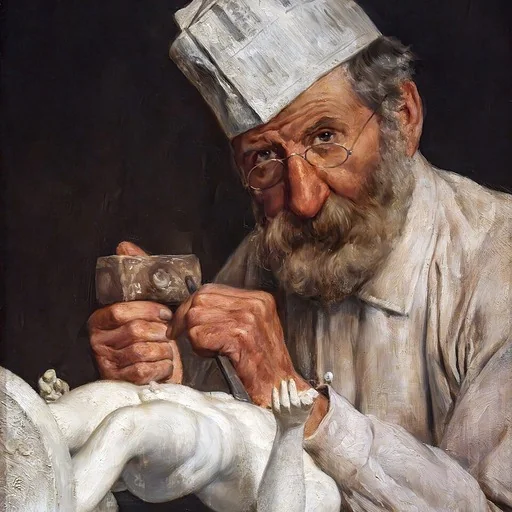
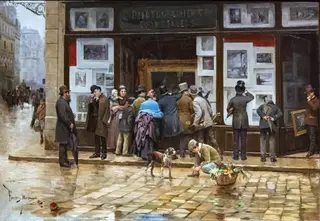
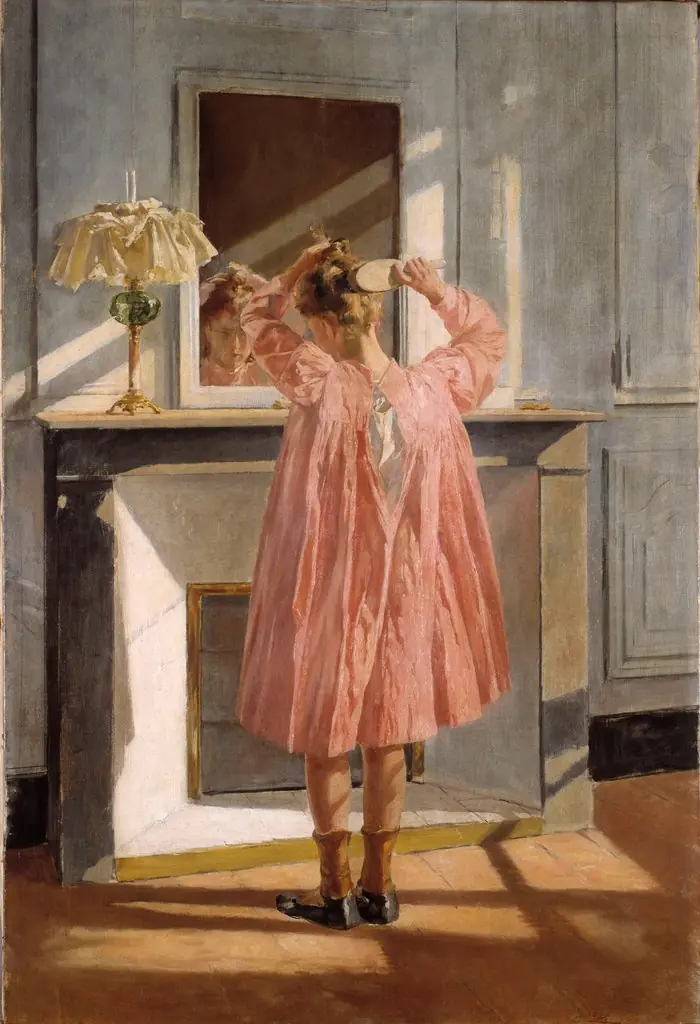
Two poles defined Spanish practice. In Madrid, Leonardo Alenza (1807–1845) and Eugenio Lucas Velázquez (1817–1870) carried Goya's satirical, shadowy edge into critical scenes of urban society. In Seville, an Andalusian school grew around José and Joaquín Domínguez Bécquer, supplying picturesque Spanish subjects to travelers and foreign collectors. Manuel Rodríguez de Guzmán (1818–1867), represented in this collection, ranks among the finest Andalusian costumbristas, prized for brilliant coloring and densely peopled popular festivities. The collection also holds adjacent genre works that extend the costumbrista impulse into the later century, including Joan Ferrer Miró's 'Public Exhibition of a Picture' and several canvases by Antonio Fabrés.
Costumbrismo helped exhaust Romantic idealism and ease the rise of Spanish Realism, while its appetite for vivid local subject matter fed the international success of painters such as Mariano Fortuny and the Orientalist current. Its model also took root across the Atlantic, producing a distinct Mexican and broader Latin American costumbrismo.
Key artists
Works
Frequently asked questions
What is Costumbrismo?
Costumbrismo is an art movement. A 19th-century Latin American and Spanish movement that documented popular customs, dress, and everyday social types with affectionate documentary detail.
Who are the key Costumbrismo artists?
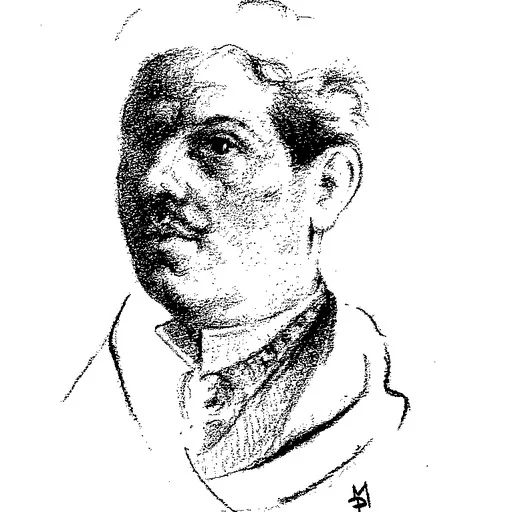
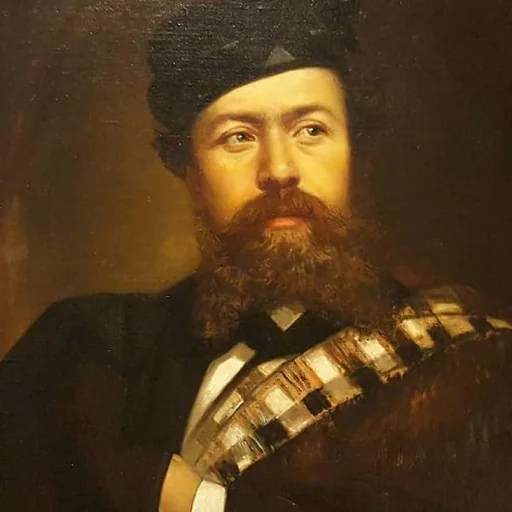
Key Costumbrismo artists in the collection include José Villegas Cordero, Antonio Fabrés and Felipe Checa.
When did Costumbrismo take place?
Costumbrismo dates from 1830–1880.
Where can I see Costumbrismo works?
Costumbrismo works in the collection are held by Museu Nacional d'Art de Catalunya and National Museum of Fine Arts, Argentina.