
Movement
Proto Renaissance
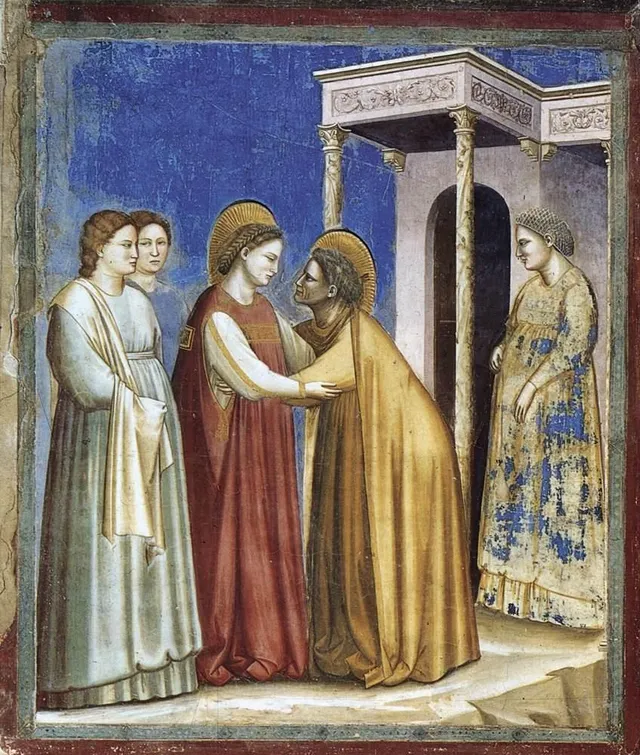
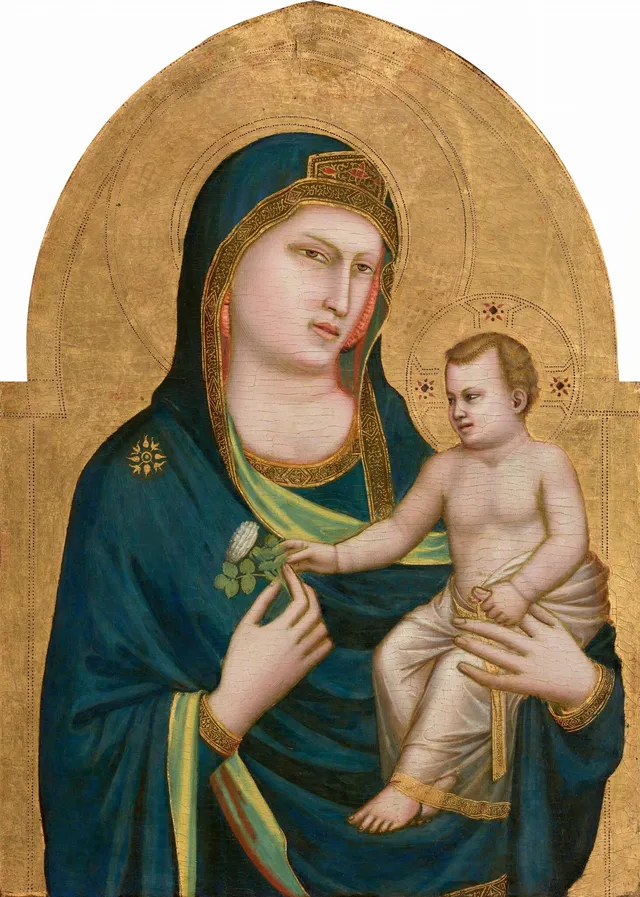
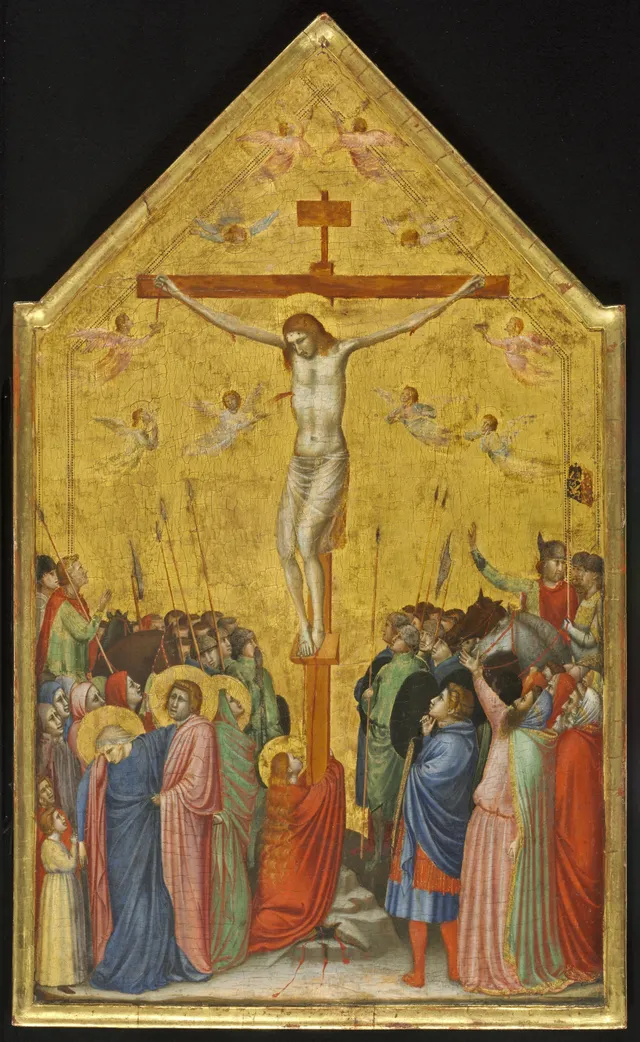
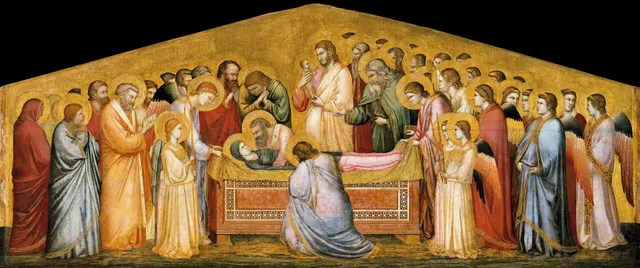
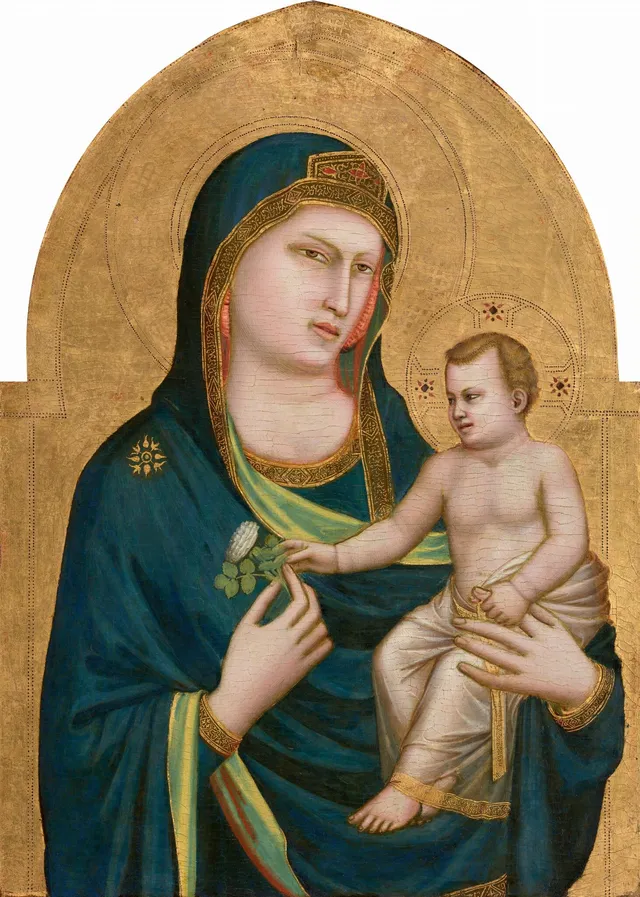
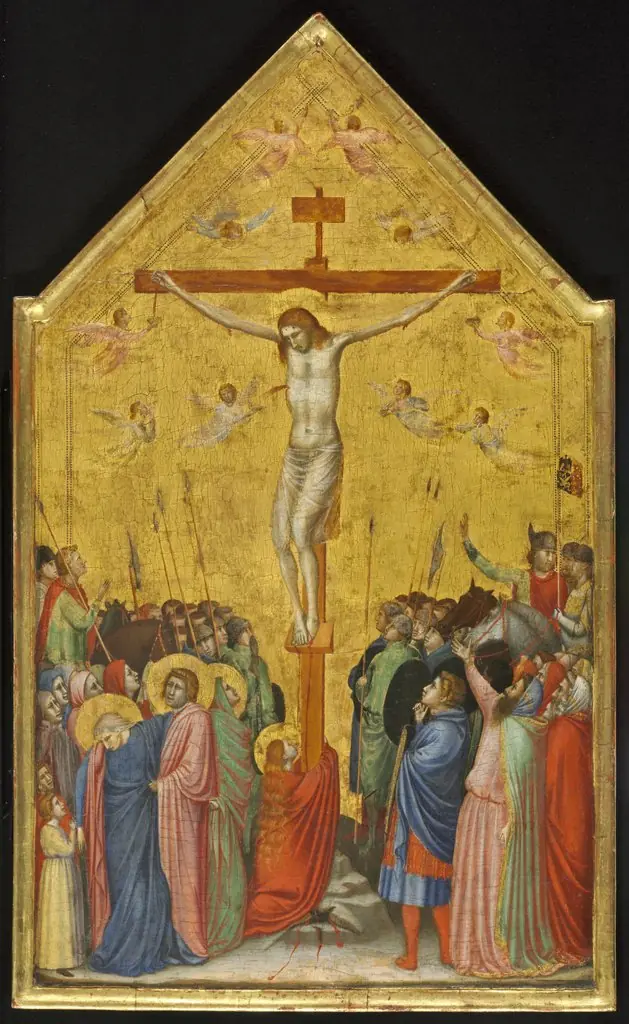
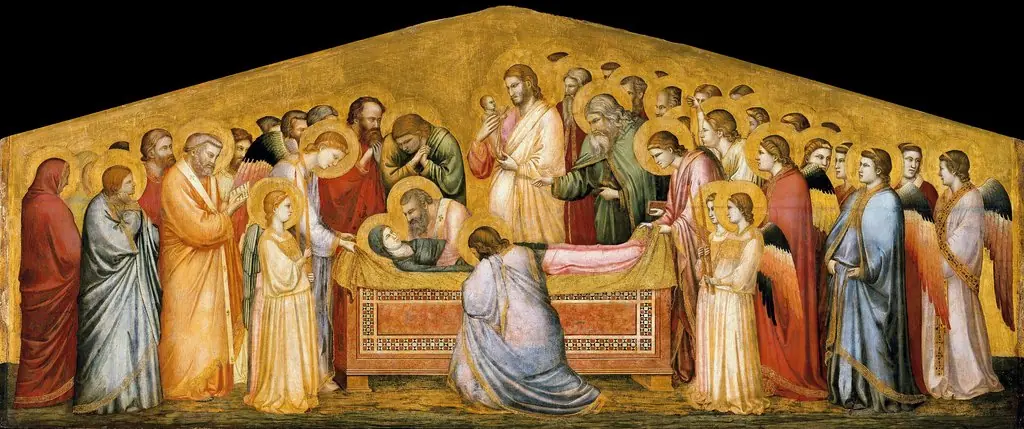
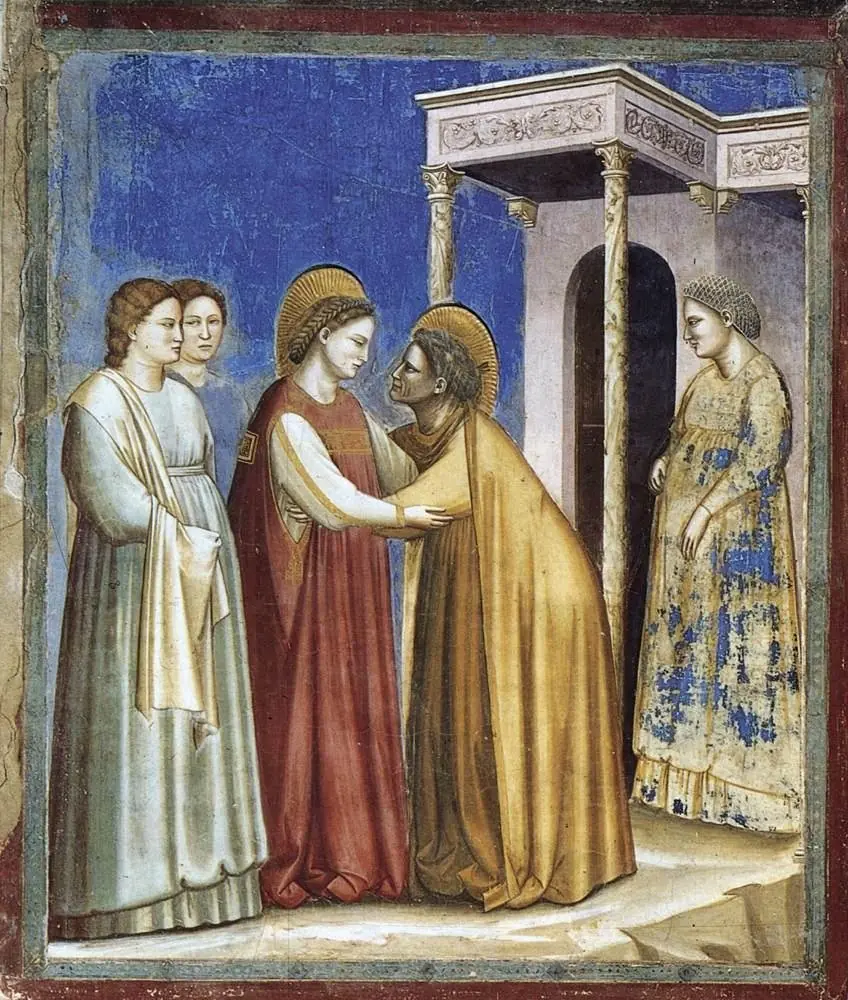
Proto Renaissance is an art movement. The gallery holds 4 works in this movement, including works by Giotto, Grifo di Tancredi and Cimabue. Browse Proto Renaissance paintings, portraits, pictures and artworks from the world's public-domain museum collections.
The Proto-Renaissance names the late-medieval awakening of Italian art, unfolding roughly from the second half of the 13th century through the early 14th, when painters and sculptors in Florence, Pisa, Siena and Padua began to loosen the grip of the Byzantine "maniera greca" — the flat, gold-ground, hieratic idiom of the medieval Church. Its rise was bound up with the prosperity of the Tuscan city-states, the spiritual immediacy preached by the new Franciscan and Dominican orders, and a quickening interest in the surviving art of ancient Rome. The result was not yet the perspectival science of the 15th century, but a decisive new ambition: to make sacred figures look like solid bodies, feeling human emotion, standing in believable space.
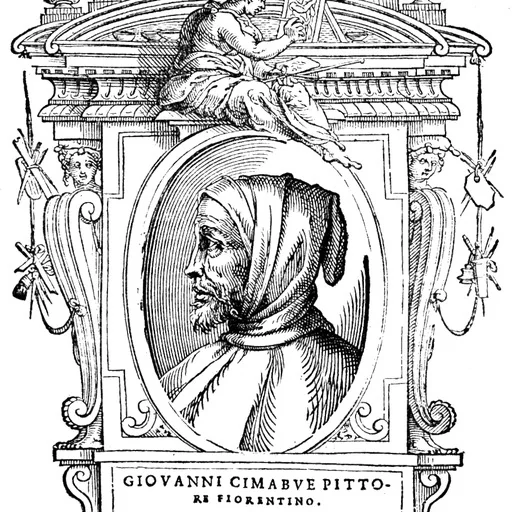
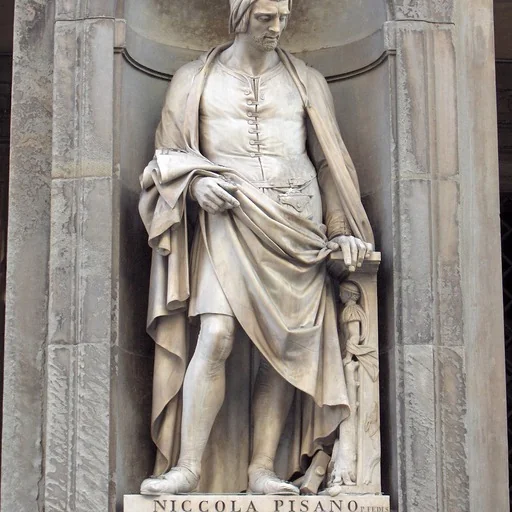
The turn arguably began in sculpture. Around 1260 Nicola Pisano carved his marble pulpit for the Pisa Baptistery, studying ancient Roman sarcophagi to give his crowded relief panels the weight and dignity of classical figures; his son Giovanni Pisano carried that vigour, with new Gothic intensity, into pulpits at Pistoia and Siena. In painting, the Florentine Cimabue (c. 1240–1302) softened the Byzantine manner with a tentative naturalism, monumental in works such as his Santa Trinita Maestà. But it was his reputed pupil Giotto di Bondone (c. 1267–1337) who broke through, modelling figures with light and shadow, weighting them with gravity, and staging recognisably human drama. His fresco cycle in the Scrovegni (Arena) Chapel at Padua, completed about 1305, remains the movement's touchstone; his panels — among them the Ognissanti Madonna Enthroned — set figures convincingly back into space.
Contemporaries grasped the magnitude of the shift. Dante, in Purgatorio XI, noted that Cimabue once "held the field" in painting until Giotto eclipsed his fame, and Petrarch counted Giotto among the great. Giorgio Vasari later cast Giotto as the man who revived the "good" art lost since antiquity — the rinascita, or rebirth, from which the word Renaissance descends. The Proto-Renaissance thus stands as the hinge between Byzantine iconography and the Early Renaissance: its naturalism, inherited by the Sienese painters and by Giotto's many followers, pointed the way directly to Masaccio and the Florentine fifteenth century.
Key artists

Works
Frequently asked questions
What is Proto Renaissance?
Proto Renaissance is an art movement. The late-medieval Italian turn toward naturalism (around 1300), led by Giotto and Cimabue.
Who are the key Proto Renaissance artists?
Key Proto Renaissance artists in the collection include Giotto, Grifo di Tancredi and Cimabue.
Where can I see Proto Renaissance works?
Proto Renaissance works in the collection are held by Gemäldegalerie Berlin, Scrovegni Chapel and National Gallery of Art.