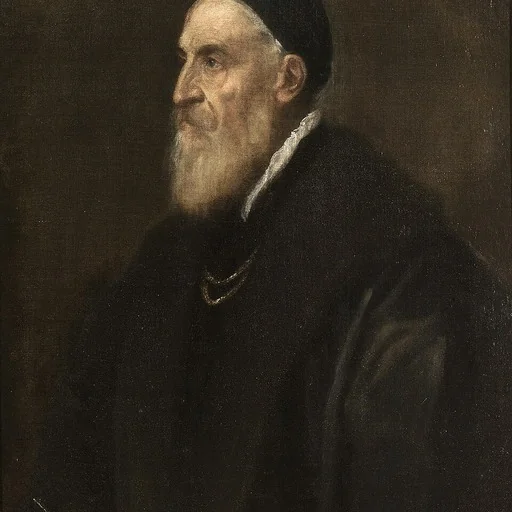
Subject
Cherry
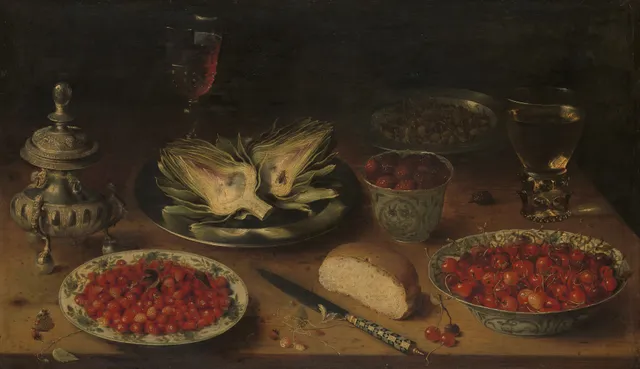
Cherry is a subject in art. The gallery holds 29 works in this subject in art, including works by Titian, Joos van Cleve and Joseph Badger.
Cherry is an English surname. Notable people with the surname include:
Blair Cherry (1901–1966), American baseball and football coach Bobby Frank Cherry (1930–2004), American terrorist and klansman Byron Cherry (born 1955), American actor Caroline Janice Cherry (born 1942), American science fiction author, who writes under the nom de plume C.J.
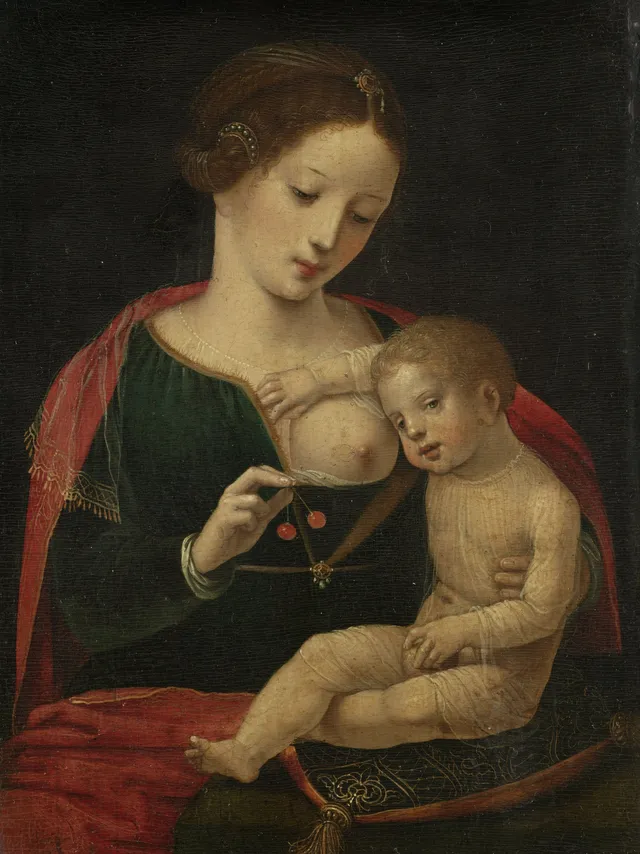
Key artists
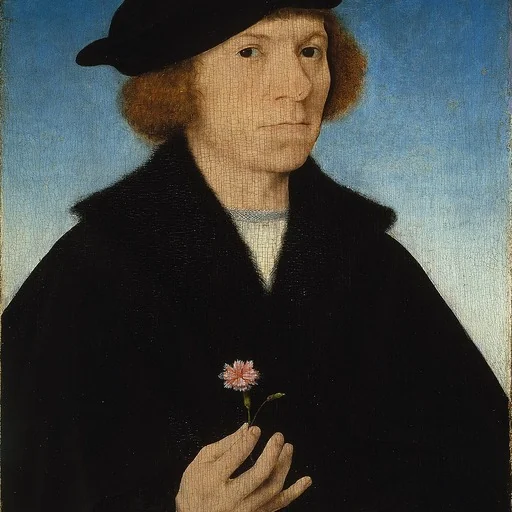

Overview
The cherry appears in art as both a fruit and a blossom, carrying distinct visual and cultural resonances depending on its form. As a fruit, it features in Western still life and religious painting, often functioning as a symbolic attribute within broader spiritual narratives. As a blossom, known as sakura in Japanese culture, it serves as a prominent motif representing the transient nature of life and the beauty of impermanence. The fruit's physical qualities, ranging from deep reds to golden yellows, lend themselves to detailed naturalistic study, while the blossom's brief seasonal bloom has inspired centuries of poetic and visual reflection on mortality and the fleeting present.
Iconography & meaning
In Japanese art, cherry blossoms symbolize the transient nature of life and the concept of impermanence. Historically, this symbolism was tied to the samurai ethos, as warriors saw the blossoms' brief bloom as a reminder of the fleeting nature of existence and the ever-present possibility of death, an impermanence they embraced with grace. In Western religious painting, the cherry fruit carries different connotations, often appearing in depictions of the Virgin Mary and the Christ Child to symbolize paradise, purity, or the sweetness of heaven. The fruit's dual nature as sweet or sour also allows it to represent the duality of pleasure and suffering in Christian iconography.
Across movements & periods
The treatment of the cherry blossom in Japanese art evolved significantly across different periods. During the Edo period from 1603 to 1868, ukiyo-e woodblock prints by artists such as Hokusai and Hiroshige incorporated cherry blossoms to symbolize the transient nature of beauty within scenes of everyday life. In the late nineteenth century Meiji period, Western techniques like oil painting and perspective were fused with traditional themes to create more realistic cherry blossom depictions. By the early twentieth century, the Nihonga movement sought to revive traditional Japanese painting techniques, using natural pigments on silk and washi paper to render cherry blossoms in a highly detailed, naturalistic style. Traditional ink painting, or sumi-e, also employed a sparse, minimalist style to capture the blossom's fleeting nature.
Notable depictions
Notable historical depictions of cherry blossoms include the ukiyo-e woodblock prints of the Edo period by masters Hokusai and Hiroshige, who integrated the motif into vibrant scenes of the floating world. In contemporary art, Yayoi Kusama reinterprets the blossom in her Infinity Mirror series, installing pink LED cherry blossom shapes that reflect endlessly to evoke the transient nature of beauty. The digital art collective teamLab renders cherry blossoms blooming and wilting in response to viewer movement in their work Flowers and People: Lost and Found. Chiharu Shiota incorporates suspended origami cherry blossoms alongside red threads to reflect on ephemeral existence, while photographer Nobuyoshi Araki captures the blossoms amid the urban environment of Tokyo.
Legacy
The cherry blossom continues to exert a profound influence on contemporary Japanese art, sustaining the traditional culture of blossom viewing while offering new visual experiences. Modern artists continually reinterpret its symbolism of beauty, transience, and connection through diverse mediums including installation art, digital expressions, performance, and photography. These contemporary works maintain the ancient philosophical reflection on impermanence, encouraging audiences to cherish the present moment. The motif's adaptability ensures its continued relevance, bridging historical samurai philosophy and modern technological art forms.
Works
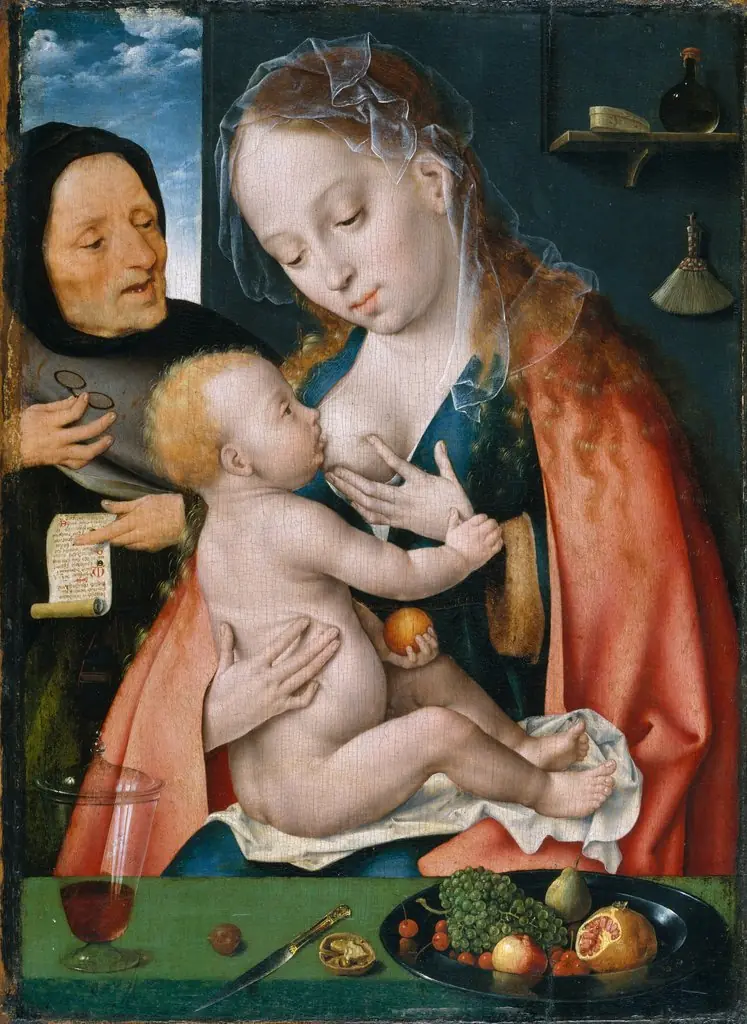 The Holy Family
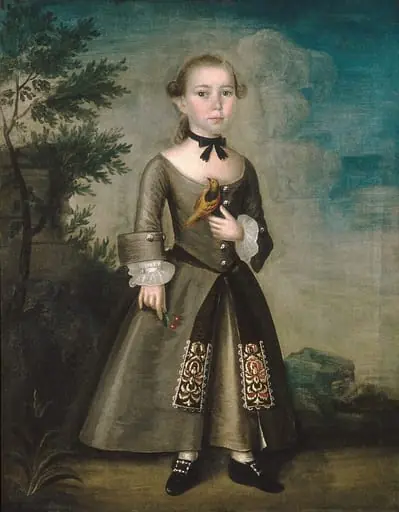 James Badger
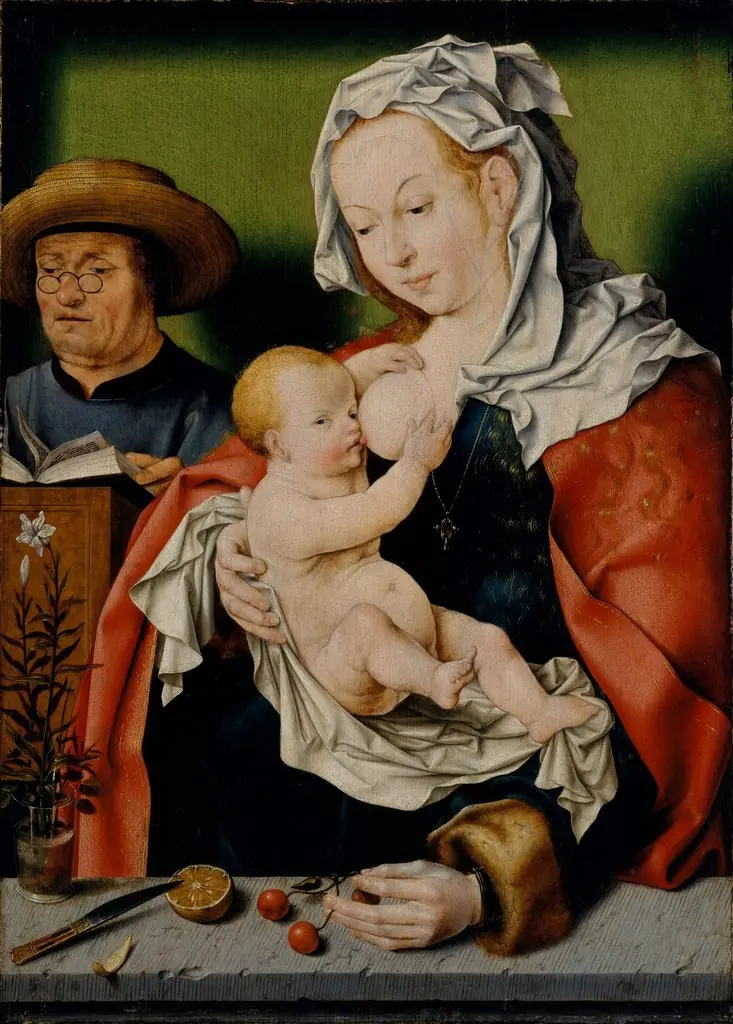 The Holy Family
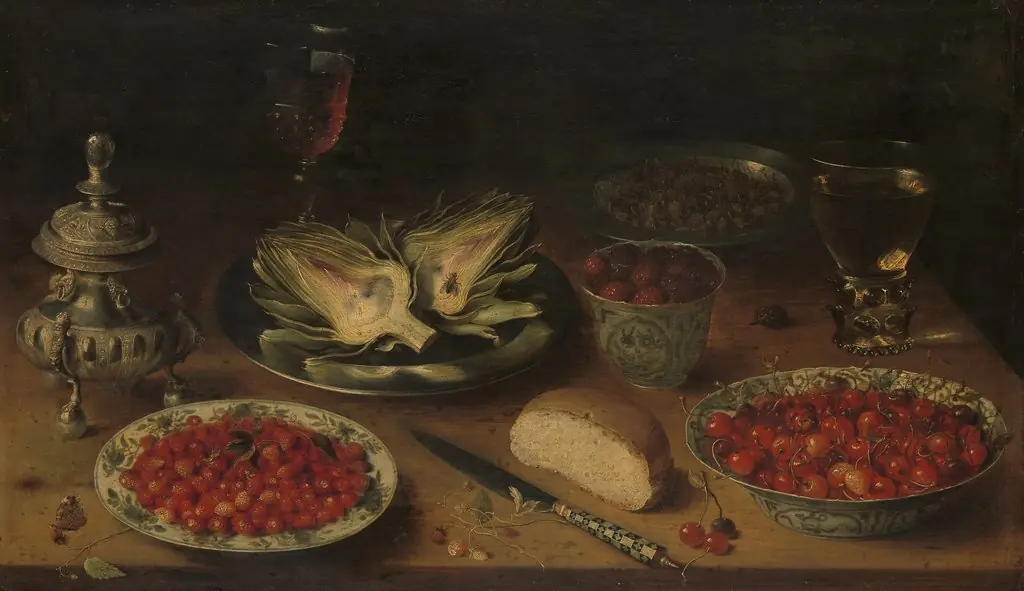 Still life with chinese porcelain, berries, and artichokes
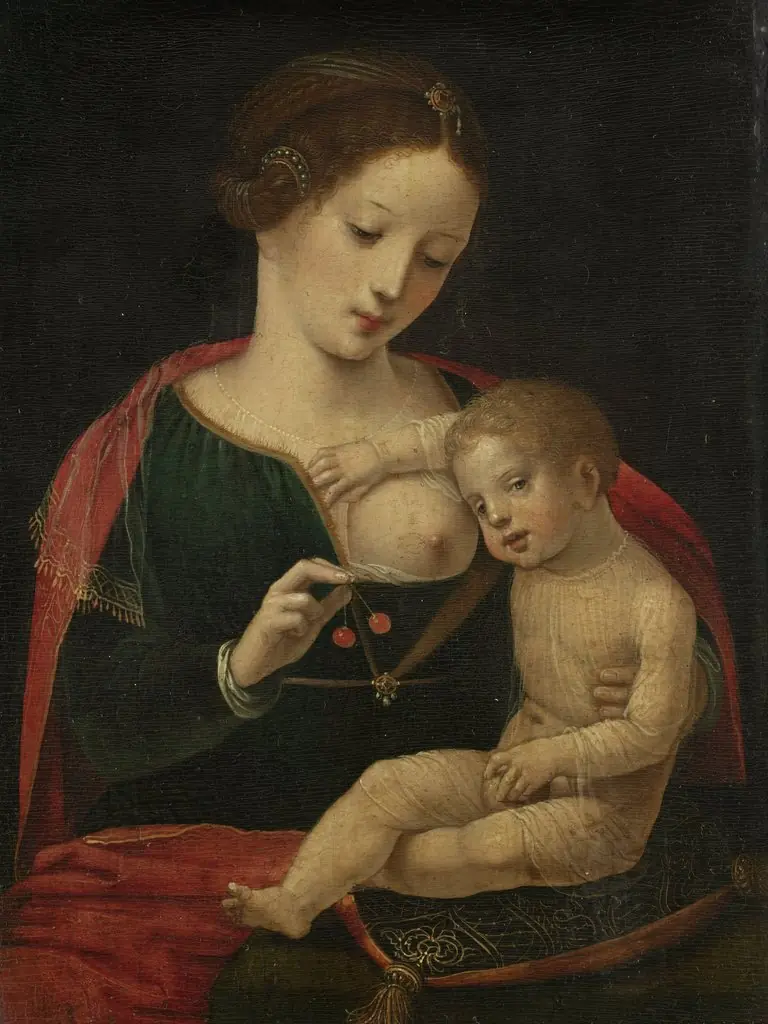 Madonna and child
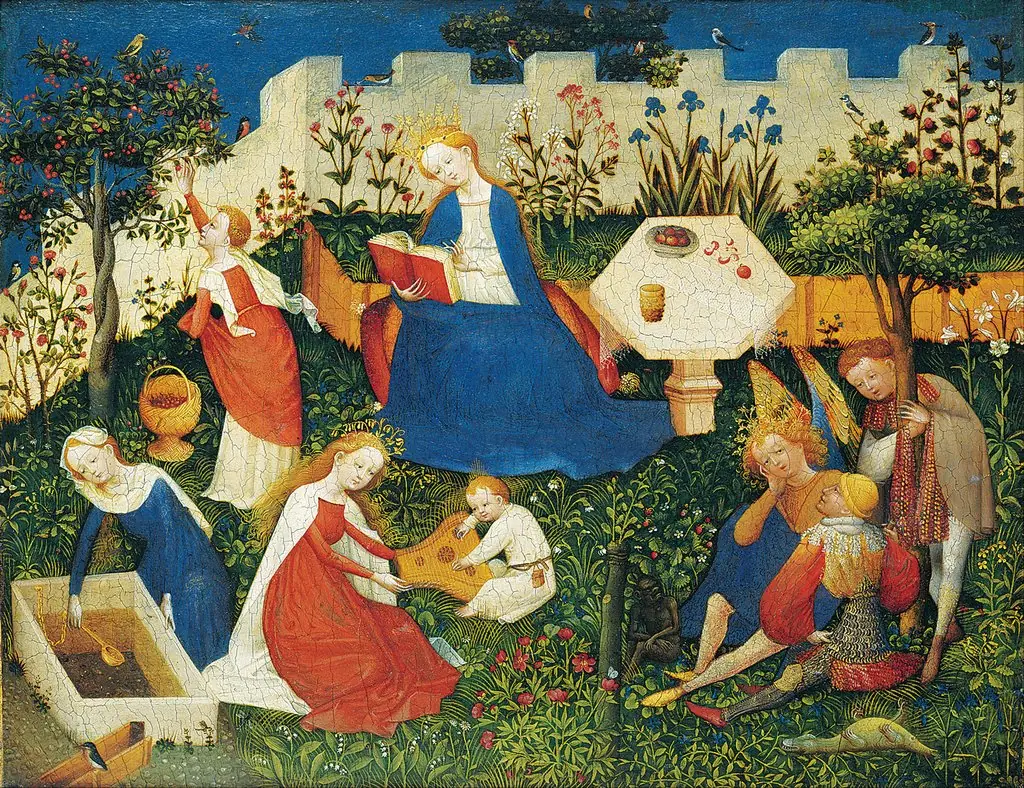 Paradiesgärtlein
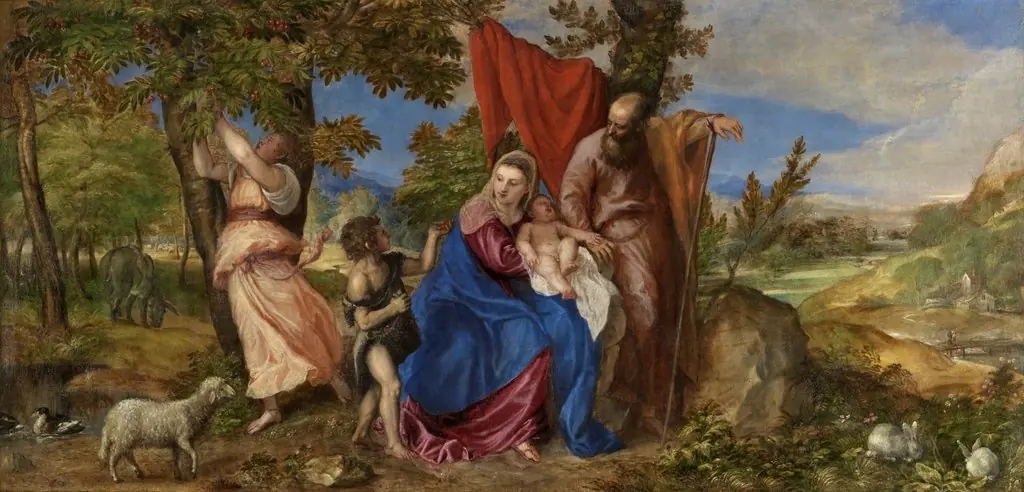 Rest on the Flight into Egypt
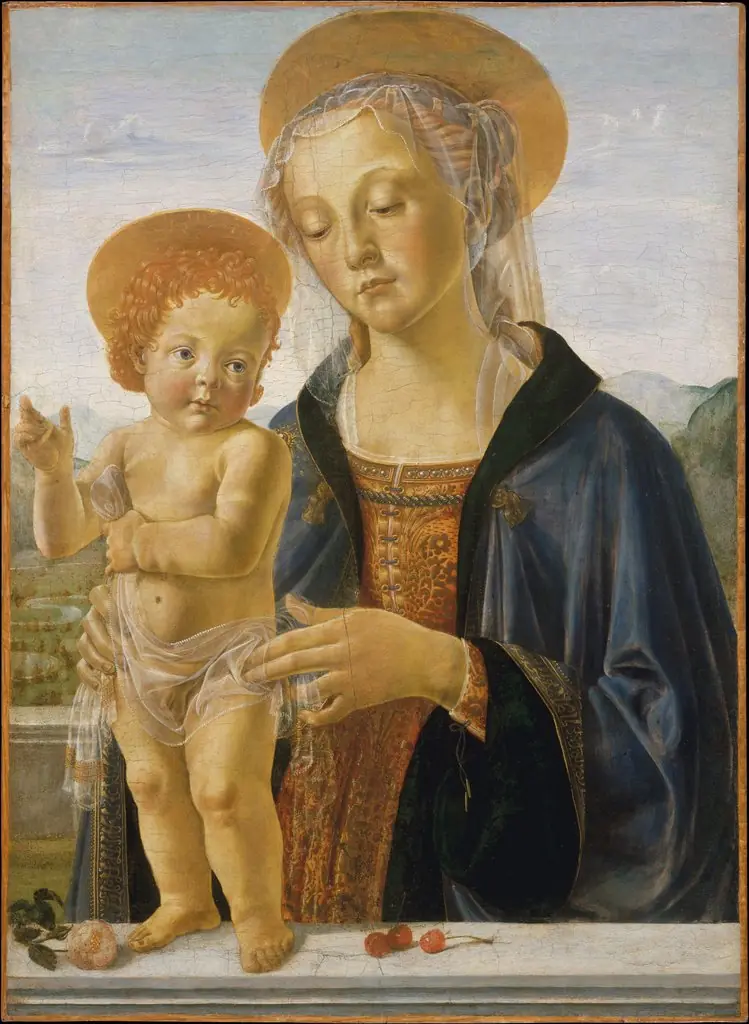 Madonna and Child
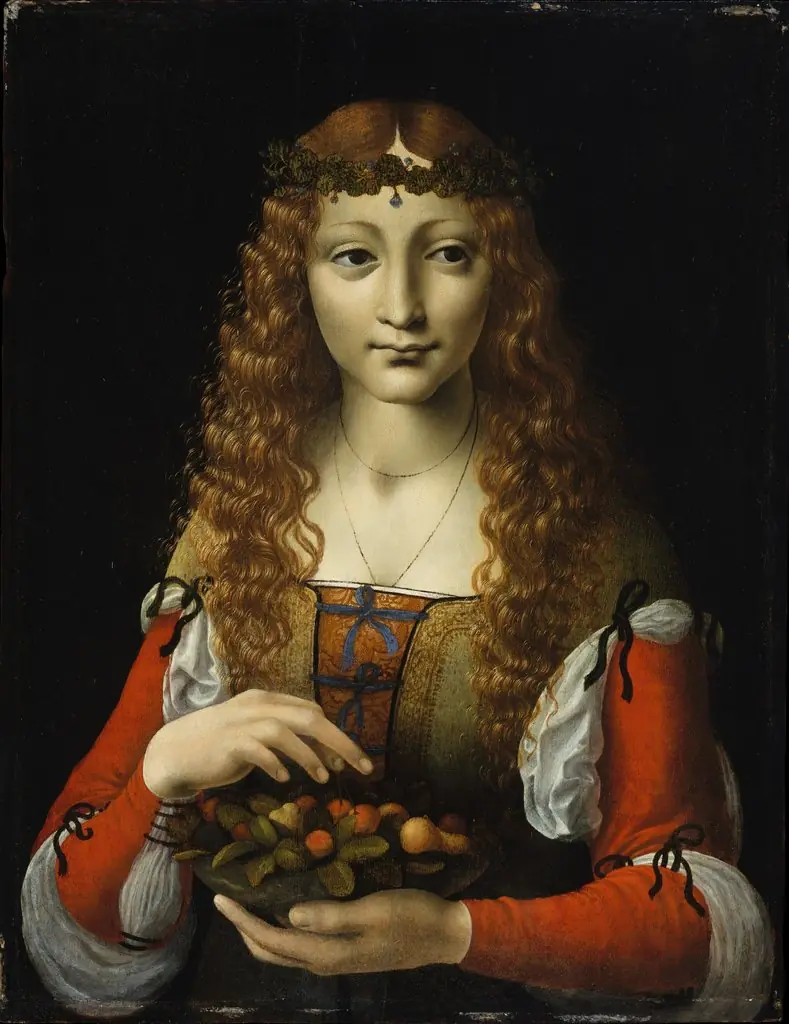 Girl with Cherries
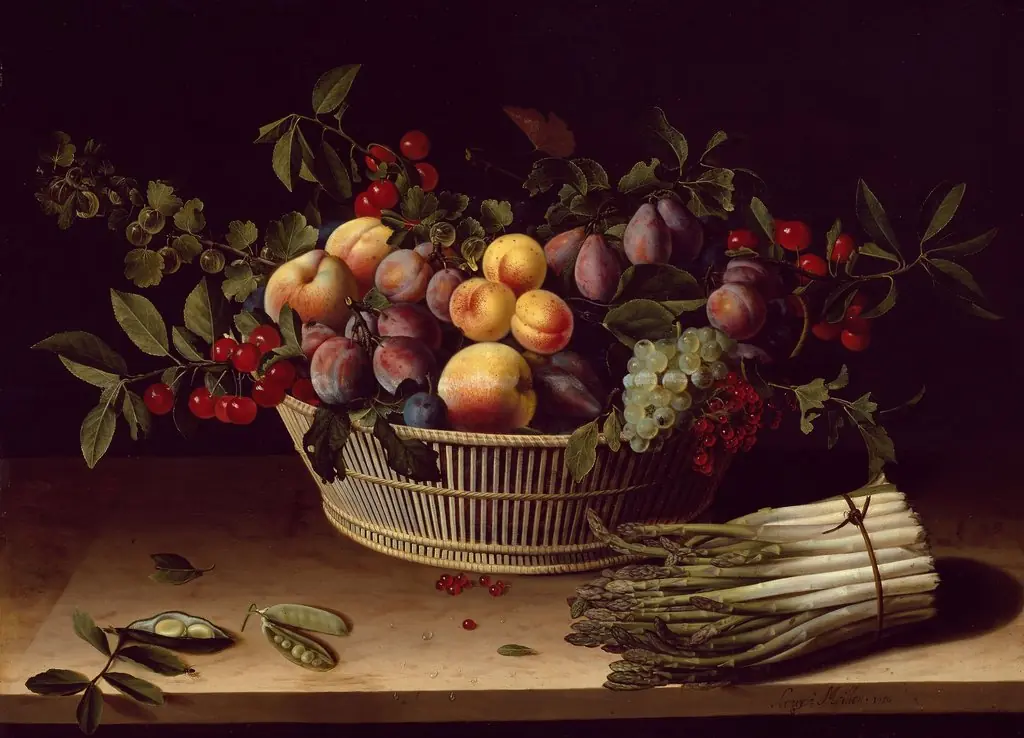 Still Life with a Basket of Fruit and a Bunch of Asparagus
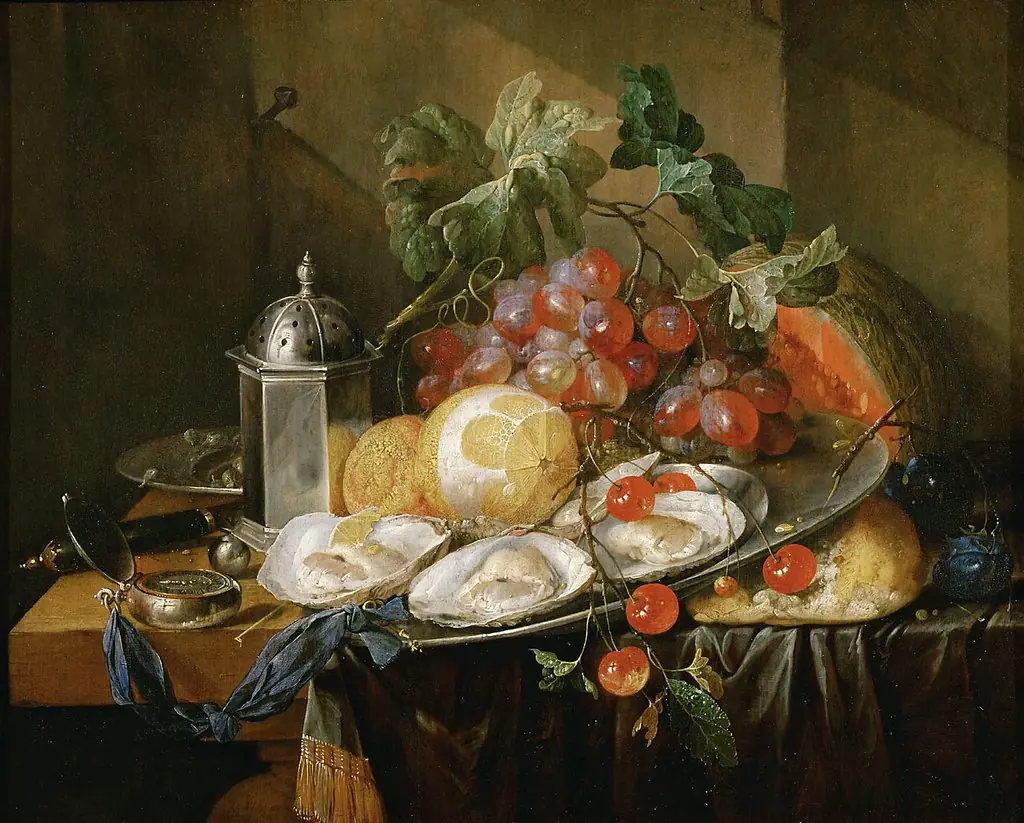 Fruit Still Life with Oysters
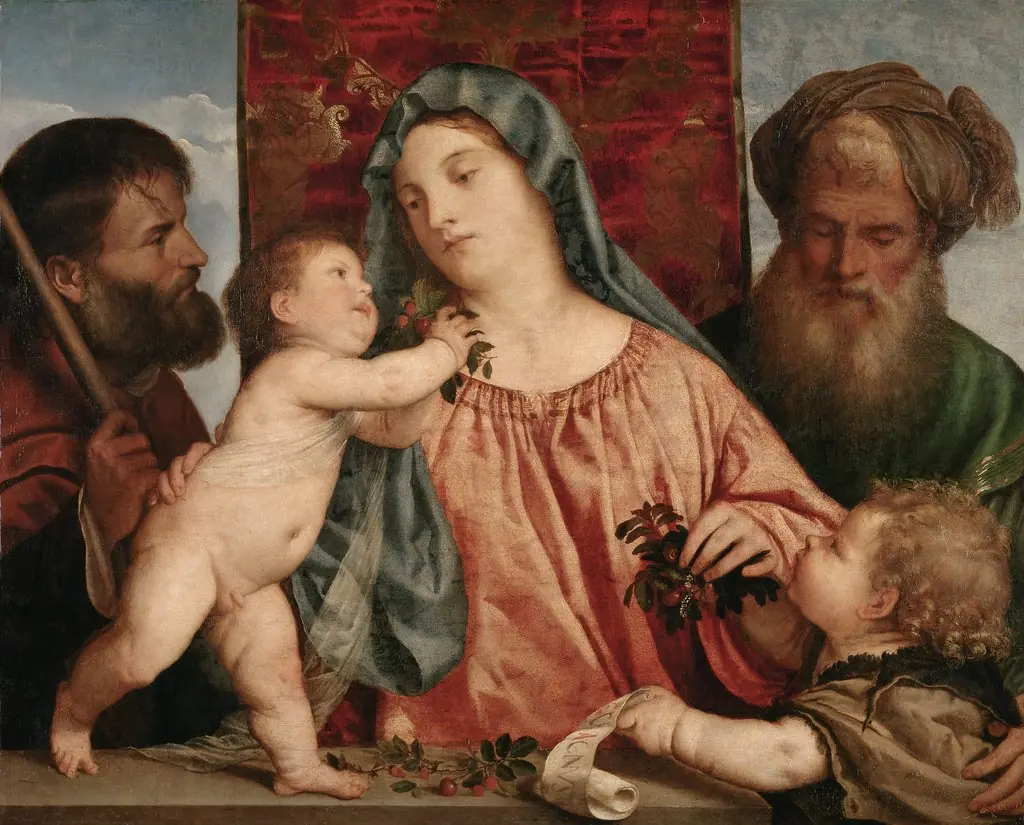 Madonna of the Cherries
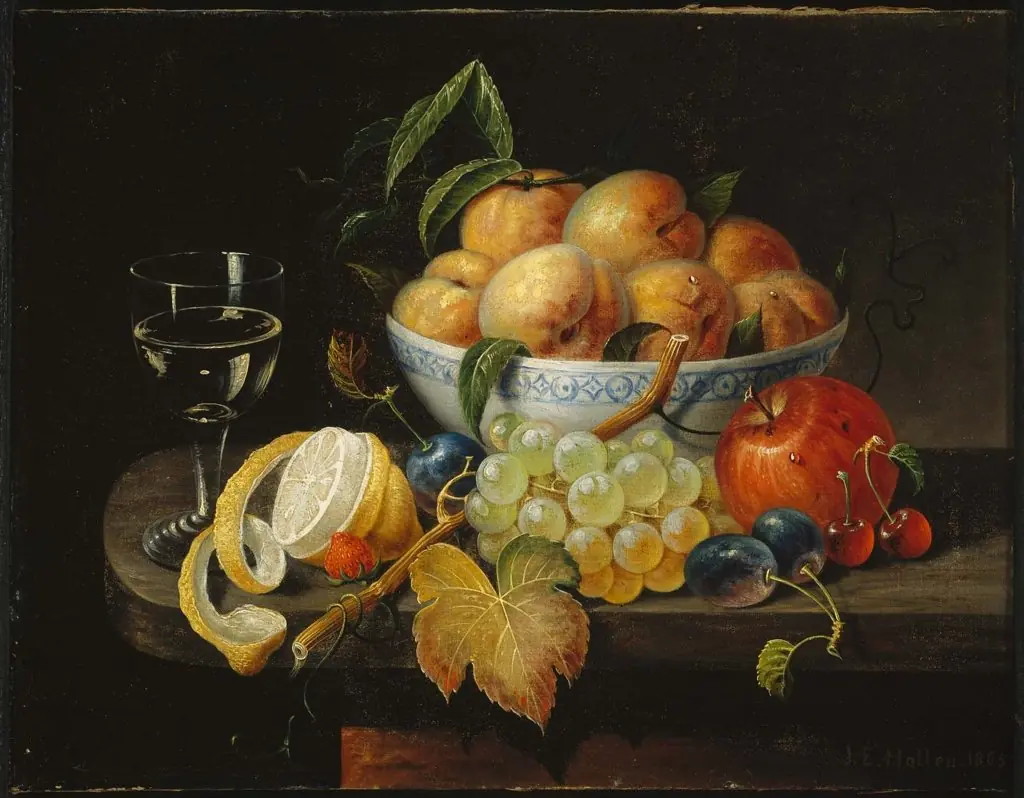 Still Life: Bowl with Fruit and Wine Glass
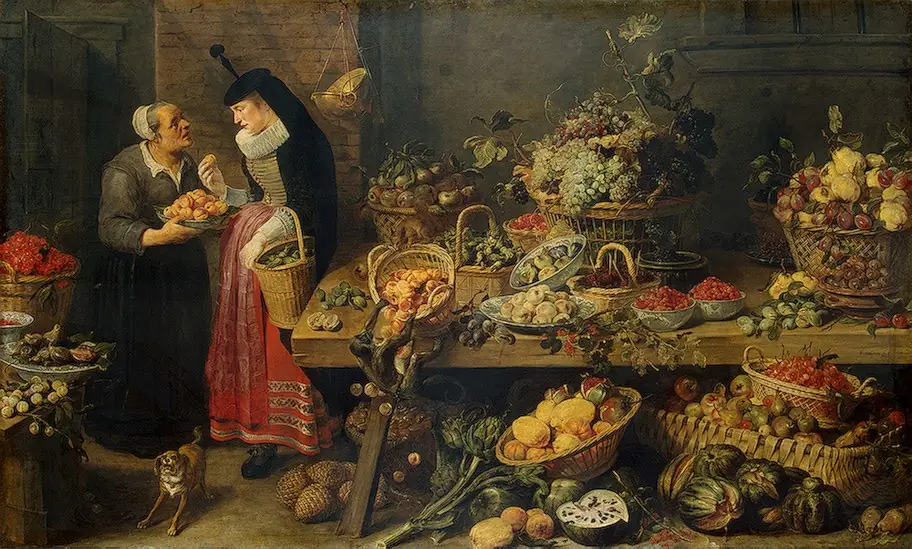 The Fruit Shop
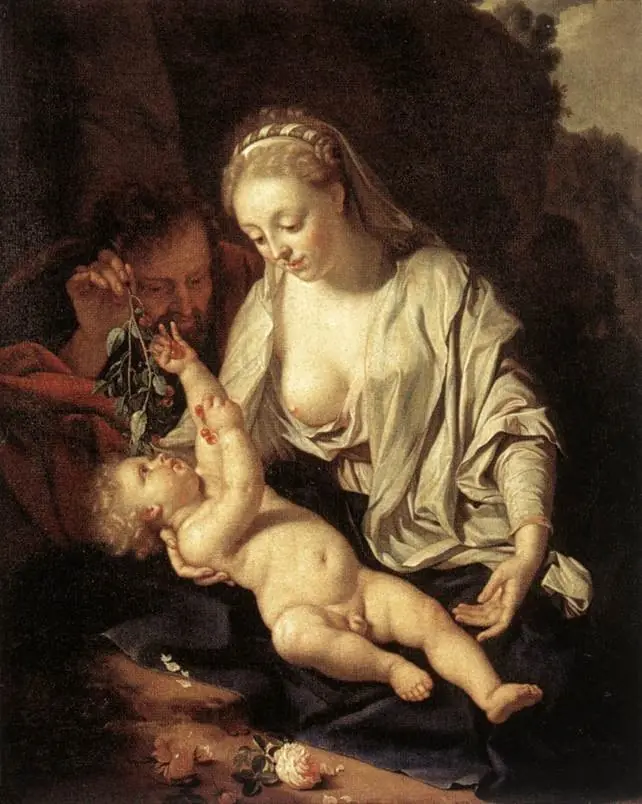 The Holy Family
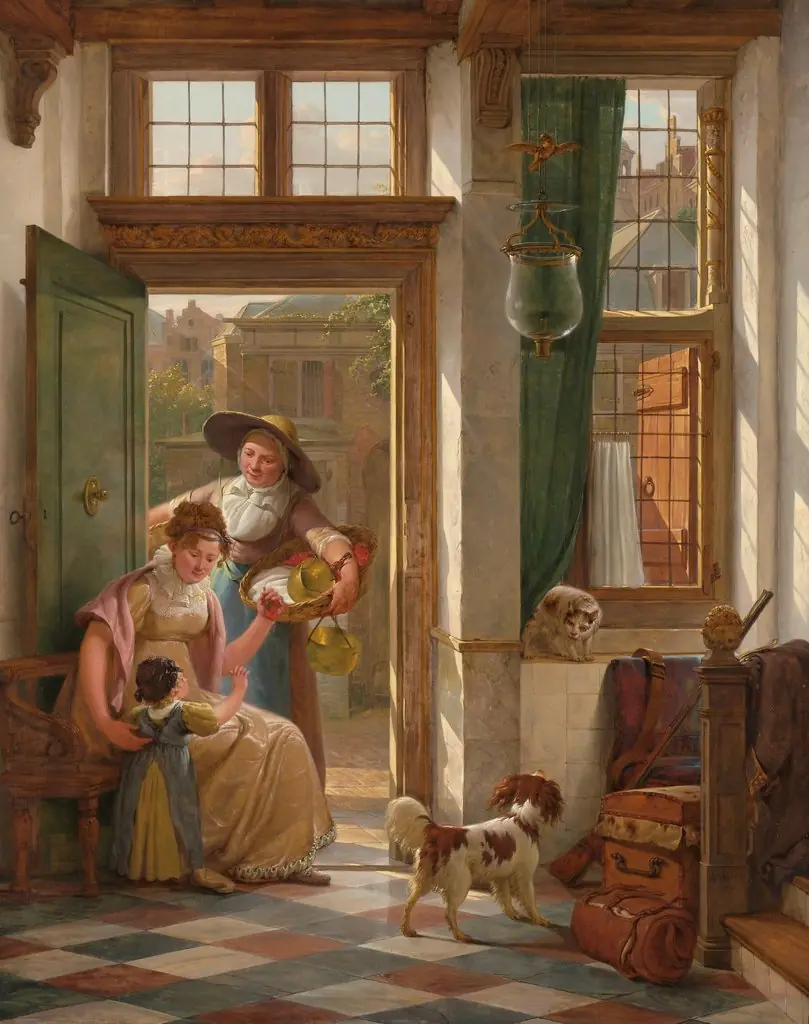 A Cherry Vendor at the Door
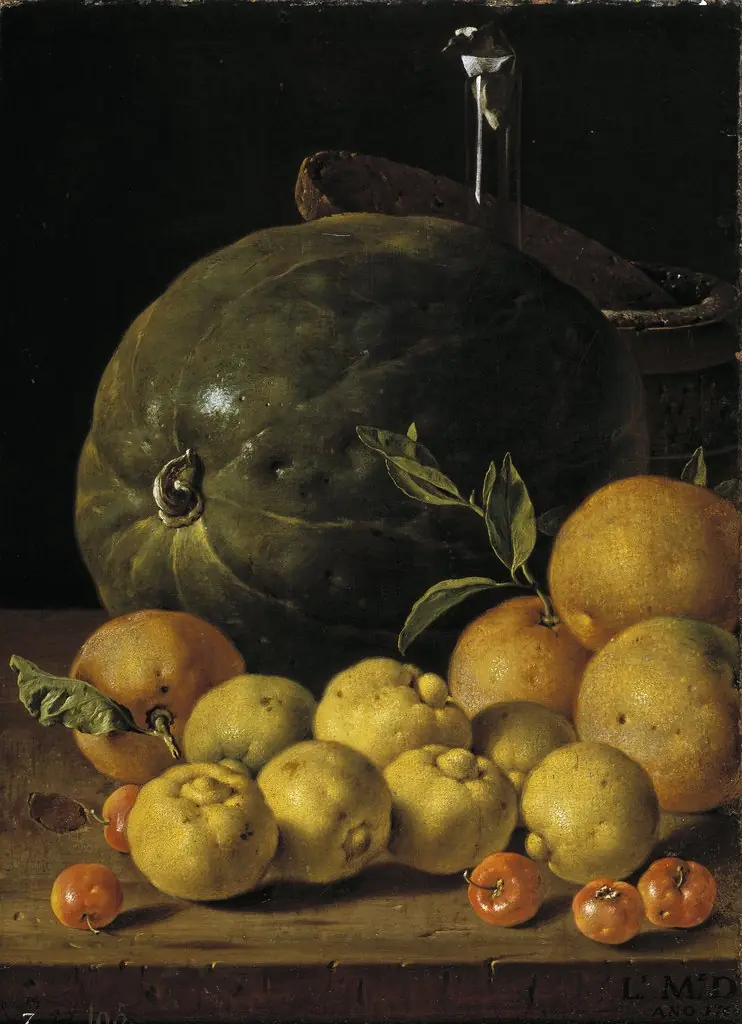 Still Life with Limes Oranges Haw Berries and Watermelon
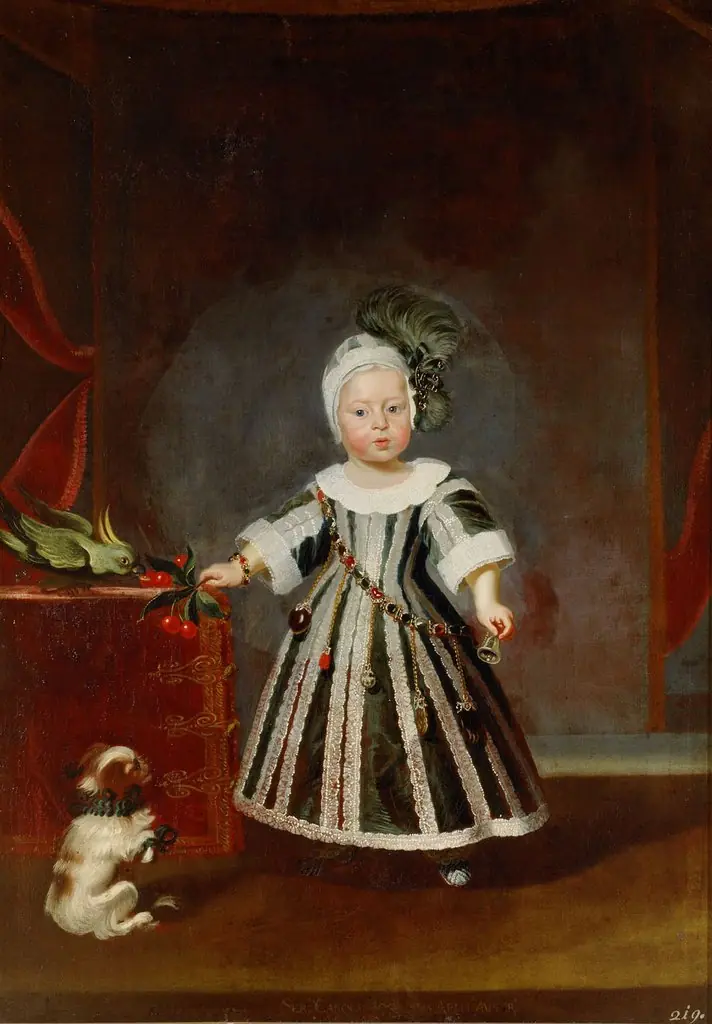 Portrait of Charles Joseph, Archduke of Austria (1745-1761)
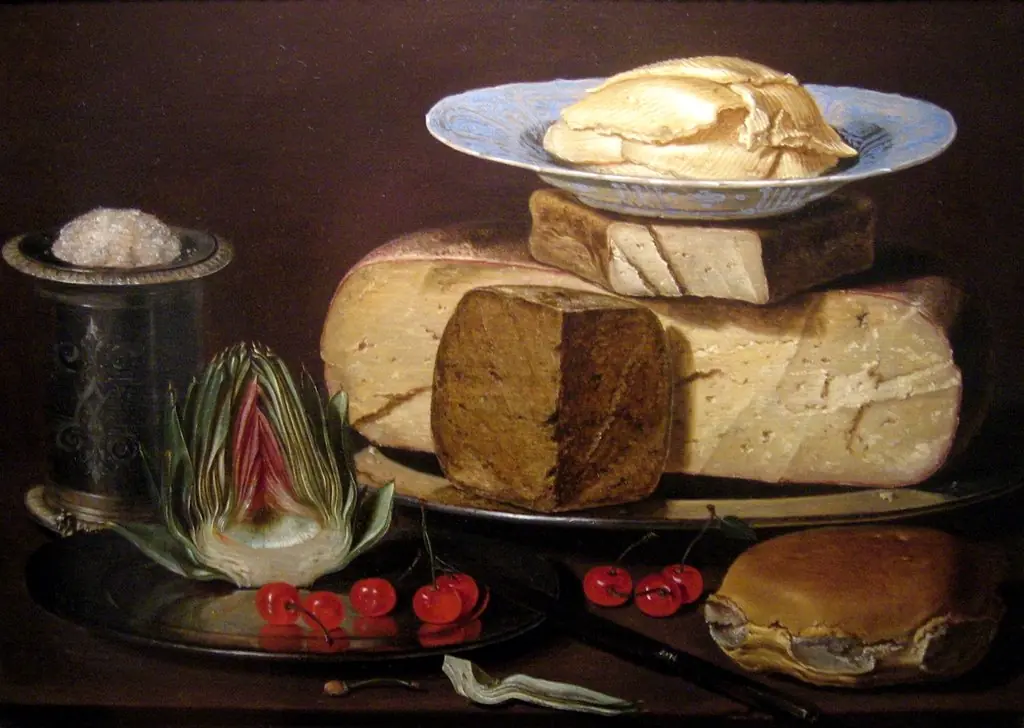 Still life with cheese, artichoke and cherries
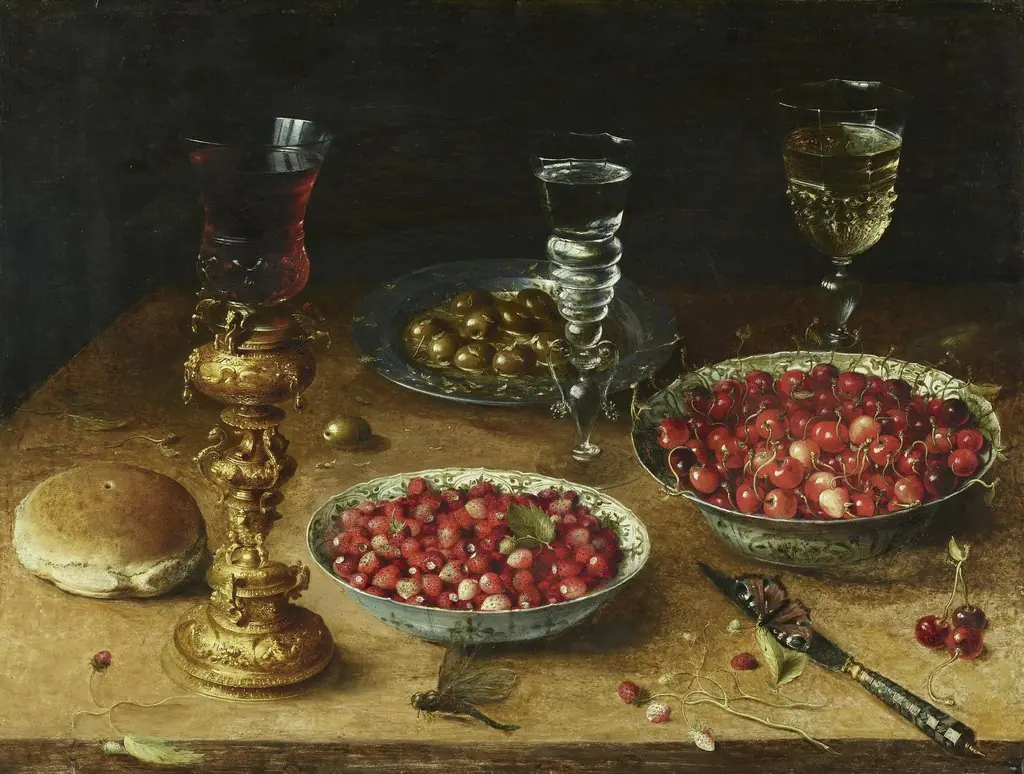 Still-Life with Cherries and Strawberries in China Bowls
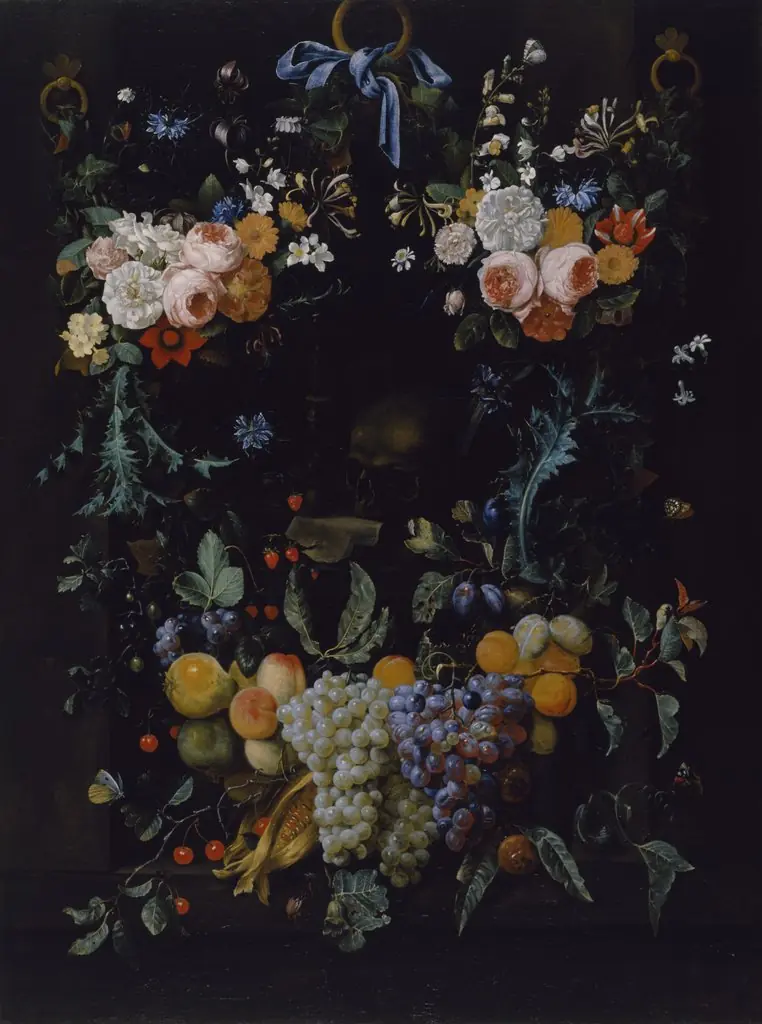 Allegory on Human Life
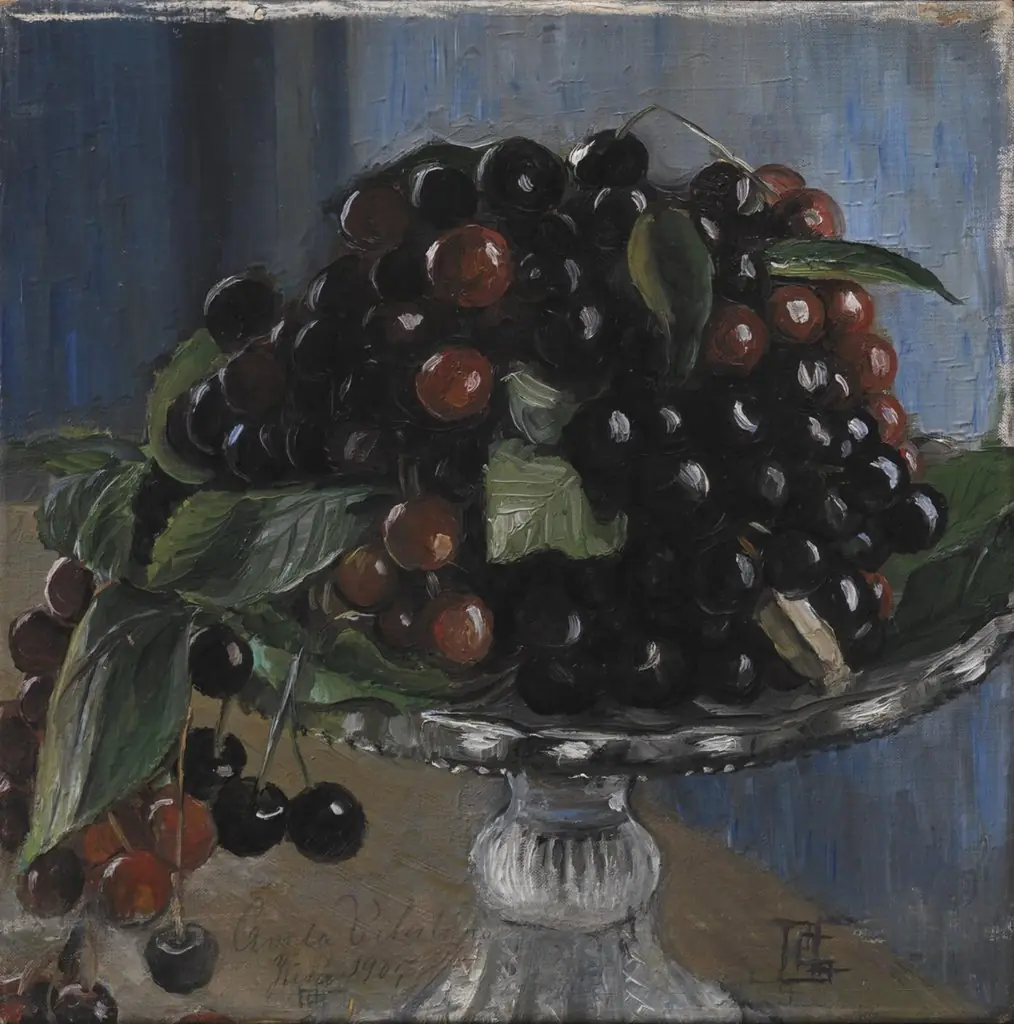 Kirsebær i en frugtskål. Cività d'Antino
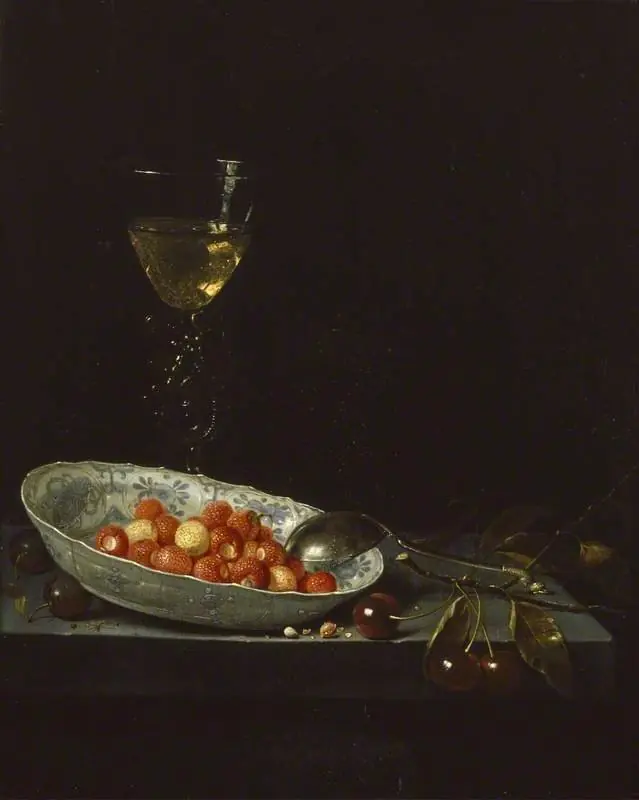 Still Life with Strawberries and Cherries
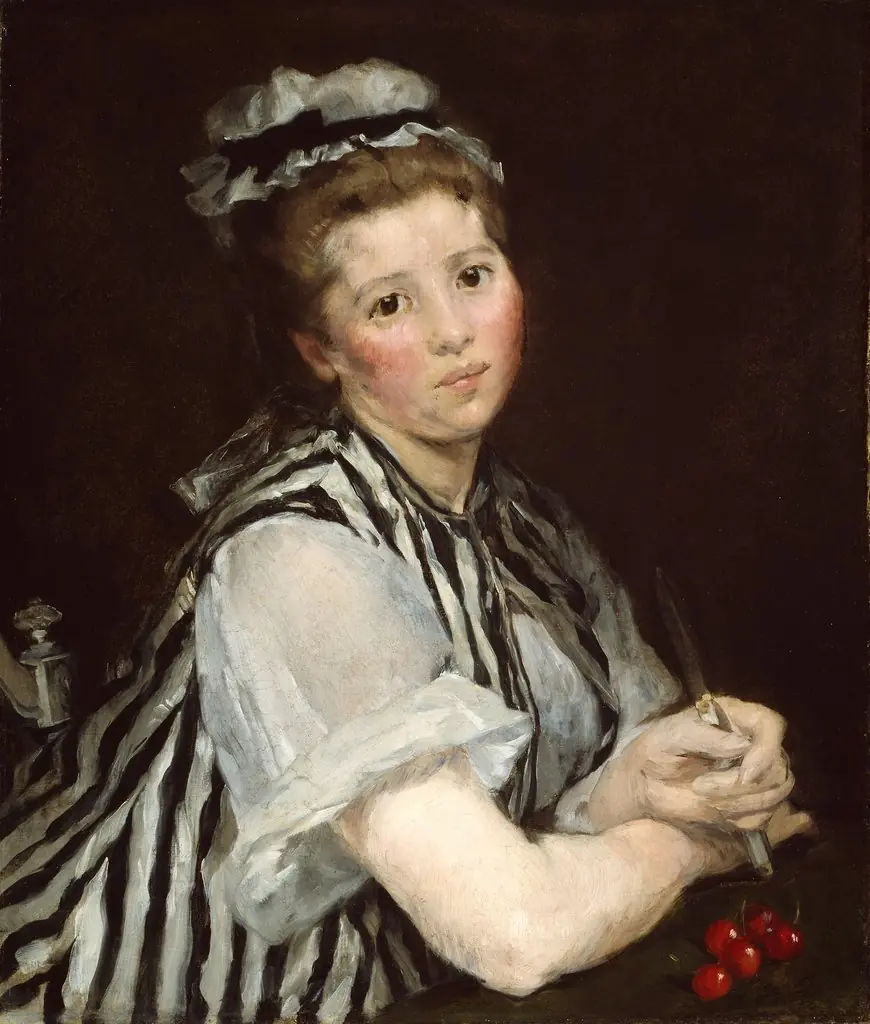 Girl with Cherries
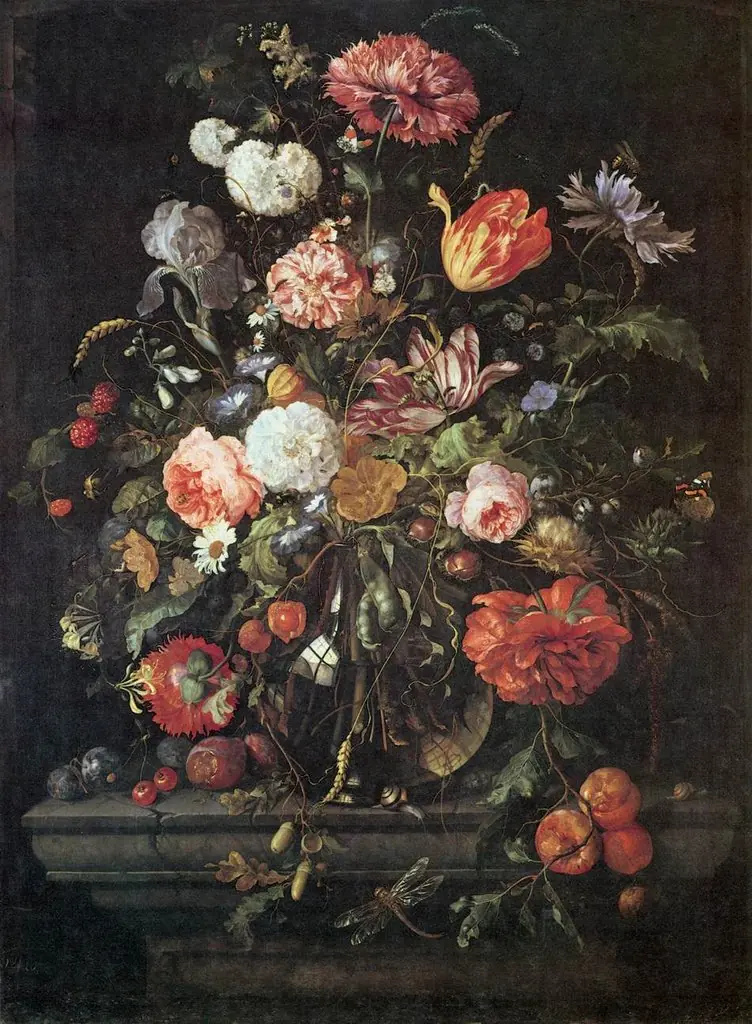 Flowers in a Glass Bowl
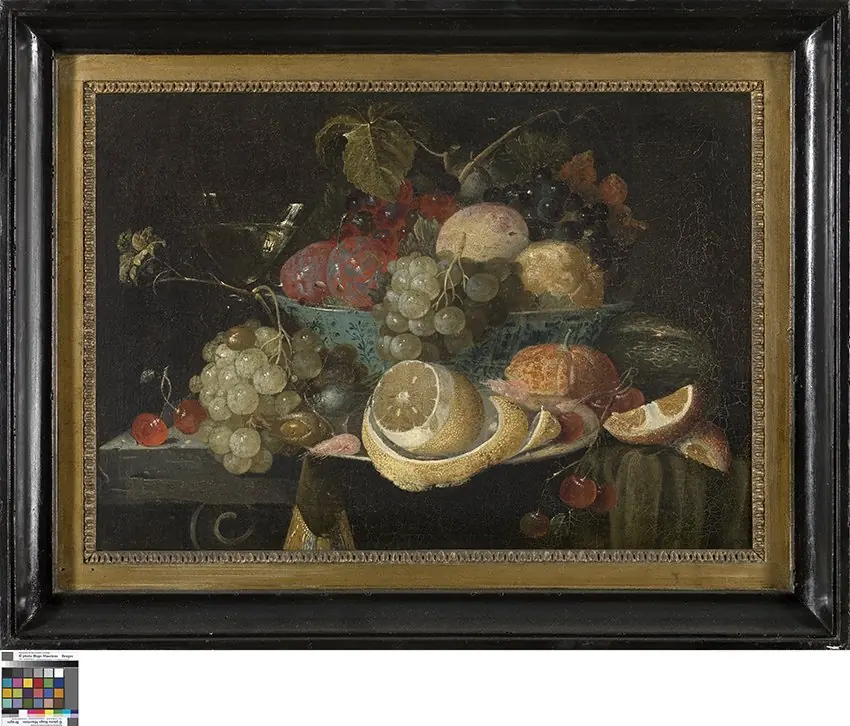 Still Life with Fruit
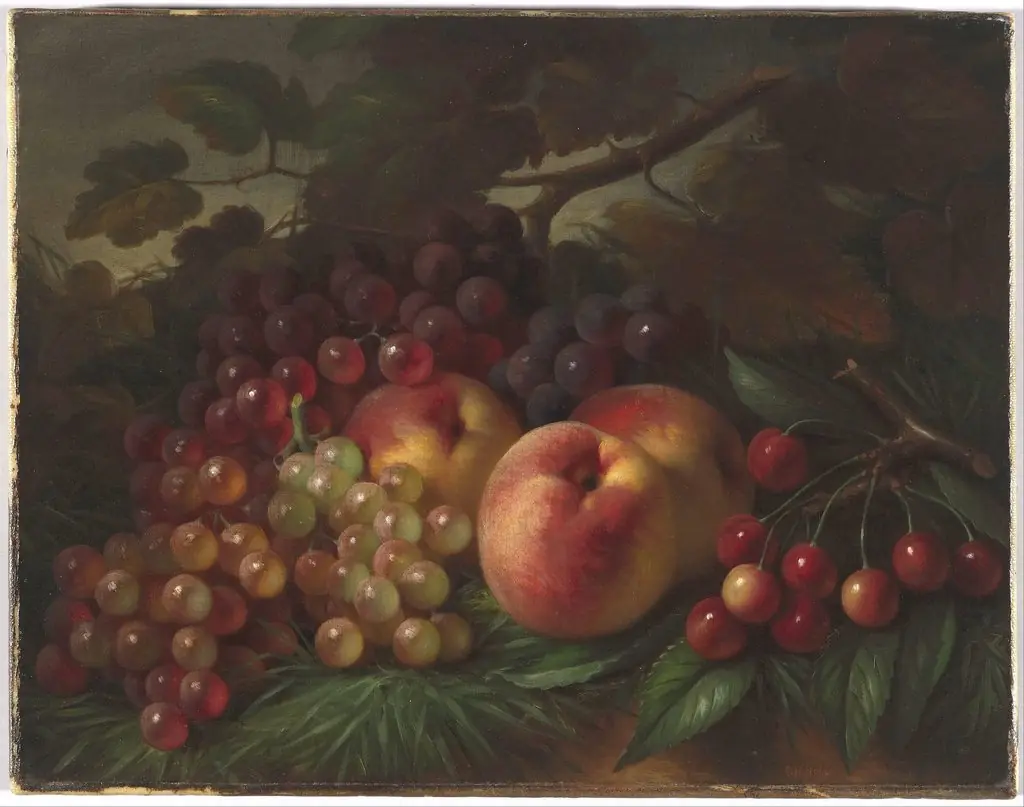 Peaches, Grapes and Cherries
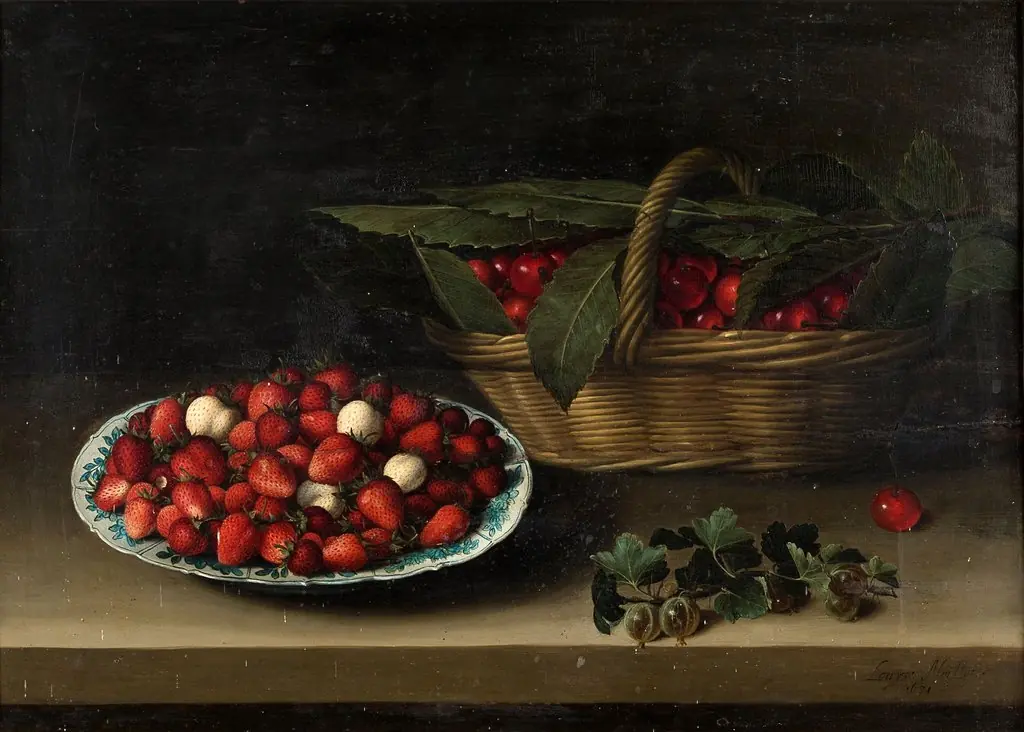 Still Life with a Bowl of Strawberries, Basket of Cherries, and Branch of Gooseberries
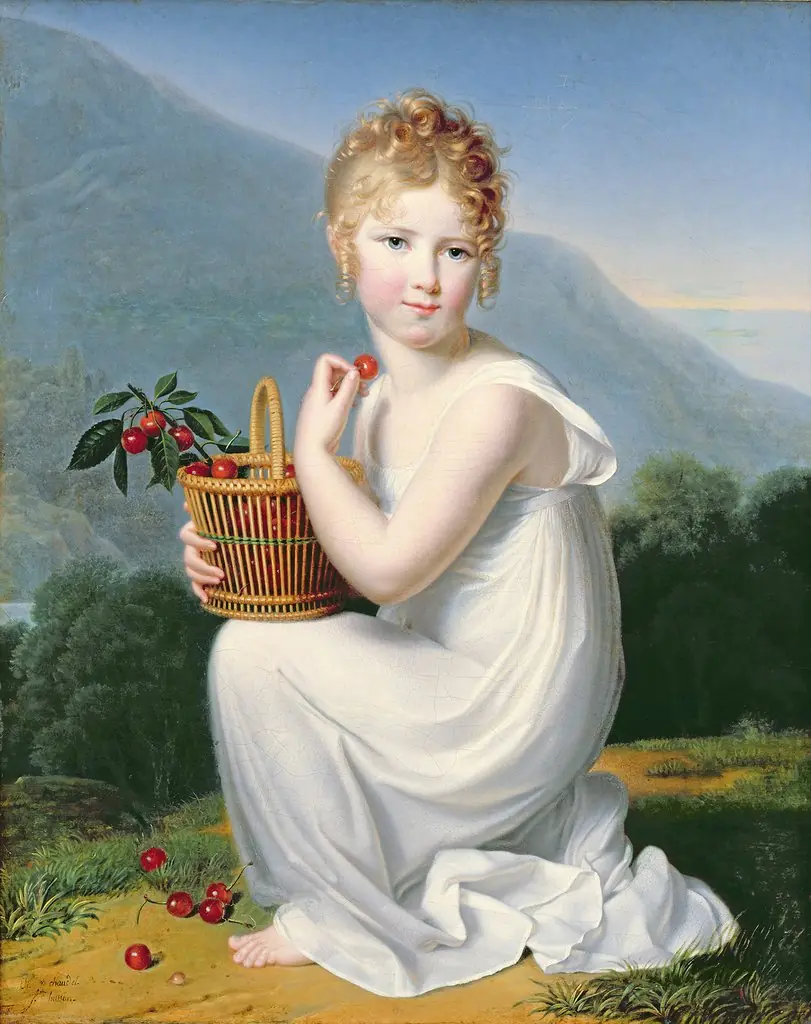 Young Girl Eating Cherries
Frequently asked questions
What is Cherry?
Cherry is an English surname.
How many Cherry works does Artifact World Gallery have?
Artifact World Gallery holds 29 public-domain Cherry works, all free to view and download.
Who are the key Cherry artists?
Key Cherry artists in the collection include Titian, Joos van Cleve and Joseph Badger.
Where can I see Cherry works?
Cherry works in the collection are held by Metropolitan Museum of Art, Rijksmuseum and Kunsthistorisches Museum.