Subject
Ciociaro Costume
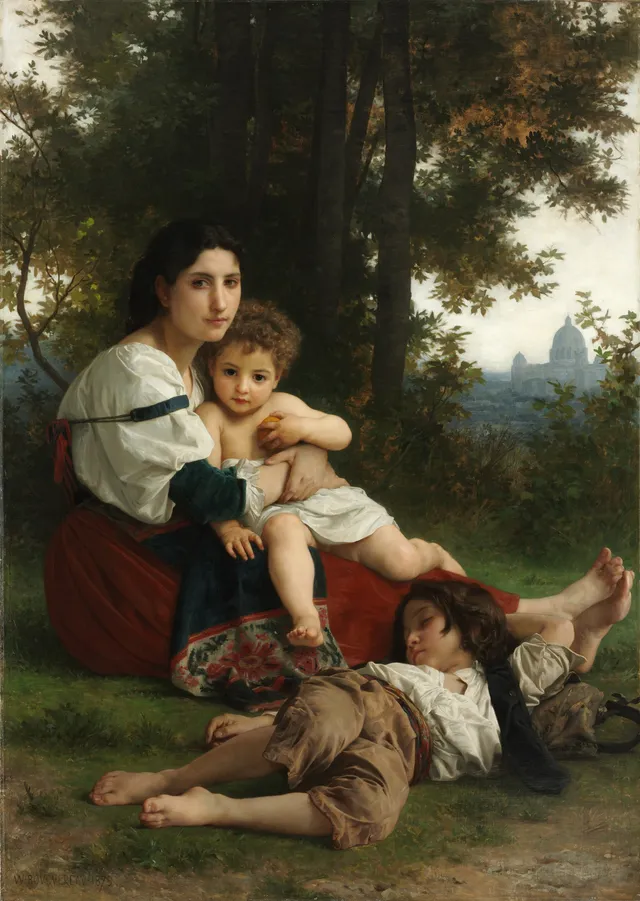
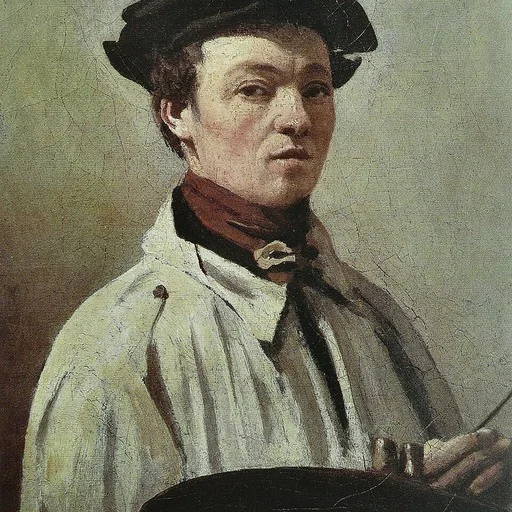
Ciociaro Costume is a subject in art. The gallery holds 29 works in this subject in art, including works by Jean Baptiste Camille Corot, William Adolphe Bouguereau and Léopold Robert.
Traditional folk costume historically worn by peasants and rural people from Ciociaria, a region in central Italy. Frequently depicted in artworks from the 18th to 20th century.
Key artists
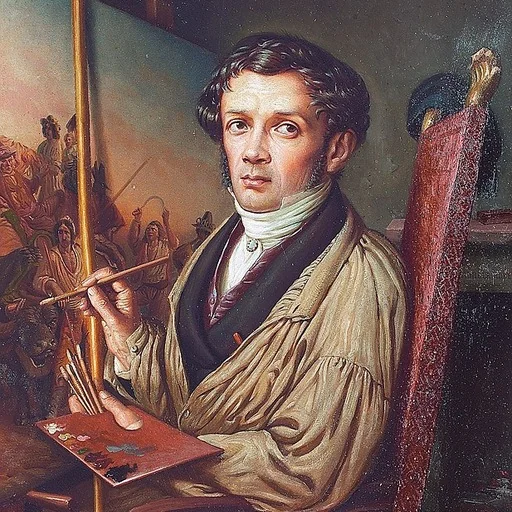
Overview
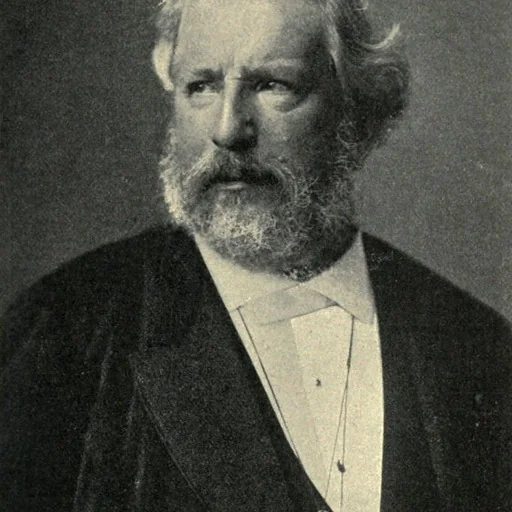
The Ciociaro costume is a traditional folk dress historically worn by peasants and rural inhabitants of Ciociaria, a region in central Italy. Characterized by its distinct regional elements, such as the brown apron known as the parannance worn by women for formal occasions like weddings, and calf-length breeches worn by men, the attire signified local identity and rural life. The costume became a recurring motif in European art from the 18th through the 20th centuries, serving as a visual shorthand for the picturesque Italian countryside and its inhabitants.
Iconography & meaning
In art, the Ciociaro costume functioned as an exotic yet accessible symbol of Italian rural life, piety, and tradition. The garments carried specific cultural connotations within the region itself, such as the brown parannance apron, which denoted elegance and was specifically reserved for wedding days. When adopted by foreign and academic painters, the costume transformed into an icon of the picturesque, representing an idealized, pre industrial Mediterranean existence. It anchored scenes of domestic devotion, motherhood, and rustic labor, lending ethnographic authenticity and romantic charm to genre paintings.
Across movements & periods
The depiction of Ciociaro dress evolved significantly from the 18th to the 20th century. Early visual records from before 1750 are largely hypothetical, though art from the period between 1650 and 1750 shows some resemblance to the later standardized garment. By the 19th century, the costume became a staple of academic realism and romantic genre painting, as international artists working in Italy sought authentic regional flavor. During this period, Spanish realists in Rome, such as Eduardo Rosales, utilized the attire to assert their commitment to observed reality. Later, British and European painters associated with the Aesthetic movement and Orientalism continued to employ the costume for its decorative and ethnographic qualities.
Notable depictions
A canonical depiction of the subject is Eduardo Rosales's painting Ciociara, held by the Museo Nacional del Prado in Madrid. The work was featured in the Prado's 2007 exhibition The Nineteenth Century in the Prado and its accompanying catalogue by Jose Luis Diez, which situates Rosales within the Spanish conquest of realism in Rome between 1855 and 1875. Beyond Spanish circles, the costume attracted a vast international roster of artists, including Jean-Baptiste-Camille Corot, Frederic Leighton, Edward Lear, Horace Vernet, and William Powell Frith. Other notable interpreters include Alexandre-Gabriel Decamps, Annie Louisa Swynnerton, and Stanhope Alexander Forbes, who variously rendered the attire in watercolor and oil.
Legacy
The artistic legacy of the Ciociaro costume extends beyond 19th century genre painting into modern decorative and cultural heritage. The traditional attire remained in use into the first half of the 20th century, and historical recreations of the garments are preserved in regional museums such as the Museo di Pastena. In the broader visual culture, the motif has been adapted into commercial art prints, with modern retailers offering canvas reproductions of classic depictions, such as those by Silvestro Lega, for interior decoration. The enduring presence of the costume in both museum exhibitions and commercial reproductions underscores its ongoing role as a symbol of Italian regional identity and picturesque tradition.
Works
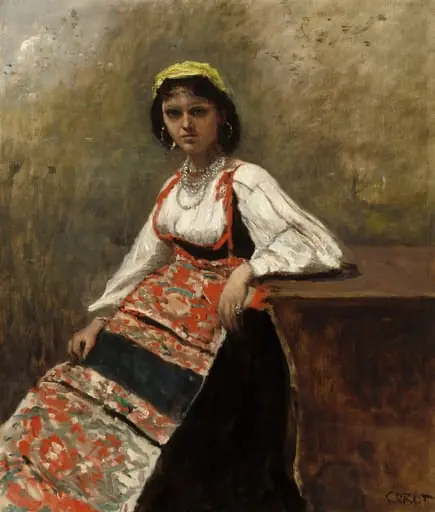 Italian Woman (La Morieri)
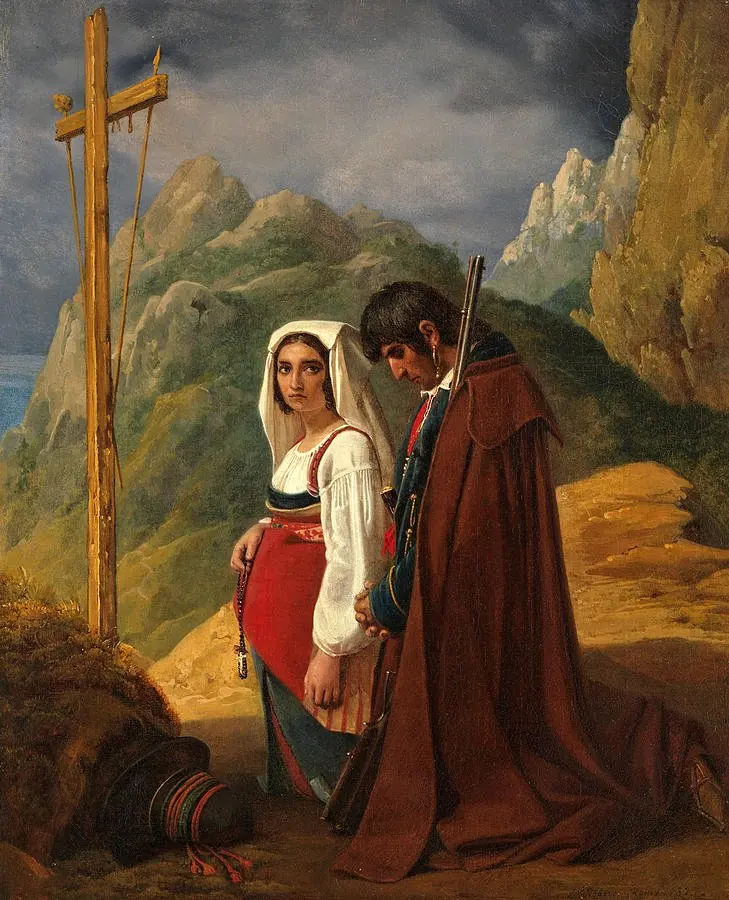 Brigand and his wife in prayer
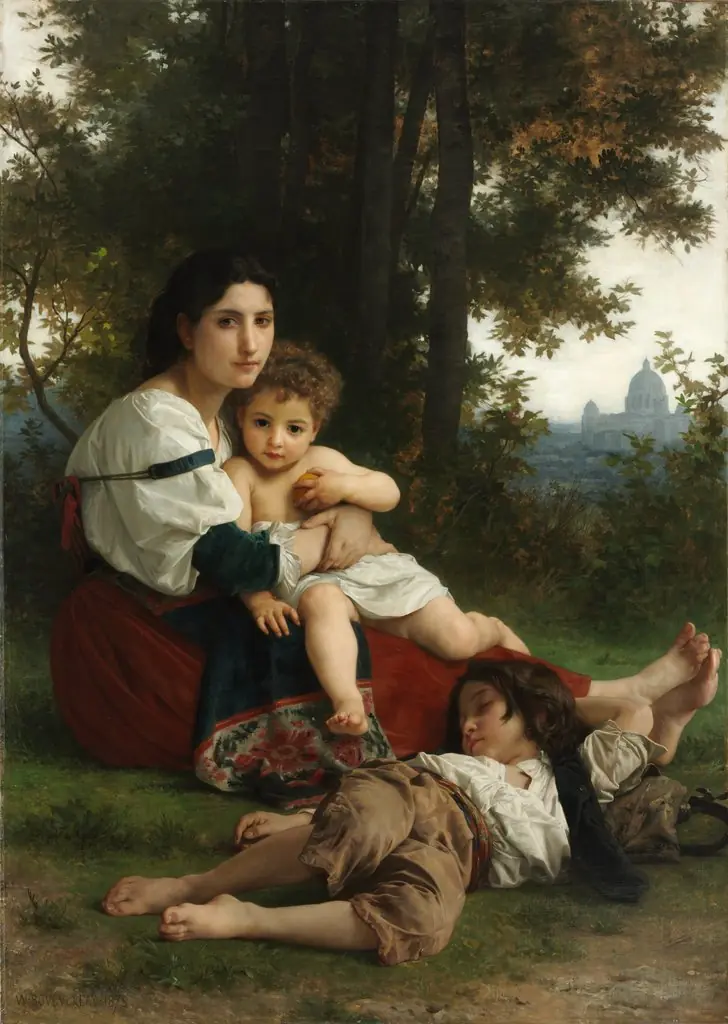 Rest
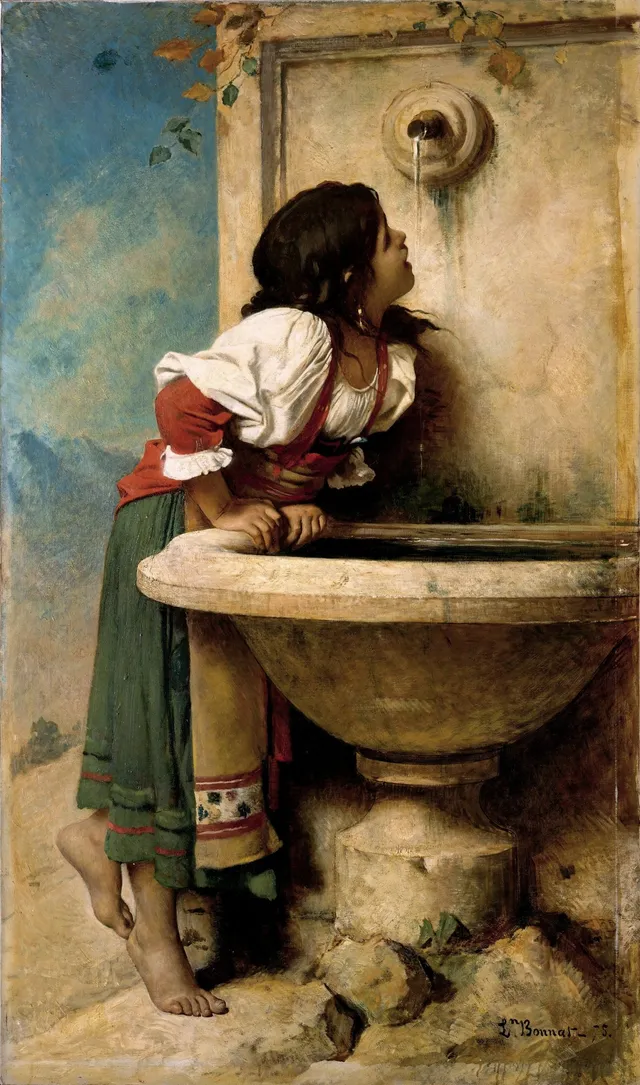
Rest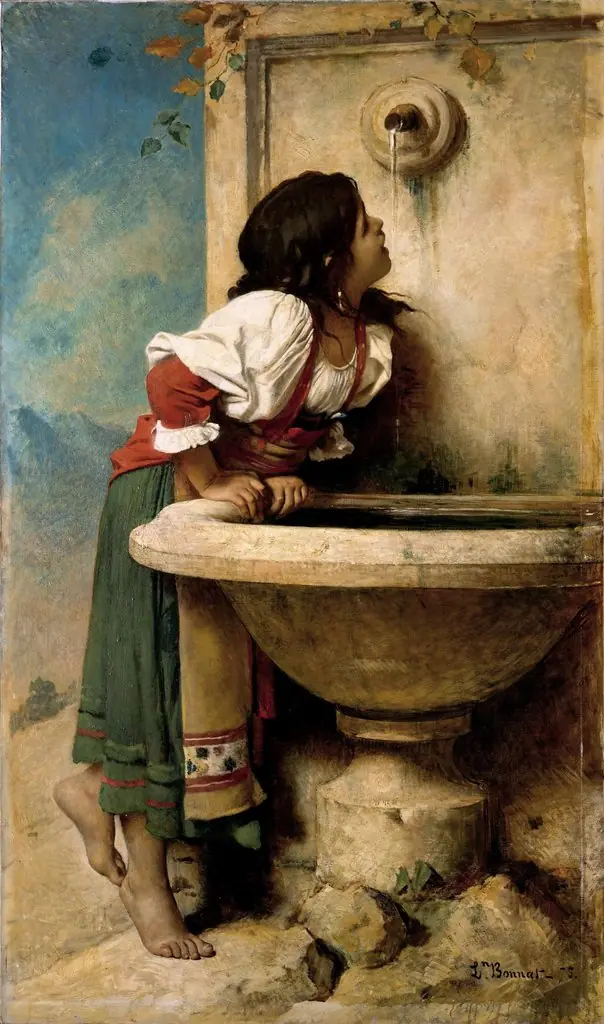 Roman Girl at a Fountain
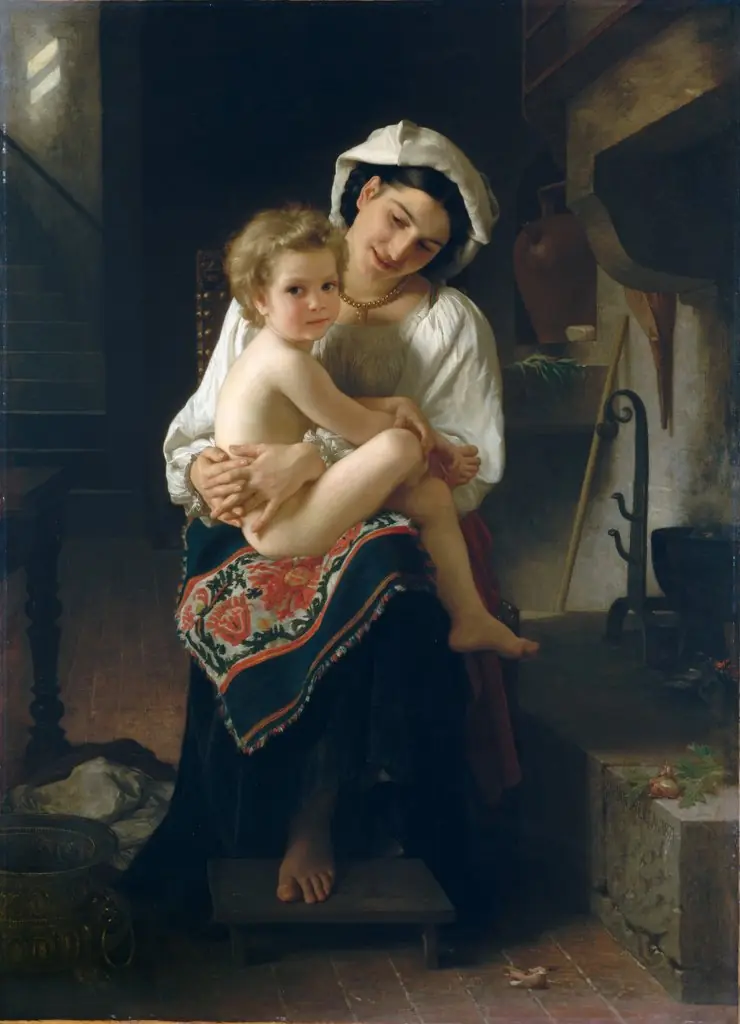 Young Mother Gazing at Her Child
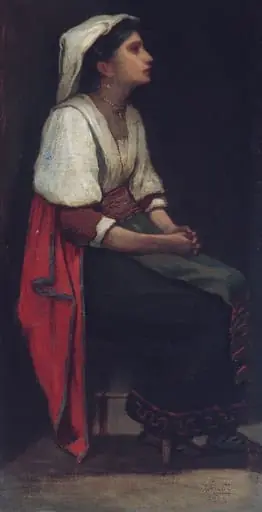 Italian Girl
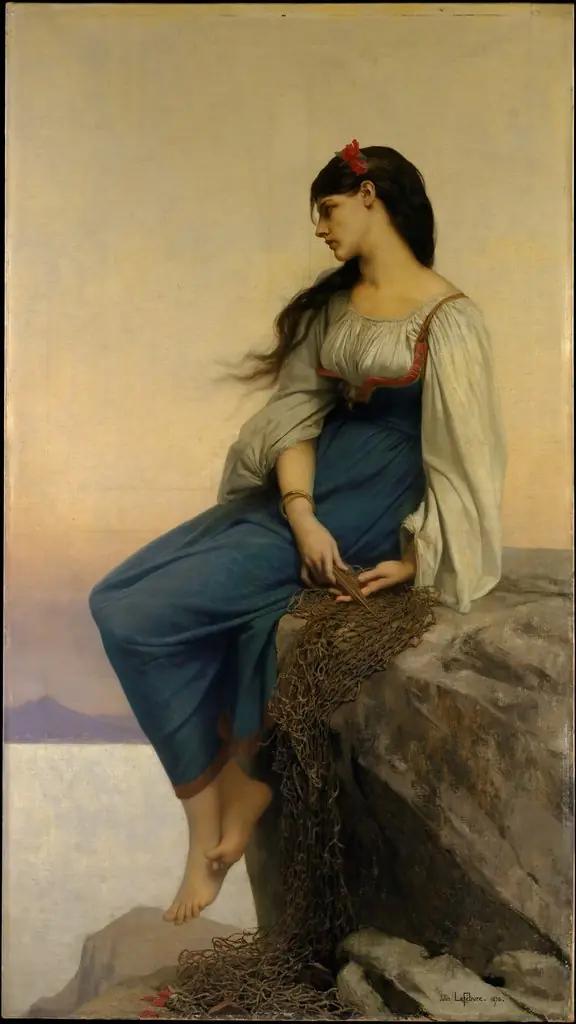 Graziella
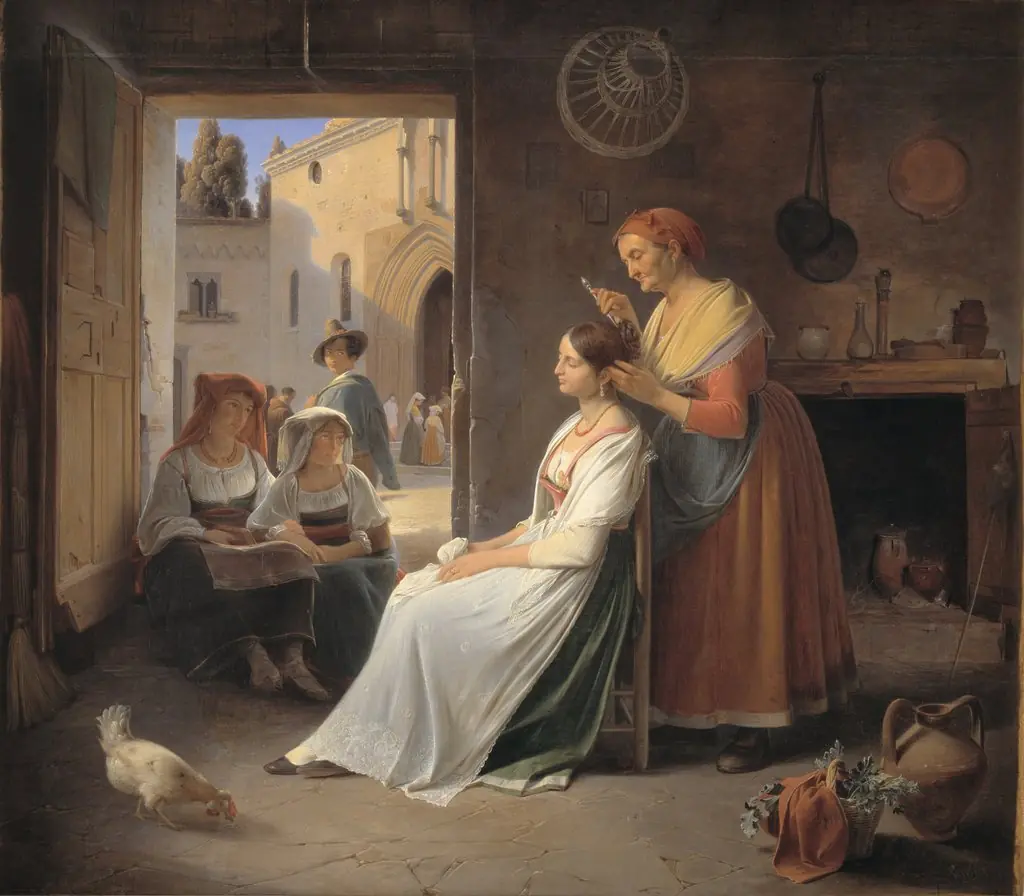 A Young Italian Woman being Adorned by her Mother
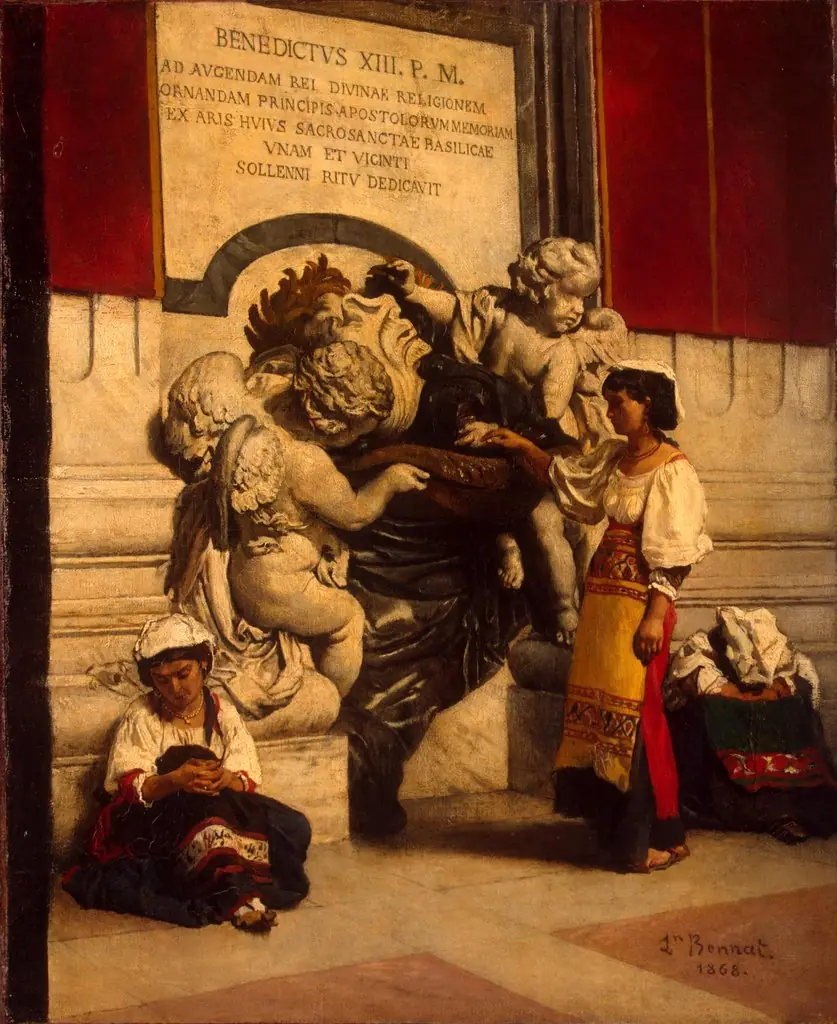 Holy Water Font by St Peter's Basilica in Rome
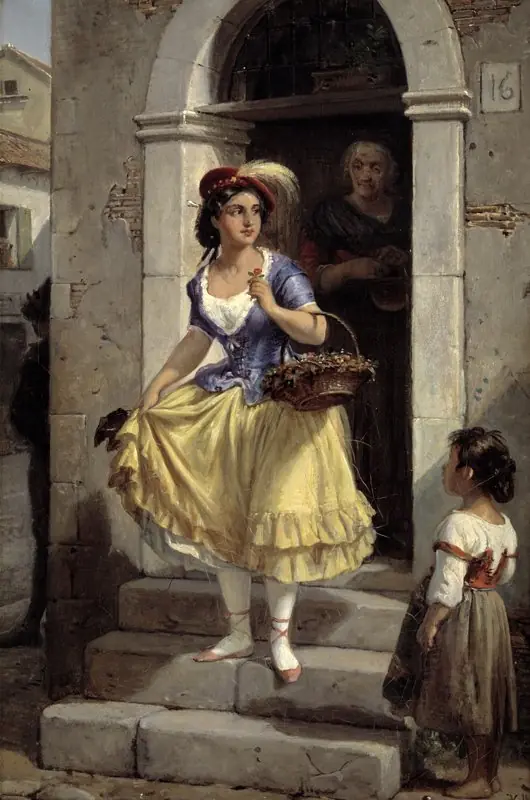 An Italian Woman in the Way to the Carnival
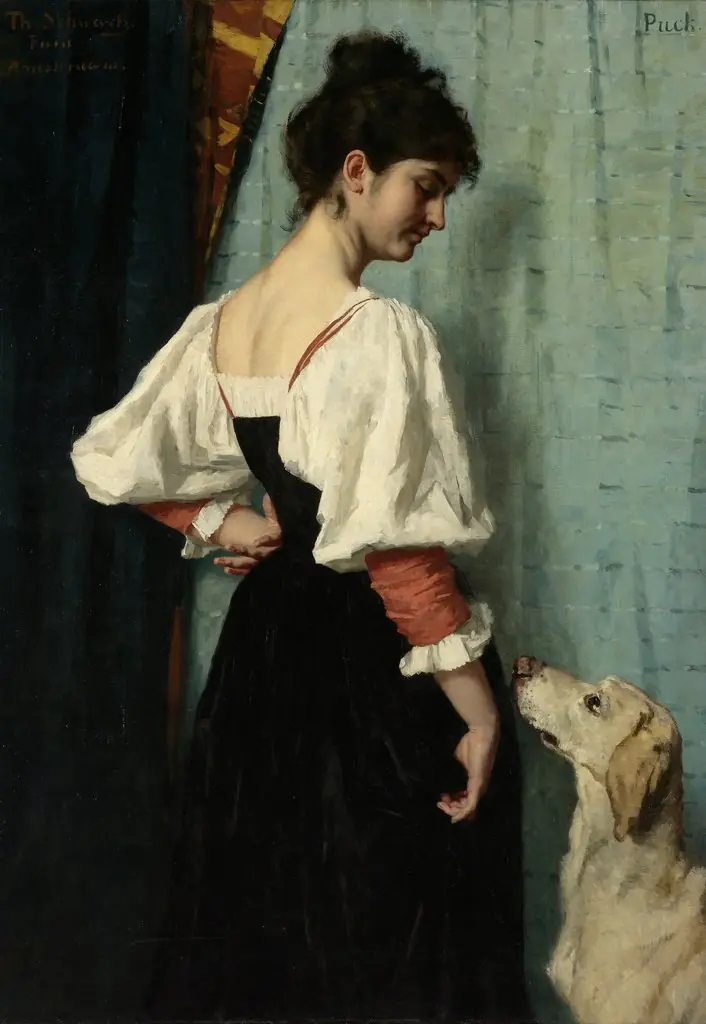 Young Italian woman with the dog Puck
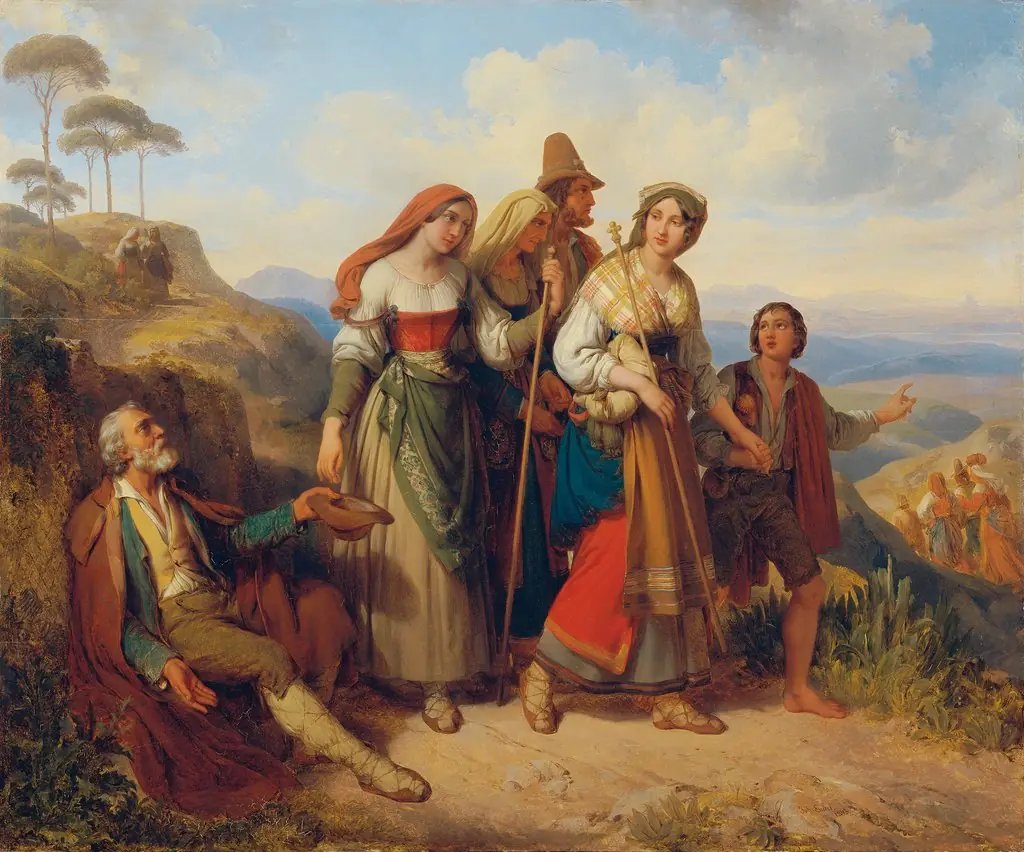 Roman pilgrims
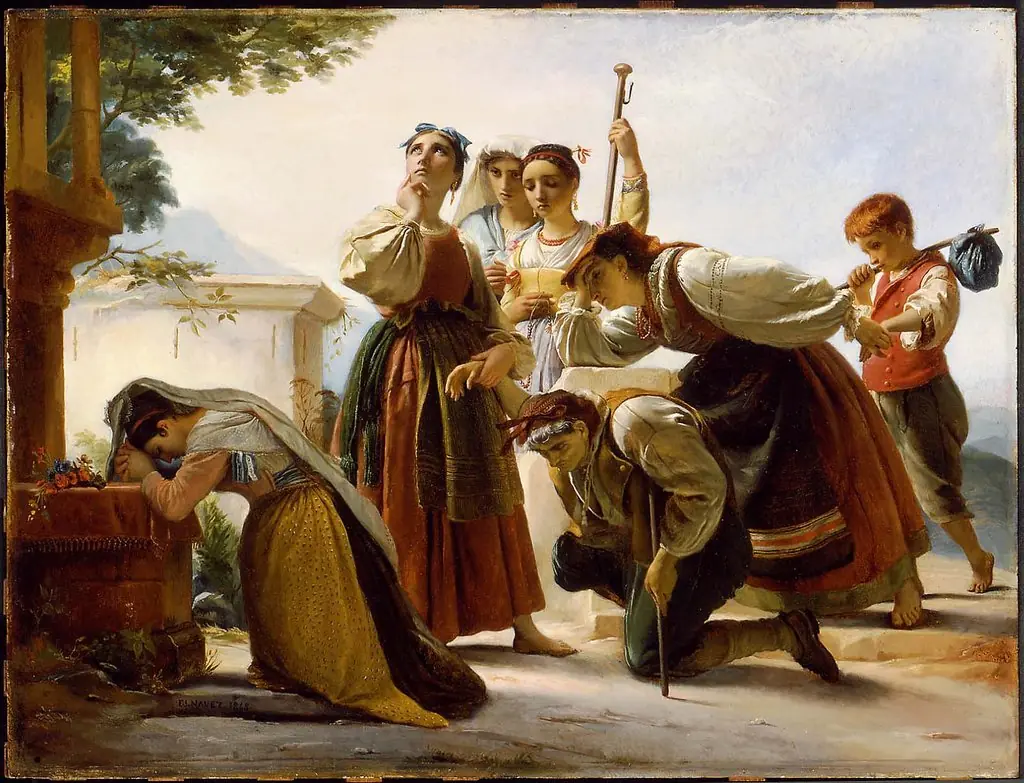 Pilgrimage in the Roman Campagna
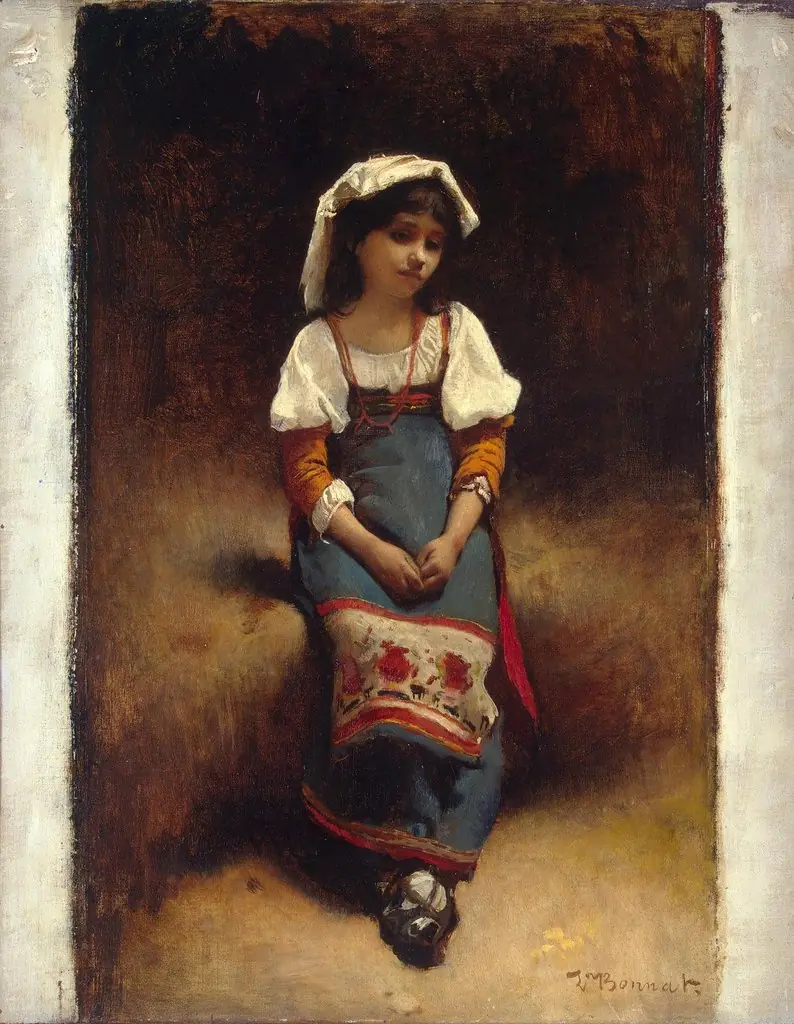 Italian girl
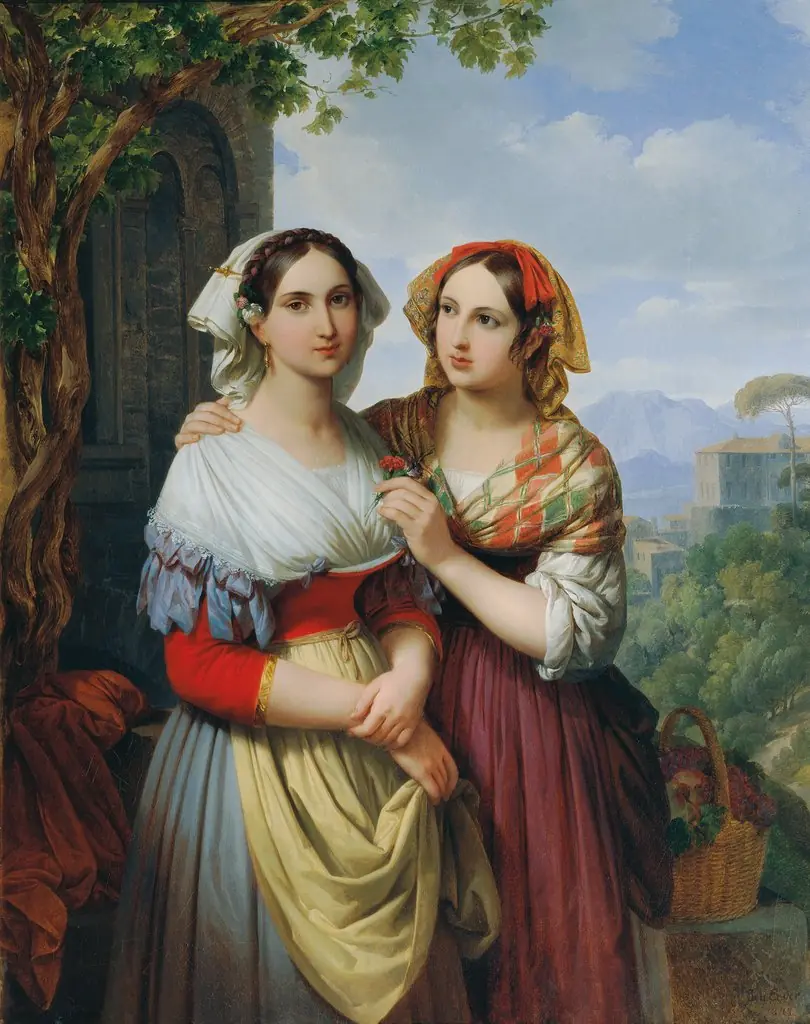 Two Girls in a Landscape
 A little Italian girl by a fountain
 Woman at a Well in an Italian Farmhouse
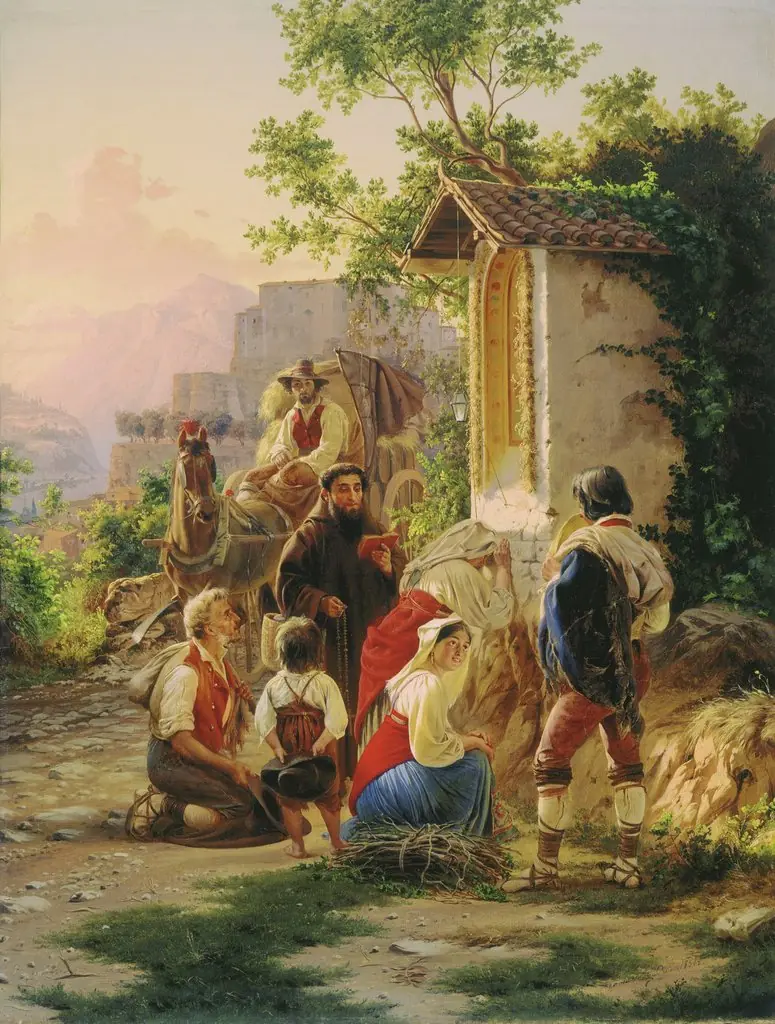 By the wayside shrine
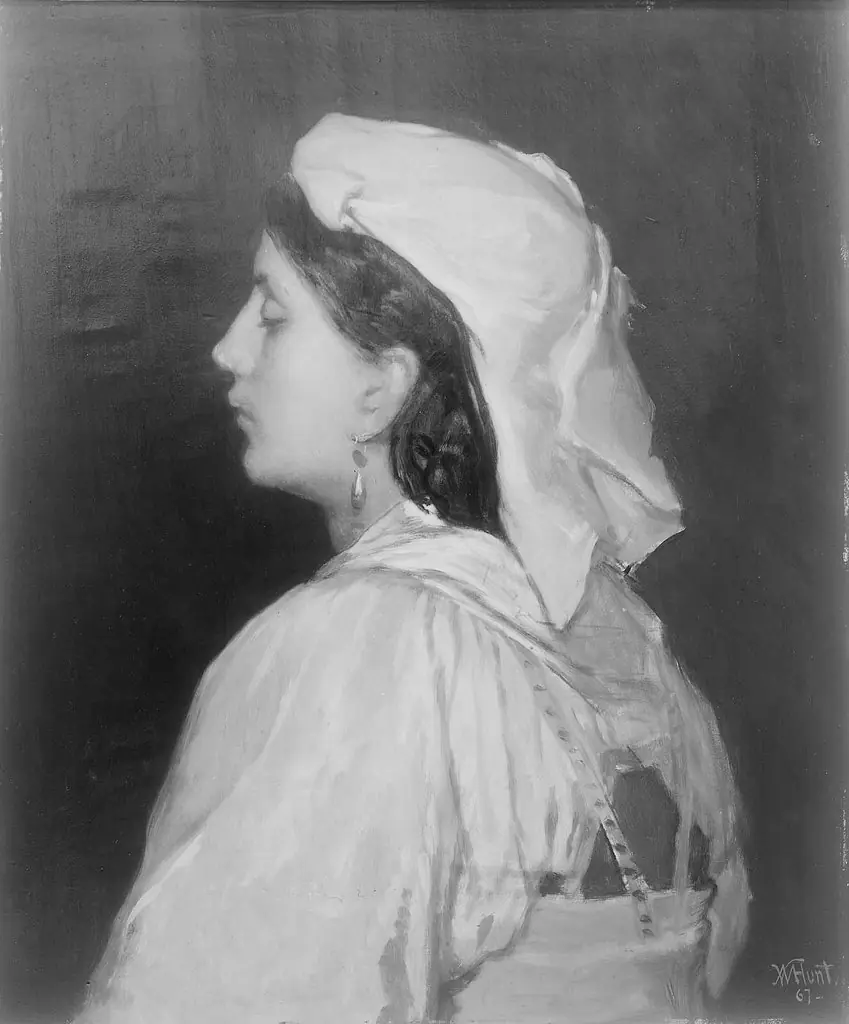 Italian Girl
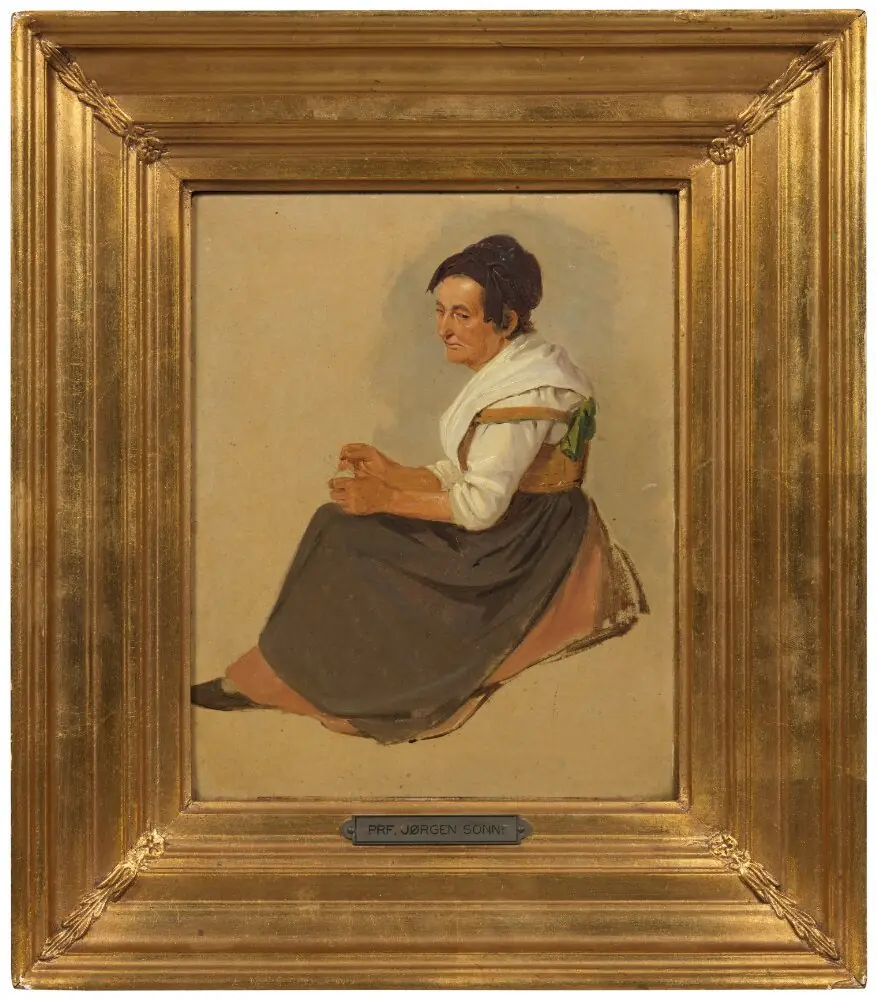 Italian Woman. Study
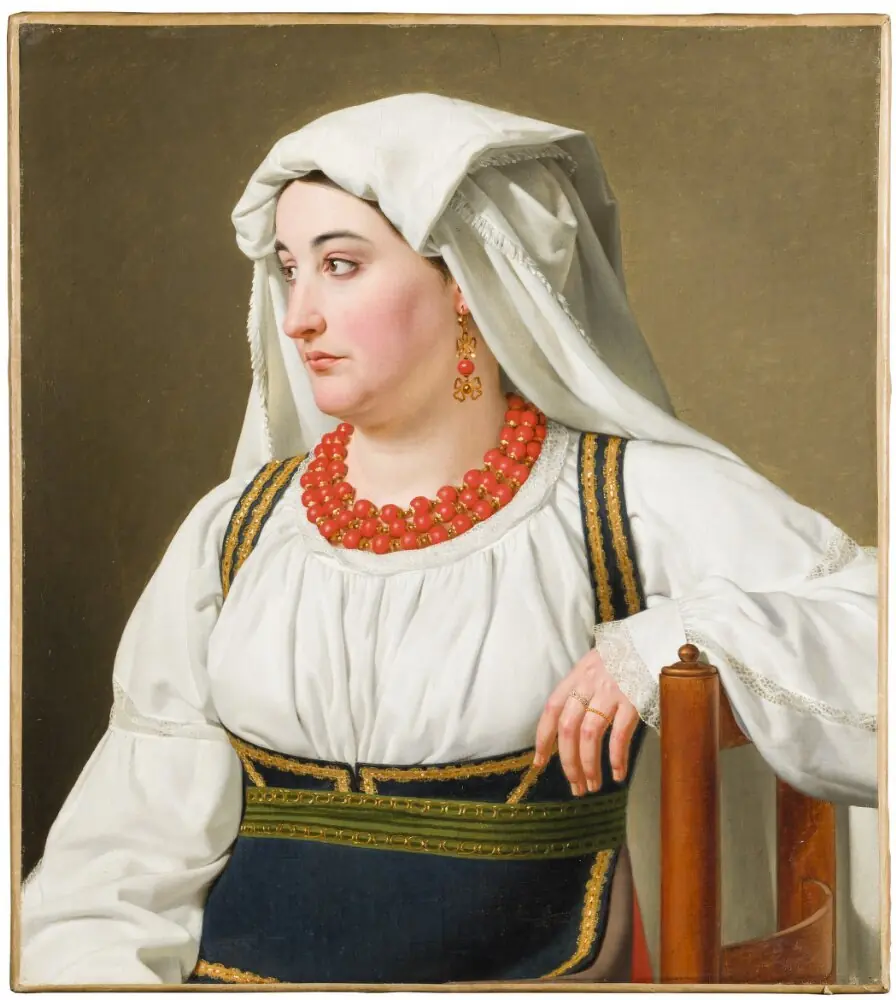 ’Una Ciociara’ – Portrait of a Roman Country Woman
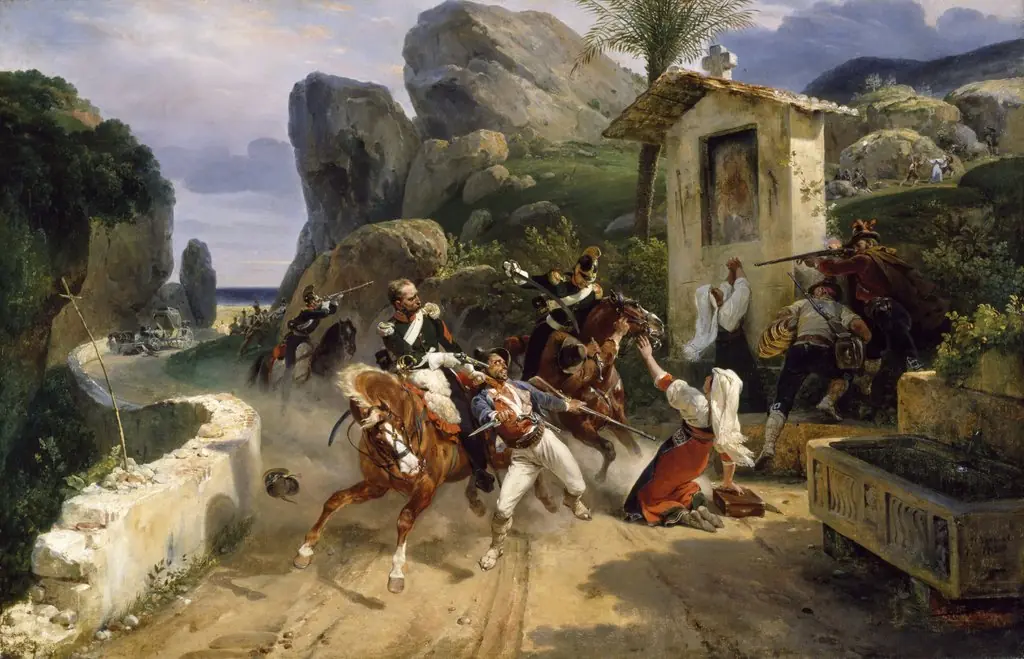 Italian Brigands Surprised by Papal Troops
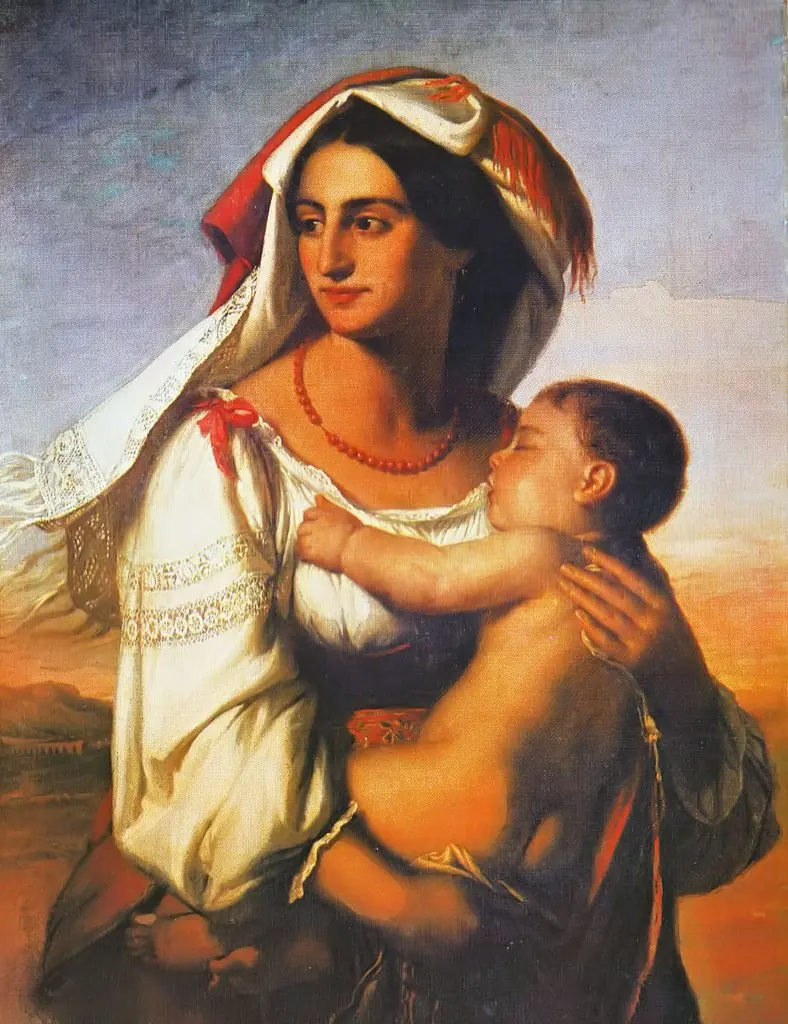 Italian Woman
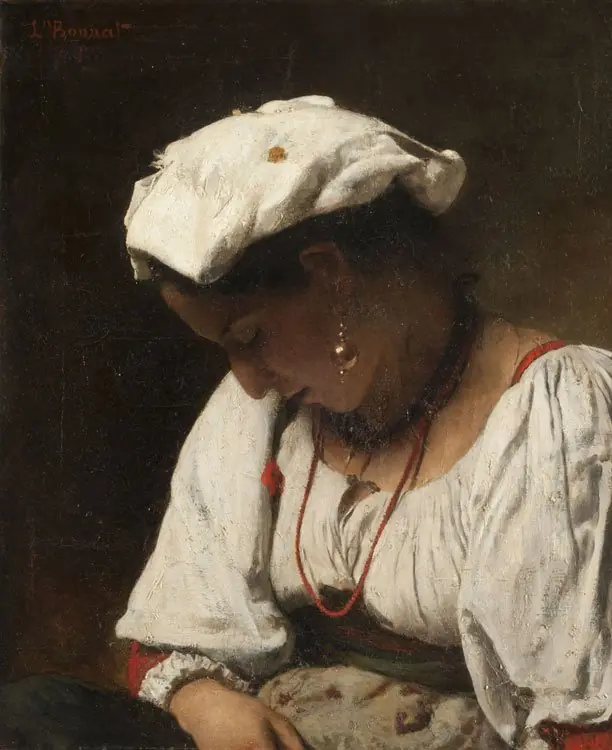 The victim
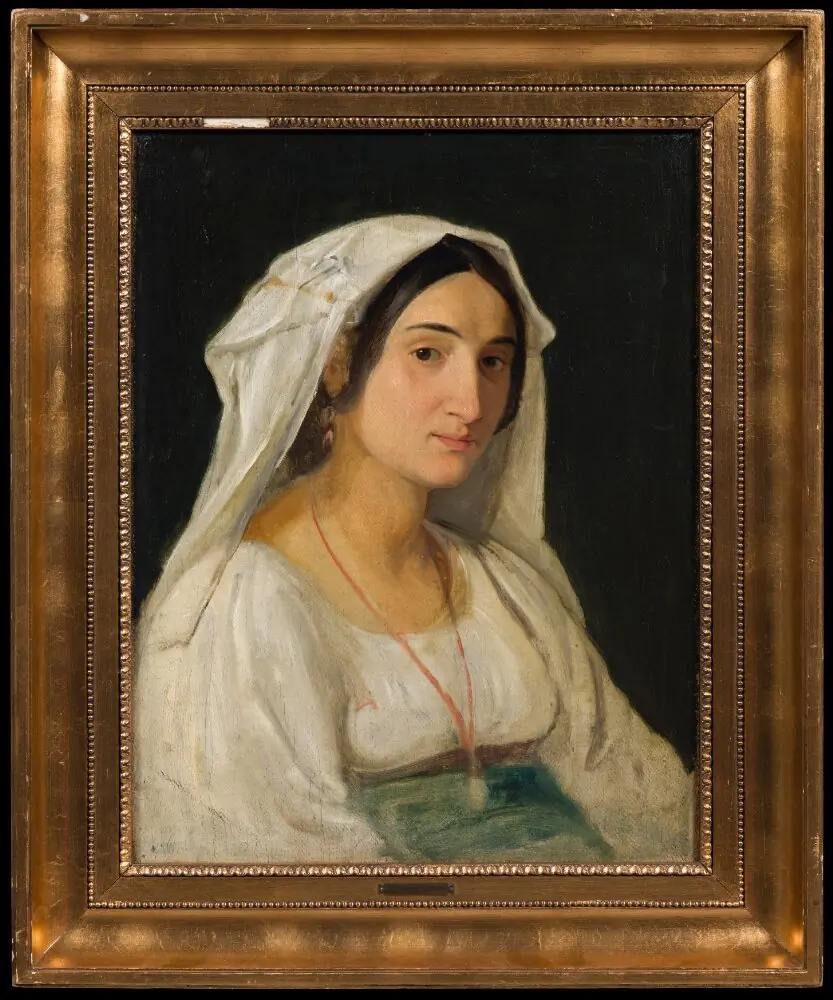 An Italian Woman From the Area of Lake Albano Wearing a White Head Piece
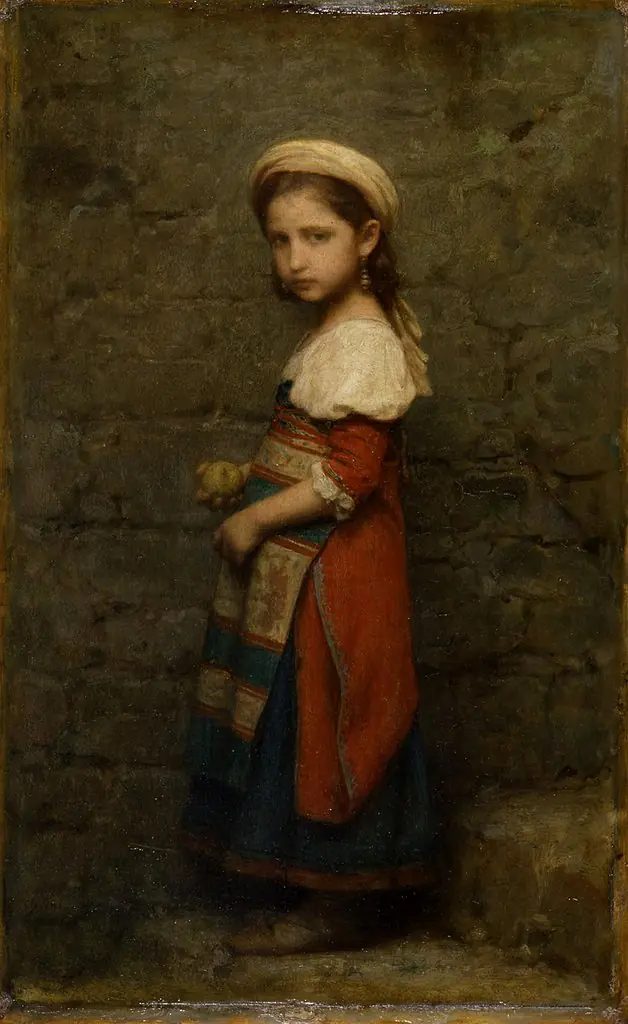 Italian Girl
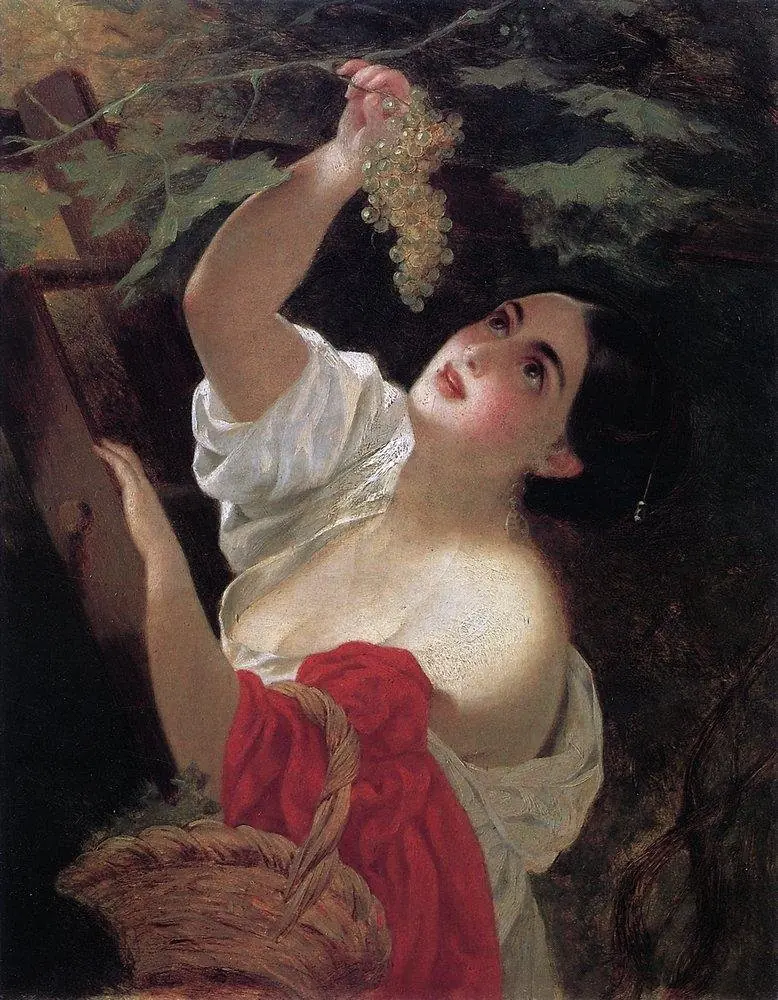 Italian Midday (1831 version)
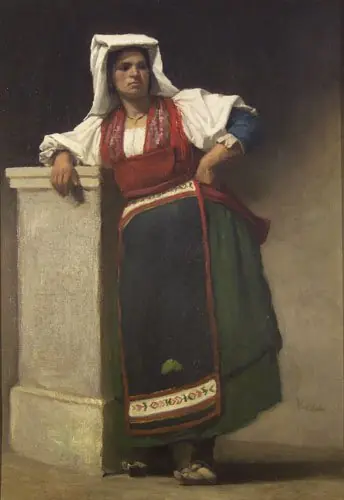 Neapolitan Woman
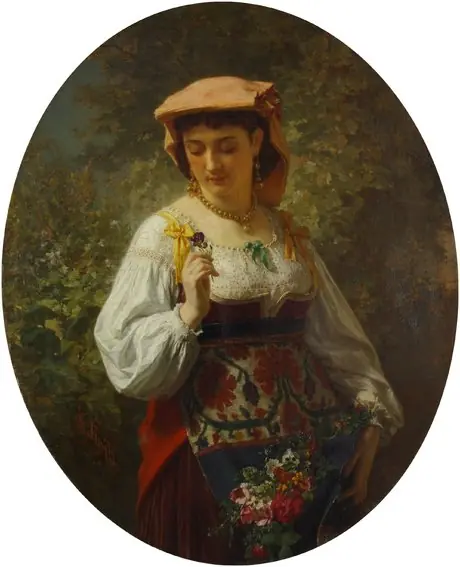 Portrait of italian woman
Frequently asked questions
What is Ciociaro Costume?
Ciociaro Costume is a subject in art. Traditional folk costume historically worn by peasants and rural people from Ciociaria, a region in central Italy.
How many Ciociaro Costume works does Artifact World Gallery have?
Artifact World Gallery holds 29 public-domain Ciociaro Costume works, all free to view and download.
Who are the key Ciociaro Costume artists?
Key Ciociaro Costume artists in the collection include Jean Baptiste Camille Corot, William Adolphe Bouguereau and Léopold Robert.
Where can I see Ciociaro Costume works?
Ciociaro Costume works in the collection are held by Metropolitan Museum of Art, Nationalmuseum and Statens Museum for Kunst.