Subject
Actor
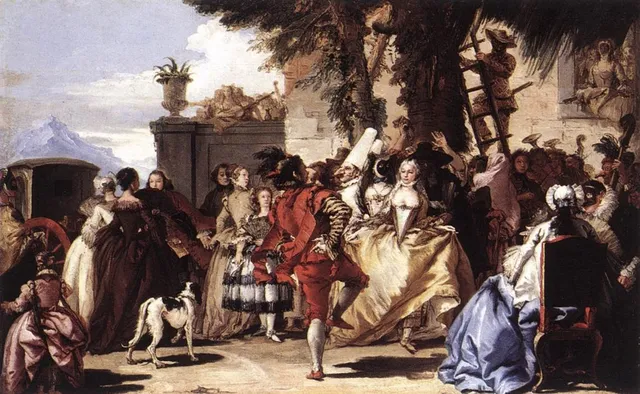
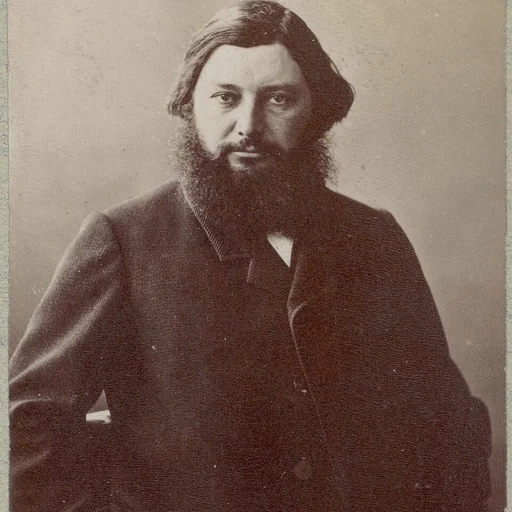
Actor is a subject in art. The gallery holds 200 works in this subject in art, including works by Gustave Courbet, Henry Inman and Shunkōsai Hokushū.
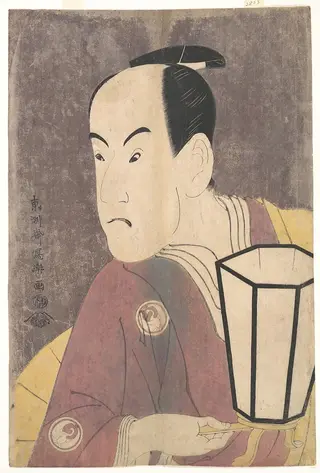
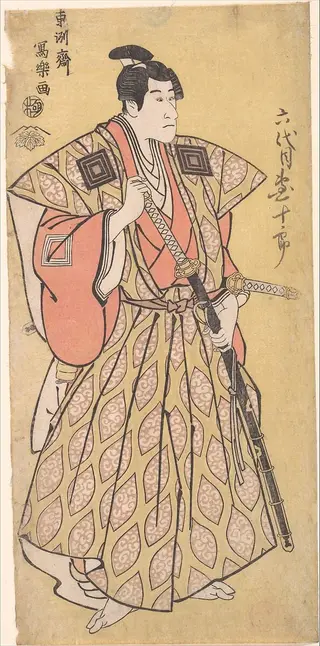
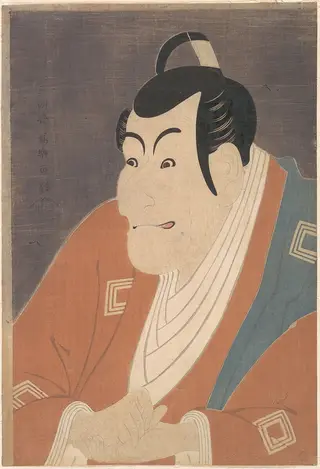
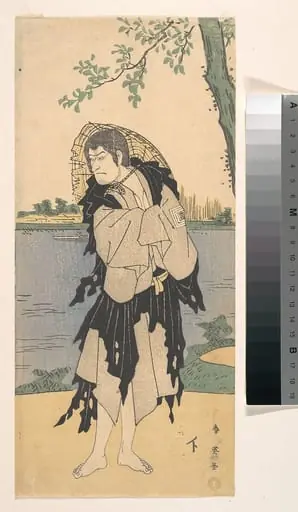
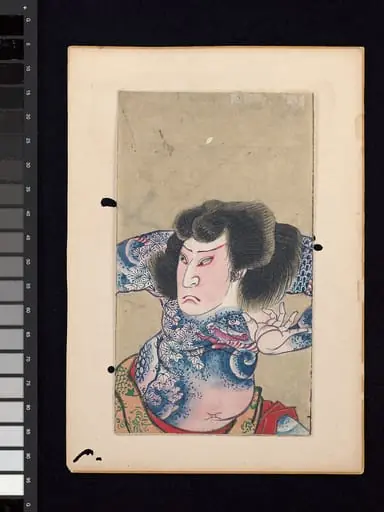
The actor — a person who embodies a character before an audience, "in the flesh" on the stage or, latterly, on film, radio, and television — became a major subject of art in the eighteenth century, when the rise of commercial urban theatre and a new culture of celebrity gave performers a fame worth recording. Two great traditions developed almost simultaneously and independently: the Japanese actor print, or yakusha-e, devoted to the stars of kabuki, and the European "theatrical portrait" that grew up around the London and Paris stage. Both treat a paradox at the heart of the genre: the image must capture a recognisable individual while also preserving the fictional role he is playing.
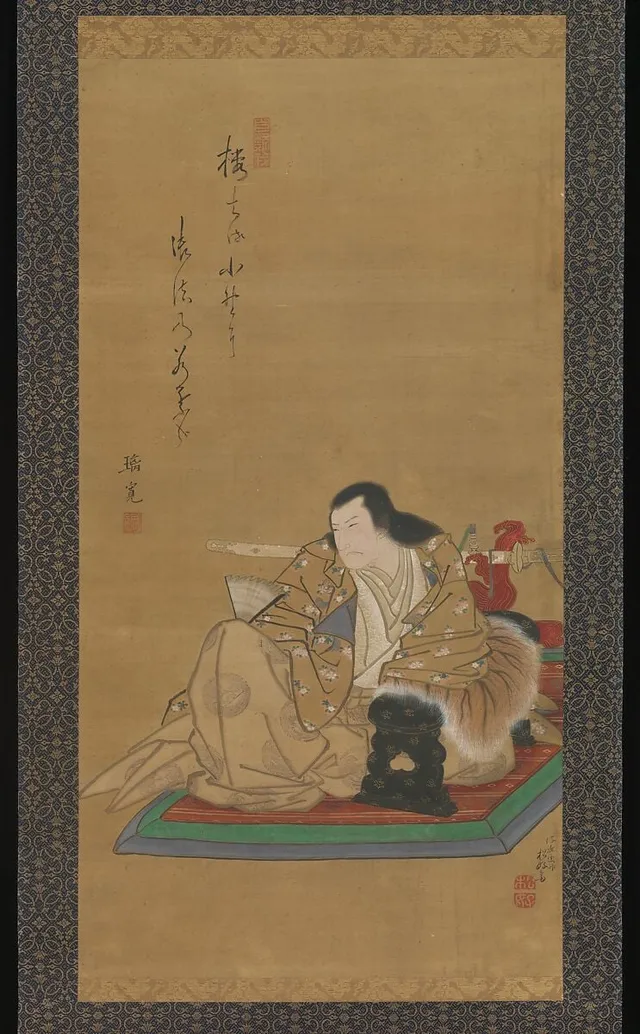
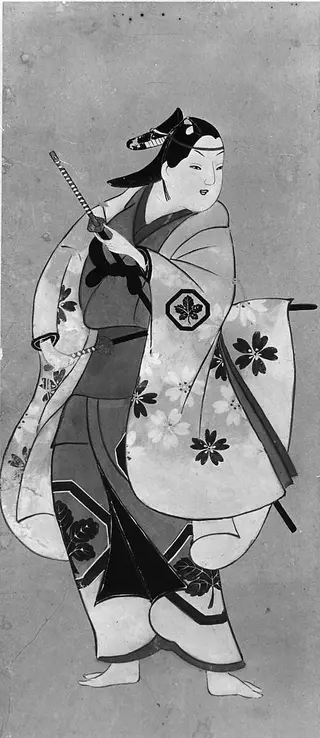
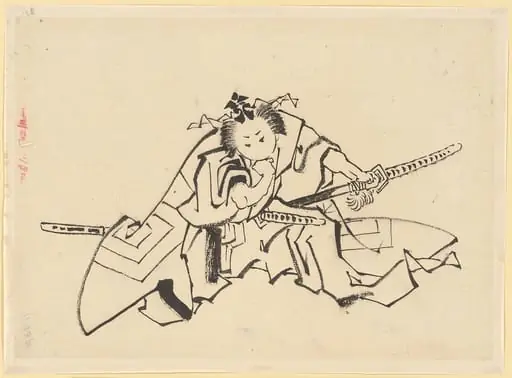
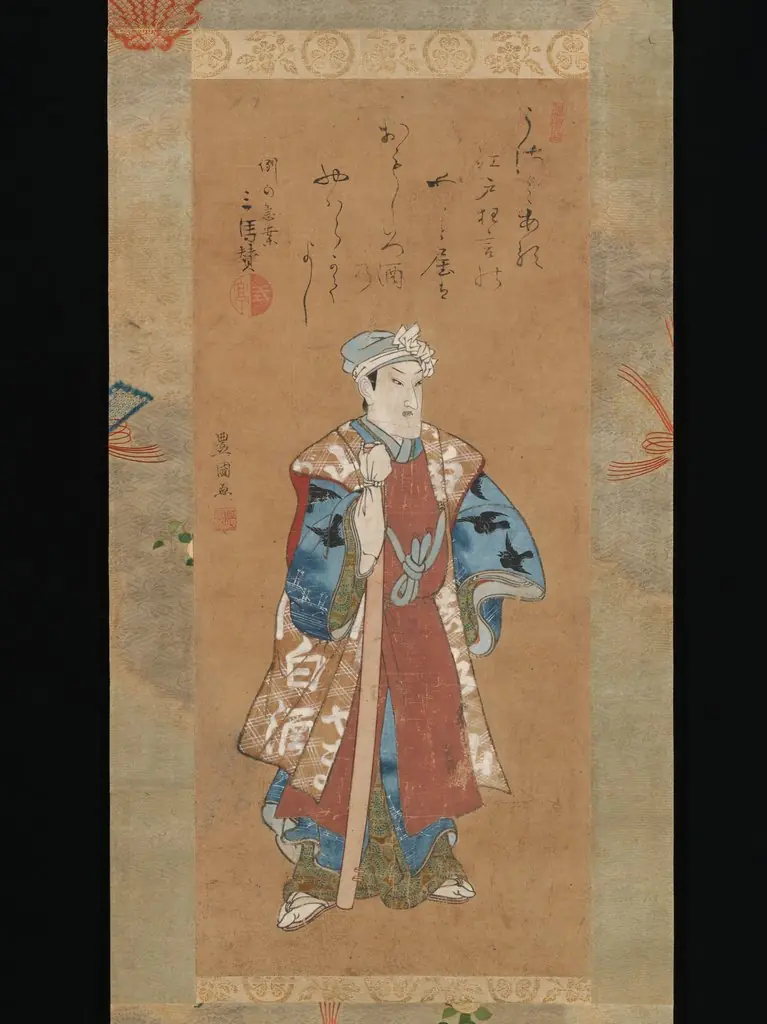
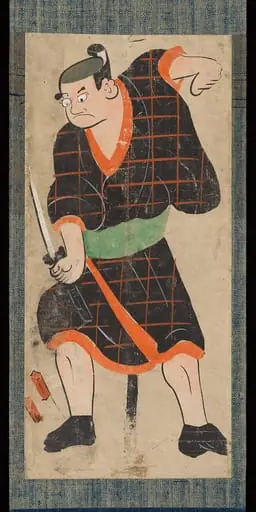
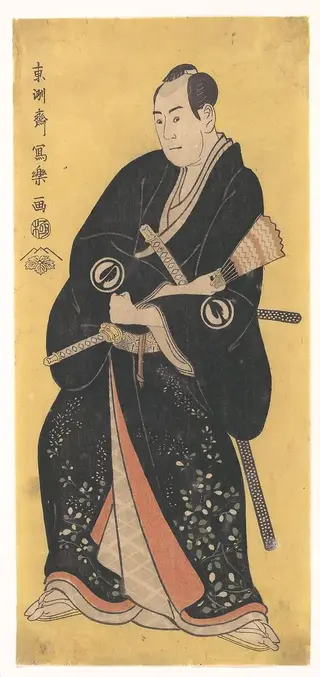
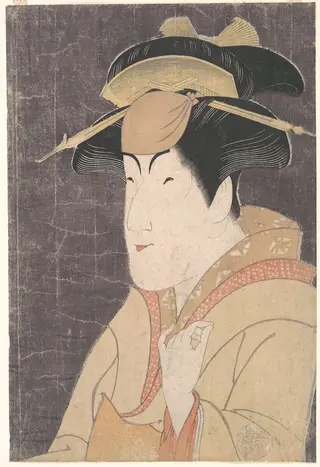
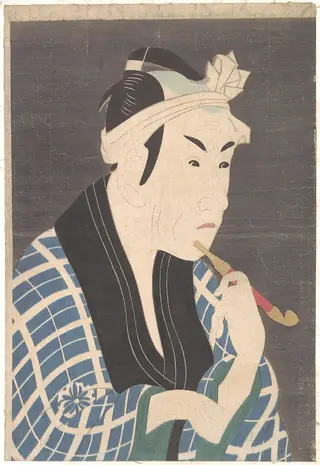
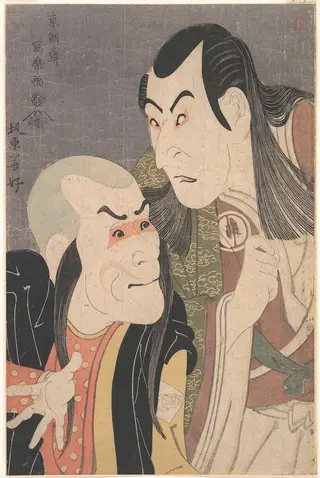
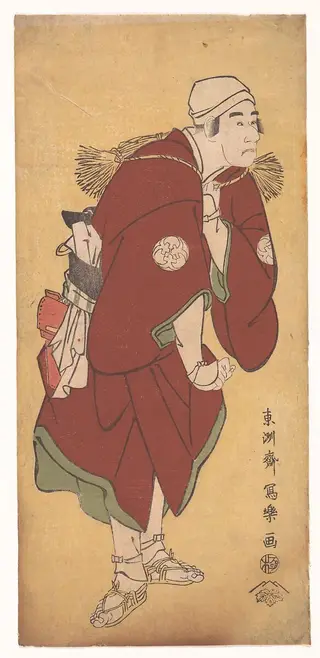
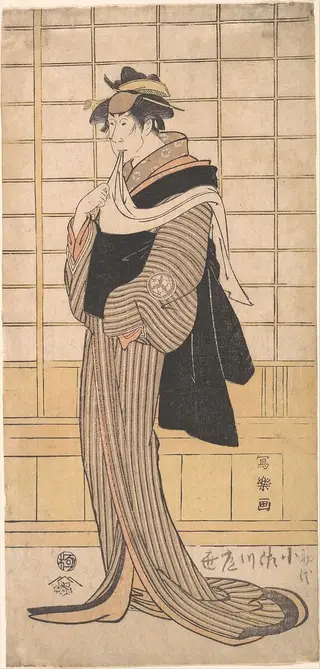
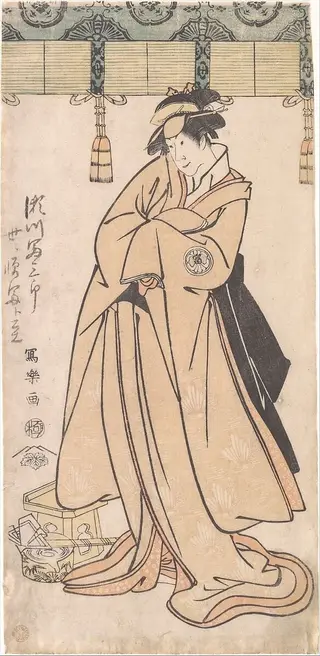
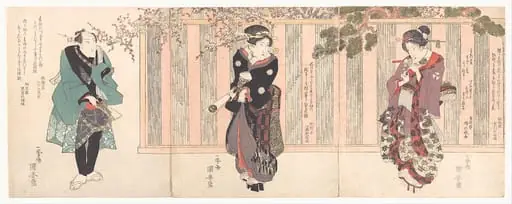
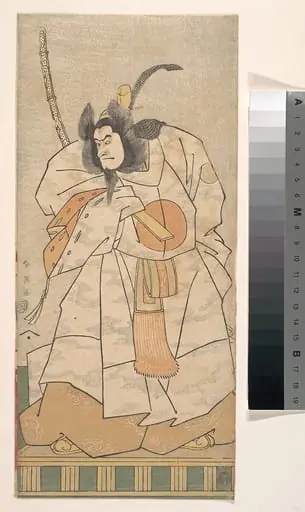
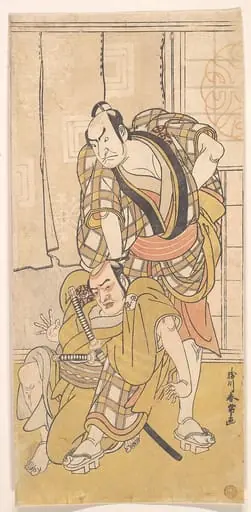
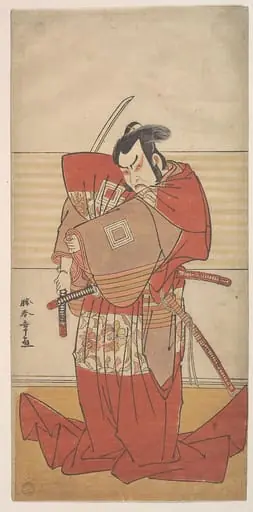
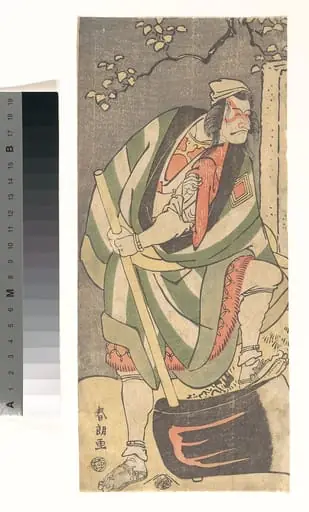
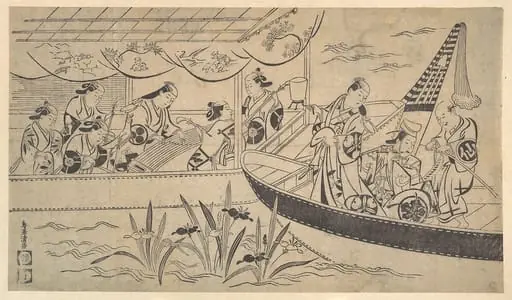
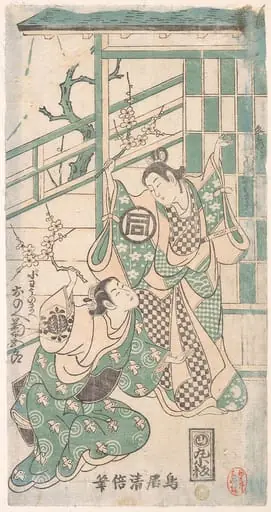
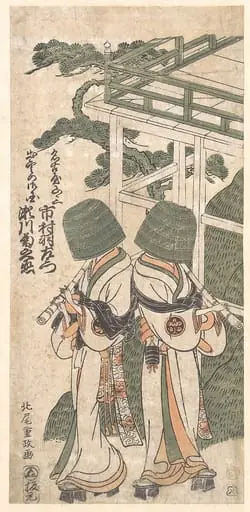
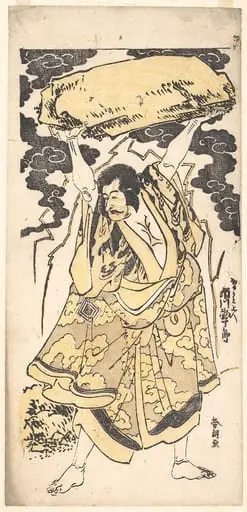
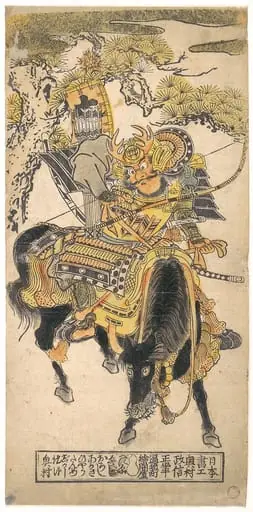
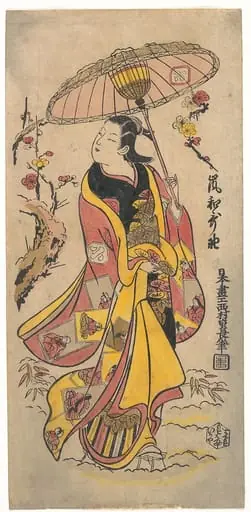
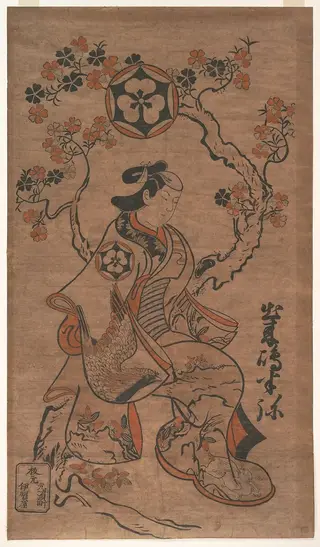
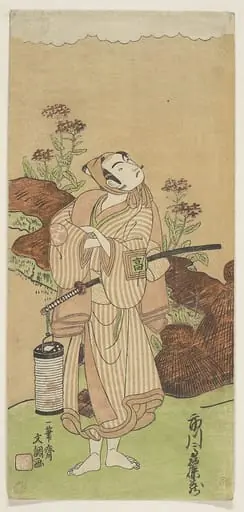
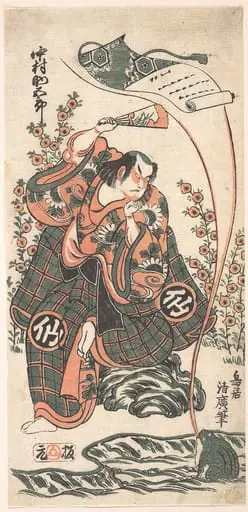
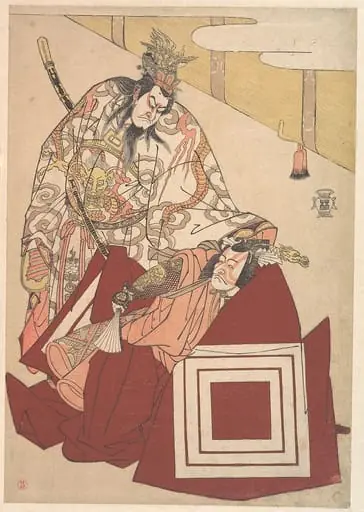
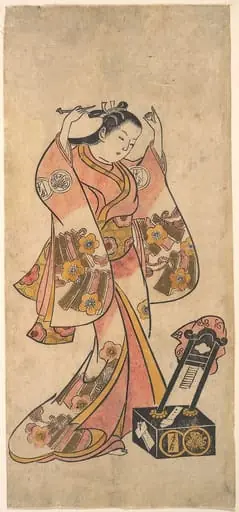
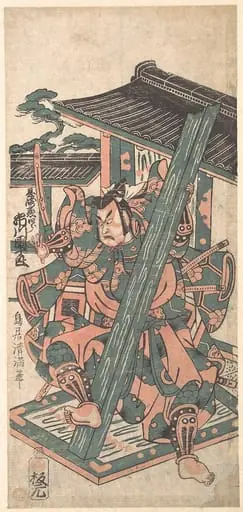
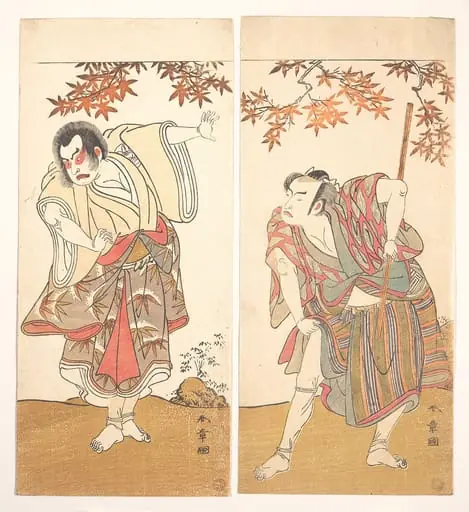
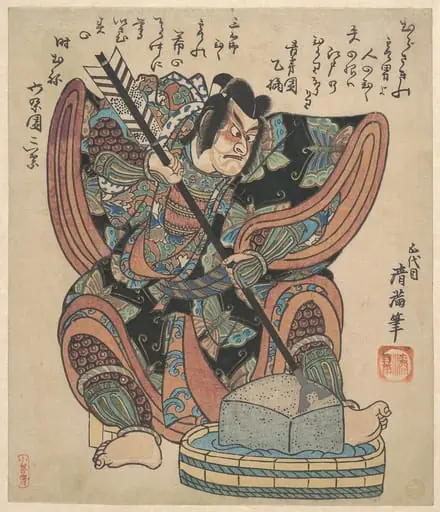
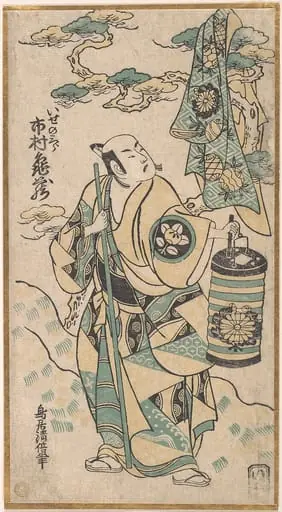
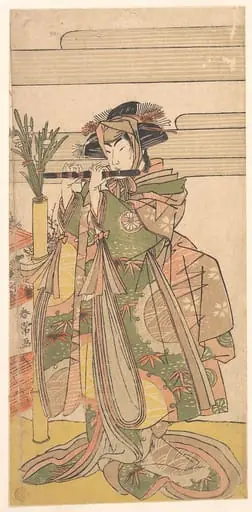
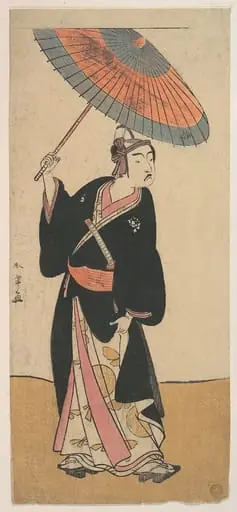
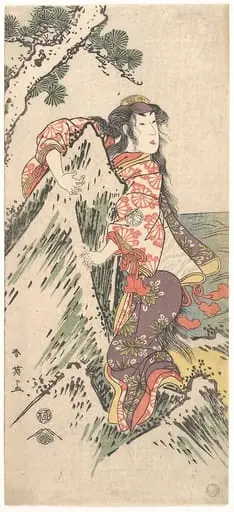
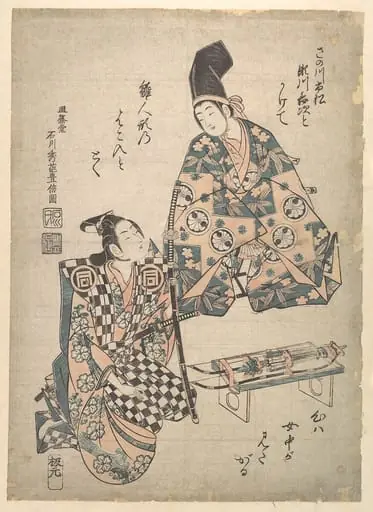
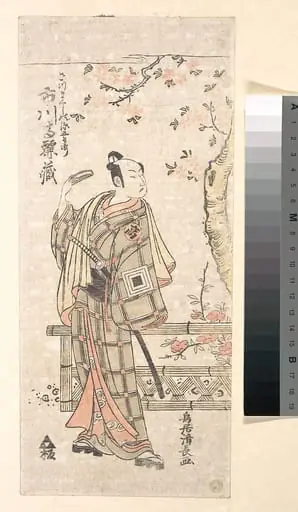
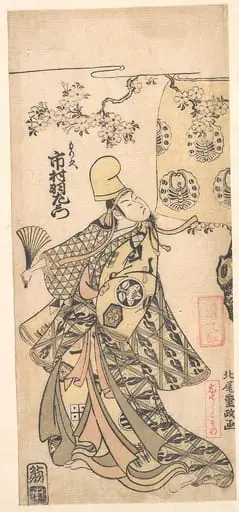
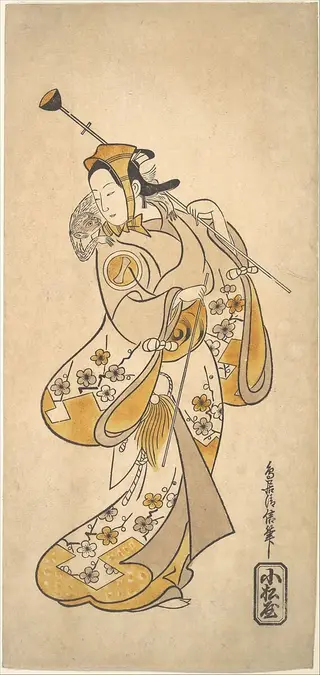
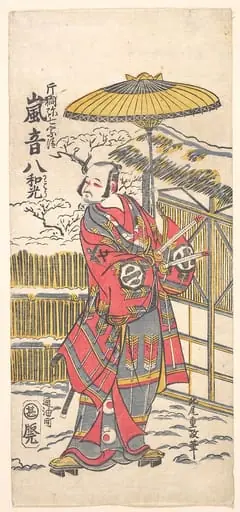
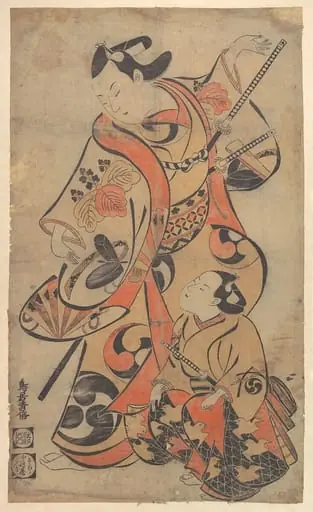
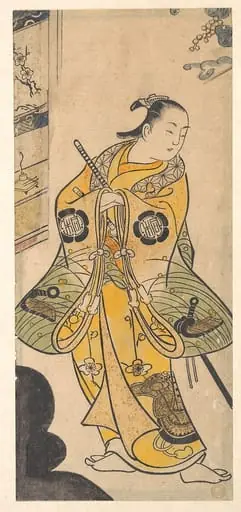
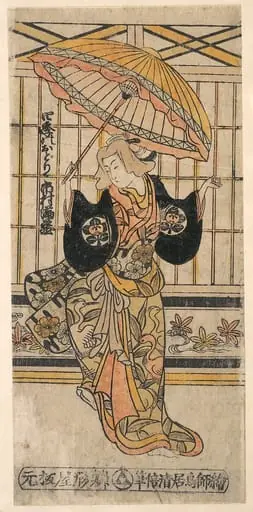
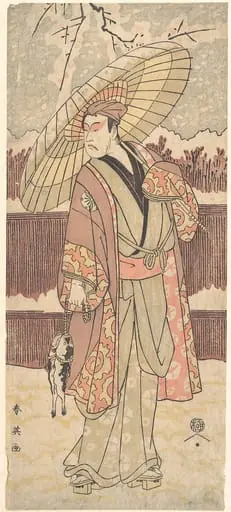
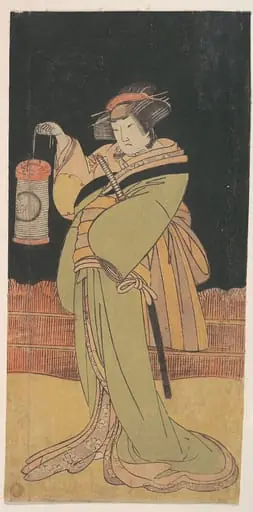
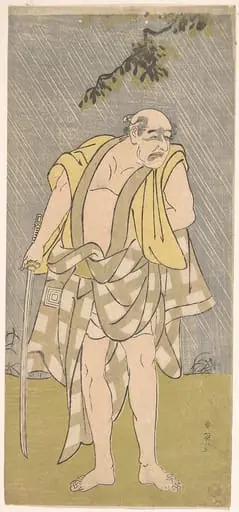
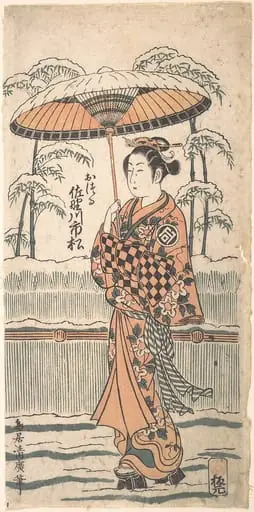
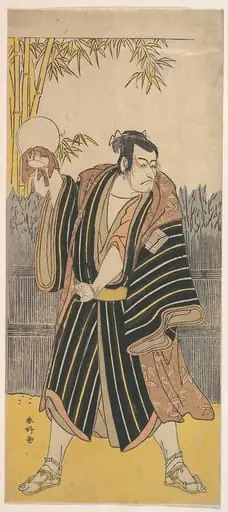
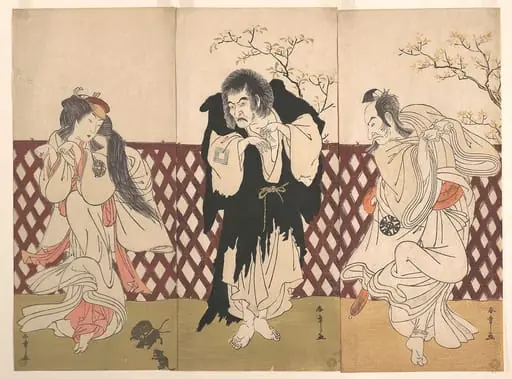
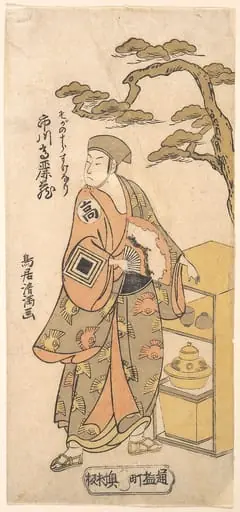
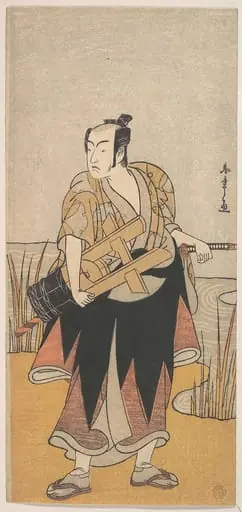
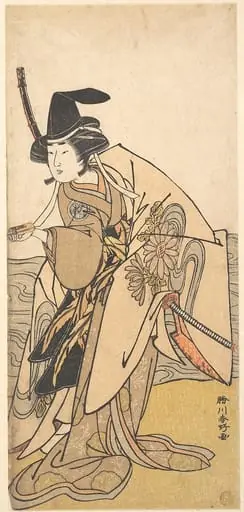
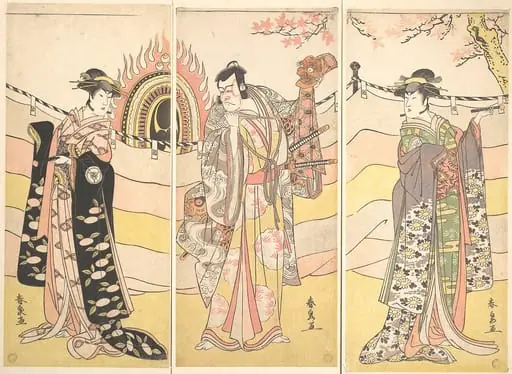
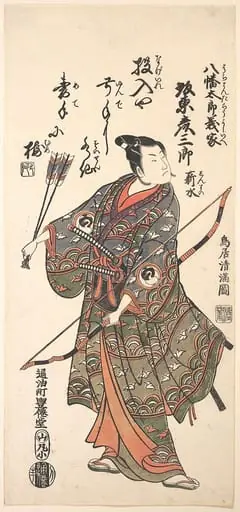
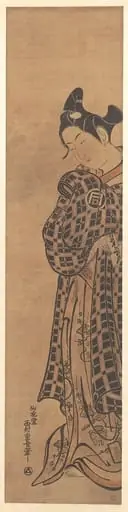
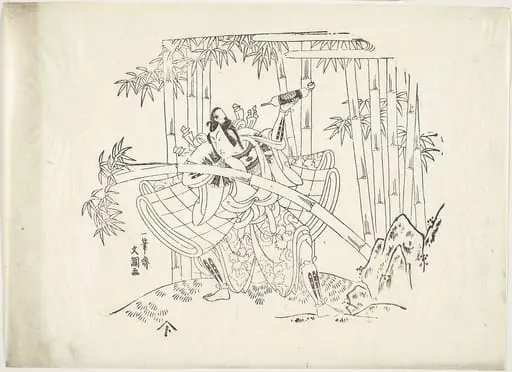
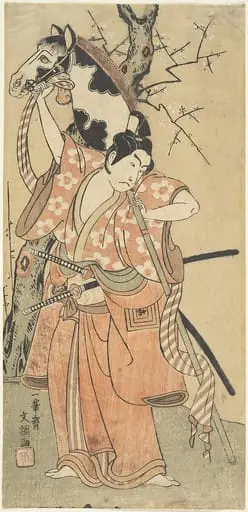
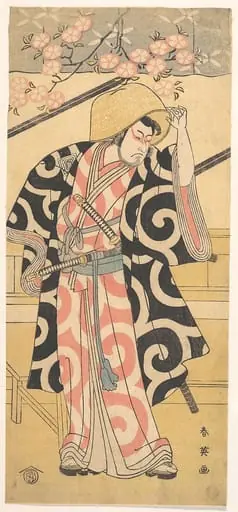
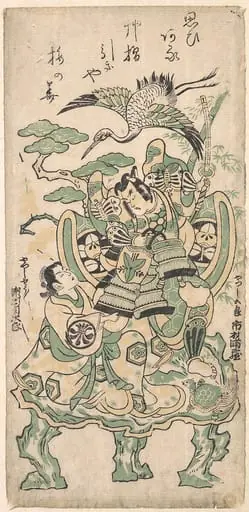
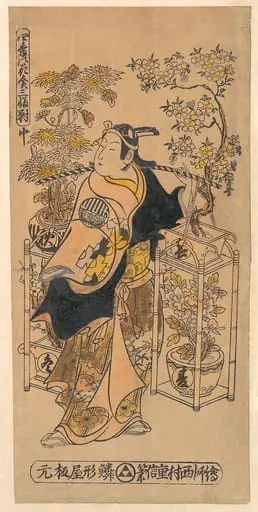
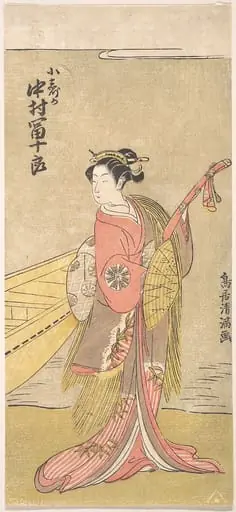
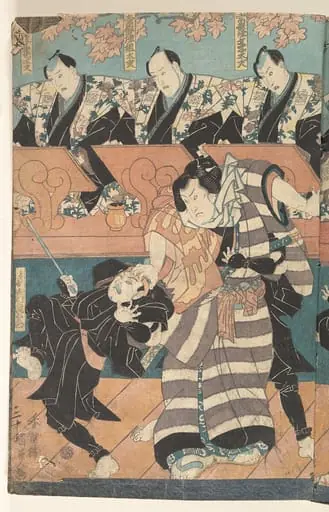
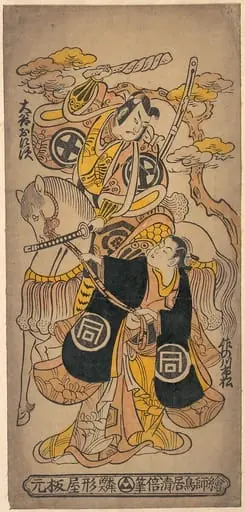
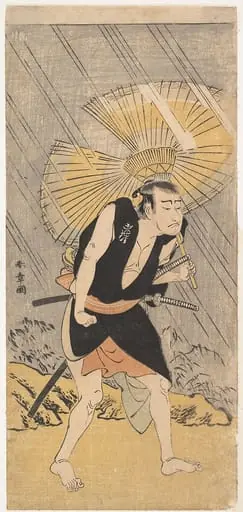
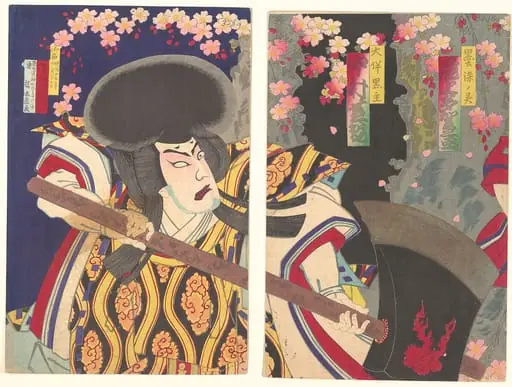
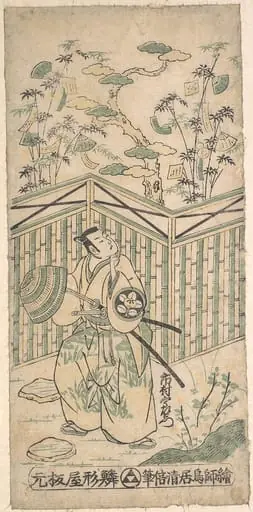
In Japan, yakusha-e were inexpensive woodblock prints sold as souvenirs of a production. The Katsukawa school, led by Katsukawa Shunshō (1726–1793), broke with generic types to render the distinct features and personalities of named performers. The genre peaked with the enigmatic Tōshūsai Sharaku, who in barely ten months of 1794–95, working for the publisher Tsutaya Jūzaburō, produced some 140 ōkubi-e ("large-head") bust portraits set against shimmering dark mica grounds, exaggerating each actor's expressive quirks. A parallel school flourished in Osaka, where Shunkōsai Hokushū defined the refined kamigata-e style; the catalogue's "The Actor Arashi Kitsusaburō I as Prince Koretaka" is a characteristic example.
In Europe, the actor portrait crystallised around David Garrick. William Hogarth's "David Garrick as Richard III" (1745) is often called the first great British theatrical portrait, and the German émigré Johann Zoffany (1733–1810), together with Reynolds and Gainsborough, built reputations recording Garrick's roles for exhibition at the Society of Artists and Royal Academy. The convention persisted: James McNeill Whistler's "Arrangement in Black, No. 3: Sir Henry Irving as Philip II of Spain" (1876), held here, casts the great Victorian actor in the spare, Velázquez-derived register of an "arrangement," while Henry Inman painted Macready as William Tell and Jean-Baptiste Massé recorded Préville of the Comédie-Française.
Stylistically the genre oscillates between the documentary and the theatrical — the actor frozen mid-gesture in the kabuki mie pose or in stage costume, identified by crest or by playbill. Its concern with fame, performance, and the constructed self made it a direct ancestor of celebrity photography and the publicity portraiture of the film age.
Key artists


Overview
An actor is a person who portrays a character in a dramatic or comic production, performing in the traditional medium of the theatre or in modern media such as film, radio, and television. The subject recurs throughout art history because the actor embodies the intersection of reality and fiction, serving as the physical vessel through which narratives are communicated. The analogous Greek term is hupokritēs, literally meaning one who answers. The dramatist and critic Eric Bentley defined acting as A embodies B while C watches, emphasizing that the portrayal relies heavily on the imagination and perception of the spectator, who ultimately constructs the image of the depicted person.
Iconography & meaning
The iconography of the actor centers on the dual identity of the performer and the role. The actor puts the text into action, giving life to the character written by the dramaturge or organized by the director. In visual art, the actor is symbolized by attributes of transformation and performance, such as costumes, makeup, wigs, and props, which help the performer embody traits distinct from their own, including differences in age, sex, or physical appearance. The art of the actor lies in capturing the spirit of the poet and the role, making the work comprehensible to the audience by filling gaps and finding transitions. The actor's interpretation pertains to the role played, whether based on a real person or a fictional character, and occurs even when the performer is playing themselves, as in some forms of experimental performance art.
Across movements & periods
The treatment of the actor shifted significantly across historical periods and cultures. In ancient Greece, exclusively male actors performed in tragedy, comedy, and satyr plays, while ancient Rome allowed female stage performers, albeit rarely in speaking parts. During the medieval period, small troupes kept performance alive through mime and recitations. Professionalization of the craft occurred in Central Europe during the 16th and 17th centuries, heavily influenced by the traveling troupes of English professional actors and Elizabethan companies. Women entered the profession at different rates globally; the Italian commedia dell'arte allowed professional women to perform early on, with Lucrezia Di Siena on a contract in 1564, whereas women only began appearing onstage in England after the Restoration in 1660. In modern and postmodern eras, approaches shifted from Konstantin Stanislavski's psychological realism to postmodern theories that reject stable identities and naturalistic representation, instead viewing acting as a constructed, performative act that highlights its own artificiality.
Notable depictions
Notable depictions of actors in visual culture frequently center on performers in defining roles or self-portraits that explore identity. In the collection, James McNeill Whistler's Arrangement in Black, No. 3 captures Sir Henry Irving as Philip II of Spain, merging the performer's identity with the historical figure. In contemporary art, Johnny Depp created the self-portrait Add the Light in watercolor, reflecting a period of personal freedom and introspection during the early 2000s at his estate in the South of France. Depp has stated that every painting is a self-portrait, noting that this specific work represents exactly what he was experiencing at the time. This piece was released as part of a limited edition of 195, priced at 2,950 pounds framed, alongside a companion piece depicting a rose.
Legacy
The legacy of the actor as a cultural figure persists through evolving terminology, institutional recognition, and debates over authenticity. Historically, the term actress emerged in 1608 and carried negative connotations of promiscuity in the 19th century, though the post-war period saw the re-adoption of the gender-neutral term actor. Today, the profession remains divided on terminology, with major awards retaining actress categories while style guides advocate for gender-neutral usage. The cultural afterlife of actors is preserved in institutions like the Academy Museum of Motion Pictures, which opened in Los Angeles in 2021 and houses over 52 million objects including costumes and props from iconic performances. The ongoing relevance of the human actor faces new challenges with the rise of generative artificial intelligence. In response, the Academy of Motion Picture Arts and Sciences updated its rules for the 99th Academy Awards in 2027, mandating that roles must be performed by humans with their consent to remain eligible for acting awards, ensuring the human performer remains the core of the discipline.
Works
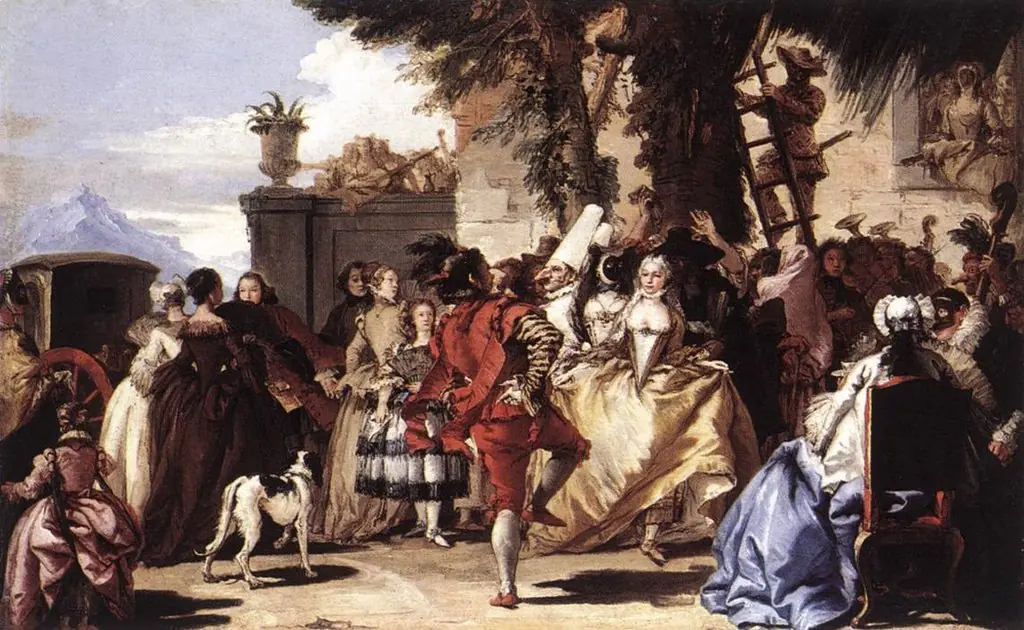 A Dance in the Country
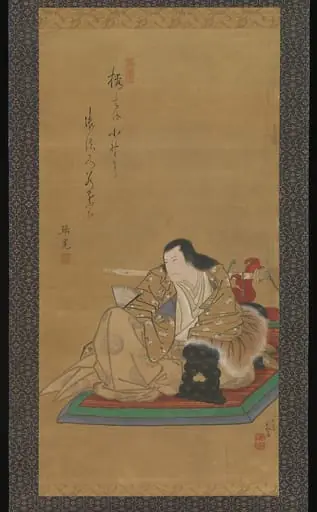 初代嵐橘三郎 (二代目嵐吉三郎) の惟高親王|The Actor Arashi Kitsusaburō I (Kichisaburō II) as Prince Koretaka
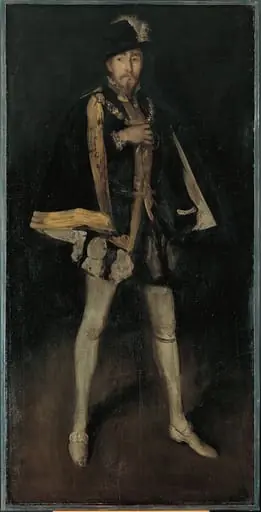 Arrangement in Black, No. 3: Sir Henry Irving as Philip II of Spain
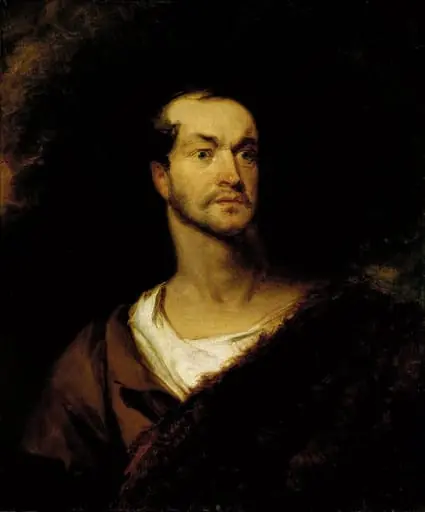 William Charles Macready as William Tell
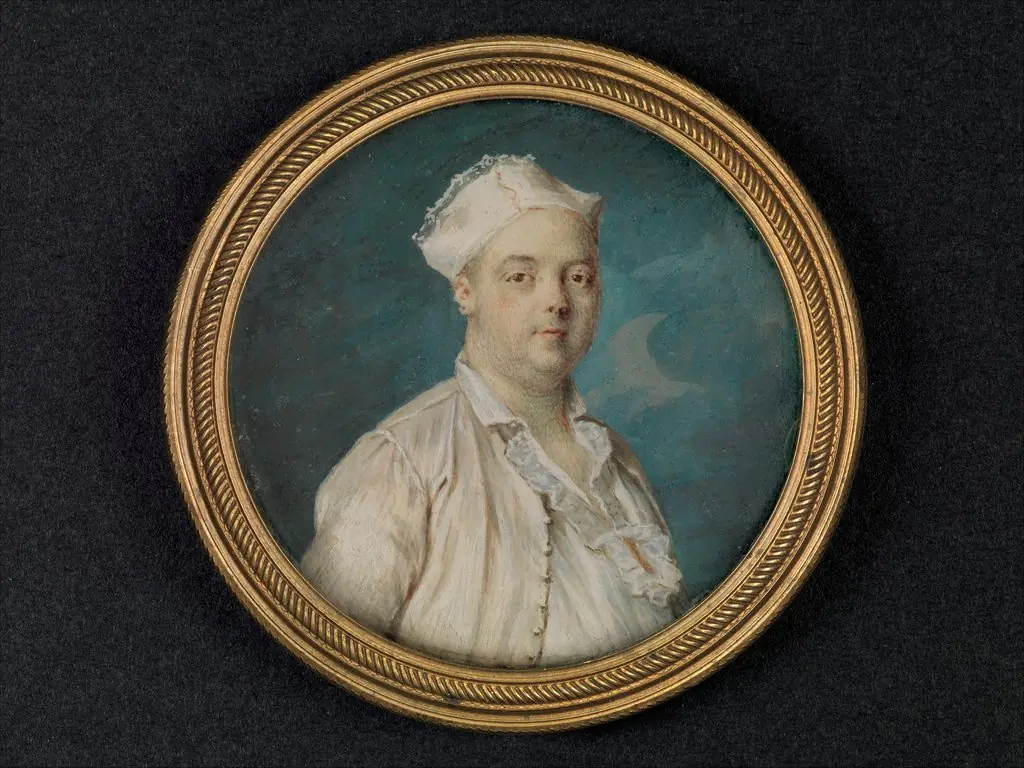 Pierre Louis Dubus (1721–1799), Called Préville, of the Comédie-Française
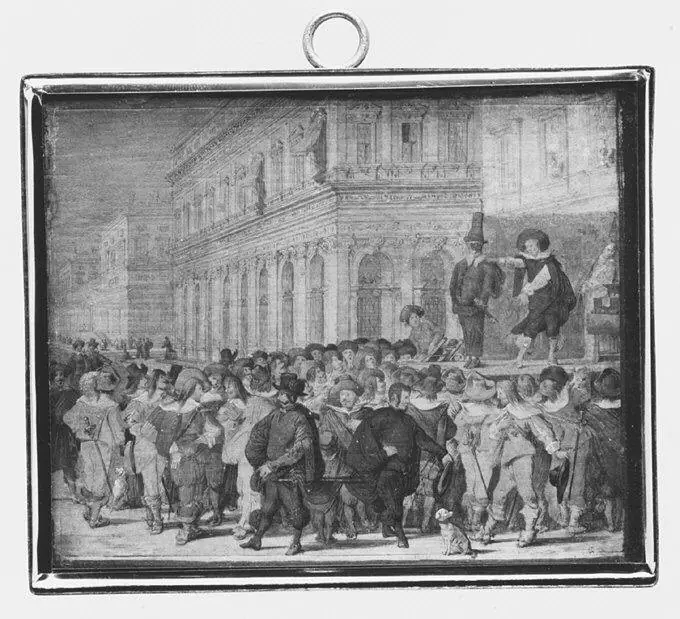 Traveling Players
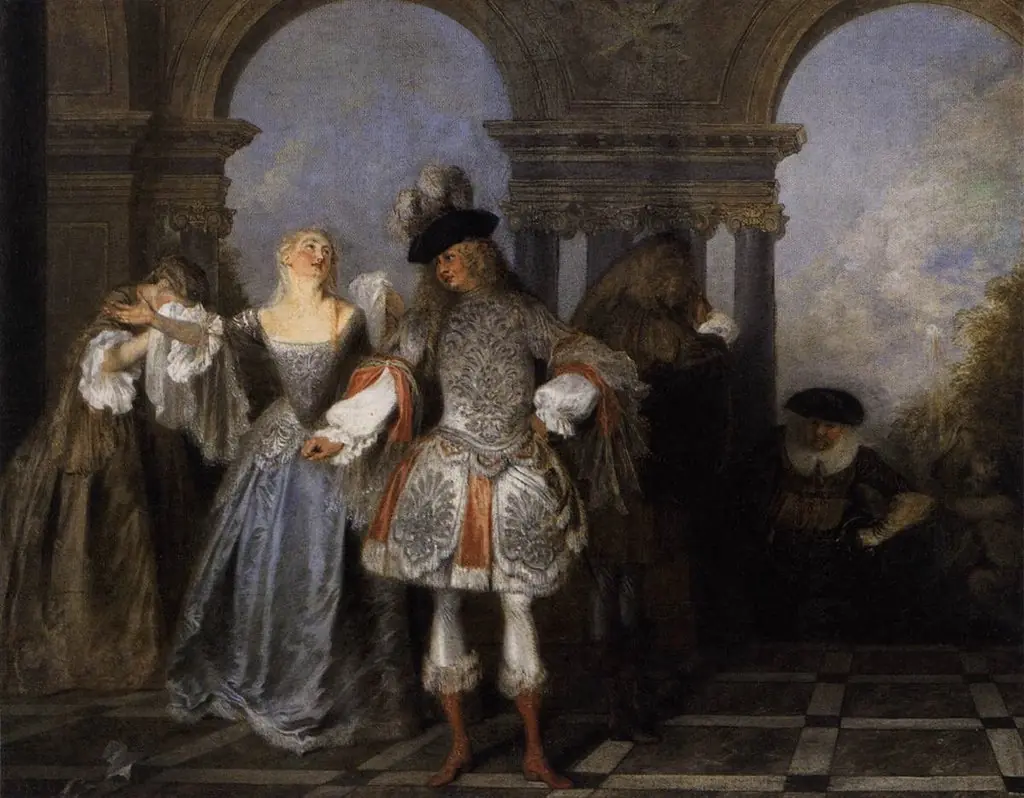 The French Comedians
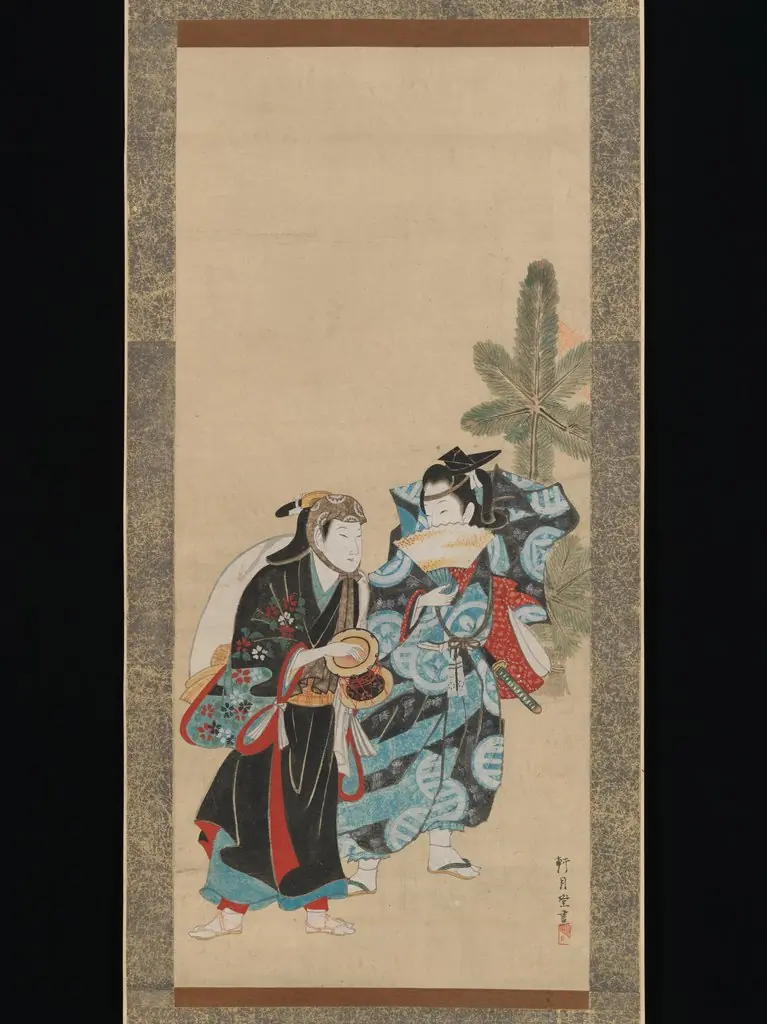 Itinerant Actors
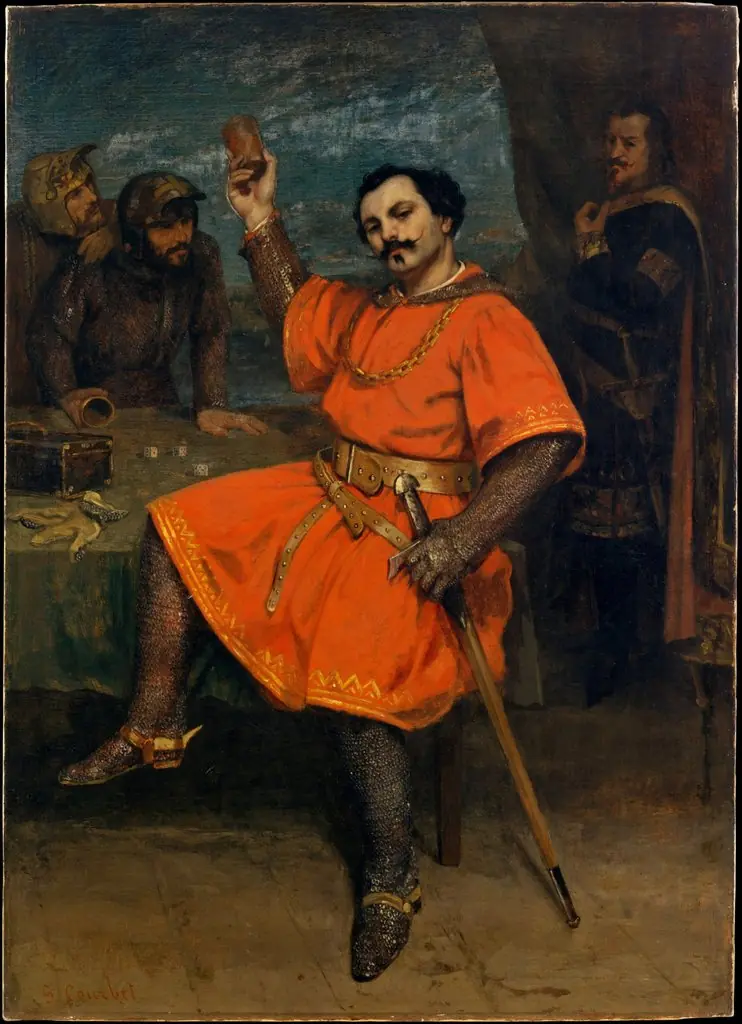 Louis Gueymard (1822–1880) as Robert le Diable
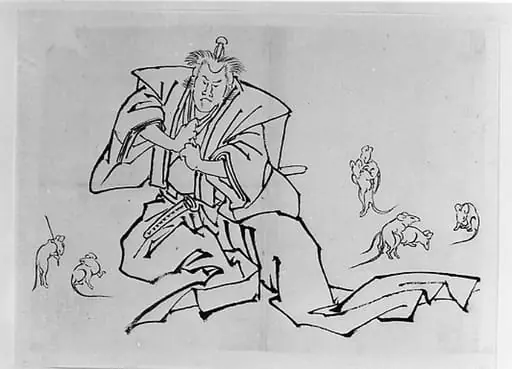 Untitled
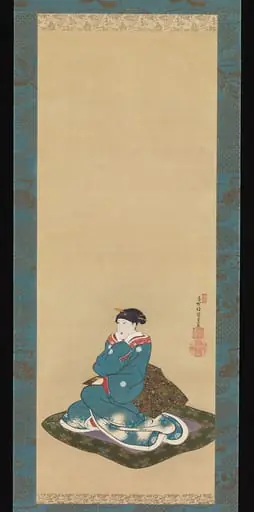 二代目岩井粂三郎の肖像|Portrait of Iwai Kumesaburō II
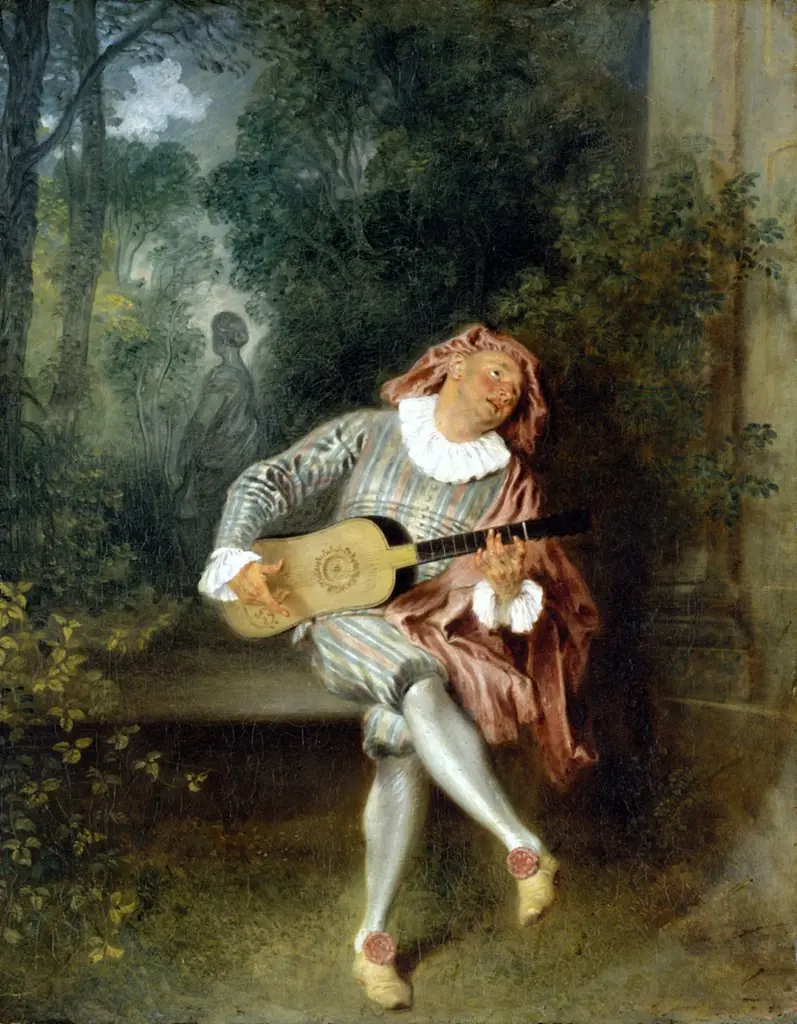 Mezzetin
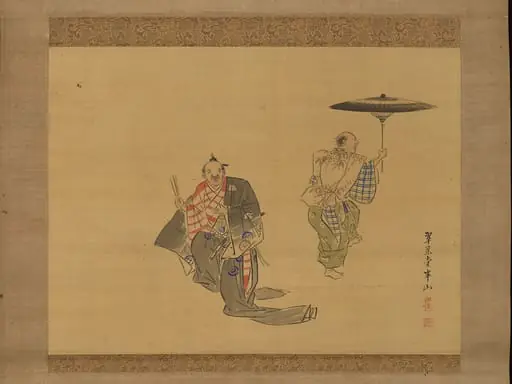 Untitled
 Untitled
 Untitled
 Bandō Mitsugorō II as Shinbei in the Kabuki Play "Sukeroku"
 布袋市右衛門図大津絵|Ōtsu-e of Kabuki Actor Playing Hotei Ichiemon
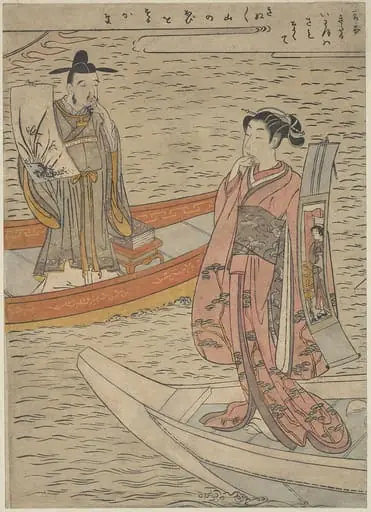 Untitled
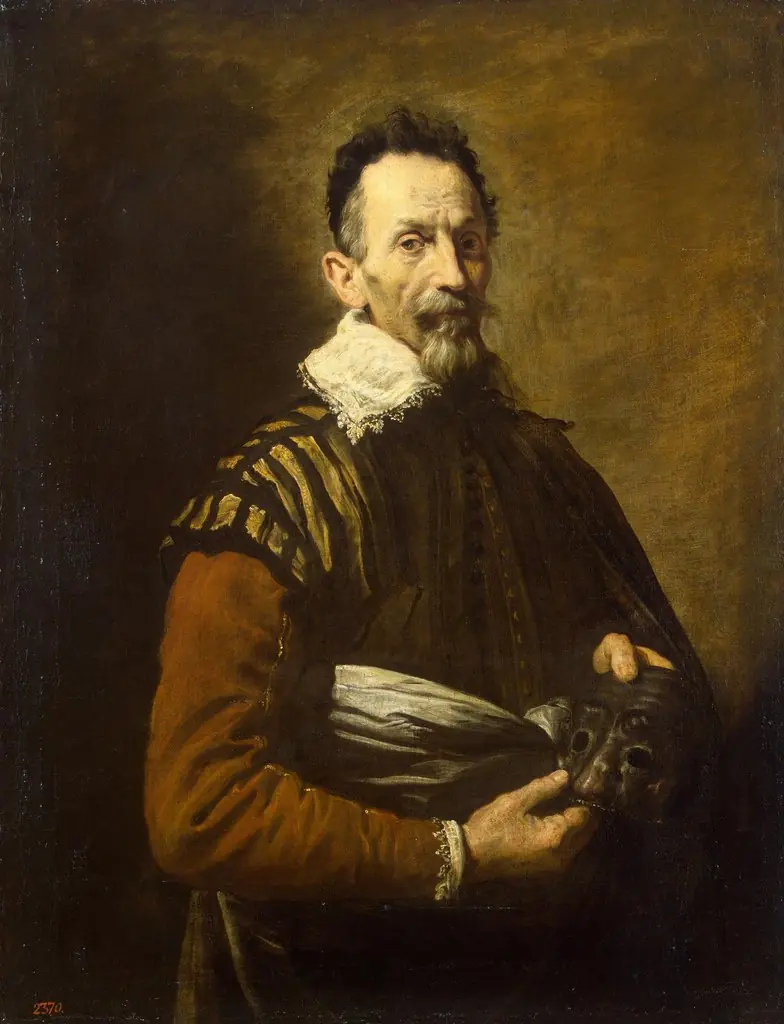 Portrait of an Actor
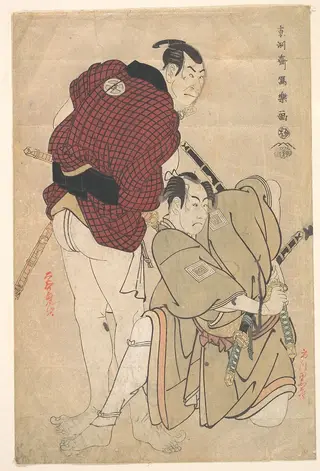 Untitled
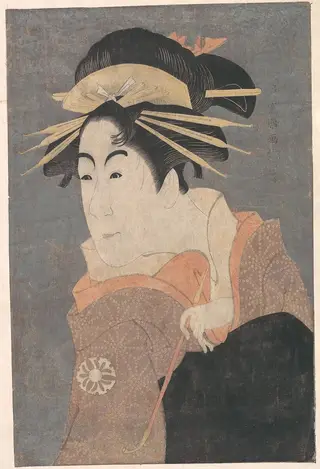 Untitled
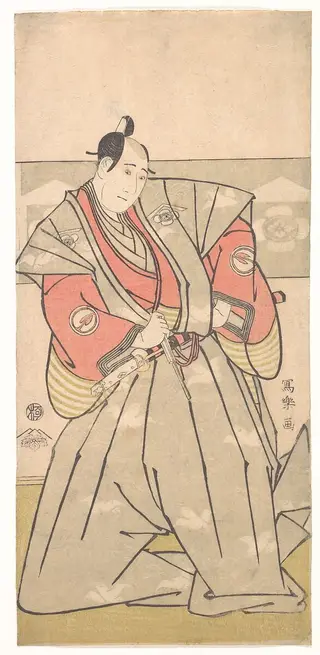 Untitled
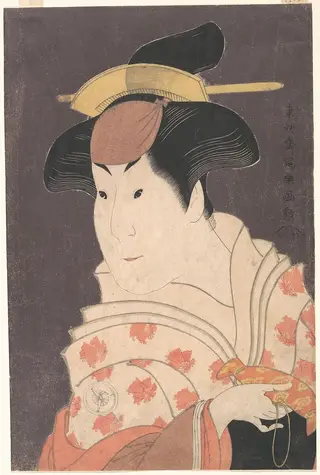 東洲斎写楽画 四代岩井半四郎の重の井 『恋女房染分手綱』|Iwai Hanshirō IV as Shigenoi in the Play "Koinyōbō Somewake Tazuna"
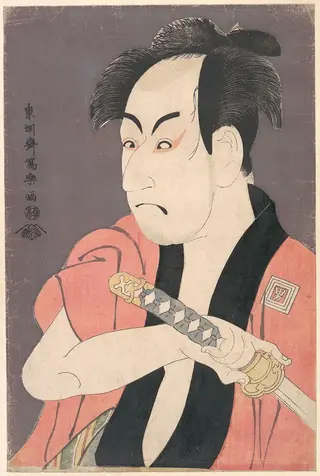 東洲斎写楽画 初代市川男女蔵の奴一平 『恋女房染分手綱』|Ichikawa Omezō I in the Role of Yakko Ippei from the Play "Koinyōbō somewake tazuna"
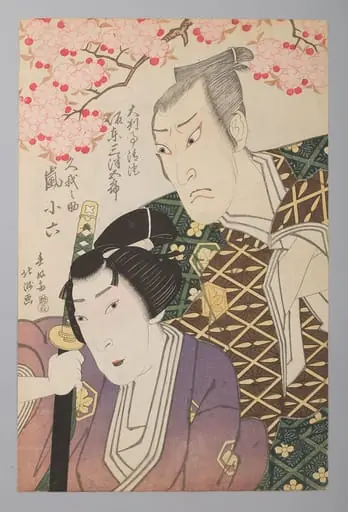 「大判事清澄 坂東三津五郎」(三代)・「久我之助 嵐小六」(四代)|Bandō Mitsugorō III as Daihanji Kiyozumi and Arashi Koroku IV as Koganosuke
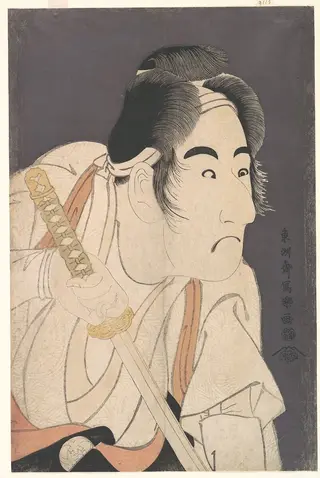 東洲斎写楽画 二世坂東三津五郎の石井源蔵 『花菖蒲文禄曽我』|Bandō Mitsugorō II as Ishii Genzō in the Play "Hana-ayame Bunroku Soga"
 Untitled
 Untitled
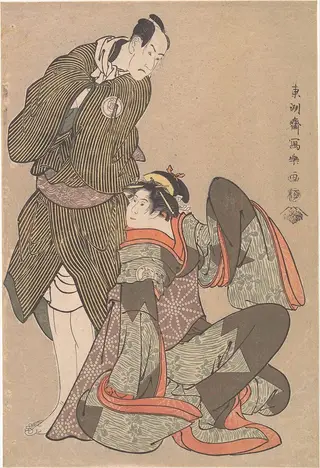 東洲斎写楽画 三代目坂東彦三郎の帯屋長右衛門と四代目岩井半四郎の信濃 屋お半 『二本松陸奥生長』|Bandō Hikosaburō III in the Role of Obiya Chōemon and Iwai Hanshiro IV in the Role of Shinanoya Ohan, from the Play “Nihonmatsu Michinoku sodachi”
 Untitled
 Untitled
 Untitled
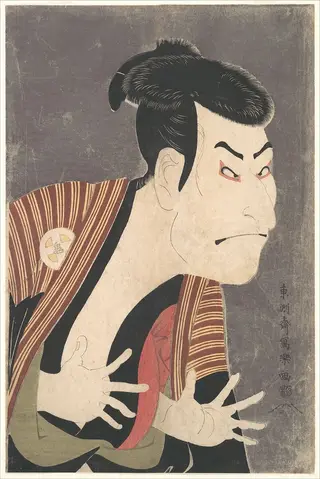 東洲斎写楽画 三代目大谷鬼次の奴江戸兵衛|Kabuki Actor Ōtani Oniji III as Yakko Edobei
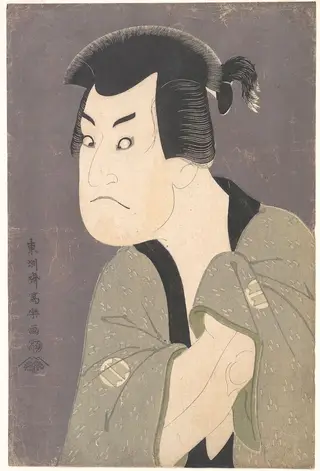 東洲斎写楽画 三世坂田半五郎の藤川水右衛門 『花菖蒲文禄曽我』|Sakata Hangorō III as Fujikawa Mizuemon in the Play "Hana Ayame Bunroku Soga"
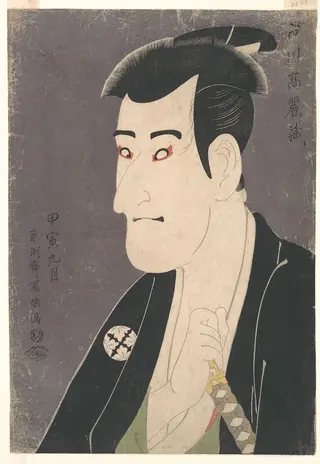 三代目市川高麗蔵の志賀大七|Kabuki Actor Ichikawa Komazō III as Shiga Daishichi in the Play A Medley of Tales of Revenge (Katakiuchi noriaibanashi)
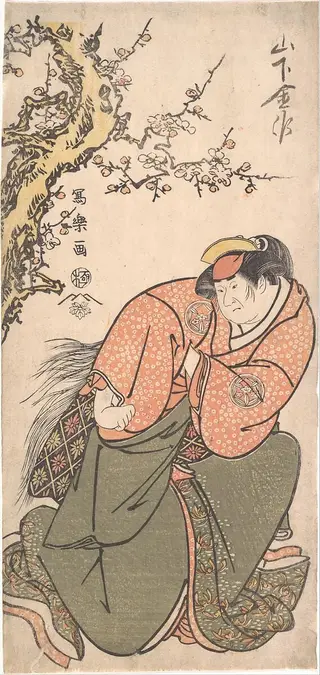 Untitled
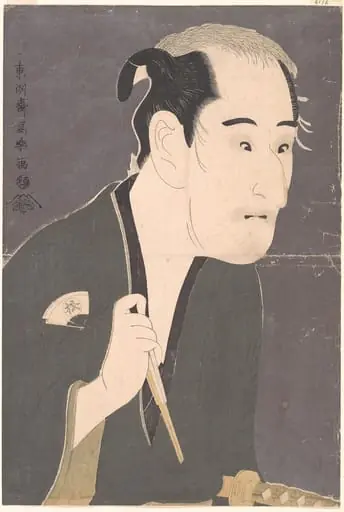 東洲斎写楽画 尾上松助の松下酒之進 『敵討乗合話』|Onoe Matsusuke I as Matsushita Mikinojō in the Play "Katakiuchi noriyaibanashi"
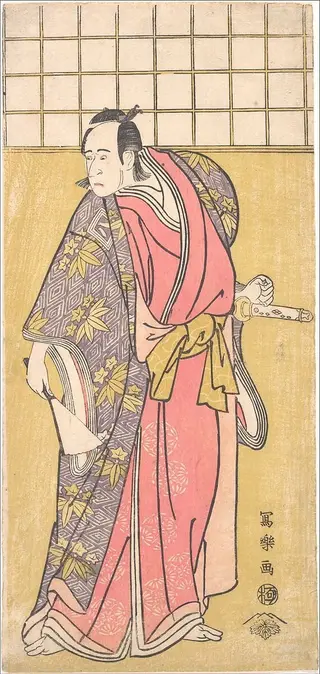 Untitled
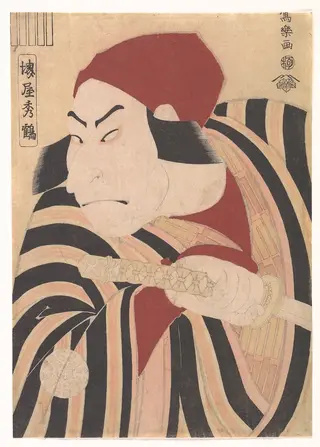 Untitled
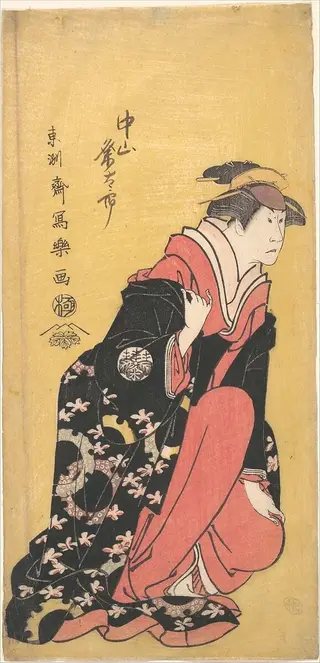 Untitled
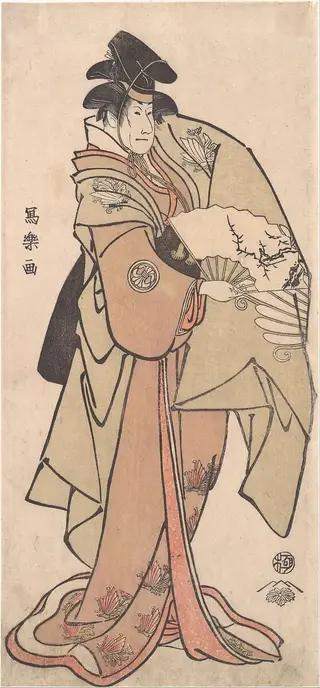 Untitled
 Untitled
 Untitled
 Untitled
 Untitled
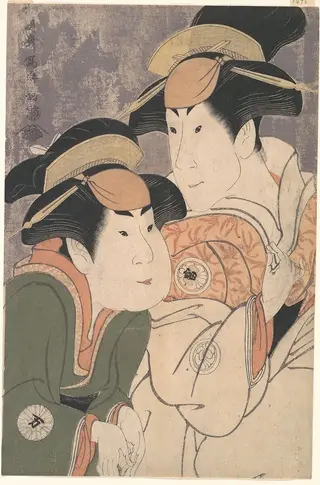 Untitled
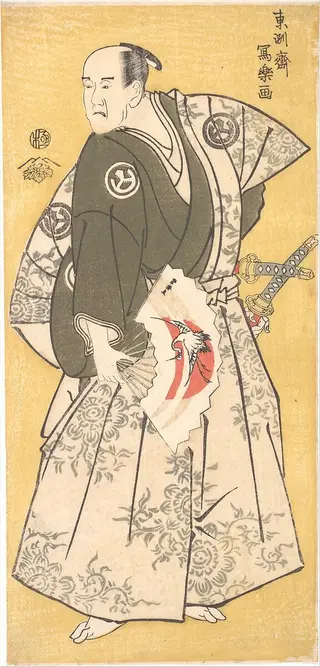 Untitled
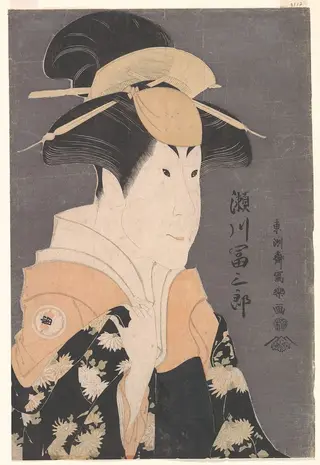 Untitled
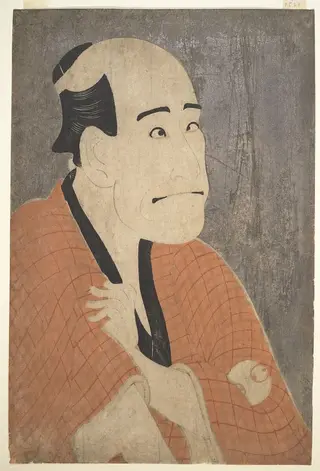 Untitled
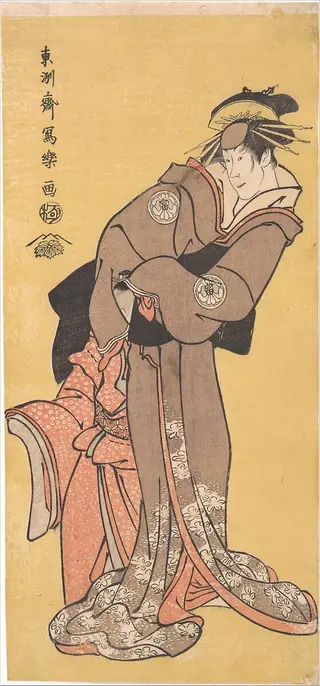 Untitled
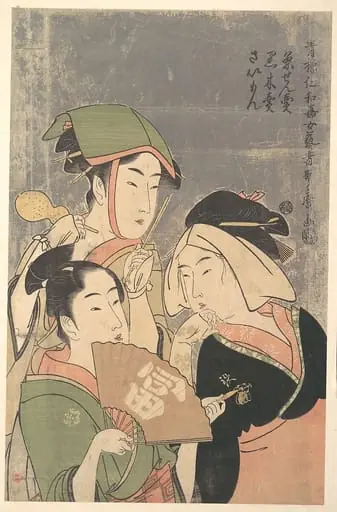 喜多川歌麿画 「青楼仁和嘉女芸者 茶せん売 黒木売 さいもん」|Three Niwaka Performers, Chasenuri, Kurokiri, and Saimon (Tea-whisk Seller, Firewood Seller, Shrine Festival Perfomer), from the “Geisha of the Yoshiwara Niwaka Festival” (Seiro Niwaka Onna Geisha)
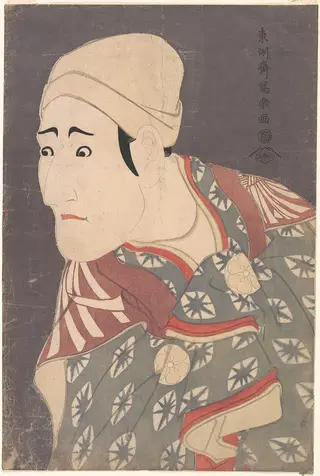 八代目守田勘弥の鴬の次郎作|Kabuki Actor Morita Kan’ya VIII as the Palanquin-Bearer in the Play A Medley of Tales of Revenge (Katakiuchi noriaibanashi)
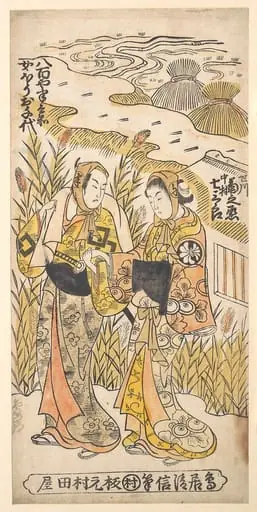
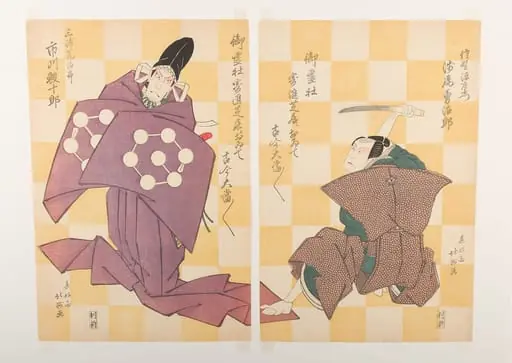 春好斎北洲画 初代浅尾勇次郎・初代市川鰕十郎 『傾城佐野の船橋』|Kabuki Actors Asao Yūjirō as Sano Genzaemon and Ichikawa Ebijūrō I as Miura Arajirō, in the play Keisei Sano no Funabashi
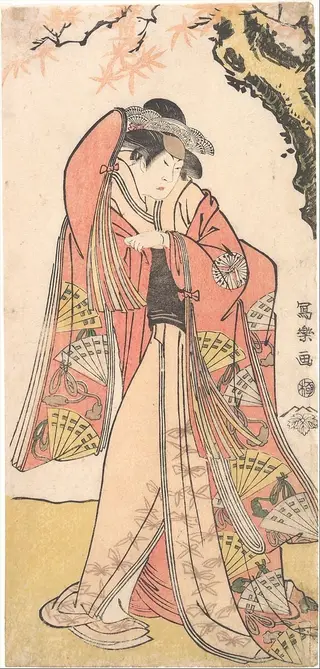 Untitled
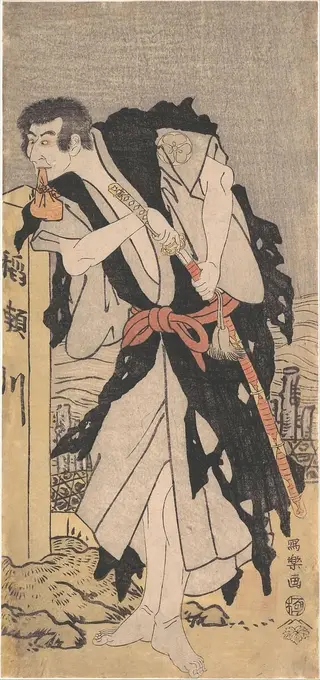 Untitled
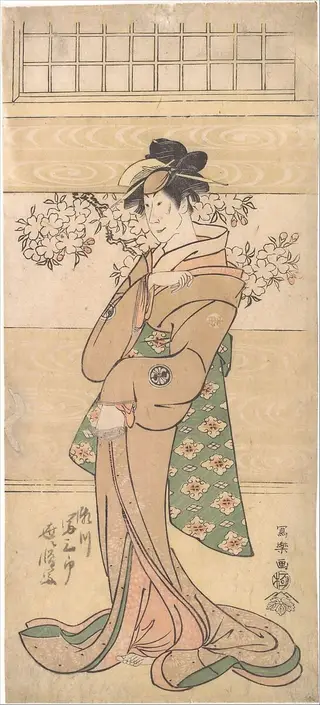 Untitled
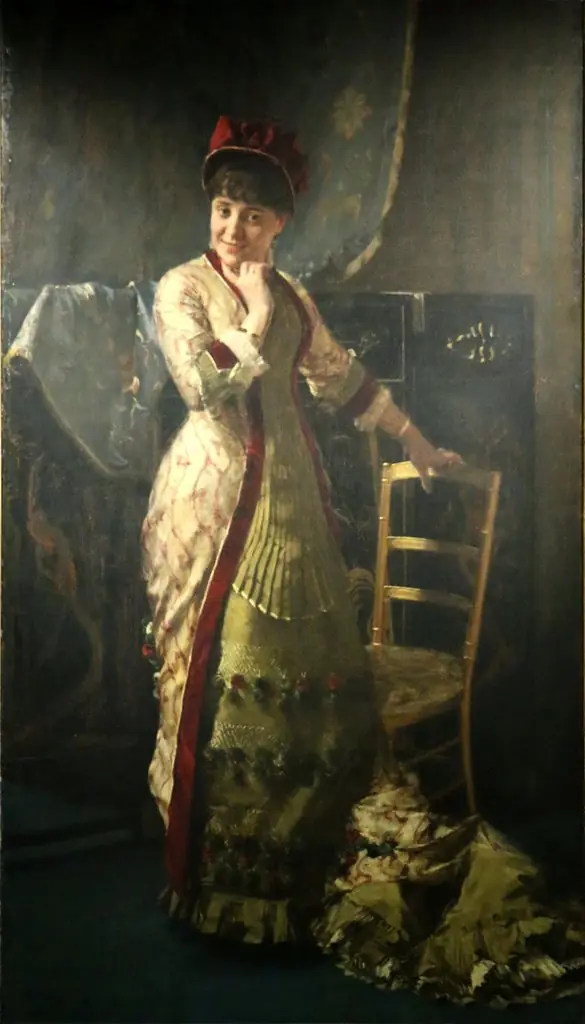 Portrait of Madame Judic during Act II of "Niniche"
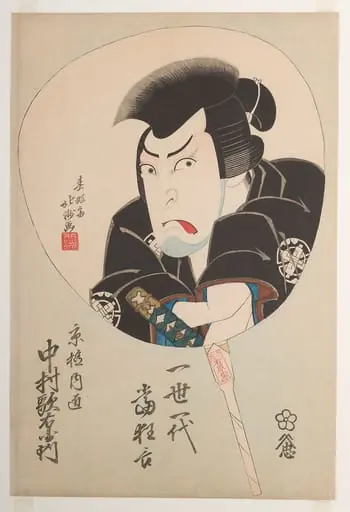 春好斎北洲画 三代目中村歌右衛門 『一世一代当狂言』|Kabuki Actor Nakamura Utaemon III as the Sword Master Kyōgoku Takumi, from the series Issei ichidai atari Kyōgen (Hits of a Lifetime of Kyōgen)
 Untitled
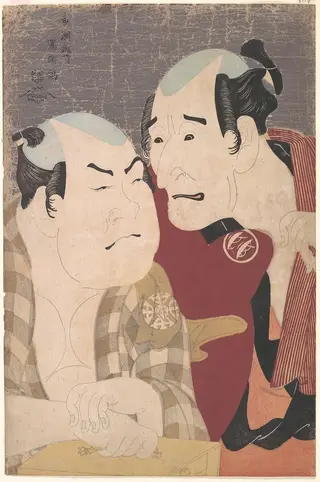 東洲斎写楽画 初世中島和田右衛門のぼうだら長左衛門と初世中村此蔵の船宿かな川やの権 『敵討乗合話』|Nakajima Wadaemon and Nakamura Konozō as Bōdara no Chōzaemon and Kanagawaya no Gon in the Play "Katakiuchi noriyaibanashi"
 Untitled
 Untitled
 Untitled
 Untitled
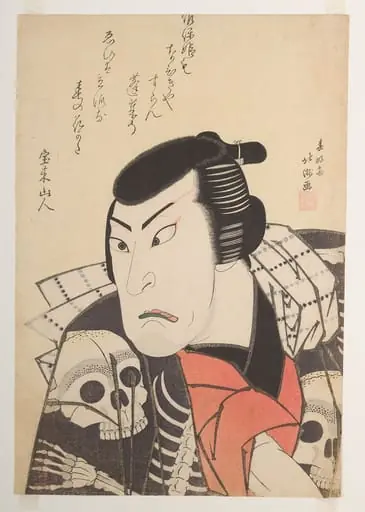 春好斎北洲画 初代市川鰕十郎 「紅紫大坂潤」|Kabuki Actor Ichikawa Ebijūrō I as Tōken (China Dog) Jūbei, in the play Benimurasaki ai de someage (Red and Purple, Rich Dyes of Osaka)
 Untitled
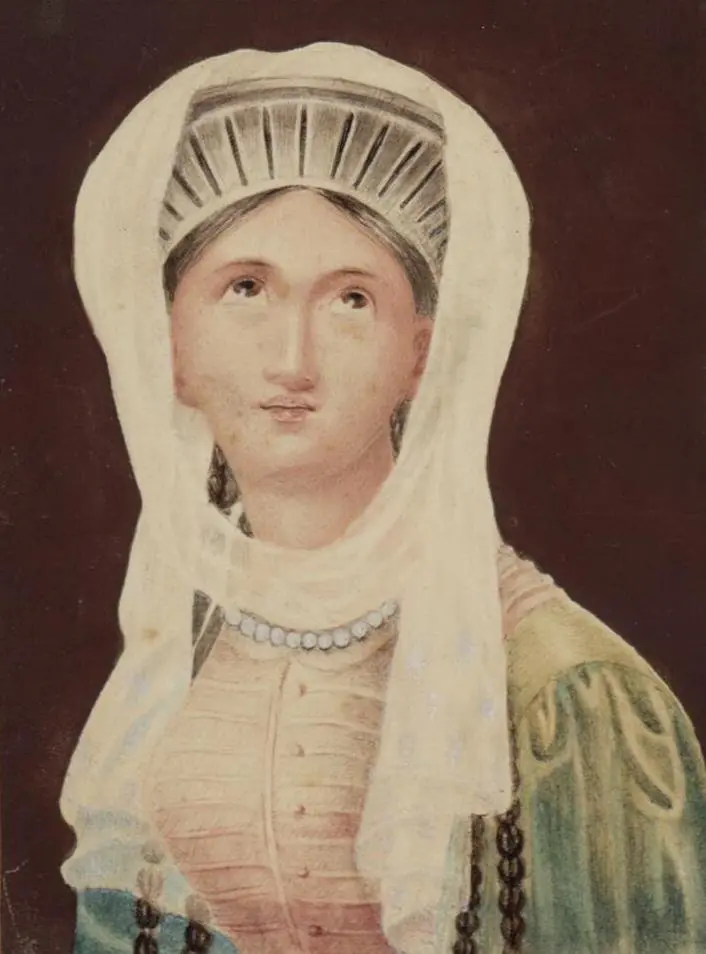 Mrs Siddons as Constance in King John
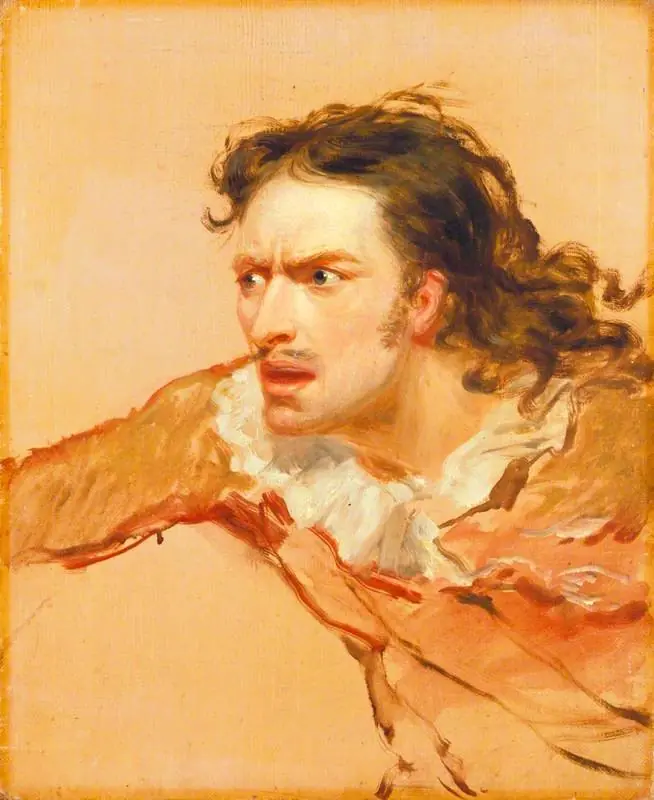 Edmund Kean (1787–1833), as Sir Giles Overreach in 'A New Way to Pay Old Debts' by Philip Massinger
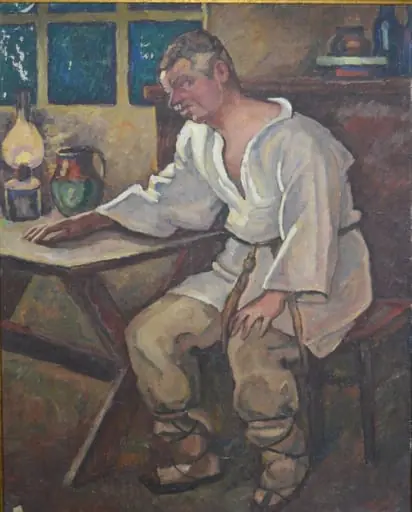 Țăran Personajul Ion din Năpasta (actorul Iancu Brezeanu)
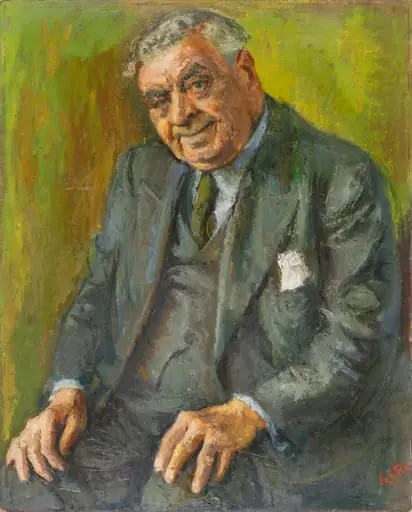 Actorul Nicolae Soreanu
 Untitled
 Untitled
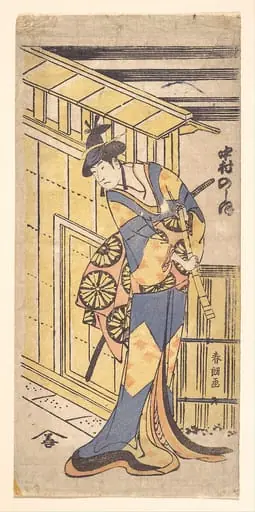 二代中村野塩|The Actor Nakamura Noshio II, in Female Role, Holding a Shakuhachi (Bamboo Flute)
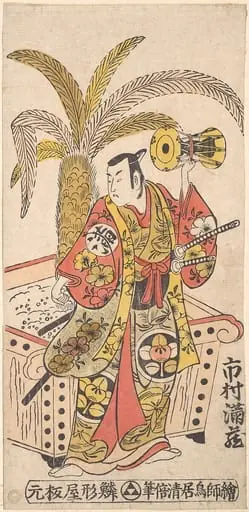 Untitled
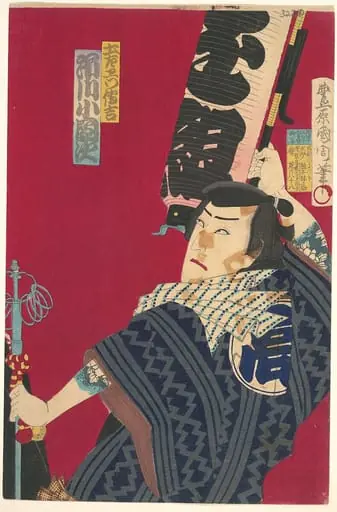 市川左小治 土左衛門伝吉|Ichikawa Sadanji as Dozaemon Denkichi in a Kabuki Play
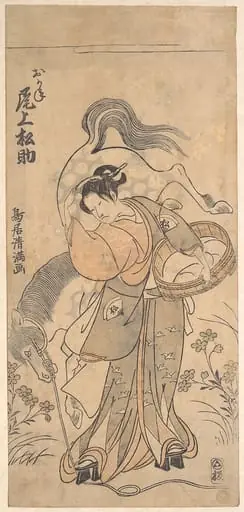 Untitled
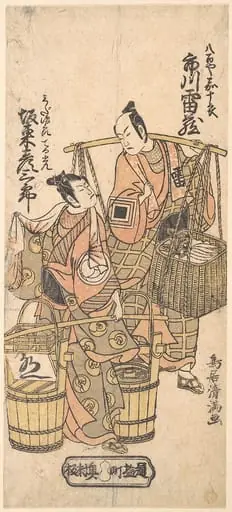 鳥居清満画 初代市川雷藏・二代目坂東彦三郎|Kabuki Actors Ichikawa Raizō I and Bandō Hikosaburō II
 Untitled
 Untitled
 市川団十郎|The Actor Ichikawa Danjuro I 1660–1704
 Untitled
 Untitled
 Untitled
 Untitled
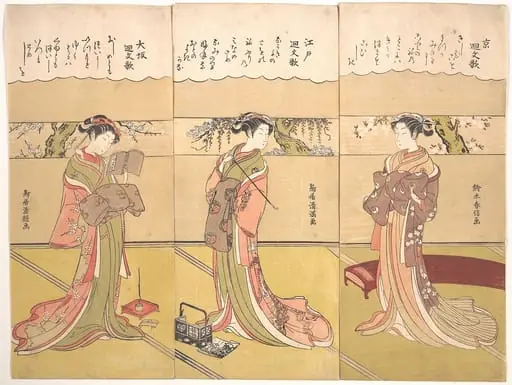 回文歌 京 大阪 江戸|Palindromic Poems (Kaibunka): Kyo
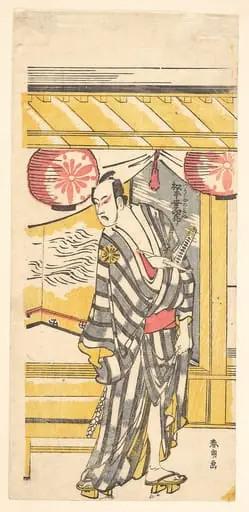 松本幸四郎|Matsumoto Koshiro IV as Tsurifune no Sabu
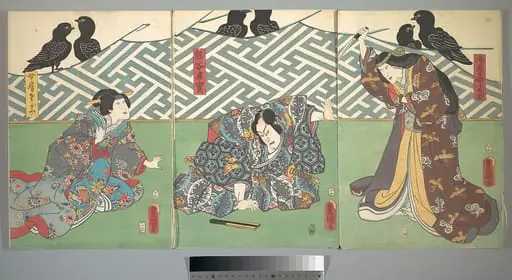 Untitled
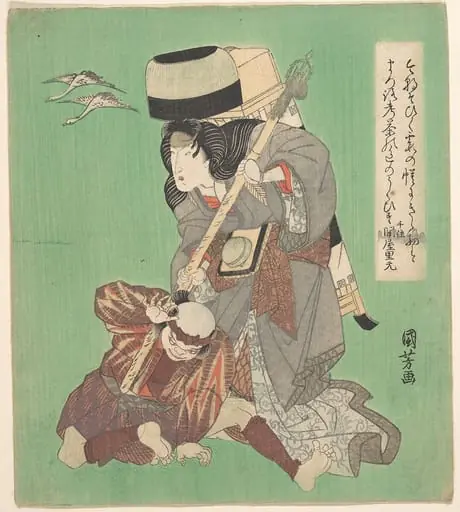 Untitled
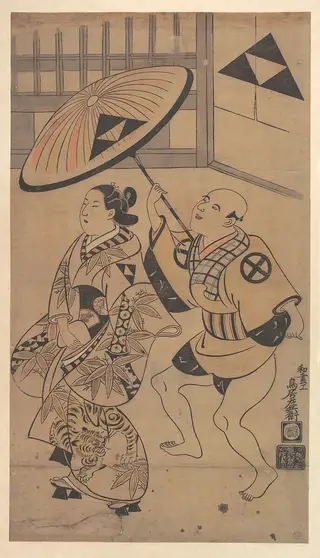 Untitled
 Untitled
 Untitled
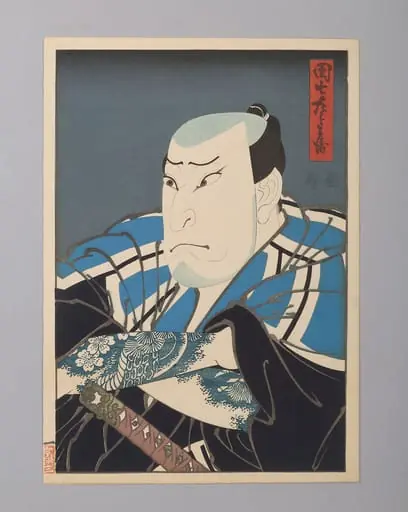 「団七九郎兵衛」|Nakamura Utaemon IV as Danshichi Kurobei
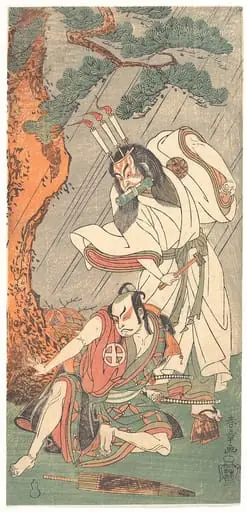 九代目市村羽左衛門・三代目大谷廣次|Kabuki Actors Ichimura Uzaemon IX as Ko-kakeyama and Ōtani Hiroji III as Kōga Saburō
 Untitled
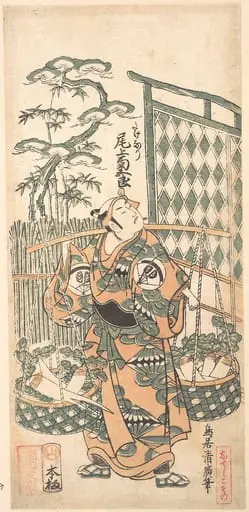 鳥居清広画 初代目尾上菊五郎|Kabuki Actor Onoe Kikugorō I in The Belle of Asakusa Temple (Keisei Asakusa no Kane)
 Untitled
 Untitled
 Untitled
 Untitled
 Untitled
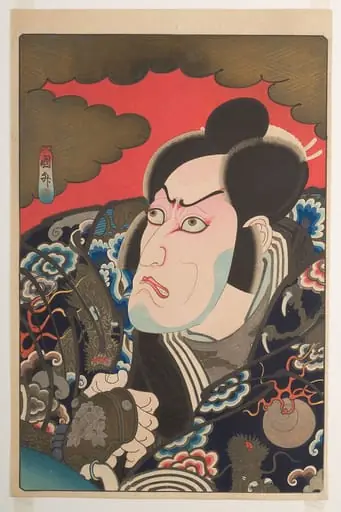 歌川国升画 五代目市川海老蔵 「熊谷次郎直実」|Kabuki Actor Ichikawa Ebizō V as Kumagai Jirō Naozane
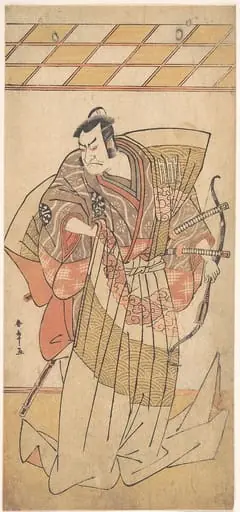 Untitled
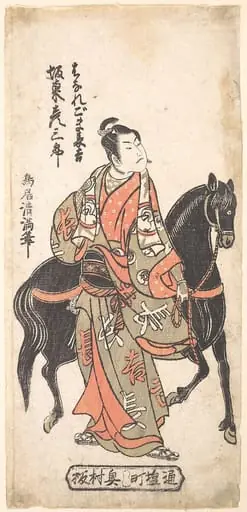 Untitled
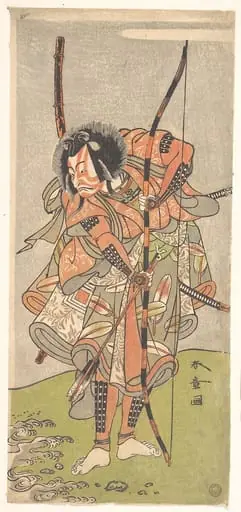 三代目市川海老蔵|Kabuki Actor Ichikawa Ebizō III (Ichikawa Danjūrō IV)
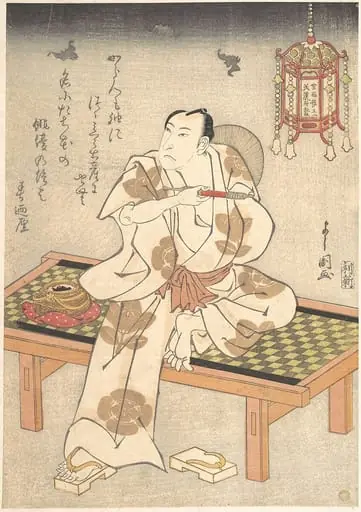 Untitled
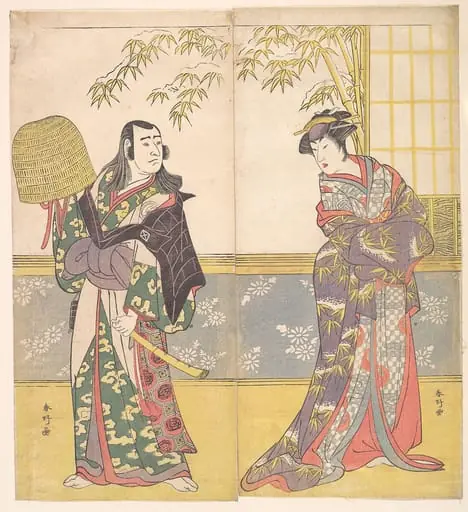 勝川春好画 三代目澤村宗十郎 三代目佐野川市松 |Kabuki Actors Sawamura Sōjūrō III and Sanogawa Ichimatsu III in "A Courtesan’s Mirror for the Eastern Provinces" (Keisei Azuma kagami)
 Untitled
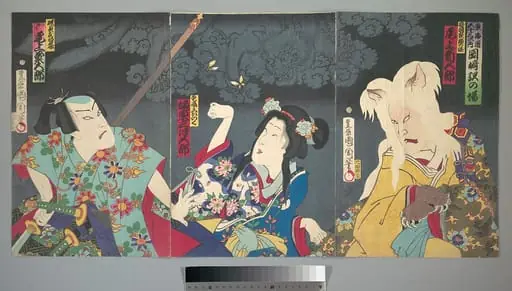 東海寄談音児館|Onoe Kikugorō V as Otowake Neko no ke (Right), Bandō Mitsugorō IV as Aishō Michinoku (Center), Onoe Kikugorō V as Isogai Mibunosuke (Left) in the Kabuki play Tōkai Kidan Nekomata Yashiki
 Untitled
 Untitled
 Untitled
 三代目瀬川菊之丞|Kabuki Actor Segawa Kikunojō III in a Female Role
 Untitled
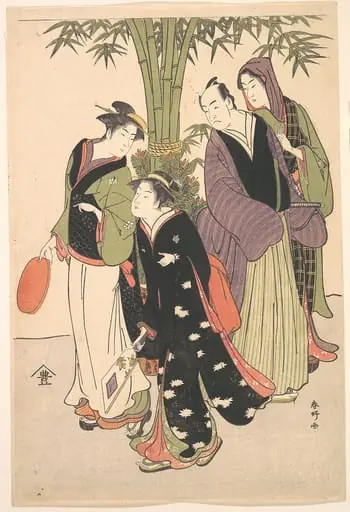 勝川春好画 三代目瀬川菊之丞・二代目市川門之助|Kabuki Actors Segawa Kikunojō III and Ichikawa Monnosuke II and Two Courtesans Celebrating the New Year
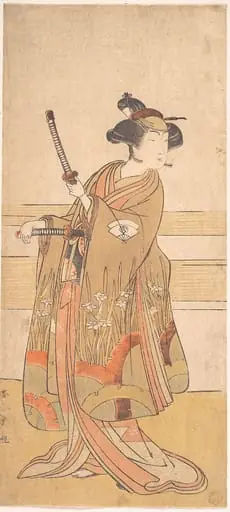 Untitled
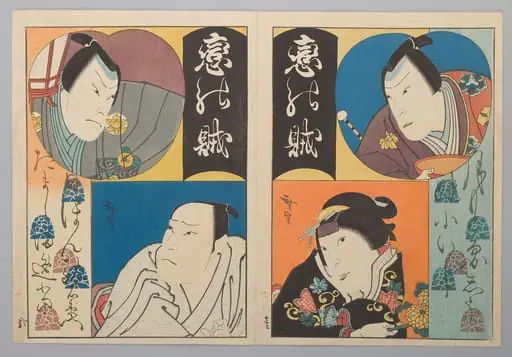 Untitled
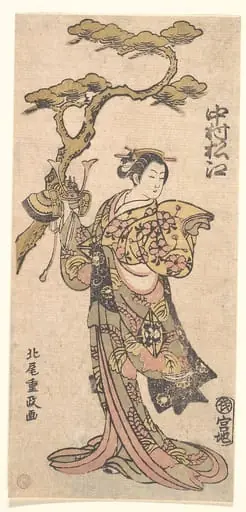 Untitled
 Untitled
 Untitled
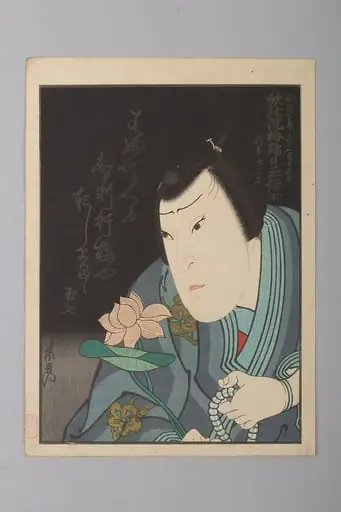 「中村玉七」(初代)|Memorial Portrait of the Actor Nakamura Tamashichi
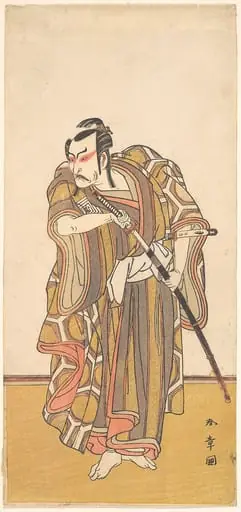 四代目市川團蔵|Kabuki Actor Ichikawa Danzō IV
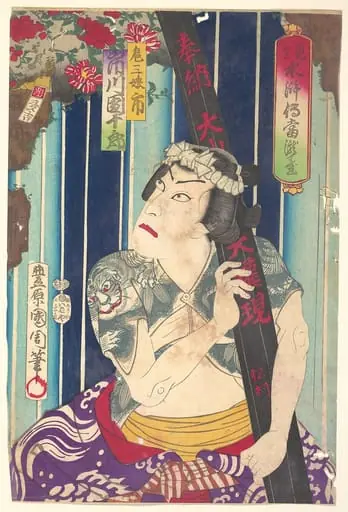 Untitled
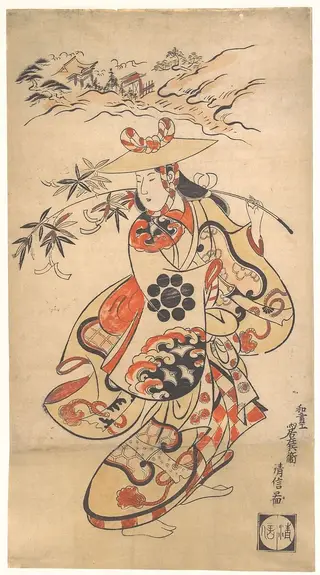 Untitled
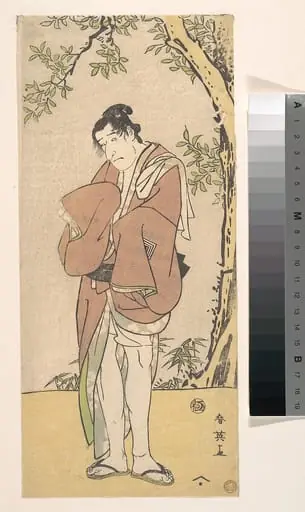 三代目市川高麗蔵|The Actor Ichikawa Komazō III
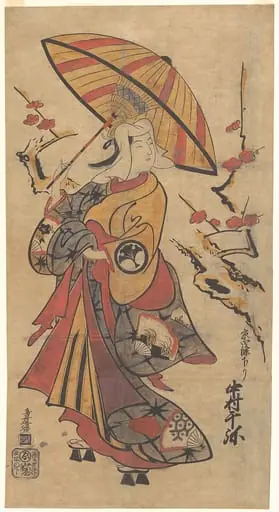 Untitled
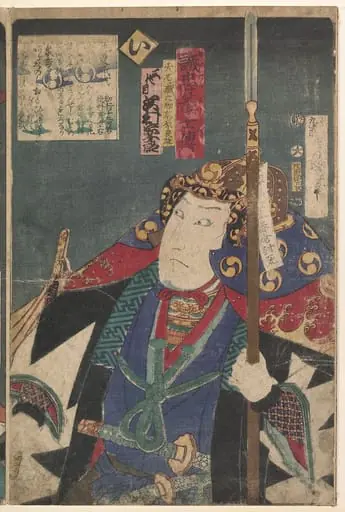 Untitled
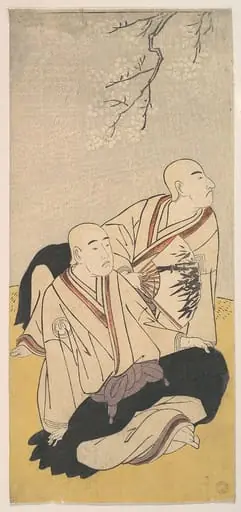 Untitled
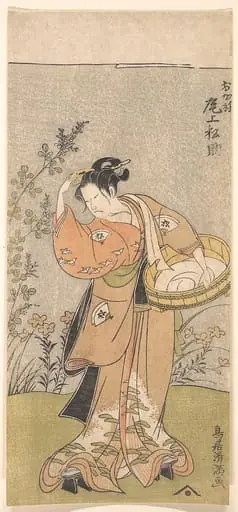 Untitled
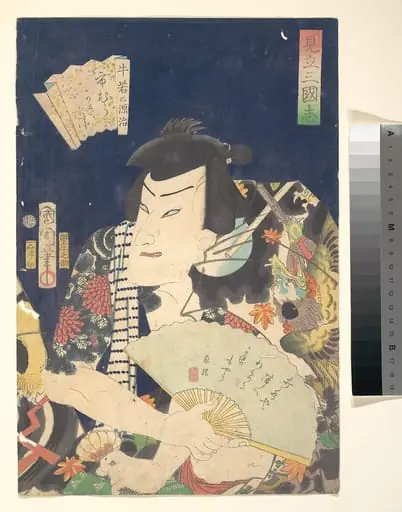 見立三国志 牛若の源治|Ichimura Kakitsu IV as Ushiwaka no Genji in the Kabuki play A Parody of the Romance of the Three Kingdoms (Mitate Sangokushi-Ushiwaka no Genji)
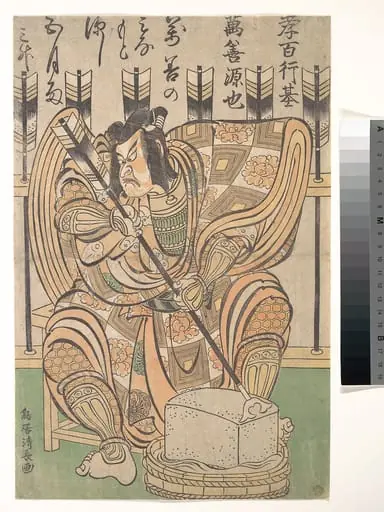 Untitled
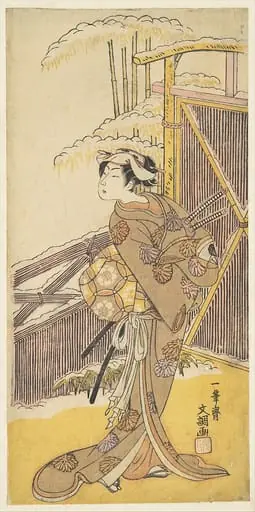 初世尾上菊五郎の戸無瀬|Onoe Kikugorō as Tonase, from Kanadehon Chūshingura (Kanadehon Chūshingura, Shosei Onoe Kikugorō no Tonase)
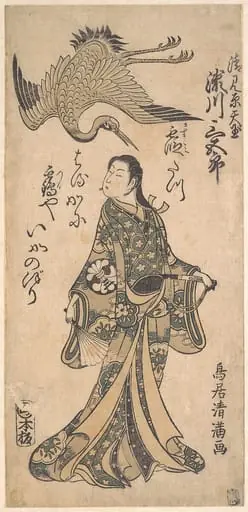 Untitled
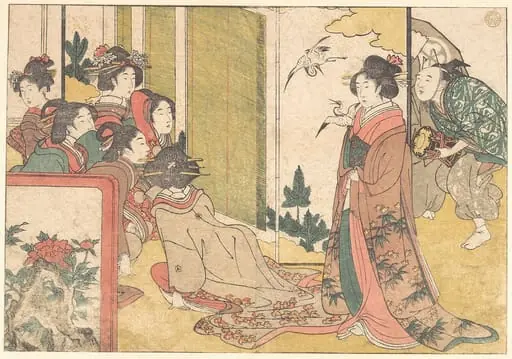 四季の花|Girls Entertained by Performers, from the illustrated book Flowers of the Four Seasons
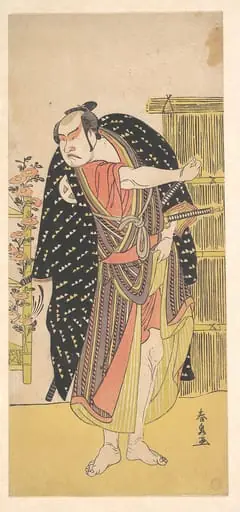 勝川春泉画 三代目大谷廣次|Kabuki Actor Ōtani Hiroji III
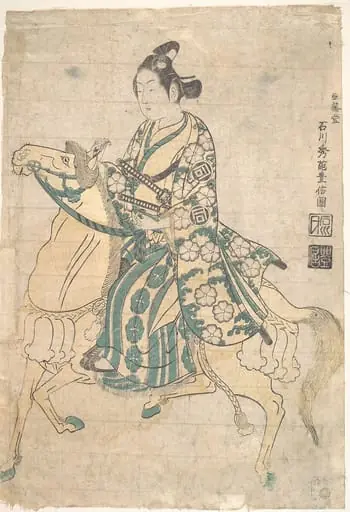 Untitled
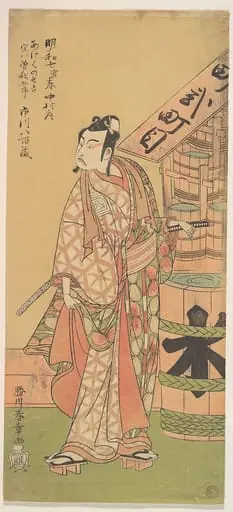 二代目市川八百蔵|Kabuki Actor Ichikawa Yaozō II
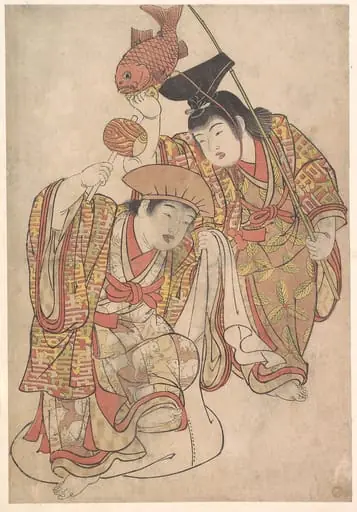 Untitled
 Untitled
 Untitled
 Untitled
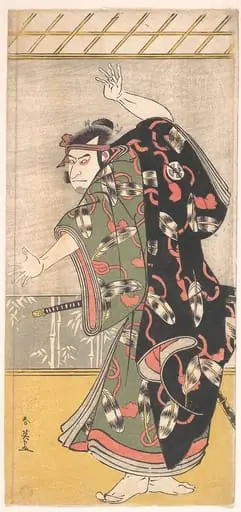 勝川春英画 三代目大谷鬼次|Kabuki Actor Ōtani Oniji III
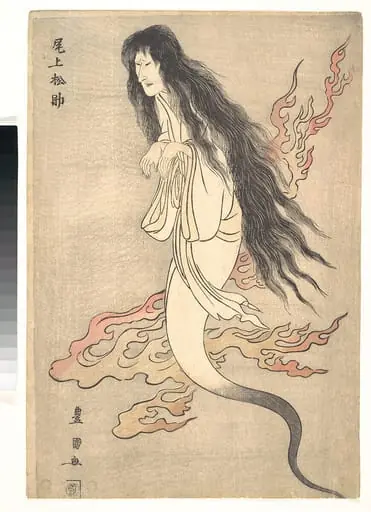 Tokaido Yotsuya Kaidan|Onoe Matsusuke as the Ghost of the Murdered Wife Oiwa, in "A Tale of Horror from the Yotsuya Station on the Tokaido Road"
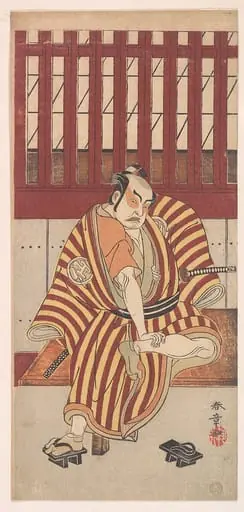 Untitled
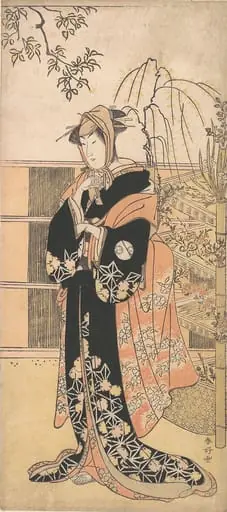 勝川春好画 三代目瀬川菊之丞|Kabuki Actor Segawa Kikunojō III in a Woman’s Role
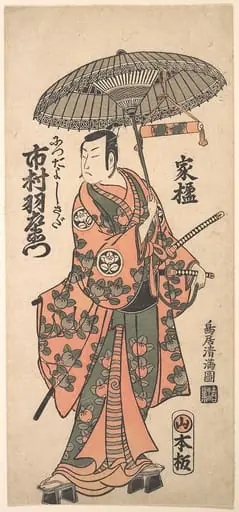 鳥居清満画 九代目市村羽左衛門|Kabuki Actor Ichimura Uzaemon IX
 Untitled
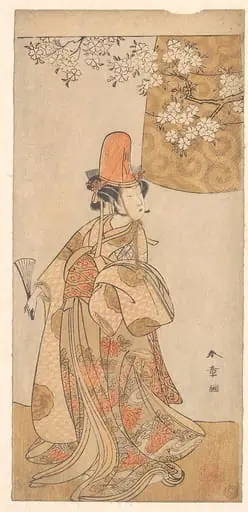 花形見風折烏帽子瀬川富三郎の娘道成寺|Segawa Tomisaburo in the Role of Musume Dojoji in "Hanagatami Kazaori Eboshi"
 Untitled
 Untitled
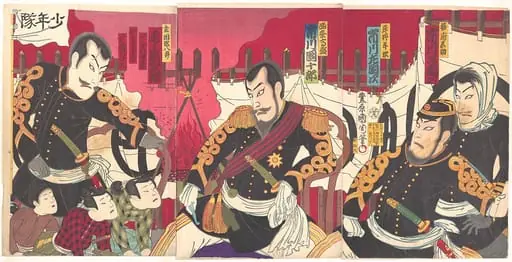 「摂府真助」「市川子團次」「岸野年秋 市川左團次」 「西条高盛 市川團十郎」 「倉田進八郎 尾上菊五郎」「正太郎 中村仲太郎」「孫市 尾上菊之介」「徳丸 市川幸作」西南雲晴朝東風|Ichikawa Kodanji as Seppu Shinsuke, Ichikawa Sadanji as Kishino Toshiaki, Ichikawa Danjūrō as Saijō Takamori, Onoe Kikugorō as Kurata Shinpachirō, Nakamura Chūtarō as Shōtarō, Onoe Kikunosuke as Magoichi, and Ichikawa Kōsaku as Tokumaru in the play Okige no kumo harau asa gochi
 Untitled
 Untitled
 Untitled
 Untitled
 勝川春好画 七代目片岡仁左衛門 五代目市川團十郎|Kabuki Actor Ichikawa Danjūrō V
 「二代目瀬川菊之丞図」|The Kabuki Actor Segawa Kikunojō II as a Woman Reading a Letter
 Untitled
 Untitled
 Untitled
 Untitled
 Untitled
 Untitled
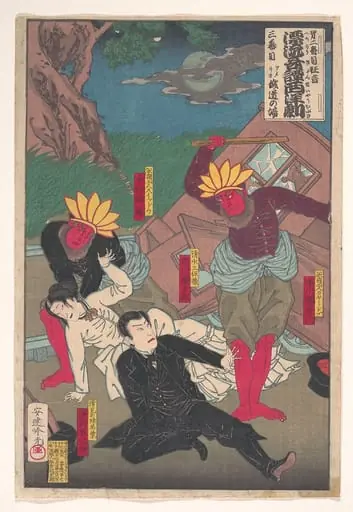 安達吟光画 第二番目狂言 漂流奇譚 西洋劇 三幕目 アメリカ鉄道の場|“Act II, Scene 2: Along Train Tracks in America,” from the series The Strange Tale of the Castaways: A Western Kabuki
 Untitled
 Untitled
 Untitled
 Untitled
 Untitled
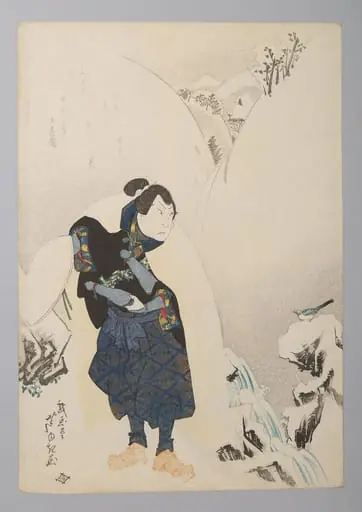 二代目嵐璃寛宮本武蔵|Arashi Rikan II as Miyamoto Musashi
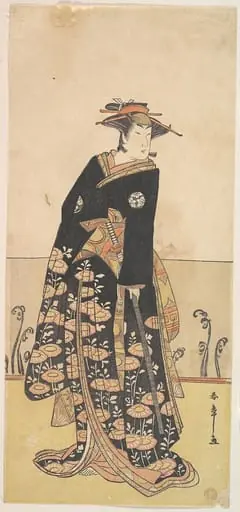 勝川春章画 二代目小佐川常世|Kabuki Actor Osagawa Tsuneyo II
 Untitled
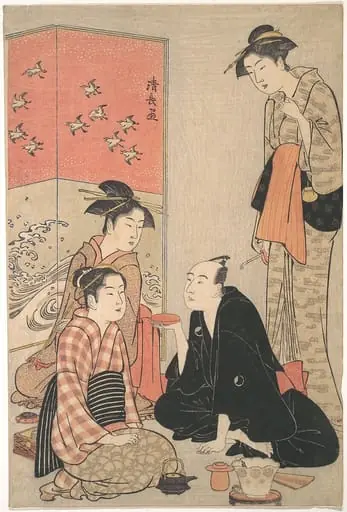 三代目沢村宗十郎と遊女|The Kabuki Actor Sawamura Sōjūrō III and Courtesans
 Untitled
 Untitled
 Untitled
 Untitled
![Michiyuki no embō|Evening Glow on a Traveling Drama [Chinese watching a Kabuki play]](https://artifactworldgallery.com/img/utagawa-yoshitora--michiyuki-no-embo-evening-glow-on-a-traveling-drama-chinese--d1f5bd27ea6e846c-w320.webp) Michiyuki no embō|Evening Glow on a Traveling Drama [Chinese watching a Kabuki play]
Michiyuki no embō|Evening Glow on a Traveling Drama [Chinese watching a Kabuki play]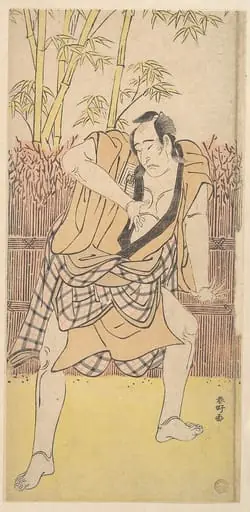 Untitled
 Untitled
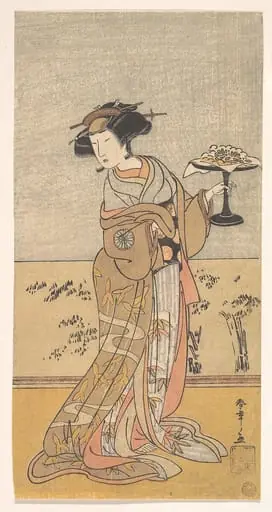 初代中村富十郎|Kabuki Actor Nakamura Tomijūrō
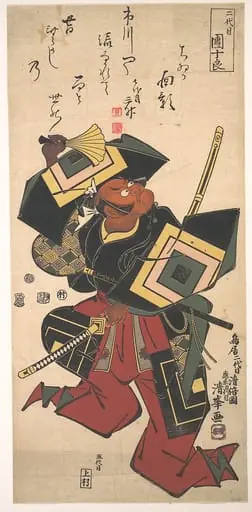 Untitled
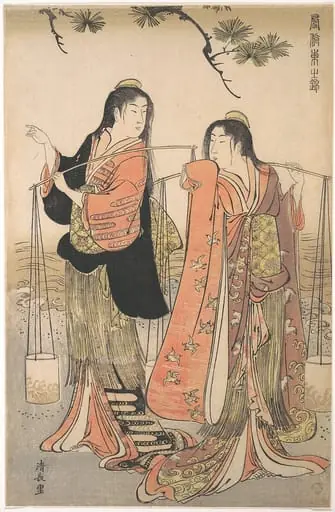 Shiokumi|The Dance of the Beach Maidens from the series Brocade of the East
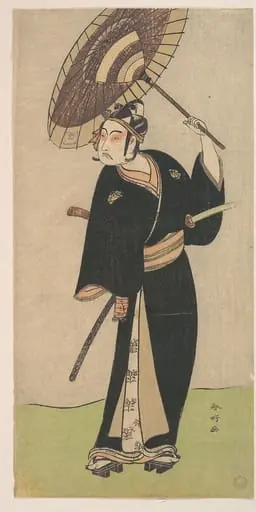 Untitled
 Untitled
 Untitled
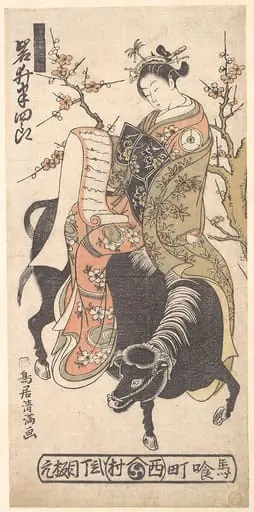 「岩井半四郎図」|The Actor Iwai Hanshiro as a Courtesan Reading a Love Letter while Mounted on a Black Ox
 Untitled
 Untitled
 Untitled
 Untitled
 Untitled
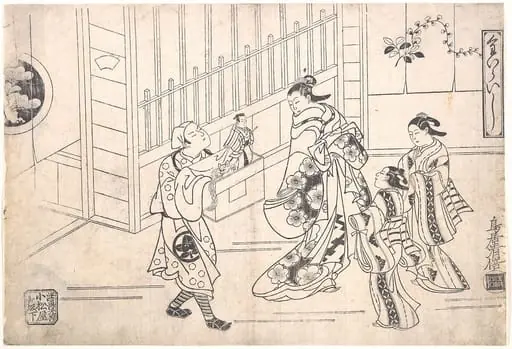 Kairaishi|The Actor Ichimura Takenojo VIII in the Role of a Puppeteer, showing Puppets to a Courtesan
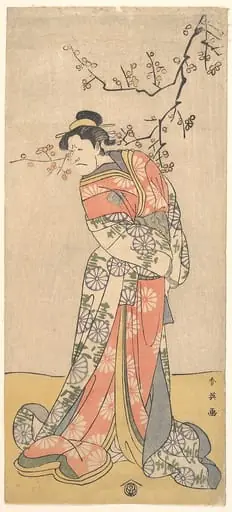 Untitled
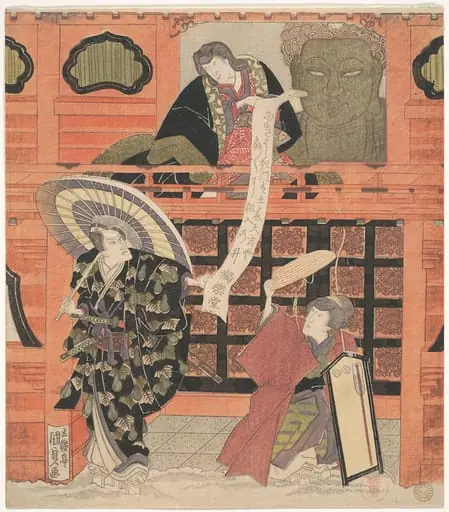 Untitled
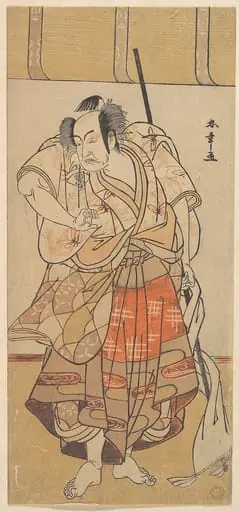 Untitled
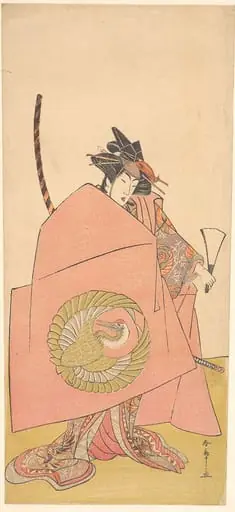 三代目瀬川菊之丞のわっぱ菊王にて女朝比奈の草摺引|The Actor Segawa Kikunojō III as Wappa no Kikuō in a Woman’s “Asahina Armor Pulling” (Asahina no kusazuri-biki) Scene
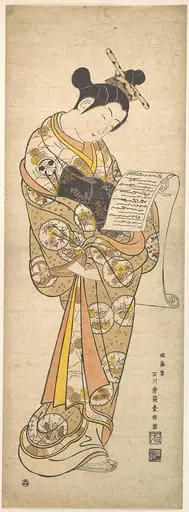 初代瀬川菊之丞の傾城図|The Kabuki Actor Segawa Kikunojo in the Role of a Courtesan Reading a Letter
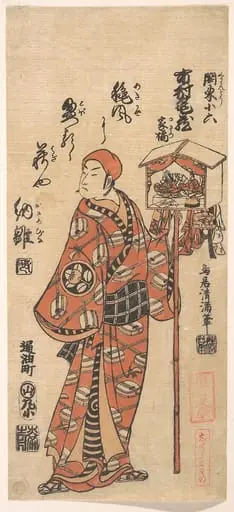 Untitled
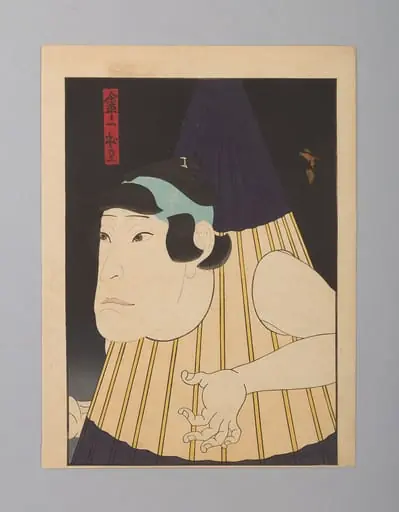 「傘一本足」|“One-Legged Umbrella Monster” (Kasa ippon ashi)
 Untitled
Frequently asked questions
What is Actor?
Actor is a subject in art. An actor (masculine/gender-neutral), or actress (feminine), is a person who portrays a character in a production.
How many Actor works does Artifact World Gallery have?
Artifact World Gallery holds 200 public-domain Actor works, all free to view and download.
Who are the key Actor artists?
Key Actor artists in the collection include Gustave Courbet, Henry Inman and Shunkōsai Hokushū.
Where can I see Actor works?
Actor works in the collection are held by Metropolitan Museum of Art, Victoria and Albert Museum and Museum of Fine Arts Boston.