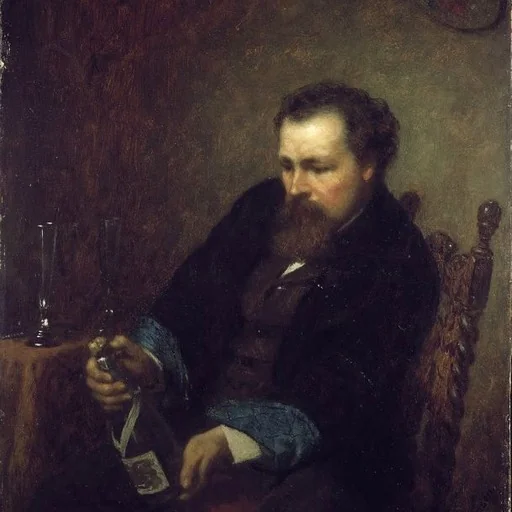
Subject
Lantern
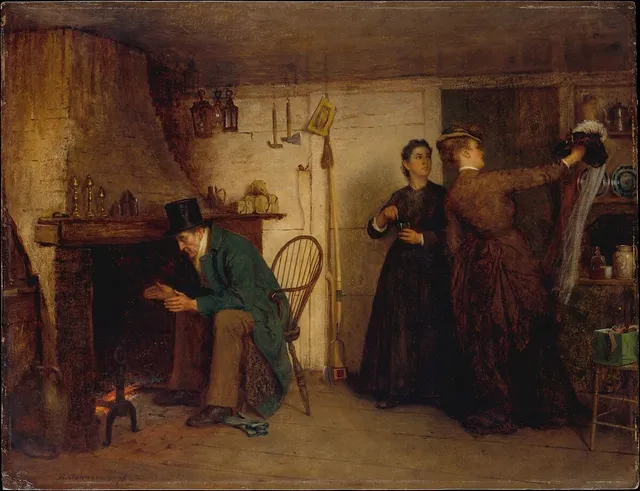
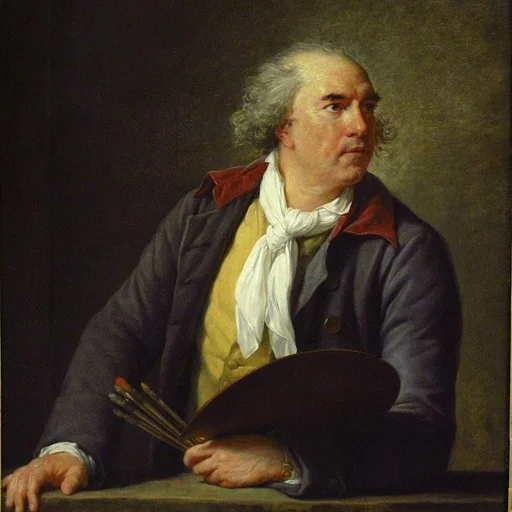
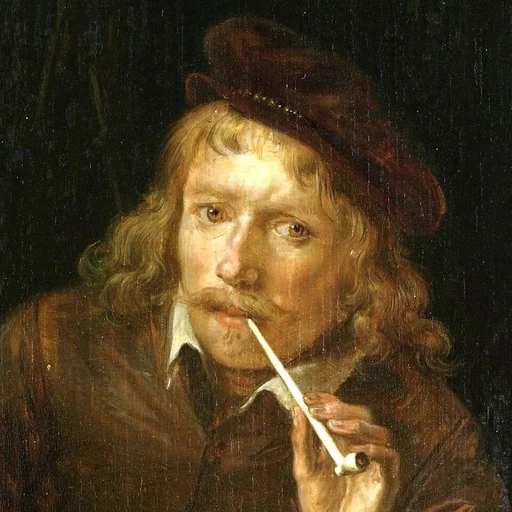
Lantern is a subject in art. The gallery holds 42 works in this subject in art, including works by Eastman Johnson, John Singer Sargent and Hubert Robert.
A lantern is a source of lighting, often portable. It typically features a protective enclosure for the light source – historically usually a candle, a wick in oil, or a heated mesh, and often a battery-powered light in modern times – to make it easier to carry and hang up, and make it more reliable outdoors or in drafty interiors.
Key artists
Overview
A lantern is a portable or fixed source of lighting featuring a protective enclosure around a light source, historically a candle, an oil wick, or a heated mesh. This enclosure, typically constructed from metal, glass, paper, or thin animal horn, shields the flame from wind, rain, and mechanical impact, making the light more reliable outdoors and in drafty interiors while reducing the risk of fire from stray sparks. Beyond mere illumination, lanterns have served as vital tools for signaling in naval and railroad operations, as well as important elements in religious, cultural, and artistic contexts across the world.
Iconography & meaning
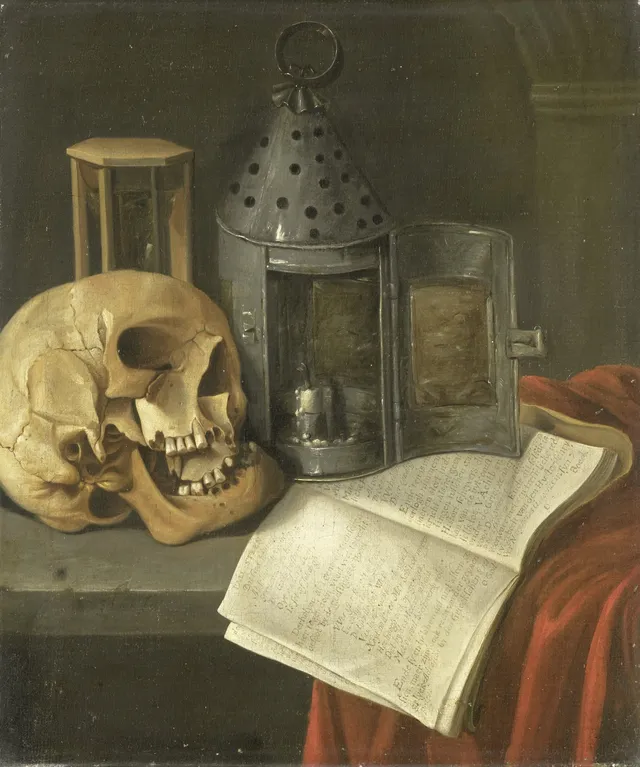
In art and visual culture, the lantern carries layered symbolic meanings related to guidance, spiritual illumination, mortality, and social order. In Eastern Orthodox religious processions, lanterns precede the processional cross, and they are used to transport the Holy Fire from the Church of the Holy Sepulchre. During the Chinese Ghost Festival, lotus-shaped lanterns set afloat in waterways symbolically guide lost souls to the afterlife. In European visual traditions, the lantern often represents the transience of life and the futility of earthly pursuits, as seen in vanitas still life paintings. Conversely, during the French Revolution, the lantern took on a darker symbolism of popular revolt, where the phrase "a la lanterne" meant to hang counter-revolutionaries from the iron supports of street lanterns, turning a symbol of public order into an instrument of mob execution.
Across movements & periods
The treatment of the lantern in visual and material culture shifts significantly across periods and cultures. In medieval Europe, lanterns were primarily functional objects carried by night watchmen, constructed with metal frames and panes of scraped animal horn or glass. By the sixteenth century, wrought-iron hanging lanterns became subjects of artistic design and training. In medieval Aquitanian Europe, stone lanterns crowned freestanding cemetery pillars as lanterns of the dead, a tradition rooted in folk beliefs that faded with the Renaissance. In East Asia, paper and bamboo lanterns became central to festive traditions, while durable stone lanterns, such as the Japanese ishi-doro and Korean stone lanterns, served as permanent fixtures at temples, shrines, and graves. The eighteenth century saw the transition from simple glass and candle lanterns to oil-fueled reflector lanterns, or reverberes, which modernized urban street lighting, a shift well documented in the modernization of Paris.
Legacy
The legacy of the lantern extends beyond its functional obsolescence into specialized cultural, technological, and archival afterlives. Mechanically, the lantern evolved into the magic lantern, an early slide projector invented in the seventeenth century that became a precursor to modern cinema and data projection. The magic lantern's educational and commercial slides, produced by companies like the Keystone View Company in the early twentieth century, are now preserved as significant historical artifacts in institutions such as the Smithsonian's National Museum of American History. In the religious sphere, dedicated museums like the Lantern Museum in Vitoria-Gasteiz, Spain, preserve the metal and glass lanterns used in the Rosary of the Lanterns procession, maintaining a tradition dating to 1895. Meanwhile, specialized archives such as the Lantern Vault and the Morehead Railroad and Historical Museum preserve the industrial heritage of railroad and signal lanterns, documenting the material culture of manufacturers like the Adams and Westlake Manufacturing Company.
Works
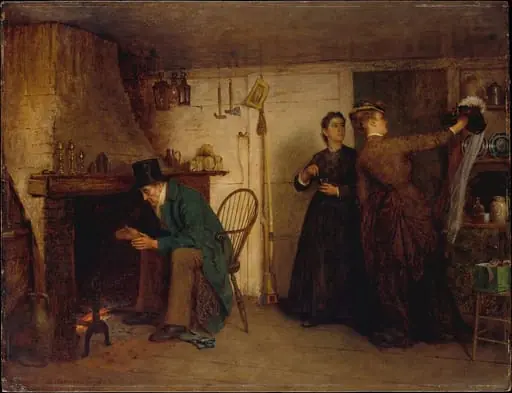 The New Bonnet
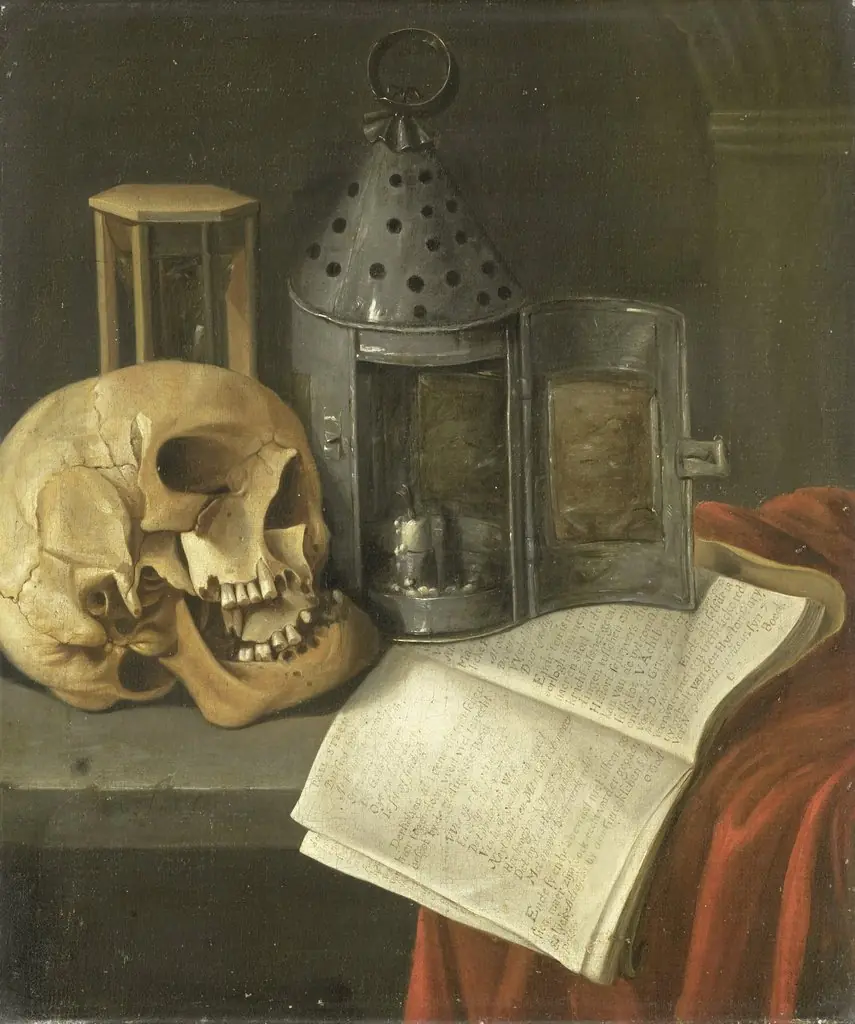 Vanitas Still Life
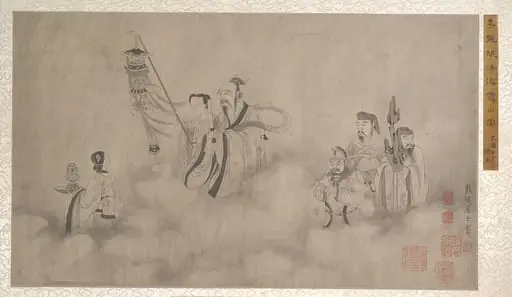 明/清 佚名 舊傳李公麟 法海靈山圖 冊|Procession of Arhats
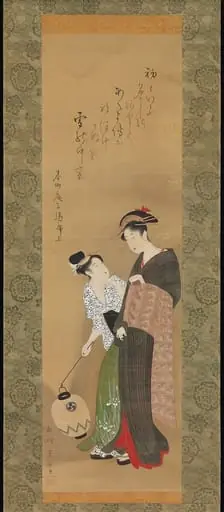 Untitled
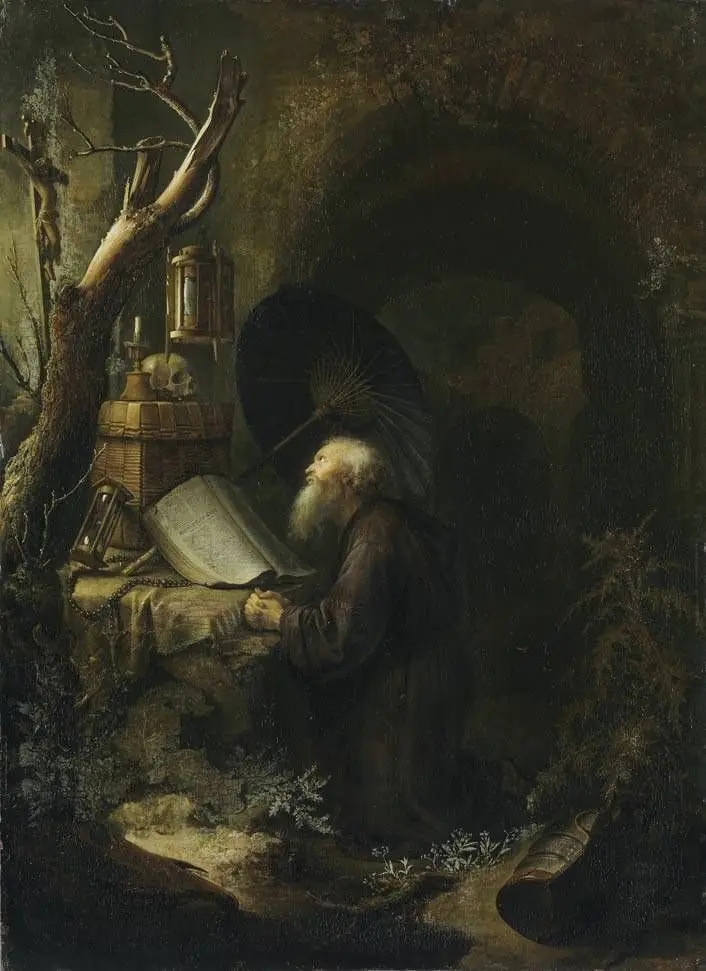 Praying hermit
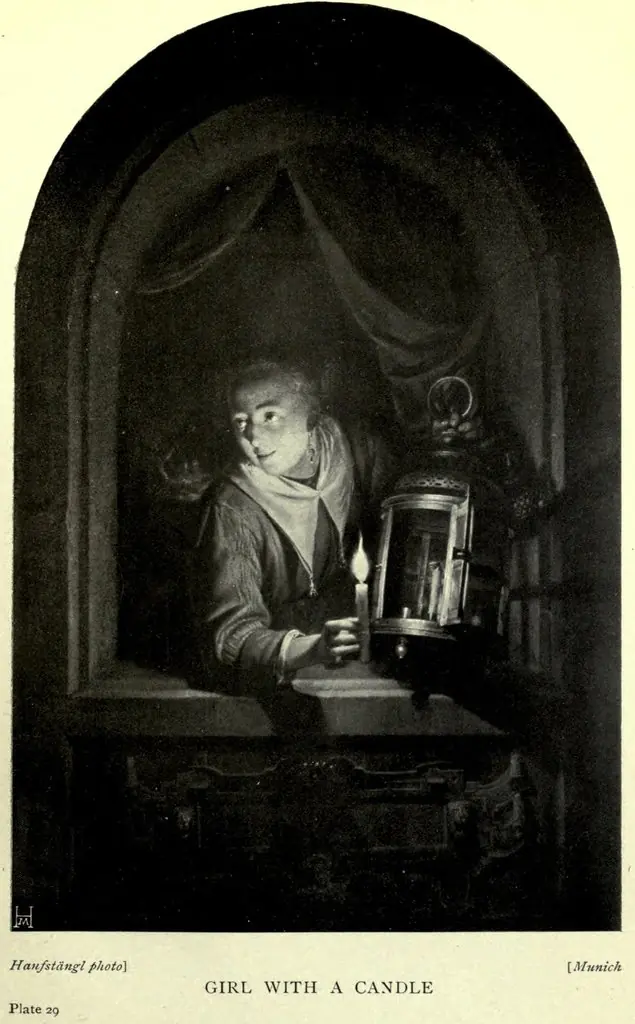 Young Woman with a Candle
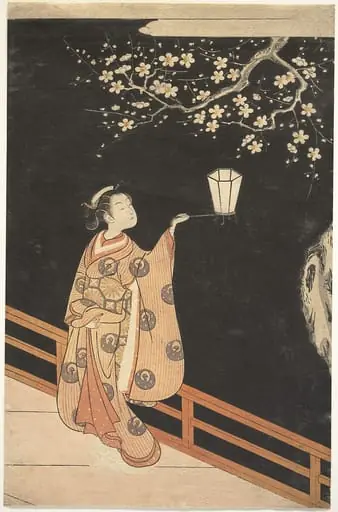 鈴木春信画 夜の梅|Woman Admiring Plum Blossoms at Night
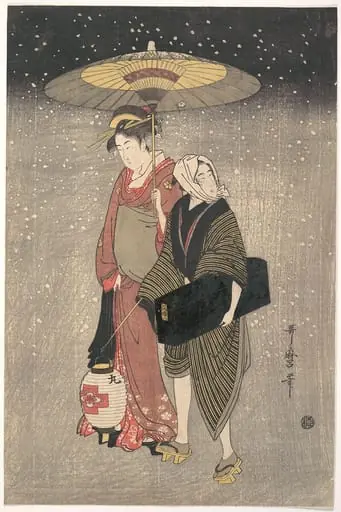 Untitled
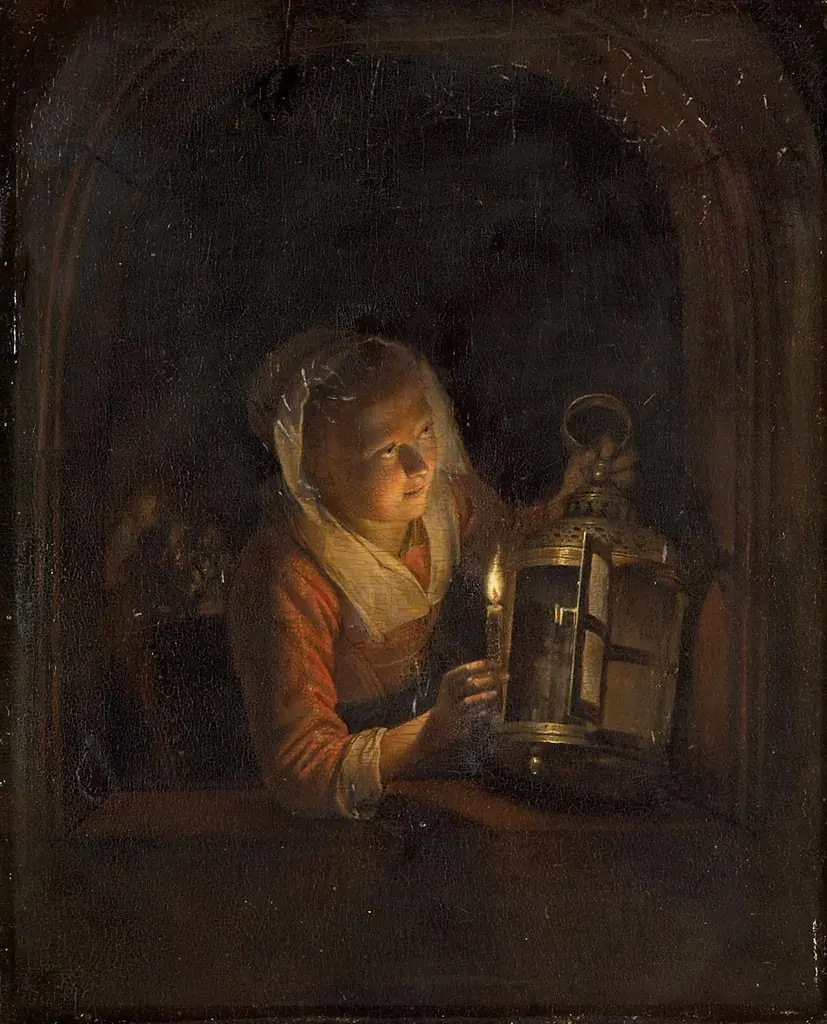 Young Woman with a Lantern in a Window
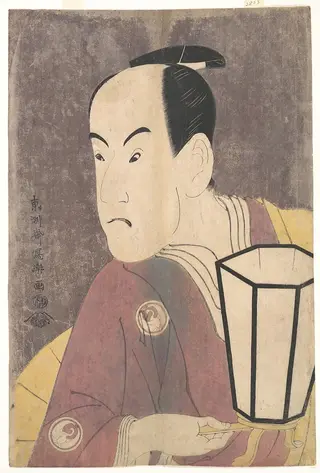 Untitled
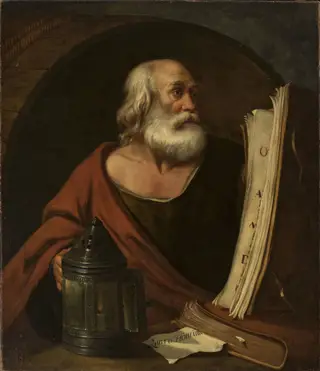 Diogenes in the barrel
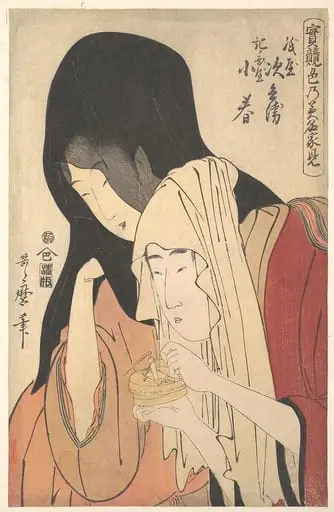 喜多川歌麿画 「実競色乃美名家見 紙屋次兵衛 紀ノ国屋小春」|Jihei of Kamiya Eloping with the Geisha Koharu of Kinokuniya, from the series “True Feelings Compared: The Founts of Love” (Jitsu kurabe iro no Minakami)
 A Man Holding a Lantern in a Window
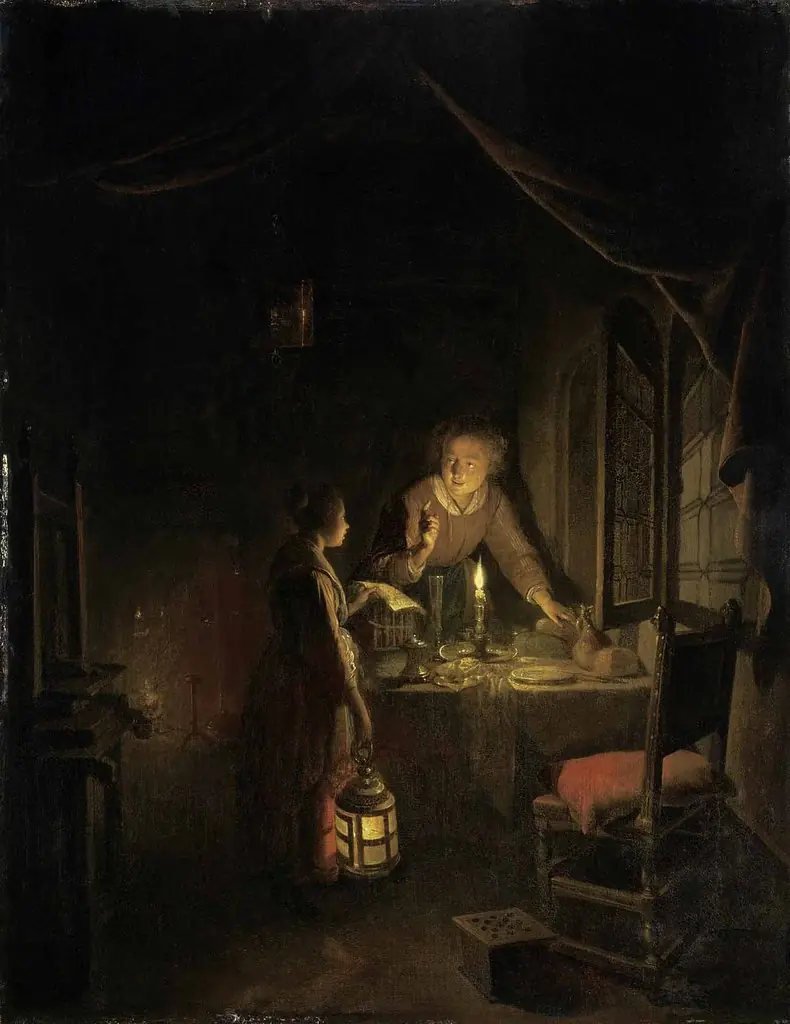 A Young Woman engaged at the Supper-table
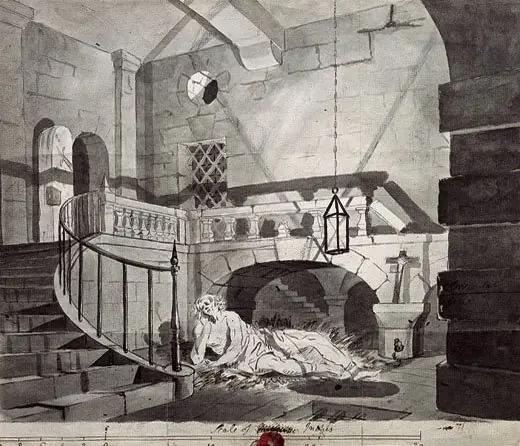 The Captive King
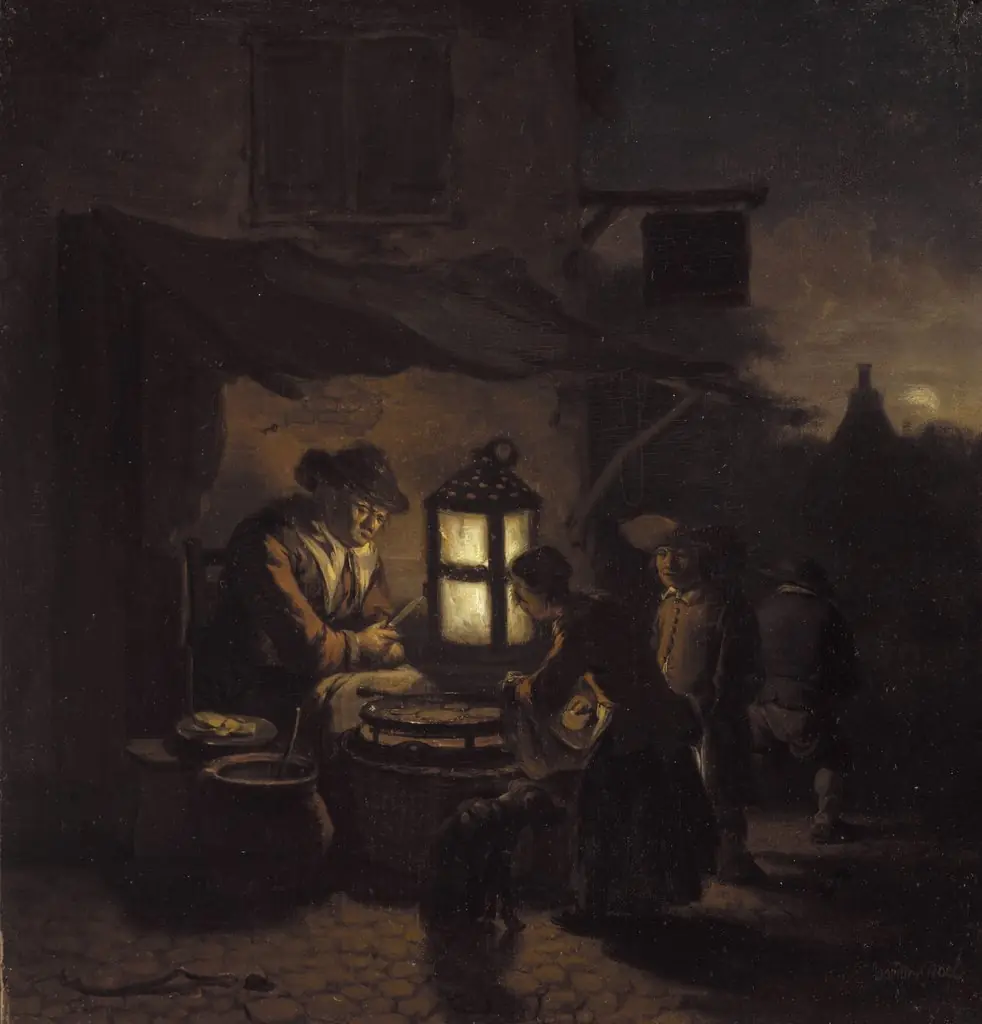 The Pancake Maker
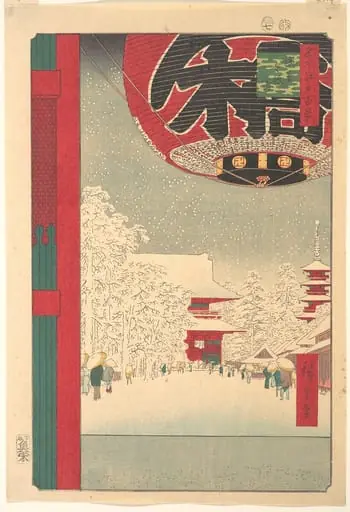 名所江戸百景 浅草金龍山|Kinryūsan Temple at Asakusa, from the series "One Hundred Famous Views of Edo"
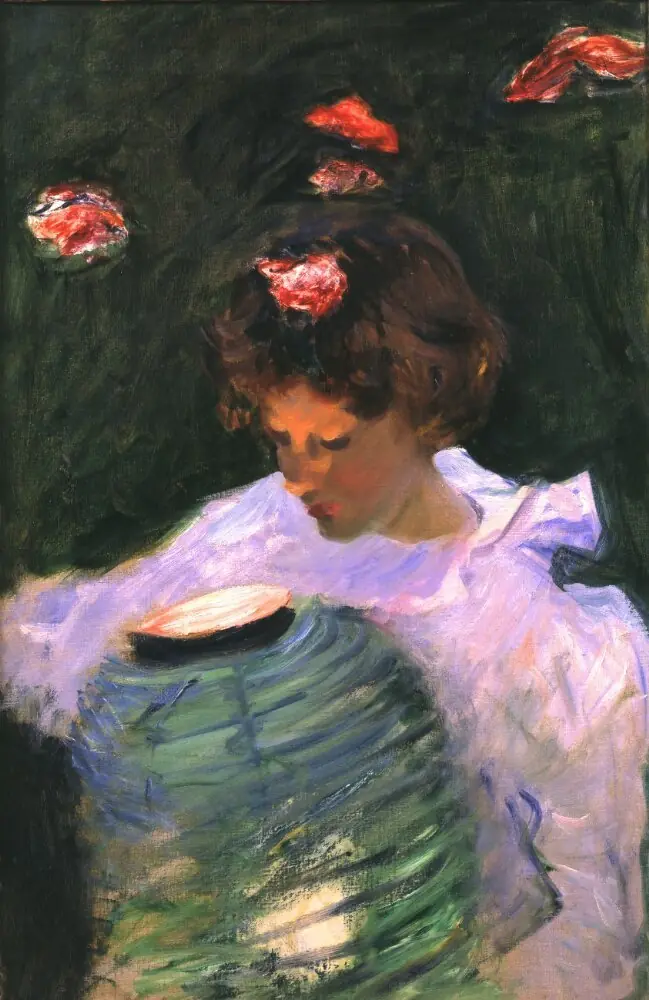 Study for 'Carnation, Lily, Lily, Rose'
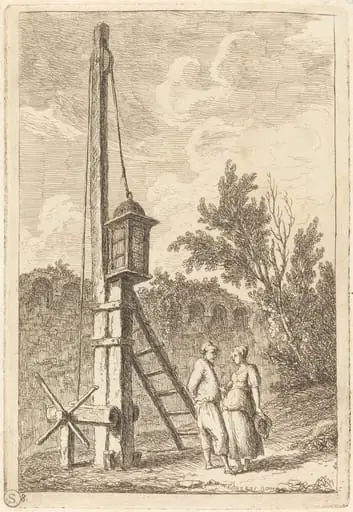 The Post
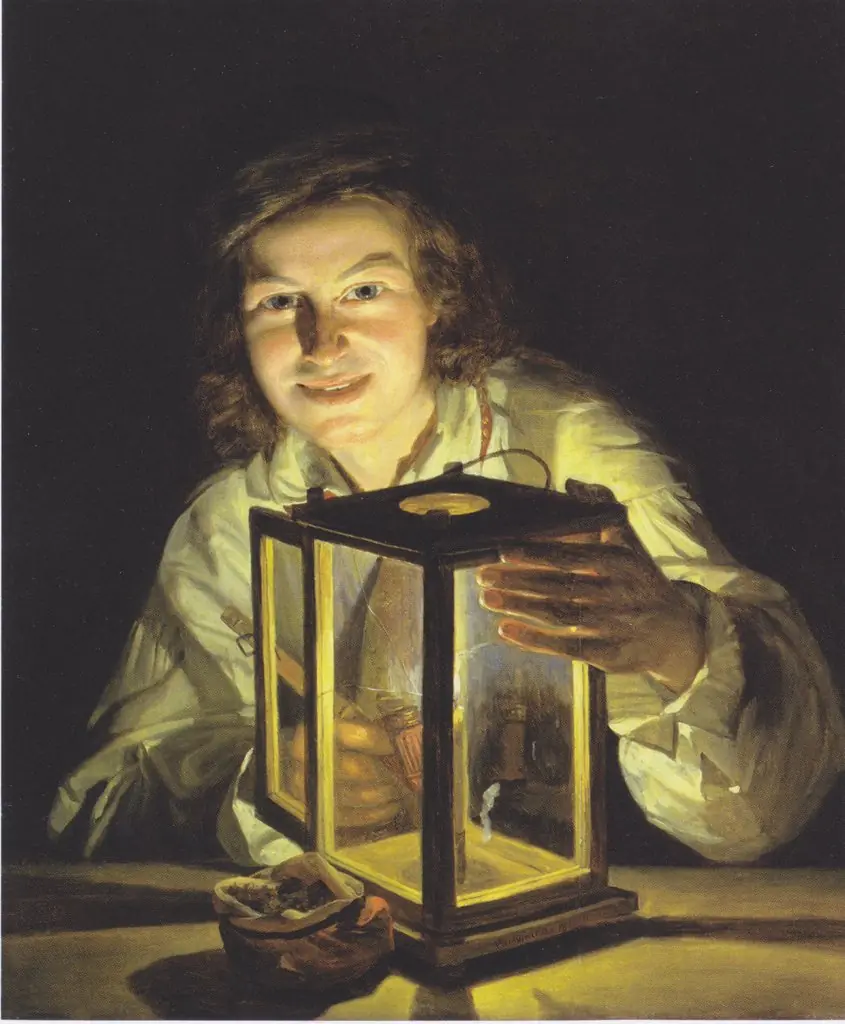 The young boy with the stable-lantern
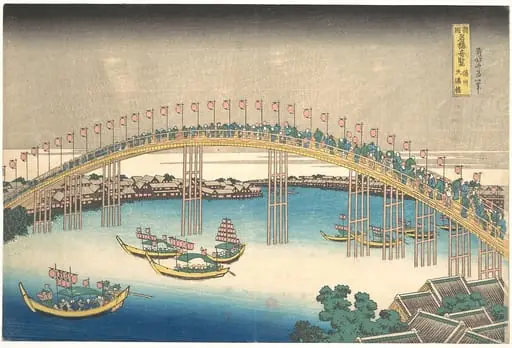 諸國名橋奇覧 摂洲天満橋|Tenman Bridge at Settsu Province (Sesshū Tenmanbashi), from the series Remarkable Views of Bridges in Various Provinces (Shokoku meikyō kiran)
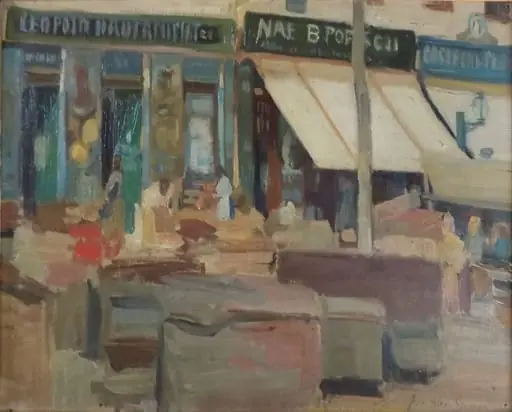 Piața Mare
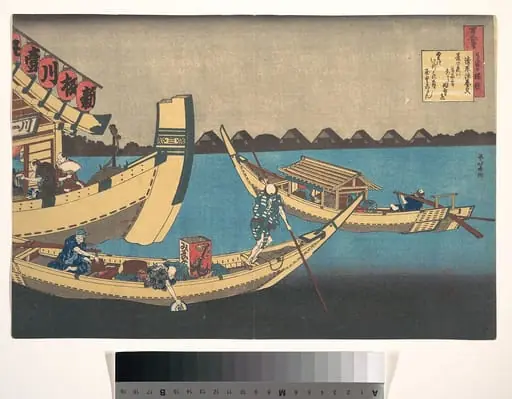 百人一首 うはか縁説 清原深養父|Poem by Kiyohara no Fukayabu, from the series One Hundred Poems Explained by the Nurse (Hyakunin isshu uba ga etoki)
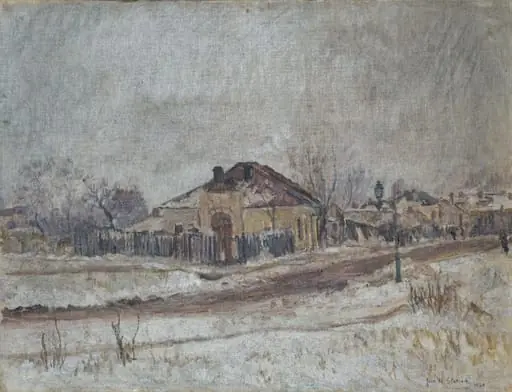 Mahala
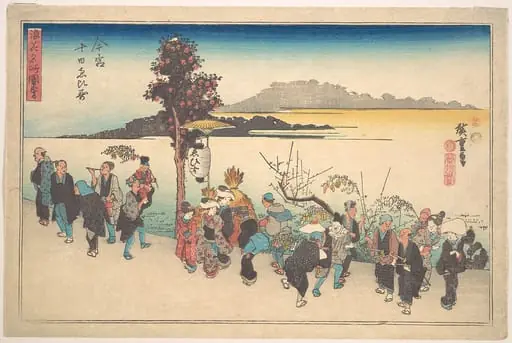 浪花名所図会 今宮 十日恵比寿|Imamiya Toka Ebisu
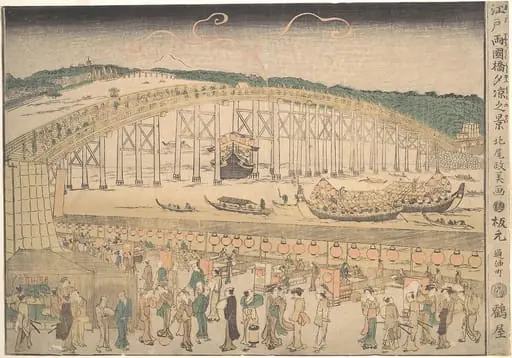 Untitled
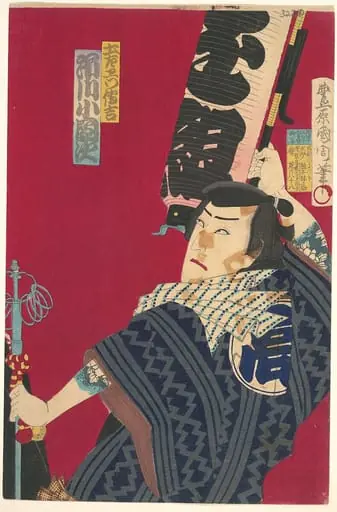 市川左小治 土左衛門伝吉|Ichikawa Sadanji as Dozaemon Denkichi in a Kabuki Play
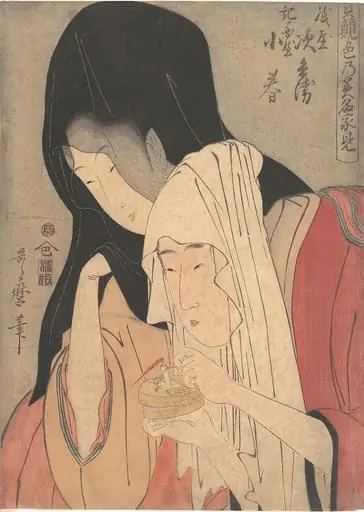 実競色乃美名家見 紙屋次兵衛 紀ノ国屋小春|Jihei of Kamiya Eloping with Koharu of Kinokuniya
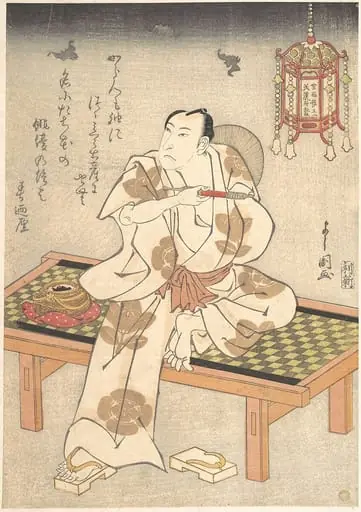 Untitled
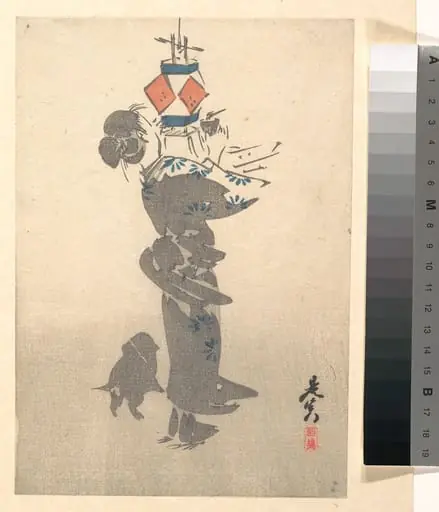 お盆燈籠の火付|Lighting a Hanging Lantern for the Obon Festival
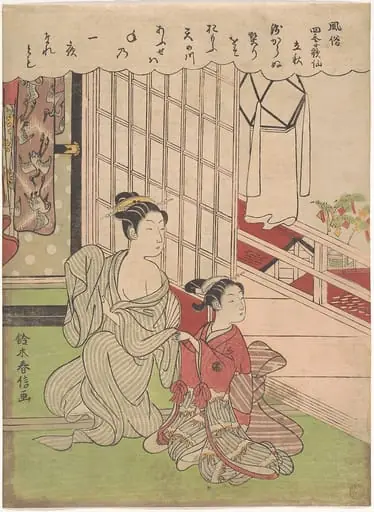 Aki|風俗四季歌仙 立秋|First Day of Autumn (Risshu)
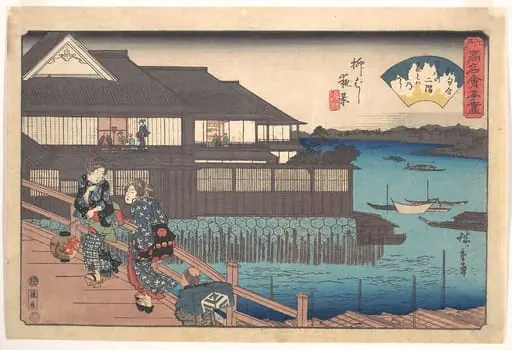 江戸高名会亭尽 柳ばし夜景 万八|The Manpachi at Evening in Yanagibashi
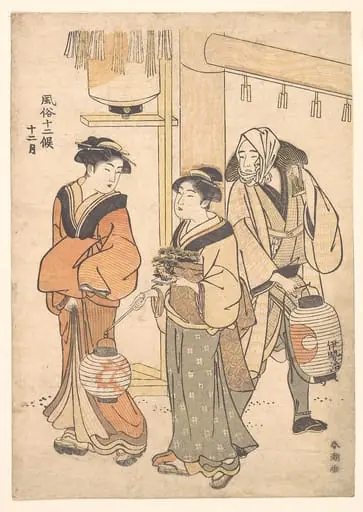 Junigatsu|The Twelfth Month: December
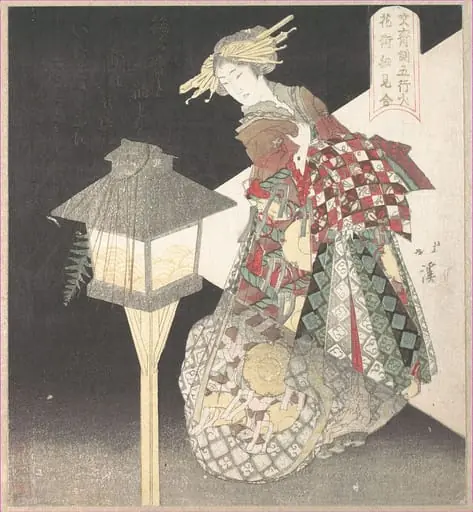 「文齊側五行火 花街細見合」|Courtesan by a Lantern, “Fire,” from the series Five Elements for the Bunsai Poetry Group, a Guide to the Yoshiwara Pleasure Quarters
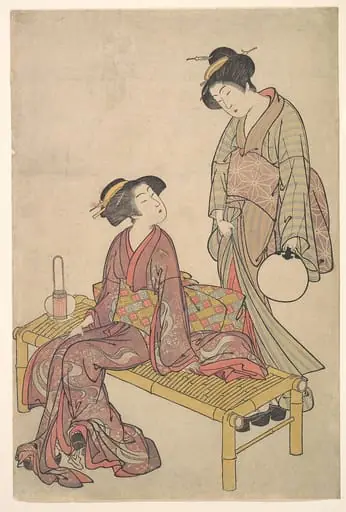 Tesage andon|The Hand Lantern
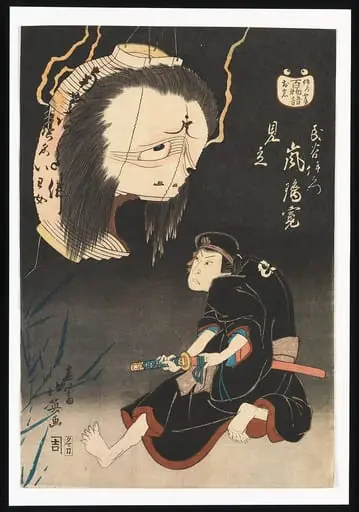 春江斎北英画 二代目嵐璃寛 見立 「百物語」|Kabuki Actor Arashi Rikan II as Iemon Confronted by an Image of His Murdered Wife, Oiwa, on a Broken Lantern, Referring to Katsushika Hokusai’s Hyaku monogatari (One Hundred Ghost Stories)
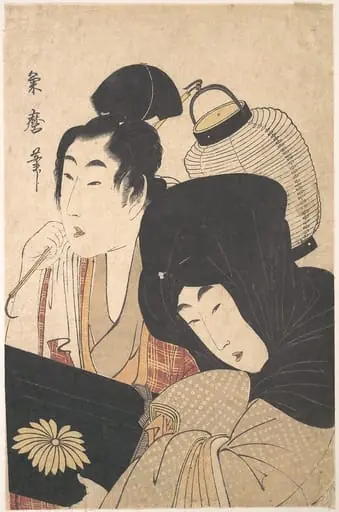 Untitled
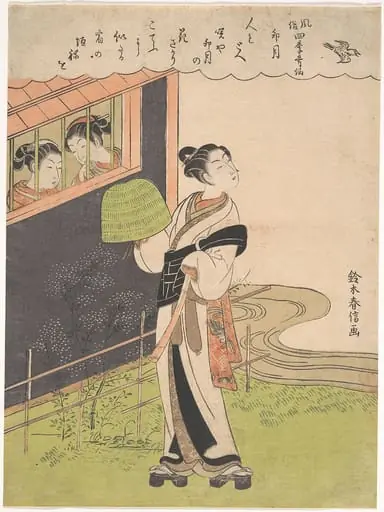 鈴木春信画 虚無僧・「風俗四季歌仙 卯月」|A Flute-Playing Monk (Komusō); The Fourth Month (Uzuki), from the series Fashionable Poetic Immortals of the Four Seasons (Fūzoku shiki kasen)
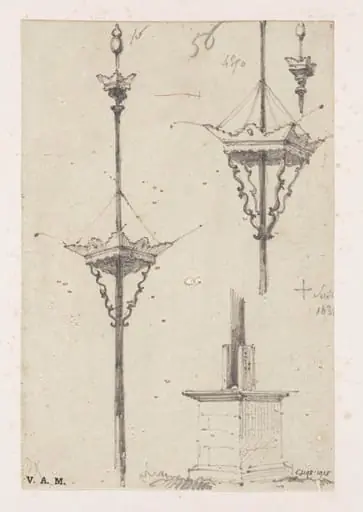 Mastheads and a mast base
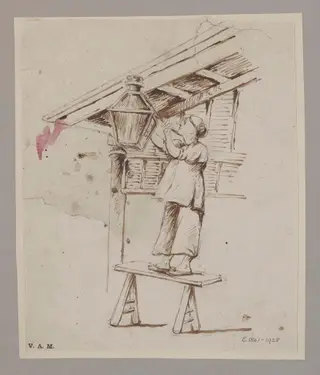 A man attending to a hanging lamp
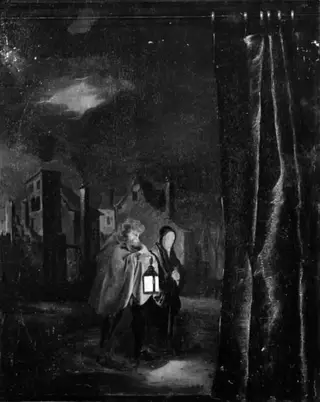 Returned Family in a Moonlit Square
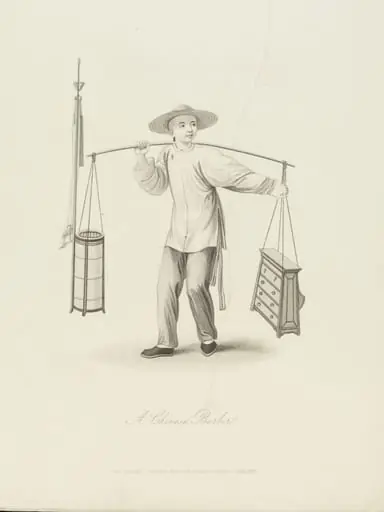 A Chinese Barber
Frequently asked questions
What is Lantern?
Lantern is a subject in art. A lantern is a source of lighting, often portable.
How many Lantern works does Artifact World Gallery have?
Artifact World Gallery holds 42 public-domain Lantern works, all free to view and download.
Who are the key Lantern artists?
Key Lantern artists in the collection include Eastman Johnson, John Singer Sargent and Hubert Robert.
Where can I see Lantern works?
Lantern works in the collection are held by Metropolitan Museum of Art, Victoria and Albert Museum and Bucharest Municipality Museum.