Subject
Magyar
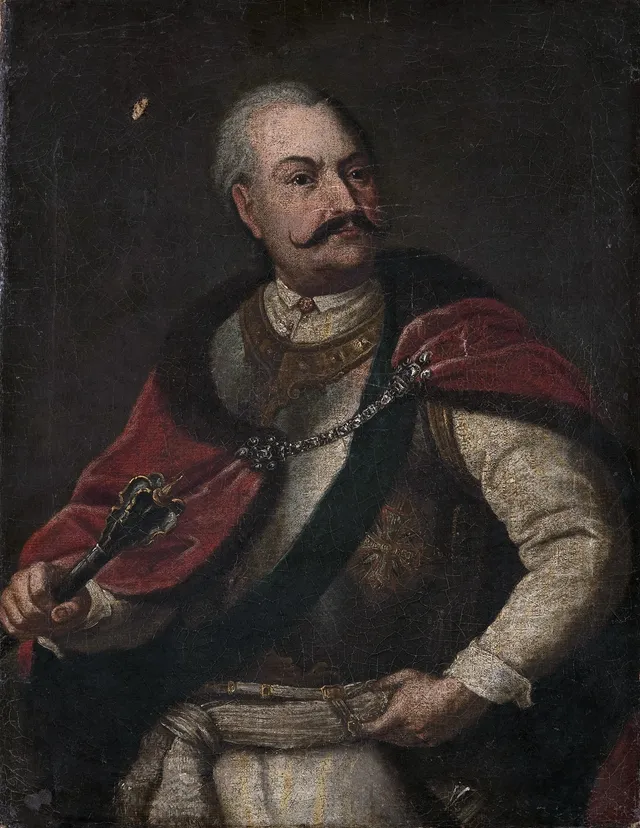
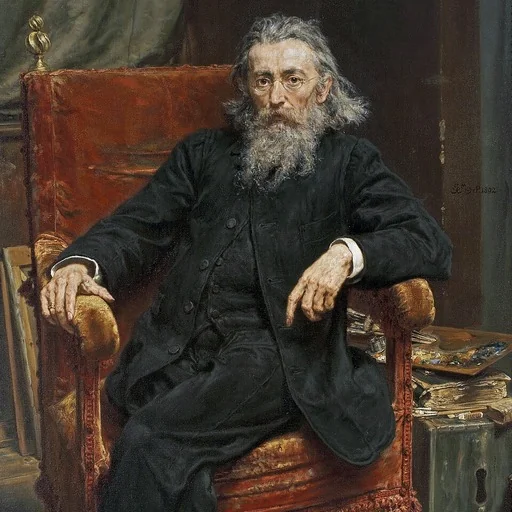
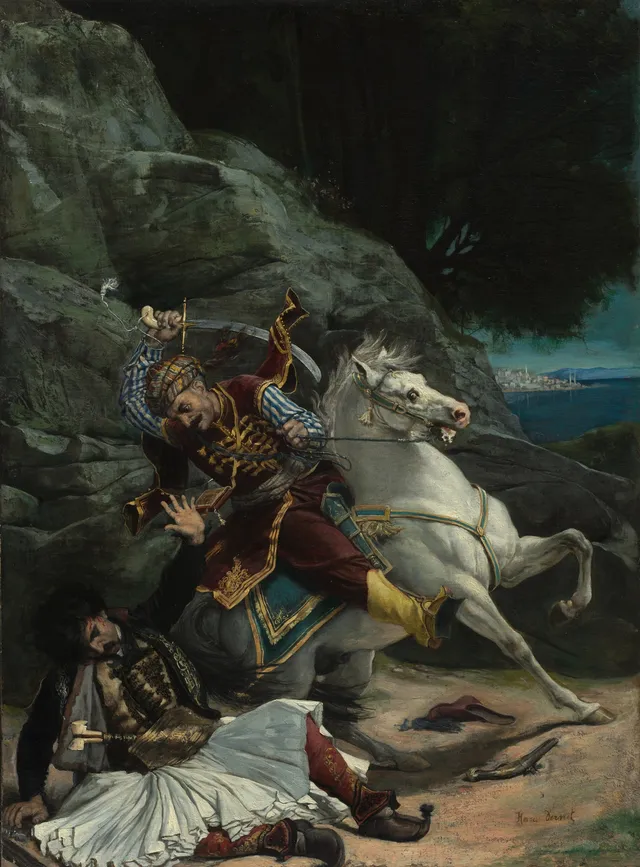
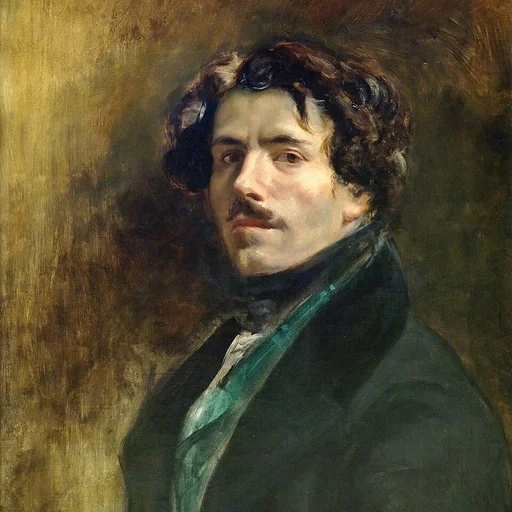
Magyar is a subject in art. The gallery holds 74 works in this subject in art, including works by Jan Matejko, Carle Vernet and Eugène Delacroix.
Hungarian, or Magyar (Magyar nyelv, pronounced ), is a Ugric language of the Uralic language family spoken in Hungary and parts of several neighboring countries. It is the official language of Hungary and one of the 24 official languages of the European Union.
Key artists

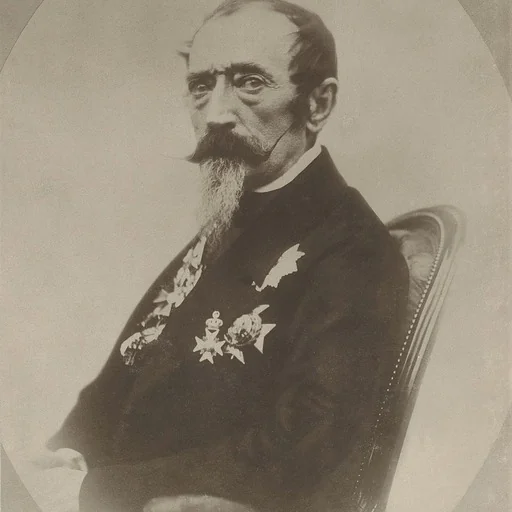
Overview
Magyar denotes both the Hungarian people and their language, a Ugric tongue of the Uralic language family. As the official language of Hungary and one of the twenty-four official languages of the European Union, it stands as the most widely spoken Uralic language, with roughly fourteen million speakers globally. Beyond Hungary, substantial Magyar communities reside in neighboring countries such as Romania, Slovakia, Serbia, Ukraine, Austria, Croatia, and Slovenia, alongside a significant diaspora in North America and Israel. The linguistic and cultural identity of the Magyars is deeply rooted in a complex history of migration from the eastern Urals to the Carpathian Basin, where their distinct language and heritage have been preserved amidst surrounding Indo-European cultures. This distinct identity recurs in art as a symbol of national resilience, sovereignty, and historical continuity.
Iconography & meaning
In art and historical artifacts, Magyar iconography is heavily tied to the visual language of sovereignty, nobility, and the convergence of Eastern and Western cultural spheres. The coronation mantle, commissioned by King Stephen I and Queen Gisela in 1031, features masterful gold embroidery with complex pictorial programs, serving as a profound symbol of Hungary's Christian heritage and royal authority well into the twentieth century. Earlier artifacts, such as the seventh or sixth century BC golden stag, reflect the Scythian animal style and nomadic steppe traditions, likely serving as a quiver ornament for a noble owner. Additionally, the Galgóc sabretache plate, with its endless net of palmette motifs reminiscent of Sogdian textiles, physically traces the Magyars' eastern origins and their migration, embedding an oriental visual vocabulary into the foundation of Hungarian identity.
Across movements & periods
The visual and linguistic treatment of Magyar heritage has shifted markedly across historical periods, reflecting the people's transition from Eurasian steppe nomads to a European Christian kingdom. In the early medieval period, Magyar material culture, such as conical cap tops decorated with gilded silver palmettes and Arabic silver dirhams, shows a synthesis of steppe nomadic traditions and eastern trade connections. Following the Christianization of the Carpathian Basin in the eleventh century, the culture absorbed Latin and Western European artistic and structural conventions, as seen in the adoption of the Latin alphabet over the Old Hungarian script and the creation of liturgical garments like the coronation mantle. Later, under Habsburg rule, the Magyar identity became a focal point of resistance and national awakening, culminating in nineteenth century Romanticism, which heavily promoted historical portraiture and the commemoration of revolutionary figures to solidify the modern Hungarian nation state.
Notable depictions
Canonical depictions of Magyar history and art are centrally housed and displayed at the Hungarian National Museum in Budapest. The institution's neoclassical building itself, designed by Mihály Pollack between 1837 and 1847, serves as a monumental depiction of national identity, adorned with a sculptural pediment by Raffael Monti featuring the allegoric figure of Pannonia alongside Science and Art, and interior staircase paintings by Károly Lotz and Mór Than. Inside, notable artifacts include the Seuso Treasure, a late Roman imperial ceremonial feast set of fourteen large silver vessels weighing a total of 68.5 kg, and the medieval coronation mantle of King Stephen I. The museum also features a Roman lantern-shaped brooch with a large onyx stone, a late antique gold fibula from Szilágysomlyó decorated with embossed lion shapes and garnet stones, and the Iron Age golden stag, all of which anchor the visual narrative of Magyar history.
Legacy
The Magyar legacy extends beyond artifacts into the active preservation of national memory and political consciousness. The Hungarian National Museum has served as a physical stage for this legacy, most notably when Sándor Petőfi recited his National Song on its front steps on March 15, 1848, igniting the Hungarian Revolution against Habsburg rule. This event cemented the museum's role as a site of national commemoration, where festivities for National Commemorations Day continue to be held. The legacy of Magyar linguistic and cultural survival is also evident in the nineteenth century language renewal movement, which systematically replaced foreign loanwords with native constructions to eliminate Latin and German influences. Furthermore, the ongoing display of repatriated treasures like the Seuso Treasure, returned to Hungary in 2014 and 2017 after decades of being hidden, underscores a continuing cultural effort to reclaim and consolidate the physical remnants of the Magyar past.
Works
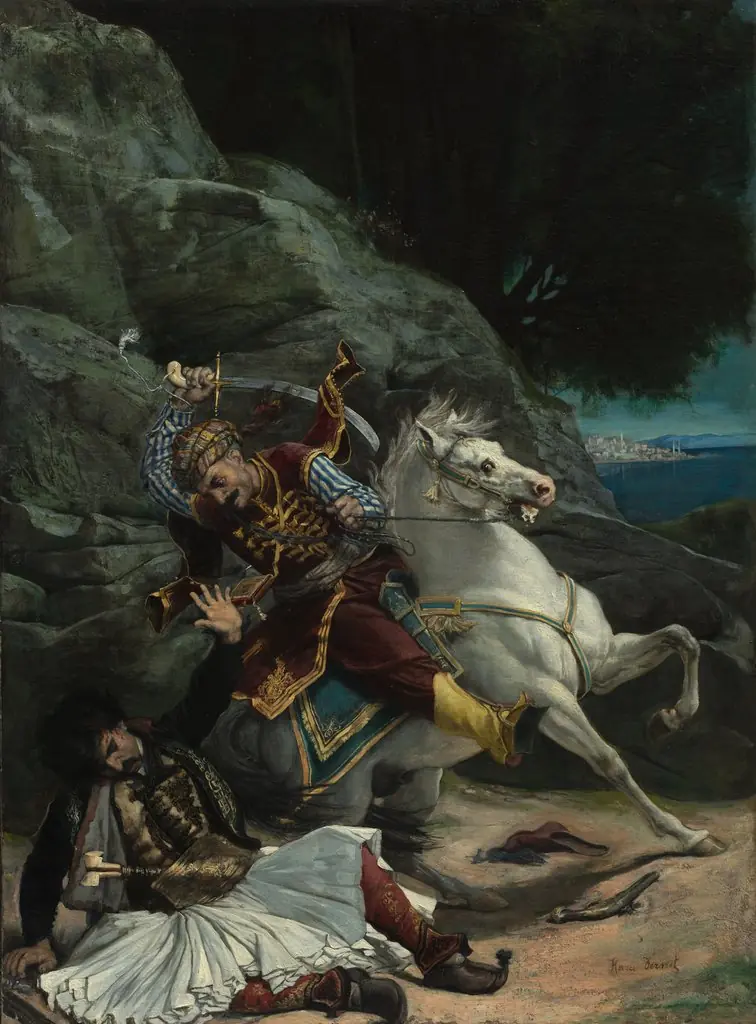 Combat of a Greek and a Turk
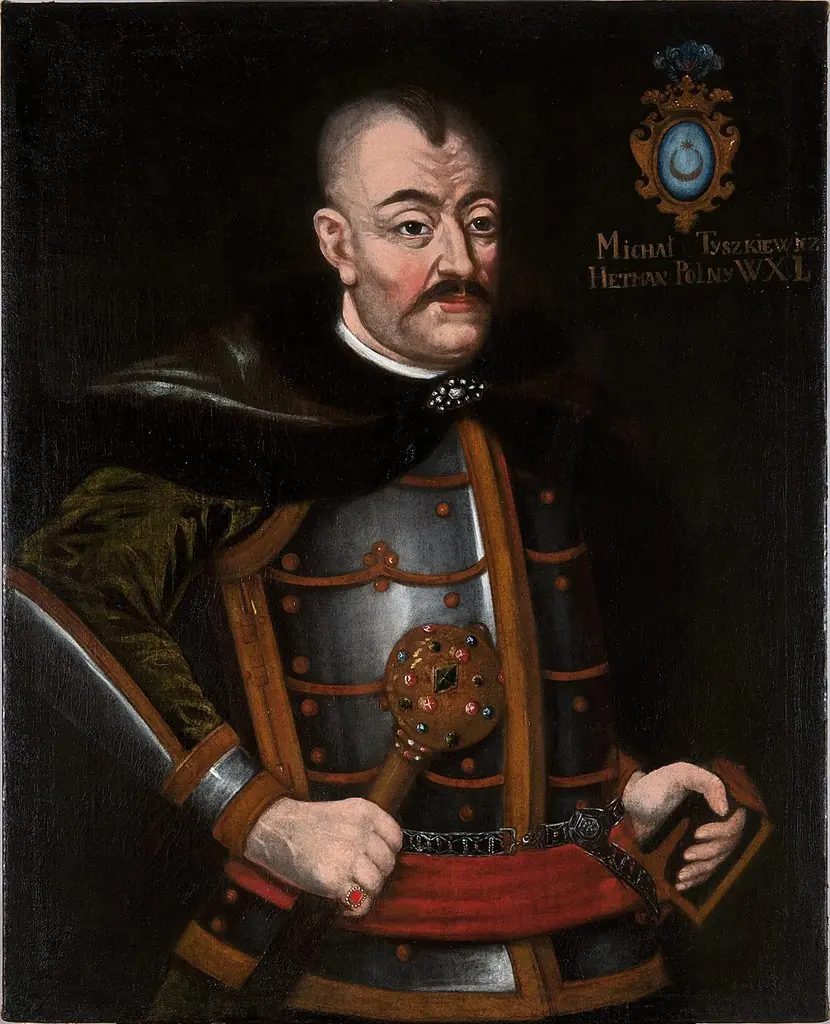 Portrait of Michał Tyszkiewicz, Leliwa coat of arms (?–after 1549), field hetman of the Grand Duchy of Lithuania
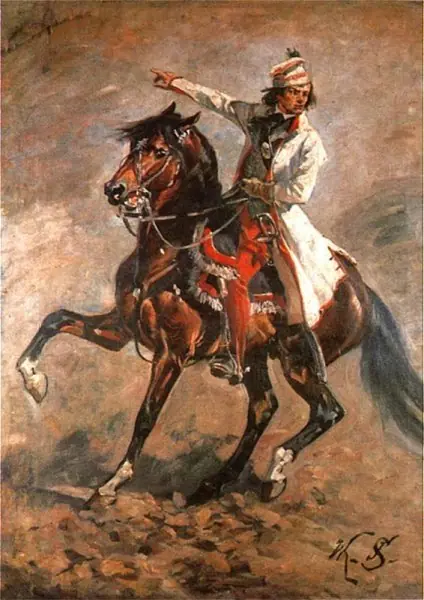 Kościuszko on horseback
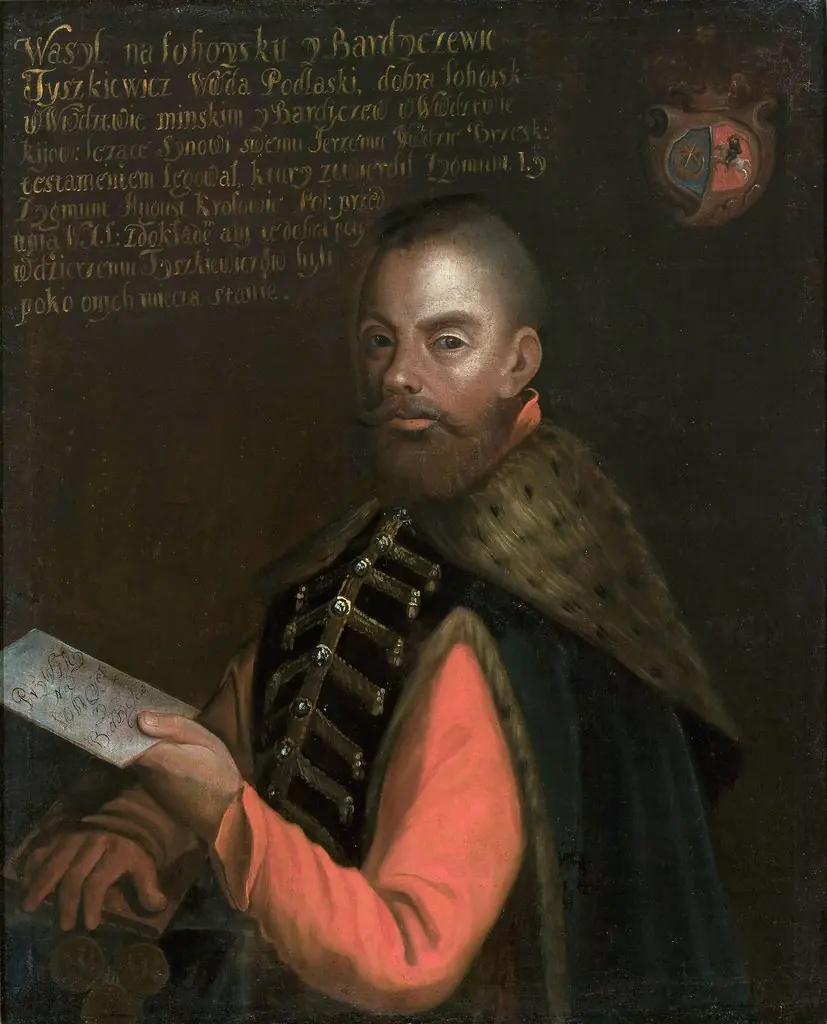 Portrait of Wasyl Tyszkiewicz, Leliwa coat of arms (?–1571), voivode of Podlasie
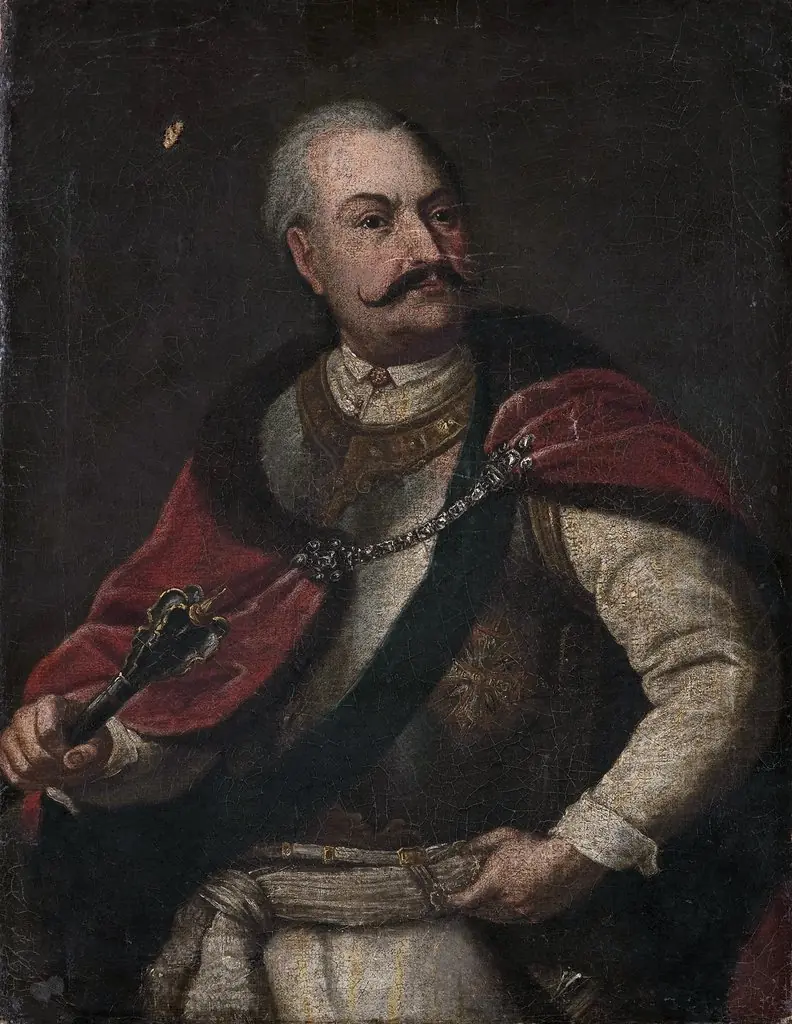 Portrait of prince Samuel Korecki /?/ Pogonia coat of arms (1621–1651), starosta of Ropczyce
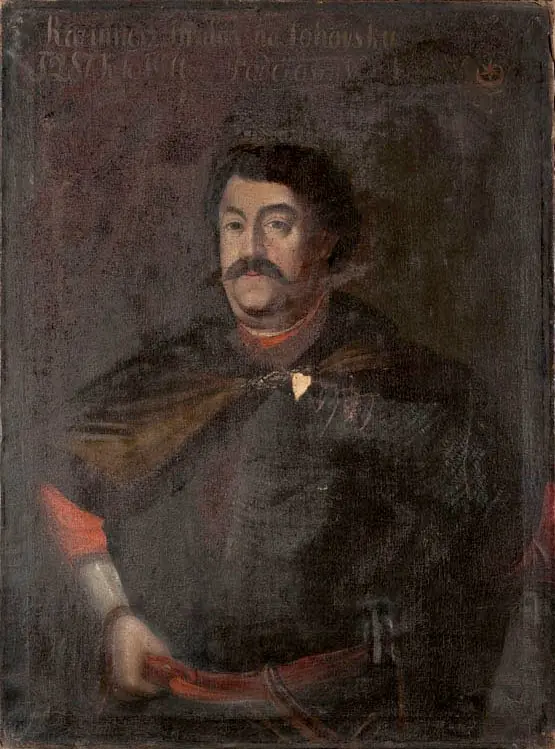 Portrait of Kazimierz Tyszkiewicz, Leliwa coat of arms (?–1652), cup-bearer of the Grand Duchy of Lithuania
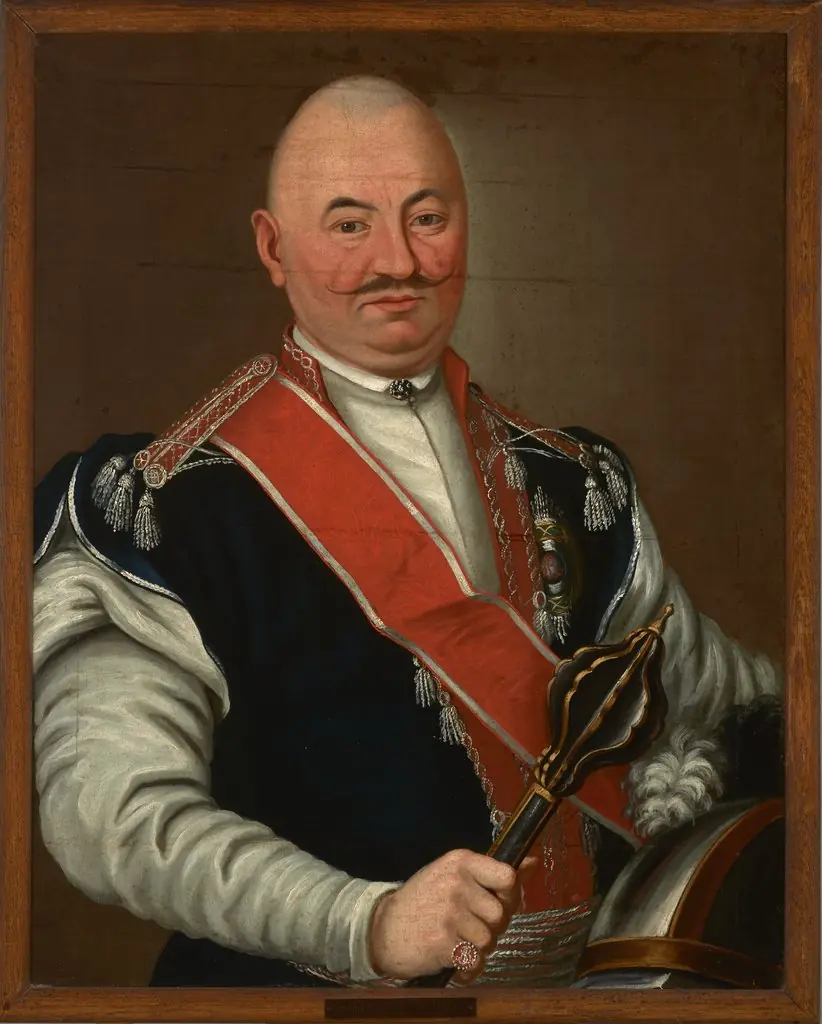 Portrait of Józef Gabriel Stempkowski (d. 1793), Voivode of Kyiv
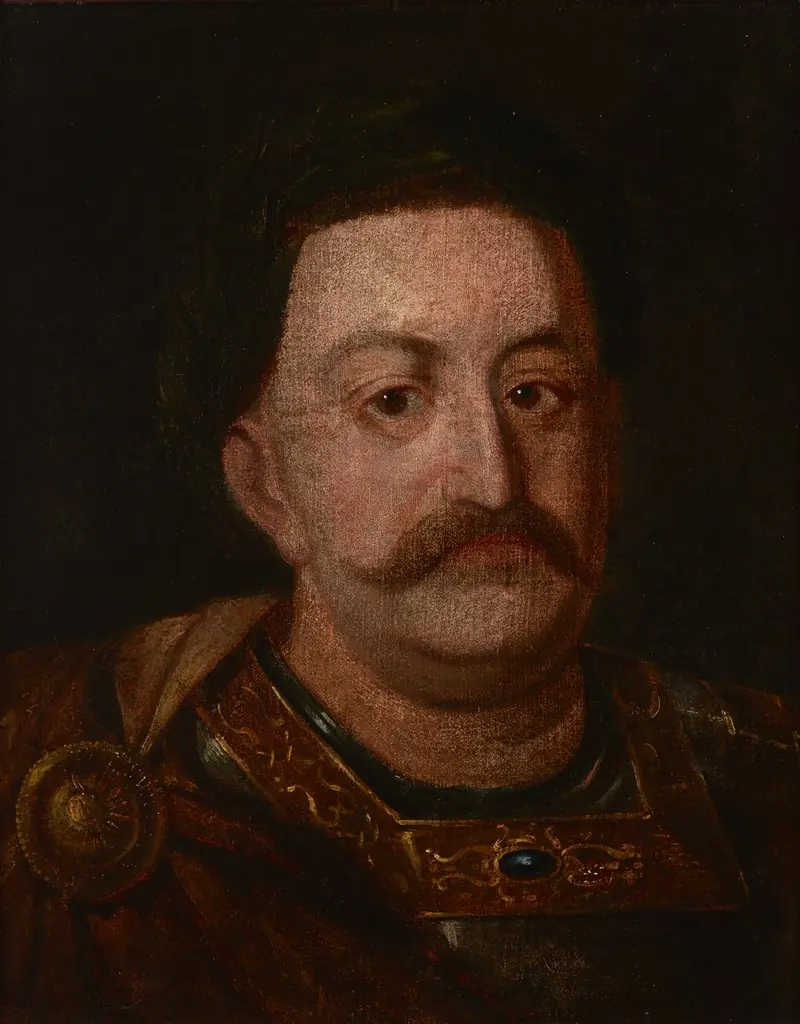 Portret Jana III Sobieskiego (1629-1696), króla Polski
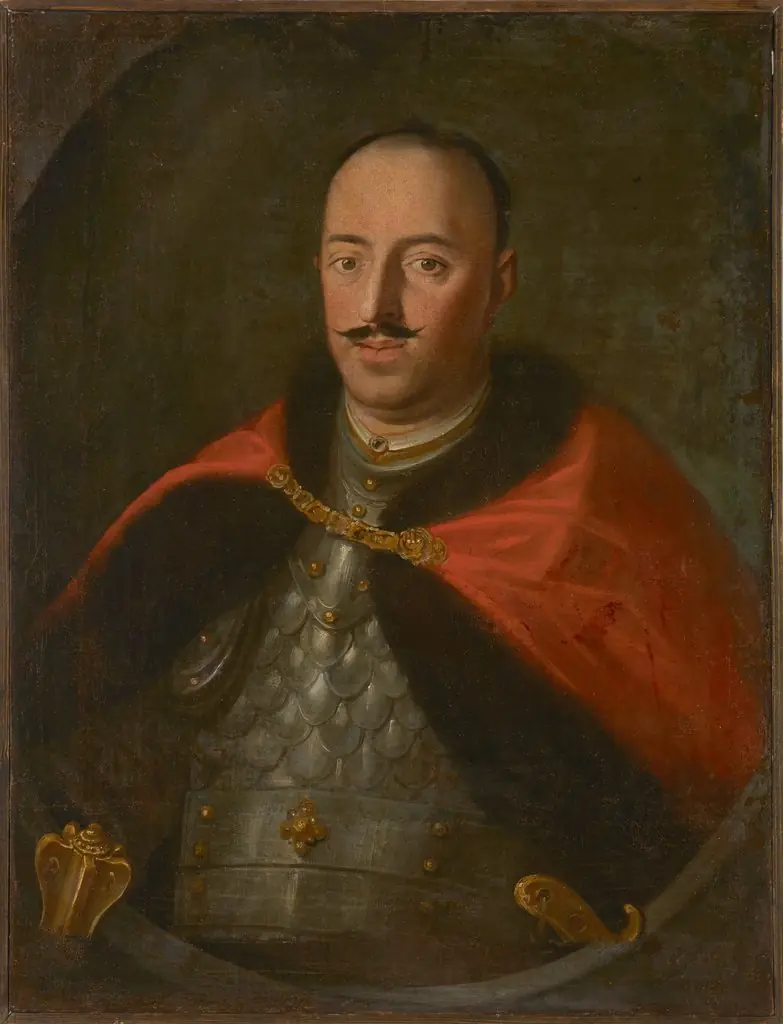 Portrait of Piotr Dembiński, Nieczuja coat of arms (1660–1734), Castellan of Biecz
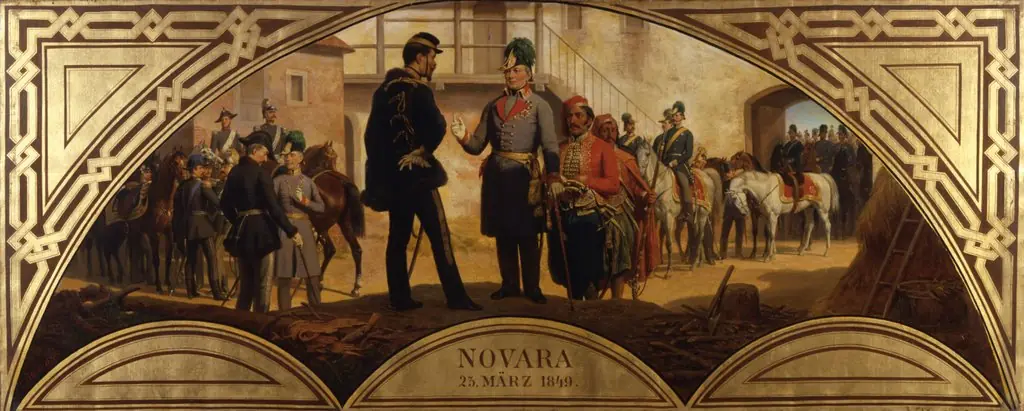 Episode after the Battle of Novara 1849
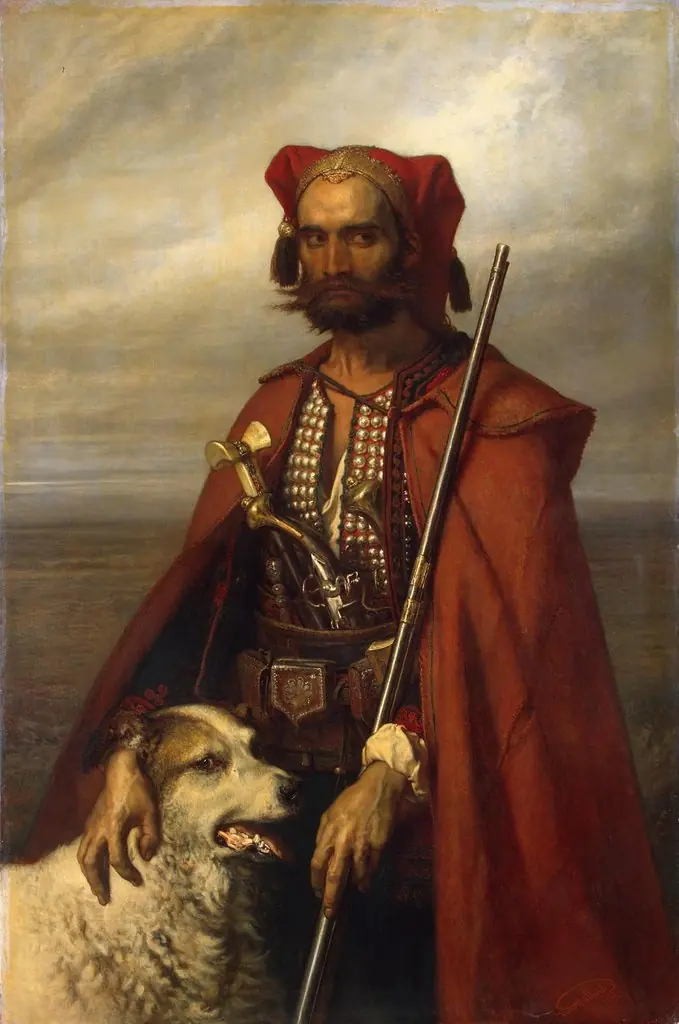 Sentinel the Croat
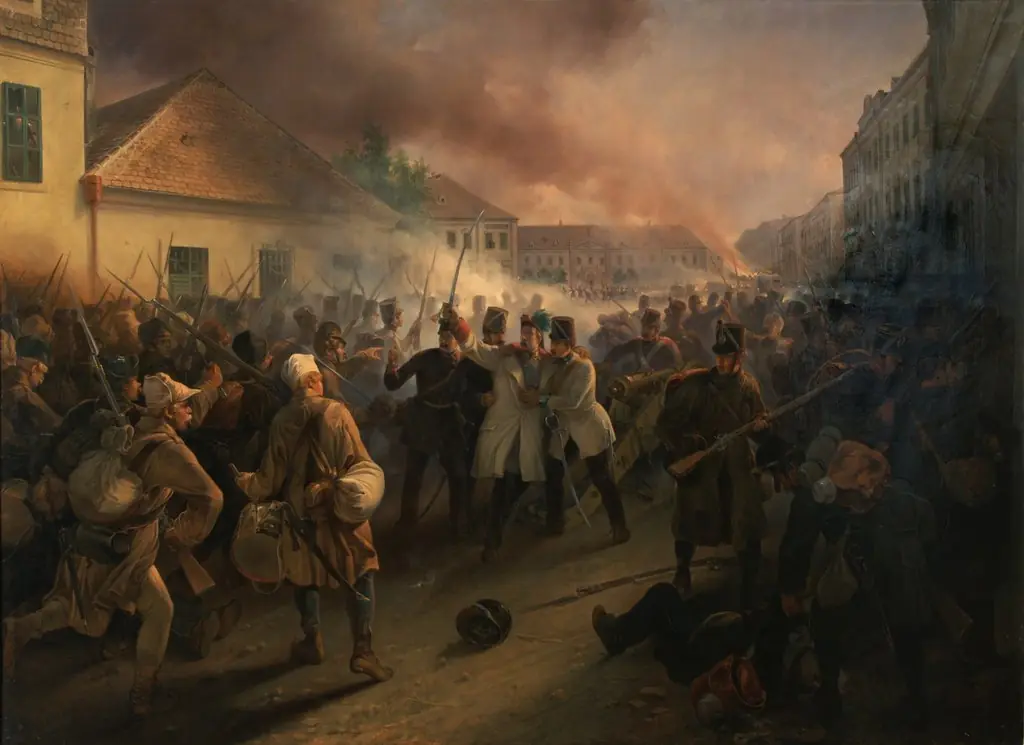 The Heroic Death of General Heinrich Hentzy von Arthurm
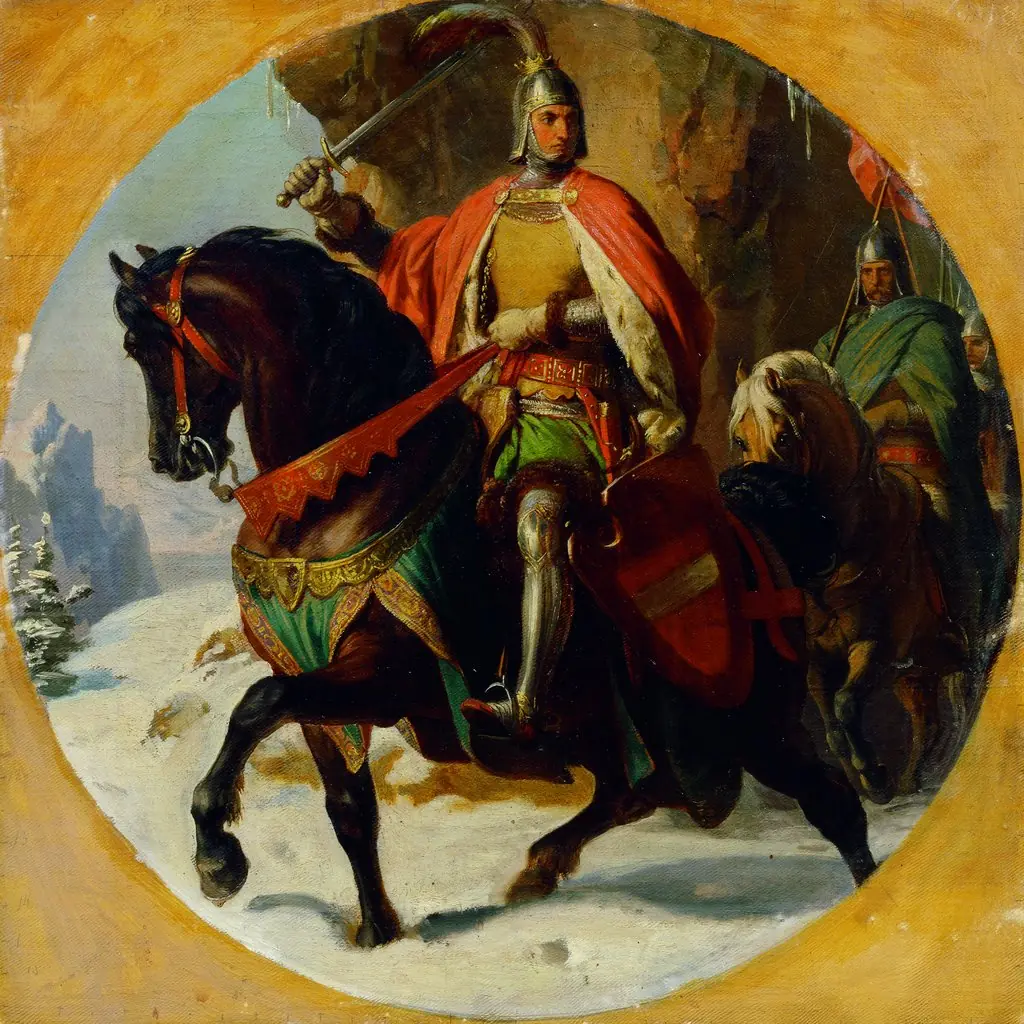 Battle of Albrecht I. over the Semming 1292
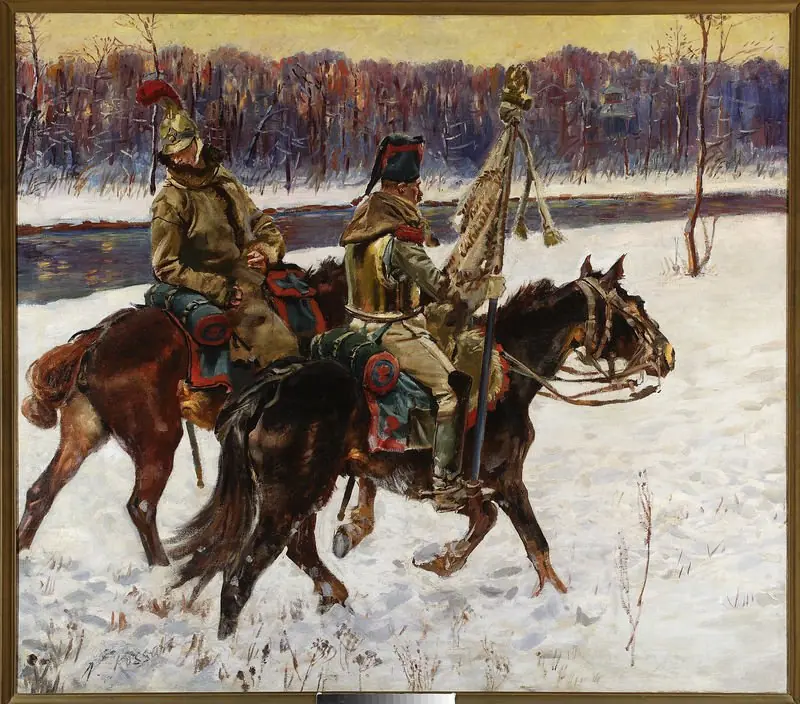 Two French hussars – “Berezina” fragment
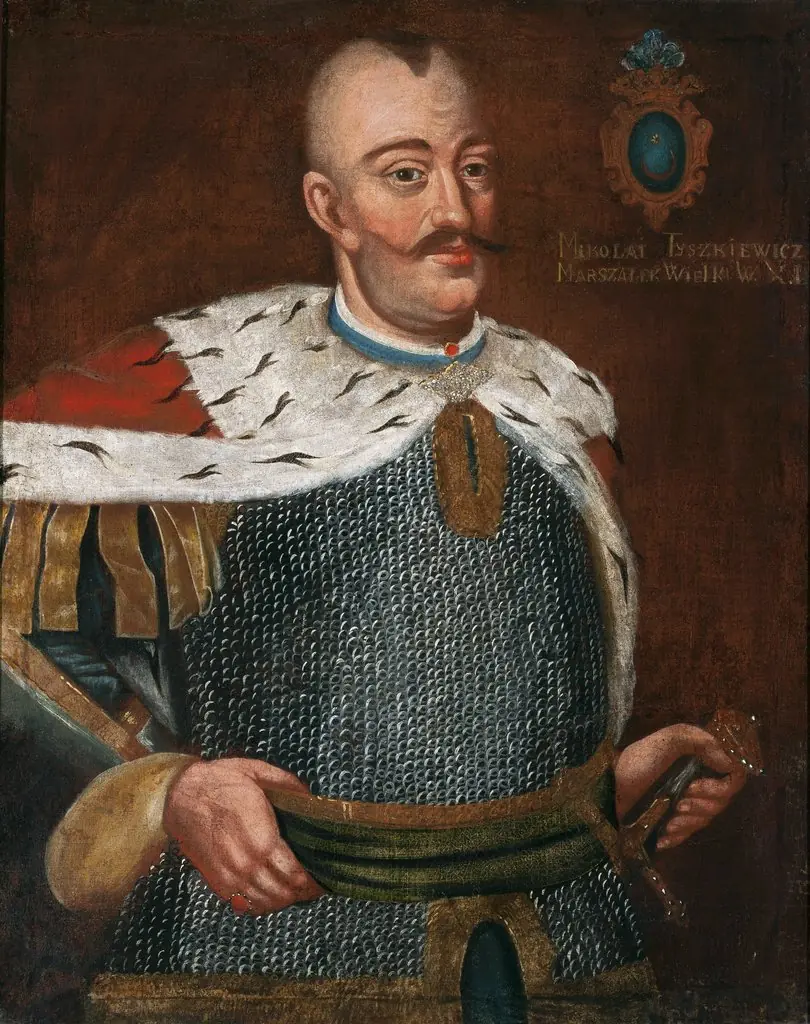 Portrait of Mikołaj Tyszkiewicz, Leliwa coat of arms, marshal of the Grand Duchy of Lithuania
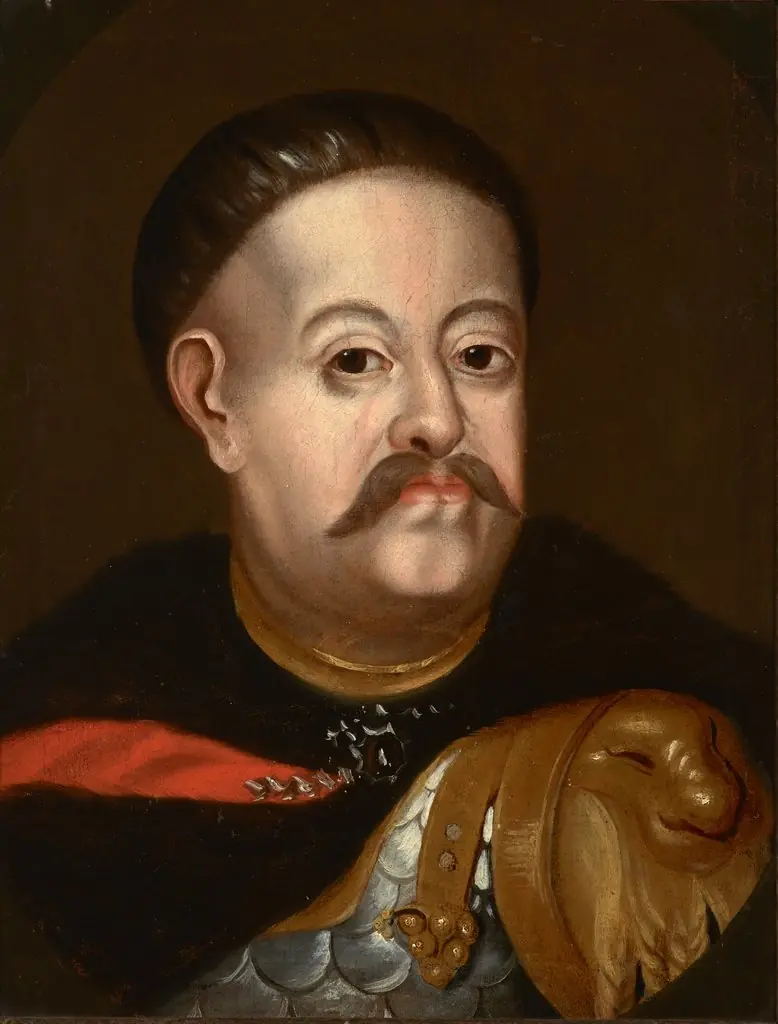 Portret Jana III Sobieskiego (1629-1696), króla Polski
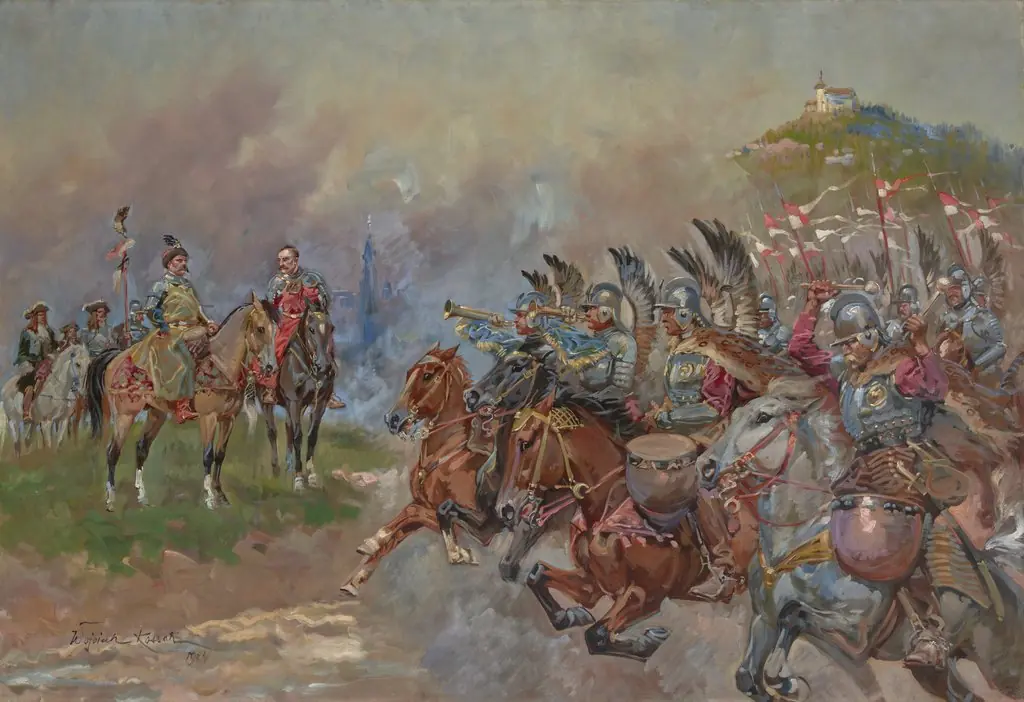 Polish Hussars Parading in Front of King John III Sobieski
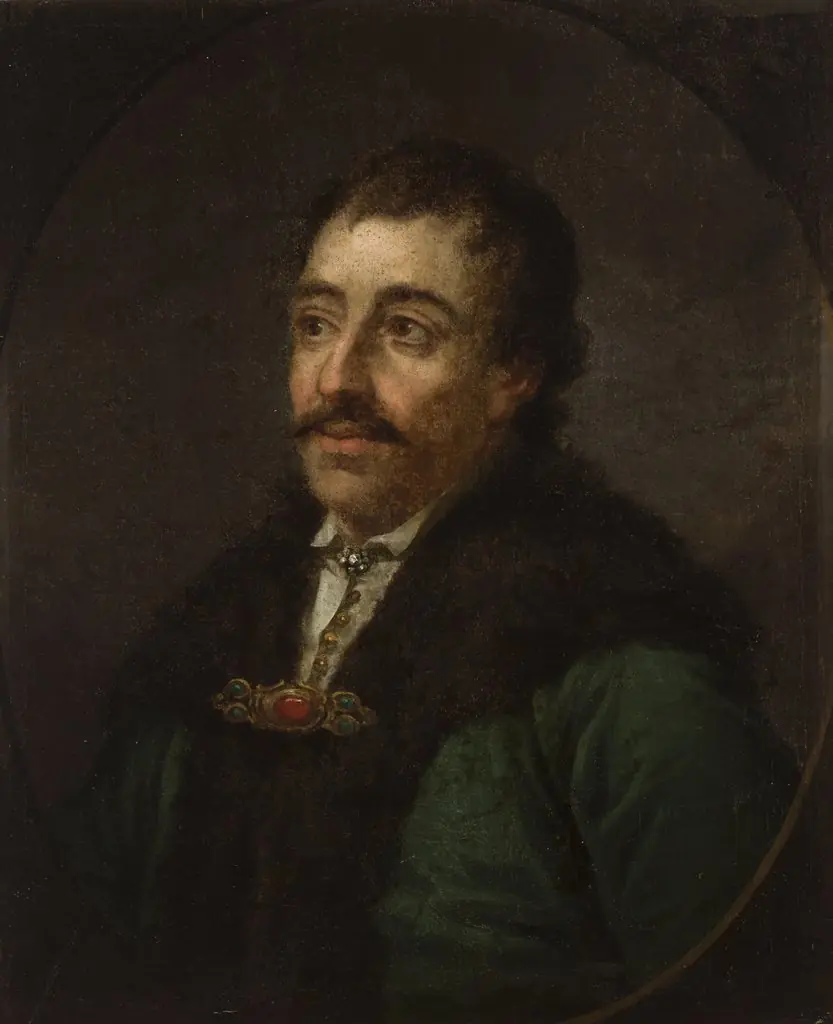 Portrait of Marcin Kalinowski
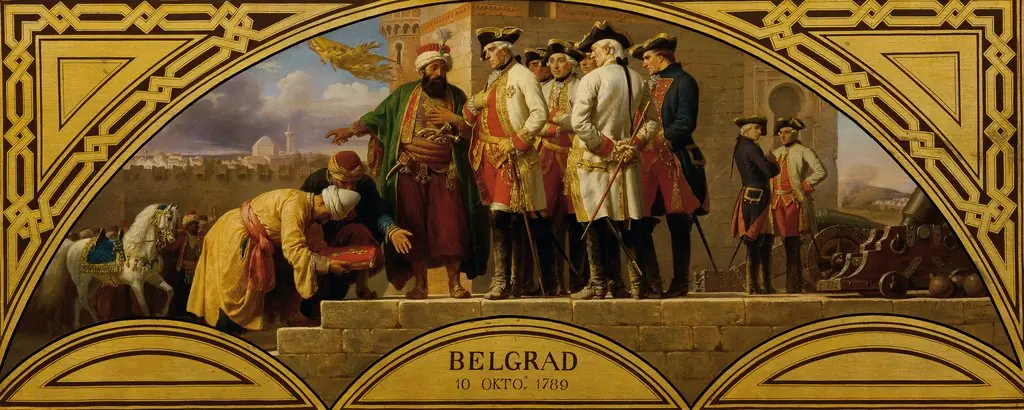 The surrender of Belgrade in 1789
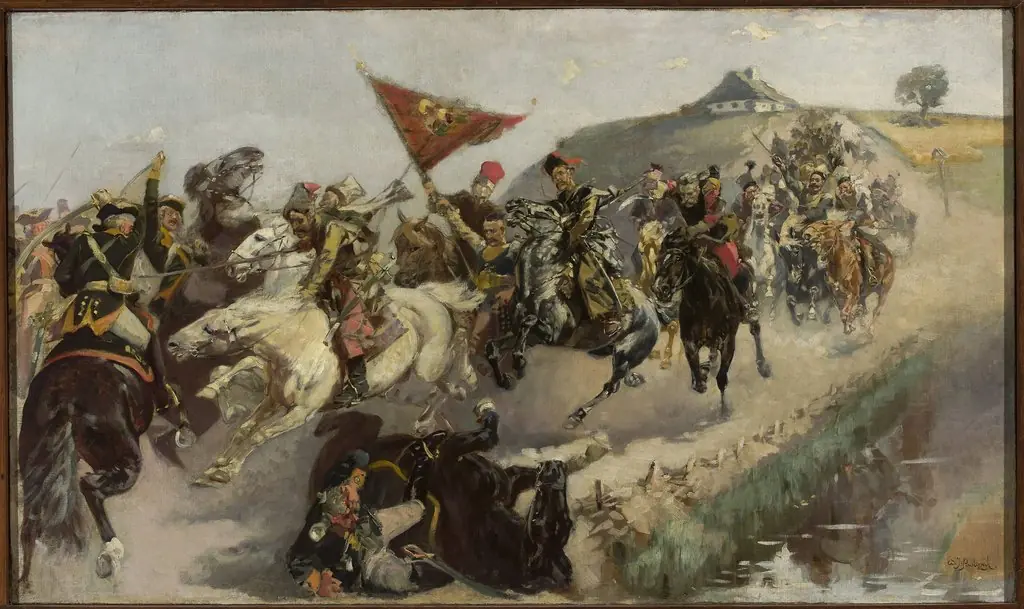 Skirmish on the road
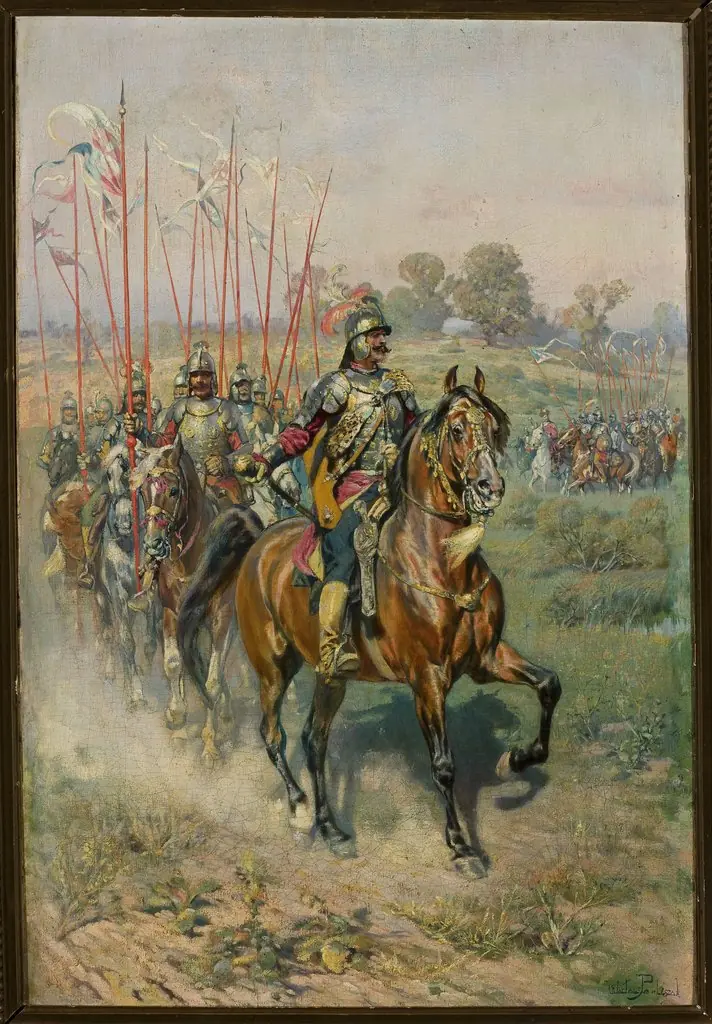 Procession of hussars
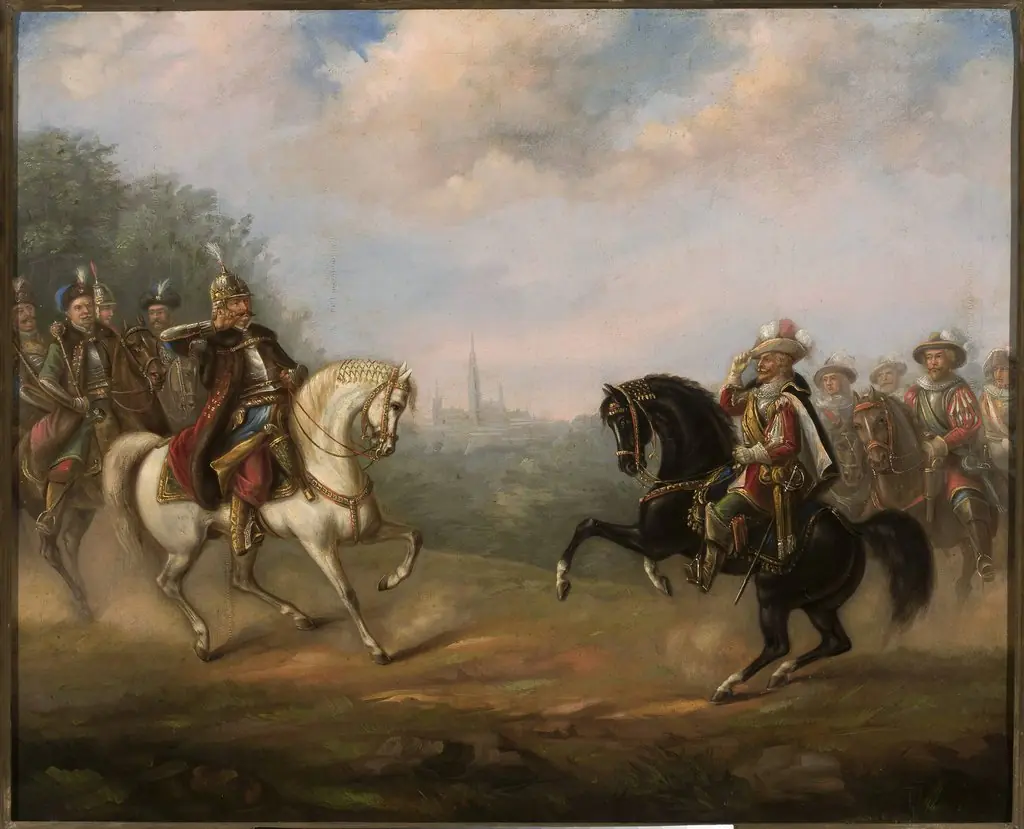 King John III Sobieski meets emperor Leopold at Vienna
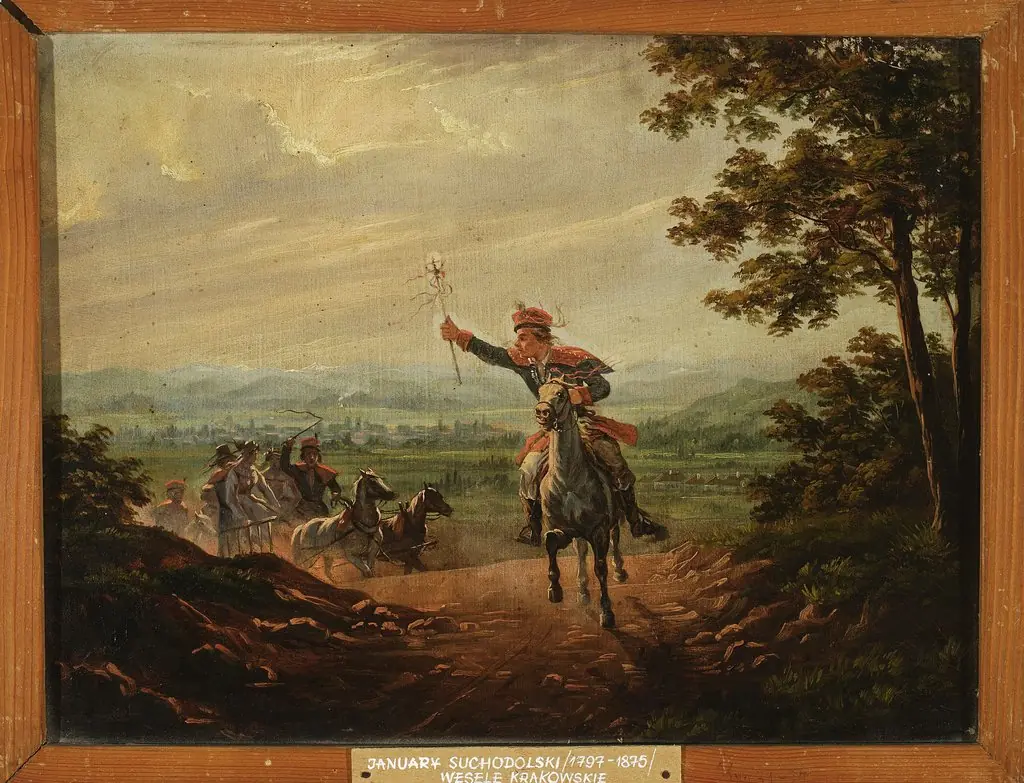 Cracovian wedding
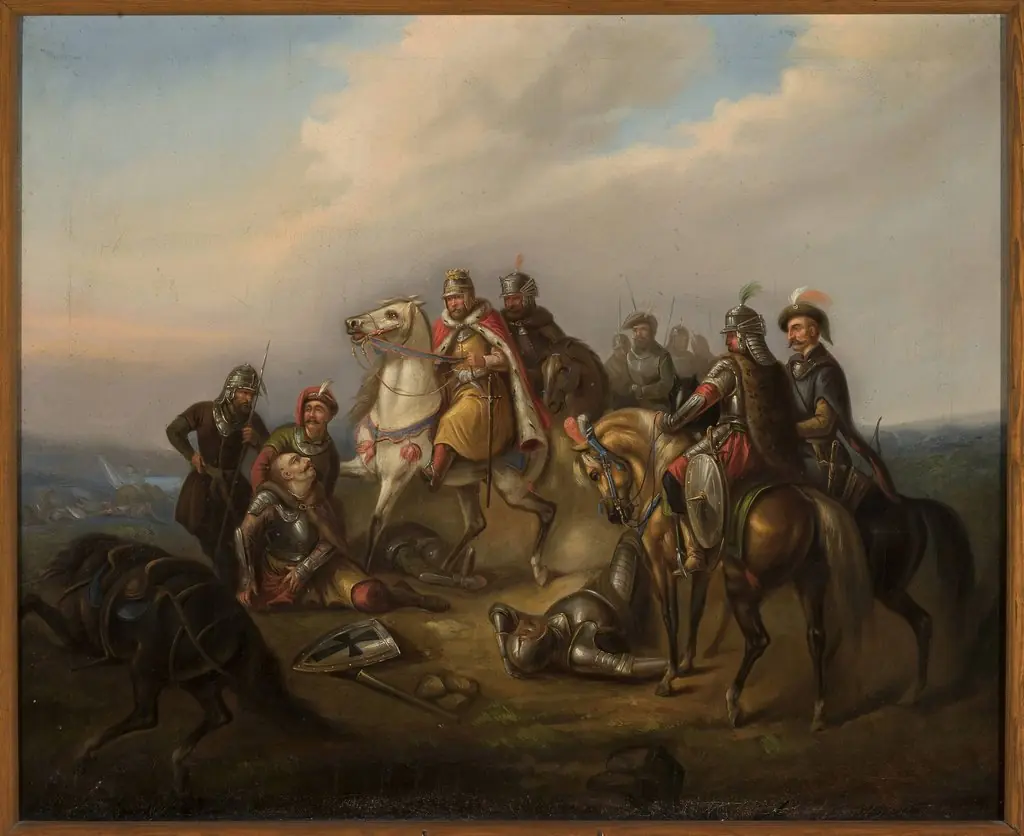 After the battle
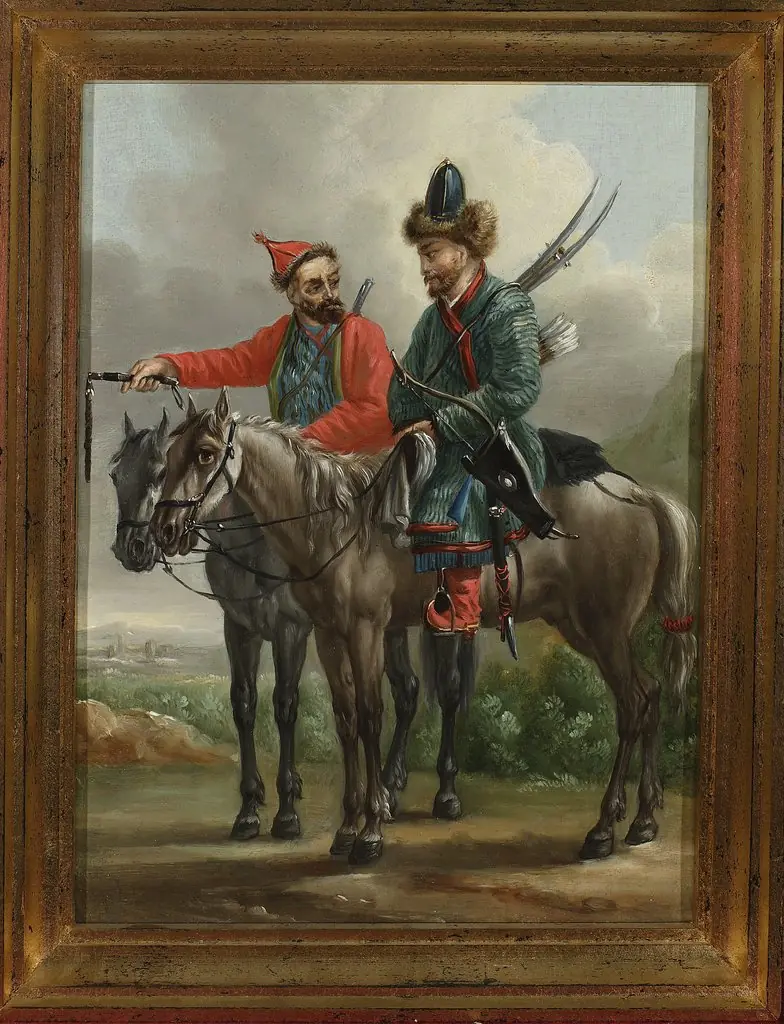 Two Kalmyk horsemen
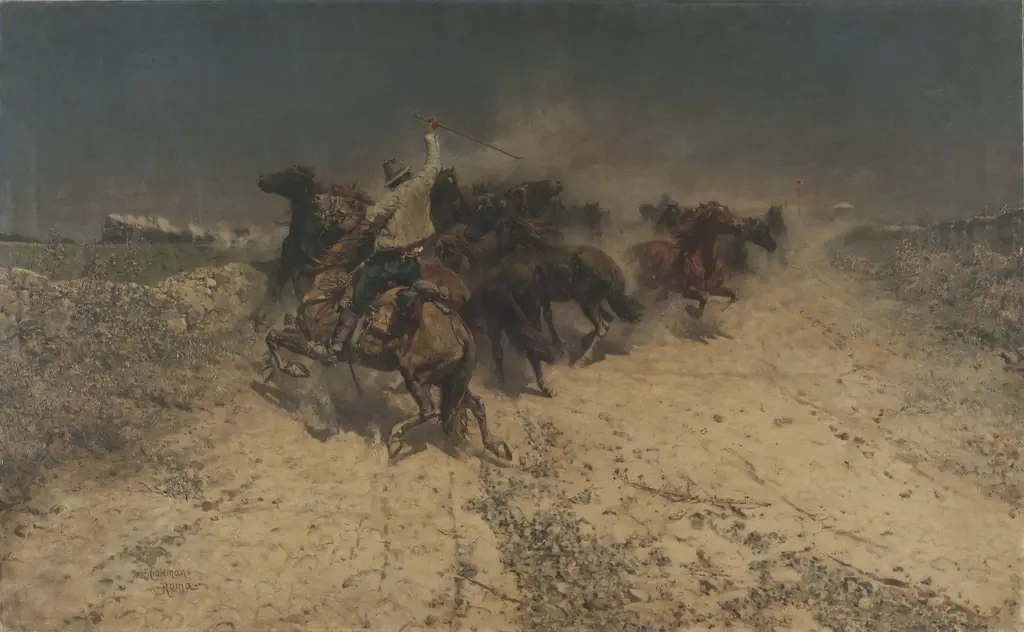 Horses
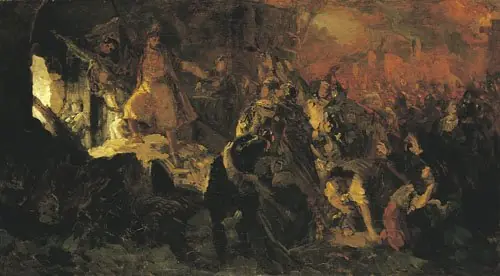 Zrínyi's Charge
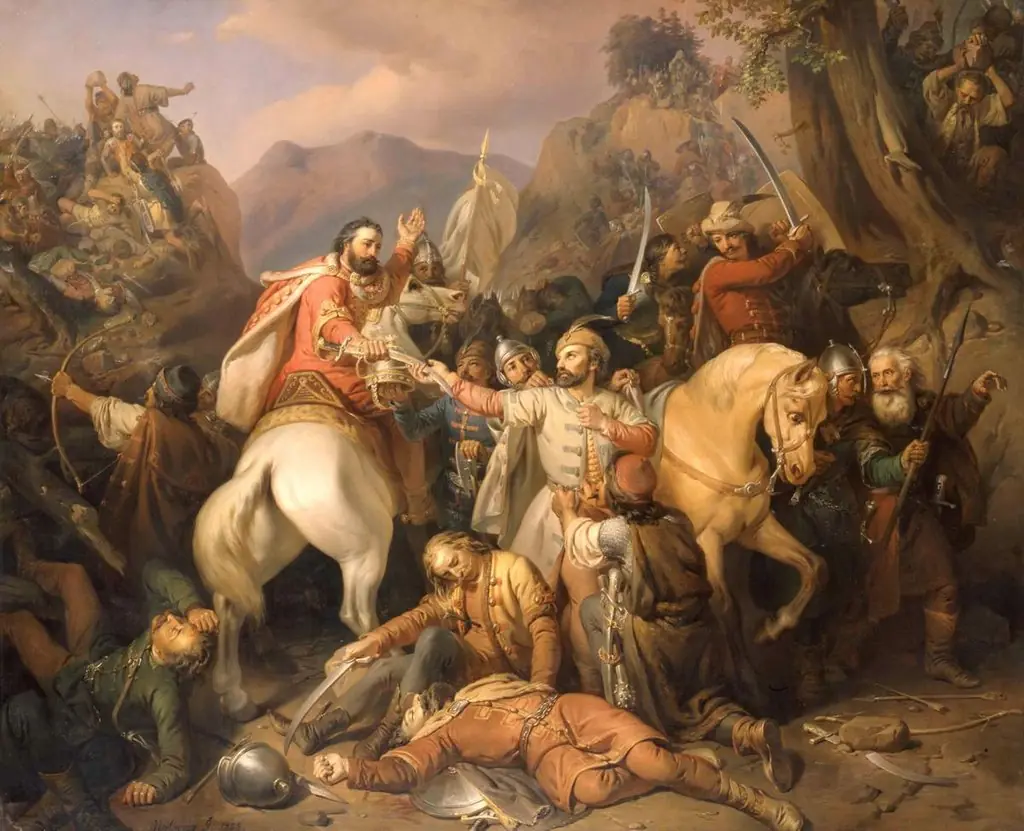 Warrior Dezső Sacrifices his Life for King Charles Robert
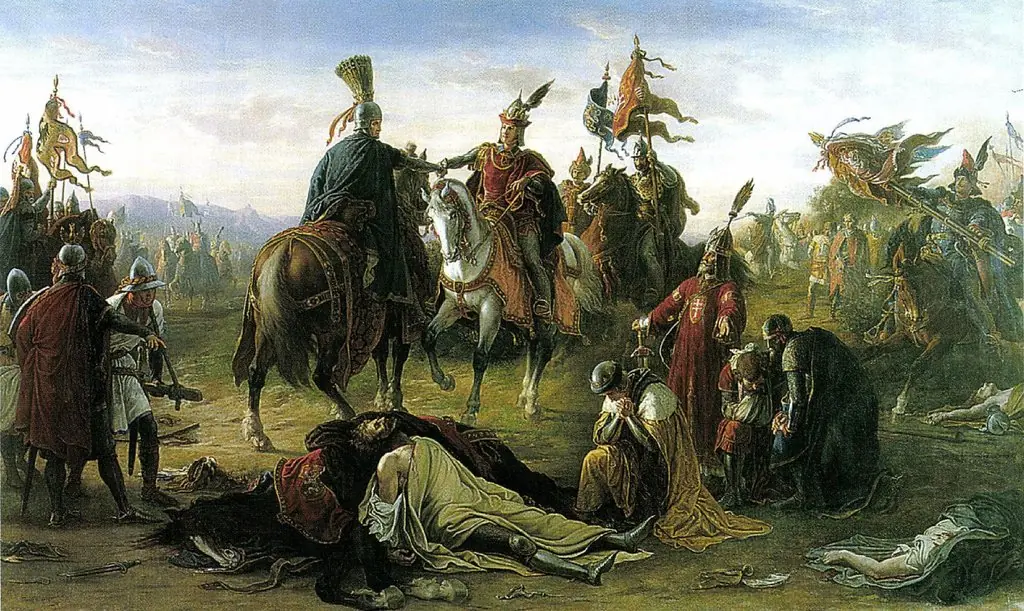 The Meeting of King Ladislas IV and Rudolph of Habsburg on the Battlefield of Marchfeld
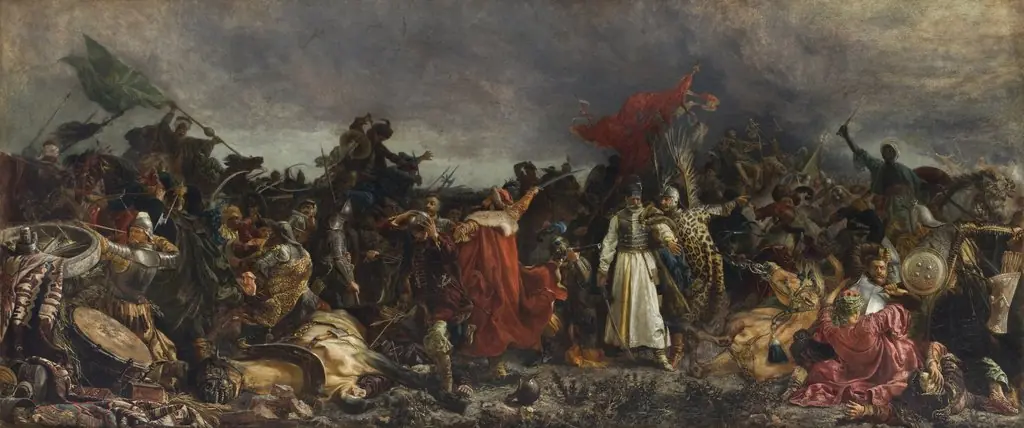 The Battle of Cecora
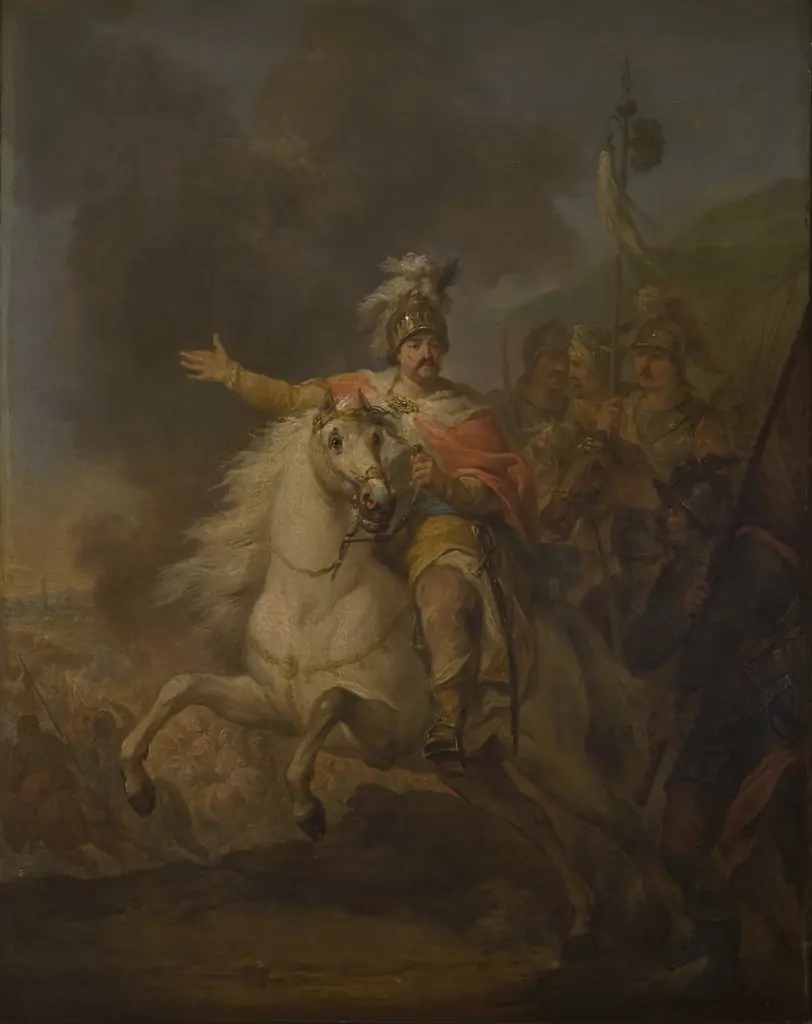 Sobieski at Vienna
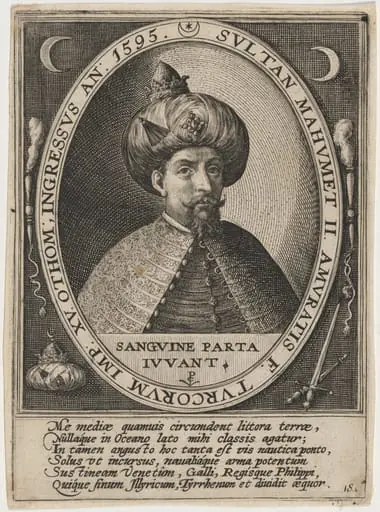 Mehmed II, Sultan of Turkey
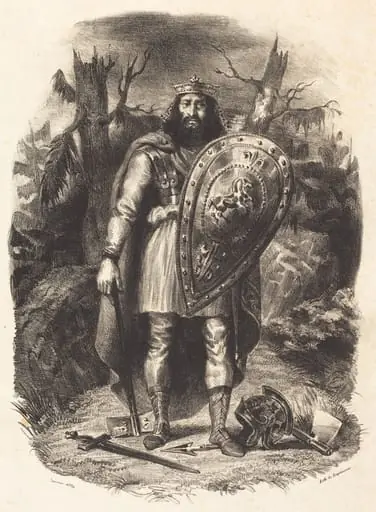 Vercingétorix
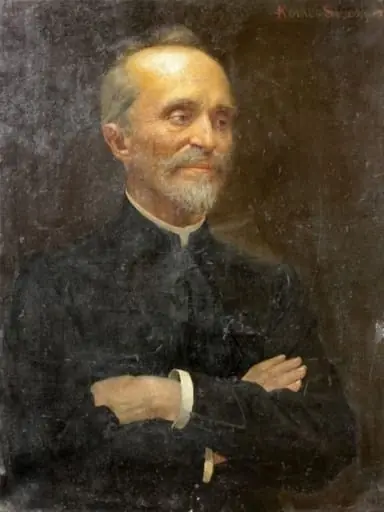 Portret de bărbat
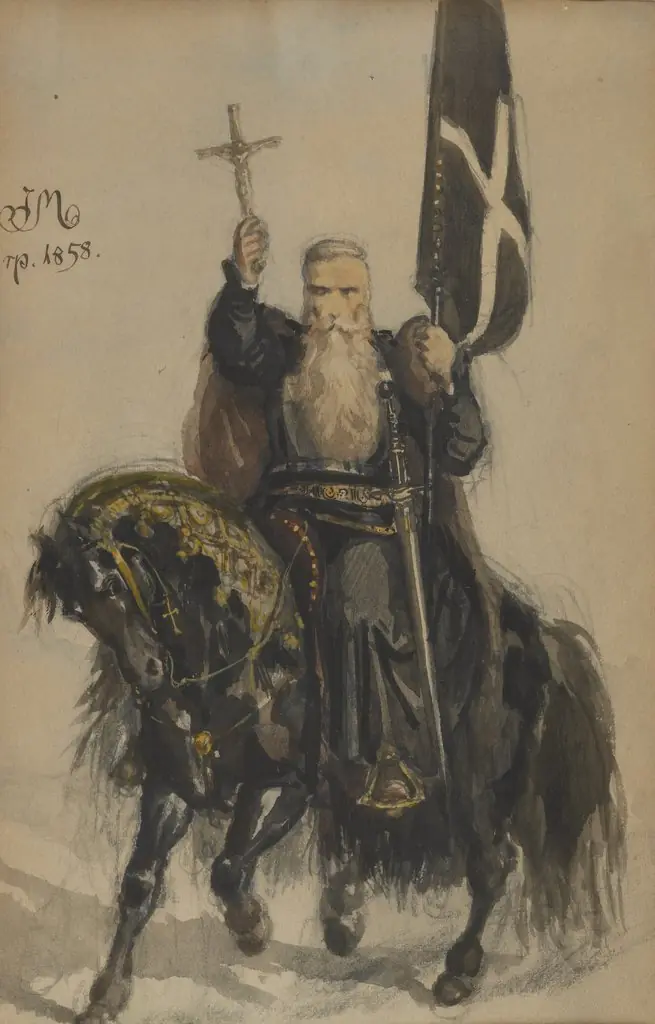 Peter of Amiens – Crusader
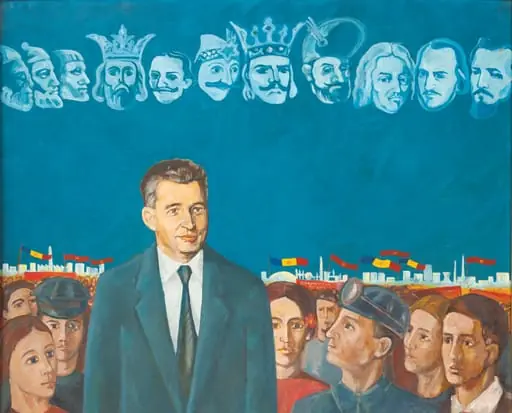 Tablou, ulei pe pânză, „Omagiu”, nesemnat. Nicolae Ceaușescu este prezentat în mijlocul oamenilor muncii vegheat de ”fantomele” eroilor neamului : Burebista, Decebal, Traian, Mircea cel Bătrân, Iancu de Hunedoara, Vlad Țepeș, Ștefan cel Mare, Mihai Viteazul, Dimitrie Cantemir, Nicolae Bălcescu, Alexandru Ioan Cuza (de la stânga la dreapta). Comandat și oferit de Comitetul Județean de Partid Tulcea, 22 ianuarie 1978.
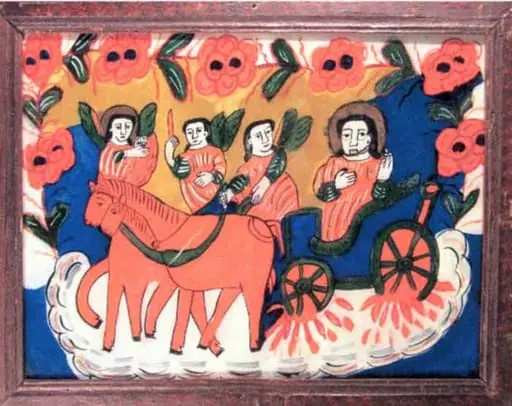 Sfântul Ilie
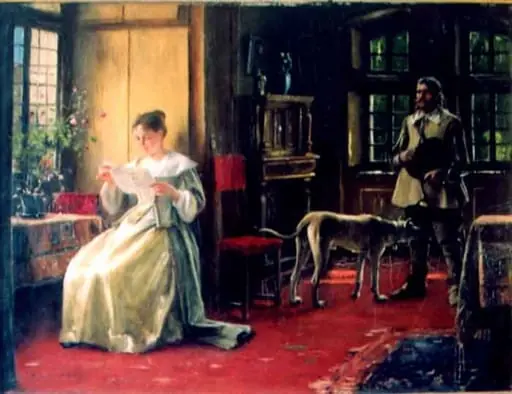 Scrisoarea
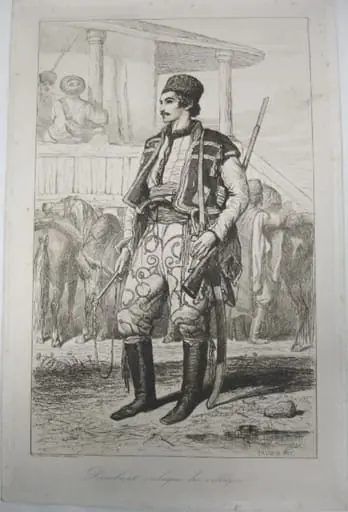 Dorobant valaque des villages
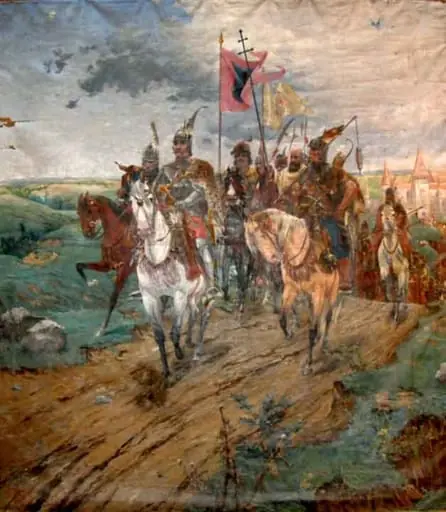 Iancu de Hunedoara
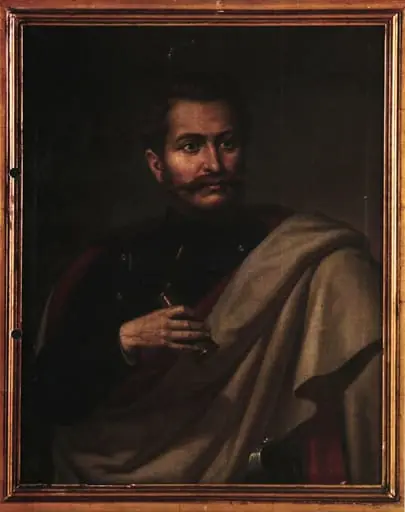 Avram Iancu
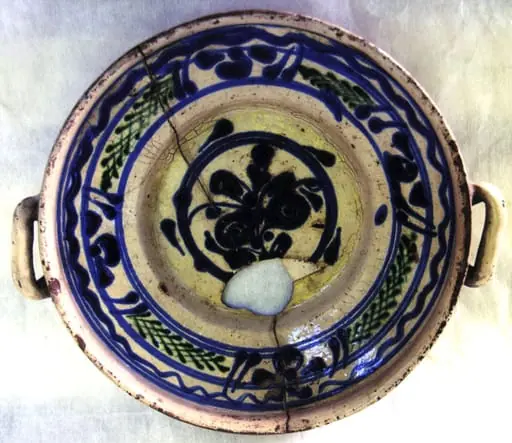 Blid cu toarte
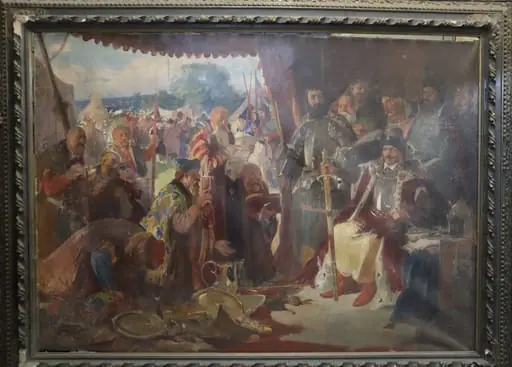 Ștefan cel Mare primind solii tătari
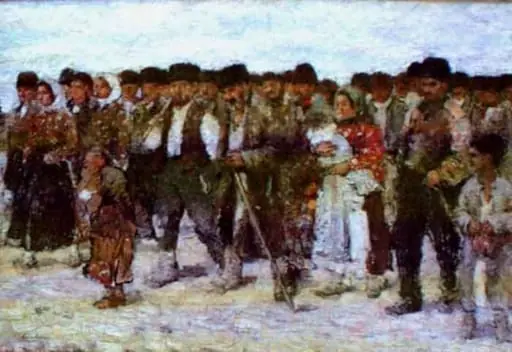 La împărțitul porumbului
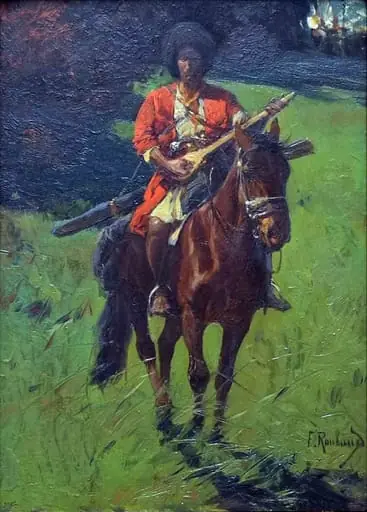 Cazac călare
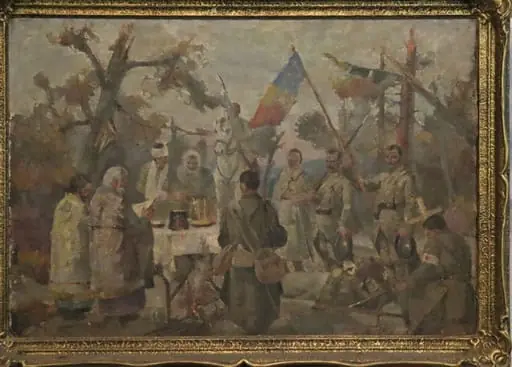 Înmormântarea unui ofițer din primul război mondial
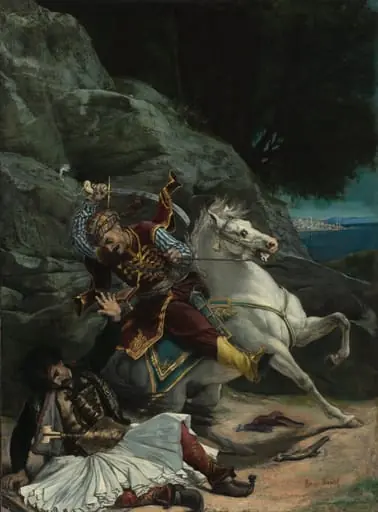 Combat of a Greek and a Turk
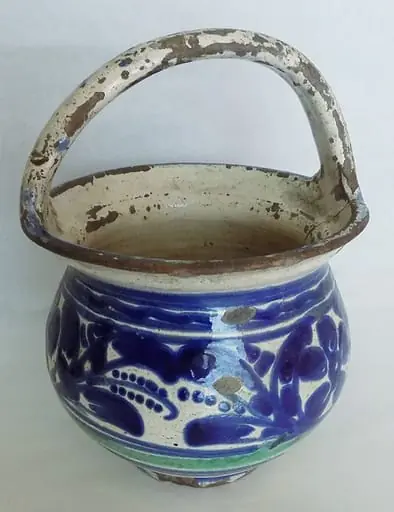 oală pentru lapte
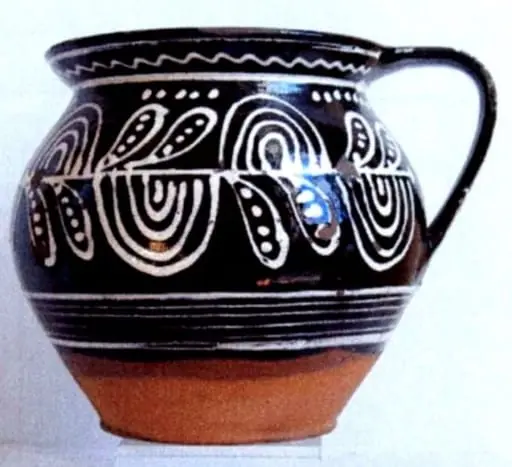 oală cu toartă
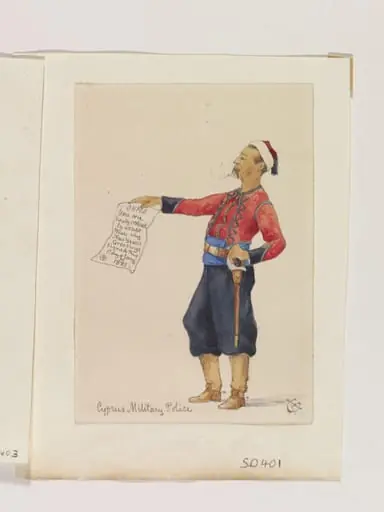 Cyprus Military Police
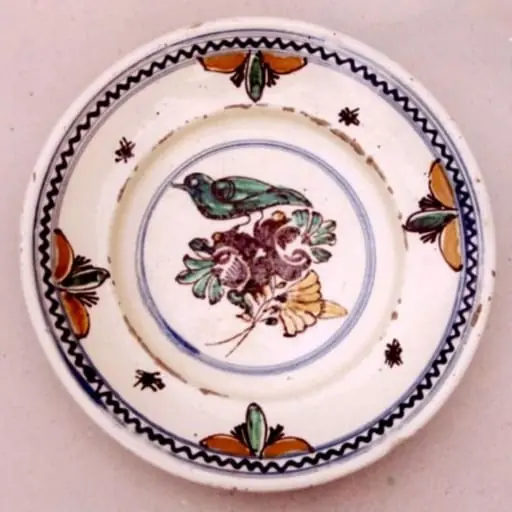 tányér
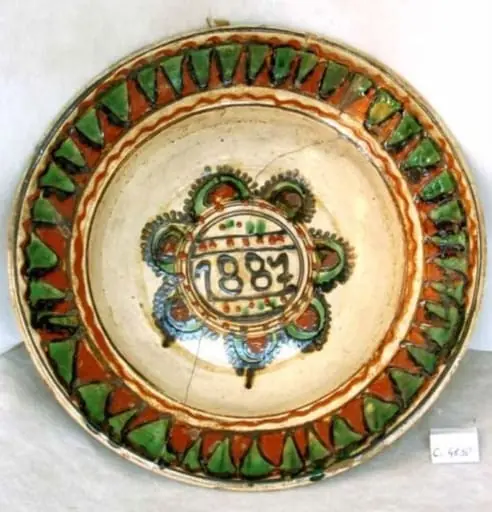 blid
blid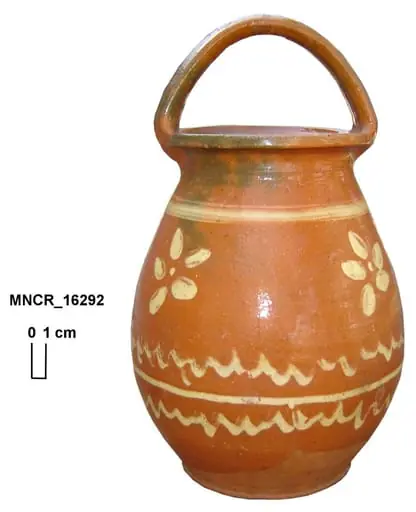 Oală pentru ciorbă
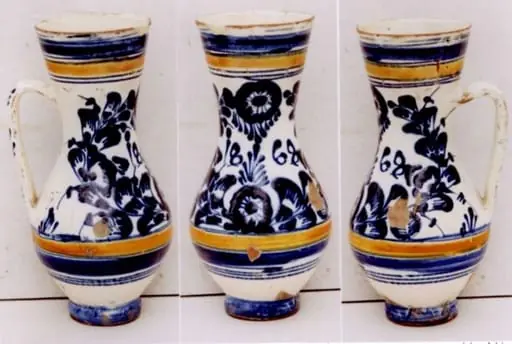 bokály
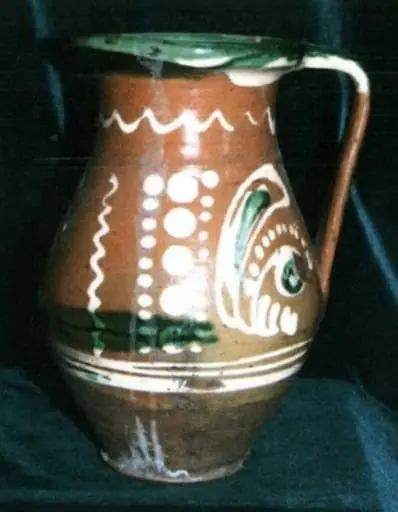 ulcea de lapte
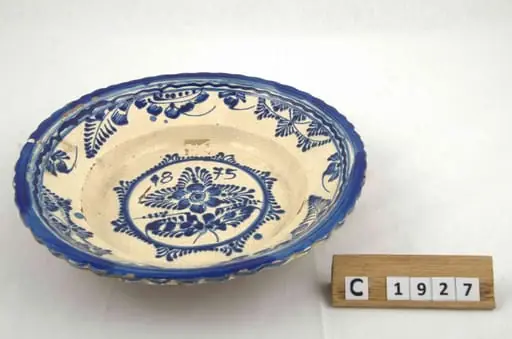 Blid
Blid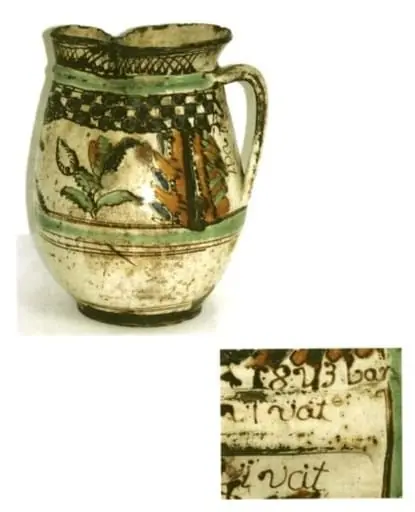 cană de vin
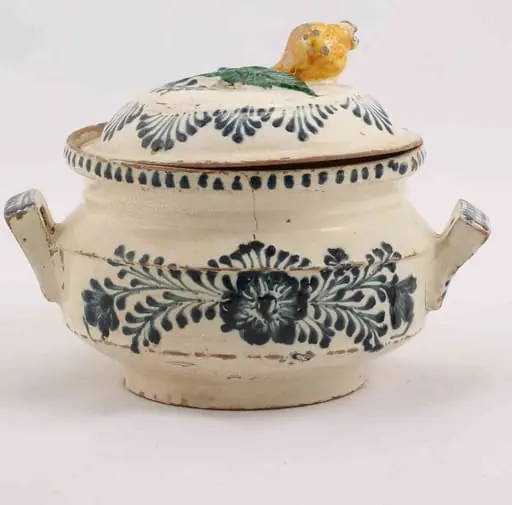 Vas de lăuzie cu capac
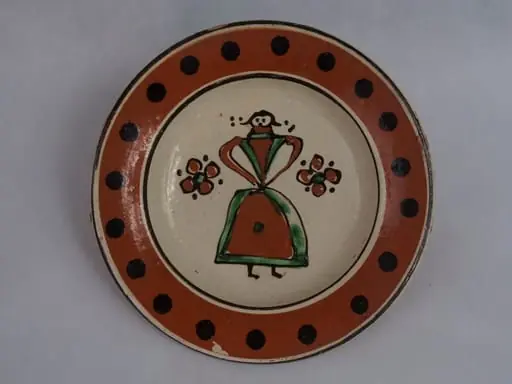 Blid mare
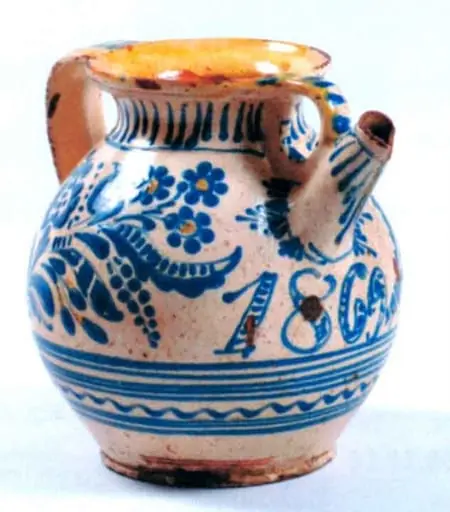 oală de țuică fiartă
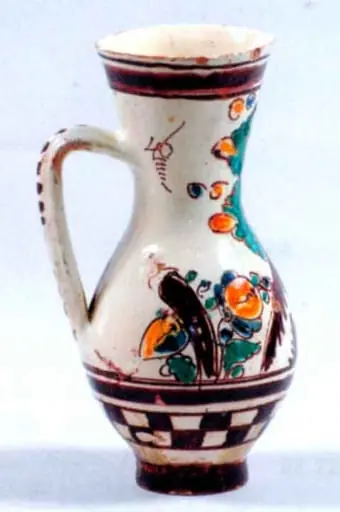 canceu
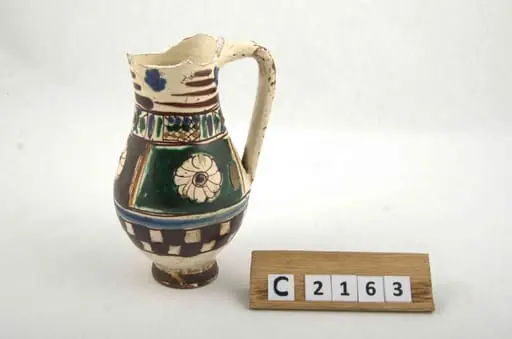 Cănceu fragment
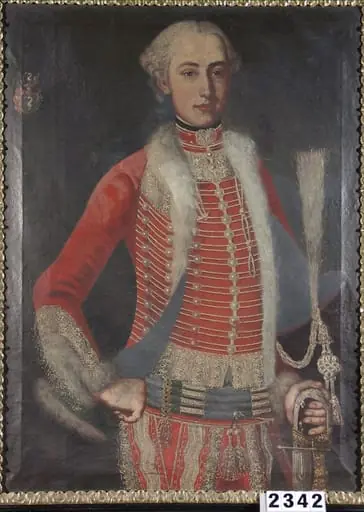 Portretul lui Petrus Traugott von Klausenburger (În RI: Portretul lui P.T. Klausenburger)
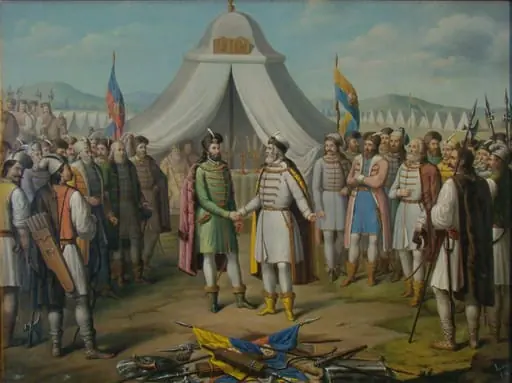 Întâlnirea dintre Bogdan Cel Orb și Radu Cel Mare
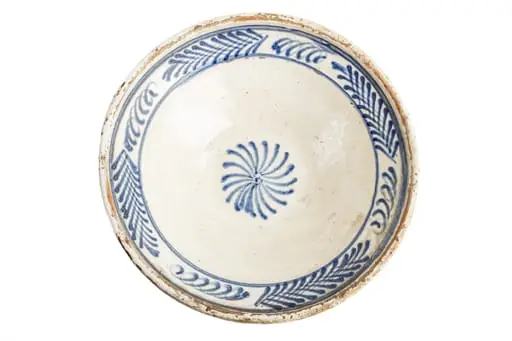 Formă tronconică; fond alb; culori: albastru. Decorul constă într- o floare stilizată de culoare albastră amplasată în centru farfuriei. Sub buza vasului într-o bandă delimitată de două cercuri albastre sînt amplasate ramuri de brad și frunze stilizate în alternanță decorativă. Folosită la decorarea interiorului țărănesc în așa numita - cameră bună.
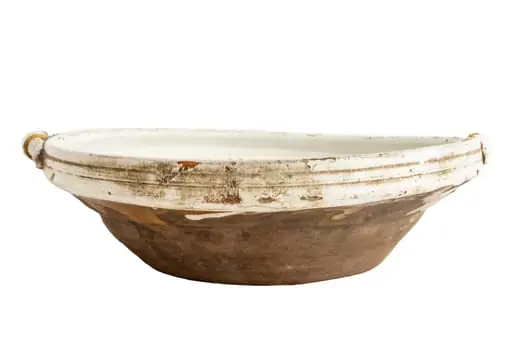 Formă tronconică; fond alb. Decorul amplasat în centrul farfuriei, este reprezentat de trei flori stilizate și două frunze, de culoare albastră. Pe umărul vasului într-un registru circular delimitat de linii albastre sînt amplasate ramuri de brad de culoare albastră și verde alternînd cromatic. Pe laterale se disting două toarte. Folosită la decorarea interiorului țărănesc în așa numita - cameră bună.
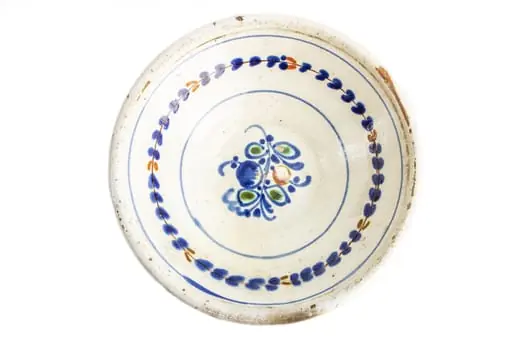 Formă tronconică; fond alb; culori: albastru, verde, cărămiziu; în centrul farfuriei este amplasat un buchet din flori albastre și una de culoare cărămizie, cu frunze verzi, înscris într-un cerc de culoare albastră. Pe perete este amplasat un vrej circular cu frunze albastre și cîteva de culoare cărămizie. Sub buză este dispus un cerc albastru.
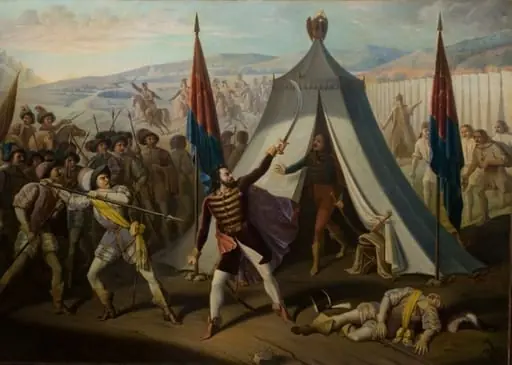 Uciderea lui Mihai Viteazul
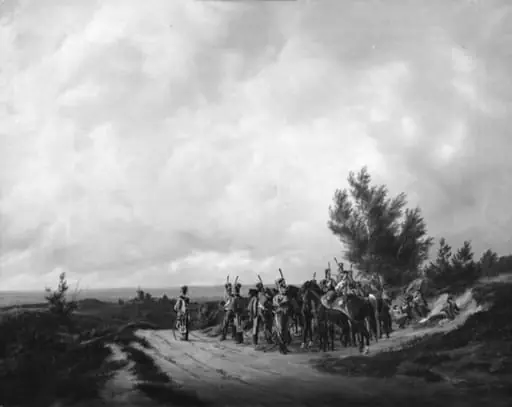 A Hussar Picket
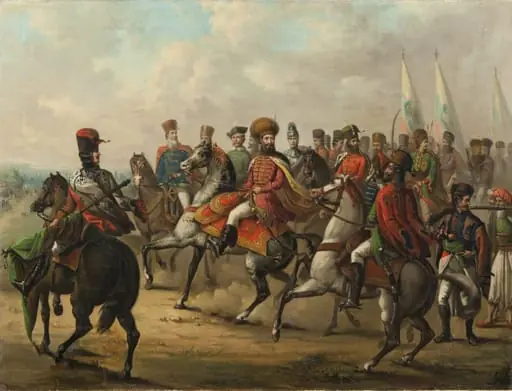 Mihai Viteazul la Călugăreni
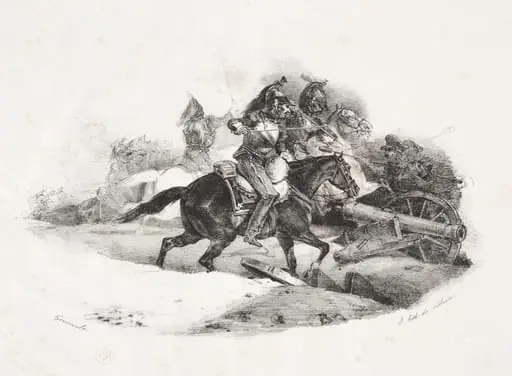 Cuirassiers Charging an Artillery Battery
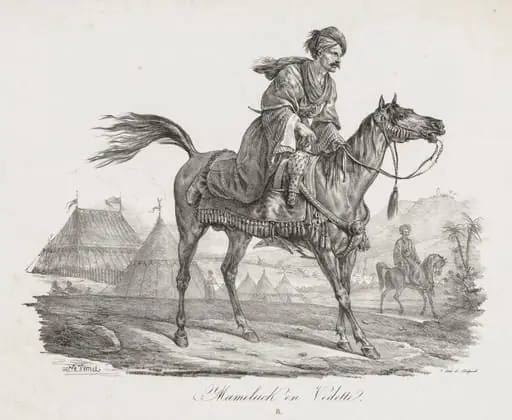 Large Suite of Horses: Mounted Mamelucke
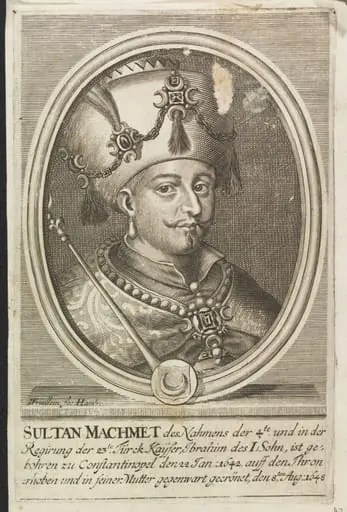 Turkish sultans, sultanas and other historical figures
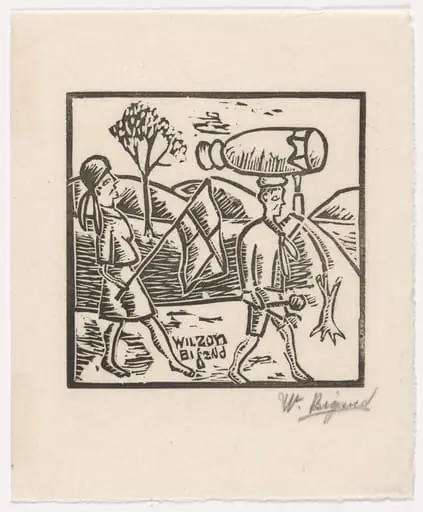 Untitled
Frequently asked questions
What is Magyar?
Magyar is a subject in art. Hungarian, or Magyar (Magyar nyelv, pronounced ), is a Ugric language of the Uralic language family spoken in Hungary and parts of several neighboring countries.
How many Magyar works does Artifact World Gallery have?
Artifact World Gallery holds 74 public-domain Magyar works, all free to view and download.
Who are the key Magyar artists?
Key Magyar artists in the collection include Jan Matejko, Carle Vernet and Eugène Delacroix.
Where can I see Magyar works?
Magyar works in the collection are held by National Museum in Warsaw, National Museum in Kraków and Romanian Peasant Museum.